

Sierra Madre Occidental, Mexico Travel Guide
Discover the Sierra Madre Occidental: Mexico's hidden gem with breathtaking landscapes, rich cultural heritage, and thrilling outdoor adventures.
Nestled in the heart of Mexico, the Sierra Madre Occidental is a stunning mountain range that stretches over 1,500 kilometers. Known for its breathtaking landscapes, diverse flora and fauna, and vibrant local culture, this destination offers an unforgettable experience for adventure enthusiasts and nature lovers alike. The region is home to numerous national parks and protected areas, where you can explore dense forests, rugged cliffs, and crystal-clear rivers. Hiking, bird-watching, and mountain biking are popular activities, allowing visitors to immerse themselves in the natural beauty of the area. Don't miss the Copper Canyon, a series of six canyons that are larger and deeper than the Grand Canyon in the United States. This natural wonder offers spectacular views and thrilling opportunities for outdoor adventures. In addition to its natural attractions, the Sierra Madre Occidental is rich in cultural heritage. The indigenous Tarahumara people, known for their incredible running abilities, inhabit this region. Visitors can learn about their unique traditions, crafts, and way of life by visiting local villages and engaging with the community. The area's colonial towns, with their charming architecture and vibrant markets, also provide a glimpse into Mexico's historical past.

Know before you go
Hi, I'm Eve. Here are a few practical things to know before exploring Sierra Madre Occidental.
- Visit during the dry season (November to May) for the best weather conditions.
- Wear comfortable hiking shoes and bring plenty of water for outdoor activities.
- Respect the local customs and traditions of the indigenous Tarahumara people.
- Consider staying in eco-lodges to minimize your environmental impact and support local communities.
- Hire a local guide to enhance your experience and ensure your safety during hikes and tours.
Top City Travel Guides in Sierra Madre Occidental
The cities of Sierra Madre Occidental, and the easiest places to base yourself.


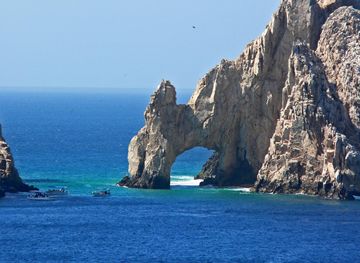
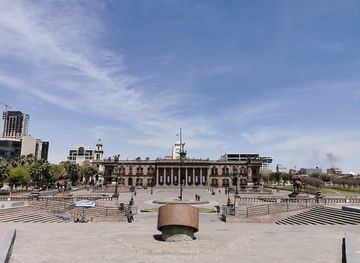

Destinations in Sierra Madre Occidental
Resorts, valleys and scenic spots worth a trip of their own.


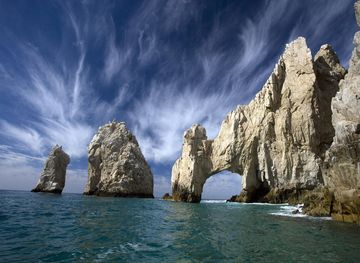
Explore Sierra Madre Occidental: Things to Do, Places to Eat, Hotels & More
Handpicked recommendations for top attractions, local dining, accommodations, and more

Top Attractions & Sightseeing in Sierra Madre Occidental
Top-rated picks
Best Attractions
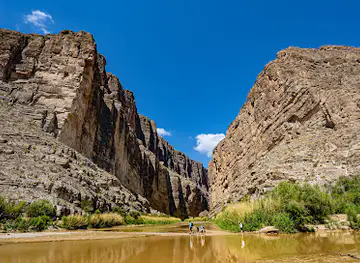
Parque Nacional Cañon de Santa Elena
Discover the breathtaking beauty of Parque Nacional Cañon de Santa Elena, a natural wonder in Chihuahua, Mexico, renowned for its stunning landscapes and rich biodiversity.

Playa el Verde Camacho
Experience the tranquil beauty of Playa el Verde Camacho, Mazatlan’s hidden beach paradise with stunning views and outdoor adventures.

Best restaurants in Sierra Madre Occidental
Top-rated picks
Best Restaurants

Cabanna Restaurant
Experience exquisite seafood dining at Cabanna Restaurant in Culiacán - where every dish tells a story.

Campestre La Herradura
Discover authentic Mexican cuisine at Campestre La Herradura in Culiacán, where traditional flavors meet vibrant atmosphere.

Sierra Madre Brewing Co.
Discover delicious local cuisine and craft brews at Sierra Madre Brewing Co., Reynosa's top restaurant and bar destination.

Mochomos Culiacán - Riqueza Sonorense
Discover the rich flavors of Sinaloa at Mochomos Culiacán - where tradition meets modern culinary excellence.

Best bars in Sierra Madre Occidental
Top-rated picks
Best Bars

Mango Deck
Experience the best of Cabo San Lucas dining at Mango Deck, offering delicious grill and sushi dishes with breathtaking ocean views.

Sierra Madre Brewing Company
Discover the vibrant flavors of craft beer and American cuisine at Sierra Madre Brewing Company, a top brewpub in Guadalupe, Nuevo Leon.

Sierra Madre Brewing Co.
Discover the vibrant craft beer culture at Sierra Madre Brewing Co. in Monterrey, where local flavors meet a lively atmosphere for an unforgettable experience.

Terraza Catedral
Terraza Catedral: your gateway to vibrant nightlife and stunning views in Mexico City's historic center.

Best nightclubs in Sierra Madre Occidental
Top-rated picks
Best Nightclubs

Mandala Puerto Vallarta
Dive into the exhilarating nightlife at Mandala Puerto Vallarta, where vibrant music and dancing await in a stunning atmosphere.

Kennedy Social Room
Experience the vibrant nightlife at Kennedy Social Room, a premier night club in Polanco, Mexico City, known for its electrifying atmosphere and exquisite cocktails.

Club San Luis
Dive into the electrifying nightlife of Mexico City at Club San Luis, where music, dance, and vibrant culture create unforgettable memories.

Mandala Los Cabos
Dive into the energetic nightlife of Cabo San Lucas at Mandala Los Cabos, where unforgettable memories and vibrant dance floors await you.

Best shops in Sierra Madre Occidental
Top-rated picks
Best Shops

The Shops at Santa Anita
Discover an enticing blend of shopping, dining, and entertainment at The Shops at Santa Anita, a must-visit destination in California.

Plaza Puerto Paraiso
Explore Plaza Puerto Paraiso in Cabo San Lucas, a vibrant shopping and dining destination featuring art galleries, clothing stores, and diverse culinary delights.

Plaza Bonita
Discover the ultimate shopping experience at Plaza Bonita in Cabo San Lucas, where local culture meets modern retail in a vibrant atmosphere.

Mall Plaza Del Pescador
Explore Mall Plaza Del Pescador, where shopping meets culture in the heart of San José del Cabo, offering boutiques, dining, and relaxation.

Explore Sierra Madre Occidental on the Map
A handpicked selection of must-see spots in Sierra Madre Occidental, mapped for you.
Sierra Madre Occidental Essentials
-
The Sierra Madre Occidental can be accessed via several major cities in Mexico, such as Guadalajara, Mazatlán, and Chihuahua. The nearest international airports are in Guadalajara (Miguel Hidalgo y Costilla Guadalajara International Airport) and Mazatlán (General Rafael Buelna International Airport). From these cities, you can rent a car, take a bus, or arrange for private transportation to reach different parts of the mountain range. For a more adventurous route, you can take the famous Copper Canyon Railway (El Chepe) which offers a scenic journey through the heart of the Sierra Madre Occidental.
-
Within the Sierra Madre Occidental, transportation options vary depending on the region. In urban areas, taxis and buses are available for local travel. For exploring remote areas and natural attractions, renting a car or hiring a local guide is recommended. The Copper Canyon Railway is a popular option for traversing the region, offering stops at major attractions and towns. Be prepared for some areas with limited public transport, where walking or off-road vehicles may be necessary.
-
The official currency in Mexico is the Mexican Peso (MXN). Credit cards are widely accepted in cities and larger towns, but it is advisable to carry cash, especially in rural areas and small establishments. ATMs are available in major cities and towns, but may be scarce in remote areas, so plan accordingly. Always inform your bank of your travel plans to avoid any issues with card transactions.
-
While many parts of the Sierra Madre Occidental are safe for tourists, it is important to exercise caution. Avoid traveling alone at night and stay vigilant of your surroundings. Areas with higher crime rates targeting tourists include parts of Ciudad Juarez and some neighborhoods in Culiacán. Always check current travel advisories before your trip. Keep your belongings secure, avoid displaying valuable items, and be cautious when using ATMs, especially at night.
-
In case of emergency, dial 911 for immediate assistance. It is important to know the locations of the nearest hospitals and police stations in the area you are visiting. Carry a basic first aid kit and any necessary medications. For medical emergencies, consider having travel insurance that covers such incidents. For minor health issues, pharmacies are available in most towns where you can purchase over-the-counter medications.
-
Fashion: Do dress comfortably and modestly, especially in rural areas and religious sites. Avoid wearing overly revealing clothing. Religion: Do respect local customs and traditions, especially when visiting churches and indigenous communities. Public Transport: Do be respectful and courteous on public transport. Don't eat or drink on buses or trains. Greetings: Do greet people with a handshake or a simple 'Hola'. A nod of the head is also a sign of respect. Eating & Drinking: Do try local cuisine and accept food offerings graciously. Don't refuse hospitality, as it may be considered impolite.
-
To experience the Sierra Madre Occidental like a local, visit local markets and try traditional foods such as tamales and gorditas. Engage with locals who are often friendly and willing to share stories about their culture and history. Explore off-the-beaten-path trails for hiking and discover hidden waterfalls and caves. Attend local festivals and events to immerse yourself in the local culture. Respect the environment and local wildlife by following 'Leave No Trace' principles.
When is the best time to visit Sierra Madre Occidental?
Useful Local Phrases for Sierra Madre Occidental
You don't need to speak the language perfectly. Even learning a few simple words can make conversations warmer—and locals usually appreciate the effort.
— Eve

Here are the phrases I use most often in Sierra Madre Occidental. Try a few—you'll be surprised how far they go! 😊
❤️
-
- HelloHola
[Ola] - GoodbyeAdiós
[Adyos] - YesSí
[See] - NoNo
[No] - Please/You're welcomePor favor
[Por favor] - Thank youGracias
[Grasyas] - Excuse me/SorryPerdón
[Perdon] - How are you?¿Cómo estás?
[Komo estas] - Fine. And you?Bien. ¿Y tú?
[Byen. E tu] - Do you speak English?¿Hablas inglés?
[Hablas ingles] - I don't understandNo entiendo
[No entiendo]
- HelloHola
-
- I'd like to see the menu, pleaseMe gustaría ver el menú, por favor
[Me gustaria ver el menu, por favor] - I don't eat meatNo como carne
[No komo karne] - Cheers!¡Salud!
[Salud] - I would like to pay, pleaseQuisiera pagar, por favor
[Kisiera pagar, por favor]
- I'd like to see the menu, pleaseMe gustaría ver el menú, por favor
-
- Help!¡Ayuda!
[Ayuda] - Go away!¡Vete!
[Vete] - Call the Police!¡Llama a la policía!
[Llama a la policia] - Call a doctor!¡Llama a un doctor!
[Llama a un doktor] - I'm lostEstoy perdido
[Estoy perdido] - I'm illEstoy enfermo
[Estoy enfermo]
- Help!¡Ayuda!
-
- I'd like to buy...Quisiera comprar...
[Kisiera comprar] - I'm just lookingSolo estoy mirando
[Solo estoy mirando] - How much is it?¿Cuánto cuesta?
[Kwanto kwesta] - That's too expensiveEso es muy caro
[Eso es mui karo] - Can you lower the price?¿Puedes bajar el precio?
[Pwedes bajar el precio]
- I'd like to buy...Quisiera comprar...
-
- What time is it?¿Qué hora es?
[Ke ora es] - It's one o'clockEs la una
[Es la una] - Half past (10)Y media (10)
[Y media diez] - MorningMañana
[Mañana] - AfternoonTarde
[Tarde] - EveningNoche
[Noche] - YesterdayAyer
[Ayer] - TodayHoy
[Hoy] - TomorrowMañana
[Mañana] - 1Uno
[Uno] - 2Dos
[Dos] - 3Tres
[Tres] - 4Cuatro
[Kwatro] - 5Cinco
[Sinko] - 6Seis
[Seis] - 7Siete
[Siete] - 8Ocho
[Ocho] - 9Nueve
[Nueve] - 10Diez
[Diez]
- What time is it?¿Qué hora es?
-
- Where's a/the...?¿Dónde está un/una...?
[Donde esta un/una] - What's the address?¿Cuál es la dirección?
[Kwal es la direccion] - Can you show me (on the map)?¿Puedes mostrarme (en el mapa)?
[Pwedes mostrarme en el mapa] - When's the next (bus)?¿Cuándo es el próximo (autobús)?
[Kwandos es el proximo autobus] - A ticket (to ....)Un boleto (a ....)
[Un boleto a]
- Where's a/the...?¿Dónde está un/una...?
History of Sierra Madre Occidental
-
The Sierra Madre Occidental has been home to various indigenous civilizations for thousands of years, including the Tarahumara (Rarámuri) people. These communities have thrived in the rugged terrain, developing unique cultures and traditions that continue to influence the region today. The Tarahumara are particularly known for their endurance in long-distance running, a skill that has been passed down through generations.
-
The arrival of Spanish conquistadors in the 16th century marked a significant turning point in the history of the Sierra Madre Occidental. The Spanish sought to exploit the region's rich mineral resources, leading to the establishment of numerous mining towns. This period saw the construction of missions and the spread of Christianity, often at the expense of indigenous cultures and autonomy.
-
The Sierra Madre Occidental played a role in Mexico's struggle for independence from Spain (1810-1821). The rugged terrain provided a strategic advantage for insurgent forces, who used the mountains as a base for guerrilla warfare against Spanish troops. This period of conflict significantly impacted the local communities, who were often caught in the crossfire.
-
During the early 20th century, the Sierra Madre Occidental was a battleground in the Mexican Revolution (1910-1920). Revolutionary leaders like Pancho Villa and Emiliano Zapata utilized the region's natural fortifications to launch attacks against government forces. The revolution brought significant social and political changes to the area, including land reforms and the redistribution of resources.
-
In recent years, efforts have been made to preserve the rich cultural heritage of the Sierra Madre Occidental. Initiatives include the promotion of indigenous languages and traditions, as well as the protection of archeological sites. The region continues to be a living testament to the resilience and adaptability of its diverse communities.
Neighbouring Regions of Sierra Madre Occidental
The closest regions to Sierra Madre Occidental, if you have time for more than one.


Your all‑in‑one travel companion app
Explore expert travel guides, compare and book tours, experiences, hotels, and more—all from the palm of your hand. Download now for seamless trip planning wherever your wanderlust takes you.


Explore More of Mexico

Looking beyond Sierra Madre Occidental? Discover Mexico for broader travel guides, local hot-spots, and regional highlights.
Explore MexicoSierra Madre Occidental in Photos
Browse through our photo collection highlighting the charm and character of the destination.


The Majestic Sierra Madre Occidental: A Nature Lover's Paradise
Nestled in the heart of Mexico, the Sierra Madre Occidental is a stunning mountain range that stretches over 1,500 kilometers. Known for its breathtaking landscapes, diverse flora and fauna, and vibrant local culture, this destination offers an unforgettable experience for adventure enthusiasts and nature lovers alike. The region is home to numerous national parks and protected areas, where you can explore dense forests, rugged cliffs, and crystal-clear rivers. Hiking, bird-watching, and mountain biking are popular activities, allowing visitors to immerse themselves in the natural beauty of the area. Don't miss the Copper Canyon, a series of six canyons that are larger and deeper than the Grand Canyon in the United States. This natural wonder offers spectacular views and thrilling opportunities for outdoor adventures. In addition to its natural attractions, the Sierra Madre Occidental is rich in cultural heritage. The indigenous Tarahumara people, known for their incredible running abilities, inhabit this region. Visitors can learn about their unique traditions, crafts, and way of life by visiting local villages and engaging with the community. The area's colonial towns, with their charming architecture and vibrant markets, also provide a glimpse into Mexico's historical past.