

Free Tequila Valley Travel Guide & Mobile App
Explore Tequila Valley with free travel guides. Discover regional history, expert tips, proposed trips, and audio guides on web or mobile app.


Explore Tequila Valley in Jalisco for blue-agave fields, historic distilleries, Guachimontones and the cultural roots of Mexico’s famous spirit.
Read more about Tequila Valley
When is the best time to visit Tequila Valley?
Best: February–March, December · 24–25°C| Month | High (°C) | Rainfall (mm) |
|---|---|---|
| January | 24 | 20 |
| February (best) | 24 | 20 |
| March (best) | 25 | 25 |
| April | 28 | 30 |
| May | 30 | 40 |
| June | 32 | 50 |
| July | 32 | 60 |
| August | 32 | 60 |
| September | 30 | 50 |
| October | 28 | 40 |
| November | 26 | 30 |
| December (best) | 24 | 20 |
Getting to and around Tequila Valley
How to get there
Transportation
Best attractions in Tequila Valley
Tequila Valley’s attractions combine a living drinks industry with archaeological, rural and architectural heritage. In Tequila, visitors can explore distillery museums, production facilities and historic streets before travelling into the countryside to see blue-agave cultivation and the landscapes recognised by UNESCO. Amatitán and El Arenal offer further opportunities to understand the valley’s long association with distilling, although individual facilities differ in their methods and visitor arrangements. Near Teuchitlán, Guachimontones is the region’s major archaeological attraction, with circular ceremonial structures and an interpretation centre that explain the pre-Hispanic society behind the remains. The valley also suits slower outdoor experiences, including guided rural drives, agave-field viewpoints and visits to historic estates, while Volcán de Tequila provides a dramatic geographical backdrop. Most rural experiences require organised transport or a car, and fields and production areas should be treated as working sites rather than open-access attractions.
-
Park
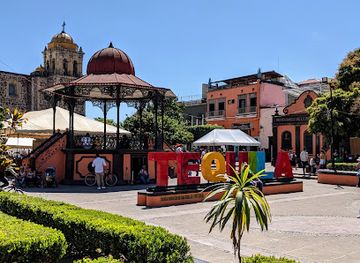
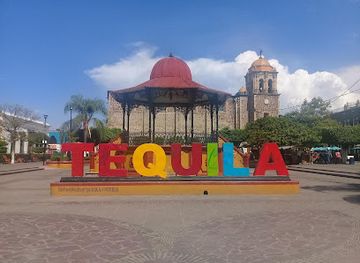
Plaza Principal Tequila
Discover the vibrant Plaza Principal Tequila, a cultural hub where history, culinary delights, and the spirit of tequila converge in the heart of Jalisco.
-
Alcohol manufacturer
Tequila Tres Mujeres
Discover the heart of tequila production at Tequila Tres Mujeres in Jalisco, where tradition meets craftsmanship in every sip.
-
National museum
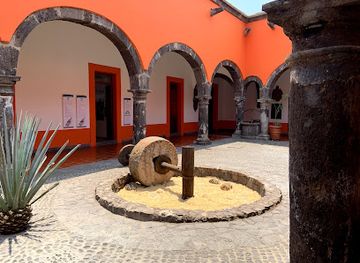
National Museum of Tequila
Discover the heritage of tequila at the National Museum of Tequila, a fascinating journey through Mexico's beloved spirit and its rich cultural history.
-
Tourist attraction
Railway station, Tequila
Discover the charm of Tequila's historic Railway Station, a cultural landmark and gateway to the world of tequila in Jalisco, Mexico.
Best landmarks in Tequila Valley
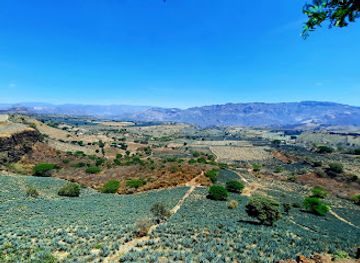
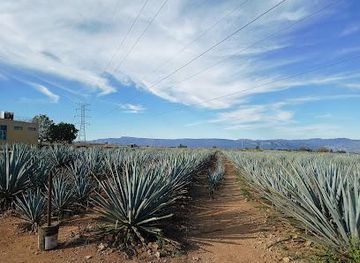
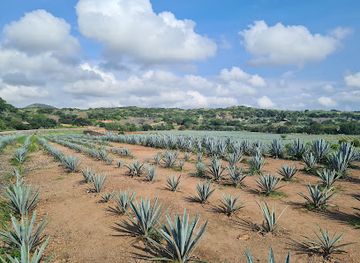
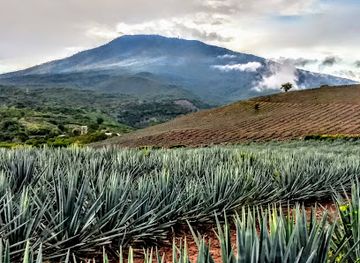
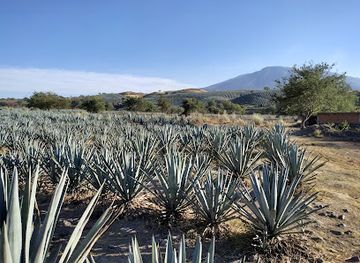
The most recognisable landmark of Tequila Valley is the blue-agave landscape itself, whose regimented fields spread across volcanic uplands and form the visual foundation of the region’s cultural identity. In Tequila, the parish church of Santiago Apóstol and the town’s historic central streets provide an architectural focus, while distillery compounds and former industrial facilities record the evolution of agave processing. The Agave Landscape and Ancient Industrial Facilities of Tequila UNESCO World Heritage property links these agricultural and built features into a single cultural landscape. Near Teuchitlán, the circular stepped structures of Guachimontones are the valley’s most important pre-Hispanic landmarks, distinguished by their concentric ceremonial design. Volcán de Tequila, visible across parts of the valley, adds a major natural presence and helps explain the area’s soils and terrain. Historic churches, hacienda remains and production buildings in smaller communities such as Amatitán and El Arenal complete a landscape in which agriculture, settlement and industry remain closely connected.
-
Park
Plaza Principal Tequila
Explore Plaza Principal Tequila, the cultural heart of Jalisco, where vibrant festivities, stunning architecture, and authentic tequila experiences await.
-
Distillery
Fábrica La Rojeña
Explore the rich heritage of tequila at Fábrica La Rojeña, the iconic distillery in Tequila, Jalisco, where tradition meets craftsmanship.
-
Tourist attraction
Campo Agavero Turístico
Discover the rich tradition of tequila making at Campo Agavero Turístico, a stunning attraction in the heart of Jalisco's agave fields.
-
National museum
National Museum of Tequila
Explore the rich heritage of tequila at the National Museum of Tequila in Jalisco, where history, culture, and craft come together.
Explore Tequila Valley on the map
Plan your trip on one map. See where the top cities, national parks and sights are, and book hotels and experiences in a few clicks.
Best hotels in Tequila Valley
Best restaurants in Tequila Valley
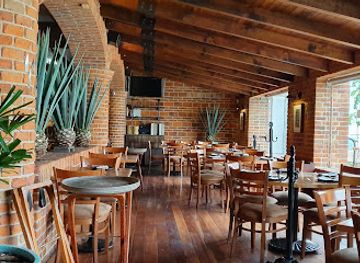
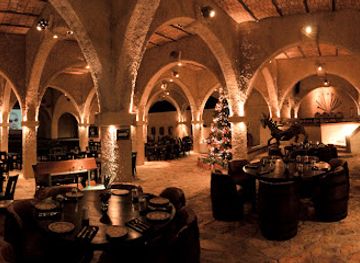
Dining in Tequila Valley links Jalisco cooking with the agricultural setting of the region. Tequila’s centre has restaurants, cafés, market-style food and cantinas where visitors can find dishes such as birria, pozole, tortas ahogadas and tacos, foods associated broadly with Jalisco rather than exclusively with the valley. Smaller eateries and rural establishments may feature grilled meats, beans, seasonal vegetables and locally made salsas. Agave is also part of the culinary conversation, whether through traditional sweeteners, beverages or discussion of the plant’s wider uses. Distillery visits often include tastings paired with snacks, but these should supplement rather than replace a proper meal. Look for regional craft products and fresh ingredients in local markets, and ask about portion sizes and payment methods outside the main tourist centre. Tequila-based cocktails are widely available, while responsible tastings usually work best when accompanied by water and food.
-
Mexican
La Tequila Cocina de México Av México
Experience authentic Mexican cuisine at La Tequila Cocina de México in Guadalajara – where every dish tells a story.
-
Grill
La Taberna del Cofrade
Experience authentic Mexican cuisine at La Taberna del Cofrade in Tequila—where flavor meets tradition in every bite.
-
Mexican
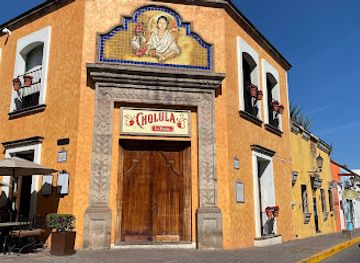
Restaurante La Fonda Cholula
Experience the rich flavors of Mexico at Restaurante La Fonda Cholula in Tequila—where tradition meets taste in every dish.
-
Restaurant
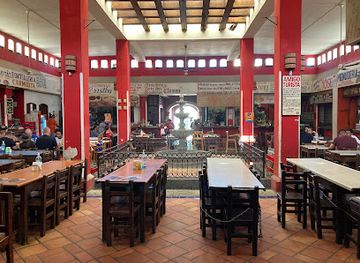
Mercado de Comidas "Cleofas Mota"
Experience authentic Mexican flavors at Mercado de Comidas 'Cleofas Mota', Tequila's vibrant market offering delicious meals in an inviting atmosphere.
Best bars in Tequila Valley
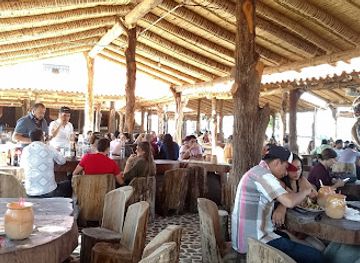
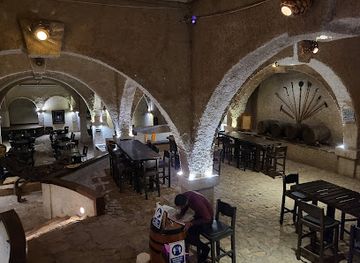
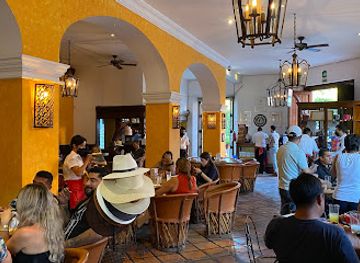
Evening life in Tequila Valley is concentrated in Tequila and is generally more social and town-based than club-oriented. Cantinas, mezcalerías, cocktail bars, restaurant terraces and traditional pubs offer opportunities to discuss different tequila styles, often with music and small plates. Tequila’s central plaza and surrounding streets are the main places for an evening stroll, dining and seasonal public activity, while Amatitán and El Arenal have a quieter local rhythm. Nightclubs exist on a smaller scale than in Guadalajara, and rural communities usually close earlier, with evening life centred on family restaurants, plazas and occasional live music. Visitors should confirm current arrangements locally, especially outside weekends and holiday periods, and should plan a sober return journey after tastings. Alcohol is prominent in the destination’s tourism, but the valley’s evening culture also includes food, conversation, architecture and public spaces.
-
Bar
Cantaritos el Güero #1
Experience the vibrant spirit of Jalisco at Cantaritos el Güero #1, where tequila flows and live music ignites the night.
-
Grill
La Taberna del Cofrade
Experience the authentic taste of Jalisco at La Taberna del Cofrade in Tequila, where every meal is a celebration of flavor and tradition.
-
Mexican
Restaurante La Fonda Cholula
Discover authentic Mexican flavors at Restaurante La Fonda Cholula, the culinary gem of Tequila, Jalisco, offering a delightful dining experience.
-
Restaurant
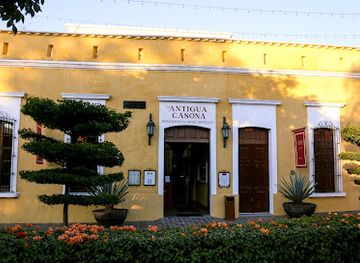
La Antigua Casona
Experience the authentic flavors of Mexico at La Antigua Casona, a premier restaurant in the heart of Tequila, Jalisco.
Best nightclubs in Tequila Valley
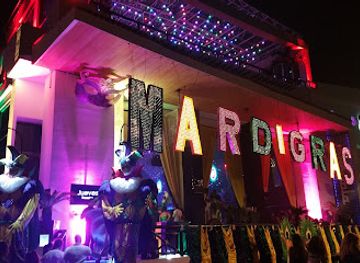
Evening life in Tequila Valley is concentrated in Tequila and is generally more social and town-based than club-oriented. Cantinas, mezcalerías, cocktail bars, restaurant terraces and traditional pubs offer opportunities to discuss different tequila styles, often with music and small plates. Tequila’s central plaza and surrounding streets are the main places for an evening stroll, dining and seasonal public activity, while Amatitán and El Arenal have a quieter local rhythm. Nightclubs exist on a smaller scale than in Guadalajara, and rural communities usually close earlier, with evening life centred on family restaurants, plazas and occasional live music. Visitors should confirm current arrangements locally, especially outside weekends and holiday periods, and should plan a sober return journey after tastings. Alcohol is prominent in the destination’s tourism, but the valley’s evening culture also includes food, conversation, architecture and public spaces.
-
Night club
Mandala Puerto Vallarta
Discover the pulsating heart of Puerto Vallarta's nightlife at Mandala, where vibrant energy and exceptional entertainment await.
-
Bar
Mandala Nightclub
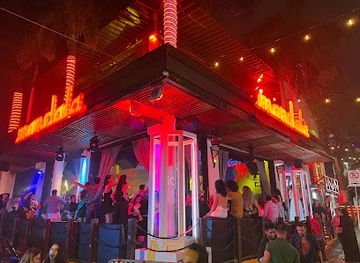
Dive into the electrifying nightlife at Mandala Nightclub in Cancun, where great music and a lively atmosphere create unforgettable memories.
-
Bar
Mandala Playa del Carmen
Discover the electrifying atmosphere of Mandala Playa del Carmen, where vibrant nightlife meets exceptional music and unforgettable experiences.
-
Disco club
Zoo Bar
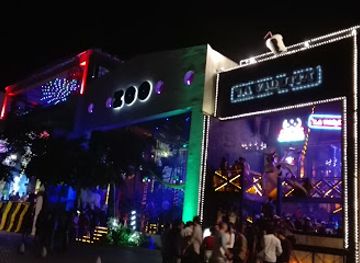
Vibrant disco club in Puerto Vallarta offering electrifying music, dancing, and delicious snacks for an unforgettable night out.

Best shops in Tequila Valley
Shopping in Tequila Valley centres on agave products, regional food and locally made crafts rather than large-scale retail. Tequila’s central streets have specialist shops selling bottles from large and small producers, with categories ranging from blanco to aged expressions and different production styles. Reputable retailers should explain the label, producer and denomination rules rather than pressuring visitors into a purchase. Look also for tasting glasses, barware, sweets, sauces and other agave-related products, while remembering that bottles must be packed and transported in accordance with airline and customs rules. Markets and independent shops offer pottery, woven goods, leather items, handmade souvenirs and Jalisco food products, although selection varies by town and season. Tequila has the broadest visitor-oriented choice; Amatitán, El Arenal and Teuchitlán are better suited to small local purchases and regional produce than extensive retail browsing.
-
Park
Plaza Principal Tequila
Explore the vibrant heart of Tequila at the Plaza Principal, a cultural hub surrounded by stunning architecture and local flavors.
-
Swimming facility
Balneario La Toma
Discover the serene beauty of Balneario La Toma, an outdoor swimming facility in Tequila, Jalisco, perfect for relaxation and family fun.
-
Supermarket
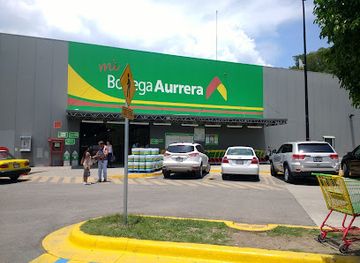
Mi Bodega Aurrera, Tequila
Explore local flavors and essentials at Mi Bodega Aurrera, a premier supermarket in Tequila, with a fantastic selection of tequila and local products.
-
Department store
Coppel Tequila
Explore Coppel Tequila: A Unique Shopping Experience in the Heart of Tequila, Jalisco, Blending Tradition with Modern Convenience.

Get your free copy of our complete guide to Tequila Valley, delivered straight to you.
Everything on this page, from attractions and restaurants to essentials and local phrases, in one PDF you can read offline, print or share.
Already have an account? Sign in
Your Tequila Valley guide is ready.
We'll send it to · Not you? Sign out

Getting your guide ready…
We are putting together a fresh copy of the Tequila Valley guide. This can take up to a minute.
This can take a few moments. If your browser asks, choose Allow so the download can start. You'll find the guide in your Downloads folder.
Nothing happened? Download it again
Sorry, the guide is taking longer than usual. Please try again in a minute, or get it by email instead.
Tequila Valley essentials
Currency and Payment
Safety
Emergency Situations
Do's and Don'ts
Local Tips
From Eve
Local phrases worth knowing
You don't need to get them perfect. A few words go a long way, and locals appreciate the effort.
Basics
| English | Local | Say it |
|---|---|---|
| Hello | Hola | [Oh-lah] |
| Goodbye | Adiós | [Ah-dee-ohs] |
| Yes | Sí | [See] |
| No | No | [No] |
| Please/You're welcome | Por favor/De nada | [Por fah-vor/Deh nah-da] |
| Thank you | Gracias | [Grah-see-as] |
| Excuse me/Sorry | Disculpe/Lo siento | [Dees-kool-peh/Lo see-en-toh] |
| How are you? | ¿Cómo estás? | [Koh-moh es-tahs] |
| Fine. And you? | Bien. ¿Y tú? | [Byen. Ee too] |
| Do you speak English? | ¿Hablas inglés? | [Ah-blahs een-glehs] |
| I don't understand | No entiendo | [No en-tee-en-doh] |
Eating & Drinking
| English | Local | Say it |
|---|---|---|
| I'd like to see the menu, please | Me gustaría ver el menú, por favor | [Meh goo-stah-ree-ah vehr el meh-noo, por fah-vor] |
| I don't eat meat | No como carne | [No koh-moh kar-neh] |
| Cheers! | ¡Salud! | [Sah-lood] |
| I would like to pay, please | Quisiera pagar, por favor | [Kee-see-eh-rah pah-gar, por fah-vor] |
Emergencies
| English | Local | Say it |
|---|---|---|
| Help! | ¡Ayuda! | [Ah-yoo-dah] |
| Go away! | ¡Vete! | [Veh-teh] |
| Call the Police! | ¡Llama a la policía! | [Yah-mah ah lah poh-lee-see-ah] |
| Call a doctor! | ¡Llama a un doctor! | [Yah-mah ah oon dok-tor] |
| I'm lost | Estoy perdido | [Es-toy pair-dee-doh] |
| I'm ill | Estoy enfermo/enferma | [Es-toy en-fer-mo/en-fer-mah] |
Shopping
| English | Local | Say it |
|---|---|---|
| I'd like to buy... | Me gustaría comprar... | [Meh goo-stah-ree-ah kom-prar] |
| I'm just looking | Solo estoy mirando | [Soh-loh es-toy mee-ran-doh] |
| How much is it? | ¿Cuánto cuesta? | [Kwan-toh kwes-tah] |
| That's too expensive | Es demasiado caro | [Es deh-mah-see-ah-doh kah-roh] |
| Can you lower the price? | ¿Puedes bajar el precio? | [Pweh-des bah-har el preh-syo] |
Time & Numbers
| English | Local | Say it |
|---|---|---|
| What time is it? | ¿Qué hora es? | [Keh oh-rah es] |
| It's one o'clock | Es la una | [Es lah oo-nah] |
| Half past (10) | Y diez y media | [Ee dyas ee meh-dee-ah] |
| Morning | Mañana | [Mah-nyah-nah] |
| Afternoon | Tarde | [Tar-deh] |
| Evening | Noche | [Noh-cheh] |
| Yesterday | Ayer | [Ah-yer] |
| Today | Hoy | [Oy] |
| Tomorrow | Mañana | [Mah-nyah-nah] |
| 1 | Uno | [Oo-no] |
| 2 | Dos | [Dohs] |
| 3 | Tres | [Trehs] |
| 4 | Cuatro | [Kwatroh] |
| 5 | Cinco | [Seen-koh] |
| 6 | Seis | [Says] |
| 7 | Siete | [See-eh-teh] |
| 8 | Ocho | [Oh-choh] |
| 9 | Nueve | [Nweh-beh] |
| 10 | Diez | [Dyes] |
Transport & Directions
| English | Local | Say it |
|---|---|---|
| Where's a/the...? | ¿Dónde está un/una...? | [Dohn-deh es-tah oon/oo-nah] |
| What's the address? | ¿Cuál es la dirección? | [Kwahl es lah dee-rek-syon] |
| Can you show me (on the map)? | ¿Puedes mostrarme (en el mapa)? | [Pweh-des mos-trar-meh (en el mah-pah)] |
| When's the next (bus)? | ¿Cuándo pasa el próximo (autobús)? | [Kwan-doh pah-sah el prohk-see-moh (ow-toh-boos)] |
| A ticket (to ....) | Un boleto (a ...) | [Oon bo-leh-toh (ah ...)] |
History of Tequila Valley
The Teuchitlán Tradition, c. 300 BCE–900 CE
The Teuchitlán tradition developed in the valleys of western Jalisco before and during the early centuries of the Common Era. Its best-known remains are at Guachimontones, near the modern town of Teuchitlán, where large circular stepped platforms, plazas and ceremonial buildings form an unusual architectural complex. The site indicates a settled society with organised ritual, construction and regional connections. Its distinctive concentric design differs from the better-known monumental traditions of central and southern Mexico, making it an important part of the archaeological history of western Mexico.
Spanish Settlement and Colonial Agriculture
After the Spanish conquest, the valley was incorporated into New Spain and its Indigenous communities, landholding patterns and trade networks were reshaped. Spanish settlement introduced new livestock, crops, religious institutions and forms of land administration. Churches, ranches and hacienda landscapes gradually became part of the region’s built environment. Agave already had long-standing cultural and practical uses, but colonial production methods and commercial organisation helped establish the foundations for the distilled agave beverages that later became associated with Tequila and its neighbouring towns.
The Rise of Mezcal and Tequila Production
Distilled agave spirits expanded in western Jalisco during the colonial and early national periods. Local producers refined techniques involving the cooking of agave hearts, extraction of their juices, fermentation and distillation. The town of Tequila became a prominent production centre, while Amatitán and other settlements developed their own estates and workshops. Production remained closely linked to land, labour and seasonal agriculture. The word tequila later acquired a protected geographical identity under Mexican regulation, tying the name to defined production areas and approved methods.
Independence, Reform and the Nineteenth Century
The region experienced the broader political changes that transformed Mexico after independence in 1821, including struggles over central and federal authority, church property and land ownership. During the nineteenth century, commercial production and regional trade continued to develop despite political instability. Distilling enterprises became increasingly important employers and symbols of local status. The valley’s churches, civic buildings and surviving estate structures reflect this period of consolidation, when Tequila and surrounding communities grew from colonial settlements into recognisable towns within the state of Jalisco.
Railways, Industrialisation and National Branding
Rail connections and improved commercial routes in the late nineteenth and early twentieth centuries made it easier to move agave, finished spirits and supplies between the valley and larger markets, including Guadalajara. Industrial equipment gradually supplemented or replaced some small-scale methods, while established producers developed stronger brands and distribution networks. The drink’s national and international identity expanded during the twentieth century, particularly as tequila became associated with Mexican culture abroad. The landscape consequently became both an agricultural production zone and a recognisable symbol of Mexico.
The Modern Tequila Industry
Modern tequila production combines large-scale distilleries, family enterprises, regulated appellation rules and a substantial visitor economy. The industry depends on blue agave cultivation, whose long maturation period gives agricultural planning a central role. Producers may use traditional masonry ovens, more mechanised cooking systems or different combinations of extraction and maturation techniques. Mexican regulations distinguish categories such as blanco, reposado and añejo according to production and ageing requirements. These changes have brought investment and tourism while also raising continuing questions about land use, water, waste and the pressures of industrial growth.
UNESCO Recognition and Cultural Tourism
In 2006, UNESCO inscribed the Agave Landscape and Ancient Industrial Facilities of Tequila as a World Heritage Site. The designation recognises not only the visual fields of blue agave but also archaeological evidence, historic settlements, haciendas and production facilities that together express a living cultural landscape. It encouraged greater international attention to Tequila Valley while reinforcing the need to conserve historic structures and agricultural character. Today, tourism is an important part of the regional economy, but the valley remains an active place of cultivation and manufacture rather than a museum landscape.
Tequila Valley in Photos
Browse through our photo collection highlighting the charm and character of the destination.
Neighbouring regions of Tequila Valley
The closest regions to Tequila Valley, if you have time for more than one.
-

-

-

-

-


Swipe for more regions
Explore more

Explore more of Mexico
Discover Mexico: A land of ancient ruins, vibrant culture, and stunning natural landscapes. Experience diverse cuisine, rich traditions, and warm hospitality.
Explore Mexico