

Los Altos de Jalisco, Mexico Travel Guide
Discover the heart of Mexico in Los Altos de Jalisco, where rich history, vibrant culture, and stunning landscapes create an unforgettable experience.
Los Altos de Jalisco, nestled in the heart of Mexico, offers a rich cultural tapestry woven with history, tradition, and natural beauty. This region is famed for its lush landscapes, vibrant festivals, and warm hospitality. From the rolling hills to the charming colonial towns, Los Altos de Jalisco is a treasure trove of authentic Mexican experiences. Wander through the picturesque streets of towns like Tepatitlán and Arandas, where the architecture tells tales of a bygone era. The local markets are a feast for the senses, brimming with handcrafted goods, fresh produce, and culinary delights that capture the essence of Jaliscan cuisine. Don't miss out on sampling the world-renowned tequila, produced from the region's agave fields, a true testament to its heritage. For those seeking adventure, the Highlands offer numerous outdoor activities. Hiking trails lead to breathtaking vistas, while the serene countryside invites leisurely horseback rides. The region's festivals, such as the vibrant Fiesta de los Altos, provide an immersive experience into the local culture, filled with music, dance, and traditional attire. Whether you are a history buff, a nature lover, or a foodie, Los Altos de Jalisco promises an unforgettable journey.

Know before you go
Hi, I'm Eve. Here are a few practical things to know before exploring Los Altos de Jalisco.
- Visit local markets early in the morning for the best selection of fresh produce and handcrafted goods.
- Wear comfortable shoes as the cobblestone streets can be uneven and require good walking shoes.
- Learn a few basic Spanish phrases; locals appreciate the effort and it enhances your experience.
- Plan your visit during one of the regional festivals to experience the local culture in full bloom.
- Try the local cuisine, especially dishes like birria and tortas ahogadas, which are regional specialties.
Top City Travel Guides in Los Altos de Jalisco
The cities of Los Altos de Jalisco, and the easiest places to base yourself.


Explore Los Altos de Jalisco: Things to Do, Places to Eat, Hotels & More
Handpicked recommendations for top attractions, local dining, accommodations, and more

Top Attractions & Sightseeing in Los Altos de Jalisco
Top-rated picks
Best Attractions

Mercado Libertad - San Juan de Dios
Explore Mercado Libertad, Guadalajara's iconic market, filled with traditional food, local crafts, and vibrant culture, perfect for an authentic Mexican experience.

Zoologico Guadalajara
Explore the vibrant ecosystems of Zoologico Guadalajara, a premier zoo and botanical garden offering fun, education, and conservation for all ages.

Parque Revolución (Parque Rojo)
Explore the lush landscapes and cultural vibrancy of Parque Revolución, a serene green oasis in the heart of Guadalajara.

Expiatory Sanctuary of the Sacred Heart of Jesus
Discover the breathtaking Expiatory Sanctuary of the Sacred Heart of Jesus in León, a stunning neo-Gothic church filled with art and spirituality.

Best landmarks in Los Altos de Jalisco
Top-rated picks
Best Landmarks

Triumphal Arch of the Causeway of the Heroes
Explore the majestic Triumphal Arch of the Causeway of the Heroes in León, a historical monument surrounded by serene parks and vibrant culture.

Parque Metropolitano de León
Experience the tranquility and beauty of Parque Metropolitano de León, a serene urban park perfect for relaxation and recreation in the heart of Guanajuato.

Rotonda de los Jaliscienses Ilustres
Explore the Rotonda de los Jaliscienses Ilustres in Guadalajara, a stunning monument celebrating Jalisco's most notable figures in history.

Zona Arqueológica Teuchitlán o Guachimontones
Uncover the ancient wonders of Guachimontones in Teuchitlán, where circular pyramids and rich history await your exploration amidst stunning natural beauty.

Best restaurants in Los Altos de Jalisco
Top-rated picks
Best Restaurants

La Perla del Pacífico
Discover La Perla del Pacífico in Tonalá: A Seafood Paradise Offering Authentic Mexican Flavors with Every Bite.

El Canelo
Discover authentic Mexican flavors at El Canelo, where tradition meets innovation in every dish.

Pachinos restaurant
Discover delicious meals at Pachinos Restaurant in Zapotlanejo—where local flavors meet vibrant dining experiences.

El Borrego de Galindo
Experience the authentic taste of Jalisco at El Borrego de Galindo, where traditional flavors meet a vibrant atmosphere.

Best bars in Los Altos de Jalisco
Top-rated picks
Best Bars

El Canelo
Discover the vibrant flavors of Mexico at El Canelo, where every dish tells a story and every drink delights the senses.

York Pub
Experience the best of Guadalajara's nightlife at York Pub, where delicious food, refreshing drinks, and a vibrant atmosphere await.

Peter Brown Bar
Discover the lively Peter Brown Bar in Guadalajara, where unique drinks, delicious grilled dishes, and vibrant nightlife await every visitor.
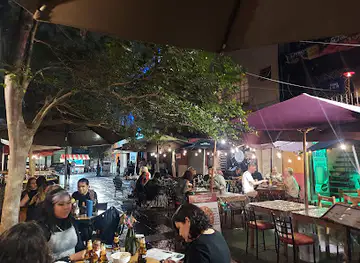
Escarabajo Scratch
Discover the vibrant nightlife of Guadalajara at Escarabajo Scratch, where delicious cuisine meets lively entertainment in a welcoming atmosphere.

Best nightclubs in Los Altos de Jalisco
Top-rated picks
Best Nightclubs

Chicas Bar
Discover the vibrant nightlife at Chicas Bar in Tlaquepaque, where music, dancing, and delicious drinks create an unforgettable experience.

Flamingos Nightclub
Dive into the vibrant nightlife at Flamingos Nightclub in León, where unforgettable dance and music await!

Las tóxicas
Discover the heart of Jalisco's nightlife at Las Tóxicas, where music and energy create unforgettable nights.

Rancho JOSELUISITO
Discover the vibrant nightlife of Rancho JOSELUISITO, a lively night club in Los Altos de Jalisco, where music and culture come alive.

Best shops in Los Altos de Jalisco
Top-rated picks
Best Shops

Plaza Galerías Guadalajara
Discover the vibrant shopping experience at Plaza Galerías Guadalajara, your go-to destination for shopping, dining, and entertainment in Zapopan.

Andares Shopping Mall
Discover Andares Shopping Mall, a luxurious shopping destination in Zapopan with high-end boutiques, exquisite dining, and vibrant entertainment options.

Forum Tlaquepaque
Explore Forum Tlaquepaque, Guadalajara’s vibrant shopping mall with diverse stores, delightful dining, and cultural experiences.

Altacia Mall
Experience shopping, dining, and entertainment at Altacia Mall in León, a vibrant destination that captures the essence of modern shopping.

Explore Los Altos de Jalisco on the Map
A handpicked selection of must-see spots in Los Altos de Jalisco, mapped for you.
Los Altos de Jalisco Essentials
-
Los Altos de Jalisco is located in the state of Jalisco, Mexico. The nearest international airport is the Guadalajara International Airport (Miguel Hidalgo y Costilla International Airport), situated approximately 60-100 kilometers from the main towns in Los Altos. From the airport, you can rent a car, take a bus, or hire a taxi to reach destinations like Tepatitlán, Arandas, and Lagos de Moreno. Buses are also available from major cities like Mexico City and Guadalajara, offering comfortable and budget-friendly travel options.
-
In Los Altos de Jalisco, transportation options include local buses, taxis, and car rentals. Local buses are a cost-effective way to travel between towns and villages. Taxis are readily available and can be hired for short distances or day trips. Renting a car provides the most flexibility, allowing you to explore the region at your own pace. Be aware that some rural roads may be less maintained, so driving cautiously is advisable.
-
The official currency in Mexico is the Mexican Peso (MXN). Credit and debit cards are widely accepted in hotels, restaurants, and larger shops. However, it is advisable to carry cash for transactions in smaller establishments, markets, and rural areas. ATMs are available in most towns, but it is wise to withdraw sufficient cash in larger cities like Guadalajara before heading to more remote areas.
-
Los Altos de Jalisco is generally safe for tourists, but like any travel destination, it is important to take standard precautions. Avoid walking alone at night in unfamiliar areas and keep an eye on your belongings in crowded places. While crime rates targeting tourists are low, it is best to stay vigilant and avoid displaying valuable items. Specific neighborhoods to be cautious of are limited, but always seek local advice and adhere to travel advisories.
-
In case of an emergency, dial 911 for immediate assistance. Medical facilities and police stations are available in major towns like Tepatitlán and Lagos de Moreno. It is recommended to have travel insurance that covers medical emergencies. For minor health issues, pharmacies are widely available where you can purchase over-the-counter medications. Keep a list of local emergency contacts and your country's embassy or consulate information handy.
-
Fashion: Do dress modestly, especially when visiting religious sites. Avoid wearing revealing clothing. Religion: Do respect local customs and traditions. Always cover your head when entering churches. Public Transport: Do be respectful and give up your seat to elderly passengers. Don't eat or drink on public transport. Greetings: Do greet people with a handshake or a friendly 'Hola'. Eating & Drinking: Do try local delicacies and accept food offerings graciously. Don't refuse hospitality, as it is considered impolite.
-
To experience Los Altos de Jalisco like a local, visit the bustling markets where you can buy fresh produce and traditional goods. Engage with locals, as they are often friendly and willing to share stories about the region's history and culture. Don't miss visiting the famous agave fields and tequila distilleries that are part of the region's heritage. Participate in local festivals and events to immerse yourself in the vibrant culture of Los Altos.
When is the best time to visit Los Altos de Jalisco?
Useful Local Phrases for Los Altos de Jalisco
You don't need to speak the language perfectly. Even learning a few simple words can make conversations warmer—and locals usually appreciate the effort.
— Eve

Here are the phrases I use most often in Los Altos de Jalisco. Try a few—you'll be surprised how far they go! 😊
❤️
-
- HelloHola
[Ola] - GoodbyeAdiós
[A-dios] - YesSí
[See] - NoNo
[No] - Please/You're welcomePor favor
[Por fa-vor] - Thank youGracias
[Gra-syas] - Excuse me/SorryDisculpe
[Dis-cul-pe] - How are you?¿Cómo estás?
[Co-mo es-tas] - Fine. And you?Bien. ¿Y tú?
[Bee-en. E tu?] - Do you speak English?¿Hablas inglés?
[A-blas in-gles] - I don't understandNo entiendo
[No en-tien-do]
- HelloHola
-
- I'd like to see the menu, pleaseMe gustaría ver el menú, por favor
[Me gus-ta-ria ver el me-nu, por fa-vor] - I don't eat meatNo como carne
[No co-mo car-ne] - Cheers!¡Salud!
[Sa-lud] - I would like to pay, pleaseMe gustaría pagar, por favor
[Me gus-ta-ria pa-gar, por fa-vor]
- I'd like to see the menu, pleaseMe gustaría ver el menú, por favor
-
- Help!¡Ayuda!
[A-yu-da] - Go away!¡Vete!
[Ve-te] - Call the Police!¡Llama a la policía!
[Ya-ma a la po-li-cia] - Call a doctor!¡Llama a un doctor!
[Ya-ma a un doc-tor] - I'm lostEstoy perdido
[Es-toy per-di-do] - I'm illEstoy enfermo/a
[Es-toy en-fer-mo/a]
- Help!¡Ayuda!
-
- I'd like to buy...Me gustaría comprar...
[Me gus-ta-ria com-prar] - I'm just lookingSolo estoy mirando
[So-lo es-toy mi-ran-do] - How much is it?¿Cuánto cuesta?
[Cuan-to cues-ta] - That's too expensiveEso es muy caro
[E-so es muy ca-ro] - Can you lower the price?¿Puedes bajar el precio?
[Pue-des ba-har el pre-cio]
- I'd like to buy...Me gustaría comprar...
-
- What time is it?¿Qué hora es?
[Que o-ra es] - It's one o'clockEs la una
[Es la u-na] - Half past (10)Y media (10)
[Y me-dia] - MorningMañana
[Ma-nya-na] - AfternoonTarde
[Tar-de] - EveningNoche
[No-che] - YesterdayAyer
[A-yer] - TodayHoy
[Hoy] - TomorrowMañana
[Ma-nya-na] - 1Uno
[U-no] - 2Dos
[Dos] - 3Tres
[Tres] - 4Cuatro
[Cua-tro] - 5Cinco
[Cin-co] - 6Seis
[Seis] - 7Siete
[Sye-te] - 8Ocho
[O-cho] - 9Nueve
[Nue-ve] - 10Diez
[Diez]
- What time is it?¿Qué hora es?
-
- Where's a/the...?¿Dónde está un/la...?
[Don-de es-ta un/la] - What's the address?¿Cuál es la dirección?
[Cual es la di-rec-ción] - Can you show me (on the map)?¿Me puedes mostrar (en el mapa)?
[Me pue-des mos-trar (en el ma-pa)] - When's the next (bus)?¿Cuándo es el próximo (autobús)?
[Cuan-do es el pro-xi-mo (au-to-bus)] - A ticket (to ....)Un boleto (a ...)
[Un bo-le-to (a ...)]
- Where's a/the...?¿Dónde está un/la...?
History of Los Altos de Jalisco
-
Before the arrival of the Spanish, the region of Los Altos de Jalisco was inhabited by various indigenous groups, notably the Caxcanes and the Tecuexes. These communities were known for their agricultural practices and were part of the greater cultural landscape of Mesoamerica. They built small settlements and cultivated maize, beans, and squash.
-
The Spanish arrived in the region in the early 16th century, led by conquistadors like Nuño de Guzmán. The indigenous populations were subjected to Spanish rule, and the area was incorporated into the Nueva Galicia province of New Spain. Spanish colonizers introduced Catholicism, which led to the construction of churches and the establishment of missions.
-
One of the most significant historical events in Los Altos de Jalisco was the Cristero War (1926-1929), a rebellion against the anti-clerical policies of the Mexican government. The region was a stronghold for the Cristeros, who were mainly devout Catholics opposing the secularist policies of President Plutarco Elías Calles. The conflict resulted in many casualties and left a lasting impact on the cultural and religious landscape of Los Altos.
-
Los Altos de Jalisco has a rich agricultural history, particularly in the production of livestock, dairy, and crops such as agave, which is used to produce tequila. The fertile land and favorable climate have made it an important agricultural hub. Ranching culture is deeply embedded in the local lifestyle, contributing to the region's economic development.
-
The region is known for its vibrant cultural festivals that celebrate both religious and secular traditions. Events such as the Fiestas de Enero in Lagos de Moreno and the Feria de San Julián attract visitors with their colorful parades, traditional music, dance, and local cuisine. These festivals provide a glimpse into the rich cultural heritage of Los Altos de Jalisco.
-
Los Altos de Jalisco boasts an impressive array of colonial architecture, including churches, haciendas, and public buildings. Notable examples include the Templo del Señor de la Misericordia in Tepatitlán and the Parroquia de San Francisco in San Juan de los Lagos. These structures reflect the Spanish colonial influence and are important cultural landmarks.
-
Today, Los Altos de Jalisco is a dynamic region that balances its historical legacy with modern development. It continues to be a center for agricultural production, particularly in the tequila industry. The region also attracts tourists who come to explore its historical sites, enjoy local traditions, and experience the scenic beauty of its landscapes.
Neighbouring Regions of Los Altos de Jalisco
The closest regions to Los Altos de Jalisco, if you have time for more than one.




Your all‑in‑one travel companion app
Explore expert travel guides, compare and book tours, experiences, hotels, and more—all from the palm of your hand. Download now for seamless trip planning wherever your wanderlust takes you.


Explore More of Mexico

Looking beyond Los Altos de Jalisco? Discover Mexico for broader travel guides, local hot-spots, and regional highlights.
Explore MexicoLos Altos de Jalisco in Photos
Browse through our photo collection highlighting the charm and character of the destination.


The Enchanting Highlands of Los Altos de Jalisco
Los Altos de Jalisco, nestled in the heart of Mexico, offers a rich cultural tapestry woven with history, tradition, and natural beauty. This region is famed for its lush landscapes, vibrant festivals, and warm hospitality. From the rolling hills to the charming colonial towns, Los Altos de Jalisco is a treasure trove of authentic Mexican experiences. Wander through the picturesque streets of towns like Tepatitlán and Arandas, where the architecture tells tales of a bygone era. The local markets are a feast for the senses, brimming with handcrafted goods, fresh produce, and culinary delights that capture the essence of Jaliscan cuisine. Don't miss out on sampling the world-renowned tequila, produced from the region's agave fields, a true testament to its heritage. For those seeking adventure, the Highlands offer numerous outdoor activities. Hiking trails lead to breathtaking vistas, while the serene countryside invites leisurely horseback rides. The region's festivals, such as the vibrant Fiesta de los Altos, provide an immersive experience into the local culture, filled with music, dance, and traditional attire. Whether you are a history buff, a nature lover, or a foodie, Los Altos de Jalisco promises an unforgettable journey.