

Free Western Mexico Travel Guide & Mobile App
Explore Western Mexico with free travel guides. Discover regional history, expert tips, proposed trips, and audio guides on web or mobile app.


Explore Western Mexico for Guadalajara culture, Pacific beaches, tequila country, volcanic scenery, colonial towns and Purépecha traditions.
Read more about Western Mexico
When is the best time to visit Western Mexico?
Best: December–February · 25–26°C| Month | High (°C) | Rainfall (mm) |
|---|---|---|
| January (best) | 25 | 10 |
| February (best) | 26 | 10 |
| March | 27 | 10 |
| April | 28 | 10 |
| May | 30 | 20 |
| June | 32 | 40 |
| July | 32 | 80 |
| August | 32 | 80 |
| September | 31 | 60 |
| October | 30 | 40 |
| November | 28 | 20 |
| December (best) | 26 | 10 |
Getting to and around Western Mexico
How to get there
Transportation
Top city travel guides in Western Mexico
The cities of Western Mexico, and the easiest places to base yourself.
-

-
-

-

-

-


Swipe for more cities
Destinations in Western Mexico
Resorts, valleys and scenic spots worth a trip of their own.
-

-


Swipe for more destinations
Best attractions in Western Mexico
Western Mexico offers a wide range of attractions spread across several distinct landscapes. Guadalajara combines grand civic architecture, museums, markets, galleries and neighbourhood food culture, while nearby Tlaquepaque and Tonalá are associated with ceramics, glass, metalwork and other crafts. Around Tequila, agave fields, distilleries and interpretive visits explain how the spirit is produced. The Pacific coast shifts from Puerto Vallarta’s urban waterfront and bay excursions to the beaches, estuaries and birdlife of Nayarit, with San Blas providing access to coastal nature and historic sites. Colima brings volcanic scenery, the port and beaches of Manzanillo, and the small-town atmosphere of Comala. In Michoacán, Morelia’s museums and colonial institutions complement the archaeological remains at Tzintzuntzan, the lake landscapes around Pátzcuaro and the craft villages of the Purépecha region. Uruapan’s Barranca del Cupatitzio provides a green highland setting, while forests in eastern Michoacán are associated with the seasonal migration of monarch butterflies. Activities range from food and architecture to surfing, boat trips, hiking, birdwatching and craft workshops, but distances mean that each area works best as part of a carefully chosen base.
-
Plaza
Constitution Plaza
Discover the vibrant heart of Mexico City at Constitution Plaza, where history, culture, and local life converge in stunning surroundings.
-
Archaeological site
Chichén Itzá
Explore Chichén Itzá, a UNESCO World Heritage site and one of the New Seven Wonders of the World, rich with ancient Mayan culture and stunning architecture.
-
Amusement park
Xcaret Park
Discover the magic of Xcaret Park, where nature and culture come together in a breathtaking eco-archaeological experience in Playa del Carmen.
-
Beach pavillion
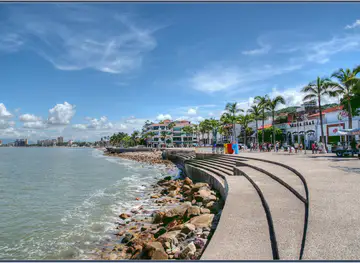
Puerto Vallarta Malecon
Explore the vibrant Puerto Vallarta Malecon, a beautiful seaside promenade filled with art, dining, and stunning ocean views, perfect for any traveler.


Best landmarks in Western Mexico
The cathedral and surrounding civic architecture of Guadalajara form one of western Mexico’s most recognisable urban ensembles, while the Hospicio Cabañas is notable for its historic institution and José Clemente Orozco murals. In Tequila, the town’s central streets and surrounding agave fields express the relationship between landscape, agriculture and distilling. Puerto Vallarta’s Nuestra Señora de Guadalupe parish and its coastal setting provide a familiar symbol of the city, although the wider bay is as important geographically as the built waterfront. Morelia is distinguished by extensive pink quarry-stone architecture, including its cathedral, aqueduct and historic centre, whose design reflects the city’s colonial administrative importance. Near Lake Pátzcuaro, the yácatas at Tzintzuntzan are the principal surviving monumental reminder of the Purépecha state. Volcán de Colima and Nevado de Colima dominate the inland scenery of Colima, while the basalt formations of Los Azufres in Michoacán illustrate the region’s volcanic geology. These landmarks are distributed across long distances and represent different histories: Indigenous state formation, colonial power, religious institutions, industrial agriculture and Pacific geography.
-
Plaza
Plaza de la Constitución
Explore the vibrant Plaza de la Constitución, a UNESCO World Heritage Site and the historic heart of Mexico City, surrounded by stunning architecture and rich culture.
-
Monument
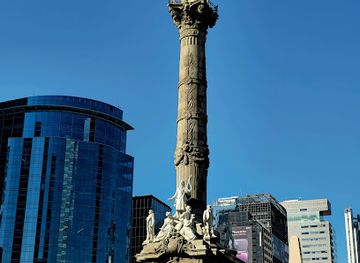
The Angel of Independence
Explore the historic Angel of Independence, a stunning monument and cultural landmark in the heart of Mexico City, symbolizing national pride and heritage.
-
Archaeological site
Chichén Itzá
Explore Chichén Itzá, an ancient wonder showcasing the brilliance of Mayan architecture and culture amid breathtaking landscapes.
-
Historical place museum
Chapultepec Castle
Explore the enchanting Chapultepec Castle, a historical landmark in Mexico City offering breathtaking views and rich cultural experiences.



Explore Western Mexico on the map
Plan your trip on one map. See where the top cities, national parks and sights are, and book hotels and experiences in a few clicks.
Best hotels in Western Mexico
Best restaurants in Western Mexico
The food of western Mexico is varied enough to reflect its coast, volcanic highlands, farming valleys and Indigenous communities. Guadalajara is particularly associated with birria and tortas ahogadas, while Jalisco’s wider culinary culture includes pozole, grilled meats and tequila-based drinks. In Michoacán, carnitas, uchepos, corundas and lake fish appear in markets and family-run restaurants, with recipes often varying between communities. Pacific towns offer prawns, fish, ceviche and aguachile, although preparation and freshness differ by establishment. Colima contributes coconut, seafood and regional sweets, while highland areas produce fruit, dairy products and maize-based foods. Look for fondas, market stalls, bakeries, traditional eateries, rural restaurants and contemporary kitchens using local ingredients rather than expecting one uniform regional cuisine. Farmers’ markets and food halls are useful places to sample several specialities, and established restaurants in larger cities provide more polished interpretations without replacing the importance of everyday food markets.
-
Restaurant
Ling Ling by Hakkasan
Experience fine dining at its best at Ling Ling by Hakkasan—where exquisite Asian cuisine meets breathtaking views in Mexico City.
-
Mexican
Diana Restaurant
Experience authentic Mexican cuisine at Diana Restaurant, where tradition meets modernity in a vibrant setting in Mexico City.
-
Mexican
El Cardenal
Experience authentic Mexican flavors at El Cardenal, renowned for its exquisite brunch menu in the heart of Mexico City's historic center.
-
Seafood
Contramar
Experience the best seafood in Mexico City at Contramar, where fresh flavors meet vibrant atmosphere in Roma Norte.


Best bars in Western Mexico
Nightlife in western Mexico ranges from Guadalajara’s extensive urban scene to quiet evenings in highland towns and coastal communities. Guadalajara has the region’s broadest choice of cocktail bars, breweries, live-music venues, dance clubs and late-opening restaurants, with different atmospheres across its central and western neighbourhoods. Puerto Vallarta offers a concentrated mix of waterfront bars, music venues and clubs, while resort areas along the Nayarit coast tend to have a more seasonal rhythm. In Tequila, evening activity usually centres on plazas, restaurants, tasting rooms and traditional music rather than a large club scene. Morelia and Pátzcuaro provide historic bars, cafés, cultural venues and restaurants, with activity often focused around central streets. Smaller towns in Colima and Michoacán generally rely on local restaurants, cantinas, plazas and occasional live music. Check local arrangements, use authorised transport at night and remember that alcohol is only one part of the region’s evening culture.
-
Bar
Cueva de Lobos
Experience the vibrant nightlife of Mexico City at Cueva de Lobos, a lively bar with a diverse drink menu and a welcoming atmosphere.
-
Bar
Pinche Bar
Discover the vibrant nightlife at Pinche Bar in Mexico City, where exceptional drinks and live music create an unforgettable experience.
-
Bar
Hussong’s Cantina
Discover Hussong’s Cantina: A Historic Bar in Ensenada Offering Lively Atmosphere, Delicious Drinks, and Memorable Nights.
-
Bar
Wallace Whisky Bar
Discover the vibrant nightlife scene at Wallace Whisky Bar in Mexico City's trendy Condesa neighborhood, featuring a vast selection of whiskies and lively social gatherings.


Best nightclubs in Western Mexico
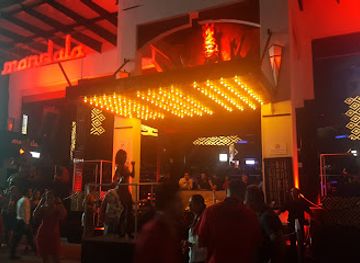
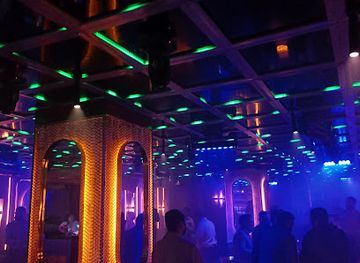
Nightlife in western Mexico ranges from Guadalajara’s extensive urban scene to quiet evenings in highland towns and coastal communities. Guadalajara has the region’s broadest choice of cocktail bars, breweries, live-music venues, dance clubs and late-opening restaurants, with different atmospheres across its central and western neighbourhoods. Puerto Vallarta offers a concentrated mix of waterfront bars, music venues and clubs, while resort areas along the Nayarit coast tend to have a more seasonal rhythm. In Tequila, evening activity usually centres on plazas, restaurants, tasting rooms and traditional music rather than a large club scene. Morelia and Pátzcuaro provide historic bars, cafés, cultural venues and restaurants, with activity often focused around central streets. Smaller towns in Colima and Michoacán generally rely on local restaurants, cantinas, plazas and occasional live music. Check local arrangements, use authorised transport at night and remember that alcohol is only one part of the region’s evening culture.
-
Night club
Mandala Puerto Vallarta
Immerse yourself in the vibrant nightlife of Mandala Puerto Vallarta, where stunning decor and high-energy music create an unforgettable experience.
-
Bar
Mandala Nightclub
Unleash your inner party spirit at Mandala Nightclub, Cancún's top destination for vibrant nightlife and unforgettable experiences.
-
Night club
La Vaquita
Dive into the vibrant nightlife at La Vaquita, a top nightclub in Puerto Vallarta, where unforgettable nights and electrifying music await.
-
Night club
Kennedy Social Room
Discover the ultimate nightlife experience at Kennedy Social Room, a premier club in Polanco, Mexico City, with top DJs and a vibrant atmosphere.

Best shops in Western Mexico
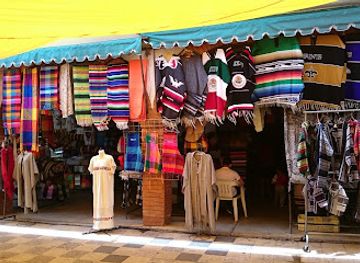
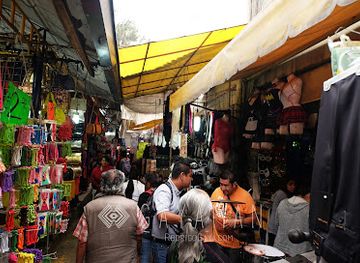
Shopping in western Mexico is strongest when approached through its distinct craft and food-producing areas. Tlaquepaque and Tonalá, near Guadalajara, are important centres for ceramics, glass, metalwork, textiles, furniture and decorative arts, with workshops and galleries ranging from traditional to contemporary. Guadalajara’s markets and independent food shops are useful for coffee, spices, sweets, bottled sauces and packaged regional products. Tequila offers bottles from established producers, but visitors should check labelling and packaging before buying for international travel. Michoacán is known for varied local crafts, including lacquerware from Uruapan and nearby communities, carved wood, textiles, pottery and copper work from Santa Clara del Cobre. Pátzcuaro and lakeside towns have craft shops and markets, while Morelia combines artisan products with bookshops, galleries and conventional high-street retail. Coastal destinations focus more on resort clothing, art, jewellery and practical beach goods. Buy respectfully, compare quality and provenance, and allow extra luggage space for fragile ceramics.
-
Shopping mall
Oasis Coyoacán
Experience the vibrant blend of shopping, dining, and entertainment at Oasis Coyoacán, a must-visit destination in Mexico City.
-
Shopping mall
Altacia Mall
Experience the ultimate shopping adventure at Altacia Mall in León, Mexico—a hub of fashion, dining, and entertainment.
-
Handicraft fair
Mercado de Artesanías La Ciudadela
Discover the artistic heart of Mexico City at Mercado de Artesanías La Ciudadela, where vibrant crafts and local culture come alive.
-
Clothing wholesale market place
Escomarti Vestidos Comunión Presentación Pages Bautizo Y Accesorios
Discover unique fashion finds at Escomarti, Mexico City's vibrant clothing wholesale market, perfect for tourists and fashion enthusiasts alike.


Get your free copy of our complete guide to Western Mexico, delivered straight to you.
Everything on this page, from attractions and restaurants to essentials and local phrases, in one PDF you can read offline, print or share.
Already have an account? Sign in
Your Western Mexico guide is ready.
We'll send it to · Not you? Sign out

Getting your guide ready…
We are putting together a fresh copy of the Western Mexico guide. This can take up to a minute.
This can take a few moments. If your browser asks, choose Allow so the download can start. You'll find the guide in your Downloads folder.
Nothing happened? Download it again
Sorry, the guide is taking longer than usual. Please try again in a minute, or get it by email instead.
Western Mexico essentials
Currency and Payment
Safety
Emergency Situations
Do's and Don'ts
Local Tips
From Eve
Local phrases worth knowing
You don't need to get them perfect. A few words go a long way, and locals appreciate the effort.
Basics
| English | Local | Say it |
|---|---|---|
| Hello | Hola | [Ola] |
| Goodbye | Adiós | [A-dee-os] |
| Yes | Sí | [See] |
| No | No | [No] |
| Please/You're welcome | Por favor/De nada | [Por fa-vor/De na-da] |
| Thank you | Gracias | [Gra-sias] |
| Excuse me/Sorry | Disculpe/Lo siento | [Dis-cul-pe/Lo syen-to] |
| How are you? | ¿Cómo estás? | [Ko-mo es-tas] |
| Fine. And you? | Bien. ¿Y tú? | [Byen. Ee tu?] |
| Do you speak English? | ¿Hablas inglés? | [A-blas in-gles] |
| I don't understand | No entiendo | [No en-tyen-do] |
Eating & Drinking
| English | Local | Say it |
|---|---|---|
| I'd like to see the menu, please | Me gustaría ver el menú, por favor | [Me gus-ta-ria ver el me-nu, por fa-vor] |
| I don't eat meat | No como carne | [No ko-mo car-ne] |
| Cheers! | ¡Salud! | [Sa-lud] |
| I would like to pay, please | Me gustaría pagar, por favor | [Me gus-ta-ria pa-gar, por fa-vor] |
Emergencies
| English | Local | Say it |
|---|---|---|
| Help! | ¡Ayuda! | [A-yu-da] |
| Go away! | ¡Vete! | [Ve-te] |
| Call the Police! | ¡Llama a la policía! | [Ya-ma a la po-li-cia] |
| Call a doctor! | ¡Llama a un médico! | [Ya-ma a un me-di-co] |
| I'm lost | Estoy perdido | [Es-toy per-di-do] |
| I'm ill | Estoy enfermo | [Es-toy en-fer-mo] |
Shopping
| English | Local | Say it |
|---|---|---|
| I'd like to buy... | Me gustaría comprar... | [Me gus-ta-ria com-prar] |
| I'm just looking | Solo estoy mirando | [So-lo es-toy mi-ran-do] |
| How much is it? | ¿Cuánto cuesta? | [Kwan-to kwes-ta] |
| That's too expensive | Eso es muy caro | [E-so es muy ca-ro] |
| Can you lower the price? | ¿Puedes bajar el precio? | [Pwe-des ba-har el pre-sio] |
Time & Numbers
| English | Local | Say it |
|---|---|---|
| What time is it? | ¿Qué hora es? | [Ke o-ra es] |
| It's one o'clock | Es la una | [Es la u-na] |
| Half past (10) | Y media (10) | [Ee me-dia (10)] |
| Morning | Mañana | [Ma-nya-na] |
| Afternoon | Tarde | [Tar-de] |
| Evening | Noche | [No-che] |
| Yesterday | Ayer | [A-yer] |
| Today | Hoy | [Oy] |
| Tomorrow | Mañana | [Ma-nya-na] |
| 1 | Uno | [U-no] |
| 2 | Dos | [Dos] |
| 3 | Tres | [Tres] |
| 4 | Cuatro | [Kua-tro] |
| 5 | Cinco | [Sin-co] |
| 6 | Seis | [Seis] |
| 7 | Siete | [Sye-te] |
| 8 | Ocho | [O-cho] |
| 9 | Nueve | [Nwe-ve] |
| 10 | Diez | [Dyez] |
Transport & Directions
| English | Local | Say it |
|---|---|---|
| Where's a/the...? | ¿Dónde está un/una...? | [Don-de es-ta un/una] |
| What's the address? | ¿Cuál es la dirección? | [Kwal es la di-rec-cion] |
| Can you show me (on the map)? | ¿Puedes mostrarme (en el mapa)? | [Pwe-des mos-trar-me (en el ma-pa)] |
| When's the next (bus)? | ¿Cuándo es el siguiente (autobús)? | [Kwan-do es el si-guien-te (au-to-bus)] |
| A ticket (to ....) | Un boleto (a ....) | [Un bo-le-to (a ....)] |
History of Western Mexico
Ancient West Mexican Cultures
Long before Spanish arrival, western Mexico supported complex societies linked by agriculture, trade and distinctive artistic traditions. The region’s archaeological record includes shaft tombs and ceramic figures in present-day Colima, Nayarit and Jalisco, as well as settlements associated with the Teuchitlán tradition near the Tequila area. These communities developed circular architectural complexes and raised mounds rather than following the monumental patterns more familiar from central Mexican sites. Their material culture demonstrates extensive exchange across the Pacific watershed and inland valleys. Many objects are now held in regional museums, where they provide context for the landscapes and communities encountered by travellers today.
Purépecha Power around Lake Pátzcuaro
Before the conquest, the Purépecha state centred on the Lake Pátzcuaro basin and became one of the strongest political powers in western Mexico. Its principal centres included Tzintzuntzan, Ihuatzio and Pátzcuaro, supported by farming, fishing, craft production and regional trade. The Purépecha resisted Aztec expansion and maintained a distinct political and cultural identity. Tzintzuntzan’s yácatas, or monumental stepped structures, remain among the clearest archaeological reminders of this period. Purépecha languages, ceremonies, foodways and craft traditions continue to shape the cultural identity of Michoacán.
Spanish Conquest and Colonial Foundations
Spanish expansion into western Mexico during the sixteenth century brought military conquest, Christian missions, new forms of landholding and devastating population loss through disease and forced labour. Guadalajara was founded and relocated several times before becoming the region’s major colonial city. Valladolid, now Morelia, emerged as an important administrative and religious centre, while settlements around Lake Pátzcuaro became sites of missionary activity and Indigenous adaptation. Bishop Vasco de Quiroga is remembered in Michoacán for promoting organised communities and craft production, although colonial society remained profoundly unequal. Churches, convents, civic buildings and town plans still reflect this period.
Silver, Agriculture and Colonial Trade
Colonial western Mexico was connected to wider New Spanish markets through agriculture, livestock, mining and Pacific trade. Guadalajara developed as a commercial centre serving the surrounding valleys and routes towards the Pacific, while highland settlements supplied food, leather and manufactured goods. Ports on the western coast linked the region to maritime networks, including the Manila galleon system, though their importance varied over time. Haciendas and religious estates transformed land use, while Indigenous communities preserved local systems of cultivation and exchange. The resulting mixture of ranching, farming, urban commerce and craft production remains visible in regional food and architecture.
Independence and Nineteenth-Century Change
The struggle for Mexican independence disrupted colonial administration and trade, while the nineteenth century brought repeated political conflicts between centralist and federalist forces. Guadalajara and Morelia remained influential regional capitals, and the Pacific ports gained importance as transport links developed. Liberal reforms altered the relationship between the state and the Church and affected communal and religious landholdings. Railways and improved roads later strengthened connections between the highlands, the coast and Mexico’s central markets. These changes encouraged urban growth but also deepened inequalities that continued into the twentieth century.
Revolution, Property and Rural Society
The Mexican Revolution and its aftermath reshaped land ownership, labour relations and political power across western Mexico. Agrarian reform created or expanded ejidos, while regional communities negotiated the effects of changing state authority, commercial agriculture and migration. Rural areas of Jalisco, Michoacán, Colima and Nayarit experienced different combinations of land redistribution, religious conflict and agricultural modernisation. The Cristero War of the 1920s was especially significant in parts of western Mexico, where tensions between the government and Catholic communities produced armed conflict and lasting political memories.
Tourism, Industry and Contemporary Western Mexico
From the mid-twentieth century, Guadalajara expanded into a major industrial, educational and cultural metropolis, later gaining an international reputation for technology and design. Pacific tourism transformed Puerto Vallarta and accelerated development along parts of the Nayarit coast, while Manzanillo grew as a significant port. Tequila production became increasingly international, linking rural agave landscapes with global markets and tourism. At the same time, Michoacán’s lakeside towns and Día de Muertos traditions attracted visitors, sometimes creating pressure on communities and natural resources. Contemporary western Mexico therefore combines urban growth, export industries, mass tourism and strong local cultural movements.
Western Mexico in Photos
Browse through our photo collection highlighting the charm and character of the destination.
Neighbouring regions of Western Mexico
The closest regions to Western Mexico, if you have time for more than one.
-

-

-

-

-


Swipe for more regions
Explore more

Explore more of Mexico
Discover Mexico: A land of ancient ruins, vibrant culture, and stunning natural landscapes. Experience diverse cuisine, rich traditions, and warm hospitality.
Explore Mexico