

Free Laguna Region Travel Guide & Mobile App
Explore Laguna Region with free travel guides. Discover regional history, expert tips, proposed trips, and audio guides on web or mobile app.





Explore Mexico's Laguna Region for Torreón museums, river landscapes, desert dunes, historic towns and the food traditions of Coahuila and Durango.
Read more about Laguna Region
When is the best time to visit Laguna Region?
Best: February–March, November · 22–25°C| Month | High (°C) | Rainfall (mm) |
|---|---|---|
| January | 20 | 20 |
| February (best) | 22 | 20 |
| March (best) | 25 | 20 |
| April | 29 | 10 |
| May | 33 | 10 |
| June | 35 | 20 |
| July | 36 | 50 |
| August | 35 | 50 |
| September | 32 | 40 |
| October | 28 | 20 |
| November (best) | 23 | 10 |
| December | 20 | 10 |
Getting to and around Laguna Region
How to get there
Transportation
Best attractions in Laguna Region
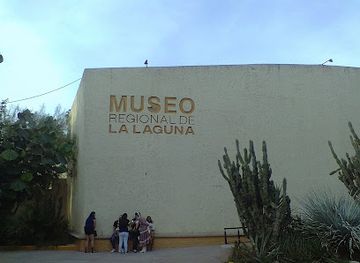
Laguna's attractions range from urban museums and historic buildings to open desert landscapes shaped by water and wind. In Torreón, Museo Arocena presents art and history in a prominent historic building, while the Museo Regional de La Laguna introduces the archaeology and cultural development of the wider area. The Canal de la Perla and the Museo del Ferrocarril help explain the city's commercial and railway past. Across the metropolitan area, Gómez Palacio and Lerdo offer civic parks, churches and local museums, as well as access to the Nazas river corridor. Outside the cities, Viesca combines a historic town centre with the pale dunes of Dunas de Bilbao, a memorable setting for landscape photography and low-impact outdoor visits. Cañón de Fernández, in the Lerdo area, protects a greener riverside environment and is important for its contrast with the surrounding semi-desert. The broader Mapimí area offers remote desert scenery and mining heritage, though visitors need advance planning, suitable transport and respect for environmental restrictions. Attractions are generally spread out rather than concentrated in one resort, making the region best suited to a mixture of museum visits, heritage walks and carefully prepared excursions.
-
Park
Bosque Venustiano Carranza
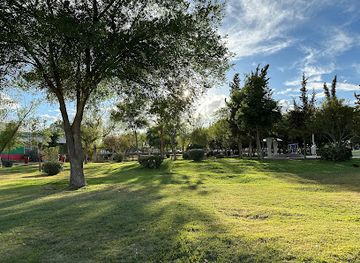
Explore the lush landscapes and vibrant community events at Bosque Venustiano Carranza, a serene urban park in the heart of Torreón, Coahuila.
-
Mountain cable car
Teleférico Torreón - Estación Cristo de las Noas
Discover breathtaking views and cultural insights at the Teleférico Torreón, an iconic mountain cable car experience in Torreón, Coahuila.
-
Ecological park
Bosque Urbano Oriente
Experience the natural beauty and tranquility of Bosque Urbano Oriente, an ecological park in Torreón, perfect for relaxation and outdoor activities.
-
Mountain cable car
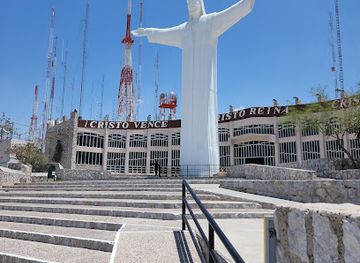
Cable Car Tower of Christ Noas
Explore the breathtaking Cable Car Tower of Christ Noas, a must-see tourist attraction in Torreón, offering stunning views and unforgettable experiences.
Best landmarks in Laguna Region
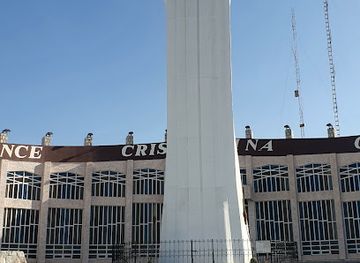
The Cristo de las Noas sanctuary, high above Torreón, is the region's most recognisable modern landmark and overlooks the metropolitan basin from its hilltop setting. In the city centre, Teatro Isauro Martínez is notable for its elaborate interior decoration and early twentieth-century cultural importance, while the Plaza de Armas and surrounding civic buildings express Torreón's rapid growth during the railway and cotton era. The Canal de la Perla is a less monumental but historically revealing landmark: its underground and urban water infrastructure recalls the systems that supported the city's expansion. In Gómez Palacio, the Catedral de Santa María de Guadalupe and the historic core provide a contrasting expression of Durango's urban heritage, while Lerdo's Plaza de Armas and historic buildings connect the city to the Nazas river environment. Beyond the conurbation, the dunes of Viesca are a geological and visual landmark created by the region's arid conditions, and the riverside landscape of Cañón de Fernández demonstrates how sharply water and vegetation can interrupt the surrounding desert. Together these places explain La Laguna through faith, civic ambition, engineering, geology and the persistent importance of the river system.
-
Sculpture
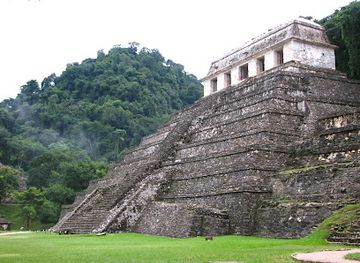
PALENQUE, CHIAPAS, MEXICO
Experience the mesmerizing beauty and rich history of Palenque, a stunning UNESCO World Heritage Site in the heart of Chiapas, Mexico.
-
Tourist information center
About Puerto Escondido
Explore the stunning beaches, vibrant culture, and thrilling surf of Puerto Escondido, the perfect destination for every traveler seeking adventure and relaxation.

Explore Laguna Region on the map
Plan your trip on one map. See where the top cities, national parks and sights are, and book hotels and experiences in a few clicks.
Best hotels in Laguna Region
Best restaurants in Laguna Region
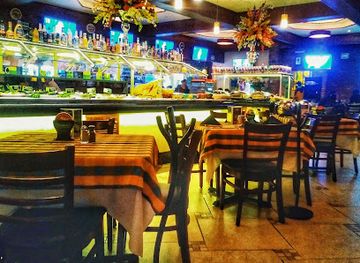
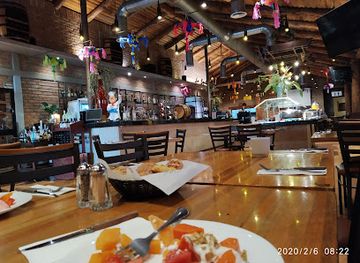
Dining in Laguna reflects the northern Mexican character of both Coahuila and Durango, with substantial portions, grilled meats and flour-based cooking prominent in everyday meals. Look for gorditas filled with stews, beans or meat, discada cooked on a broad metal plate, carne asada, cabrito in establishments that specialise in it, and local-style cheeses such as asadero. Menudo, enchiladas, tamales and sweet breads are also part of the familiar regional repertoire, while dairy production gives the area a strong connection with milk, cheese and other processed foods. Torreón, Gómez Palacio and Lerdo have the widest choice, from market counters and casual taquerías to contemporary restaurants and traditional family dining rooms. In smaller towns, food is often more closely tied to local schedules and market activity, so options may be limited outside daytime and evening meal periods. Beer and aguas frescas commonly accompany meals, and visitors should distinguish genuinely regional dishes from national Mexican favourites that are served throughout the country.
-
Mexican
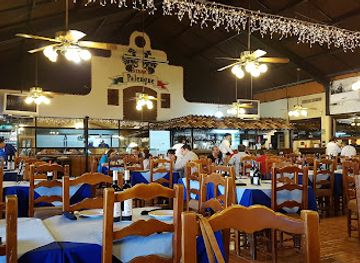
Steak Palenque
Experience the best of Mexican cuisine at Steak Palenque in Torreón—home to exquisite cuts of meat and vibrant local flavors.
-
Brazilian
Mr Pampas Torreón
Experience authentic Brazilian cuisine at Mr Pampas Torreón - home to delightful carvery dishes and a family-friendly atmosphere.
-
Restaurant
La Espada Gaucha
Experience authentic Brazilian flavors at La Espada Gaucha - Torreón's top spot for breakfast, brunch, and grilled delights.
-
Restaurant
La Majada
Experience authentic Mexican breakfast at La Majada in Torreón—where tradition meets flavor in every dish.
Best bars in Laguna Region
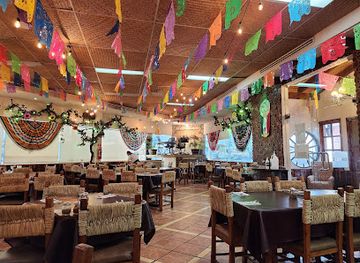
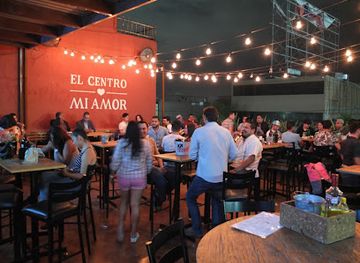
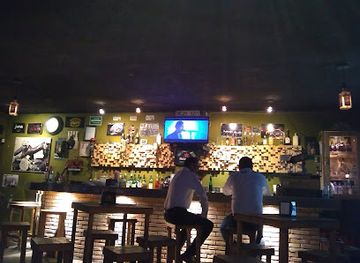
Evening life is concentrated in Torreón, Gómez Palacio and Lerdo rather than distributed evenly across the rural region. Central areas and established commercial zones offer cafés, casual bars, cantinas, restaurants and venues with live music, while larger cities provide the broadest selection of contemporary bars and late-night entertainment. Traditional cantinas form part of the northern urban culture, but they are not the only option: visitors can also find breweries, cocktail-led venues and restaurants suited to a quieter evening. In Viesca, Mapimí and smaller agricultural communities, nightlife is generally centred on plazas, family restaurants and local celebrations rather than a substantial club scene. The university and commercial populations of the metropolitan area help sustain later hours in some districts, although opening arrangements change. Use registered taxis or reputable app-based transport after drinking, and remember that exploring the region's food, music and public spaces does not require alcohol.
-
Bar
La Opera Bar
Experience the vibrant nightlife at La Opera Bar in Torreón, where great drinks and lively entertainment await you.
-
Bar
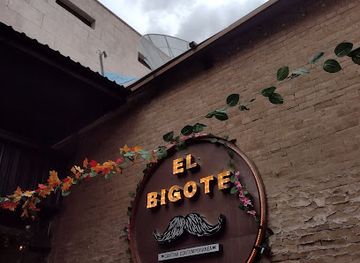
El Bigote Cantina
Discover the lively charm of El Bigote Cantina, Torreón's go-to spot for authentic drinks and a taste of local culture.
-
Bar
LA GOTA BAR
Discover the lively spirit of Torreón at La Gota Bar, where great drinks and delicious food create unforgettable nights.
-
Piano bar
Garage Ink Taberna
Discover the lively Garage Ink Taberna in Torreón, where electrifying rock music meets a vibrant nightlife experience.
Best nightclubs in Laguna Region
Evening life is concentrated in Torreón, Gómez Palacio and Lerdo rather than distributed evenly across the rural region. Central areas and established commercial zones offer cafés, casual bars, cantinas, restaurants and venues with live music, while larger cities provide the broadest selection of contemporary bars and late-night entertainment. Traditional cantinas form part of the northern urban culture, but they are not the only option: visitors can also find breweries, cocktail-led venues and restaurants suited to a quieter evening. In Viesca, Mapimí and smaller agricultural communities, nightlife is generally centred on plazas, family restaurants and local celebrations rather than a substantial club scene. The university and commercial populations of the metropolitan area help sustain later hours in some districts, although opening arrangements change. Use registered taxis or reputable app-based transport after drinking, and remember that exploring the region's food, music and public spaces does not require alcohol.
-
Disco club
Ritter Torreón
Discover the electrifying nightlife of Torreón at Ritter Torreón, the ultimate disco club for dancing and socializing.
-
Night club
Ibiza night club
Dive into the vibrant nightlife of Gomez Palacio at Ibiza Night Club, where every weekend is a celebration of music and dance.
-
Night club
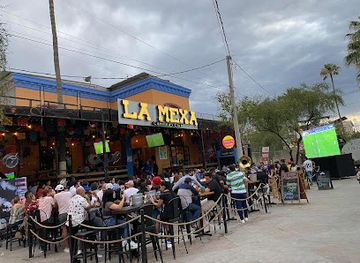
La Mexa Cantina Club
Discover Torreón's nightlife gem at La Mexa Cantina Club, where vibrant music, delicious food, and lively atmosphere await you.
-
Bar
OBVIMenta Club
Discover the electrifying nightlife at OBVIMenta Club in Torreón, a vibrant bar and club offering an unforgettable experience with drinks and dancing.


Best shops in Laguna Region
Shopping is most varied in Torreón, Gómez Palacio and Lerdo, where central streets, modern retail areas, traditional markets and independent food businesses serve the metropolitan population. Visitors can browse regional sweets, cheeses, dried goods, coffee, chilli products and packaged foods that travel well, as well as leather items, textiles, pottery and small craft pieces when available. Market shopping is useful for experiencing everyday produce and prepared food, while independent bakeries and delicatessens provide a better sense of local tastes than generic souvenir outlets. Viesca and other historic towns may offer simpler craft and food shopping, often connected with local agriculture or small-scale production rather than luxury retail. Art galleries and museum shops in Torreón are the most reliable places to look for locally themed books, prints and cultural souvenirs. Retail hours and stock vary considerably outside the main cities, so buy specialist regional products before heading into remote desert areas.
-
Shopping mall
Galerías Perinorte
Experience the vibrant shopping, dining, and entertainment at Galerías Perinorte, the ultimate destination in Cuautitlán Izcalli.
-
Shopping mall
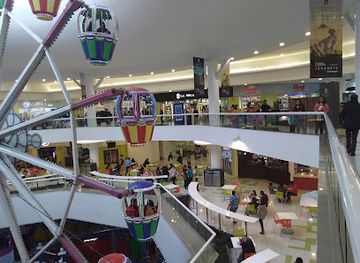
Galerías Laguna
Experience the vibrant shopping, dining, and entertainment options at Galerías Laguna, the largest mall in Torreón's Laguna region.
-
Shopping mall
Galerías Saltillo
Discover Galerías Saltillo, the ultimate shopping destination in Saltillo, featuring top stores, dining, and entertainment to delight every visitor.
-
Department store
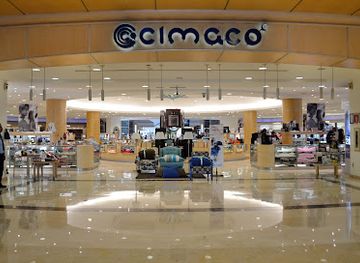
Cimaco Cuatro Caminos Torreón
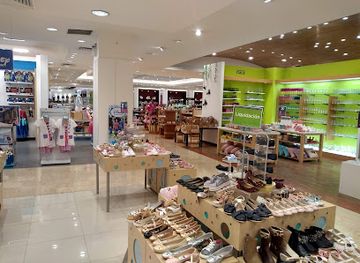
Explore Cimaco Cuatro Caminos in Torreón for an unforgettable shopping experience with a wide range of products and local charm.

Get your free copy of our complete guide to Laguna Region, delivered straight to you.
Everything on this page, from attractions and restaurants to essentials and local phrases, in one PDF you can read offline, print or share.
Already have an account? Sign in
Your Laguna Region guide is ready.
We'll send it to · Not you? Sign out

Getting your guide ready…
We are putting together a fresh copy of the Laguna Region guide. This can take up to a minute.
This can take a few moments. If your browser asks, choose Allow so the download can start. You'll find the guide in your Downloads folder.
Nothing happened? Download it again
Sorry, the guide is taking longer than usual. Please try again in a minute, or get it by email instead.
Laguna Region essentials
Currency and Payment
Safety
Emergency Situations
Do's and Don'ts
Local Tips
From Eve
Local phrases worth knowing
You don't need to get them perfect. A few words go a long way, and locals appreciate the effort.
Basics
| English | Local | Say it |
|---|---|---|
| Hello | Hola | [Ola] |
| Goodbye | Adiós | [Adios] |
| Yes | Sí | [Si] |
| No | No | [No] |
| Please/You're welcome | Por favor | [Por favor] |
| Thank you | Gracias | [Grasias] |
| Excuse me/Sorry | Perdón | [Perdon] |
| How are you? | ¿Cómo estás? | [Como estas] |
| Fine. And you? | Bien. ¿Y tú? | [Bien. I tu] |
| Do you speak English? | ¿Hablas inglés? | [Hablas ingles] |
| I don't understand | No entiendo | [No entiendo] |
Eating & Drinking
| English | Local | Say it |
|---|---|---|
| I'd like to see the menu, please | Quisiera ver el menú, por favor | [Kisiera ver el menu, por favor] |
| I don't eat meat | No como carne | [No komo karne] |
| Cheers! | ¡Salud! | [Salud] |
| I would like to pay, please | Quisiera pagar, por favor | [Kisiera pagar, por favor] |
Emergencies
| English | Local | Say it |
|---|---|---|
| Help! | ¡Ayuda! | [Ayuda] |
| Go away! | ¡Vete! | [Vete] |
| Call the Police! | ¡Llama a la policía! | [Llama a la polisia] |
| Call a doctor! | ¡Llama a un doctor! | [Llama a un doktor] |
| I'm lost | Estoy perdido | [Estoy perdido] |
| I'm ill | Estoy enfermo | [Estoy enfermo] |
Shopping
| English | Local | Say it |
|---|---|---|
| I'd like to buy... | Quisiera comprar... | [Kisiera comprar] |
| I'm just looking | Solo estoy mirando | [Solo estoy mirando] |
| How much is it? | ¿Cuánto cuesta? | [Cuanto cuesta] |
| That's too expensive | Eso es muy caro | [Eso es muy karo] |
| Can you lower the price? | ¿Puedes bajar el precio? | [Pueden bajar el precio] |
Time & Numbers
| English | Local | Say it |
|---|---|---|
| What time is it? | ¿Qué hora es? | [Ke ora es] |
| It's one o'clock | Es la una | [Es la una] |
| Half past (10) | Y media (10) | [Y media 10] |
| Morning | Mañana | [Mañana] |
| Afternoon | Tarde | [Tarde] |
| Evening | Noche | [Noche] |
| Yesterday | Ayer | [Ayer] |
| Today | Hoy | [Hoy] |
| Tomorrow | Mañana | [Mañana] |
| 1 | Uno | [Uno] |
| 2 | Dos | [Dos] |
| 3 | Tres | [Tres] |
| 4 | Cuatro | [Kuwatro] |
| 5 | Cinco | [Sinko] |
| 6 | Seis | [Seis] |
| 7 | Siete | [Syete] |
| 8 | Ocho | [Ocho] |
| 9 | Nueve | [Nueve] |
| 10 | Diez | [Dies] |
Transport & Directions
| English | Local | Say it |
|---|---|---|
| Where's a/the...? | ¿Dónde está el/la...? | [Donde esta el/la] |
| What's the address? | ¿Cuál es la dirección? | [Kual es la direccion] |
| Can you show me (on the map)? | ¿Puedes mostrarme (en el mapa)? | [Puedes mostrarme en el mapa] |
| When's the next (bus)? | ¿Cuándo es el próximo (autobús)? | [Cuando es el proximo autobus] |
| A ticket (to ....) | Un boleto (a ....) | [Un boleto a] |
History of Laguna Region
The Ancient Lake Basin and Indigenous Communities
Before modern irrigation and urban expansion, the basin was influenced by the shifting courses of the Nazas and Aguanaval rivers and by a series of shallow lakes and marshes. Indigenous peoples adapted to this arid environment through seasonal movement, hunting, gathering and settlement near dependable water. Archaeological evidence across the wider Laguna area records long human occupation, although many sites are modest and not arranged as monumental ceremonial centres. The region's name preserves the memory of this watery landscape, while its present desert appearance reflects centuries of climatic fluctuation and later engineering.
Spanish Missions, Haciendas and Viesca
Spanish colonisation brought new settlements, livestock, mining interests and religious missions to the basin during the seventeenth and eighteenth centuries. Viesca, founded in the eighteenth century and historically known as San José de Gracia y Santiago de Viesca, became one of the region's important early settlements. Haciendas and ranches developed around water sources, while colonial authorities sought to control movement and agriculture in a difficult frontier environment. Churches, plazas and remnants of estate landscapes remain among the clearest reminders of this period, particularly in older towns beyond the modern metropolitan core.
Water Engineering and Agricultural Expansion
The cultivation of cotton and other crops expanded substantially when dams, canals and irrigation works made more reliable use of the Nazas and Aguanaval waters. Water transformed parts of the dry basin into productive farmland, but it also created competition between communities, landowners and later state institutions. The agricultural economy attracted workers, merchants and migrants, encouraging the growth of settlements on both sides of the Coahuila-Durango boundary. Today's fields, canals and food-processing facilities are therefore not separate from the region's history: they are the visible outcome of a long struggle to organise water in an arid environment.
Railways and the Rise of Torreón
Railway construction in the late nineteenth century connected the basin with Mexico's principal markets and transformed Torreón from a small settlement into a major commercial centre. Cotton, livestock, minerals and agricultural produce could be moved more efficiently, while new investment encouraged warehouses, factories, hotels and civic buildings. Torreón's early twentieth-century urban fabric, including its historic centre and surviving public architecture, reflects this period of rapid growth. Gómez Palacio and Lerdo also benefited from the same transport and agricultural networks, developing as closely linked but administratively separate cities.
The Mexican Revolution in La Laguna
La Laguna was strategically important during the Mexican Revolution because of its railway junctions, agricultural wealth and position between northern military routes. Torreón changed hands during several major campaigns, including the battles of 1913 and 1914, when revolutionary forces fought for control of the city. The conflict disrupted estates, transport and commerce, while its political consequences altered land ownership across the region. Museums and memorials in Torreón preserve aspects of this history, although the revolutionary legacy is also visible in the later transformation of large estates and agricultural communities.
Agrarian Reform and the Ejido System
Land reform under President Lázaro Cárdenas in the 1930s reshaped La Laguna's agricultural economy. Large estates were divided and land was granted through ejidos, communal agricultural organisations that became central to rural life. The reform addressed long-standing inequalities but also introduced new administrative and production challenges, especially where irrigation infrastructure and access to credit were uneven. Cotton remained a major crop for decades, and the social geography of villages, fields and water channels still reflects the period. Contemporary agriculture in the region cannot be understood without this transformation.
Industrial and Metropolitan Transformation
During the later twentieth century, La Laguna developed beyond its historic reliance on cotton. Dairy production, food processing, metalworking, manufacturing, commerce and logistics became increasingly important, linking Torreón, Gómez Palacio and Lerdo into a substantial metropolitan economy. Population growth brought new housing, roads and services, while pressure on groundwater and river systems highlighted the environmental cost of expansion in a dry region. Today the conurbation remains economically interdependent across the state boundary, with modern industry existing alongside historic centres, irrigated countryside and communities shaped by earlier agricultural cycles.
Laguna Region in Photos
Browse through our photo collection highlighting the charm and character of the destination.
Neighbouring regions of Laguna Region
The closest regions to Laguna Region, if you have time for more than one.
-

-

-

-

-


Swipe for more regions
Explore more

Explore more of Mexico
Discover Mexico: A land of ancient ruins, vibrant culture, and stunning natural landscapes. Experience diverse cuisine, rich traditions, and warm hospitality.
Explore Mexico