

Free Tarahumara Sierra Travel Guide & Mobile App
Explore Tarahumara Sierra with free travel guides. Discover regional history, expert tips, proposed trips, and audio guides on web or mobile app.


Explore Mexico's Tarahumara Sierra for Copper Canyon rail journeys, Rarámuri culture, pine forests, waterfalls and remote mountain communities.
Read more about Tarahumara Sierra
When is the best time to visit Tarahumara Sierra?
Best: March–May · 21–29°C| Month | High (°C) | Rainfall (mm) |
|---|---|---|
| January | 16 | 12 |
| February | 17 | 11 |
| March (best) | 21 | 10 |
| April (best) | 25 | 9 |
| May (best) | 29 | 7 |
| June | 33 | 18 |
| July | 29 | 75 |
| August | 29 | 70 |
| September | 27 | 45 |
| October | 22 | 25 |
| November | 17 | 13 |
| December | 15 | 14 |
Getting to and around Tarahumara Sierra
How to get there
Transportation
Destinations in Tarahumara Sierra
Resorts, valleys and scenic spots worth a trip of their own.

Swipe for more destinations
Best attractions in Tarahumara Sierra
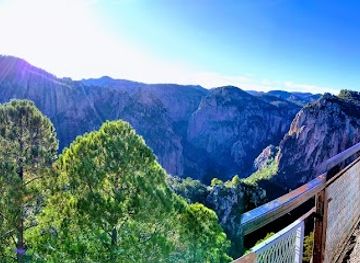
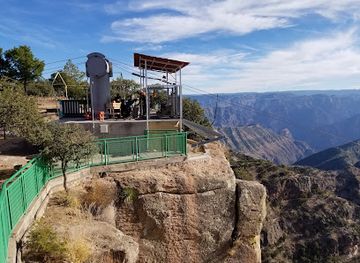
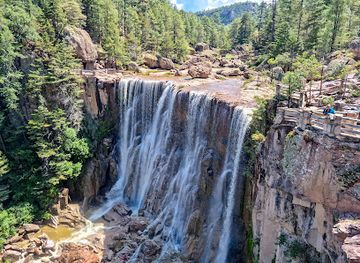
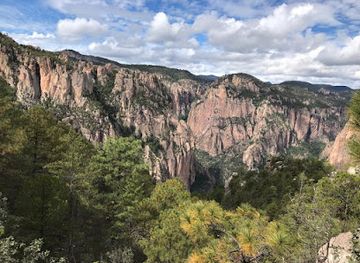
The Tarahumara Sierra's attractions are organised around terrain rather than a dense chain of urban sights. Rim viewpoints above Urique and other Copper Canyon branches provide the most accessible introduction to the landscape, while trails near Creel lead to forests, rock formations, lakes and waterfalls such as Cusarare. Divisadero is a practical base for canyon vistas and outdoor activities, and the railway journey itself is a major regional experience as it crosses bridges, tunnels and steep mountain country. Farther south, the road to Batopilas combines dramatic scenery with a historic mining settlement, while Cerocahui and the Urique area offer quieter access to canyon landscapes. Basaseachic Falls National Park, in the wider Sierra Tarahumara, protects one of Mexico's notable waterfalls and surrounding woodland. Activities include hiking, mountain biking, horse riding, birdwatching and guided cultural visits. Conditions and access vary considerably, so local advice matters more than a simple attraction checklist.
-
Tourist attraction
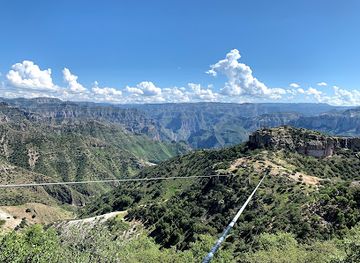
Copper Canyon Adventure Park
Experience the thrill of adventure and the beauty of nature at Copper Canyon Adventure Park, your ultimate destination for excitement in Chihuahua, Mexico.
-
Tourist attraction
Museo Menonita
Explore Mennonite heritage at Museo Menonita in Ciudad Cuauhtémoc, a cultural gem showcasing traditions, history, and artisanal crafts.
-
Tourist attraction
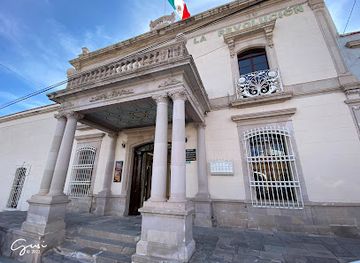
Museo Histórico de la Revolución
Discover the heart of Mexico's revolutionary history at the Museo Histórico de la Revolución in Chihuahua, where the past comes alive through engaging exhibits.
-
Tourist attraction
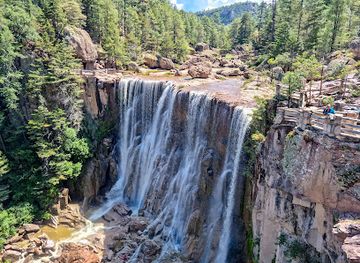
Cascada Cusárare
Experience the breathtaking beauty of Cascada Cusárare, a perfect hiking destination in Chihuahua, Mexico, offering stunning views and serene nature.
Explore Tarahumara Sierra on the map
Plan your trip on one map. See where the top cities, national parks and sights are, and book hotels and experiences in a few clicks.
Best hotels in Tarahumara Sierra
Best restaurants in Tarahumara Sierra
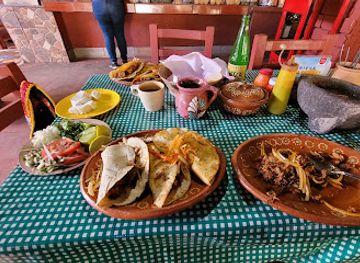
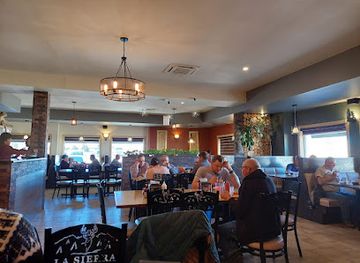
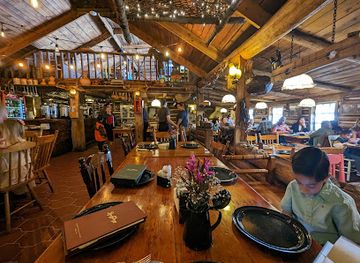
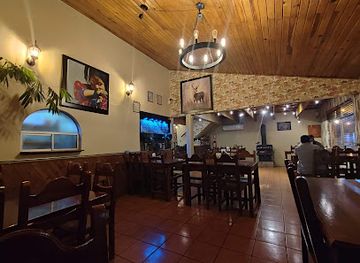
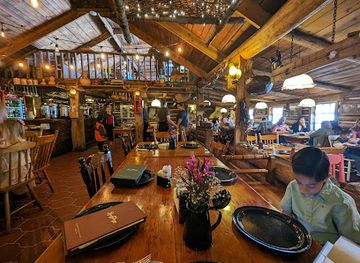
Dining in the Tarahumara Sierra is generally informal and closely tied to the provisions of highland towns, canyon settlements and family-run accommodation. Corn, beans and squash remain foundational ingredients, joined by dried meat, eggs, potatoes, local cheese and seasonal vegetables. In and around Creel, visitors may find apples and other produce from cooler upland areas, as well as pinole, a toasted and ground corn preparation traditionally used as a drink or food. Gorditas, soups and grilled meats are common practical meals, while menus in hotels and restaurants may add broader Mexican dishes for travellers. Rarámuri food traditions should not be presented as a single restaurant style, since practices differ between communities and households. Markets and roadside stalls can offer a more local introduction than formal dining rooms. Tesgüino, a fermented maize drink with cultural importance, is associated with Rarámuri ceremonies and should be approached respectfully rather than treated as a novelty.
-
Restaurant
La Sierra Restaurant
Discover authentic Mexican flavors at La Sierra Restaurant in Tepic - where every meal is a celebration of culinary heritage.
-
Pizza
Pizzeria La Sierra
Experience authentic Italian flavors at Pizzeria La Sierra in Ciudad Cuauhtémoc—where every bite feels like home.
-
Mexican
Rancho Viejo
Discover authentic Mexican cuisine at Rancho Viejo in Ciudad Cuauhtémoc – where every dish tells a delicious story.
-
Restaurant
Restaurante La Cabaña
Experience the heart of Mexico at Restaurante La Cabaña – where authentic flavors and warm hospitality meet.
Best bars in Tarahumara Sierra
Nightlife in the Tarahumara Sierra is modest and concentrated in places such as Creel, where hotel bars, restaurants and occasional live music provide evening options. In canyon settlements and smaller villages, evenings are more likely to centre on a meal, conversation and the quiet of the landscape than on clubs or late-night entertainment. Divisadero and railway-oriented accommodation may offer drinks and dining for overnight visitors, but opening arrangements can be seasonal and limited. Batopilas has a small-town evening atmosphere shaped by its historic streets and guesthouses rather than a formal nightlife district. Visitors should not expect reliable late transport, and travelling between remote settlements after dark is unwise on unfamiliar roads. Alcohol is available in licensed establishments, but it is not necessary to engage with the region's cultural life; respectful participation in local festivals or ceremonies should never be confused with nightlife entertainment.
-
Restaurant
Copper Canyon Adventure Park
Experience thrilling adventures and breathtaking landscapes at Copper Canyon Adventure Park, a top destination for tourists in Mexico.
-
Hiking area
Cascada Cusárare
Experience the breathtaking Cascada Cusárare, a hidden gem in Chihuahua, Mexico, perfect for hiking and immersing in nature's beauty.
-
Mexican
Rancho Viejo
Discover the flavors of authentic Mexican cuisine at Rancho Viejo, a beloved restaurant in Ciudad Cuauhtémoc, known for its fresh ingredients and local specialties.
-
Thai
Bar San Luis
Experience the authentic taste of Thailand in Chihuahua at Bar San Luis - where every dish tells a story of flavor and tradition.
Best nightclubs in Tarahumara Sierra
Nightlife in the Tarahumara Sierra is modest and concentrated in places such as Creel, where hotel bars, restaurants and occasional live music provide evening options. In canyon settlements and smaller villages, evenings are more likely to centre on a meal, conversation and the quiet of the landscape than on clubs or late-night entertainment. Divisadero and railway-oriented accommodation may offer drinks and dining for overnight visitors, but opening arrangements can be seasonal and limited. Batopilas has a small-town evening atmosphere shaped by its historic streets and guesthouses rather than a formal nightlife district. Visitors should not expect reliable late transport, and travelling between remote settlements after dark is unwise on unfamiliar roads. Alcohol is available in licensed establishments, but it is not necessary to engage with the region's cultural life; respectful participation in local festivals or ceremonies should never be confused with nightlife entertainment.
-
Bar
Mandala Nightclub
Dive into Cancún's nightlife at Mandala Nightclub, where vibrant energy meets electrifying music and unforgettable experiences await.
-
Bar
Mandala Playa del Carmen
Discover the electrifying nightlife of Mandala Playa del Carmen, where world-class DJs and vibrant dance floors create unforgettable nights.
-
Night club
Cultural Roots
Experience the vibrant essence of Mexico City at Cultural Roots, a nightlife hotspot blending music, culture, and camaraderie.
-
Night club
La Mina Club
Experience the vibrant nightlife of Zacatecas at La Mina Club, where music, cocktails, and fun collide in an unforgettable atmosphere.



Best shops in Tarahumara Sierra
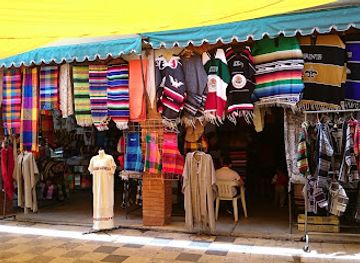
Shopping in the Tarahumara Sierra is centred on small-town markets, craft stalls, general shops and local food rather than large retail centres. Creel has the broadest concentration of places aimed at visitors, with woven items, carved wooden objects, baskets, pottery, dolls and other Rarámuri-associated crafts available through local sellers and cooperatives. Quality and authorship vary, so ask who made an item and buy directly or through fair local channels where possible. Markets and food shops may stock pinole, regional cheese, dried fruit, apples from the highlands and other provisions suited to mountain travel. Batopilas and smaller settlements offer a more limited range, often reflecting everyday local needs rather than souvenirs. Prices should be discussed politely, but aggressive bargaining over labour-intensive handmade work is best avoided. Visitors should also be cautious of mass-produced goods that are labelled as Indigenous crafts without clear information about their origin.
-
Handicraft fair
Mercado de Artesanías La Ciudadela
Discover the colorful Mercado de Artesanías La Ciudadela, a vibrant handicraft fair in Mexico City showcasing local artisans and unique cultural treasures.
-
Museum
Museo Menonita
Explore the captivating heritage of the Mennonite community at Museo Menonita in Cuauhtémoc, Chihuahua, a unique cultural experience for all visitors.
-
Supermarket
Bodega Aurrera, Lauro Villar
Experience local life at Bodega Aurrera, a vibrant supermarket in Heroica Matamoros, offering a taste of Mexico with every visit.
-
National park
Cascada de Basaseachi National Park
Experience the breathtaking beauty of Cascada de Basaseachic National Park, home to stunning waterfalls and diverse ecosystems in Chihuahua, Mexico.

Get your free copy of our complete guide to Tarahumara Sierra, delivered straight to you.
Everything on this page, from attractions and restaurants to essentials and local phrases, in one PDF you can read offline, print or share.
Already have an account? Sign in
Your Tarahumara Sierra guide is ready.
We'll send it to · Not you? Sign out

Getting your guide ready…
We are putting together a fresh copy of the Tarahumara Sierra guide. This can take up to a minute.
This can take a few moments. If your browser asks, choose Allow so the download can start. You'll find the guide in your Downloads folder.
Nothing happened? Download it again
Sorry, the guide is taking longer than usual. Please try again in a minute, or get it by email instead.
Tarahumara Sierra essentials
Currency and Payment
Safety
Emergency Situations
Do's and Don'ts
Local Tips
From Eve
Local phrases worth knowing
You don't need to get them perfect. A few words go a long way, and locals appreciate the effort.
Basics
| English | Local | Say it |
|---|---|---|
| Hello | Nok | [nok] |
| Goodbye | Nokak | [no-kak] |
| Yes | Ala | [ah-lah] |
| No | Naka | [nah-kah] |
| Please/You're welcome | Nokak uerame | [no-kak weh-rah-meh] |
| Thank you | Nokas | [no-kahs] |
| Excuse me/Sorry | Nokisa | [noh-kee-sah] |
| How are you? | Nokar uan? | [no-kar wahn] |
| Fine. And you? | Nokas. Uan nok? | [no-kahs. wahn nok] |
| Do you speak English? | Nokar uan inglis? | [no-kar wahn een-glees] |
| I don't understand | Nokar uan wakor | [no-kar wahn wah-kor] |
Eating & Drinking
| English | Local | Say it |
|---|---|---|
| I'd like to see the menu, please | Nokar uan wisa el menu, nokak | [no-kar wahn wee-sah el meh-noo, no-kak] |
| I don't eat meat | Nokar uan nakaw meat | [no-kar wahn nah-kaw meet] |
| Cheers! | Nokas! | [no-kahs!] |
| I would like to pay, please | Nokar uan pagar, nokak | [no-kar wahn pah-gar, no-kak] |
Emergencies
| English | Local | Say it |
|---|---|---|
| Help! | Ayuda! | [ah-yoo-dah!] |
| Go away! | Vete! | [veh-teh!] |
| Call the Police! | Llama a la Policía! | [yah-mah ah lah poh-lee-siah!] |
| Call a doctor! | Llama a un doctor! | [yah-mah ah oon dok-tor!] |
| I'm lost | Nokar uan perdido | [no-kar wahn pehr-dee-doh] |
| I'm ill | Nokar uan enfermo | [no-kar wahn en-fehr-moh] |
Shopping
| English | Local | Say it |
|---|---|---|
| I'd like to buy... | Nokar uan comprar... | [no-kar wahn kom-prar] |
| I'm just looking | Nokar uan solo mirando | [no-kar wahn soh-loh mee-ran-doh] |
| How much is it? | Nokar uan cuanto es? | [no-kar wahn kwan-toh es] |
| That's too expensive | Eso es muy caro | [eh-so es moo-ee kah-roh] |
| Can you lower the price? | Nokar uan baja el precio? | [no-kar wahn bah-ha el preh-sio] |
Time & Numbers
| English | Local | Say it |
|---|---|---|
| What time is it? | Que hora es? | [keh oh-rah es] |
| It's one o'clock | Es la una | [es lah oo-nah] |
| Half past (10) | Media hora (10) | [meh-dee-ah oh-rah (10)] |
| Morning | Mañana | [mah-nyah-nah] |
| Afternoon | Tarde | [tahr-deh] |
| Evening | Noche | [noh-cheh] |
| Yesterday | Ayer | [ah-yer] |
| Today | Hoy | [oy] |
| Tomorrow | Mañana | [mah-nyah-nah] |
| 1 | Uno | [oo-no] |
| 2 | Dos | [dohs] |
| 3 | Tres | [tress] |
| 4 | Cuatro | [kwah-troh] |
| 5 | Cinco | [seen-koh] |
| 6 | Seis | [says] |
| 7 | Siete | [see-eh-teh] |
| 8 | Ocho | [oh-cho] |
| 9 | Nueve | [nweh-beh] |
| 10 | Diez | [dyehs] |
Transport & Directions
| English | Local | Say it |
|---|---|---|
| Where's a/the...? | Donde esta un/a...? | [dohn-deh es-tah oon/ah...?] |
| What's the address? | Cual es la dirección? | [kwahl es lah dee-rek-sion?] |
| Can you show me (on the map)? | Puedes mostrarme (en el mapa)? | [pweh-des mohs-trar-meh (en el mah-pah)?] |
| When's the next (bus)? | Cuando es el próximo (autobús)? | [kwahn-doh es el prohk-see-mo (ow-toh-boos)?] |
| A ticket (to ....) | Un boleto (a ....) | [oon boh-leh-toh (ah ....)] |
History of Tarahumara Sierra
Rarámuri society before sustained colonial rule
The Sierra Tarahumara has long been home to Rarámuri communities, whose settlements, farming practices, seasonal movement and knowledge of difficult mountain terrain developed in response to the region's varied elevations. Corn, beans and squash formed an important agricultural base, complemented by gathering, hunting and local exchange. The canyons and plateaux also shaped political and social relationships by separating communities and limiting easy travel. Archaeological evidence across the wider Sierra Madre Occidental records long Indigenous occupation, but the cultural continuity represented by contemporary Rarámuri life should not be reduced to a museum-era past.
Jesuit missions and colonial frontier, seventeenth and eighteenth centuries
Spanish colonial expansion into the Sierra intensified from the seventeenth century, particularly through Jesuit missionary activity and the establishment of settlements and mission networks. This process brought Christianity, new crops, livestock and colonial forms of administration, while also producing resistance, negotiation and disruption among Indigenous communities. Mission buildings and religious festivals remain part of the region's cultural landscape, but colonial history is remembered alongside the restrictions and unequal relationships imposed on Rarámuri society. After the Jesuits were expelled from Spanish territories in the eighteenth century, other clergy and authorities continued the colonial project.
Mining and the growth of Batopilas
Silver mining became a major force in parts of the Sierra, particularly around Batopilas, where rich deposits encouraged the development of a remote colonial and later nineteenth-century mining settlement. The difficult terrain made extraction and transport expensive, but mineral wealth supported merchants, engineers, churches and substantial buildings in the canyon town. Mining also relied on labour systems and economic relationships that affected Indigenous and rural communities. Batopilas's surviving streets and architecture offer a particularly clear reminder that the Sierra's history was shaped not only by subsistence agriculture and missions but also by international mineral markets.
Nineteenth-century change and the Mexican nation
During the nineteenth century, the Sierra was drawn more closely into the political and commercial structures of independent Mexico, although its terrain continued to limit state presence and reliable communications. Mining, ranching and trade expanded unevenly, while local communities negotiated land, labour and religious authority in a period marked by political instability. The region's remoteness also made outside control difficult, and Indigenous autonomy remained a recurring issue. Later national policies, including efforts to extend schools, roads and administrative services, transformed access without erasing the distinctive social geography of the canyons and highlands.
The railway through the Copper Canyon region
The railway linking Chihuahua with the Pacific coast became one of the most consequential infrastructure projects in the Sierra. Construction crossed formidable ravines, bridges and tunnels, and proceeded over many decades before the through route was completed in the late twentieth century. The line improved the movement of people and goods and connected interior communities with Chihuahua and the port region near Los Mochis. It also helped create the modern tourism image of Copper Canyon. For residents, however, the railway was more than a scenic journey: it altered access, commerce and the relationship between remote settlements and national transport networks.
Modern Rarámuri identity, tourism and land pressures
In recent decades the Tarahumara Sierra has become a prominent destination for canyon views, railway travel and outdoor tourism, while Rarámuri communities have continued to defend cultural identity, livelihoods and access to land. Tourism brings income through guiding, accommodation, transport and crafts, but benefits are uneven and visitors can place pressure on sacred places, privacy and fragile environments. Logging, land disputes, migration and limited public services remain part of the wider regional context. Contemporary travel is therefore best approached with respect for Indigenous authority, local knowledge and the fact that the Sierra is a lived homeland rather than scenery alone.
Tarahumara Sierra in Photos
Browse through our photo collection highlighting the charm and character of the destination.
Neighbouring regions of Tarahumara Sierra
The closest regions to Tarahumara Sierra, if you have time for more than one.
-

-

-

-

-


Swipe for more regions
Explore more

Explore more of Mexico
Discover Mexico: A land of ancient ruins, vibrant culture, and stunning natural landscapes. Experience diverse cuisine, rich traditions, and warm hospitality.
Explore Mexico