

Free Valley of Mexico Travel Guide & Mobile App
Explore Valley of Mexico with free travel guides. Discover regional history, expert tips, proposed trips, and audio guides on web or mobile app.


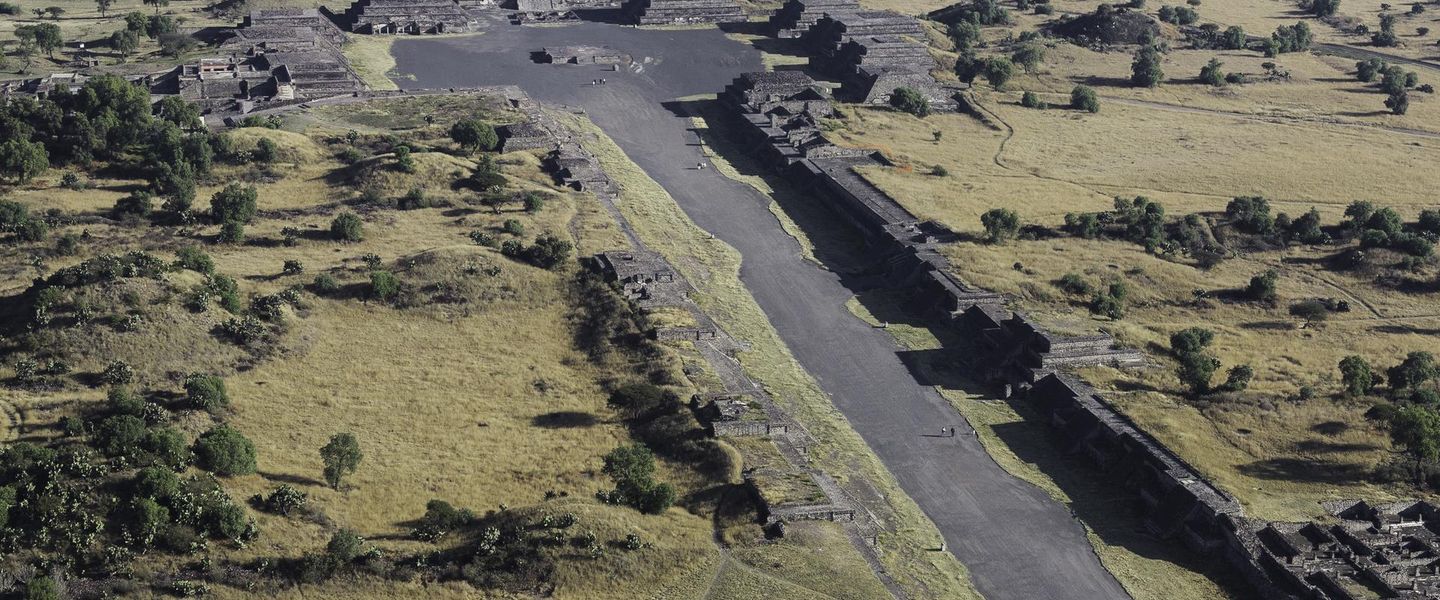


Explore the Valley of Mexico for Mexico City museums, Teotihuacan pyramids, Xochimilco canals, historic towns and highland landscapes.
Read more about Valley of Mexico
When is the best time to visit Valley of Mexico?
Best: February–March, November · 23–25°C| Month | High (°C) | Rainfall (mm) |
|---|---|---|
| January | 21 | 9 |
| February (best) | 23 | 7 |
| March (best) | 25 | 9 |
| April | 28 | 13 |
| May | 29 | 40 |
| June | 28 | 70 |
| July | 28 | 90 |
| August | 28 | 100 |
| September | 27 | 80 |
| October | 25 | 35 |
| November (best) | 23 | 13 |
| December | 22 | 7 |
Getting to and around Valley of Mexico
How to get there
Transportation
Top city travel guides in Valley of Mexico
The cities of Valley of Mexico, and the easiest places to base yourself.
-

-


Swipe for more cities
Best attractions in Valley of Mexico
The Valley of Mexico offers an unusually broad range of attractions because its metropolitan districts occupy one of Mesoamerica's most important historical landscapes. Mexico City's historic centre brings together the Zócalo, the Metropolitan Cathedral, the Templo Mayor archaeological complex and museums housed in colonial and modern buildings. Chapultepec combines woodland, lakes, monuments and major cultural institutions, while Coyoacán and Xochimilco provide contrasting views of older neighbourhood life and the surviving canal landscape. Northeast of the capital, Teotihuacan is the region's defining archaeological destination, with monumental pyramids, ceremonial avenues and museum collections. Other attractions include the former convents and historic centres of towns around the basin, the archaeological remains at Tlatelolco, and the canals and chinampa fields of southern Mexico City. Visitors interested in nature can explore conservation areas on the capital's wooded southern margins, although access and weather vary. The region's attraction landscape is not a simple sequence of isolated sights: it links ancient water management, Indigenous urbanism, colonial power, national museums, working markets and a contemporary megacity.
-
Art museum
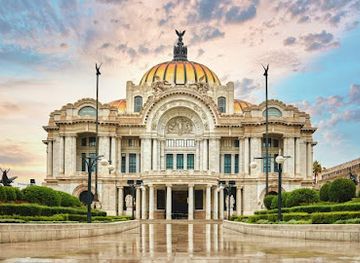
Palacio de Bellas Artes
Discover the stunning Palacio de Bellas Artes, where art, architecture, and culture converge in the heart of Mexico City, creating an unforgettable experience for every visitor.
-
Amusement park
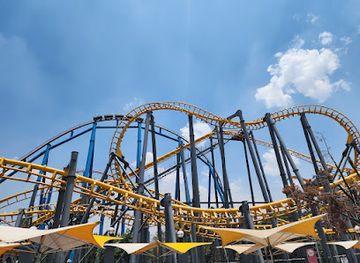
Six Flags México
Experience the ultimate thrill at Six Flags México, where excitement meets family fun in a vibrant amusement park setting.
-
Amusement park
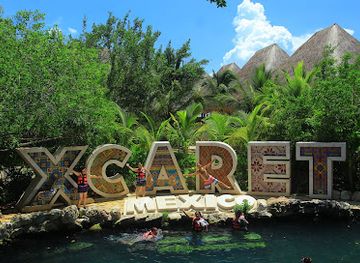
Xcaret Park
Discover the enchanting combination of nature, culture, and adventure at Xcaret Park, the ultimate eco-archaeological experience in Playa del Carmen.
-
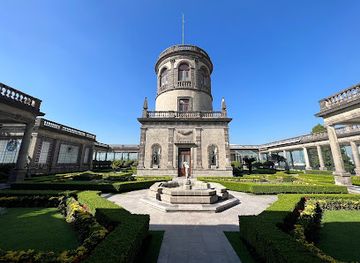
Historical place museum
Chapultepec Castle
Explore Chapultepec Castle, a historical museum with stunning architecture, rich history, and breathtaking views of Mexico City in the heart of Bosque de Chapultepec.
Best landmarks in Valley of Mexico
The Valley of Mexico's most recognisable landmark is the pair of monumental pyramids at Teotihuacan, whose scale and alignment express the power of an ancient city that dominated central Mexico centuries before the Mexica. In Mexico City's historic centre, the Templo Mayor and Metropolitan Cathedral stand in close proximity, making the layered transition from Tenochtitlan to colonial capital unusually tangible. The Angel of Independence on Paseo de la Reforma is a modern national symbol, while Chapultepec Castle occupies a hill within the capital's principal historic park and reflects the political history of nineteenth-century Mexico. The Basilica of Our Lady of Guadalupe on the northern edge of Mexico City is one of the country's most important pilgrimage complexes. Xochimilco's canals are a geographical and cultural landmark rather than a single monument, preserving a fragment of the lake environment that once structured the entire basin. The Monument to the Revolution, Tlatelolco's Plaza of the Three Cultures and the university's modernist campus architecture add further layers to the region's civic and historical identity.
-
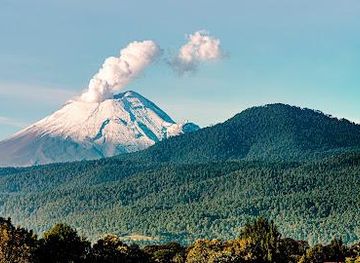
Volcano
Popocatépetl
Explore the stunning Popocatépetl, a majestic volcano in the State of Mexico, rich in history and breathtaking landscapes perfect for outdoor adventures.
-
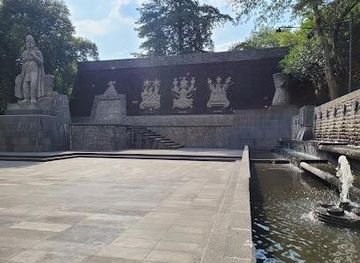
Fountain
Monumental Fuente de Nezahualcóyotl
Explore the Monumental Fountain of Nezahualcóyotl, a beautiful landmark in Mexico City that embodies the region's rich history and artistic flair, perfect for every traveler.
-
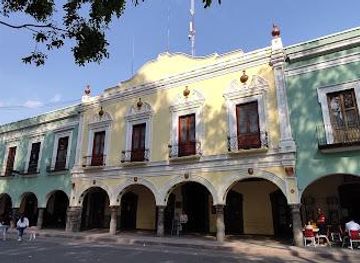
Village hall
Palacio de Gobierno del Estado de Tlaxcala
Explore the architectural beauty and historical significance of the Palacio de Gobierno del Estado de Tlaxcala, a must-see landmark in Mexico's vibrant Tlaxcala.
-
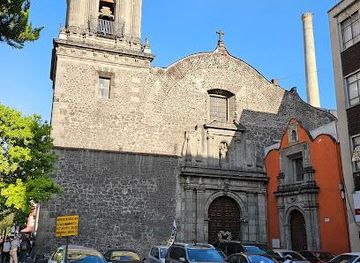
Catholic church
Parroquia de Jesús Nazareno e Inmaculada Concepción
Explore the Parroquia de Jesús Nazareno e Inmaculada Concepción, a historic Catholic church in the heart of Mexico City, rich in culture and stunning architecture.
Explore Valley of Mexico on the map
Plan your trip on one map. See where the top cities, national parks and sights are, and book hotels and experiences in a few clicks.
Best hotels in Valley of Mexico
Best restaurants in Valley of Mexico
Dining in the Valley of Mexico ranges from informal street stalls and market counters to long-established restaurants and contemporary Mexican kitchens. Mexico City is the region's culinary centre, but the wider basin also retains food traditions associated with former lakeside agriculture and surrounding highlands. Look for tlacoyos, quesadillas, tamales, tacos, soups and antojitos made with maize, beans, squash and seasonal produce; quesadillas may be served with or without cheese depending on the establishment. Barbacoa, carnitas and pulque are strongly associated with central Mexican food culture, although their exact preparation varies between communities. Xochimilco's markets and southern neighbourhoods offer ingredients linked to chinampa farming, while Teotihuacan and towns in the State of Mexico have informal eateries serving filling regional meals. Mexico City's cafés, bakeries and international restaurants add considerable choice, but markets remain especially useful for encountering everyday flavours. Ask about ingredients and spice levels, and choose busy food stalls with good turnover.
-
Restaurant
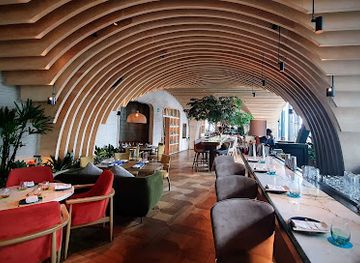
Ling Ling by Hakkasan
Discover culinary excellence at Ling Ling by Hakkasan in Mexico City - where exquisite Asian cuisine meets breathtaking views.
-
Seafood
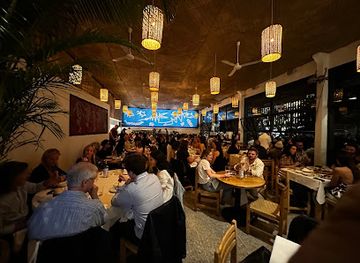
Contramar
Experience the vibrant flavors of Contramar, Mexico City's top destination for fresh seafood and authentic Mexican cuisine.
-
Mexican
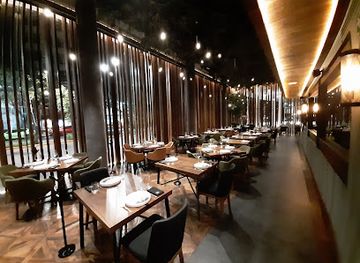
Carmela y Sal
Experience the best of modern Mexican cuisine at Carmela y Sal in Torre Virreyes, where tradition meets innovation amidst stunning city views.
-
Mexican
La Gruta
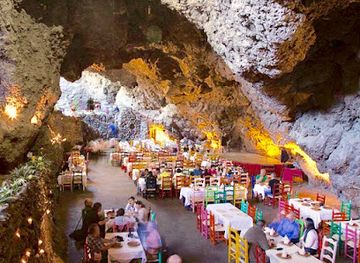
Discover La Gruta: An enchanting cave restaurant serving authentic Mexican cuisine amidst breathtaking natural beauty.
Best bars in Valley of Mexico
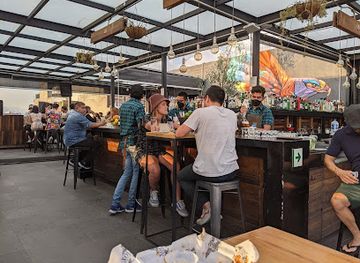
Evening life is concentrated in Mexico City, where Roma, Condesa, Juárez, Centro and Polanco offer different mixtures of traditional cantinas, cocktail bars, craft-beer rooms, wine bars, live-music venues and late-night restaurants. Centro is particularly useful for historic cantinas and cultural events, while Roma and Condesa have a dense selection of contemporary bars and small venues. Coyoacán has a more relaxed evening atmosphere around its plazas, with cafés, bars and music-oriented establishments. Outside the capital, nightlife is generally local and modest, centred on restaurants, neighbourhood bars, cantinas and occasional live music rather than large clubs. Teotihuacan and the more rural parts of the basin are better suited to an early dinner and an organised return journey than spontaneous late-night exploration. Check current arrangements locally, as venues and opening patterns change.
-
Bar
Cueva de Lobos
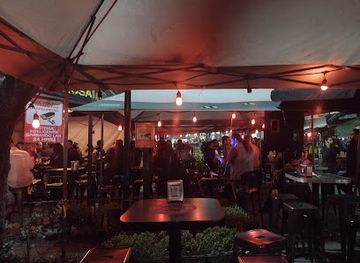
Experience the vibrant nightlife at Cueva de Lobos, where creative cocktails and lively atmosphere await in the heart of Mexico City.
-
Bar
Wallace Whisky Bar
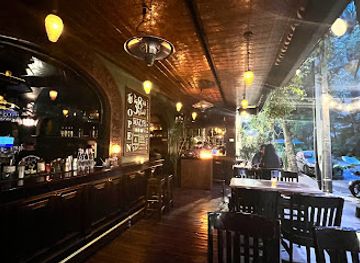
Experience the vibrant nightlife at Wallace Whisky Bar, the ultimate destination for whisky lovers in La Condesa, Mexico City.
-
Bar
Bar Pata Negra
Experience the vibrant nightlife of Mexico City at Bar Pata Negra, where authentic cuisine meets a lively atmosphere in the heart of the historic center.
-
Bar
Terraza Catedral
Experience the vibrant atmosphere of Terraza Catedral with breathtaking views of the Cathedral, delicious cuisine, and refreshing drinks in the heart of Mexico City.
Best nightclubs in Valley of Mexico
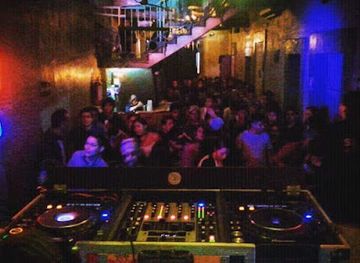
Evening life is concentrated in Mexico City, where Roma, Condesa, Juárez, Centro and Polanco offer different mixtures of traditional cantinas, cocktail bars, craft-beer rooms, wine bars, live-music venues and late-night restaurants. Centro is particularly useful for historic cantinas and cultural events, while Roma and Condesa have a dense selection of contemporary bars and small venues. Coyoacán has a more relaxed evening atmosphere around its plazas, with cafés, bars and music-oriented establishments. Outside the capital, nightlife is generally local and modest, centred on restaurants, neighbourhood bars, cantinas and occasional live music rather than large clubs. Teotihuacan and the more rural parts of the basin are better suited to an early dinner and an organised return journey than spontaneous late-night exploration. Check current arrangements locally, as venues and opening patterns change.
-
Night club
Patrick Miller
Dive into the heart of Mexico City's nightlife at Patrick Miller, a lively night club known for its energetic music and welcoming atmosphere.
-
Night club
Club San Luis
Immerse yourself in the electrifying nightlife at Club San Luis, where music, dance, and celebration come together in the heart of Mexico City.
-
Night club
Cultural Roots
Experience the vibrant nightlife of Mexico City at Cultural Roots, where music, dance, and local culture come together in the heart of the city.
-
Night club
Fünk Club
Experience the vibrant nightlife of Mexico City at Fünk Club, where electrifying music and a lively atmosphere come together for an unforgettable night.



Best shops in Valley of Mexico
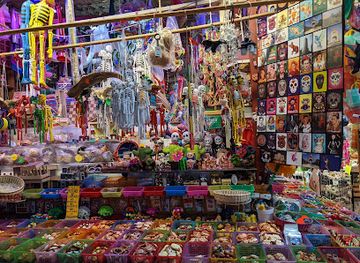
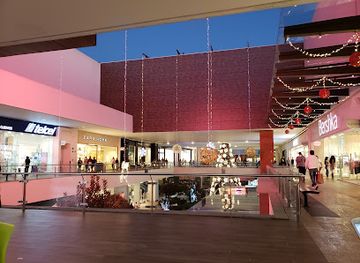
Shopping in the Valley of Mexico is anchored by Mexico City's markets, historic commercial streets, neighbourhood shops and major retail districts. Traditional markets such as La Ciudadela are useful for browsing crafts from across Mexico, although not every product sold there originates in the Valley. The Mercado de Sonora is known for an extensive and distinctive range of goods, while the Centro Histórico offers jewellery, books, textiles, food shops and long-established commercial streets. Roma, Condesa, Coyoacán and San Ángel have independent design shops, galleries, bookshops and artisan retailers, with character varying by neighbourhood. Around Xochimilco and southern Mexico City, visitors can find plants, flowers, produce and items connected with local cultivation. Teotihuacan's visitor area has craft and souvenir stalls, so compare quality and prices before buying. Good regional purchases include maize products, sweets, pottery, textiles and pulque-related or agave-based goods, but check luggage restrictions and packaging requirements for food.
-
Fresh food market
Coyoacan Market
Experience the vibrant flavors and rich culture of Mexico at Coyoacan Market, a must-visit culinary destination in Mexico City.
-
Shopping mall
Altacia Mall
Experience Altacia Mall in León, a shopping haven blending local charm with global brands for an unforgettable retail adventure.
-
Department store
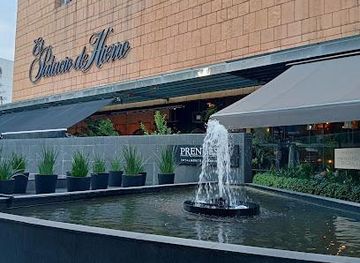
El Palacio de Hierro
Discover the elegance and luxury of El Palacio de Hierro, a premier department store in Polanco, Mexico City, offering high-end shopping and gourmet dining.
-
Handicraft fair
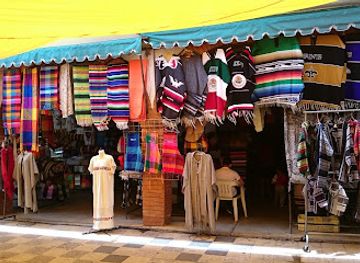
Mercado de Artesanías La Ciudadela
Explore Mercado de Artesanías La Ciudadela, a vibrant handicraft market in Mexico City, showcasing local artisans and authentic Mexican culture.
Get your free copy of our complete guide to Valley of Mexico, delivered straight to you.
Everything on this page, from attractions and restaurants to essentials and local phrases, in one PDF you can read offline, print or share.
Already have an account? Sign in
Your Valley of Mexico guide is ready.
We'll send it to · Not you? Sign out

Getting your guide ready…
We are putting together a fresh copy of the Valley of Mexico guide. This can take up to a minute.
This can take a few moments. If your browser asks, choose Allow so the download can start. You'll find the guide in your Downloads folder.
Nothing happened? Download it again
Sorry, the guide is taking longer than usual. Please try again in a minute, or get it by email instead.
Valley of Mexico essentials
Currency and Payment
Safety
Emergency Situations
Do's and Don'ts
Local Tips
From Eve
Local phrases worth knowing
You don't need to get them perfect. A few words go a long way, and locals appreciate the effort.
Basics
| English | Local | Say it |
|---|---|---|
| Hello | Hola | [O-la] |
| Goodbye | Adiós | [A-dee-os] |
| Yes | Sí | [See] |
| No | No | [No] |
| Please/You're welcome | Por favor / De nada | [Por fa-vor / De na-da] |
| Thank you | Gracias | [Gra-thias] |
| Excuse me/Sorry | Perdón | [Per-don] |
| How are you? | ¿Cómo estás? | [Ko-mo es-tas] |
| Fine. And you? | Bien. ¿Y tú? | [Bee-en. Ee tu] |
| Do you speak English? | ¿Hablas inglés? | [A-blas in-gle-s] |
| I don't understand | No entiendo | [No en-tien-do] |
Eating & Drinking
| English | Local | Say it |
|---|---|---|
| I'd like to see the menu, please | Me gustaría ver el menú, por favor | [Me gus-ta-ria ver el me-nu, por fa-vor] |
| I don't eat meat | No como carne | [No co-mo car-ne] |
| Cheers! | ¡Salud! | [Sa-lud] |
| I would like to pay, please | Me gustaría pagar, por favor | [Me gus-ta-ria pa-gar, por fa-vor] |
Emergencies
| English | Local | Say it |
|---|---|---|
| Help! | ¡Ayuda! | [A-yu-da] |
| Go away! | ¡Vete! | [Ve-te] |
| Call the Police! | ¡Llama a la policía! | [Ya-ma a la po-li-cia] |
| Call a doctor! | ¡Llama a un doctor! | [Ya-ma a un doc-tor] |
| I'm lost | Estoy perdido | [Es-toy per-di-do] |
| I'm ill | Estoy enfermo/a | [Es-toy en-fer-mo/a] |
Shopping
| English | Local | Say it |
|---|---|---|
| I'd like to buy... | Me gustaría comprar... | [Me gus-ta-ria com-prar] |
| I'm just looking | Solo estoy mirando | [So-lo es-toy mi-ran-do] |
| How much is it? | ¿Cuánto cuesta? | [Cuan-to cues-ta] |
| That's too expensive | Es muy caro | [Es muy ca-ro] |
| Can you lower the price? | ¿Puedes bajar el precio? | [Pue-des ba-har el pre-cio] |
Time & Numbers
| English | Local | Say it |
|---|---|---|
| What time is it? | ¿Qué hora es? | [Ke o-ra es] |
| It's one o'clock | Es la una | [Es la u-na] |
| Half past (10) | Diez y media | [Dyez ee me-dia] |
| Morning | Mañana | [Man-ya-na] |
| Afternoon | Tarde | [Tar-de] |
| Evening | Noche | [No-che] |
| Yesterday | Ayer | [A-yer] |
| Today | Hoy | [Oi] |
| Tomorrow | Mañana | [Man-ya-na] |
| 1 | Uno | [U-no] |
| 2 | Dos | [Dos] |
| 3 | Tres | [Tres] |
| 4 | Cuatro | [Cua-tro] |
| 5 | Cinco | [Cin-co] |
| 6 | Seis | [Seis] |
| 7 | Siete | [Sye-te] |
| 8 | Ocho | [O-cho] |
| 9 | Nueve | [Nwe-ve] |
| 10 | Diez | [Dyez] |
Transport & Directions
| English | Local | Say it |
|---|---|---|
| Where's a/the...? | ¿Dónde hay un/una...? | [Don-de ai un/una] |
| What's the address? | ¿Cuál es la dirección? | [Kwal es la di-re-cción] |
| Can you show me (on the map)? | ¿Puedes mostrarme (en el mapa)? | [Pue-des mos-trar-me (en el ma-pa)] |
| When's the next (bus)? | ¿Cuándo sale el próximo (autobús)? | [Cuan-do sa-le el pro-xi-mo (au-to-bus)] |
| A ticket (to ....) | Un boleto (a ....) | [Un bo-le-to (a ....)] |
History of Valley of Mexico
Early Lake Settlements and Basin Civilisations
The Valley of Mexico was originally shaped by a chain of interconnected lakes, including Lake Texcoco, Lake Xochimilco and Lake Chalco. Communities developed agriculture, fishing and transport around these wetlands, while raised chinampa fields supported intensive cultivation. Archaeological evidence from sites such as Tlatilco, near the western side of the basin, demonstrates the antiquity of settled life and long-distance cultural exchange. The lake environment was not merely a backdrop: it determined settlement patterns, food production and movement for thousands of years.
Teotihuacan and the Great Urban Metropolis
Teotihuacan, northeast of present-day Mexico City, became one of ancient Mesoamerica's largest urban centres between roughly the first and seventh centuries CE. Its carefully planned avenues, apartment compounds, temples and pyramids reveal a complex society whose influence extended across much of central Mexico and beyond. The city's builders and political structure remain subjects of scholarly debate, but its architectural and artistic legacy is unmistakable. After Teotihuacan's decline, the abandoned city continued to hold profound significance for later peoples of the valley.
Mexica Tenochtitlan and the Triple Alliance
The Mexica established Tenochtitlan on an island in Lake Texcoco in the fourteenth century and, with allied city-states Texcoco and Tlacopan, built a powerful political system across central Mexico. Causeways, canals, markets and chinampas supported a densely populated capital. The Templo Mayor, whose remains can be visited beside Mexico City's historic centre, reflects the religious and political importance of the city. Tlatelolco, another island settlement, was a major commercial centre and remains an important archaeological site within the basin.
Conquest and the Colonial Capital
Spanish forces and their Indigenous allies conquered Tenochtitlan in 1521 after a prolonged campaign and siege. Mexico City was then rebuilt as the capital of New Spain, using parts of the former Mexica city and imposing a new grid, institutions and religious architecture. The process transformed land and water management throughout the basin, while churches, convents, civic buildings and elite residences reshaped its towns. Indigenous communities remained central to the region's labour, agriculture, markets and cultural life, even as colonial authority altered political and economic structures.
Independence, Reform and the Nineteenth Century
The Valley of Mexico remained the political centre of the newly independent Mexican republic after 1821. Reform-era conflicts in the nineteenth century challenged the power of the Church and reshaped property, education and public institutions. The capital also witnessed foreign interventions and military occupation, while railways and improving roads began to bind surrounding towns more closely to Mexico City. Drainage projects, expanded streets and changing landownership continued the long transformation of the former lake basin, often at the expense of wetlands and traditional farming systems.
Industrialisation, Modernism and Metropolitan Expansion
During the late nineteenth and twentieth centuries, Mexico City grew rapidly as government, industry, education and migration concentrated in the basin. Electric transport, new avenues and large housing developments extended the urban footprint into the State of Mexico and across former lake margins. Modernist architecture became a defining part of the capital's identity, visible in university buildings, museums and civic projects. The 1985 earthquake exposed serious weaknesses in urban construction and prompted lasting changes in building practice, civic organisation and public awareness.
Water, Conservation and the Contemporary Basin
Modern development has created enduring pressures on the valley's water supply, wetlands, forests and air quality. Xochimilco's canals and chinampas preserve fragments of the pre-Hispanic lake landscape, while protected hills and conservation zones on the southern and western margins provide important ecological functions. Archaeological preservation at Teotihuacan and urban heritage projects in Mexico City reflect efforts to protect the basin's cultural legacy amid intense growth. Contemporary debates about water, transport, housing and pollution are therefore inseparable from the valley's ancient geography.
Valley of Mexico in Photos
Browse through our photo collection highlighting the charm and character of the destination.
Neighbouring regions of Valley of Mexico
The closest regions to Valley of Mexico, if you have time for more than one.
-

-

-

-

-


Swipe for more regions
Explore more

Explore more of Mexico
Discover Mexico: A land of ancient ruins, vibrant culture, and stunning natural landscapes. Experience diverse cuisine, rich traditions, and warm hospitality.
Explore Mexico