

Sierra Madre Oriental, Mexico Travel Guide
Discover the natural beauty and cultural richness of the Sierra Madre Oriental, a stunning mountain range in Mexico perfect for nature lovers and adventure seekers.
Nestled in the heart of Mexico, the Sierra Madre Oriental is a stunning mountain range that stretches from the United States border down to central Mexico. This breathtaking region is a haven for nature lovers, adventure seekers, and anyone looking to escape the hustle and bustle of city life. The mountains are covered in lush forests, offering a sanctuary for a diverse array of wildlife, including many bird species, making it a paradise for bird watchers. One of the highlights of visiting the Sierra Madre Oriental is the opportunity to explore its many natural wonders. From the impressive waterfalls and crystal-clear rivers to the deep canyons and towering cliffs, there's something to marvel at around every corner. Hiking trails of varying difficulty lead you through picturesque landscapes, allowing you to experience the beauty of the region up close. For the more adventurous, activities like rock climbing, caving, and zip-lining provide an adrenaline rush amidst stunning scenery. In addition to its natural beauty, the Sierra Madre Oriental is rich in cultural heritage. Small villages and towns dot the landscape, each with its own unique charm and history. Visitors can immerse themselves in local traditions, sample regional cuisine, and interact with the friendly locals who call this area home. Whether you're exploring ancient ruins, attending a traditional festival, or simply enjoying the serene environment, the Sierra Madre Oriental offers a memorable and enriching experience for all who visit.

Know before you go
Hi, I'm Eve. Here are a few practical things to know before exploring Sierra Madre Oriental.
- Pack layers of clothing, as temperatures can vary greatly between day and night.
- Bring sturdy hiking boots for exploring the rugged terrain and trails.
- Don't forget binoculars for bird watching – the area is home to many unique species.
- Try local dishes like cabrito (roast goat) and gorditas for an authentic taste of the region.
- Visit during the dry season (November to April) for the best weather conditions.
Top City Travel Guides in Sierra Madre Oriental
The cities of Sierra Madre Oriental, and the easiest places to base yourself.


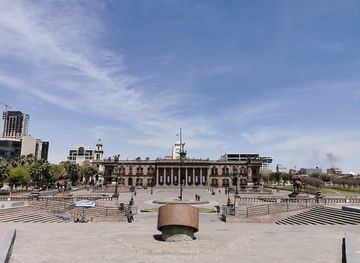
Explore Sierra Madre Oriental: Things to Do, Places to Eat, Hotels & More
Handpicked recommendations for top attractions, local dining, accommodations, and more

Top Attractions & Sightseeing in Sierra Madre Oriental
Top-rated picks
Best Attractions

Heaven's Door
Explore Heaven's Door, a breathtaking natural wonder in Pinal de Amoles, Querétaro, offering stunning views and adventure in a serene environment.

Campamento Puente de Dios
Explore the breathtaking landscapes and serene beauty of Campamento Puente de Dios, a premier camping destination in San Luis Potosi, Mexico.

Los Cabos - Surf
Los Cabos: A Coastal Haven for Surfing Enthusiasts and Beach Lovers Alike, Discover Stunning Waves and Scenic Beauty.


Best restaurants in Sierra Madre Oriental
Top-rated picks
Best Restaurants

Contramar
Experience Contramar: A vibrant seafood haven offering fresh flavors and authentic Mexican cuisine in the heart of Mexico City.

Mochomos Arcos Bosques
Discover culinary artistry at Mochomos Arcos Bosques - where contemporary Mexican cuisine meets elegance in every dish.

Sierra Madre Garza Sada
Discover authentic Mexican cuisine at Sierra Madre Garza Sada, where local flavors meet vibrant atmosphere in Monterrey.
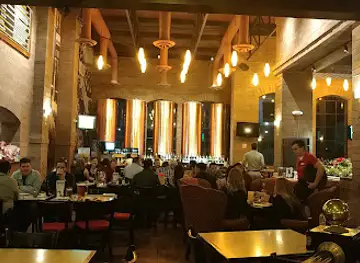
Sierra Madre Brewing Co.
Experience the essence of Reynosa at Sierra Madre Brewing Co., where craft beer meets exceptional cuisine in a vibrant atmosphere.

Best bars in Sierra Madre Oriental
Top-rated picks
Best Bars

Sierra Madre Brewing Co.
Experience the best of American craft beer and delicious comfort food at Sierra Madre Brewing Co. in Monterrey, a must-visit for food and drink enthusiasts.

Sierra Madre Garza Sada
Discover the vibrant flavors of Monterrey at Sierra Madre Garza Sada, where local ingredients meet culinary creativity in a welcoming setting.

El Hijo Desobediente
Discover El Hijo Desobediente, a bar in Saltillo offering vibrant atmospheres, exquisite cocktails, and a lively social scene for tourists and locals alike.
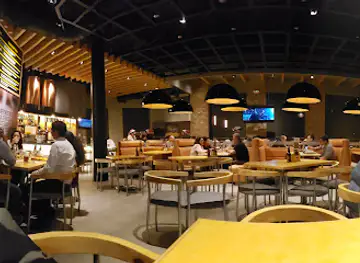
Sierra Madre Brewing Co. Aeropuerto
Discover the essence of Nuevo Leon at Sierra Madre Brewing Co., where craft beer meets culinary excellence in a lively atmosphere.

Best nightclubs in Sierra Madre Oriental
Top-rated picks
Best Nightclubs

Patrick Miller
Dive into the vibrant nightlife of Mexico City at Patrick Miller, where dancing and music create an unforgettable experience every weekend.

Kennedy Social Room
Discover the vibrant Kennedy Social Room, where Mexico City's nightlife comes alive with exceptional music, cocktails, and an unforgettable atmosphere.

Club San Luis
Explore the vibrant nightlife of Mexico City at Club San Luis, where great music, a lively atmosphere, and unforgettable memories await.

Cultural Roots
Experience the vibrant nightlife of Mexico City at Cultural Roots, where music, dance, and culture unite in a lively atmosphere.

Best shops in Sierra Madre Oriental
Top-rated picks
Best Shops

Plaza Bonita
Explore Plaza Bonita: Cabo San Lucas' premier shopping destination, where vibrant culture meets fantastic dining and unique local shops.

Cartier
Explore the elegance of Cartier in Monterrey, where every piece of jewelry tells a story of luxury, craftsmanship, and timeless beauty.

Puff Monkey Pop Culture Shop
Explore Puff Monkey Pop Culture Shop in Sierra Madre, CA - your ultimate destination for unique toys and pop culture collectibles.

La Coyota
Explore La Coyota in Cabo San Lucas for authentic Mexican arts and crafts that celebrate the region's rich cultural heritage.

Explore Sierra Madre Oriental on the Map
A handpicked selection of must-see spots in Sierra Madre Oriental, mapped for you.
Sierra Madre Oriental Essentials
-
The Sierra Madre Oriental extends from the northern state of Coahuila down to the state of Hidalgo. The nearest major airports include Monterrey International Airport (MTY), General Francisco Mujica International Airport in Morelia (MLM), and Mexico City International Airport (MEX). From these airports, you can rent a car or use bus services to reach specific destinations within the mountain range. Bus companies like ETN and Omnibus de México provide extensive coverage.
-
Within the Sierra Madre Oriental, renting a car provides the greatest flexibility to explore remote areas. Bus services are available for travel between major towns and cities. Local taxis are accessible in urban areas but may be scarce in rural regions. Make sure to have a reliable map or GPS as cellular service can be unreliable in remote areas.
-
The official currency is the Mexican Peso (MXN). Credit and debit cards are widely accepted in cities and major towns, but cash is essential for smaller villages and remote areas. ATMs are available in urban centers but may be limited in isolated regions. It’s advisable to carry enough cash for your entire trip if you plan to visit rural areas.
-
While the Sierra Madre Oriental is generally safe, there are areas where caution is advised. Major cities like Monterrey have neighborhoods with higher crime rates, particularly in the northern part of the city. Avoid walking alone at night and keep an eye on your belongings. Use authorized taxis or ride-sharing apps for transportation. Always inform someone about your travel plans, especially when hiking or exploring remote areas.
-
In case of emergencies, dial 911 for immediate assistance. Major towns have hospitals and clinics, but access to medical facilities can be limited in remote regions. It’s recommended to have travel insurance that covers medical emergencies. Carry a basic first aid kit, and familiarize yourself with the location of the nearest medical facility to your travel destination.
-
Fashion: Do wear comfortable and weather-appropriate clothing, especially when hiking. Avoid flashy jewelry. Religion: Do respect local customs and traditions. When visiting religious sites, dress modestly and behave respectfully. Public Transport: Do use reputable bus services and authorized taxis. Don't display valuables openly. Greetings: Do greet people with a handshake and a smile. Using 'buenos días' (good morning) and 'buenas tardes' (good afternoon) is appreciated. Eating & Drinking: Do try local dishes and street food, but ensure it's from a reputable vendor. Don’t drink tap water; always opt for bottled water.
-
To experience the Sierra Madre Oriental like a local, visit traditional markets in towns like Real de Catorce and Pinal de Amoles. Engage with local artisans and try regional specialties like cabrito (roast goat) in Monterrey. Explore lesser-known hiking trails and natural reserves such as El Cielo Biosphere Reserve. Participating in local festivals can offer a deeper cultural experience.
When is the best time to visit Sierra Madre Oriental?
Useful Local Phrases for Sierra Madre Oriental
You don't need to speak the language perfectly. Even learning a few simple words can make conversations warmer—and locals usually appreciate the effort.
— Eve

Here are the phrases I use most often in Sierra Madre Oriental. Try a few—you'll be surprised how far they go! 😊
❤️
-
- HelloHola
[Ola] - GoodbyeAdiós
[Adyos] - YesSí
[Si] - NoNo
[No] - Please/You're welcomePor favor
[Por favor] - Thank youGracias
[Grasyas] - Excuse me/SorryDisculpa
[Diskulpa] - How are you?¿Cómo estás?
[Komo estas] - Fine. And you?Bien. ¿Y tú?
[Byen. I tu] - Do you speak English?¿Hablas inglés?
[Ablas ingles] - I don't understandNo entiendo
[No entiendo]
- HelloHola
-
- I'd like to see the menu, pleaseMe gustaría ver el menú, por favor
[Me gustaria ver el menu, por favor] - I don't eat meatNo como carne
[No komo carne] - Cheers!¡Salud!
[Salud] - I would like to pay, pleaseMe gustaría pagar, por favor
[Me gustaria pagar, por favor]
- I'd like to see the menu, pleaseMe gustaría ver el menú, por favor
-
- Help!¡Ayuda!
[Ayuda] - Go away!¡Lárgate!
[Largate] - Call the Police!¡Llama a la policía!
[Llama a la polisia] - Call a doctor!¡Llama a un médico!
[Llama a un medico] - I'm lostEstoy perdido
[Estoy perdido] - I'm illEstoy enfermo
[Estoy enfermo]
- Help!¡Ayuda!
-
- I'd like to buy...Me gustaría comprar...
[Me gustaria comprar] - I'm just lookingSolo estoy mirando
[Solo estoy mirando] - How much is it?¿Cuánto cuesta?
[Cuanto cuesta] - That's too expensiveEso es muy caro
[Eso es muy karo] - Can you lower the price?¿Puedes bajar el precio?
[Puedes bajar el precio]
- I'd like to buy...Me gustaría comprar...
-
- What time is it?¿Qué hora es?
[Ke ora es] - It's one o'clockEs la una
[Es la una] - Half past (10)Y media
[Y media] - MorningMañana
[Mañana] - AfternoonTarde
[Tarde] - EveningNoche
[Noche] - YesterdayAyer
[Ayer] - TodayHoy
[Hoy] - TomorrowMañana
[Mañana] - 1Uno
[Uno] - 2Dos
[Dos] - 3Tres
[Tres] - 4Cuatro
[Kwatros] - 5Cinco
[Sinko] - 6Seis
[Seis] - 7Siete
[Siete] - 8Ocho
[Ocho] - 9Nueve
[Nueve] - 10Diez
[Dyez]
- What time is it?¿Qué hora es?
-
- Where's a/the...?¿Dónde está un/una...?
[Donde esta un/una] - What's the address?¿Cuál es la dirección?
[Kual es la direccion] - Can you show me (on the map)?¿Puedes mostrarme (en el mapa)?
[Puedes mostrarme en el mapa] - When's the next (bus)?¿Cuándo es el siguiente (autobús)?
[Cuando es el siguiente autobus] - A ticket (to ....)Un boleto (a ....)
[Un boleto a]
- Where's a/the...?¿Dónde está un/una...?
History of Sierra Madre Oriental
-
Before the arrival of the Spanish, the Sierra Madre Oriental was home to various indigenous groups, including the Huastec, Otomi, and Totonac peoples. These civilizations left behind a rich cultural legacy, evident in the archaeological sites scattered across the region. Their sophisticated agricultural practices and vibrant trade networks were integral to their societies.
-
The Sierra Madre Oriental played a significant role during the Spanish Conquest in the 16th century. Spanish explorers and missionaries traversed the rugged mountains to establish missions and convert the indigenous populations. The area became an important corridor for the movement of people and goods between the coastal regions and the central highlands of Mexico.
-
The discovery of rich mineral deposits in the Sierra Madre Oriental during the colonial period spurred economic development. Silver mines in states like Zacatecas and Hidalgo attracted a multitude of settlers and contributed significantly to the wealth of New Spain. Mining towns sprang up, and the influence of Spanish architecture and culture became deeply embedded in the region.
-
The Sierra Madre Oriental was a strategic region during the Mexican War of Independence (1810-1821). Rebel leaders like Ignacio López Rayón and Nicolás Bravo used the mountains as hideouts and bases for guerrilla warfare against Spanish forces. The rugged terrain provided a natural fortress for the insurgents, contributing to their efforts to achieve independence.
-
Throughout the 19th century, the Sierra Madre Oriental witnessed several conflicts, including the Mexican-American War (1846-1848) and the Reform War (1857-1861). The region's challenging geography made it a strategic location for military campaigns and skirmishes. The mountains served as both a barrier and a refuge for various armed groups.
-
The late 19th and early 20th centuries saw the expansion of the railroad network into the Sierra Madre Oriental. This development facilitated transportation and commerce, linking remote mountain communities with major urban centers. The railroad brought economic opportunities and cultural exchange, transforming the social landscape of the region.
-
The Sierra Madre Oriental is a melting pot of cultural traditions, influenced by its indigenous heritage and colonial history. Festivals, traditional music, and artisanal crafts are an integral part of the region's identity. Communities in the mountains continue to celebrate ancient customs, preserving their unique cultural heritage amidst the changing modern world.
-
The Sierra Madre Oriental is renowned for its biodiversity, home to numerous endemic species of flora and fauna. Efforts to conserve this natural heritage have been ongoing, with the establishment of protected areas and national parks. The region's diverse ecosystems, ranging from cloud forests to arid deserts, are a testament to its ecological significance.
Neighbouring Regions of Sierra Madre Oriental
The closest regions to Sierra Madre Oriental, if you have time for more than one.


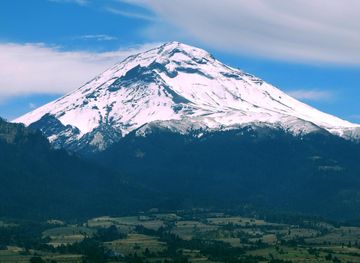


Your all‑in‑one travel companion app
Explore expert travel guides, compare and book tours, experiences, hotels, and more—all from the palm of your hand. Download now for seamless trip planning wherever your wanderlust takes you.


Explore More of Mexico

Looking beyond Sierra Madre Oriental? Discover Mexico for broader travel guides, local hot-spots, and regional highlights.
Explore MexicoSierra Madre Oriental in Photos
Browse through our photo collection highlighting the charm and character of the destination.


The Majestic Sierra Madre Oriental
Nestled in the heart of Mexico, the Sierra Madre Oriental is a stunning mountain range that stretches from the United States border down to central Mexico. This breathtaking region is a haven for nature lovers, adventure seekers, and anyone looking to escape the hustle and bustle of city life. The mountains are covered in lush forests, offering a sanctuary for a diverse array of wildlife, including many bird species, making it a paradise for bird watchers. One of the highlights of visiting the Sierra Madre Oriental is the opportunity to explore its many natural wonders. From the impressive waterfalls and crystal-clear rivers to the deep canyons and towering cliffs, there's something to marvel at around every corner. Hiking trails of varying difficulty lead you through picturesque landscapes, allowing you to experience the beauty of the region up close. For the more adventurous, activities like rock climbing, caving, and zip-lining provide an adrenaline rush amidst stunning scenery. In addition to its natural beauty, the Sierra Madre Oriental is rich in cultural heritage. Small villages and towns dot the landscape, each with its own unique charm and history. Visitors can immerse themselves in local traditions, sample regional cuisine, and interact with the friendly locals who call this area home. Whether you're exploring ancient ruins, attending a traditional festival, or simply enjoying the serene environment, the Sierra Madre Oriental offers a memorable and enriching experience for all who visit.