

Free Trans-Mexican Volcanic Belt Travel Guide & Mobile App
Explore Trans-Mexican Volcanic Belt with free travel guides. Discover regional history, expert tips, proposed trips, and audio guides on web or mobile app.


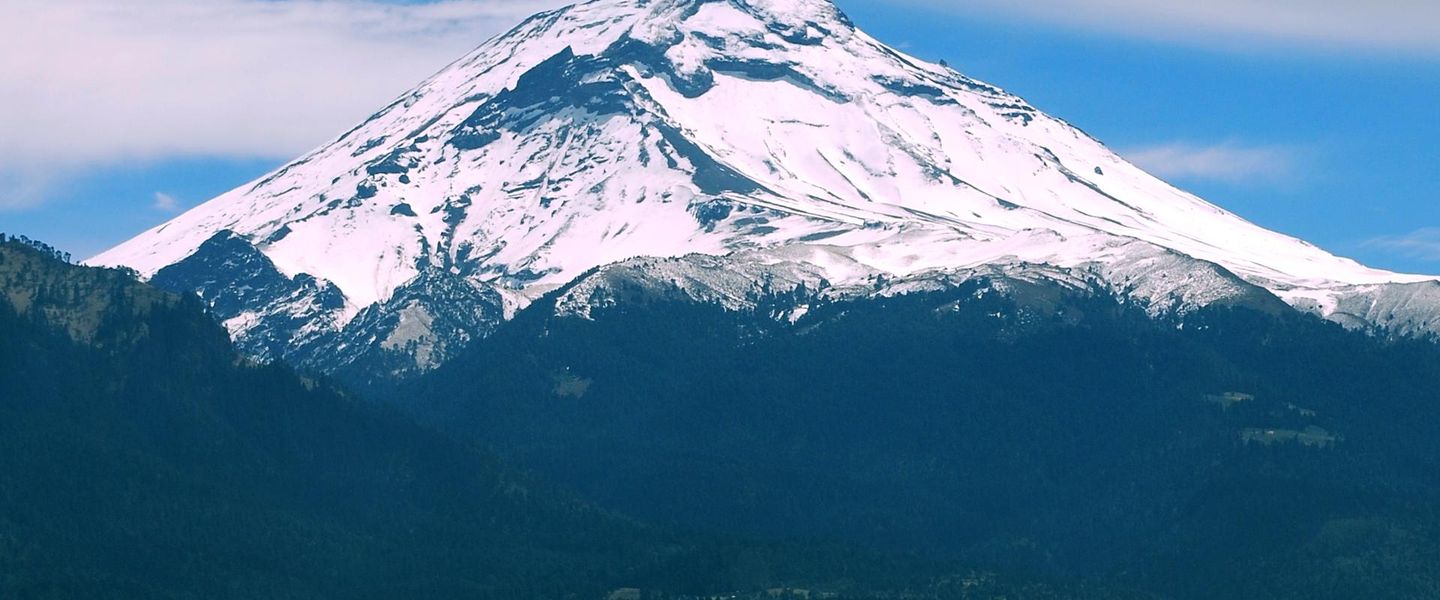


Explore Mexico's Trans-Mexican Volcanic Belt for high-altitude forests, great volcanoes, ancient cities, colonial towns and distinctive mountain cuisine.
Read more about Trans-Mexican Volcanic Belt
When is the best time to visit Trans-Mexican Volcanic Belt?
Best: March–May · 22–26°C| Month | High (°C) | Rainfall (mm) |
|---|---|---|
| January | 19 | 10 |
| February | 20 | 10 |
| March (best) | 22 | 15 |
| April (best) | 24 | 20 |
| May (best) | 26 | 40 |
| June | 27 | 80 |
| July | 26 | 140 |
| August | 26 | 140 |
| September | 25 | 90 |
| October | 23 | 40 |
| November | 21 | 20 |
| December | 19 | 10 |
Getting to and around Trans-Mexican Volcanic Belt
How to get there
Transportation
Top city travel guides in Trans-Mexican Volcanic Belt
The cities of Trans-Mexican Volcanic Belt, and the easiest places to base yourself.
-

-

-

-

-

-


Swipe for more cities
Best attractions in Trans-Mexican Volcanic Belt
The attraction landscape of the Trans-Mexican Volcanic Belt is defined by contrast between major cities, historic towns and high mountain environments. Around Mexico City, visitors can combine museums and urban culture with day trips towards the forested Ajusco and the central basin's archaeological and colonial sites. Nevado de Toluca National Park offers crater scenery, high-altitude walking and broad views when weather and access permit. In the east, Iztaccíhuatl-Popocatépetl National Park, La Malinche National Park and the uplands around Pico de Orizaba provide hiking, climbing, forest recreation and distinctive volcanic landscapes, though routes vary greatly in difficulty. Western sectors around Nevado de Colima introduce pine forests, mountain roads and rural communities, while protected areas in Michoacán add lakes, woodland and seasonal wildlife experiences. Towns such as Puebla, Morelia, Toluca and Cuernavaca contribute museums, markets, churches, former convents and food traditions. Teotihuacan offers one of Mexico's most important archaeological experiences in the central highlands, while smaller villages reveal pottery, textiles, agriculture and religious architecture shaped by the volcanic setting.
-
Tourist attraction
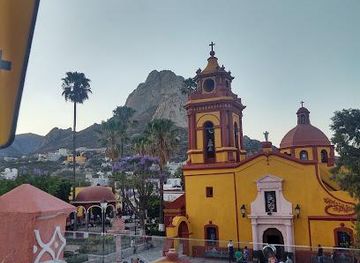
Peña of Bernal
Discover the breathtaking Peña of Bernal, a natural monolith in Mexico, perfect for hiking, cultural experiences, and stunning views.
-
Vineyard
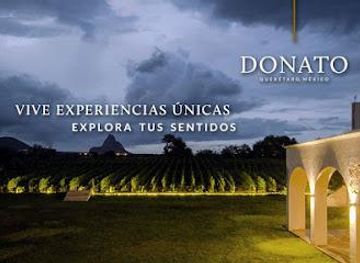
Viñedos Donato
Discover the beauty of Viñedos Donato, a premier vineyard in Querétaro, Mexico, where exquisite wines and stunning landscapes await every visitor.

Best landmarks in Trans-Mexican Volcanic Belt
The belt's most recognisable landmarks are its volcanoes and the cities and monuments built in their shadow. Nevado de Toluca is distinguished by its high crater and twin lakes, while Iztaccíhuatl and Popocatépetl form one of central Mexico's defining mountain silhouettes; access and viewpoints around the latter are controlled according to volcanic conditions. La Malinche rises above the Puebla–Tlaxcala highlands as a broad, often cloud-wreathed summit, and Pico de Orizaba marks the eastern highland skyline as Mexico's highest mountain. In the western sector, the volcanic mass of Nevado de Colima dominates protected forests near the Jalisco–Colima boundary. The Pyramid of the Sun and Pyramid of the Moon at Teotihuacan are monumental reminders of an ancient city shaped by the central highland landscape. Puebla's cathedral and historic centre, Morelia's rose-coloured cathedral and carefully planned colonial streets, and Toluca's civic and religious buildings provide architectural counterpoints to the mountains. Together these landmarks show how geology, political power, faith and urban life have been connected across the region for centuries.
-
Bernal
Explore the captivating beauty and rich culture of Bernal, Mexico's enchanting village known for its iconic monolith and vibrant traditions.
Explore Trans-Mexican Volcanic Belt on the map
Plan your trip on one map. See where the top cities, national parks and sights are, and book hotels and experiences in a few clicks.
Best hotels in Trans-Mexican Volcanic Belt
Best restaurants in Trans-Mexican Volcanic Belt
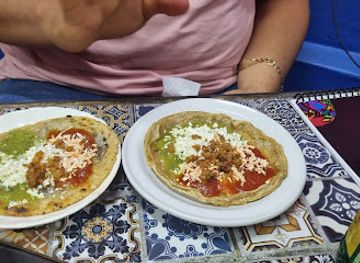
Food across the volcanic belt reflects highland farming, Indigenous culinary traditions and the cuisines of its many cities and states. Maize tortillas, antojitos, beans, squash, broad beans, amaranth, mushrooms and seasonal greens are central ingredients, while each area adds its own sauces, stews and preparation methods. Puebla is associated with complex festival and convent-influenced cooking, including mole poblano and chiles en nogada, although these dishes are now enjoyed far beyond their places of origin. Around Toluca, Mexico City and the central uplands, visitors encounter tamales, soups, quesadillas and regional snacks, while forest and lake districts offer trout, mushrooms and locally made cheeses. Markets are often the best places to sample fresh fruit, breads, sweets and rural produce. Urban centres contain contemporary Mexican restaurants, cafés and international dining, whereas villages and mountain towns may rely on family-run eateries, fondas and roadside kitchens. Mezcal, pulque, craft beer and regional fruit drinks appear in different parts of the belt, but their availability is local rather than uniform.
-
Restaurant
México Lindo Restaurante
Experience the heart of Mexican cuisine at México Lindo Restaurante in Orizaba - where every dish celebrates tradition and flavor.
-
Restaurant
VINALTURA
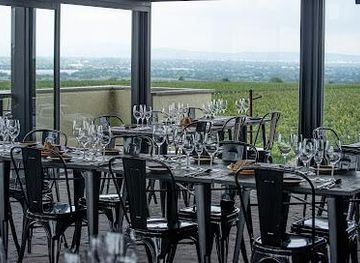
Family-crafted wines from Querétaro's Valle de Colón, paired with seasonal vineyard cuisine and breathtaking Peña de Bernal vistas at Envero restaurant.
Best bars in Trans-Mexican Volcanic Belt
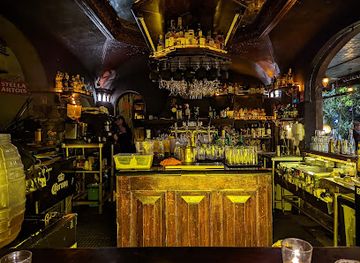
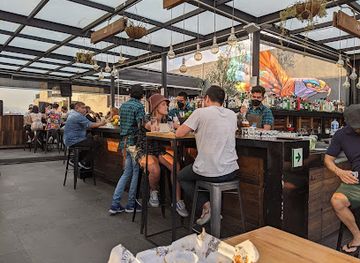
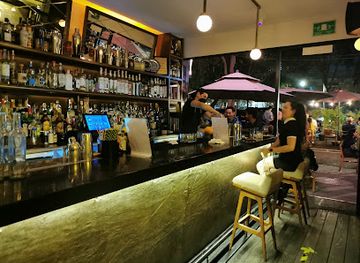
Nightlife varies sharply across this enormous highland corridor. Mexico City, Puebla, Morelia, Toluca and Cuernavaca offer the broadest selection of bars, music venues, theatres, late dining and clubs, with distinct scenes shaped by students, offices, historic-centre tourism and local residents. In smaller volcanic towns, evening life generally centres on cafés, cantinas, family restaurants, traditional pulquerías where they remain active, and neighbourhood establishments rather than large nightclubs. Puebla and Morelia are particularly suited to an evening spent walking between historic-centre restaurants and bars, while Toluca provides a practical base for the central mountain sector. Rural communities may become quiet early, and venues near national parks are aimed more at daytime visitors than late-night entertainment. Check local arrangements rather than assuming metropolitan opening patterns, and use registered taxis or trusted transport after dark, especially when staying outside a city centre.
-
Bar
Wallace Whisky Bar
Experience the vibrant nightlife of Mexico City at Wallace Whisky Bar, where an extensive whisky selection meets a lively atmosphere.
-
Bar
Terraza Catedral
Experience breathtaking views and vibrant nightlife at Terraza Catedral, a rooftop gem in the heart of Mexico City.
-
Cocktail bar
Licorería Limantour
Explore the vibrant cocktail culture at Licorería Limantour, a must-visit bar in Mexico City for innovative drinks and a lively atmosphere.
-
Bar
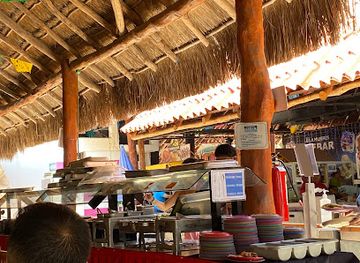
Icebar
Discover the cool vibes of Icebar in Isla Mujeres, where frosty cocktails and ice sculptures create an unforgettable bar experience.
Best nightclubs in Trans-Mexican Volcanic Belt
Nightlife varies sharply across this enormous highland corridor. Mexico City, Puebla, Morelia, Toluca and Cuernavaca offer the broadest selection of bars, music venues, theatres, late dining and clubs, with distinct scenes shaped by students, offices, historic-centre tourism and local residents. In smaller volcanic towns, evening life generally centres on cafés, cantinas, family restaurants, traditional pulquerías where they remain active, and neighbourhood establishments rather than large nightclubs. Puebla and Morelia are particularly suited to an evening spent walking between historic-centre restaurants and bars, while Toluca provides a practical base for the central mountain sector. Rural communities may become quiet early, and venues near national parks are aimed more at daytime visitors than late-night entertainment. Check local arrangements rather than assuming metropolitan opening patterns, and use registered taxis or trusted transport after dark, especially when staying outside a city centre.
-
Night club
Búnker Night Club
Discover the pulsating nightlife at Búnker Night Club, where music and energy collide in the heart of Orizaba.
Best shops in Trans-Mexican Volcanic Belt
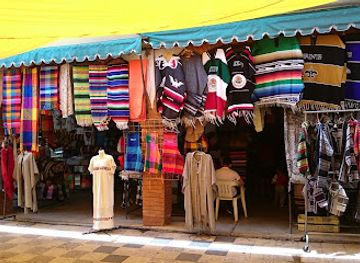
Shopping in the Trans-Mexican Volcanic Belt is strongest in its historic cities, market towns and rural craft centres rather than in a single regional retail district. Puebla is known for Talavera ceramics, although buyers should look for recognised certification when authenticity matters, while Morelia and surrounding Michoacán communities offer varied woodwork, textiles, pottery and lacquer traditions. Markets in Toluca, Mexico City, Puebla and smaller towns sell maize products, chillies, beans, sweets, breads, cheeses, seasonal fruit and other provisions from the highland farming economy. Craft shops and cooperative outlets may carry woven goods, pottery, baskets, carved wood and traditional clothing, with styles differing considerably between Indigenous and mestizo communities. Urban shopping includes department stores, bookshops, galleries and contemporary Mexican design, but rural areas have fewer permanent retail options. Purchase directly from makers when possible, ask about materials and provenance, and remember that archaeological objects, protected natural materials and some antiquities must not be taken out of Mexico.
-
Shopping mall
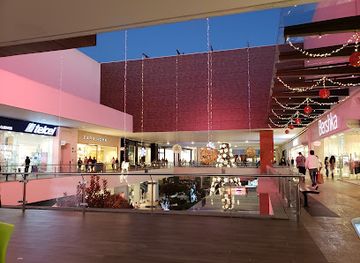
Plaza Las Americas
Discover the ultimate shopping destination in Cancún at Plaza Las Americas, where style, culture, and fun come together.
-
Shopping mall
Altacia Mall
Discover a vibrant shopping experience at Altacia Mall in León, featuring top brands, diverse dining, and family-friendly entertainment.
-
Market
Mercado 28
Discover the heart of Cancún at Mercado 28, where vibrant crafts, authentic cuisine, and cultural experiences await every traveler.
-
Handicraft fair
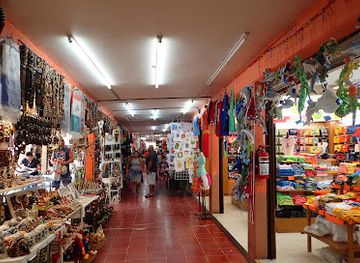
Mercado de Artesanías La Ciudadela
Explore the colorful Mercado de Artesanías La Ciudadela, a must-visit artisan market in Mexico City for unique crafts and cultural experiences.

Get your free copy of our complete guide to Trans-Mexican Volcanic Belt, delivered straight to you.
Everything on this page, from attractions and restaurants to essentials and local phrases, in one PDF you can read offline, print or share.
Already have an account? Sign in
Your Trans-Mexican Volcanic Belt guide is ready.
We'll send it to · Not you? Sign out

Getting your guide ready…
We are putting together a fresh copy of the Trans-Mexican Volcanic Belt guide. This can take up to a minute.
This can take a few moments. If your browser asks, choose Allow so the download can start. You'll find the guide in your Downloads folder.
Nothing happened? Download it again
Sorry, the guide is taking longer than usual. Please try again in a minute, or get it by email instead.
Trans-Mexican Volcanic Belt essentials
Currency and Payment
Safety
Emergency Situations
Do's and Don'ts
Local Tips
From Eve
Local phrases worth knowing
You don't need to get them perfect. A few words go a long way, and locals appreciate the effort.
Basics
| English | Local | Say it |
|---|---|---|
| Hello | Hola | [oh-lah] |
| Goodbye | Adiós | [ah-dee-ohs] |
| Yes | Sí | [see] |
| No | No | [noh] |
| Please/You're welcome | Por favor | [por fah-vor] |
| Thank you | Gracias | [grah-syahs] |
| Excuse me/Sorry | Perdón | [pehr-dohn] |
| How are you? | ¿Cómo estás? | [koh-moh ehs-tahs] |
| Fine. And you? | Bien. ¿Y tú? | [byen. ee too] |
| Do you speak English? | ¿Hablas inglés? | [ah-blahs een-glehs] |
| I don't understand | No entiendo | [noh ehn-tyen-doh] |
Eating & Drinking
| English | Local | Say it |
|---|---|---|
| I'd like to see the menu, please | Me gustaría ver el menú, por favor | [meh goos-tah-ree-ah vehr el meh-noo, por fah-vor] |
| I don't eat meat | No como carne | [noh koh-moh kar-neh] |
| Cheers! | ¡Salud! | [sah-lood] |
| I would like to pay, please | Me gustaría pagar, por favor | [meh goos-tah-ree-ah pah-gar, por fah-vor] |
Emergencies
| English | Local | Say it |
|---|---|---|
| Help! | ¡Ayuda! | [ah-yoo-dah] |
| Go away! | ¡Vete! | [veh-teh] |
| Call the Police! | ¡Llama a la policía! | [yah-mah ah lah poh-lee-see-ah] |
| Call a doctor! | ¡Llama a un doctor! | [yah-mah ah oon dok-tor] |
| I'm lost | Estoy perdido | [es-toy pehr-dee-doh] |
| I'm ill | Estoy enfermo | [es-toy en-fehr-mo] |
Shopping
| English | Local | Say it |
|---|---|---|
| I'd like to buy... | Me gustaría comprar... | [meh goos-tah-ree-ah kom-prar] |
| I'm just looking | Solo estoy mirando | [soh-lo es-toy mee-ran-doh] |
| How much is it? | ¿Cuánto cuesta? | [kwan-toh kwes-tah] |
| That's too expensive | Eso es muy caro | [eh-so es moo-ee kah-roh] |
| Can you lower the price? | ¿Puedes bajar el precio? | [pweh-des bah-har el preh-syo] |
Time & Numbers
| English | Local | Say it |
|---|---|---|
| What time is it? | ¿Qué hora es? | [keh oh-rah es] |
| It's one o'clock | Es la una | [es lah oo-nah] |
| Half past (10) | Y diez y media | [ee dyehs ee meh-dee-ah] |
| Morning | Mañana | [mah-nyah-nah] |
| Afternoon | Tarde | [tar-deh] |
| Evening | Noche | [noh-cheh] |
| Yesterday | Ayer | [ah-yehr] |
| Today | Hoy | [oy] |
| Tomorrow | Mañana | [mah-nyah-nah] |
| 1 | Uno | [oo-noh] |
| 2 | Dos | [dohs] |
| 3 | Tres | [tres] |
| 4 | Cuatro | [kwah-troh] |
| 5 | Cinco | [seen-koh] |
| 6 | Seis | [says] |
| 7 | Siete | [syeh-teh] |
| 8 | Ocho | [oh-choh] |
| 9 | Nueve | [nweh-beh] |
| 10 | Diez | [dyehs] |
Transport & Directions
| English | Local | Say it |
|---|---|---|
| Where's a/the...? | ¿Dónde está un/una...? | [dohn-deh es-tah oon/oo-nah] |
| What's the address? | ¿Cuál es la dirección? | [kwahl es lah dee-rek-syon] |
| Can you show me (on the map)? | ¿Puedes mostrarme (en el mapa)? | [pweh-des mos-trar-meh en el mah-pah] |
| When's the next (bus)? | ¿Cuándo es el próximo (autobús)? | [kwan-doh es el prohk-see-mo ow-toh-boos] |
| A ticket (to ....) | Un boleto (a ....) | [oon boh-leh-toh ah] |
History of Trans-Mexican Volcanic Belt
Volcanic formation and early highland settlement
The Trans-Mexican Volcanic Belt was formed through complex interaction between tectonic plates and the movement of magma beneath central Mexico. Its volcanoes, lava flows, ash deposits and high basins created varied environments that attracted human settlement over thousands of years. Communities exploited fertile volcanic soils, freshwater sources and upland forests, while adapting to earthquakes, eruptions and difficult mountain terrain. The geological setting remains visible in crater lakes, basalt landscapes, hot springs and the great peaks that dominate the central Mexican horizon.
Teotihuacan and the central highlands
From the first centuries of the Common Era, Teotihuacan developed in the highlands northeast of present-day Mexico City and became one of ancient Mesoamerica's most influential urban centres. Its pyramids, ceremonial avenue and apartment compounds were built in a landscape shaped by volcanic mountains and former lake basins. Teotihuacan's political and commercial influence extended widely, and its sophisticated urban planning left a lasting cultural legacy. After its decline, other societies continued to occupy and reshape the surrounding highland corridor.
Nahua, Purépecha and other regional powers
Before the Spanish conquest, the volcanic highlands contained several states and cultural regions rather than a single political unit. Mexica power centred on the Basin of Mexico, while the Purépecha state held much of western Mexico around Lake Pátzcuaro and resisted Mexica expansion. Otomí, Tlaxcalan and other communities also played important roles in the central highlands. Their farming systems, languages, religious traditions, craft practices and settlement patterns continue to influence the identity of towns across the belt.
Conquest, colonial cities and missionary landscapes
The Spanish conquest transformed the belt's political, religious and economic structures during the sixteenth century. Spanish forces and their Indigenous allies used routes through the central highlands, while colonial authorities established towns, estates, churches and religious complexes. Puebla became a major planned city between Mexico City and the Gulf coast, and Toluca, Morelia, Cuernavaca and numerous smaller settlements developed as administrative, agricultural or commercial centres. Churches, former convents, haciendas and historic street plans still record this period of cultural interaction and coercive change.
Mining, agriculture and transport in the colonial and republican eras
The volcanic belt supported a mixed economy of maize cultivation, livestock, forestry, commerce and mining. Mineral extraction was especially important in parts of the western and north-central highlands, while fertile valleys supplied expanding cities. Roads and later railways connected interior markets with Mexico City, Pacific ports and Gulf routes, changing the movement of people and goods. During the nineteenth century, political instability and landholding conflicts affected rural communities, yet the belt's central position ensured that its towns remained economically and strategically significant.
The Mexican Revolution and agrarian transformation
The highlands were deeply affected by the Mexican Revolution and the social conflicts that followed it. Rural communities contested hacienda landholding, while revolutionary armies and local movements operated across parts of Morelos, Puebla, Tlaxcala, the State of Mexico and neighbouring areas. Agrarian reform later redistributed land through ejidos and other arrangements, reshaping farming and village life. The period also strengthened the political importance of Mexico City and accelerated migration, industrial development and road building across the central volcanic corridor.
Modern conservation, urban growth and volcanic risk
During the twentieth and twenty-first centuries, rapid urban expansion transformed the basin around Mexico City and other highland cities, while national parks and biosphere reserves sought to protect forests, watersheds and volcanic habitats. Popular mountain recreation grew around peaks such as Nevado de Toluca, Iztaccíhuatl, La Malinche and Pico de Orizaba. At the same time, Popocatépetl's recurring activity has made volcanic monitoring, evacuation planning and public awareness central to life in nearby communities. The region now combines major metropolitan growth with protected mountain landscapes and longstanding rural economies.
Trans-Mexican Volcanic Belt in Photos
Browse through our photo collection highlighting the charm and character of the destination.
Neighbouring regions of Trans-Mexican Volcanic Belt
The closest regions to Trans-Mexican Volcanic Belt, if you have time for more than one.
-

-

-

-

-


Swipe for more regions
Explore more

Explore more of Mexico
Discover Mexico: A land of ancient ruins, vibrant culture, and stunning natural landscapes. Experience diverse cuisine, rich traditions, and warm hospitality.
Explore Mexico