

Free Valles Centrales of Oaxaca Travel Guide & Mobile App
Explore Valles Centrales of Oaxaca with free travel guides. Discover regional history, expert tips, proposed trips, and audio guides on web or mobile app.


Explore Oaxaca's Valles Centrales for Zapotec archaeology, colonial streets, village markets, exceptional food, textiles, pottery and mezcal traditions.
Read more about Valles Centrales of Oaxaca
When is the best time to visit Valles Centrales of Oaxaca?
Best: December–February · 25–27°C| Month | High (°C) | Rainfall (mm) |
|---|---|---|
| January (best) | 26 | 5 |
| February (best) | 27 | 7 |
| March | 28 | 10 |
| April | 30 | 15 |
| May | 31 | 28 |
| June | 31 | 70 |
| July | 30 | 90 |
| August | 29 | 90 |
| September | 29 | 70 |
| October | 28 | 35 |
| November | 27 | 12 |
| December (best) | 25 | 6 |
Getting to and around Valles Centrales of Oaxaca
How to get there
Transportation
Top city travel guides in Valles Centrales of Oaxaca
The cities of Valles Centrales of Oaxaca, and the easiest places to base yourself.

Swipe for more cities
Best attractions in Valles Centrales of Oaxaca
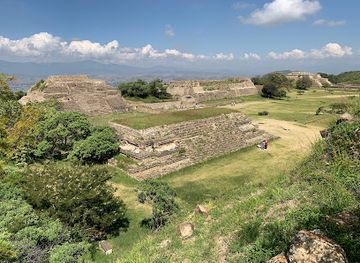
The Valles Centrales offer a concentrated range of archaeological, cultural and rural attractions. Monte Albán is the principal ancient site, with monumental plazas and panoramic views above Oaxaca City, while Mitla, Yagul and Dainzú reveal different aspects of Zapotec settlement, ritual and architecture. Colonial religious complexes and historic churches appear in towns and villages across the valleys, including Cuilápam de Guerrero and Tlacochahuaya. Market days are attractions in their own right, particularly in Tlacolula and Ocotlán, where food, household goods and regional produce bring surrounding communities together. Craft villages provide opportunities to see textile weaving, black pottery and other forms of locally rooted production, although workshops should be approached respectfully rather than as displays created solely for tourists. The valley landscapes also support cycling, walking, agave-field visits and excursions to natural formations in the eastern Valles Centrales, including the mineral terraces commonly known as Hierve el Agua. Oaxaca City adds museums, galleries, gardens and cultural institutions, making the region best understood as a combination of urban heritage and living rural communities.
-
Archaeological site
Zona Arqueológica de Monte Albán
Discover the rich history and stunning views of Monte Albán, an ancient Zapotec city and UNESCO World Heritage site in Oaxaca, Mexico.
-
Tourist attraction
Hierve el Agua
Explore the stunning beauty of Hierve el Agua, where natural mineral springs and petrified waterfalls create a breathtaking oasis in the heart of Oaxaca.
-
Archaeological museum
Zona Arqueológica de Mitla
Explore the ancient architectural marvels and vibrant culture of the Zona Arqueológica de Mitla, a UNESCO World Heritage Site in Oaxaca, Mexico.
-
Museum
Museo de Sitio de Monte Albán
Discover the rich history of Oaxaca at Museo de Sitio de Monte Albán, a treasure trove of artifacts from the ancient Zapotec civilization.


Best landmarks in Valles Centrales of Oaxaca
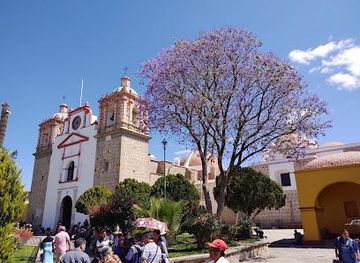
Monte Albán is the defining landmark of the Valles Centrales: its vast ceremonial plateau, carved stones and mountain setting express the political power of the ancient Zapotec capital. In the eastern valley, Mitla is distinguished by its precisely arranged geometric stone mosaics, one of the most recognisable architectural details in Oaxaca. Yagul combines a fortified hilltop position with palaces, courtyards and a ball court, while Dainzú preserves carved reliefs and structures beside the Tlacolula Valley. Oaxaca City's Santo Domingo de Guzmán church and former convent form one of the region's most important colonial architectural ensembles, with an interior renowned for its elaborate decoration. The tree of Santa María del Tule is a celebrated natural landmark near the eastern side of the capital, although its significance is also tied to the community and church beside it. Across the valleys, low adobe buildings, arcaded market spaces, parish churches and agave-covered slopes create a cultural landscape in which monumental sites remain connected to living towns rather than standing apart from them.
-
Archaeological site
Zona Arqueológica de Monte Albán
Explore the enchanting archaeological site of Monte Albán, a UNESCO World Heritage site that reveals the rich heritage of the ancient Zapotec civilization.
-
Historical landmark
EX CONVENTO CUILAPAM DE GUERRERO
Explore the captivating history of Ex Convento Cuilapam de Guerrero, a stunning landmark and museum in Oaxaca that tells the story of a rich cultural heritage.
-
Chapel
Capilla del Señor de Tlacolula
Explore the serene beauty of Capilla del Señor de Tlacolula, a captivating chapel in Oaxaca steeped in history and culture.
-
Church
Iglesia del señor de Tlacolula
Discover the beauty and cultural richness of Iglesia del Señor de Tlacolula in Oaxaca, a must-visit church steeped in history and tradition.


Explore Valles Centrales of Oaxaca on the map
Plan your trip on one map. See where the top cities, national parks and sights are, and book hotels and experiences in a few clicks.
Best hotels in Valles Centrales of Oaxaca
Best restaurants in Valles Centrales of Oaxaca
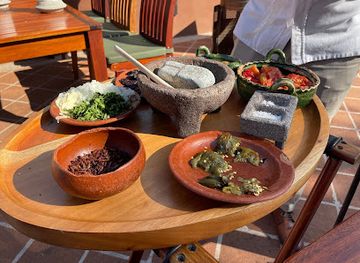
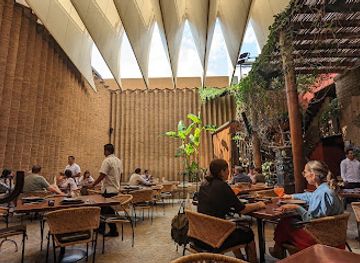
Dining in the Valles Centrales ranges from market stalls and small comedores to contemporary restaurants in Oaxaca City. Local cooking is built around maize, beans, squash, chillies, herbs and seasonal produce, with tlayudas, memelas, tamales and moles among the region's most recognisable preparations. Tejate, a cool maize-and-cacao drink, is associated with the central valleys, while quesillo, fresh cheeses, chocolate and pan de yema are widely enjoyed across Oaxaca. Tlacolula's Sunday market is particularly associated with barbecued meats and traditional snacks, although menus vary by season and vendor. In village markets, visitors may encounter dishes and ingredients unfamiliar outside Oaxaca, so asking about preparation is useful. Mezcal is produced in several parts of the valleys and often appears alongside regional food, while Oaxaca City provides the broadest choice of cafés, bakeries, vegetarian cooking and refined interpretations of local cuisine. Rural dining can have limited hours, making an early meal sensible when travelling between towns.
-
Mexican
Casa Oaxaca el Restaurante
Experience authentic Oaxacan cuisine at Casa Oaxaca el Restaurante—where tradition meets flavor in every dish.
-
Mexican
Hacienda Santa Martha
Discover authentic Oaxacan cuisine at Hacienda Santa Martha, where tradition meets flavor in every dish.
-
Oaxacan restaurant
Las Quince Letras Restaurante
Experience authentic Oaxacan cuisine at Las Quince Letras Restaurante, where tradition meets flavor in every dish.
-
Mexican
Los Danzantes
Discover authentic Oaxacan flavors at Los Danzantes, where tradition meets modern culinary artistry in a vibrant setting.


Best bars in Valles Centrales of Oaxaca
Nightlife is concentrated in Oaxaca City, where evening activity ranges from traditional cantinas, mezcalerías and craft-beer bars to cocktail venues, cafés with live music and restaurants that stay open later than those in surrounding villages. The historic centre and nearby streets provide the widest choice, though venues change and opening arrangements should be checked locally. Cultural performances and evening events can add depth beyond drinking, particularly when music, dance or regional traditions are presented by local organisations. Outside the capital, nightlife is generally quieter and centres on family restaurants, town plazas, local bars and occasional live music rather than large clubs. Tlacolula, Ocotlán and other market towns have evening social life, but rural communities may become very quiet after dark. Mezcal tasting should be approached as a guided exploration of production and flavour, with moderation and safe transport planned in advance.
-
Restaurant
La Mezcalerita
Discover the vibrant flavors of Oaxaca at La Mezcalerita, where traditional cuisine meets a lively atmosphere and artisanal mezcal.
-
Bar
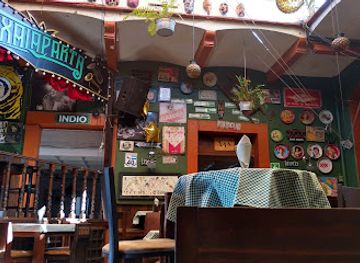
Txalaparta
Discover Oaxaca's vibrant nightlife at Txalaparta, offering a lively atmosphere, local mezcal, and unforgettable experiences.
-
Grill
Sabina Sabe
Experience authentic Oaxacan flavors at Sabina Sabe, a premier grill and Mexican restaurant in the heart of Oaxaca, perfect for every food lover.
-
Live music bar
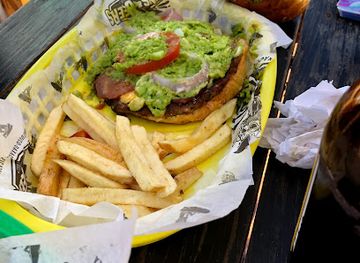
Guns & Beers Oaxaca
Discover the lively culture at Guns & Beers Oaxaca, a premier live music bar and grill offering delicious food and vibrant entertainment.


Best nightclubs in Valles Centrales of Oaxaca
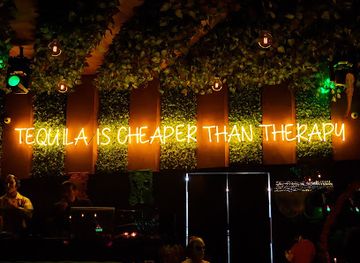
Nightlife is concentrated in Oaxaca City, where evening activity ranges from traditional cantinas, mezcalerías and craft-beer bars to cocktail venues, cafés with live music and restaurants that stay open later than those in surrounding villages. The historic centre and nearby streets provide the widest choice, though venues change and opening arrangements should be checked locally. Cultural performances and evening events can add depth beyond drinking, particularly when music, dance or regional traditions are presented by local organisations. Outside the capital, nightlife is generally quieter and centres on family restaurants, town plazas, local bars and occasional live music rather than large clubs. Tlacolula, Ocotlán and other market towns have evening social life, but rural communities may become very quiet after dark. Mezcal tasting should be approached as a guided exploration of production and flavour, with moderation and safe transport planned in advance.
-
Bar
Lola Night Club
Discover the electrifying atmosphere of Lola Night Club in Oaxaca, where music and dance create unforgettable nightlife experiences.
-
Bar
ZIU
Dive into the vibrant nightlife of Oaxaca at ZIU, a lively bar and disco club offering great music, dancing, and unforgettable experiences.
-
Adult entertainment club
Table Dance El Carrizal
Discover the vibrant nightlife at Table Dance El Carrizal, a premier adult entertainment club in Santa Lucía del Camino, Oaxaca, filled with excitement and captivating performances.
-
Bar
Blackcherry Club
Discover the energetic vibes of Blackcherry Club, Oaxaca's premier bar and disco club, where every night is a celebration of music and dance.



Best shops in Valles Centrales of Oaxaca
Shopping in the Valles Centrales is closely tied to markets, workshops and regional production rather than large retail districts. Oaxaca City's historic centre offers galleries, bookshops, craft stores, food producers and contemporary design alongside everyday shops, while markets provide chocolate, mole ingredients, woven goods, baskets, pottery and prepared foods. Teotitlán del Valle is associated with handwoven rugs and other textiles, Santa María Atzompa with pottery, and San Bartolo Coyotepec with black ceramic work; styles and quality vary, so visitors should ask about materials, techniques and whether an item was made locally. Ocotlán and Tlacolula are important market towns with different weekly rhythms, and their stalls are particularly useful for regional food products and household goods. Mezcal, coffee, chocolate, dried chillies and packaged mole can travel well when bought from reputable producers. Respectful purchasing means allowing time to discuss prices and avoiding aggressive bargaining with individual craftspeople.
-
Fresh food market
Mercado 20 de Noviembre
Discover the flavors of Oaxaca at Mercado 20 de Noviembre, a vibrant market filled with fresh food, local crafts, and cultural experiences.
-
Fresh food market
Mercado Benito Juárez
Explore Mercado Benito Juárez, a vibrant food market in Oaxaca, where flavors, culture, and local artisan crafts come together in a lively atmosphere.
-
Shopping mall
Macroplaza Oaxaca
Discover Macroplaza Oaxaca, a lively shopping haven offering diverse stores, delectable dining, and vibrant local culture for an unforgettable experience.
-
Shopping mall
Plaza Oaxaca
Explore Plaza Oaxaca: A vibrant shopping hub that merges local culture with a variety of dining and entertainment options, perfect for every tourist.


Get your free copy of our complete guide to Valles Centrales of Oaxaca, delivered straight to you.
Everything on this page, from attractions and restaurants to essentials and local phrases, in one PDF you can read offline, print or share.
Already have an account? Sign in
Your Valles Centrales of Oaxaca guide is ready.
We'll send it to · Not you? Sign out

Getting your guide ready…
We are putting together a fresh copy of the Valles Centrales of Oaxaca guide. This can take up to a minute.
This can take a few moments. If your browser asks, choose Allow so the download can start. You'll find the guide in your Downloads folder.
Nothing happened? Download it again
Sorry, the guide is taking longer than usual. Please try again in a minute, or get it by email instead.
Valles Centrales of Oaxaca essentials
Currency and Payment
Safety
Emergency Situations
Do's and Don'ts
Local Tips
From Eve
Local phrases worth knowing
You don't need to get them perfect. A few words go a long way, and locals appreciate the effort.
Basics
| English | Local | Say it |
|---|---|---|
| Hello | Hola | [Ola] |
| Goodbye | Adiós | [A-dios] |
| Yes | Sí | [Si] |
| No | No | [No] |
| Please/You're welcome | Por favor | [Por fa-vor] |
| Thank you | Gracias | [Gra-cias] |
| Excuse me/Sorry | Disculpa | [Dis-cul-pa] |
| How are you? | ¿Cómo estás? | [Ko-mo es-tas] |
| Fine. And you? | Bien. ¿Y tú? | [Byen. I tu] |
| Do you speak English? | ¿Hablas inglés? | [A-blas in-gle-s] |
| I don't understand | No entiendo | [No en-tien-do] |
Eating & Drinking
| English | Local | Say it |
|---|---|---|
| I'd like to see the menu, please | Me gustaría ver el menú, por favor | [Me gus-ta-ria ver el me-nu, por fa-vor] |
| I don't eat meat | No como carne | [No ko-mo car-ne] |
| Cheers! | ¡Salud! | [Sa-lud] |
| I would like to pay, please | Me gustaría pagar, por favor | [Me gus-ta-ria pa-gar, por fa-vor] |
Emergencies
| English | Local | Say it |
|---|---|---|
| Help! | ¡Ayuda! | [A-yu-da] |
| Go away! | ¡Vete! | [Ve-te] |
| Call the Police! | ¡Llama a la policía! | [Ya-ma a la po-li-cia] |
| Call a doctor! | ¡Llama a un doctor! | [Ya-ma a un doc-tor] |
| I'm lost | Estoy perdido | [Es-toy per-di-do] |
| I'm ill | Estoy enfermo | [Es-toy en-fer-mo] |
Shopping
| English | Local | Say it |
|---|---|---|
| I'd like to buy... | Quisiera comprar... | [Ki-sie-ra kom-prar] |
| I'm just looking | Solo estoy mirando | [So-lo es-toy mi-ran-do] |
| How much is it? | ¿Cuánto cuesta? | [Kuan-to kwes-ta] |
| That's too expensive | Eso es muy caro | [E-so es muy ka-ro] |
| Can you lower the price? | ¿Puedes bajar el precio? | [Pue-des ba-har el pre-cio] |
Time & Numbers
| English | Local | Say it |
|---|---|---|
| What time is it? | ¿Qué hora es? | [Ke o-ra es] |
| It's one o'clock | Es la una | [Es la u-na] |
| Half past (10) | Y media (10) | [Y me-dia (diez)] |
| Morning | Mañana | [Ma-ña-na] |
| Afternoon | Tarde | [Tar-de] |
| Evening | Noche | [No-che] |
| Yesterday | Ayer | [A-yer] |
| Today | Hoy | [Oy] |
| Tomorrow | Mañana | [Ma-ña-na] |
| 1 | Uno | [U-no] |
| 2 | Dos | [Dos] |
| 3 | Tres | [Tres] |
| 4 | Cuatro | [Kua-tro] |
| 5 | Cinco | [Sin-co] |
| 6 | Seis | [Seis] |
| 7 | Siete | [Sie-te] |
| 8 | Ocho | [O-cho] |
| 9 | Nueve | [Nue-ve] |
| 10 | Diez | [Diez] |
Transport & Directions
| English | Local | Say it |
|---|---|---|
| Where's a/the...? | ¿Dónde está un/una...? | [Don-de es-ta un/una] |
| What's the address? | ¿Cuál es la dirección? | [Kwal es la di-rec-cion] |
| Can you show me (on the map)? | ¿Puedes mostrarme (en el mapa)? | [Pue-des mos-trar-me (en el ma-pa)] |
| When's the next (bus)? | ¿Cuándo es el siguiente (autobús)? | [Kuan-do es el si-gui-en-te (au-to-bus)] |
| A ticket (to ....) | Un boleto (a ....) | [Un bo-le-to (a ....)] |
History of Valles Centrales of Oaxaca
Early Settlement and the Valley Landscape
The Valles Centrales have supported settled communities for thousands of years, helped by fertile valley floors, seasonal watercourses and a climate suitable for maize, beans, squash and agave. Early villages developed distinctive farming and craft traditions, while exchange connected the separate valleys. Archaeological evidence shows that communities were not isolated: ideas, materials and political influence travelled across the region long before the rise of the great urban centres. The landscape visitors see today, divided among farming plots, market towns and mountain slopes, has therefore been shaped by a very long history of cultivation and settlement.
Monte Albán and the Zapotec State
Monte Albán emerged around the fifth century BC on a deliberately levelled mountain-top site above the central valleys and became the principal political and ceremonial centre of the Zapotec world. Its plazas, temples, tombs and carved monuments testify to a highly organised society that controlled or influenced surrounding settlements for many centuries. The city later declined as a dominant capital, but Zapotec communities continued to occupy the valleys. The archaeological site remains essential for understanding the region's early state formation, writing traditions, astronomy and relationships between mountain centres and agricultural settlements.
Mitla, Yagul and Regional Power
After Monte Albán's political prominence diminished, power and ceremonial importance were distributed among several centres. Mitla became especially significant in the eastern valleys and is renowned for its intricate geometric stone mosaics, which decorated elite buildings and tombs. Nearby Yagul occupied a defensible position with palaces, courts and ceremonial structures, while Dainzú represents another important settlement in the valley network. These sites show that the Valles Centrales continued to be politically active and culturally inventive rather than entering a historical vacuum after Monte Albán's decline.
Spanish Conquest and Colonial Oaxaca
Spanish forces entered Oaxaca in the early sixteenth century, and colonial rule reorganised landholding, labour, religion and trade across the valleys. Oaxaca City, founded as Antequera, became the principal Spanish urban centre, while Dominican friars established churches and religious complexes in towns including Cuilápam, Tlacochahuaya and Yanhuitlán beyond the central valley. Indigenous communities retained land and local institutions in varying forms, even as epidemics, forced labour and new systems of taxation caused profound disruption. Colonial buildings, parish churches and former agricultural estates remain visible reminders of this period of cultural negotiation and unequal power.
Agriculture, Cochineal and Regional Trade
Colonial and later economies relied on the valleys' agricultural production and their connections to wider trade routes. Maize, beans, agave and livestock sustained local communities, while cochineal insects cultivated on prickly pear provided a valuable red dye for international textile markets. Markets linked villages with Oaxaca City and helped circulate food, ceramics, fibres and tools. The importance of these exchanges endured beyond the colonial period, and present-day markets in Tlacolula, Ocotlán and Oaxaca City still reflect the region's long history as a meeting point between rural producers, craftspeople and urban consumers.
Independence, Reform and Modern Change
The nineteenth century brought the political upheavals of Mexican independence, liberal reform and the continuing contest over church and communal lands. Oaxaca's valleys were affected by changing laws, commercial agriculture and the gradual expansion of roads and other transport links. The period also strengthened the public memory of Oaxacan political figures, including Benito Juárez, whose origins lay outside the Valles Centrales but whose career shaped the wider state and nation. These changes altered ownership and administration without eliminating the communal practices and local authorities that remained important in many villages.
Craft Revivals and Contemporary Cultural Identity
During the twentieth century, Oaxacan artists, craftspeople, scholars and community organisations helped bring renewed attention to the region's textiles, pottery, wood carving, foodways and indigenous heritage. Tourism and cultural institutions created new markets, but they also raised questions about fair payment, cultural ownership and the difference between community practice and commercial display. Today, the Valles Centrales combine a strong visitor economy with working agricultural and craft communities. Festivals, markets, kitchens and workshops continue to evolve while drawing on Zapotec, Mixtec and colonial histories.
Valles Centrales of Oaxaca in Photos
Browse through our photo collection highlighting the charm and character of the destination.
Neighbouring regions of Valles Centrales of Oaxaca
The closest regions to Valles Centrales of Oaxaca, if you have time for more than one.
-

-

-

-

-


Swipe for more regions
Explore more

Explore more of Mexico
Discover Mexico: A land of ancient ruins, vibrant culture, and stunning natural landscapes. Experience diverse cuisine, rich traditions, and warm hospitality.
Explore Mexico