

Free Costa Chica Travel Guide & Mobile App
Explore Costa Chica with free travel guides. Discover regional history, expert tips, proposed trips, and audio guides on web or mobile app.


Explore Costa Chica in Guerrero and Oaxaca for Pacific beaches, lagoons, Afro-Mexican and Indigenous culture, seafood and slower coastal journeys.
When is the best time to visit Costa Chica?
Best: December–February · 26–27°C| Month | High (°C) | Rainfall (mm) |
|---|---|---|
| January (best) | 27 | 3 |
| February (best) | 27 | 5 |
| March | 27 | 7 |
| April | 28 | 10 |
| May | 30 | 20 |
| June | 30 | 40 |
| July | 31 | 50 |
| August | 31 | 50 |
| September | 30 | 40 |
| October | 29 | 20 |
| November | 27 | 10 |
| December (best) | 26 | 5 |
Getting to and around Costa Chica
How to get there
Transportation
Best attractions in Costa Chica
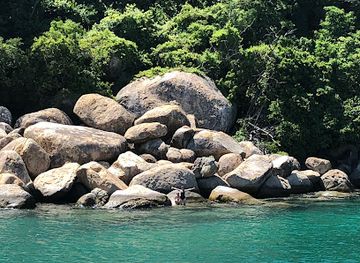
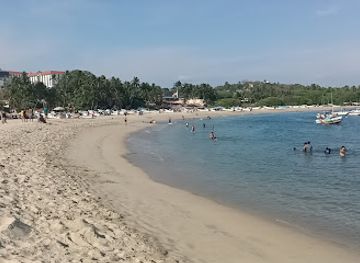
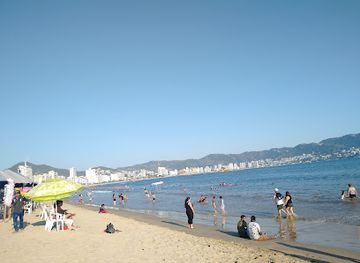
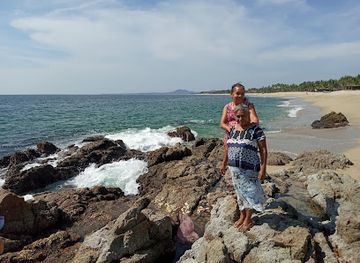
Costa Chica’s attractions are primarily landscapes, communities and everyday cultural places rather than large resort complexes. The Pacific beaches around Marquelia, Playa Ventura, Copala and Punta Maldonado offer different combinations of open sand, fishing activity and low-key accommodation, while Barra de Tecoanapa and nearby waterways introduce lagoon and estuary scenery. Boat outings, birdwatching and fishing experiences may be available through local operators, subject to weather and seasonal conditions. Inland, Ometepec provides markets, churches and access to Amuzgo cultural traditions, while Cuajinicuilapa is a significant place to learn about Afro-Mexican history. The route through south-eastern Guerrero and western Oaxaca also passes agricultural landscapes, small towns and viewpoints over the coastal plain. Visitors should expect modest facilities, locally arranged activities and variable opening arrangements rather than a highly standardised tourism infrastructure. The region’s appeal lies in combining beach time with food, craft traditions, regional history and the changing relationship between the Pacific, lagoons and inland communities.
-
Beach
Playa Puerto Marqués
Discover the stunning beauty and vibrant atmosphere of Playa Puerto Marqués, a must-visit beach in Acapulco's tropical paradise.
-
Beach
Condesa Beach
Discover the sun-kissed shores of Condesa Beach in Guerrero, where vibrant nightlife meets stunning natural beauty along Mexico's Pacific coast.
-
Tourist attraction
Playa Principal
Experience the vibrant energy and breathtaking beauty of Playa Principal, Puerto Escondido's premier public beach destination for relaxation and adventure.
-
Beach
Playa Tamarindos
Experience the stunning beauty and vibrant atmosphere of Playa Tamarindos, a tropical paradise in Acapulco, Mexico, perfect for relaxation and adventure.

Best landmarks in Costa Chica
Costa Chica’s most meaningful landmarks include the churches and civic spaces of its regional towns, the Pacific shoreline and the cultural institutions that preserve local history. Ometepec’s historic centre and church architecture reflect the town’s long role as an inland commercial and cultural centre, while its surrounding communities are strongly associated with Amuzgo identity and weaving. Cuajinicuilapa is notable for the Museo de las Culturas Afromexicanas, which places the history and heritage of Afro-Mexican communities at the centre of the visitor experience. Along the coast, the broad beaches and lagoon mouths around Marquelia, Barra de Tecoanapa and Punta Maldonado function as geographical landmarks as much as leisure sites, revealing the region’s relationship with fishing and seasonal water systems. Town churches, market squares and roadside viewpoints should be read alongside the landscape: Costa Chica has few monumental structures on the scale of Mexico’s major colonial cities, but its historical significance is embedded in dispersed communities, coastal routes and living cultural traditions.
-
Tourist attraction
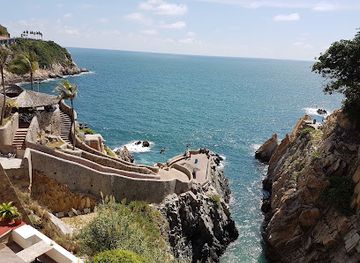
La Quebrada
Explore the breathtaking heights and thrilling dives of La Quebrada, Acapulco's iconic cliff diving destination, showcasing daring performances and stunning ocean views.
-
Monument
Diana the Huntress
Explore the beauty and elegance of Diana the Huntress in Acapulco, a stunning monument surrounded by vibrant gardens and scenic views.
-
Tourist attraction
Playa La Bocana
Playa La Bocana: Experience the serene beauty and vibrant culture of Guerrero's stunning beach paradise.
-
Park
Playa Las Peñitas
Experience the serene beauty and vibrant culture of Playa Las Peñitas, a must-visit public beach park in Marquelia, Guerrero.
Explore Costa Chica on the map
Plan your trip on one map. See where the top cities, national parks and sights are, and book hotels and experiences in a few clicks.
Best hotels in Costa Chica
Best restaurants in Costa Chica
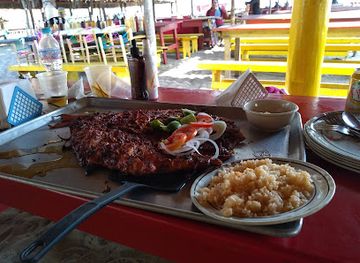
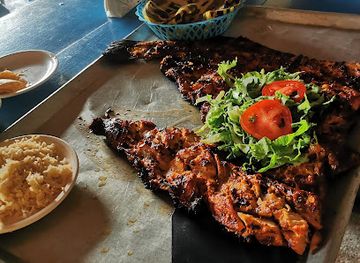
Dining in Costa Chica is closely linked to the Pacific, tropical agriculture and the cooking of Indigenous, Afro-Mexican and mestizo communities. Coastal restaurants and family-run eateries commonly focus on locally available fish, prawns, oysters where supplied, ceviches, grilled seafood and broths, while menus change with the catch and season. Inland towns such as Ometepec and Cuajinicuilapa provide a wider choice of regional dishes, market food and everyday Mexican cooking. Look for tortillas, tamales, stews, grilled meats and preparations using chilli, herbs and local produce rather than expecting a single standardised Costa Chica cuisine. Amuzgo and regional food traditions are often easiest to encounter through markets, community celebrations or recommendations from residents. Fresh fruit, coconut-based sweets and cool drinks suit the hot climate. Restaurants may close early or offer limited menus outside busier periods, so travelling with water and snacks is sensible on longer coastal journeys.
-
Seafood
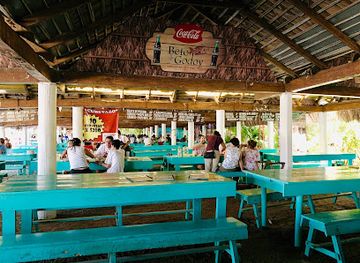
Beto Godoy
Experience fresh seafood delights at Beto Godoy, where culinary excellence meets breathtaking ocean views in Barra Vieja.
-
Seafood
Cira La Morena 1
Discover Cira La Morena 1 in Acapulco - your go-to destination for fresh seafood delights with stunning ocean views.
-
Seafood
Esmirna del Mar
Experience the freshest seafood delights at Esmirna del Mar in Acapulco – where culinary excellence meets stunning coastal views.
-
Restaurant
Cira la Morena 2 de Juana la Cubana
Discover authentic Mexican flavors at Cira la Morena 2 de Juana la Cubana in Acapulco – where culinary tradition meets breathtaking ocean views.
Best bars in Costa Chica
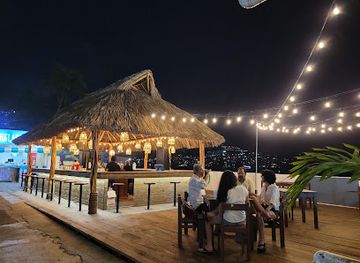
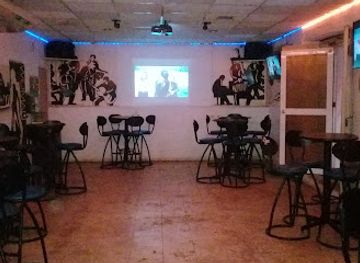
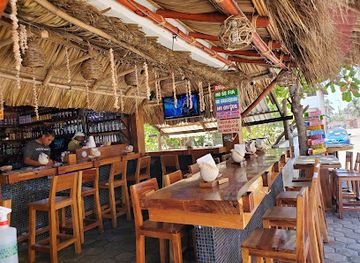
Evenings in Costa Chica are generally centred on modest bars, family restaurants, town plazas and beach palapas rather than a large nightclub scene. In Ometepec, Marquelia and other regional centres, visitors may find music-led venues, casual bars and places serving beer, spirits and soft drinks, while smaller coastal settlements tend to become quiet after dinner. Local festivities can bring dancing and live regional music, but dates and programmes vary and should be checked locally. Beach accommodation may offer a relaxed drink overlooking the shore, although facilities are often seasonal and not comparable with major resort strips. Alcohol is not essential to experiencing the region, and visitors should take particular care when combining drinks with swimming, boating or late-night driving. Arrange transport back to rural accommodation before going out, as taxis and public transport may be limited at night.
-
Bar
Terraza Sunset Bar
Experience breathtaking sunsets and vibrant nightlife at Terraza Sunset Bar in Acapulco, a premier destination for cocktails and socializing by the sea.
-
Bar
Hole's Center Discotheque
Dive into the electrifying nightlife at Hole's Center Discotheque in Ayutla de los Libres, where great music meets vibrant energy.
-
Bar
Bar la Jaladita
Discover vibrant nightlife at Bar la Jaladita in Guerrero, where local drinks and a friendly atmosphere await your arrival.
-
Bar
Agencia Modelo Marquelia
Discover the vibrant atmosphere of Agencia Modelo Marquelia, where refreshing drinks and local culture blend seamlessly in Guerrero.
Best nightclubs in Costa Chica
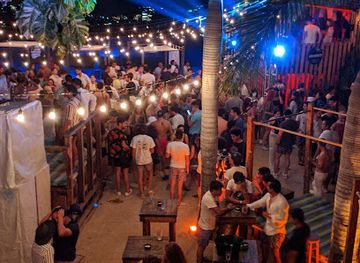
Evenings in Costa Chica are generally centred on modest bars, family restaurants, town plazas and beach palapas rather than a large nightclub scene. In Ometepec, Marquelia and other regional centres, visitors may find music-led venues, casual bars and places serving beer, spirits and soft drinks, while smaller coastal settlements tend to become quiet after dinner. Local festivities can bring dancing and live regional music, but dates and programmes vary and should be checked locally. Beach accommodation may offer a relaxed drink overlooking the shore, although facilities are often seasonal and not comparable with major resort strips. Alcohol is not essential to experiencing the region, and visitors should take particular care when combining drinks with swimming, boating or late-night driving. Arrange transport back to rural accommodation before going out, as taxis and public transport may be limited at night.
-
Disco club
Baby`O Acapulco
Discover the electric nightlife at Baby'O Acapulco, a premier disco club and bar perfect for dancing the night away in style.
-
Bar
Hannah Sun Club
Discover the luxurious Hannah Sun Club in Acapulco's Brisas del Marqués, where exquisite dining and breathtaking views meet.
-
Night club
Palladium
Discover Acapulco's premier nightlife destination at Palladium, where stunning views and electrifying music create an unforgettable experience.
-
Bar
The Beach Club
Discover the vibrant atmosphere of The Beach Club in Acapulco, where tropical cocktails and stunning views create the ultimate beachside experience.



Best shops in Costa Chica
Shopping in Costa Chica is concentrated in market towns rather than purpose-built retail districts. Ometepec is one of the best places to look for Amuzgo textiles, including handwoven garments and embroidered pieces, although visitors should ask about the maker, materials and production process before buying. Markets in Ometepec, Cuajinicuilapa, Marquelia and other larger settlements sell fruit, spices, prepared food, household goods and seasonal produce, offering a more representative view of local commerce than souvenir shops. Small coastal communities may have stalls selling snacks, shellfish or simple beach goods, but selection can be limited. Regional purchases can include woven textiles, local sweets, coconut products and foodstuffs suitable for travel, subject to transport rules. Bargaining is not appropriate everywhere; use it sparingly and respectfully, especially when buying labour-intensive crafts directly from artisans. Carry cash and protect purchases from heat and humidity during longer journeys.
-
Shopping mall
Galerías Acapulco
Explore Galerías Acapulco: A vibrant shopping mall with diverse stores, dining, and entertainment in the heart of Acapulco.
-
Shopping mall
La Isla Shopping Village
Discover a vibrant shopping and dining experience at La Isla Shopping Village, Acapulco's top shopping mall with stunning coastal views.
-
Tourist attraction
Playa La Bocana
Unwind at Playa La Bocana, a serene beach in Guerrero, Mexico, where soft sands meet gentle waves and stunning sunsets await.
-
Grocery store
Poblado Jalapa
Explore Poblado Jalapa: A vibrant grocery store showcasing the authentic flavors and traditions of Guerrero, Mexico.

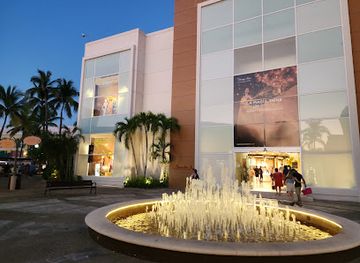
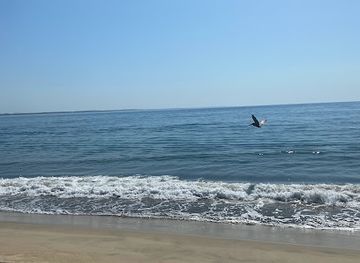

Get your free copy of our complete guide to Costa Chica, delivered straight to you.
Everything on this page, from attractions and restaurants to essentials and local phrases, in one PDF you can read offline, print or share.
Already have an account? Sign in
Your Costa Chica guide is ready.
We'll send it to · Not you? Sign out

Getting your guide ready…
We are putting together a fresh copy of the Costa Chica guide. This can take up to a minute.
This can take a few moments. If your browser asks, choose Allow so the download can start. You'll find the guide in your Downloads folder.
Nothing happened? Download it again
Sorry, the guide is taking longer than usual. Please try again in a minute, or get it by email instead.
Costa Chica essentials
Currency and Payment
Safety
Emergency Situations
Do's and Don'ts
Local Tips
From Eve
Local phrases worth knowing
You don't need to get them perfect. A few words go a long way, and locals appreciate the effort.
Basics
| English | Local | Say it |
|---|---|---|
| Hello | Hola | [Ola] |
| Goodbye | Adiós | [Adyos] |
| Yes | Sí | [See] |
| No | No | [No] |
| Please/You're welcome | Por favor | [Por favor] |
| Thank you | Gracias | [Grasias] |
| Excuse me/Sorry | Disculpa | [Disculpa] |
| How are you? | ¿Cómo estás? | [Como estas] |
| Fine. And you? | Bien. ¿Y tú? | [Bien. Y tu] |
| Do you speak English? | ¿Hablas inglés? | [Hablas ingles] |
| I don't understand | No entiendo | [No entiendo] |
Eating & Drinking
| English | Local | Say it |
|---|---|---|
| I'd like to see the menu, please | Quisiera ver el menú, por favor | [Quisiera ver el menu, por favor] |
| I don't eat meat | No como carne | [No como carne] |
| Cheers! | ¡Salud! | [Salud] |
| I would like to pay, please | Quisiera pagar, por favor | [Quisiera pagar, por favor] |
Emergencies
| English | Local | Say it |
|---|---|---|
| Help! | ¡Ayuda! | [Ayuda] |
| Go away! | ¡Vete! | [Vete] |
| Call the Police! | ¡Llama a la policía! | [Llama a la policia] |
| Call a doctor! | ¡Llama a un doctor! | [Llama a un doctor] |
| I'm lost | Estoy perdido | [Estoy perdido] |
| I'm ill | Estoy enfermo | [Estoy enfermo] |
Shopping
| English | Local | Say it |
|---|---|---|
| I'd like to buy... | Quisiera comprar... | [Quisiera comprar] |
| I'm just looking | Solo estoy mirando | [Solo estoy mirando] |
| How much is it? | ¿Cuánto cuesta? | [Cuanto cuesta] |
| That's too expensive | Eso es muy caro | [Eso es muy caro] |
| Can you lower the price? | ¿Puedes bajar el precio? | [Puedes bajar el precio] |
Time & Numbers
| English | Local | Say it |
|---|---|---|
| What time is it? | ¿Qué hora es? | [Que hora es] |
| It's one o'clock | Es la una | [Es la una] |
| Half past (10) | Y media (10) | [Y media 10] |
| Morning | Mañana | [Mañana] |
| Afternoon | Tarde | [Tarde] |
| Evening | Noche | [Noche] |
| Yesterday | Ayer | [Ayer] |
| Today | Hoy | [Hoy] |
| Tomorrow | Mañana | [Mañana] |
| 1 | Uno | [Uno] |
| 2 | Dos | [Dos] |
| 3 | Tres | [Tres] |
| 4 | Cuatro | [Cuatro] |
| 5 | Cinco | [Cinco] |
| 6 | Seis | [Seis] |
| 7 | Siete | [Siete] |
| 8 | Ocho | [Ocho] |
| 9 | Nueve | [Nueve] |
| 10 | Diez | [Diez] |
Transport & Directions
| English | Local | Say it |
|---|---|---|
| Where's a/the...? | ¿Dónde está un/una...? | [Donde esta un/una] |
| What's the address? | ¿Cuál es la dirección? | [Cual es la direccion] |
| Can you show me (on the map)? | ¿Puedes mostrarme (en el mapa)? | [Puedes mostrarme en el mapa] |
| When's the next (bus)? | ¿Cuándo es el próximo (autobús)? | [Cuando es el proximo autobus] |
| A ticket (to ....) | Un boleto (a ....) | [Un boleto a] |
History of Costa Chica
Indigenous societies before Spanish rule
Before the arrival of the Spanish, Costa Chica was home to communities including the Amuzgo and Mixtec, whose territories and trading relationships extended across present-day Guerrero and Oaxaca. Agriculture, fishing, weaving and regional exchange shaped settlement patterns in the coastal plain and adjoining hills. Ometepec remains an important centre of Amuzgo cultural life, while Mixtec communities are present across the wider borderlands. Indigenous languages, textile traditions, food practices and community customs continue to form an important part of the region’s identity.
Spanish conquest and colonial settlement
Spanish rule reorganised Costa Chica through new towns, Catholic institutions, ranches and systems of land and labour control. Churches and civic buildings in regional settlements reflect this colonial transformation, although much of the coast remained relatively dispersed compared with central Mexican cities. Cattle raising, cultivation and coastal trade became important economic activities. Indigenous communities retained their own social and cultural structures, while the colonial economy introduced new populations, crops, religious practices and links with Pacific ports.
African presence and coastal communities
People of African descent were brought to New Spain during the colonial period, and Afro-Mexican communities became particularly established along parts of the Costa Chica. Their presence grew through labour in agriculture, ranching, domestic service and coastal economies, creating communities with distinctive music, dance, cuisine and oral traditions. In modern Mexico, the historical contribution of Afro-Mexican populations was long under-recognised; towns such as Cuajinicuilapa now play an important role in preserving and presenting this regional heritage.
Nineteenth-century change and regional commerce
The nineteenth century brought political instability, changing landholding patterns and evolving commercial links between inland towns, the coast and larger Pacific ports. Ometepec developed as a significant regional centre, while ranching, agriculture and local trade continued to connect communities across the coastal plain. The region’s geography limited rapid industrialisation, helping preserve a dispersed settlement pattern. At the same time, roads, schools, municipal institutions and national political administration gradually extended their reach into communities that had previously been linked mainly by local routes and seasonal trade.
Roads, migration and modern integration
Improved highways and public transport during the twentieth century connected Costa Chica more closely with Acapulco, Chilpancingo, Oaxaca and other national markets. These links supported the movement of agricultural produce, fish, livestock and manufactured goods, while also encouraging migration for work and education. Even so, many coastal settlements remain more lightly developed than Mexico’s major resort destinations. The contrast between modern highways and traditional local economies is one of the region’s defining contemporary characteristics.
Recognition of Afro-Mexican and Indigenous identity
Late twentieth- and early twenty-first-century cultural and political movements brought greater public attention to Afro-Mexican history and to Indigenous rights in Costa Chica. Museums, cultural associations, festivals and community initiatives have helped preserve music, dance, oral history, weaving and regional food traditions. Mexico’s recognition of Afro-Mexican identity in national law strengthened this visibility, although communities continue to face economic and social challenges. For visitors, the region’s cultural importance is best understood through local institutions and respectful engagement rather than through folkloric display alone.
Costa Chica in Photos
Browse through our photo collection highlighting the charm and character of the destination.
Neighbouring regions of Costa Chica
The closest regions to Costa Chica, if you have time for more than one.
-

-

-

-

-


Swipe for more regions
Explore more

Explore more of Mexico
Discover Mexico: A land of ancient ruins, vibrant culture, and stunning natural landscapes. Experience diverse cuisine, rich traditions, and warm hospitality.
Explore Mexico