

Free Mixteca Travel Guide & Mobile App
Explore Mixteca with free travel guides. Discover regional history, expert tips, proposed trips, and audio guides on web or mobile app.


Explore Mexico’s Mixteca across Oaxaca, Puebla and Guerrero for Indigenous heritage, Dominican convents, mountain landscapes and regional food.
Read more about Mixteca
When is the best time to visit Mixteca?
Best: January–February, November · 24–25°C| Month | High (°C) | Rainfall (mm) |
|---|---|---|
| January (best) | 24 | 10 |
| February (best) | 25 | 12 |
| March | 27 | 16 |
| April | 29 | 20 |
| May | 31 | 40 |
| June | 33 | 80 |
| July | 33 | 120 |
| August | 32 | 120 |
| September | 31 | 80 |
| October | 28 | 40 |
| November (best) | 25 | 20 |
| December | 23 | 10 |
Getting to and around Mixteca
How to get there
Transportation
Top city travel guides in Mixteca
The cities of Mixteca, and the easiest places to base yourself.
-

-

-


Swipe for more cities
Best attractions in Mixteca
The Mixteca’s attractions are distributed across a large, mountainous cultural landscape rather than concentrated in one resort or city. In the Oaxacan Mixteca Alta, the Dominican complex at San Pedro y San Pablo Teposcolula, the monumental former convent at Santo Domingo Yanhuitlán and the historic religious architecture of San Juan Bautista Coixtlahuaca reveal the scale of sixteenth-century building programmes and the continuing life of their host communities. Archaeological heritage, including Huamelulpan, provides a deeper view of pre-Hispanic settlement and regional power. Huajuapan de León and Tlaxiaco offer museums, markets and urban services, while the surrounding valleys are suited to scenic drives and locally arranged walks. Across Puebla and Guerrero, smaller towns, churches, agricultural landscapes and market centres show different expressions of Mixtec culture. The region also rewards visitors interested in birdlife, dry-forest and highland vegetation, traditional food and community celebrations, although access and opening arrangements vary. Its attraction is less about a single headline monument than about connecting architecture, landscape, language and living cultural traditions across several journeys.
-
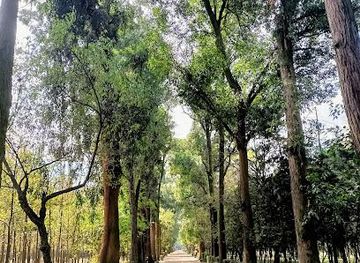
Park
Viveros de Coyoacán
Explore Viveros de Coyoacán, an urban sanctuary in Mexico City boasting lush landscapes, diverse flora, and a peaceful atmosphere for relaxation and enjoyment.
-
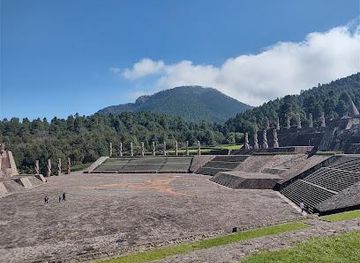
Tourist attraction
Centro Ceremonial Otomí
Explore the rich heritage and breathtaking beauty of the Centro Ceremonial Otomí, a must-visit cultural monument in Temoaya, Mexico.
-
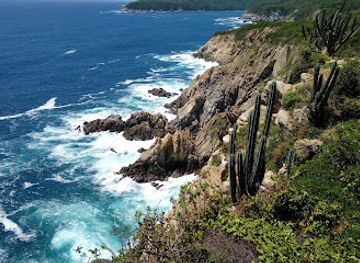
Tourist attraction
Parque Nacional Huatulco
Explore the stunning landscapes, vibrant ecosystems, and cultural richness of Parque Nacional Huatulco, a must-visit destination on Mexico's Pacific coast.
-
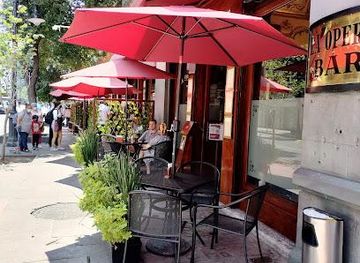
Grill
La Opera
Experience the flavors of Mexico at La Opera, a historic bar and grill in Mexico City's vibrant Historic Center, offering traditional cuisine and a lively atmosphere.
Best landmarks in Mixteca
The Mixteca’s most recognisable landmarks combine Indigenous political history, Dominican colonial architecture and dramatic terrain. The former convent of San Pedro y San Pablo at Teposcolula is notable for its large church and open-air religious spaces, while the nearby Casa de la Cacica preserves an unusual connection with Indigenous authority during the colonial period. Santo Domingo Yanhuitlán dominates its historic settlement with a substantial sixteenth-century church whose scale reflects the importance of the town on regional routes. San Juan Bautista Coixtlahuaca is another major Dominican foundation, set within a highland landscape of cultivated valleys and dry hills. Huamelulpan provides an archaeological landmark associated with earlier Mixtec urban development. In the lower and central Mixteca, the towns of Huajuapan de León and Acatlán de Osorio function as civic and commercial reference points, while the changing ridges and ravines themselves form the region’s defining natural scenery. These places are not isolated monuments: their meaning is tied to living communities, local religious practice and long histories of movement across the mountains.
-
Fountain
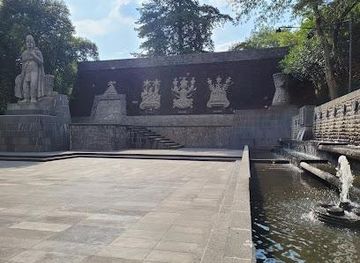
Monumental Fuente de Nezahualcóyotl
Discover the beauty and cultural significance of the Monumental Fountain of Nezahualcóyotl in the heart of Mexico City, a must-visit landmark for every traveler.
-
Mountain peak
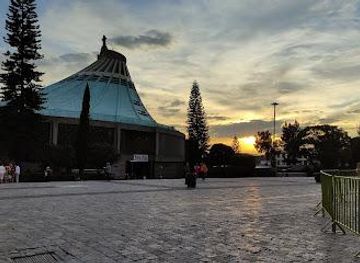
Tepeyac
Discover the breathtaking views and rich cultural heritage at Tepeyac, a sacred mountain peak in the heart of Mexico City.
-
Parish
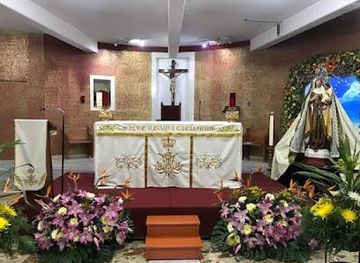
Parroquia de Nuestra Señora del Carmen
Explore the serene beauty of Parroquia de Nuestra Señora del Carmen in Coyoacán, where history, architecture, and spirituality converge.
-
Catholic church
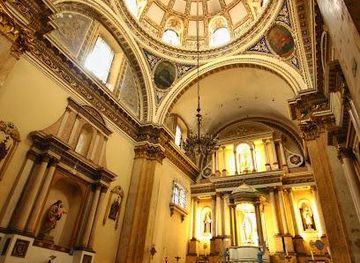
Immaculate Conception Temple
Explore the Immaculate Conception Temple, a stunning Catholic church in Mexico City's Historic Center, rich in history and architectural beauty.
Explore Mixteca on the map
Plan your trip on one map. See where the top cities, national parks and sights are, and book hotels and experiences in a few clicks.
Best hotels in Mixteca
Best restaurants in Mixteca
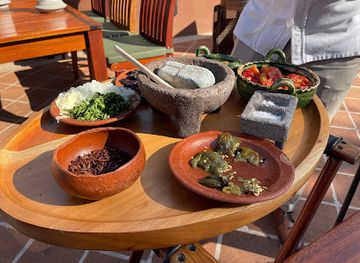
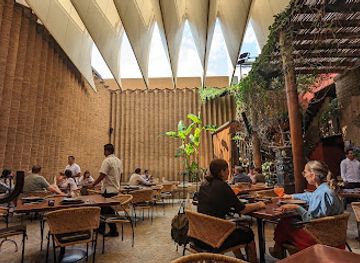
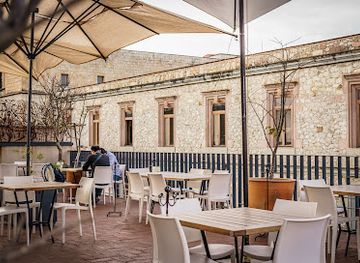
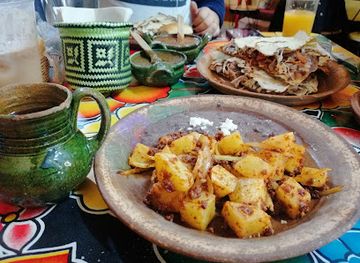
Dining in the Mixteca is primarily local, seasonal and town-based, with the greatest choice found in Huajuapan de León, Tlaxiaco, Acatlán de Osorio and other larger centres. Maize, beans, squash, chilli and herbs underpin everyday cooking, appearing in tortillas, tamales, memelas and other antojitos whose names and preparations vary between communities. Moles, stews and grilled meats are common at family restaurants and market stalls, while regional breads and sweets provide useful market purchases. In rural areas, food may be available mainly during daytime market hours, so visitors should not rely on late meals. Look for fresh produce, handmade tortillas and locally prepared dishes rather than expecting a standardised regional menu. Mezcal is associated especially with Oaxaca, but it is not the defining drink of every Mixteca locality; ask about local agave spirits and other regional beverages. Visitors with dietary restrictions should explain them clearly in Spanish, as small establishments may have limited alternatives.
-
Mexican
Casa Oaxaca el Restaurante
Experience authentic Oaxacan flavors at Casa Oaxaca el Restaurante – where tradition meets innovation in every dish.
-
Mexican
Los Danzantes
Discover the essence of Oaxacan cuisine at Los Danzantes—where tradition meets innovation in every dish.
-
Restaurant
Restaurant Tierra del Sol
Experience authentic Mixteca cuisine at Restaurant Tierra del Sol in Oaxaca de Juárez – a culinary gem rich in local flavors.
-
Oaxacan restaurant
Oaxacaquí
Discover authentic Oaxacan cuisine at Oaxacaquí in Mexico City - where every dish tells a story of tradition and flavor.
Best bars in Mixteca
Nightlife in the Mixteca is restrained and concentrated in the larger towns. Huajuapan de León has the broadest choice of restaurants, bars and evening venues in the Oaxacan section, while Tlaxiaco and principal Pueblan towns generally offer cafés, cantinas, family restaurants and occasional live music rather than a large club circuit. In smaller communities, evenings often centre on the town plaza, a local fiesta, food stalls or conversation rather than late-night entertainment. Traditional bars may be informal and primarily social, so visitors should observe local etiquette and avoid photographing people without permission. Festivals can bring music, dancing and temporary food and drink stands, but dates and arrangements vary by community. Plan transport back to rural accommodation in advance, as late services are limited and walking unfamiliar roads after dark is inadvisable.
-
Bar
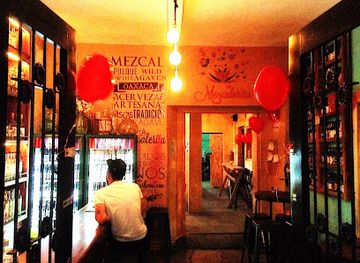
La Mezcalerita
Discover the essence of Oaxaca at La Mezcalerita, where mezcal meets culinary excellence in a vibrant atmosphere.
-
Bar
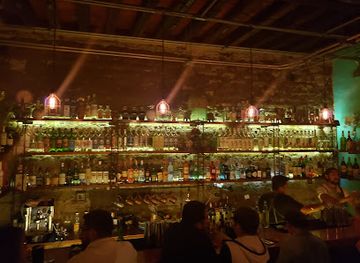
Txalaparta
Discover the lively essence of Oaxaca at Txalaparta, a vibrant bar offering local drinks, live music, and a unique cultural experience.
-
Grill
Sabina Sabe
Discover the authentic taste of Oaxaca at Sabina Sabe, a beloved grill and Mexican restaurant serving traditional dishes with fresh, local ingredients.
-
Live music bar
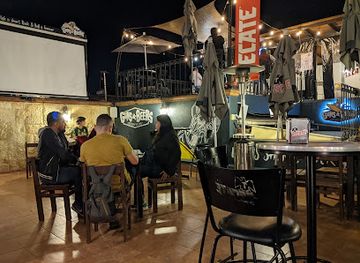
Guns & Beers Oaxaca
Experience the vibrant nightlife of Oaxaca at Guns & Beers, a lively bar offering fantastic live music and delicious local cuisine.

Best nightclubs in Mixteca
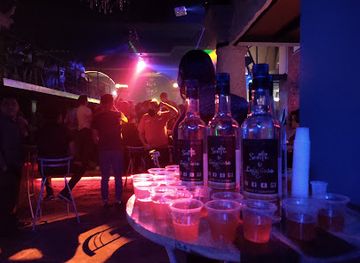
Nightlife in the Mixteca is restrained and concentrated in the larger towns. Huajuapan de León has the broadest choice of restaurants, bars and evening venues in the Oaxacan section, while Tlaxiaco and principal Pueblan towns generally offer cafés, cantinas, family restaurants and occasional live music rather than a large club circuit. In smaller communities, evenings often centre on the town plaza, a local fiesta, food stalls or conversation rather than late-night entertainment. Traditional bars may be informal and primarily social, so visitors should observe local etiquette and avoid photographing people without permission. Festivals can bring music, dancing and temporary food and drink stands, but dates and arrangements vary by community. Plan transport back to rural accommodation in advance, as late services are limited and walking unfamiliar roads after dark is inadvisable.
-
Night club
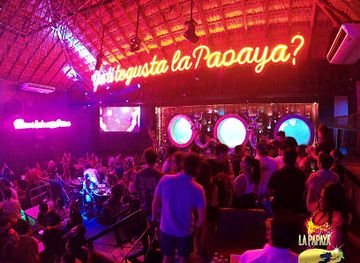
La Papaya
La Papaya: Dive into the energetic nightlife of La Crucecita, where music, dancing, and vibrant culture come alive until dawn.
-
Night club
Cultural Roots
Discover the pulsating nightlife at Cultural Roots, where music, culture, and community converge in the heart of Mexico City.
-
Bar
Lola Night Club
Discover the vibrant nightlife of Oaxaca at Lola Night Club, where energetic music and a lively atmosphere await every visitor.
-
Bar
Blackcherry Club
Discover the lively nightlife of Oaxaca at Blackcherry Club, where live music and DJ beats create an unforgettable party atmosphere.


Best shops in Mixteca
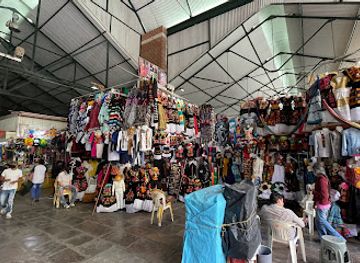
Shopping in the Mixteca is centred on markets, independent food shops and small workshops rather than large retail districts. Huajuapan de León, Tlaxiaco and Acatlán de Osorio provide the widest selection of everyday goods, regional foods and market produce, while smaller towns become particularly active on their designated market days. Visitors may find woven goods, embroidered clothing, palm or plant-fibre articles, pottery, carved objects and regional breads, but the availability and quality vary by community. Ask about the maker and pay a fair price rather than treating handmade work as interchangeable souvenirs. Packaged mole, dried chillies, coffee from suitable growing areas and sweets can be practical purchases, subject to Mexican customs and airline rules. Some crafts are produced for local use or community ceremonies, so not every item is commercially available. Carry cash, keep purchases protected during bus journeys and avoid buying archaeological material or undocumented historic objects.
-
Department store
El Palacio de Hierro
Experience luxury shopping at El Palacio de Hierro in Polanco, Mexico City - a premier destination for fashion, dining, and culture.
-
Fresh food market
Mercado Benito Juárez
Discover the essence of Oaxacan culture at Mercado Benito Juárez, a bustling fresh food market filled with local flavors and vibrant handicrafts.
-
Shopping mall
Macroplaza Oaxaca
Experience the best of shopping, dining, and culture at Macroplaza Oaxaca, a vibrant shopping destination in the heart of Oaxaca.
-
Shopping mall
Plaza del Valle
Experience the lively Plaza del Valle in Oaxaca: a shopping haven with local flair, diverse dining options, and vibrant cultural experiences.


Get your free copy of our complete guide to Mixteca, delivered straight to you.
Everything on this page, from attractions and restaurants to essentials and local phrases, in one PDF you can read offline, print or share.
Already have an account? Sign in
Your Mixteca guide is ready.
We'll send it to · Not you? Sign out

Getting your guide ready…
We are putting together a fresh copy of the Mixteca guide. This can take up to a minute.
This can take a few moments. If your browser asks, choose Allow so the download can start. You'll find the guide in your Downloads folder.
Nothing happened? Download it again
Sorry, the guide is taking longer than usual. Please try again in a minute, or get it by email instead.
Mixteca essentials
Currency and Payment
Safety
Emergency Situations
Do's and Don'ts
Local Tips
From Eve
Local phrases worth knowing
You don't need to get them perfect. A few words go a long way, and locals appreciate the effort.
Basics
| English | Local | Say it |
|---|---|---|
| Hello | Díí | [dee-ee] |
| Goodbye | Tāā | [tah-ah] |
| Yes | Nda | [ndah] |
| No | Nda ma | [ndah mah] |
| Please/You're welcome | Nda'na | [ndah-nah] |
| Thank you | Tē'na | [tay-nah] |
| Excuse me/Sorry | Nda'na ndisi | [ndah-nah n-dee-see] |
| How are you? | Nda'na mī'nda? | [ndah-nah mee-ndah?] |
| Fine. And you? | Nda'na mī'nda. Nda'na? | [ndah-nah mee-ndah. ndah-nah?] |
| Do you speak English? | Nda'na tse'ka inglés? | [ndah-nah tseh-kah een-glays?] |
| I don't understand | Nda'na ndiyā'na | [ndah-nah n-dee-yah-nah] |
Eating & Drinking
| English | Local | Say it |
|---|---|---|
| I'd like to see the menu, please | Nda'na bā'na ka menū, nda'na | [ndah-nah bah-nah kah meh-noo, ndah-nah] |
| I don't eat meat | Nda'na ndyā'na tsī | [ndah-nah n-dee-yah-nah tsee] |
| Cheers! | Tāā ndisi! | [tah-ah n-dee-see!] |
| I would like to pay, please | Nda'na bā'na ka nī'kā, nda'na | [ndah-nah bah-nah kah nee-kah, ndah-nah] |
Emergencies
| English | Local | Say it |
|---|---|---|
| Help! | Nda'na ndiyā'na! | [ndah-nah n-dee-yah-nah!] |
| Go away! | Nda'na tātāka! | [ndah-nah tah-tah-kah!] |
| Call the Police! | Nda'na ndisi tlā'ka! | [ndah-nah n-dee-see tlah-kah!] |
| Call a doctor! | Nda'na ndisi nī'ka tātā! | [ndah-nah n-dee-see nee-kah tah-tah!] |
| I'm lost | Nda'na ndisi ndiyā'na | [ndah-nah n-dee-see n-dee-yah-nah] |
| I'm ill | Nda'na ndisi nī'ka | [ndah-nah n-dee-see nee-kah] |
Shopping
| English | Local | Say it |
|---|---|---|
| I'd like to buy... | Nda'na bā'na ka nī'kā... | [ndah-nah bah-nah kah nee-kah...] |
| I'm just looking | Nda'na tātāka | [ndah-nah tah-tah-kah] |
| How much is it? | Nda'na ndisi nī'ka? | [ndah-nah n-dee-see nee-kah?] |
| That's too expensive | Nda'na ndisi nī'ka tātā | [ndah-nah n-dee-see nee-kah tah-tah] |
| Can you lower the price? | Nda'na nda'na ndisi tā'ka? | [ndah-nah ndah-nah n-dee-see tah-kah?] |
Time & Numbers
| English | Local | Say it |
|---|---|---|
| What time is it? | Nda'na ndisi ka nī'ka? | [ndah-nah n-dee-see kah nee-kah?] |
| It's one o'clock | Nda'na ndisi nī'ka ka nī'ka | [ndah-nah n-dee-see nee-kah kah nee-kah] |
| Half past (10) | Nda'na ndisi nī'ka tātā ka (10) | [ndah-nah n-dee-see nee-kah tah-tah kah (10)] |
| Morning | Nda'na tātā | [ndah-nah tah-tah] |
| Afternoon | Nda'na ndisi tātā | [ndah-nah n-dee-see tah-tah] |
| Evening | Nda'na ndisi nā'na | [ndah-nah n-dee-see nah-nah] |
| Yesterday | Nda'na ndisi tā'na | [ndah-nah n-dee-see tah-nah] |
| Today | Nda'na ndisi nī'ka | [ndah-nah n-dee-see nee-kah] |
| Tomorrow | Nda'na ndisi nā'na | [ndah-nah n-dee-see nah-nah] |
| 1 | Nī'ka | [nee-kah] |
| 2 | Nī'ka na | [nee-kah nah] |
| 3 | Nī'ka tātā | [nee-kah tah-tah] |
| 4 | Nī'ka na tātā | [nee-kah nah tah-tah] |
| 5 | Nī'ka tātā na | [nee-kah tah-tah nah] |
| 6 | Nī'ka tātā na tātā | [nee-kah tah-tah nah tah-tah] |
| 7 | Nī'ka na tātā na | [nee-kah nah tah-tah nah] |
| 8 | Nī'ka na tātā na tātā | [nee-kah nah tah-tah nah tah-tah] |
| 9 | Nī'ka na tātā na tātā na | [nee-kah nah tah-tah nah tah-tah nah] |
| 10 | Nī'ka na tātā na tātā na tātā | [nee-kah nah tah-tah nah tah-tah nah tah-tah] |
Transport & Directions
| English | Local | Say it |
|---|---|---|
| Where's a/the...? | Nda'na ndisi ka...? | [ndah-nah n-dee-see kah...?] |
| What's the address? | Nda'na ndisi ka nī'ka? | [ndah-nah n-dee-see kah nee-kah?] |
| Can you show me (on the map)? | Nda'na ndisi ndiyā'na ka (ka nī'ka)? | [ndah-nah n-dee-see n-dee-yah-nah kah (kah nee-kah)?] |
| When's the next (bus)? | Nda'na ndisi tātā ka (bús)? | [ndah-nah n-dee-see tah-tah kah (boos)?] |
| A ticket (to ....) | Nda'na ndisi ka nī'ka (ka ...) | [ndah-nah n-dee-see kah nee-kah (kah ...)] |
History of Mixteca
Early Ñuu Savi societies and archaeological traditions
The Mixteca has been inhabited for thousands of years, with agriculture, settlement and craft production developing across its valleys and mountain slopes. Archaeological evidence shows changing communities and regional networks long before European arrival. The area is especially important for the history of Mesoamerican writing and craftsmanship: Mixtec painted manuscripts, known as codices, recorded genealogies, alliances, place names and political claims. Sites such as Huamelulpan in Oaxaca reflect earlier urban development in the Mixteca Alta, while the broader region preserves evidence of long-distance exchange in ceramics, stone and other materials.
Mixtec kingdoms and the codex tradition
Before the Spanish conquest, the Mixteca was organised through numerous señoríos, or Indigenous polities, rather than a single centralised kingdom. Political power was expressed through dynastic marriages, tribute, warfare and control of agricultural and trade routes. The codices produced in the region are among the most important surviving records of pre-Hispanic Mexican history, preserving royal genealogies and accounts of migration and conquest. Their imagery also demonstrates the sophistication of Mixtec painting, writing and religious thought. Some manuscripts are now held outside Mexico, but their historical subjects remain rooted in the Mixteca.
The Spanish conquest and Dominican missions
Spanish forces and their Indigenous allies incorporated the Mixteca into New Spain during the sixteenth century. Dominican friars soon established missions and convents in important settlements, including Yanhuitlán, Teposcolula and Coixtlahuaca. These complexes were religious centres, schools and instruments of colonial administration as well as imposing works of architecture. Evangelisation did not erase Indigenous institutions: local nobles, communities and landholding systems continued to negotiate authority under colonial rule. The surviving convents and churches therefore represent both European religious expansion and the profound participation of Indigenous labour, knowledge and political structures.
Colonial trade, agriculture and Indigenous communities
During the colonial period, the Mixteca’s difficult terrain encouraged a dispersed pattern of settlement and made local trade especially important. Communities cultivated maize and other crops in varied ecological zones, raised animals and participated in commercial networks linking highlands with the valleys and southern routes. Indigenous towns retained collective forms of landholding and local government, although these were repeatedly challenged by tribute demands, litigation and outside claims. The Casa de la Cacica in Teposcolula is an important material reminder of Indigenous elite authority within the changing political order of early colonial Mexico.
Independence, reform and nineteenth-century change
The Mixteca was drawn into the upheavals of Mexican independence and the political conflicts that followed. In the nineteenth century, liberal reforms altered property relations and challenged corporate rights held by Indigenous communities, contributing to disputes over land and local authority. Roads and commercial links developed unevenly, and regional towns such as Huajuapan, Tlaxiaco and Acatlán remained important centres of exchange. The period also produced new civic identities and political boundaries across Oaxaca, Puebla and Guerrero, even though cultural and family connections continued to cross state lines.
Revolution, migration and contemporary Mixteca
The Mexican Revolution and its aftermath brought land struggles, political realignment and social change to the region. During the twentieth century, limited local employment, environmental pressure and uneven infrastructure encouraged migration to larger Mexican cities and, later, to the United States. Migration has transformed household economies and community life, but it has also supported schools, public works and religious celebrations through remittances and hometown associations. Today the Mixteca combines strong Indigenous and municipal traditions with extensive transnational connections, while Mixtec languages, music, foodways and community obligations remain important expressions of regional identity.
Mixteca in Photos
Browse through our photo collection highlighting the charm and character of the destination.
Neighbouring regions of Mixteca
The closest regions to Mixteca, if you have time for more than one.
-

-

-

-

-


Swipe for more regions
Explore more

Explore more of Mexico
Discover Mexico: A land of ancient ruins, vibrant culture, and stunning natural landscapes. Experience diverse cuisine, rich traditions, and warm hospitality.
Explore Mexico