

Free Pacific Coast Travel Guide & Mobile App
Explore Pacific Coast with free travel guides. Discover regional history, expert tips, proposed trips, and audio guides on web or mobile app.


Explore Mexico’s Pacific Coast for desert shores, surf beaches, seafood, marine wildlife, historic ports and tropical bays from Baja to Oaxaca.
Read more about Pacific Coast
When is the best time to visit Pacific Coast?
Best: December–February · 25–26°C| Month | High (°C) | Rainfall (mm) |
|---|---|---|
| January (best) | 25 | 10 |
| February (best) | 26 | 10 |
| March | 28 | 10 |
| April | 30 | 10 |
| May | 33 | 10 |
| June | 36 | 20 |
| July | 37 | 20 |
| August | 37 | 20 |
| September | 35 | 20 |
| October | 32 | 10 |
| November | 28 | 10 |
| December (best) | 25 | 10 |
Getting to and around Pacific Coast
How to get there
Transportation
Top city travel guides in Pacific Coast
The cities of Pacific Coast, and the easiest places to base yourself.
-

-

-

-

-

-


Swipe for more cities
Destinations in Pacific Coast
Resorts, valleys and scenic spots worth a trip of their own.

Swipe for more destinations
Best attractions in Pacific Coast
The Pacific Coast’s attractions range from marine wildlife and desert scenery to historic ports, surf beaches and tropical wetlands. Baja California Sur is particularly suited to whale watching, kayaking, diving, sailing and excursions to islands and sea-lion colonies, while the Gulf of California coast combines bare mountains and cactus landscapes with fishing towns. Mazatlán adds a historic centre and long seafront to its beach offering, and the coasts of Nayarit and Jalisco provide surfing, boating, birdwatching and resort facilities around Puerto Vallarta, Sayulita and neighbouring communities. Farther south, Manzanillo, Ixtapa-Zihuatanejo and Huatulco offer bays, beaches and water sports, while the coastline of Michoacán and parts of Guerrero retain a more low-key character with lagoons, turtle conservation and small fishing settlements. Oaxaca’s Puerto Escondido is strongly associated with surfing, whereas Mazunte, San Agustinillo and the nearby lagoons encourage slower coastal exploration. Archaeological sites, local museums, markets, historic churches and colonial town centres add cultural depth, although the most remote beaches may have limited services and require careful planning.
-
Tourist attraction
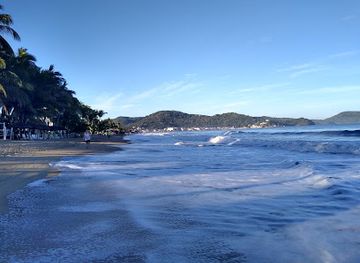
Guayabitos beach
Experience the stunning beauty and vibrant culture of Guayabitos Beach, a tropical paradise in Mexico perfect for relaxation and adventure.
-
Tourist attraction
Playa Principal
Discover the vibrant atmosphere and breathtaking sunsets at Playa Principal, Puerto Escondido's premier public beach, perfect for relaxation and adventure.
-
Vista point
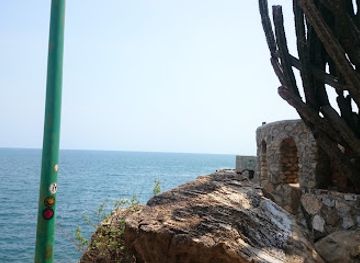
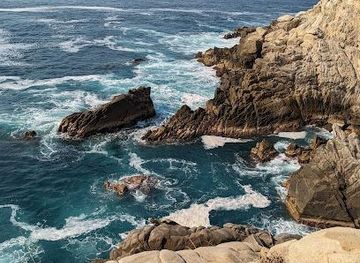
Punta Cometa
Experience the breathtaking beauty of Punta Cometa, a stunning viewpoint in Oaxaca, Mexico, offering spectacular ocean views and unforgettable sunsets.
-
Public beach
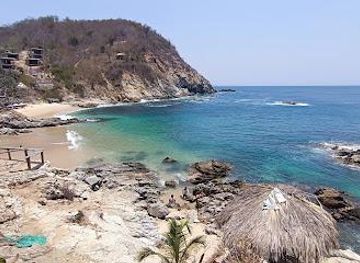
Playa Estacahuite
Experience the serenity and natural beauty of Playa Estacahuite, a hidden gem on the Oaxacan coast perfect for relaxation and adventure.
Best landmarks in Pacific Coast
The Pacific Coast’s most recognisable landmarks include the rock formations at Land’s End near Cabo San Lucas, where the Baja peninsula meets the Pacific and the Gulf of California, and the historic mission churches scattered through Baja California Sur. Mazatlán’s historic centre, cathedral and elaborate waterfront monuments reflect its importance as a nineteenth-century port, while the Malecón provides one of Mexico’s best-known urban seafront promenades. Puerto Vallarta’s Church of Our Lady of Guadalupe and the Cuale riverfront are distinctive markers of the city’s older centre. Manzanillo is symbolised by its monumental sailfish sculpture and long relationship with fishing and shipping. In Acapulco, the cliffs at La Quebrada are associated with the city’s long-standing diving tradition, while the bays and headlands around Huatulco demonstrate the coast’s geography more than monumental architecture. In Oaxaca, the rocky headland known as Punta Cometa near Mazunte is a prominent natural landmark, valued for its coastal views and protected setting.
-
Plaza
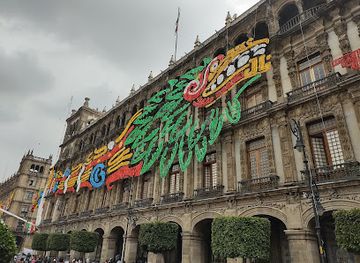
Plaza de la Constitución
Explore the vibrant heart of Mexico City at Plaza de la Constitución, a historical plaza filled with culture, architecture, and unforgettable experiences.
-
Monument
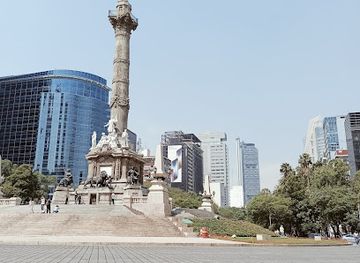
The Angel of Independence
Explore the Angel of Independence, a monumental symbol of Mexico's rich history and culture, nestled in the heart of vibrant Mexico City.
-
Archaeological site
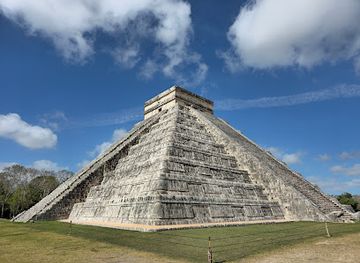
Chichén Itzá
Discover the ancient wonders of Chichén Itzá, a UNESCO World Heritage site showcasing the brilliance of the Mayan civilization.
-
Historical place museum
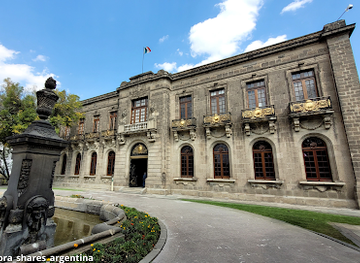
Chapultepec Castle
Explore the historic Chapultepec Castle, a stunning museum and former imperial residence offering panoramic views and rich cultural heritage in Mexico City.
Explore Pacific Coast on the map
Plan your trip on one map. See where the top cities, national parks and sights are, and book hotels and experiences in a few clicks.
Best hotels in Pacific Coast
Best restaurants in Pacific Coast
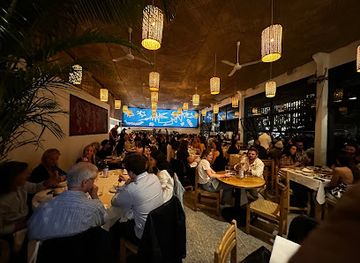
Seafood is the unifying element of Pacific Coast cooking, but preparation changes notably from north to south. Baja California popularised the fish taco in its modern coastal form, while Baja California Sur is known for locally caught fish, clams and preparations influenced by both desert and maritime ingredients. Sinaloa is associated with ceviches, aguachile and other boldly seasoned seafood dishes. Along the central coast, restaurants and family-run eateries serve grilled fish, prawns, octopus, regional antojitos and fresh fruit drinks. Oaxacan coastal cooking draws on the state’s wider traditions of maize, beans, chillies, herbs, mole and mezcal, alongside prawns and fish from the Pacific. Look for markets, palapa-style beach restaurants, urban cafés, seafood counters and contemporary dining rooms rather than expecting a single coastal cuisine. In remote areas, menus may be seasonal, and responsible diners should ask about protected species and the provenance of seafood.
-
Seafood
Contramar
Discover Contramar in Mexico City - A premier seafood restaurant offering fresh Baja California flavors in a vibrant setting.
-
Mexican
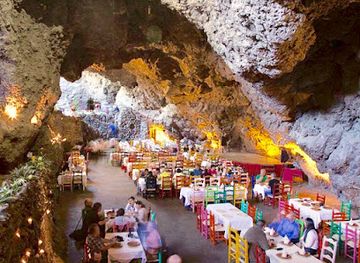
La Gruta
Discover La Gruta - An enchanting Mexican restaurant nestled in a stunning cave setting offering authentic cuisine and unforgettable ambiance.
-
Mexican
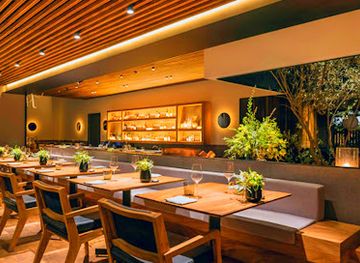
Pujol
Discover the essence of modern Mexican cuisine at Pujol in Polanco, where every dish is a work of art and every meal tells a story.
-
Mexican
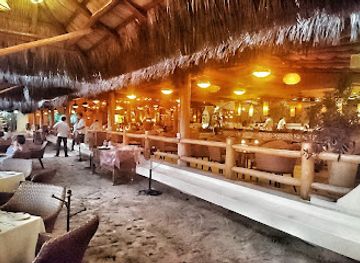
La Palapa Restaurant
Experience Puerto Vallarta's vibrant culture through authentic Mexican cuisine at La Palapa Restaurant with stunning ocean views.
Best bars in Pacific Coast
Evening life varies from full-scale resort entertainment to quiet village restaurants and beach bars. Puerto Vallarta, Mazatlán, Los Cabos, Acapulco and parts of Puerto Escondido have the broadest choice of cocktail bars, live music, dance venues and late-night restaurants, while smaller communities in Nayarit, Oaxaca, Guerrero and Baja California Sur generally centre on relaxed bars, cafés and open-air venues. Historic districts and seafront promenades are common places for an evening walk, and local fiestas may bring music and dancing without constituting a permanent nightlife scene. Breweries, mezcalerías and regional drink menus are most visible in larger towns, though mezcal is associated particularly strongly with Oaxaca. In resort areas, prices and atmosphere can change sharply by season, so check current arrangements locally and use licensed transport after dark.
-
Grill
Andale's Restaurant & Bar
Discover the flavors of Mexico at Andale's Restaurant & Bar in Puerto Vallarta's Zona Romántica, a vibrant spot for breakfast, lunch, and lively evenings.
-
Brewpub
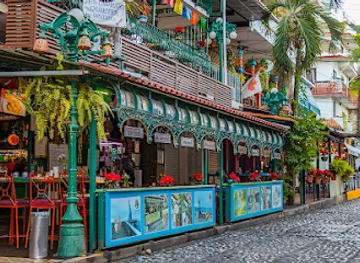
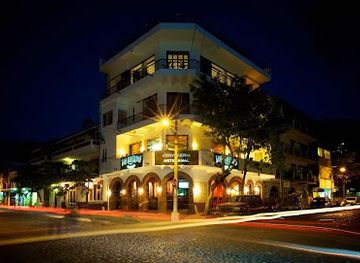
Los Muertos Brewing
Discover the lively atmosphere and craft beer delights at Los Muertos Brewing in Puerto Vallarta's Zona Romántica.
-
Brewpub
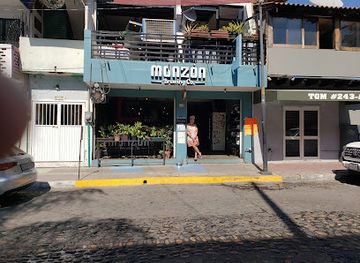
Monzón Brewing Co
Discover the vibrant atmosphere and exceptional craft brews at Monzón Brewing Co in Puerto Vallarta's Zona Romántica.
-
Night club
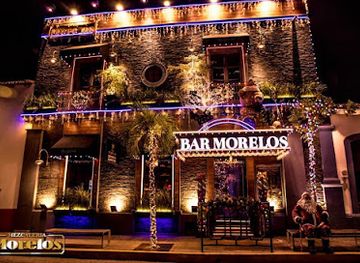
Bar Morelos Mezcaleria
Dive into the heart of Puerto Vallarta's nightlife at Bar Morelos Mezcaleria, where mezcal and music create unforgettable memories.
Best nightclubs in Pacific Coast
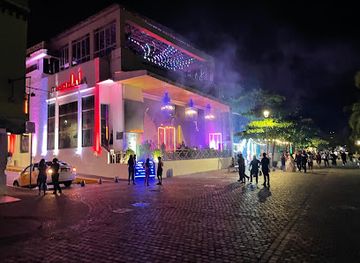
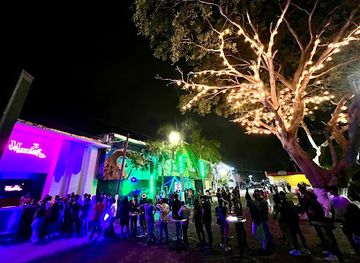
Evening life varies from full-scale resort entertainment to quiet village restaurants and beach bars. Puerto Vallarta, Mazatlán, Los Cabos, Acapulco and parts of Puerto Escondido have the broadest choice of cocktail bars, live music, dance venues and late-night restaurants, while smaller communities in Nayarit, Oaxaca, Guerrero and Baja California Sur generally centre on relaxed bars, cafés and open-air venues. Historic districts and seafront promenades are common places for an evening walk, and local fiestas may bring music and dancing without constituting a permanent nightlife scene. Breweries, mezcalerías and regional drink menus are most visible in larger towns, though mezcal is associated particularly strongly with Oaxaca. In resort areas, prices and atmosphere can change sharply by season, so check current arrangements locally and use licensed transport after dark.
-
Night club
Mandala Puerto Vallarta
Dive into the vibrant nightlife of Puerto Vallarta at Mandala, where unforgettable experiences and electrifying beats await every night.
-
Bar
Mandala Nightclub
Immerse yourself in the pulsating nightlife of Cancun at Mandala Nightclub, where unforgettable experiences await in a stunning atmosphere.
-
Night club
Rakata Puerto Vallarta
Discover the heartbeat of Puerto Vallarta's nightlife at Rakata, where unforgettable parties and vibrant music await you.
-
Bar
Mamitas Night Club Puerto Vallarta
Experience the vibrant nightlife at Mamitas Night Club in Puerto Vallarta, where music, dancing, and ocean views create an unforgettable atmosphere.


Best shops in Pacific Coast
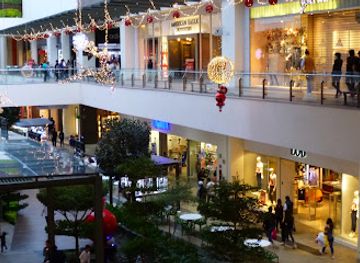
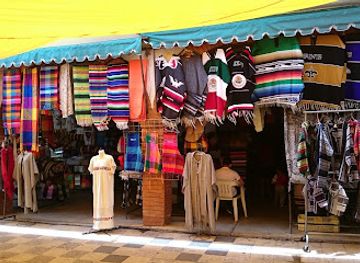
Shopping along the Pacific Coast ranges from practical town markets to resort boutiques and specialist craft shops. Los Cabos, Puerto Vallarta and Mazatlán have the largest selections of galleries, jewellery, clothing, beachwear and souvenirs, while smaller communities are better for locally made textiles, ceramics, woven goods and food products. Oaxaca’s coastal towns sell regional textiles, pottery, carved objects and mezcal-related products, although major purchases may be easier in inland Oaxaca City, which lies outside the coast. Baja California’s coastal towns offer seafood products, handmade goods and desert-inspired crafts, while markets in Sinaloa, Nayarit, Guerrero and Michoacán reflect wider regional traditions rather than one uniform Pacific style. Farmers’ markets and food stalls are useful for coffee, chocolate, dried chillies, honey, fruit and local sweets. Buy wildlife products, archaeological objects and shells cautiously, as many are protected or restricted from export.
-
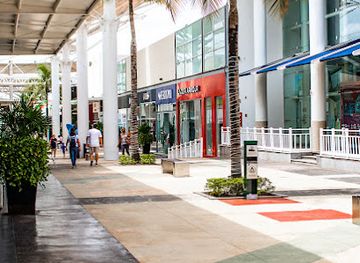
Shopping mall
Altacia Mall
Shop, dine, and unwind at Altacia Mall, León's top shopping destination with a mix of local and international brands, entertainment, and dining options.
-
Handicraft fair
Mercado de Artesanías La Ciudadela
Discover the magic of Mexican craftsmanship at Mercado de Artesanías La Ciudadela, a vibrant market filled with unique artisan treasures.
-
Shopping mall
Galerias Vallarta Shopping Mall
Discover the ultimate shopping experience at Galerias Vallarta, Puerto Vallarta's premier retail destination with diverse shops, delicious dining, and exciting entertainment.
-
Shopping mall
Las Plazas Outlet Cancun
Experience the best of shopping at Las Plazas Outlet Cancun, where unbeatable prices meet a vibrant atmosphere and diverse brands.

Get your free copy of our complete guide to Pacific Coast, delivered straight to you.
Everything on this page, from attractions and restaurants to essentials and local phrases, in one PDF you can read offline, print or share.
Already have an account? Sign in
Your Pacific Coast guide is ready.
We'll send it to · Not you? Sign out

Getting your guide ready…
We are putting together a fresh copy of the Pacific Coast guide. This can take up to a minute.
This can take a few moments. If your browser asks, choose Allow so the download can start. You'll find the guide in your Downloads folder.
Nothing happened? Download it again
Sorry, the guide is taking longer than usual. Please try again in a minute, or get it by email instead.
Pacific Coast essentials
Currency and Payment
Safety
Emergency Situations
Do's and Don'ts
Local Tips
From Eve
Local phrases worth knowing
You don't need to get them perfect. A few words go a long way, and locals appreciate the effort.
Basics
| English | Local | Say it |
|---|---|---|
| Hello | Hola | [OH-lah] |
| Goodbye | Adiós | [ah-DYOS] |
| Yes | Sí | [SEE] |
| No | No | [NO] |
| Please/You're welcome | Por favor/De nada | [por fah-BOR/deh NAH-dah] |
| Thank you | Gracias | [GRAH-syahs] |
| Excuse me/Sorry | Perdón | [pair-DON] |
| How are you? | ¿Cómo estás? | [KOH-moh ehs-TAHS] |
| Fine. And you? | Bien. ¿Y tú? | [BYEN. ee TOO] |
| Do you speak English? | ¿Hablas inglés? | [AH-blas een-GLES] |
| I don't understand | No entiendo | [NO en-TYEN-doh] |
Eating & Drinking
| English | Local | Say it |
|---|---|---|
| I'd like to see the menu, please | Me gustaría ver el menú, por favor | [meh goos-tah-REE-ah vehr el meh-NOO, por fah-BOR] |
| I don't eat meat | No como carne | [NO KOH-moh KAR-neh] |
| Cheers! | ¡Salud! | [sah-LOOD] |
| I would like to pay, please | Me gustaría pagar, por favor | [meh goos-tah-REE-ah pah-GAR, por fah-BOR] |
Emergencies
| English | Local | Say it |
|---|---|---|
| Help! | ¡Ayuda! | [ah-YOO-dah] |
| Go away! | ¡Vete! | [VEH-teh] |
| Call the Police! | ¡Llama a la policía! | [YAH-mah ah lah poh-lee-SEE-ah] |
| Call a doctor! | ¡Llama a un doctor! | [YAH-mah ah oon dok-TOR] |
| I'm lost | Estoy perdido | [es-TOY pair-DIH-doh] |
| I'm ill | Estoy enfermo/a | [es-TOY en-FER-mo/a] |
Shopping
| English | Local | Say it |
|---|---|---|
| I'd like to buy... | Me gustaría comprar... | [meh goos-tah-REE-ah kom-PRAR] |
| I'm just looking | Solo estoy mirando | [SO-lo es-TOY mee-RAN-doh] |
| How much is it? | ¿Cuánto cuesta? | [KWAN-toh KWES-tah] |
| That's too expensive | Es demasiado caro | [ES deh-mah-syah-doh KAH-roh] |
| Can you lower the price? | ¿Puedes bajar el precio? | [PWEH-des bah-HAR el PREH-syoh] |
Time & Numbers
| English | Local | Say it |
|---|---|---|
| What time is it? | ¿Qué hora es? | [KEH OH-rah ES] |
| It's one o'clock | Es la una | [ES lah OO-nah] |
| Half past (10) | Y media (10) | [ee MEH-dyah (10)] |
| Morning | Mañana | [mah-NYAH-nah] |
| Afternoon | Tarde | [TAR-deh] |
| Evening | Noche | [NO-cheh] |
| Yesterday | Ayer | [ah-YER] |
| Today | Hoy | [OY] |
| Tomorrow | Mañana | [mah-NYAH-nah] |
| 1 | Uno | [OO-no] |
| 2 | Dos | [DOS] |
| 3 | Tres | [TRES] |
| 4 | Cuatro | [KWAT-roh] |
| 5 | Cinco | [SEEN-koh] |
| 6 | Seis | [SAYS] |
| 7 | Siete | [SYEH-teh] |
| 8 | Ocho | [OH-choh] |
| 9 | Nueve | [NWEH-beh] |
| 10 | Diez | [DYEZ] |
Transport & Directions
| English | Local | Say it |
|---|---|---|
| Where's a/the...? | ¿Dónde hay un/una...? | [DON-deh eye oon/OO-nah] |
| What's the address? | ¿Cuál es la dirección? | [KWAL es lah dee-rek-SYON] |
| Can you show me (on the map)? | ¿Puedes mostrarme (en el mapa)? | [PWEH-des mos-TRAR-meh (en el MAH-pah)] |
| When's the next (bus)? | ¿Cuándo es el próximo (autobús)? | [KWAN-doh es el PROK-si-mo (ow-toh-BOOS)] |
| A ticket (to ....) | Un boleto (a ....) | [OON bo-LEH-toh (ah ....)] |
History of Pacific Coast
Ancient Pacific and Gulf Coastal Cultures
The Pacific shore and Gulf of California were occupied long before the arrival of Europeans by diverse communities who combined farming, fishing, shellfish gathering, hunting and trade. Archaeological traditions varied from the river valleys of Sinaloa and Nayarit to the arid peninsula and the southern Pacific lowlands. Coastal resources shaped settlement patterns, while obsidian, shells, salt and other goods moved through regional exchange networks. In Nayarit, shaft-tomb traditions left distinctive funerary evidence, while areas of Oaxaca and Guerrero developed complex societies linked to wider Mesoamerica. These older lifeways remain important context for understanding the region’s continuing connection with the sea.
Spanish Conquest and Mission Expansion
Spanish expeditions reached the Pacific and Gulf of California during the sixteenth century, although conquest was uneven and often resisted. On the mainland, colonial towns, mines, agricultural estates and ports were incorporated into New Spain’s administrative and religious systems. In the peninsula, Jesuit missions were established from the late seventeenth century, followed by Franciscan and Dominican administration after the Jesuits’ expulsion. Mission churches and settlement landscapes survive particularly in Baja California Sur. Elsewhere, colonial influence was strongest around ports, inland valleys and major towns rather than across every remote coastal community.
Ports, Trade and the Colonial Pacific
Pacific ports connected Mexico to regional and international commerce, though their importance changed according to imperial policy, warfare and transport technology. Acapulco became famous as the American terminus of the Manila galleon trade, linking New Spain with Asia from the sixteenth to the early nineteenth century. Other ports supported coastal shipping, fishing, agricultural exports and mining districts. Mazatlán developed as a major nineteenth-century commercial port, while smaller harbours served local economies. These connections brought foreign goods, migration and new architectural influences, but they also exposed coastal settlements to piracy, storms and political instability.
Independence and Nineteenth-Century Coastal Change
Mexico’s independence in 1821 disrupted established trade routes and altered the political organisation of the Pacific provinces. During the nineteenth century, ports such as Mazatlán and Acapulco grew in importance, while new roads, steam navigation and commercial agriculture tied coastal districts more closely to inland markets. Foreign merchants and immigrants contributed to the development of port economies, particularly in northern and western Mexico. The period also brought conflict over land, regional authority and foreign intervention. Many historic centres along the coast retain traces of these changes in civic buildings, port warehouses, churches and merchant houses.
Revolution, Agrarian Reform and Coastal Communities
The Mexican Revolution and the reforms that followed reshaped land ownership, local government and labour relations across the Pacific states. Communal landholding, known as the ejido system, became significant in many rural districts, while fishing and agricultural communities negotiated access to beaches, estuaries and productive coastal waters. Revolutionary conflict affected towns and transport routes unevenly, but its legacy influenced later state-building and infrastructure projects. In Indigenous and Afro-Mexican areas of Oaxaca, Guerrero and Michoacán, local identities and community institutions continued to shape relationships with land and sea.
Tourism, Highways and the Modern Pacific
Large-scale tourism transformed parts of the coastline from the mid-twentieth century onwards. Acapulco became an internationally known resort, followed by planned or rapidly expanding destinations including Puerto Vallarta, Cancún-like models elsewhere in Mexico, Los Cabos, Huatulco and Ixtapa-Zihuatanejo. New airports, highways, marinas and hotels brought employment and investment, but also increased pressure on water, housing, beaches and ecosystems. Alongside resort development, surf tourism, ecotourism, whale watching and marine conservation created alternative economic models. The contemporary coast therefore combines globally marketed resorts with fishing villages, protected habitats and long-established local communities.
Pacific Coast in Photos
Browse through our photo collection highlighting the charm and character of the destination.
Neighbouring regions of Pacific Coast
The closest regions to Pacific Coast, if you have time for more than one.
-

-

-

-

-


Swipe for more regions
Explore more

Explore more of Mexico
Discover Mexico: A land of ancient ruins, vibrant culture, and stunning natural landscapes. Experience diverse cuisine, rich traditions, and warm hospitality.
Explore Mexico