

Free Eastern Mexico Travel Guide & Mobile App
Explore Eastern Mexico with free travel guides. Discover regional history, expert tips, proposed trips, and audio guides on web or mobile app.


Explore Eastern Mexico for Gulf ports, Maya archaeology, cenotes, tropical wetlands, Caribbean reefs and distinctive regional cuisine.
Read more about Eastern Mexico
When is the best time to visit Eastern Mexico?
Best: February–March, December · 25°C| Month | High (°C) | Rainfall (mm) |
|---|---|---|
| January | 24 | 25 |
| February (best) | 25 | 30 |
| March (best) | 25 | 35 |
| April | 26 | 40 |
| May | 27 | 45 |
| June | 28 | 50 |
| July | 29 | 55 |
| August | 29 | 55 |
| September | 28 | 50 |
| October | 27 | 45 |
| November | 26 | 35 |
| December (best) | 25 | 30 |
Getting to and around Eastern Mexico
How to get there
Transportation
Top city travel guides in Eastern Mexico
The cities of Eastern Mexico, and the easiest places to base yourself.
-

-

-

-

-

-


Swipe for more cities
Destinations in Eastern Mexico
Resorts, valleys and scenic spots worth a trip of their own.
-

-


Swipe for more destinations
Best attractions in Eastern Mexico
Eastern Mexico offers an unusually broad mixture of archaeological, natural and coastal attractions. The Gulf states contain Olmec sites, historic ports, museums and wetland landscapes, with Veracruz’s maritime heritage and Villahermosa’s regional collections providing contrasting urban starting points. Tabasco’s rivers, lagoons and tropical vegetation support boat excursions and wildlife-focused visits, while the mountain edges of Veracruz lead towards coffee country and cooler highland scenery. Across the Yucatán Peninsula, Maya sites range from the monumental ceremonial architecture of Chichén Itzá and Uxmal to the forest setting of Calakmul and the smaller but historically important complexes of Edzná and Cobá. Cenotes offer swimming, diving and geological insight, although access and facilities vary. Quintana Roo adds coral reefs, mangrove channels, island environments and the protected ecosystems of Sian Ka’an. The region also has colonial centres, defensive fortifications, hacienda heritage, markets and museums, so a rewarding itinerary can combine archaeological interpretation with nature and contemporary city life rather than treating the coast solely as a beach destination.
-
Archaeological site
Cempoala Archaeological Zone
Explore the rich history of the Totonac civilization at Cempoala Archaeological Zone, a stunning archaeological site in Veracruz, Mexico.

Best landmarks in Eastern Mexico
The region’s landmarks reflect its maritime, Maya and tropical identities. San Juan de Ulúa, the fortress on Veracruz’s harbour island, records the port’s strategic role from the colonial period through later Mexican history. Campeche’s fortified historic centre, including its walls and bastions, is one of the clearest surviving expressions of a defended Spanish-American port city. In the Yucatán Peninsula, Chichén Itzá’s El Castillo and Great Ball Court are internationally recognised symbols of Maya architecture, while Uxmal’s Pyramid of the Magician and Governor’s Palace display the elaborate Puuc style. Calakmul’s monumental structures rise from the forested interior of Campeche and convey the scale of ancient Maya political power. Quintana Roo’s natural landmarks include the coastal lagoons, mangroves and reef environments of Sian Ka’an, while the cenotes around Yucatán and Quintana Roo are defining geological features created by the peninsula’s porous limestone. These places are best understood in relation to water, trade, astronomy, defence and settlement rather than as isolated scenic backdrops.
-
Plaza
Plaza de la Constitución
Discover the historic charm and cultural vibrancy of Plaza de la Constitución, a UNESCO World Heritage site in the heart of Mexico City.
-
Archaeological site
Chichén Itzá
Discover the ancient marvels of Chichén Itzá, a UNESCO World Heritage site, and immerse yourself in the rich history of Mayan civilization.
-
Historical place museum
Chapultepec Castle
Explore the historic Chapultepec Castle, a stunning blend of culture, architecture, and breathtaking views in the heart of Mexico City.
-
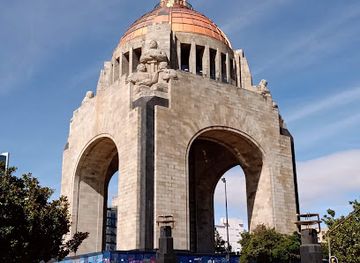
Monument
Monument to the Revolution
Discover the Monument to the Revolution, a historic symbol of resilience and transformation in the heart of Mexico City, offering stunning views and rich cultural experiences.


Explore Eastern Mexico on the map
Plan your trip on one map. See where the top cities, national parks and sights are, and book hotels and experiences in a few clicks.
Best hotels in Eastern Mexico
Best restaurants in Eastern Mexico
Food in Eastern Mexico changes noticeably from one subregion to another. Veracruz is associated with Gulf seafood, rice dishes, sauces influenced by port commerce and strong coffee from the state’s uplands, while Tabasco’s cooking reflects tropical produce, cacao, river fish and ingredients such as plantain and chilli. Yucatán has one of Mexico’s most distinctive culinary traditions, including dishes built around achiote, sour orange, maize, slow-roasted meats and habanero; cochinita pibil, sopa de lima and panuchos are widely encountered, though recipes differ between kitchens. Campeche adds a strong seafood tradition, and Quintana Roo combines Yucatecan influences with Mexican, Caribbean and international cooking. Look for family-run restaurants, market stalls, cafés, seafood kitchens and rural inns, as well as contemporary dining in Mérida, Veracruz, Campeche and resort centres. Fresh juices, cacao drinks, regional beers and Mexican spirits complement the food, but menus and availability vary between urban and remote destinations.
-
Restaurant
Ling Ling by Hakkasan
Discover Ling Ling by Hakkasan: An upscale restaurant offering exquisite Asian cuisine with breathtaking views in Mexico City.
-
Mexican
Diana Restaurant
Experience authentic Mexican cuisine at Diana Restaurant in the heart of Mexico City—where tradition meets modernity in every delicious dish.
-
Mexican
El Cardenal
Experience the best of traditional Mexican cuisine at El Cardenal - a must-visit brunch spot in Mexico City's historic center.
-
Seafood
Contramar
Experience exquisite seafood dishes in a vibrant atmosphere at Contramar, one of Mexico City's top dining destinations.


Best bars in Eastern Mexico
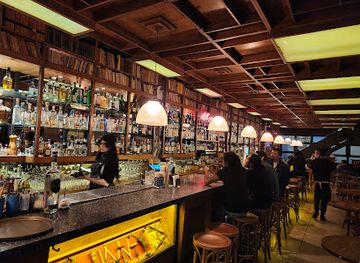
Evening life varies from historic port culture to resort entertainment. Veracruz is known for music, dancing, seafood restaurants and traditional cafés around the central waterfront, while Mérida offers a broad mix of cantinas, cocktail bars, cultural venues, live music and restaurants, particularly around its historic centre. Campeche’s compact old town is suited to relaxed evening walks, bars and dining rather than a large club scene. Villahermosa and Tampico have urban restaurants, pubs and live-music venues, with activity concentrated in central and commercial areas. Cancún, Playa del Carmen and other Caribbean resort centres provide the region’s most extensive late-night options, including clubs, beach venues and international bars, though their atmosphere and pricing differ sharply from local neighbourhood establishments. In smaller towns and rural areas, evenings generally centre on plazas, cafés, family restaurants and traditional cantinas. Check transport arrangements before drinking and use licensed or prearranged rides.
-
Bar
Pinche Bar
Immerse yourself in the vibrant nightlife of Mexico City at Pinche Bar, where excellent drinks and a lively atmosphere await.
-
Bar
Wallace Whisky Bar
Explore Wallace Whisky Bar in La Condesa, where exceptional whiskies and a vibrant atmosphere await in the heart of Mexico City.
-
Night club
Coco Bongo
Discover the vibrant nightlife at Coco Bongo, Cancún's premier entertainment venue with dazzling shows and unforgettable parties.
-
Restaurant
Bar Pata Negra
Discover Bar Pata Negra, where exquisite Mexican cuisine meets vibrant nightlife in the heart of Mexico City's Historic Center.


Best nightclubs in Eastern Mexico
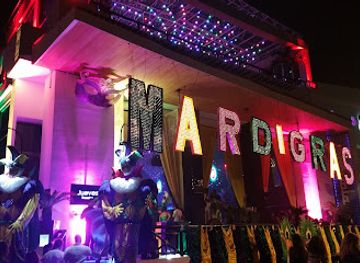
Evening life varies from historic port culture to resort entertainment. Veracruz is known for music, dancing, seafood restaurants and traditional cafés around the central waterfront, while Mérida offers a broad mix of cantinas, cocktail bars, cultural venues, live music and restaurants, particularly around its historic centre. Campeche’s compact old town is suited to relaxed evening walks, bars and dining rather than a large club scene. Villahermosa and Tampico have urban restaurants, pubs and live-music venues, with activity concentrated in central and commercial areas. Cancún, Playa del Carmen and other Caribbean resort centres provide the region’s most extensive late-night options, including clubs, beach venues and international bars, though their atmosphere and pricing differ sharply from local neighbourhood establishments. In smaller towns and rural areas, evenings generally centre on plazas, cafés, family restaurants and traditional cantinas. Check transport arrangements before drinking and use licensed or prearranged rides.
-
Night club
Mandala Puerto Vallarta
Discover the pulse of Puerto Vallarta at Mandala, where the nightlife is as vibrant as the city itself.
-
Bar
Mandala Nightclub
Discover the electrifying nightlife at Mandala Nightclub in Cancún, where vibrant music, stunning decor, and unforgettable experiences await.
-
Night club
Kennedy Social Room
Discover the heartbeat of Mexico City's nightlife at Kennedy Social Room, where unforgettable nights and electrifying beats await.
-
Night club
Cultural Roots
Experience the vibrant nightlife of Mexico City at Cultural Roots, where music, dance, and culture come together in an unforgettable atmosphere.


Best shops in Eastern Mexico
Shopping ranges from historic market districts and independent craft shops to modern malls and resort retail. Mérida is a strong base for Yucatecan textiles, embroidered clothing, hammocks, ceramics, regional food products and contemporary design, while Campeche offers crafts, souvenirs and food products within and around its old city. Villahermosa and Veracruz provide urban markets where visitors can find tropical produce, coffee, cacao, spices, woven goods and everyday Mexican merchandise. Across Maya communities, seek responsibly made textiles, woodwork, pottery and basketry, and ask about materials, provenance and fair payment rather than assuming every item labelled as artisanal is locally produced. Caribbean resort centres have extensive souvenir and luxury shopping, but prices and product authenticity vary. Packaged coffee from Veracruz uplands, cacao or chocolate from Tabasco, Yucatecan spice blends and regional spirits can make practical gifts. Bargaining is more usual in some markets and craft settings than in fixed-price shops, and it should remain courteous.
-
Shopping mall
Plaza Las Americas
Discover the ultimate shopping experience at Plaza Las Americas in Cancún, featuring a variety of global brands and local delights.
-
-
Shopping mall
La Isla Cancún
Discover La Isla Cancún, a vibrant shopping haven offering diverse stores, delicious dining, and stunning views in the heart of Cancun's Hotel Zone.
-
Handicraft fair
Mercado de Artesanías La Ciudadela
Discover the rich tapestry of Mexican culture at Mercado de Artesanías La Ciudadela, a vibrant handicraft market showcasing unique artisanal treasures.


Get your free copy of our complete guide to Eastern Mexico, delivered straight to you.
Everything on this page, from attractions and restaurants to essentials and local phrases, in one PDF you can read offline, print or share.
Already have an account? Sign in
Your Eastern Mexico guide is ready.
We'll send it to · Not you? Sign out

Getting your guide ready…
We are putting together a fresh copy of the Eastern Mexico guide. This can take up to a minute.
This can take a few moments. If your browser asks, choose Allow so the download can start. You'll find the guide in your Downloads folder.
Nothing happened? Download it again
Sorry, the guide is taking longer than usual. Please try again in a minute, or get it by email instead.
Eastern Mexico essentials
Currency and Payment
Safety
Emergency Situations
Do's and Don'ts
Local Tips
From Eve
Local phrases worth knowing
You don't need to get them perfect. A few words go a long way, and locals appreciate the effort.
Basics
| English | Local | Say it |
|---|---|---|
| Hello | Hola | [OH-lah] |
| Goodbye | Adiós | [ah-DYOS] |
| Yes | Sí | [SEE] |
| No | No | [NO] |
| Please/You're welcome | Por favor/De nada | [por fah-VOR/deh NAH-dah] |
| Thank you | Gracias | [GRAH-syahs] |
| Excuse me/Sorry | Disculpe/Lo siento | [dees-KOOL-peh/loh SYEN-toh] |
| How are you? | ¿Cómo estás? | [KOH-moh es-TAHS] |
| Fine. And you? | Bien. ¿Y tú? | [BYEN. ee TOO] |
| Do you speak English? | ¿Hablas inglés? | [AH-blas een-GLES] |
| I don't understand | No entiendo | [NO en-TYEN-doh] |
Eating & Drinking
| English | Local | Say it |
|---|---|---|
| I'd like to see the menu, please | Me gustaría ver el menú, por favor | [meh goos-tah-REE-ah BEHR el meh-NOO, por fah-VOR] |
| I don't eat meat | No como carne | [NO KOH-mo KAR-neh] |
| Cheers! | ¡Salud! | [sah-LOOD] |
| I would like to pay, please | Me gustaría pagar, por favor | [meh goos-tah-REE-ah pah-GAR, por fah-VOR] |
Emergencies
| English | Local | Say it |
|---|---|---|
| Help! | ¡Ayuda! | [ah-YOO-dah] |
| Go away! | ¡Vete! | [BEH-teh] |
| Call the Police! | ¡Llama a la policía! | [YAH-mah ah lah poh-lee-SEE-ah] |
| Call a doctor! | ¡Llama a un doctor! | [YAH-mah ah oon dok-TOR] |
| I'm lost | Estoy perdido | [es-TOY pehr-DEE-doh] |
| I'm ill | Estoy enfermo/a | [es-TOY en-FER-mo/a] |
Shopping
| English | Local | Say it |
|---|---|---|
| I'd like to buy... | Me gustaría comprar... | [meh goos-tah-REE-ah kom-PRAHR] |
| I'm just looking | Solo estoy mirando | [SO-lo es-TOY mee-RAN-do] |
| How much is it? | ¿Cuánto cuesta? | [KWAN-toh KWEH-stah] |
| That's too expensive | Eso es muy caro | [EH-so es mwee KAH-roh] |
| Can you lower the price? | ¿Puedes bajar el precio? | [PWEH-des bah-HAR el PREH-syo] |
Time & Numbers
| English | Local | Say it |
|---|---|---|
| What time is it? | ¿Qué hora es? | [KEH OH-rah es] |
| It's one o'clock | Es la una | [es lah OO-nah] |
| Half past (10) | Diez y media | [DYEZ ee MEH-dyah] |
| Morning | Mañana | [mah-NYAH-nah] |
| Afternoon | Tarde | [TAR-deh] |
| Evening | Noche | [NOH-cheh] |
| Yesterday | Ayer | [ah-YER] |
| Today | Hoy | [OY] |
| Tomorrow | Mañana | [mah-NYAH-nah] |
| 1 | Uno | [OO-no] |
| 2 | Dos | [DOS] |
| 3 | Tres | [TRES] |
| 4 | Cuatro | [KWAH-tro] |
| 5 | Cinco | [SEEN-koh] |
| 6 | Seis | [SAYS] |
| 7 | Siete | [SYEH-teh] |
| 8 | Ocho | [OH-choh] |
| 9 | Nueve | [NWEH-beh] |
| 10 | Diez | [DYEZ] |
Transport & Directions
| English | Local | Say it |
|---|---|---|
| Where's a/the...? | ¿Dónde hay un/una...? | [DON-deh ai oon/OO-nah] |
| What's the address? | ¿Cuál es la dirección? | [KWAL es lah dee-rek-SYON] |
| Can you show me (on the map)? | ¿Puedes mostrarme (en el mapa)? | [PWEH-des mos-TRAR-meh (en el MAH-pah)] |
| When's the next (bus)? | ¿Cuándo es el próximo (autobús)? | [KWAN-doh es el PROK-si-mo (ow-toh-BOOS)] |
| A ticket (to ....) | Un boleto (a ....) | [OON boh-LEH-toh (ah ....)] |
History of Eastern Mexico
Olmec Centres on the Gulf Lowlands
The humid Gulf lowlands of southern Veracruz and western Tabasco were central to Olmec civilisation, which flourished broadly from around 1500 to 400 BCE. Sites such as San Lorenzo and Tres Zapotes belong to a period known for monumental earthen platforms, carved stone monuments and complex ceremonial organisation. The Olmec world was not a single unified empire, but its artistic conventions and religious ideas influenced later Mesoamerican societies. The colossal heads and other sculptures associated with the region remain among the most recognisable archaeological legacies of ancient Mexico.
Maya Cities of the Peninsula
The Yucatán Peninsula developed into one of the principal centres of Maya civilisation, with urban societies connected by trade, political alliances and conflict. Cities including Calakmul, Uxmal, Chichén Itzá, Edzná and Cobá flourished at different periods and reveal varied architectural traditions. Their plazas, temples, reservoirs, ball courts and carved monuments reflect sophisticated knowledge of astronomy, writing, engineering and agriculture. The absence of large surface rivers in much of the peninsula made cenotes and other water systems especially important to settlement and ritual life.
The Spanish Conquest and Colonial Gulf Ports
The Gulf coast became a principal route for Spanish expansion after the early sixteenth century. Veracruz, founded in the area of the modern port city, served as a key entry point for people, goods and imperial administration. Spanish authority was established unevenly, and Maya communities in the peninsula resisted conquest for generations. Colonial towns, churches, estates and port installations transformed the region’s political and religious landscape, while Indigenous, African and European populations created cultural traditions that remain visible in language, food, music and architecture.
Piracy, Fortifications and Maritime Trade
The Gulf and Caribbean ports were tied to the circulation of silver, tropical products, textiles, enslaved people and manufactured goods across the Spanish empire. Their wealth also attracted piracy and rival imperial activity. Campeche developed substantial defensive walls and bastions, while Veracruz was protected by San Juan de Ulúa, an offshore fortress that controlled access to the harbour. These structures were not merely scenic monuments: they reflect the strategic importance and insecurity of maritime trade in the colonial period.
Independence and Nineteenth-Century Transformation
The wars of independence disrupted colonial administration and gradually created the Mexican republic, but the eastern regions continued to be shaped by ports, agriculture and international commerce. Veracruz remained a major maritime gateway, while the peninsula’s henequen economy brought wealth to parts of Yucatán during the nineteenth and early twentieth centuries. Railways and improved port connections altered the movement of people and commodities. In Tabasco and Veracruz, tropical agriculture, cattle-rearing and later petroleum development also influenced settlement and regional economies.
Oil, Industry and Modern Tourism
Petroleum became an especially important force in the Gulf lowlands during the twentieth century, with production and related industries transforming parts of Veracruz and Tabasco. Port infrastructure, refineries and urban expansion brought employment but also environmental pressures. At the same time, Cancún’s development from the 1970s onwards turned the Caribbean coast of Quintana Roo into an international tourism centre, followed by growth around the Riviera Maya. The region now combines major urban ports, industrial zones, agricultural communities, protected ecosystems and archaeological tourism.
Eastern Mexico in Photos
Browse through our photo collection highlighting the charm and character of the destination.
Neighbouring regions of Eastern Mexico
The closest regions to Eastern Mexico, if you have time for more than one.
-

-

-

-

-


Swipe for more regions
Explore more

Explore more of Mexico
Discover Mexico: A land of ancient ruins, vibrant culture, and stunning natural landscapes. Experience diverse cuisine, rich traditions, and warm hospitality.
Explore Mexico