

Free Eastern Caroline Islands Travel Guide & Mobile App
Explore Eastern Caroline Islands with free travel guides. Discover regional history, expert tips, proposed trips, and audio guides on web or mobile app.


Discover the Eastern Caroline Islands in Micronesia, a pristine paradise of lush rainforests, ancient ruins, and vibrant marine life perfect for explorers and nature lovers.
Read more about Eastern Caroline Islands
When is the best time to visit Eastern Caroline Islands?
Best: December–February · 29–30°C| Month | High (°C) | Rainfall (mm) |
|---|---|---|
| January (best) | 29 | 250 |
| February (best) | 30 | 200 |
| March | 30 | 250 |
| April | 31 | 300 |
| May | 31 | 350 |
| June | 30 | 400 |
| July | 30 | 400 |
| August | 30 | 400 |
| September | 30 | 350 |
| October | 30 | 300 |
| November | 30 | 300 |
| December (best) | 30 | 250 |
Getting to and around Eastern Caroline Islands
How to get there
Transportation
Best landmarks in Eastern Caroline Islands
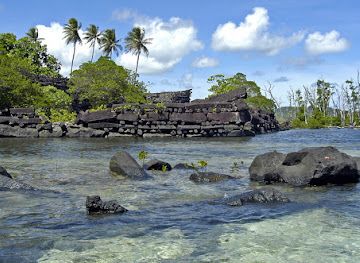
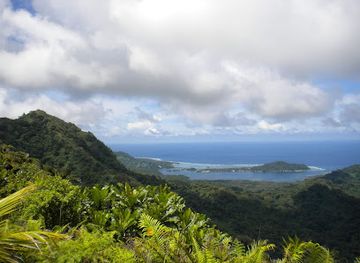
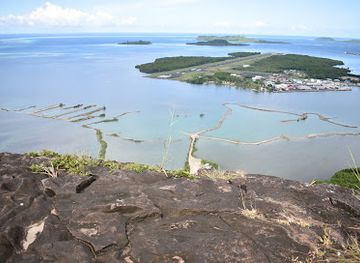
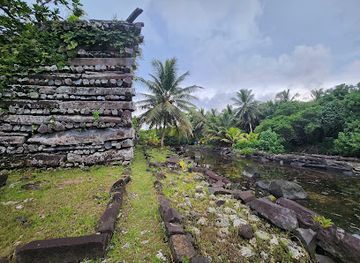
The Eastern Caroline Islands in Micronesia beckon travelers with a captivating blend of natural and historical marvels. Explore the ancient stone city of Nan Madol on Pohnpei, often dubbed the Venice of the Pacific, where basalt ruins rise from artificial islets in a mystical lagoon. Dive into the pristine waters of Chuuk Lagoon, an underwater museum teeming with World War II shipwrecks now encrusted with coral and marine life. Wander through the lush landscapes of Kosrae, where the Menke Ruins whisper tales of bygone civilizations amidst dense tropical forests. For a touch of natural wonder, visit the awe-inspiring Sokehs Rock, a towering volcanic plug offering panoramic views of the island's verdant canopy and azure seas. The Eastern Caroline Islands offer a rich tapestry of history, culture, and natural beauty that promises an unforgettable adventure for every traveler.
-
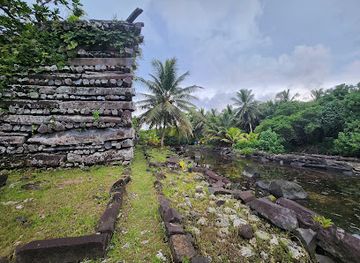
Historical landmark
Nan Madol
Explore the ancient wonders of Nan Madol, a UNESCO World Heritage Site with captivating ruins and rich cultural history in the heart of Pohnpei, Micronesia.
-
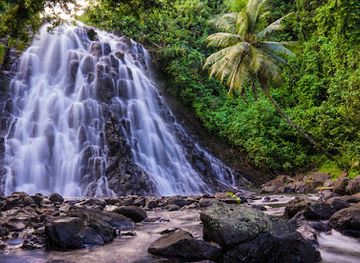
Tourist attraction
Kepirohi Waterfall
Experience the breathtaking Kepirohi Waterfall in Pohnpei, a top spot for swimming, hiking, and enjoying the tranquil beauty of nature.
-
Historical place
Lelu Ruins Historic Park
Discover the ancient wonders of Lelu Ruins Historic Park, a captivating historical site in the heart of Kosrae, offering rich cultural insights and stunning scenery.
-
Scenic spot
Sokehs Rock
Discover the breathtaking views and natural beauty of Sokehs Rock, a scenic gem in Pohnpei, perfect for adventure seekers and nature lovers.

Explore Eastern Caroline Islands on the map
Plan your trip on one map. See where the top cities, national parks and sights are, and book hotels and experiences in a few clicks.
Best hotels in Eastern Caroline Islands
Best restaurants in Eastern Caroline Islands
The Eastern Caroline Islands in Micronesia offer a vibrant and eclectic dining scene that is sure to tantalize the taste buds of any visitor. Expect to find an array of eateries serving traditional Micronesian fare, where you can savor dishes made from freshly caught seafood, tropical fruits, and locally grown vegetables. Indulge in the unique flavors of coconut crab, taro, and breadfruit, often cooked with a blend of herbs and spices that reflect the rich cultural heritage of the islands. For those seeking variety, there are also restaurants that fuse local ingredients with international culinary styles, creating dishes that are both familiar and exotic. Whether dining in a quaint beachside shack or a more upscale establishment, the hospitality and warmth of the locals enhance the dining experience, making every meal memorable.
-
 Hotel
HotelJoy Hotel & Restaurant
Discover authentic Japanese cuisine at Joy Hotel & Restaurant in Kolonia – a delightful blend of taste and hospitality awaits.
-
Hotel
Cliff Hotel & Restaurant
Experience breathtaking views and culinary delights at Cliff Hotel & Restaurant in picturesque Pohnpei.
-
Indoor lodging
Kosrae Nautilus Resort
Discover paradise at Kosrae Nautilus Resort - your gateway to adventure and relaxation in Micronesia's stunning natural landscape.
-
Hotel
Oceania Hotel Restaurant Bar
Experience exquisite dining at Oceania Hotel Restaurant Bar in Yap - where local flavors meet international cuisine in a serene setting.
Best bars in Eastern Caroline Islands
The nightlife scene in the Eastern Caroline Islands is a delightful fusion of traditional Micronesian charm and modern entertainment. Visitors can immerse themselves in the local culture at lively beachfront bars where traditional music and dance performances add a unique flavor to the evening. For a more contemporary experience, upscale lounges and nightclubs offer a vibrant atmosphere with a mix of local and international music, exotic cocktails, and friendly locals eager to share stories of their enchanting archipelago. Whether you're looking to dance the night away under the stars, enjoy a laid-back drink by the ocean, or engage in spirited conversations with fellow travelers and islanders, the Eastern Caroline Islands promise an unforgettable nocturnal adventure.
-
Resort hotel
Palau Royal Resort
Experience luxury and adventure at Palau Royal Resort, your gateway to the breathtaking beauty of Palau's ocean and landscapes.
-
Hotel
Palau Pacific Resort
Discover the serene beauty and luxurious comfort of Palau Pacific Resort, your gateway to tropical adventures in stunning Palau.
-
Historical landmark
Nan Madol
Discover the ancient wonder of Nan Madol, a UNESCO World Heritage site in Pohnpei, rich in history and stunning architecture.
-
Resort hotel
Manta Ray Bay Resort & Yap Divers
Experience the ultimate tropical getaway at Manta Ray Bay Resort & Yap Divers, where adventure meets relaxation in the heart of Yap, Micronesia.

Best nightclubs in Eastern Caroline Islands
The nightlife scene in the Eastern Caroline Islands is a delightful fusion of traditional Micronesian charm and modern entertainment. Visitors can immerse themselves in the local culture at lively beachfront bars where traditional music and dance performances add a unique flavor to the evening. For a more contemporary experience, upscale lounges and nightclubs offer a vibrant atmosphere with a mix of local and international music, exotic cocktails, and friendly locals eager to share stories of their enchanting archipelago. Whether you're looking to dance the night away under the stars, enjoy a laid-back drink by the ocean, or engage in spirited conversations with fellow travelers and islanders, the Eastern Caroline Islands promise an unforgettable nocturnal adventure.
-
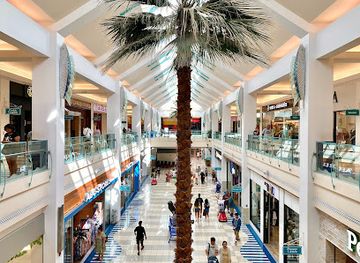
Shopping mall
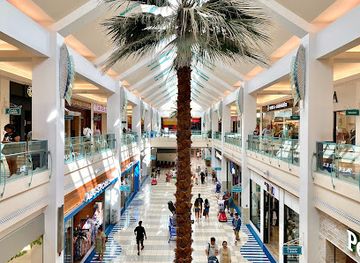
Micronesia Mall
Explore Micronesia Mall, Guam's premier shopping destination with diverse stores, delightful cuisine, and cultural experiences awaiting every tourist.
-
Bar
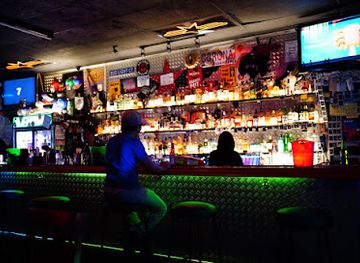
Livehouse
Experience the vibrant nightlife of Guam at Livehouse, where live music and delicious cocktails come together for an unforgettable evening.
-
Diving center
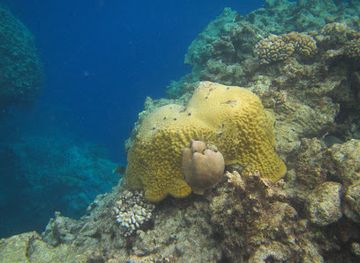
Pohnpei Surf and Dive Club
Explore the vibrant marine life of Pohnpei at Pohnpei Surf and Dive Club, your ultimate diving destination in paradise.
-
Atoll
Ulithi
Explore the breathtaking beauty of Ulithi Atoll, a serene paradise rich in culture, marine life, and stunning natural landscapes.

Best shops in Eastern Caroline Islands
In the Eastern Caroline Islands, the shopping scene is a vibrant tapestry of local culture and craftsmanship that enchants every visitor. Explore bustling markets brimming with handwoven textiles, intricately carved wooden sculptures, and exquisite shell jewelry, each piece telling a story of the islands' rich heritage. Wander through small, colorful shops where friendly artisans offer unique handicrafts and traditional wares, from pandanus mats to beautifully crafted canoes. Don't miss the chance to sample local produce and spices, adding a sensory delight to your shopping adventure. The fusion of traditional and contemporary items makes shopping here a delightful journey into the heart of Micronesian culture.
-
Shopping mall
Micronesia Mall
Explore Micronesia Mall, Guam's shopping haven, where local charm meets global brands in a vibrant atmosphere of dining and entertainment.
-
Historical landmark
Nan Madol
Explore the ancient city of Nan Madol, a UNESCO World Heritage Site, where history and natural beauty intertwine in a breathtaking landscape.
-
Restaurant
Truk Stop Hotel & Restaurant
Discover authentic Chuukese flavors at Truk Stop Hotel & Restaurant, a must-visit culinary destination in Weno, Chuuk.
-
Tourist attraction
Kepirohi Waterfall
Discover the enchanting beauty of Kepirohi Waterfall, a must-visit natural attraction in Pohnpei ideal for hiking, swimming, and relaxation.
Get your free copy of our complete guide to Eastern Caroline Islands, delivered straight to you.
Everything on this page, from attractions and restaurants to essentials and local phrases, in one PDF you can read offline, print or share.
Already have an account? Sign in
Your Eastern Caroline Islands guide is ready.
We'll send it to · Not you? Sign out

Getting your guide ready…
We are putting together a fresh copy of the Eastern Caroline Islands guide. This can take up to a minute.
This can take a few moments. If your browser asks, choose Allow so the download can start. You'll find the guide in your Downloads folder.
Nothing happened? Download it again
Sorry, the guide is taking longer than usual. Please try again in a minute, or get it by email instead.
Eastern Caroline Islands essentials
Currency and Payment
Safety
Emergency Situations
Do's and Don'ts
Local Tips
From Eve
Local phrases worth knowing
You don't need to get them perfect. A few words go a long way, and locals appreciate the effort.
Basics
| English | Local | Say it |
|---|---|---|
| Hello | Mwaramwar | [mwah-rahm-wahr] |
| Goodbye | Mwaramwar | [mwah-rahm-wahr] |
| Yes | Iye | [ee-yeh] |
| No | Awe | [ah-weh] |
| Please/You're welcome | Mwaramwar | [mwah-rahm-wahr] |
| Thank you | Kaselehlie | [kah-seh-leh-lee-eh] |
| Excuse me/Sorry | Emech | [eh-mehch] |
| How are you? | Iko et ai? | [ee-koh et ah-ee] |
| Fine. And you? | Echei. Eni iko? | [eh-chey. eh-nee ee-koh] |
| Do you speak English? | Iko ra ko ainglish? | [ee-koh rah koh ah-eeng-lish] |
| I don't understand | Iko ean ai | [ee-koh eh-ahn ah-ee] |
Eating & Drinking
| English | Local | Say it |
|---|---|---|
| I'd like to see the menu, please | Eo ean menui, mwaramwar | [eh-oh eh-ahn meh-noo-ee, mwah-rahm-wahr] |
| I don't eat meat | Iko ean meat | [ee-koh eh-ahn meet] |
| Cheers! | Choko! | [choh-koh] |
| I would like to pay, please | Eo ean peya, mwaramwar | [eh-oh eh-ahn peh-yah, mwah-rahm-wahr] |
Emergencies
| English | Local | Say it |
|---|---|---|
| Help! | Emech! | [eh-mehch] |
| Go away! | Eo ean mwara! | [eh-oh eh-ahn mwah-rah] |
| Call the Police! | Eo ean call Police! | [eh-oh eh-ahn kahl poh-lees] |
| Call a doctor! | Eo ean call doctor! | [eh-oh eh-ahn kahl dok-tor] |
| I'm lost | Eo ean lost | [eh-oh eh-ahn lost] |
| I'm ill | Eo ean ill | [eh-oh eh-ahn ill] |
Shopping
| English | Local | Say it |
|---|---|---|
| I'd like to buy... | Eo ean bui... | [eh-oh eh-ahn boo-ee] |
| I'm just looking | Eo ean just look | [eh-oh eh-ahn juhst luk] |
| How much is it? | Iko ean chel? | [ee-koh eh-ahn chel] |
| That's too expensive | Iko ean chel ta na | [ee-koh eh-ahn chel tah nah] |
| Can you lower the price? | Iko ean lower chao? | [ee-koh eh-ahn loh-wahr chow] |
Time & Numbers
| English | Local | Say it |
|---|---|---|
| What time is it? | Iko ean chel? | [ee-koh eh-ahn chel] |
| It's one o'clock | Iko ean chel mwarah | [ee-koh eh-ahn chel mwah-rah] |
| Half past (10) | Half past (10) | [half past (10)] |
| Morning | Mwar | [mwahr] |
| Afternoon | Apo | [ah-poh] |
| Evening | Mwarap | [mwah-rap] |
| Yesterday | Kete | [keh-teh] |
| Today | Neng | [nehng] |
| Tomorrow | Nengite | [nehng-ee-teh] |
| 1 | Tet | [teht] |
| 2 | Roa | [roh-ah] |
| 3 | Tolu | [toh-loo] |
| 4 | Fa | [fah] |
| 5 | Lima | [lee-mah] |
| 6 | Ono | [oh-noh] |
| 7 | Fitu | [fee-too] |
| 8 | Walu | [wah-loo] |
| 9 | Siyam | [see-yahm] |
| 10 | Sampu | [sahm-poo] |
Transport & Directions
| English | Local | Say it |
|---|---|---|
| Where's a/the...? | Iko ean a/the...? | [ee-koh eh-ahn ah/the] |
| What's the address? | Iko ean chao? | [ee-koh eh-ahn chow] |
| Can you show me (on the map)? | Iko ean show me (on the map)? | [ee-koh eh-ahn show me (on the map)] |
| When's the next (bus)? | Iko ean next (bus)? | [ee-koh eh-ahn next (bus)] |
| A ticket (to ....) | Eo ean ticket (to ....) | [eh-oh eh-ahn tik-et (to ....)] |
History of Eastern Caroline Islands
Ancient Settlements
The Eastern Caroline Islands have been inhabited for thousands of years. The earliest settlers are believed to have arrived around 2000 BCE, migrating from Southeast Asia and Polynesia. These early communities developed unique cultures and traditions, leaving behind artifacts such as pottery, tools, and megalithic structures that hint at their sophisticated societies.
The Saudeleur Dynasty
The Saudeleur Dynasty, which ruled from around 1100 to 1628 CE, was a significant period in the history of Pohnpei, one of the key islands in the Eastern Caroline group. The Saudeleur rulers are credited with the construction of Nan Madol, a complex of artificial islets and canals that served as the ceremonial and political center. This dynasty left an indelible mark on the cultural and architectural landscape of the region.
European Contact
The first recorded European contact with the Eastern Caroline Islands occurred in 1526 when Portuguese navigator Diego da Rocha sighted the islands. However, it wasn't until the 19th century that sustained European interest and influence began to shape the islands' history. Whalers, traders, and missionaries from Spain, Germany, and other countries began to frequent the islands, leading to significant cultural exchanges and transformations.
Spanish Colonization
In 1886, Spain formally claimed the Caroline Islands, including the Eastern Caroline group, as part of its colonial empire. The Spanish established administrative centers and attempted to impose their rule and culture. However, their control was relatively short-lived, as Spain sold the islands to Germany following the Spanish-American War in 1899.
German Administration
Under German administration from 1899 to 1914, the Eastern Caroline Islands saw the introduction of new infrastructure, including roads and schools. The Germans also promoted copra (dried coconut) production as an economic activity. Despite their efforts to modernize the islands, German rule was interrupted by the outbreak of World War I.
Japanese Occupation
Following World War I, the League of Nations mandated the Eastern Caroline Islands to Japan in 1919. The Japanese administration focused on economic development, particularly through the establishment of sugarcane plantations and fishing industries. The islands became strategically important during World War II, leading to significant military installations and fortifications being built by the Japanese.
World War II and Aftermath
The Eastern Caroline Islands were heavily affected by World War II. The islands were the site of several key battles between Japanese and Allied forces, resulting in substantial damage and loss of life. After Japan's defeat, the islands came under the administration of the United States as part of the Trust Territory of the Pacific Islands in 1947.
Path to Independence
The post-war period saw significant political changes, as the islands gradually moved towards self-governance. In 1979, the Federated States of Micronesia was established, and by 1986, the Compact of Free Association with the United States was signed, granting the islands full sovereignty while maintaining close ties with the US. The Eastern Caroline Islands, as part of this federation, embarked on a path of economic development and cultural preservation.
Modern Day Cultural Heritage
Today, the Eastern Caroline Islands are known for their rich cultural heritage and vibrant traditions. The islands host numerous festivals, traditional dances, and ceremonies that reflect their ancient heritage. The preservation of local languages, crafts, and customs remains a vital part of life in the Eastern Caroline Islands, attracting visitors from around the world who seek to experience their unique cultural landscape.
Eastern Caroline Islands in Photos
Browse through our photo collection highlighting the charm and character of the destination.
Neighbouring regions of Eastern Caroline Islands
The closest regions to Eastern Caroline Islands, if you have time for more than one.
-
 Ant Atoll
Discover Ant Atoll, a UNESCO Biosphere Reserve in Micronesia, where pristine beaches, vibrant coral reefs, and tranquil lagoons create a breathtaking escape.
Ant Atoll
Discover Ant Atoll, a UNESCO Biosphere Reserve in Micronesia, where pristine beaches, vibrant coral reefs, and tranquil lagoons create a breathtaking escape.
-
 Pohnpei Island
Explore Pohnpei Island, Micronesia's lush paradise with ancient ruins, stunning waterfalls, and thriving culture.
Pohnpei Island
Explore Pohnpei Island, Micronesia's lush paradise with ancient ruins, stunning waterfalls, and thriving culture.
-
 Outer Islands of Pohnpei
Discover the untouched beauty and rich culture of the Outer Islands of Pohnpei in Micronesia, a hidden paradise perfect for adventure and relaxation.
Outer Islands of Pohnpei
Discover the untouched beauty and rich culture of the Outer Islands of Pohnpei in Micronesia, a hidden paradise perfect for adventure and relaxation.
-
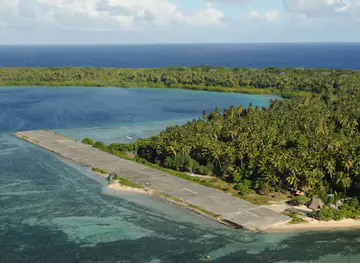 Mokil Atoll
Discover the untouched beauty of Mokil Atoll in Micronesia, where crystal-clear waters, pristine beaches, and vibrant coral reefs await your exploration.
Mokil Atoll
Discover the untouched beauty of Mokil Atoll in Micronesia, where crystal-clear waters, pristine beaches, and vibrant coral reefs await your exploration.
-
 Pingelap Atoll
Discover Pingelap Atoll - A serene and culturally rich island in Micronesia, known for its pristine beaches, vibrant coral reefs, and unique local culture.
Pingelap Atoll
Discover Pingelap Atoll - A serene and culturally rich island in Micronesia, known for its pristine beaches, vibrant coral reefs, and unique local culture.
Swipe for more regions

