

Free Outer Islands of Pohnpei Travel Guide & Mobile App
Explore Outer Islands of Pohnpei with free travel guides. Discover regional history, expert tips, proposed trips, and audio guides on web or mobile app.


Explore Pohnpei's remote outer atolls and Polynesian outliers through lagoons, reef culture, traditional seafaring and community-based island travel.
Read more about Outer Islands of Pohnpei
When is the best time to visit Outer Islands of Pohnpei?
Best: April–June · 30°C| Month | High (°C) | Rainfall (mm) |
|---|---|---|
| January | 29 | 350 |
| February | 29 | 300 |
| March | 30 | 275 |
| April (best) | 30 | 240 |
| May (best) | 30 | 250 |
| June (best) | 30 | 260 |
| July | 30 | 270 |
| August | 30 | 280 |
| September | 30 | 300 |
| October | 30 | 320 |
| November | 30 | 340 |
| December | 29 | 360 |
Getting to and around Outer Islands of Pohnpei
How to get there
Transportation
Best attractions in Outer Islands of Pohnpei
The principal attractions of the Outer Islands of Pohnpei are environmental and cultural rather than purpose-built. Coral atolls such as Mokil, Sapwuafik and Ngatik offer lagoons, reef flats, coconut groves and shallow-water landscapes that can be explored with local guidance when conditions permit. Nukuoro and Kapingamarangi provide an opportunity to encounter Polynesian outlier communities, their distinctive languages, canoe traditions, churches, meeting places and lagoon-oriented ways of life. Fishing, swimming, snorkelling, canoe journeys and reef observation are possible in suitable weather, but equipment and safety support are limited. Village walks reveal breadfruit, pandanus, taro cultivation, household gardens and the practical organisation of narrow island settlements. The most meaningful experiences often come through community-hosted visits, conversations, local food and explanations of customary land and sea use. There are few conventional museums, ticketed attractions or developed visitor facilities, and natural areas should be treated as living environments rather than recreational commodities. Visitors interested in ecology can observe the contrast between lagoon, reef and open ocean, while those interested in culture can learn about navigation, religious life, kinship and island resilience. Always arrange access and activities locally, particularly where reefs, cemeteries, sacred places or privately managed land are concerned.
-
Park
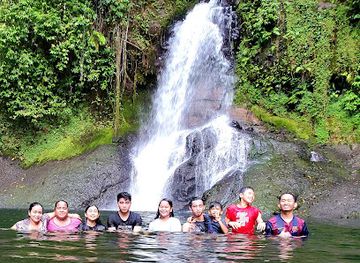
Pahn Sile Waterfall
Explore the enchanting Pahn Sile Waterfall in Madolenihmw, Pohnpei, a paradise for nature lovers with hiking trails and swimming opportunities.
Best landmarks in Outer Islands of Pohnpei
The defining landmarks of the Outer Islands are low coral atolls, enclosed lagoons and the narrow inhabited strips where villages, churches, canoe houses and family compounds are concentrated. The island groups themselves are more significant than individual monumental structures: Mokil, Sapwuafik and Ngatik represent the classic physical form of remote atoll settlement, while Nukuoro and Kapingamarangi are particularly important cultural landmarks as Polynesian outliers within the wider Micronesian region. Lagoon passages, reef edges and canoe landing places remain practical features as well as visual points of reference. Churches often stand among the most prominent buildings in a village, reflecting the importance of Christian communities since the nineteenth century, but they are active religious spaces rather than tourist monuments. Traditional and modern houses, meeting places, breadfruit groves, taro areas and canoe facilities together express how people have adapted to very limited land and freshwater. Because many places are privately held, customary or spiritually significant, visitors should not enter, climb, photograph or collect objects without permission. The ocean setting, rather than monumental architecture, provides the region's most recognisable sense of place.
-
Historical landmark
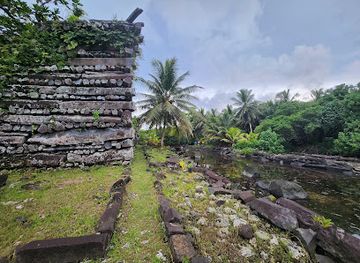
Nan Madol
Explore the ancient wonders of Nan Madol, a UNESCO World Heritage site in Pohnpei, where history and mystery intertwine amidst stunning stone ruins.
-
 Hotel
HotelJoy Hotel & Restaurant
Experience authentic Japanese cuisine and warm hospitality at Joy Hotel & Restaurant, a must-visit destination in Kolonia, Pohnpei.
-
Hotel
Cliff Hotel & Restaurant
Experience the beauty and flavors of Pohnpei at Cliff Hotel & Restaurant, where stunning ocean views meet exquisite local cuisine.
-
Indoor lodging
Kosrae Nautilus Resort
Experience the beauty and serenity of Kosrae Nautilus Resort, a perfect retreat for relaxation and adventure amidst stunning tropical landscapes.
Explore Outer Islands of Pohnpei on the map
Plan your trip on one map. See where the top cities, national parks and sights are, and book hotels and experiences in a few clicks.
Best hotels in Outer Islands of Pohnpei
Best restaurants in Outer Islands of Pohnpei
Dining in the Outer Islands is generally home-based, community-based or linked to a local host rather than organised around restaurants. Meals may include reef fish, tuna or other seafood, coconut, breadfruit, taro, pandanus fruit, bananas and locally grown vegetables, with imported rice, tinned food and noodles also common. Preparation varies between islands and households, and visitors should not assume that a particular dish is served daily or that supplies will be available between vessel arrivals. Nukuoro and Kapingamarangi have culinary traditions shaped by their Polynesian heritage, while the atoll communities share broader western Micronesian ingredients and cooking practices. Pohnpei Island is the place to buy provisions before an outer-island journey, including food for dietary requirements, snacks and drinking water. Markets and shops there offer a much broader choice than remote communities. If staying with a family or community host, clarify meal arrangements, allergies and payment in advance, and accept that hospitality may be informal. Alcohol should never be brought into a community without checking local expectations.
-
Hotel
Joy Hotel & Restaurant
Discover comfort and exquisite Japanese dining at Joy Hotel & Restaurant in Kolonia, Pohnpei - your gateway to culinary delight!
-
Hotel
Cliff Hotel & Restaurant
Discover comfort and breathtaking views at Cliff Hotel & Restaurant in Pohnpei – your perfect getaway destination.
-
Hotel
Mangrove Bay Hotel
Discover serenity at Mangrove Bay Hotel in Kolonia, Pohnpei—your perfect getaway for relaxation and exploration amidst stunning tropical beauty.
-
Hotel
Chinastar Hotel & Restaurant
Experience the perfect blend of comfort and authentic Chinese cuisine at Chinastar Hotel & Restaurant in beautiful Kolonia, Pohnpei.
Best bars in Outer Islands of Pohnpei
The Outer Islands do not have a conventional bar or nightclub scene. Evening social life is more likely to centre on family compounds, church communities, community gatherings, conversation, music and the quiet routines of village life. In some places, visitors may be invited to share food or attend an event, but such invitations should not be treated as commercial entertainment and local guidance should always be followed. There may be little or no reliable supply of alcoholic drinks, and drinking in public or behaving noisily can be inappropriate, particularly near churches and residential areas. Night-time activities are principally stargazing, listening to the lagoon, walking only where hosts consider it safe and spending time with a host family. Pohnpei Island, outside this region, provides the state's more developed choice of restaurants, pubs and evening venues. Travellers should not expect those facilities to continue after embarking for the atolls.
-
Restaurant
Joy Hotel & Restaurant
Experience the best of Japanese cuisine at Joy Hotel & Restaurant, where local flavors meet warm hospitality in Kolonia, Pohnpei.
-
Restaurant
Cliff Hotel & Restaurant
Discover the perfect blend of breathtaking ocean views and exquisite cuisine at Cliff Hotel & Restaurant in Pohnpei.
-
Bar
Chinastar Hotel & Restaurant
Discover the authentic taste of Chinese cuisine and cozy accommodations at Chinastar Hotel & Restaurant in beautiful Kolonia, Pohnpei.
-
Bar
7 Stars Inn & Riverside Restaurant
Discover the charm of Pohnpei at 7 Stars Inn & Riverside Restaurant, where comfort meets exquisite local dining amid breathtaking river views.
Best nightclubs in Outer Islands of Pohnpei
The Outer Islands do not have a conventional bar or nightclub scene. Evening social life is more likely to centre on family compounds, church communities, community gatherings, conversation, music and the quiet routines of village life. In some places, visitors may be invited to share food or attend an event, but such invitations should not be treated as commercial entertainment and local guidance should always be followed. There may be little or no reliable supply of alcoholic drinks, and drinking in public or behaving noisily can be inappropriate, particularly near churches and residential areas. Night-time activities are principally stargazing, listening to the lagoon, walking only where hosts consider it safe and spending time with a host family. Pohnpei Island, outside this region, provides the state's more developed choice of restaurants, pubs and evening venues. Travellers should not expect those facilities to continue after embarking for the atolls.
-
Diving center
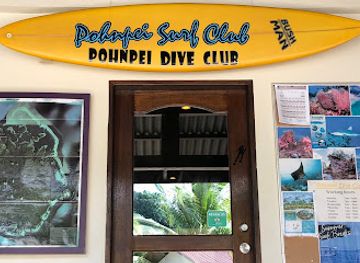
Pohnpei Surf and Dive Club
Explore the underwater paradise of Pohnpei at the Surf and Dive Club, where adventure and natural beauty collide.
-
Bar
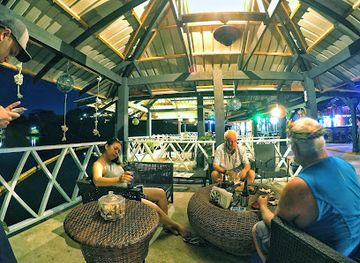
Mangrove Bay Bar
Unwind at Mangrove Bay Bar, a tropical oasis in Kolonia, Pohnpei, where refreshing drinks and vibrant nightlife await.
-
Night club
Club Flamingo
Experience the vibrant nightlife of Kolonia at Club Flamingo, where music, dance, and fun come together in the heart of Pohnpei.
-
Hotel
PCR / Nantehlik Restaurant / Mummy's Club
Discover the culinary delights and vibrant nightlife at PCR / Nantehlik Restaurant / Mummy's Club in Kolonia, Pohnpei – a must-visit destination for travelers.

Best shops in Outer Islands of Pohnpei
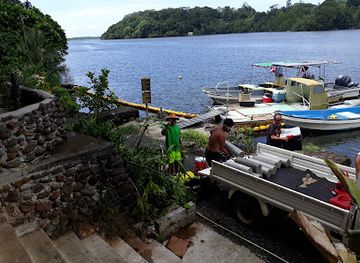
Shopping opportunities in the Outer Islands are extremely limited and should not be relied upon for specialist supplies. Small community stores may carry basic food, drinks, toiletries or household goods when stock has arrived, but selection and opening arrangements can vary with shipping. Buy essential provisions, medicines, batteries, waterproof bags and suitable snacks on Pohnpei Island before travelling. Locally made items may include woven articles, shell or fibre work, carved objects and occasionally canoe-related crafts, although availability is seasonal and depends on individual makers rather than a permanent retail market. Ask before buying or photographing cultural objects, and never remove coral, shells, archaeological material or items connected with ceremonies. The most appropriate purchases are usually directly from makers or through a host who can explain the object and agree a fair price. Pohnpei Island, outside the region, offers broader access to groceries, practical equipment, handicrafts and souvenirs, but commercial shopping should not be the main purpose of an outer-island visit.
-
Historical landmark
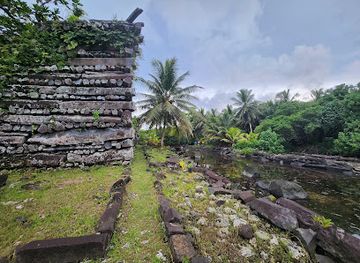
Nan Madol
Explore Nan Madol, the ancient 'Venice of the Pacific,' and uncover the secrets of Pohnpei's magnificent historical landmark.
-
Hotel
Joy Hotel & Restaurant
Discover the best of Japanese cuisine and hospitality at Joy Hotel & Restaurant in Kolonia, Pohnpei.
-
Hotel
Cliff Hotel & Restaurant
Discover the perfect blend of comfort and local cuisine at Cliff Hotel & Restaurant in Kolonia, Pohnpei, with stunning vistas and warm hospitality.
-
Tourist attraction
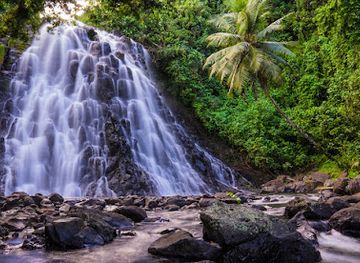
Kepirohi Waterfall
Explore the enchanting Kepirohi Waterfall in Pohnpei, a perfect blend of nature's beauty and adventure for every traveler.
Get your free copy of our complete guide to Outer Islands of Pohnpei, delivered straight to you.
Everything on this page, from attractions and restaurants to essentials and local phrases, in one PDF you can read offline, print or share.
Already have an account? Sign in
Your Outer Islands of Pohnpei guide is ready.
We'll send it to · Not you? Sign out

Getting your guide ready…
We are putting together a fresh copy of the Outer Islands of Pohnpei guide. This can take up to a minute.
This can take a few moments. If your browser asks, choose Allow so the download can start. You'll find the guide in your Downloads folder.
Nothing happened? Download it again
Sorry, the guide is taking longer than usual. Please try again in a minute, or get it by email instead.
Outer Islands of Pohnpei essentials
Currency and Payment
Safety
Emergency Situations
Do's and Don'ts
Local Tips
From Eve
Local phrases worth knowing
You don't need to get them perfect. A few words go a long way, and locals appreciate the effort.
Basics
| English | Local | Say it |
|---|---|---|
| Hello | Mwoak | [mwo-ack] |
| Goodbye | Sakau | [sa-kau] |
| Yes | Iei | [ei] |
| No | Nai | [nai] |
| Please/You're welcome | Kaselehlie | [ka-se-leh-lie] |
| Thank you | Kaselehlie | [ka-se-leh-lie] |
| Excuse me/Sorry | Sakau | [sa-kau] |
| How are you? | Nge se mwahu? | [nge se mwah-hoo] |
| Fine. And you? | Iei, nge se mwahu? | [ei, nge se mwah-hoo] |
| Do you speak English? | Nge pwe un English? | [nge pwe un in-glish] |
| I don't understand | Nge pwe enak. | [nge pwe eh-nak] |
Eating & Drinking
| English | Local | Say it |
|---|---|---|
| I'd like to see the menu, please | Nge pwe en kisin menyo, kaselehlie. | [nge pwe en kee-sin men-yo, ka-se-leh-lie] |
| I don't eat meat | Nge pwe enak meat. | [nge pwe eh-nak meet] |
| Cheers! | Mwoak! | [mwo-ack] |
| I would like to pay, please | Nge pwe en kisin, kaselehlie. | [nge pwe en kee-sin, ka-se-leh-lie] |
Emergencies
| English | Local | Say it |
|---|---|---|
| Help! | Mwoak! | [mwo-ack] |
| Go away! | Sakau! | [sa-kau] |
| Call the Police! | Mwoak e pwe Police! | [mwo-ack eh pwe po-lees] |
| Call a doctor! | Mwoak e pwe doktor! | [mwo-ack eh pwe dok-tor] |
| I'm lost | Nge pwe en ak. | [nge pwe en ak] |
| I'm ill | Nge pwe en mwe. | [nge pwe en mwe] |
Shopping
| English | Local | Say it |
|---|---|---|
| I'd like to buy... | Nge pwe en kisin... | [nge pwe en kee-sin] |
| I'm just looking | Nge pwe en ekke. | [nge pwe en ek-ke] |
| How much is it? | Eke pwe? | [eh-ke pwe] |
| That's too expensive | Eke kisin pahng. | [eh-ke kee-sin pahng] |
| Can you lower the price? | Nge pwe en kisin kehlid? | [nge pwe en kee-sin keh-lid] |
Time & Numbers
| English | Local | Say it |
|---|---|---|
| What time is it? | Eke pwe ti? | [eh-ke pwe tee] |
| It's one o'clock | Eke pwe ti en. | [eh-ke pwe tee en] |
| Half past (10) | Eke pwe ti e pa (10). | [eh-ke pwe tee eh pah (10)] |
| Morning | Mok | [mok] |
| Afternoon | Pahng | [pahng] |
| Evening | Mwe | [mwe] |
| Yesterday | Pahng kehlid. | [pahng keh-lid] |
| Today | Nge pwe en. | [nge pwe en] |
| Tomorrow | Nge pwe en pa. | [nge pwe en pah] |
| 1 | Nn | [nn] |
| 2 | Ru | [roo] |
| 3 | Sah | [sah] |
| 4 | Nn | [nn] |
| 5 | Nn | [nn] |
| 6 | Nn | [nn] |
| 7 | Nn | [nn] |
| 8 | Nn | [nn] |
| 9 | Nn | [nn] |
| 10 | Nn | [nn] |
Transport & Directions
| English | Local | Say it |
|---|---|---|
| Where's a/the...? | Eke pwe a/the...? | [eh-ke pwe a/the] |
| What's the address? | Eke pwe address? | [eh-ke pwe ad-dress] |
| Can you show me (on the map)? | Nge pwe en kisin (on the map)? | [nge pwe en kee-sin (on the map)] |
| When's the next (bus)? | Eke pwe next (bus)? | [eh-ke pwe next (bus)] |
| A ticket (to ....) | Eke pwe ti ke (to ....) | [eh-ke pwe tee keh (to ....)] |
History of Outer Islands of Pohnpei
Austronesian settlement and ocean navigation
The islands of Pohnpei State were settled by Austronesian-speaking seafarers who moved across the western Pacific using sophisticated knowledge of stars, swells, currents, birds and the seasonal environment. The outer-island communities developed in different ecological and cultural settings, and their histories were shaped by the ability to maintain connections across open ocean. Nukuoro and Kapingamarangi are especially notable as Polynesian outliers, retaining Polynesian languages and cultural forms beyond the main Polynesian region. Archaeological evidence, oral traditions and surviving canoe practices together point to long histories of movement, exchange and adaptation on small coral islands.
Atoll communities and chiefly traditions
Before European colonial rule, the islands were organised through local systems of kinship, chiefly authority, land stewardship and customary obligations. On low atolls, access to freshwater, taro pits, fishing grounds and lagoon resources was central to social organisation. Nukuoro and Kapingamarangi developed distinctive Polynesian political and ceremonial traditions, while Mokil, Sapwuafik and Ngatik maintained their own island identities within the wider Pohnpeian sphere. Oral history remains important because it preserves accounts of migration, leadership, conflict, exchange and relationships between communities that written colonial records often describe only partially.
Spanish and German colonial influence
European contact brought the islands into wider imperial networks, although the depth of outside control varied considerably between communities. Spain claimed the Caroline Islands during the nineteenth century and Catholic missionaries established a lasting presence in parts of the region. Following Spain's defeat in the Spanish-American War, Germany acquired the Carolines in 1899. German administration introduced new commercial and administrative structures, but local leaders, customary landholding and the practical limits of governing distant atolls continued to shape everyday life.
Japanese administration and the Pacific War
Japan took control of the Caroline Islands after the First World War under a League of Nations mandate and developed regional administration, communications and commercial activity. Japanese influence was stronger on some islands than on others, and the outer communities remained separated from major urban centres by great ocean distances. During the Second World War, the wider Micronesian region became strategically important, although the remote atolls of Pohnpei State did not experience the same scale of combat and military construction as some larger Pacific bases. Wartime disruption nevertheless affected travel, supplies and colonial administration.
American trusteeship and changing connections
After the Second World War, the islands became part of the United Nations Trust Territory of the Pacific Islands, administered by the United States. This period brought expanded schooling, public health provision, modern communications and closer political links between the outer islands and Pohnpei's main island. It also accelerated migration, wage employment and the movement of goods through the state capital. For remote communities, these changes created new opportunities while increasing dependence on imported fuel, food, building materials and public services.
The Federated States of Micronesia and contemporary island life
The Federated States of Micronesia became self-governing in association with the United States in the 1980s, and independence followed in 1986. Pohnpei became one of the federation's four states, with the outer-island municipalities retaining strong local identities within the state framework. Contemporary life combines customary obligations, church communities, subsistence and small-scale fishing with schooling, remittances, public administration and modern communications. Climate change, coastal erosion, saltwater intrusion, transport costs and access to healthcare are now significant concerns for low-lying island communities.
Outer Islands of Pohnpei in Photos
Browse through our photo collection highlighting the charm and character of the destination.
Neighbouring regions of Outer Islands of Pohnpei
The closest regions to Outer Islands of Pohnpei, if you have time for more than one.
-

-

-

-

-


Swipe for more regions
Explore more

Explore more of Micronesia
Discover Micronesia: A Pacific paradise with vibrant coral reefs, rich cultural heritage, and breathtaking landscapes.
Explore Micronesia