

Free Mokil Atoll Travel Guide & Mobile App
Explore Mokil Atoll with free travel guides. Discover regional history, expert tips, proposed trips, and audio guides on web or mobile app.


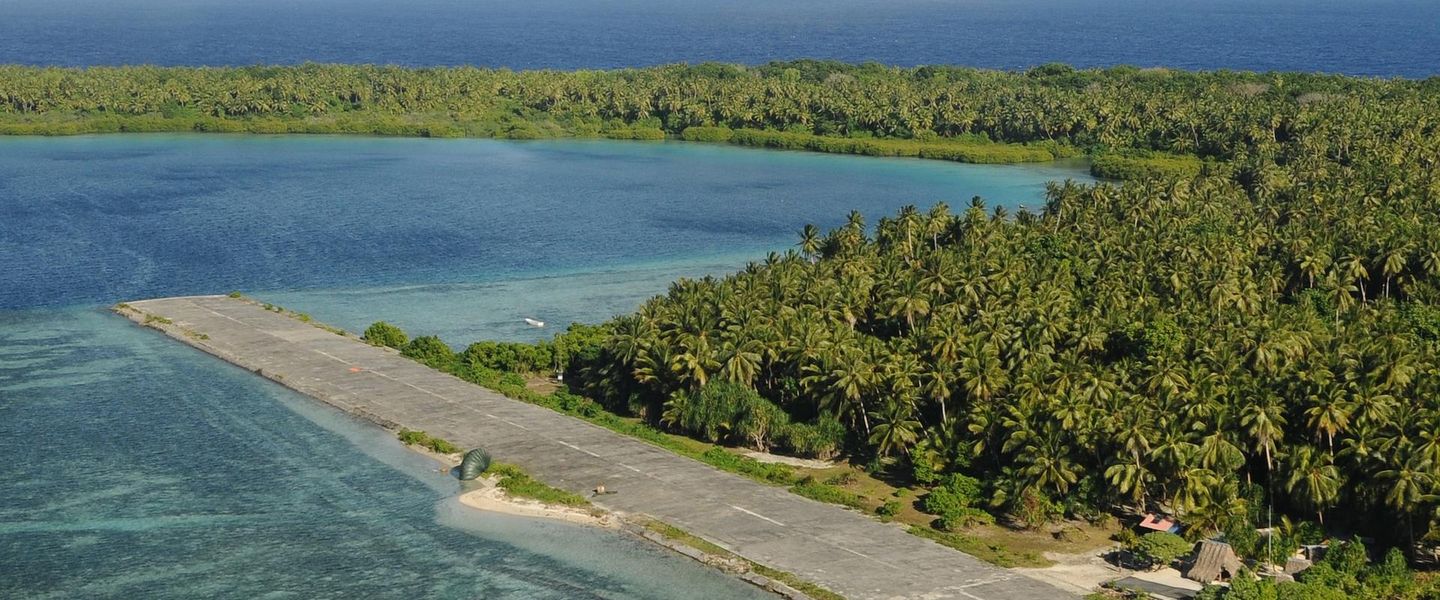


Discover the untouched beauty of Mokil Atoll in Micronesia, where crystal-clear waters, pristine beaches, and vibrant coral reefs await your exploration.
Read more about Mokil Atoll
When is the best time to visit Mokil Atoll?
Best: August–October · 30°C| Month | High (°C) | Rainfall (mm) |
|---|---|---|
| January | 30 | 230 |
| February | 30 | 220 |
| March | 30 | 210 |
| April | 30 | 200 |
| May | 30 | 190 |
| June | 30 | 180 |
| July | 30 | 170 |
| August (best) | 30 | 160 |
| September (best) | 30 | 150 |
| October (best) | 30 | 160 |
| November | 31 | 170 |
| December | 31 | 180 |
Getting to and around Mokil Atoll
How to get there
Transportation
Best landmarks in Mokil Atoll
Mokil Atoll, a hidden gem in Micronesia, offers visitors a captivating blend of natural beauty and cultural heritage. The azure lagoon, teeming with vibrant marine life, is perfect for snorkeling and diving enthusiasts. Explore the remains of ancient stone structures, evidence of the atoll's rich history and ancestral lineage. The atoll's lush, verdant landscape is dotted with coconut groves and traditional thatched huts, providing a glimpse into the daily lives of the local Mwoakilloa people. Don't miss the chance to witness traditional canoe building and experience the warm hospitality of the islanders, who are eager to share their stories and customs. With its serene environment and unspoiled charm, Mokil Atoll promises an unforgettable experience for every adventurer.
-
Historical landmark
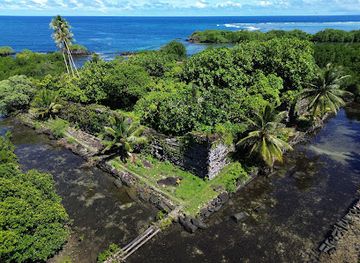
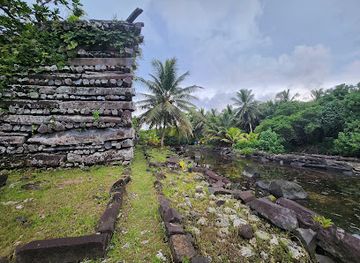
Nan Madol
Explore the ancient ruins of Nan Madol, a UNESCO World Heritage site in Pohnpei, where history and mystique come alive amidst stunning landscapes.
-
Tourist attraction
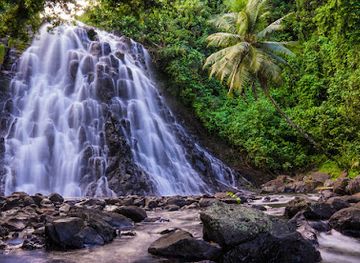
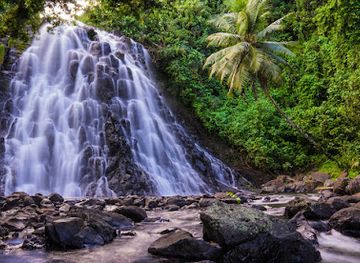
Kepirohi Waterfall
Experience the breathtaking beauty of Kepirohi Waterfall in Pohnpei, a perfect destination for hiking, swimming, and enjoying nature's serenity.
-
 Pharmacy
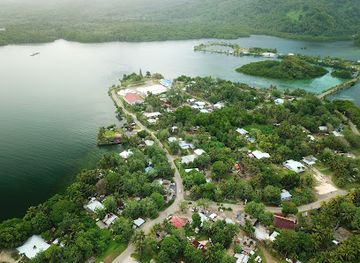
Mwoakilloa Pharmacy
Discover the charm of Mwoakilloa Pharmacy in Mokil Village, where local culture meets essential health services in the heart of Pohnpei.
-
Historical place
Lelu Ruins Historic Park
Discover the ancient wonders of Lelu Ruins Historic Park in Kosrae, where history and nature beautifully intertwine.
Explore Mokil Atoll on the map
Plan your trip on one map. See where the top cities, national parks and sights are, and book hotels and experiences in a few clicks.
Best hotels in Mokil Atoll
Best restaurants in Mokil Atoll
Mokil Atoll offers a unique and intimate dining scene that is a delightful blend of local flavors and cultural experiences, where freshly caught seafood and tropical fruits dominate the menu. Visitors can expect to dine in quaint, family-run eateries that provide an authentic taste of Mokilese cuisine, featuring dishes such as marinated fish, coconut-infused curries, and taro root preparations. The atoll's remote location ensures that meals are prepared with the freshest ingredients, often sourced directly from the surrounding ocean and lush vegetation. Dining here is not just about the food; it's an opportunity to immerse oneself in the island's way of life, often accompanied by traditional music and dance performances that create an unforgettable atmosphere. Be prepared to share meals in a community setting, where the warm hospitality of the locals makes every meal feel like a family gathering.
-
Historical landmark
Nan Madol
Explore Nan Madol: An Ancient City of Stone Rising from Tropical Waters in Pohnpei's Stunning Landscape.
-
Resort hotel
Manta Ray Bay Resort & Yap Divers
Experience luxury and adventure at Manta Ray Bay Resort & Yap Divers - your gateway to paradise in Micronesia.
-
Hotel
Joy Hotel & Restaurant
Discover the perfect blend of hospitality and authentic Japanese cuisine at Joy Hotel & Restaurant in Kolonia, Pohnpei.
-
Hotel
Cliff Hotel & Restaurant
Discover tranquility at Cliff Hotel & Restaurant in Pohnpei – where comfort meets local culinary delights amidst breathtaking scenery.

Best bars in Mokil Atoll
While Mokil Atoll's nightlife may not boast the bustling bars and nightclubs of a major city, it offers an enchanting and intimate experience under the stars. Visitors can expect cozy beachside gatherings where locals and travelers mingle, enjoying the soft sounds of traditional Micronesian music played on handcrafted instruments. The night air is filled with the aroma of freshly caught seafood grilling over open fires, and impromptu dance performances often break out, showcasing the rich cultural heritage of the atoll. For those seeking a more tranquil evening, a night paddle on the lagoon under the moonlight reveals the bioluminescent wonders of the sea, creating a magical ambiance that is both serene and unforgettable.
-
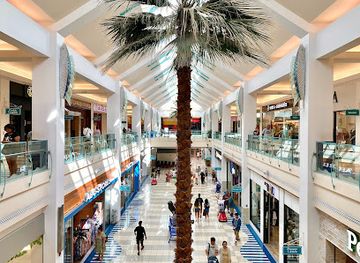
Shopping mall
Micronesia Mall
Explore the dynamic Micronesia Mall in Guam, offering diverse shopping, dining, and entertainment experiences for all visitors.
-
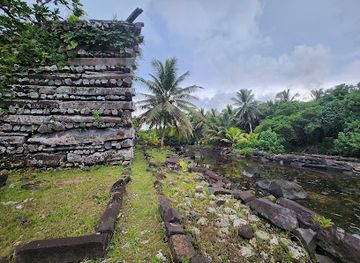
Historical landmark
Nan Madol
Discover the ancient wonders of Nan Madol, a historical landmark of breathtaking stone architecture and enchanting canals in Pohnpei.
-
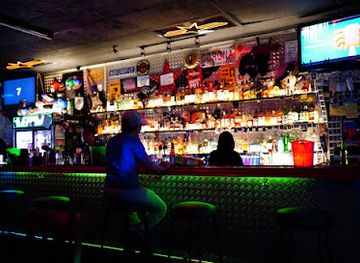
Bar
Livehouse
Experience vibrant nightlife at Livehouse, Tumon's top bar for live music, delicious drinks, and unforgettable moments in Guam.
-
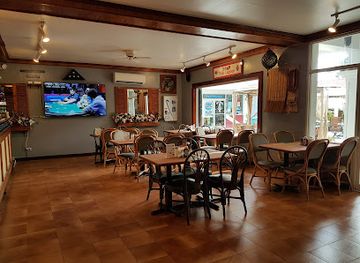
Restaurant
Truk Stop Hotel & Restaurant
Savor the rich flavors of Chuuk at Truk Stop Hotel & Restaurant, a must-visit for culinary enthusiasts and travelers alike in paradise.
Best nightclubs in Mokil Atoll
While Mokil Atoll's nightlife may not boast the bustling bars and nightclubs of a major city, it offers an enchanting and intimate experience under the stars. Visitors can expect cozy beachside gatherings where locals and travelers mingle, enjoying the soft sounds of traditional Micronesian music played on handcrafted instruments. The night air is filled with the aroma of freshly caught seafood grilling over open fires, and impromptu dance performances often break out, showcasing the rich cultural heritage of the atoll. For those seeking a more tranquil evening, a night paddle on the lagoon under the moonlight reveals the bioluminescent wonders of the sea, creating a magical ambiance that is both serene and unforgettable.
-
Airport
Mwoakilloa Airports
Experience the charm of Mwoakilloa Airports, your gateway to the breathtaking Mokil Atoll in Micronesia, where paradise awaits.
-
Hotel
PCR / Nantehlik Restaurant / Mummy's Club
Discover an eclectic mix of local cuisine and vibrant nightlife at PCR / Nantehlik Restaurant / Mummy's Club in Kolonia, Pohnpei.
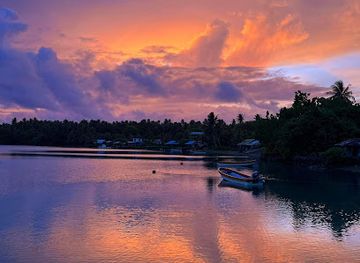

Best shops in Mokil Atoll
The shopping scene in Mokil Atoll offers a unique and intimate experience, capturing the essence of Micronesian culture and craftsmanship. Visitors can explore small, family-run shops and vibrant local markets where artisans display their intricate handmade crafts, such as woven baskets, traditional jewelry, and beautifully carved wooden items. The atoll's commerce is imbued with a sense of community, making each purchase a meaningful interaction with local culture. Shoppers can also find fresh, locally sourced produce and traditional culinary delights, offering a taste of the island's abundant natural resources and rich heritage. While the shopping venues may not be grand, they are brimming with authenticity and charm, providing a must-see experience for any traveler seeking to immerse themselves in the local way of life.
-
Historical landmark
Nan Madol
Explore Nan Madol: Ancient ruins in Pohnpei, a UNESCO World Heritage Site, renowned for its unique stone architecture and serene waterways.
-
Indoor lodging
Kosrae Nautilus Resort
Experience the serene beauty and warm hospitality of Kosrae Nautilus Resort, a tropical haven for relaxation and adventure in Micronesia.
-
Restaurant
Truk Stop Hotel & Restaurant
Explore Truk Stop Hotel & Restaurant, where local flavors meet international cuisine in a cozy island atmosphere, ideal for every tourist's palate.
-
Tourist attraction
Kepirohi Waterfall
Experience the breathtaking beauty of Kepirohi Waterfall in Pohnpei, where hiking, swimming, and nature unite in a stunning tropical paradise.
Get your free copy of our complete guide to Mokil Atoll, delivered straight to you.
Everything on this page, from attractions and restaurants to essentials and local phrases, in one PDF you can read offline, print or share.
Already have an account? Sign in
Your Mokil Atoll guide is ready.
We'll send it to · Not you? Sign out

Getting your guide ready…
We are putting together a fresh copy of the Mokil Atoll guide. This can take up to a minute.
This can take a few moments. If your browser asks, choose Allow so the download can start. You'll find the guide in your Downloads folder.
Nothing happened? Download it again
Sorry, the guide is taking longer than usual. Please try again in a minute, or get it by email instead.
Mokil Atoll essentials
Currency and Payment
Safety
Emergency Situations
Do's and Don'ts
Local Tips
From Eve
Local phrases worth knowing
You don't need to get them perfect. A few words go a long way, and locals appreciate the effort.
Basics
| English | Local | Say it |
|---|---|---|
| Hello | Mokil | [Moh-keel] |
| Goodbye | Kakau | [Kah-kow] |
| Yes | E | [Eh] |
| No | Aka | [Ah-kah] |
| Please/You're welcome | Pele | [Pe-leh] |
| Thank you | Kinisou | [Kee-nee-sow] |
| Excuse me/Sorry | Peleka | [Pe-leh-kah] |
| How are you? | Mokil e? | [Moh-keel eh?] |
| Fine. And you? | Kinisou. E mokil? | [Kee-nee-sow. Eh moh-keel?] |
| Do you speak English? | E ika pweko English? | [Eh ee-kah pweh-koh English?] |
| I don't understand | Aka e pweko | [Ah-kah eh pweh-koh] |
Eating & Drinking
| English | Local | Say it |
|---|---|---|
| I'd like to see the menu, please | Pele e kisen menu | [Pe-leh eh kee-sen meh-nu] |
| I don't eat meat | Aka e pweko meat | [Ah-kah eh pweh-koh meet] |
| Cheers! | Mokil! | [Moh-keel!] |
| I would like to pay, please | Pele e kisen pweko | [Pe-leh eh kee-sen pweh-koh] |
Emergencies
| English | Local | Say it |
|---|---|---|
| Help! | Mokil! | [Moh-keel!] |
| Go away! | E pweko! | [Eh pweh-koh!] |
| Call the Police! | E pweko Police! | [Eh pweh-koh Poh-lees!] |
| Call a doctor! | E pweko doktor! | [Eh pweh-koh dok-tor!] |
| I'm lost | E pweko e pweko | [Eh pweh-koh eh pweh-koh] |
| I'm ill | E pweko e mo | [Eh pweh-koh eh moh] |
Shopping
| English | Local | Say it |
|---|---|---|
| I'd like to buy... | Pele e kisen... | [Pe-leh eh kee-sen...] |
| I'm just looking | E pweko kisin | [Eh pweh-koh kee-sin] |
| How much is it? | E kisen mo? | [Eh kee-sen moh?] |
| That's too expensive | E pweko e kisin | [Eh pweh-koh eh kee-sen] |
| Can you lower the price? | E ika pweko e kisen? | [Eh ee-kah pweh-koh eh kee-sen?] |
Time & Numbers
| English | Local | Say it |
|---|---|---|
| What time is it? | E kisin mo? | [Eh kee-sin moh?] |
| It's one o'clock | E kisin wan | [Eh kee-sin wan] |
| Half past (10) | E kisin halfa (10) | [Eh kee-sin hal-fa (10)] |
| Morning | Mokil | [Moh-keel] |
| Afternoon | Mokil nien | [Moh-keel nee-en] |
| Evening | Mokil ai | [Moh-keel eye] |
| Yesterday | Nien | [Nee-en] |
| Today | Nien pweko | [Nee-en pweh-koh] |
| Tomorrow | Nien am | [Nee-en ahm] |
| 1 | Wan | [Wan] |
| 2 | Nien | [Nee-en] |
| 3 | Tolu | [To-lu] |
| 4 | Fou | [Fou] |
| 5 | Lima | [Lee-ma] |
| 6 | Oto | [O-to] |
| 7 | Fitu | [Fi-tu] |
| 8 | Walu | [Wa-lu] |
| 9 | Siyam | [See-yam] |
| 10 | Sampulu | [Sam-pu-lu] |
Transport & Directions
| English | Local | Say it |
|---|---|---|
| Where's a/the...? | Mokil e...? | [Moh-keel eh...?] |
| What's the address? | E kisin address? | [Eh kee-sin ad-dress?] |
| Can you show me (on the map)? | E ika pweko e kisin (map)? | [Eh ee-kah pweh-koh eh kee-sin (map)?] |
| When's the next (bus)? | E kisin next (bus)? | [Eh kee-sin next (bus)?] |
| A ticket (to ....) | E kisin ticket (to ....) | [Eh kee-sin tick-et (to ....)] |
History of Mokil Atoll
Early Settlements and Cultural Roots
Mokil Atoll, also known as Mwoakilloa, has a rich history of early Polynesian and Micronesian settlers. Archaeological evidence suggests that the atoll has been inhabited for several centuries. The early settlers developed a unique culture, blending Polynesian navigational skills with Micronesian traditions. The atoll's oral histories speak of legendary navigators and chiefs who played crucial roles in establishing the community's social and political structures.
Colonial Era and European Contact
The first recorded European contact with Mokil Atoll occurred in the early 19th century. Spanish explorers were among the first to document the atoll, followed by German colonizers who incorporated Mokil into their Pacific territories in the late 19th century. The German period saw significant changes, including the introduction of new crops and trade goods. However, the traditional way of life continued to be resilient, preserving much of the indigenous culture.
Japanese Occupation and World War II
During World War II, Mokil Atoll came under Japanese control as part of their broader strategy in the Pacific. The atoll was used as a strategic outpost, although it did not see major military action. The Japanese occupation brought both hardships and changes to the local way of life, including forced labor and resource exploitation. After Japan's defeat, Mokil Atoll was placed under U.S. administration as part of the Trust Territory of the Pacific Islands.
The Road to Independence
Following the end of World War II, Mokil Atoll became part of the Trust Territory of the Pacific Islands, administered by the United States. This period saw significant developments in education, infrastructure, and healthcare. The path to independence began in the late 20th century, culminating in the formation of the Federated States of Micronesia in 1979. Mokil Atoll became part of the Pohnpei State, contributing to the newly formed nation's cultural and political landscape.
Cultural Heritage and Modern Life
Today, Mokil Atoll stands as a testament to the resilience and adaptability of its people. Traditional practices such as canoe building, weaving, and navigation are still taught and celebrated. The atoll's residents continue to honor their ancestors through festivals, dance, and storytelling. While modern amenities have been introduced, the community remains deeply connected to its cultural roots, offering visitors a unique glimpse into the enduring spirit of Mokil Atoll.
Mokil Atoll in Photos
Browse through our photo collection highlighting the charm and character of the destination.
Neighbouring regions of Mokil Atoll
The closest regions to Mokil Atoll, if you have time for more than one.
-
 Pingelap Atoll
Discover Pingelap Atoll - A serene and culturally rich island in Micronesia, known for its pristine beaches, vibrant coral reefs, and unique local culture.
Pingelap Atoll
Discover Pingelap Atoll - A serene and culturally rich island in Micronesia, known for its pristine beaches, vibrant coral reefs, and unique local culture.
-
 Pohnpei Island
Explore Pohnpei Island, Micronesia's lush paradise with ancient ruins, stunning waterfalls, and thriving culture.
Pohnpei Island
Explore Pohnpei Island, Micronesia's lush paradise with ancient ruins, stunning waterfalls, and thriving culture.
-
 Ant Atoll
Discover Ant Atoll, a UNESCO Biosphere Reserve in Micronesia, where pristine beaches, vibrant coral reefs, and tranquil lagoons create a breathtaking escape.
Ant Atoll
Discover Ant Atoll, a UNESCO Biosphere Reserve in Micronesia, where pristine beaches, vibrant coral reefs, and tranquil lagoons create a breathtaking escape.
-
 Eastern Caroline Islands
Discover the Eastern Caroline Islands in Micronesia, a pristine paradise of lush rainforests, ancient ruins, and vibrant marine life perfect for explorers and nature lovers.
Eastern Caroline Islands
Discover the Eastern Caroline Islands in Micronesia, a pristine paradise of lush rainforests, ancient ruins, and vibrant marine life perfect for explorers and nature lovers.
-
 Outer Islands of Pohnpei
Discover the untouched beauty and rich culture of the Outer Islands of Pohnpei in Micronesia, a hidden paradise perfect for adventure and relaxation.
Outer Islands of Pohnpei
Discover the untouched beauty and rich culture of the Outer Islands of Pohnpei in Micronesia, a hidden paradise perfect for adventure and relaxation.
Swipe for more regions

