

Pingelap Atoll, Micronesia Travel Guide
Discover Pingelap Atoll - A serene and culturally rich island in Micronesia, known for its pristine beaches, vibrant coral reefs, and unique local culture.
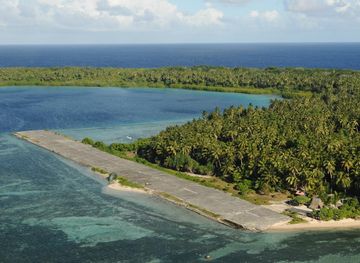
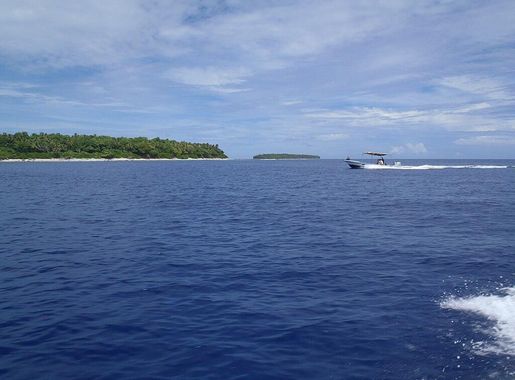
Pingelap Atoll, a small island in Micronesia, offers a rare and tranquil escape from the bustle of modern life. This remote atoll is a paradise of white sandy beaches, crystal-clear waters, and lush greenery. It's a place where you can truly disconnect and immerse yourself in nature's beauty. One of the unique aspects of Pingelap is its fascinating history and culture. The island is known for a high prevalence of achromatopsia, a condition that causes complete color blindness. This has created a unique culture and community, as the islanders have adapted their lives to this condition in remarkable ways. Visitors often find this aspect of the island both intriguing and humbling. The waters around Pingelap are teeming with marine life, making it a prime spot for snorkeling and diving. The coral reefs are vibrant and untouched, offering a stunning underwater landscape that few other places can match. Whether you're an experienced diver or a snorkeling novice, the underwater world of Pingelap will leave you in awe. Despite its remote location, the island's hospitality is warm and welcoming. The local community is eager to share their traditions and stories with visitors. This makes Pingelap not just a beautiful destination, but also a culturally enriching experience. If you’re looking for a place that combines natural beauty with a deep sense of history and community, Pingelap Atoll is the perfect destination.

Know before you go
Hi, I'm Eve. Here are a few practical things to know before exploring Pingelap Atoll.
- Pack plenty of sunscreen and insect repellent, as the island's tropical climate can be intense.
- Bring your own snorkeling gear if possible, as rental options on the island are limited.
- Learn a few phrases in the local language to connect better with the community.
- Plan your visit during the dry season (November to April) to avoid heavy rains and storms.
- Respect local customs and traditions, and always ask for permission before taking photos of people.

Best bars in Pingelap Atoll
Top-rated picks
Best Bars

Micronesia Mall
Discover the vibrant shopping and dining experience at Micronesia Mall, the premier retail destination in Guam, where local culture meets global brands.

MM Theatres Guam
Discover the magic of cinema at MM Theatres Guam, where comfort meets the latest blockbusters in a vibrant movie-going experience.

Nan Madol
Discover the ancient wonders of Nan Madol, a UNESCO World Heritage site in Pohnpei, known for its captivating ruins and rich cultural history.

Dolphins Pacific
Experience unforgettable dolphin encounters at Dolphins Pacific, the premier marine attraction in Koror, Palau, where adventure meets education.


Best shops in Pingelap Atoll
Top-rated picks
Best Shops

Micronesia Mall
Discover the ultimate shopping experience at Micronesia Mall in Guam, where local culture meets international brands in a vibrant atmosphere.

Nan Madol
Discover the ancient wonders of Nan Madol, a UNESCO World Heritage Site in Pohnpei, where history meets stunning tropical landscapes.

Truk Stop Hotel & Restaurant
Delight in authentic Chuukese flavors at Truk Stop Hotel & Restaurant, where local ingredients and warm hospitality create a memorable dining experience.

Pohnpei
Explore Pohnpei Island - a Pacific paradise of lush landscapes, rich culture, and vibrant marine life, perfect for adventure and relaxation.

Explore Pingelap Atoll on the Map
A handpicked selection of must-see spots in Pingelap Atoll, mapped for you.
Pingelap Atoll Essentials
-
Pingelap Atoll is located in the Federated States of Micronesia. The most common way to reach Pingelap is by flying into Pohnpei International Airport (PNI) on the island of Pohnpei. From Pohnpei, you can catch an inter-island flight with Caroline Islands Air to Pingelap. These flights are infrequent, so it's essential to plan and book in advance. Alternatively, charter boats are available but can be costly and less reliable due to weather conditions.
-
Pingelap Atoll is small, and most areas can be explored on foot. There are no formal public transportation systems or car rentals on the island. Bicycles are the most common form of transportation and can often be rented from locals. For inter-island travel, small boats and canoes are used. It's advisable to arrange transportation through your accommodation or local guides.
-
The official currency is the United States Dollar (USD). There are no ATMs on Pingelap Atoll, so it's crucial to bring enough cash for your entire stay. Credit cards are generally not accepted. Most transactions are conducted in cash, and it's wise to have small denominations for easier transactions.
-
Pingelap Atoll is generally very safe, and crime rates are low. However, it's always advisable to practice standard safety precautions. Avoid leaving valuables unattended, and be cautious when swimming or engaging in water activities due to strong currents. There are no specific high-crime areas targeting tourists.
-
In case of an emergency, contact local authorities or your accommodation provider for assistance. There are basic medical facilities on the island, but for serious medical emergencies, evacuation to Pohnpei or another larger island may be necessary. It is highly recommended to have comprehensive travel insurance that covers medical evacuations.
-
Fashion: Do wear modest clothing, especially when visiting local villages and religious sites. Avoid wearing overly revealing attire. Religion: Do respect local customs and traditions. Always ask for permission before entering any religious or sacred sites. Public Transport: Do be respectful and courteous when using local transportation methods like boats and bicycles. Greetings: Do greet locals with a smile and a friendly greeting. A handshake is generally acceptable. Eating & Drinking: Do try local dishes and accept food offerings graciously. Don't waste food, as it is considered disrespectful.
-
To experience Pingelap Atoll like a local, consider participating in traditional activities such as fishing or weaving. Engage with the local community, who are often welcoming and eager to share their culture. Try the local cuisine, which includes fresh seafood and tropical fruits. Attend community events or festivals if your visit coincides with any local celebrations. Respect the environment by not littering and taking care of natural resources.
When is the best time to visit Pingelap Atoll?
Useful Local Phrases for Pingelap Atoll
You don't need to speak the language perfectly. Even learning a few simple words can make conversations warmer—and locals usually appreciate the effort.
— Eve

Here are the phrases I use most often in Pingelap Atoll. Try a few—you'll be surprised how far they go! 😊
❤️
-
- HelloKaselehlie
[kah-seh-leh-lee-eh] - GoodbyeKaselehlie
[kah-seh-leh-lee-eh] - YesIei
[ee-eh-ee] - NoAei
[ah-ee] - Please/You're welcomeMweir
[mweh-eer] - Thank youKaselehlie
[kah-seh-leh-lee-eh] - Excuse me/SorryMweir
[mweh-eer] - How are you?Ika nan a?
[ee-kah nahn ah] - Fine. And you?Ngeni. A mwo?
[ng-eh-nee ah mwo] - Do you speak English?Ika ta masi English?
[ee-kah tah mah-see English] - I don't understandA mwo a mwei
[ah mwo ah mwey]
- HelloKaselehlie
-
- I'd like to see the menu, pleaseIka mwir a okan menu, mweir
[ee-kah mweer ah oh-kahn men-oo, mweh-eer] - I don't eat meatA mwo a masi man
[ah mwo ah mah-see mahn] - Cheers!A mwei!
[ah mwey] - I would like to pay, pleaseIka mwir a pwe, mweir
[ee-kah mweer ah pweh, mweh-eer]
- I'd like to see the menu, pleaseIka mwir a okan menu, mweir
-
- Help!Kaselehlie!
[kah-seh-leh-lee-eh] - Go away!Pwo a na!
[pwoh ah nah] - Call the Police!Kaselehlie a Police!
[kah-seh-leh-lee-eh ah Poh-lees] - Call a doctor!Kaselehlie a doktor!
[kah-seh-leh-lee-eh ah dok-tor] - I'm lostA mwei a mwah
[ah mwey ah mwah] - I'm illA mwei a mwah
[ah mwey ah mwah]
- Help!Kaselehlie!
-
- I'd like to buy...Ika mwir a pwai...
[ee-kah mweer ah pwai] - I'm just lookingA mwei a mwir
[ah mwey ah mweer] - How much is it?Ika nan a mwah?
[ee-kah nahn ah mwah] - That's too expensiveA mwah a masi pwe
[ah mwah ah mah-see pweh] - Can you lower the price?Ika mwei a mwah pwe?
[ee-kah mwey ah mwah pweh]
- I'd like to buy...Ika mwir a pwai...
-
- What time is it?Ika nan a mwah?
[ee-kah nahn ah mwah] - It's one o'clockA mwah a un
[ah mwah ah oon] - Half past (10)A mwah a mwah (10)
[ah mwah ah mwah (ten)] - MorningA mwei
[ah mwey] - AfternoonA pwai
[ah pwai] - EveningA mwai
[ah mwai] - YesterdayA mwah a mwah
[ah mwah ah mwah] - TodayA mwah a mwah
[ah mwah ah mwah] - TomorrowA mwah a mwah
[ah mwah ah mwah] - 1Un
[oon] - 2Neng
[neng] - 3Tolu
[toh-loo] - 4Fa
[fah] - 5Lima
[lee-mah] - 6O
[oh] - 7Tasi
[tah-see] - 8Walu
[wah-loo] - 9Siu
[see-oo] - 10Talu
[tah-loo]
- What time is it?Ika nan a mwah?
-
- Where's a/the...?Ika nan a ...?
[ee-kah nahn ah ...] - What's the address?Ika nan a address?
[ee-kah nahn ah address] - Can you show me (on the map)?Ika mwei a mwir (a map)?
[ee-kah mwey ah mweer ah map] - When's the next (bus)?Ika nan a mwah (bus)?
[ee-kah nahn ah mwah bus] - A ticket (to ....)A tikit (to ...)
[ah tee-kit to ...]
- Where's a/the...?Ika nan a ...?
History of Pingelap Atoll
-
In 1775, Pingelap Atoll was hit by a devastating typhoon that nearly wiped out its entire population. The storm ravaged the island, killing many inhabitants and leaving only around 20 survivors. This tragic event significantly shaped the future of the atoll as those who remained had to rebuild their community from scratch.
-
Pingelap Atoll is famously known as the 'Island of the Colorblind.' Following the catastrophic typhoon of 1775, one of the few survivors, the king, carried a genetic mutation for achromatopsia, a condition that leads to complete color blindness. Over generations, the isolated gene pool led to a high prevalence of this condition, affecting a significant portion of the population.
-
The first known European contact with Pingelap Atoll occurred in 1793 when the Spanish explorer Alonso de Arellano visited the island. Later, in the 19th century, Pingelap came under German control as part of their colonial empire in the Pacific. The island was subsequently transferred to Japanese administration after World War I under a League of Nations mandate.
-
During World War II, Pingelap Atoll, like much of Micronesia, found itself under Japanese control. The island saw minimal direct conflict but suffered from food shortages and other wartime hardships. After the war, the atoll became part of the Trust Territory of the Pacific Islands, administered by the United States.
-
Despite the challenges faced throughout its history, Pingelap Atoll has preserved its unique culture and traditions. The islanders maintain a lifestyle deeply connected to the sea, with fishing being a central part of their economy and diet. Traditional practices, such as canoe building and navigation, are passed down through generations, reflecting the community's resilience and adaptability.
-
Today, Pingelap Atoll is part of the Federated States of Micronesia. The island faces modern challenges such as climate change and rising sea levels, which threaten its very existence. Efforts are underway to preserve its unique culture and genetic history, attracting researchers and visitors interested in its fascinating story.
Neighbouring Regions of Pingelap Atoll
The closest regions to Pingelap Atoll, if you have time for more than one.


Your all‑in‑one travel companion app
Explore expert travel guides, compare and book tours, experiences, hotels, and more—all from the palm of your hand. Download now for seamless trip planning wherever your wanderlust takes you.


Explore More of Micronesia

Looking beyond Pingelap Atoll? Discover Micronesia for broader travel guides, local hot-spots, and regional highlights.
Explore MicronesiaPingelap Atoll in Photos
Browse through our photo collection highlighting the charm and character of the destination.




The Hidden Gem of the Pacific: Pingelap Atoll
Pingelap Atoll, a small island in Micronesia, offers a rare and tranquil escape from the bustle of modern life. This remote atoll is a paradise of white sandy beaches, crystal-clear waters, and lush greenery. It's a place where you can truly disconnect and immerse yourself in nature's beauty. One of the unique aspects of Pingelap is its fascinating history and culture. The island is known for a high prevalence of achromatopsia, a condition that causes complete color blindness. This has created a unique culture and community, as the islanders have adapted their lives to this condition in remarkable ways. Visitors often find this aspect of the island both intriguing and humbling. The waters around Pingelap are teeming with marine life, making it a prime spot for snorkeling and diving. The coral reefs are vibrant and untouched, offering a stunning underwater landscape that few other places can match. Whether you're an experienced diver or a snorkeling novice, the underwater world of Pingelap will leave you in awe. Despite its remote location, the island's hospitality is warm and welcoming. The local community is eager to share their traditions and stories with visitors. This makes Pingelap not just a beautiful destination, but also a culturally enriching experience. If you’re looking for a place that combines natural beauty with a deep sense of history and community, Pingelap Atoll is the perfect destination.