

Free Kosrae Island Travel Guide & Mobile App
Explore Kosrae Island with free travel guides. Discover regional history, expert tips, proposed trips, and audio guides on web or mobile app.


Kosrae Island combines rainforest peaks, ancient Lelu ruins, mangrove waterways and coral reefs with a peaceful, locally rooted Micronesian atmosphere.
Read more about Kosrae Island
When is the best time to visit Kosrae Island?
Best: February–March, December · 30–31°C| Month | High (°C) | Rainfall (mm) |
|---|---|---|
| January | 30 | 370 |
| February (best) | 30 | 320 |
| March (best) | 31 | 320 |
| April | 31 | 350 |
| May | 31 | 390 |
| June | 31 | 410 |
| July | 31 | 410 |
| August | 31 | 410 |
| September | 31 | 390 |
| October | 31 | 390 |
| November | 31 | 410 |
| December (best) | 30 | 360 |
Getting to and around Kosrae Island
How to get there
Transportation
Top city travel guides in Kosrae Island
The cities of Kosrae Island, and the easiest places to base yourself.

Swipe for more cities
Best attractions in Kosrae Island
Kosrae's attractions are concentrated in its natural setting and in the evidence of a sophisticated island society at Lelu. The ancient Lelu ruins are the principal cultural site, with basalt walls, platforms and waterways that invite careful exploration with local historical context. Around the coast, the Utwe-Walung Marine Park protects mangrove habitats, tidal channels and reef environments suited to guided kayaking, boat trips, snorkelling and wildlife observation. Diving operators access coral formations, drop-offs and underwater wreck sites when conditions permit. Inland, rainforest paths lead towards waterfalls, streams and mountain scenery, including routes associated with Mount Finkol, though these are weather-dependent and best undertaken with a guide. The island's villages, churches, shoreline roads and small local businesses provide a quieter cultural dimension, while fishing, traditional food preparation and community-led excursions offer insight into contemporary life. Kosrae is not a destination built around a long list of ticketed attractions; its appeal comes from combining archaeology, forest, mangrove and reef within a relatively compact island environment.
-
Historical landmark
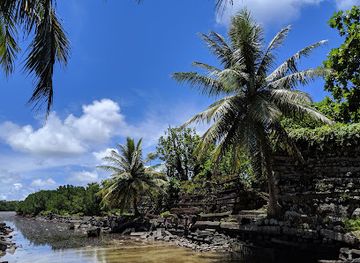
Nan Madol
Discover the ancient wonders of Nan Madol, a UNESCO World Heritage Site rich in history and breathtaking natural beauty.
-
Tourist attraction
Lelu Ruins Historic Park
Discover the ancient wonders of Lelu Ruins Historic Park on Kosrae, a hidden gem showcasing the rich history and culture of Micronesia.
-
Island
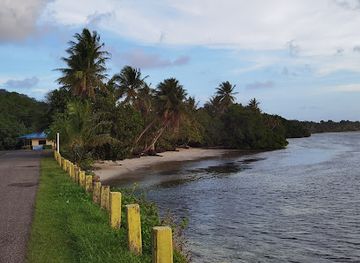
Lelu
Discover the serene beauty and vibrant culture of Lelu on Kosrae Island, a tropical paradise for adventure and relaxation.
-
Park
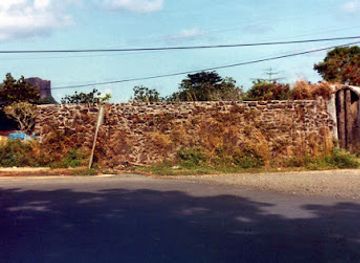
Spanish Wall Park
Explore the tranquility and rich history of Spanish Wall Park in Kolonia, Pohnpei - a serene retreat for nature lovers and history enthusiasts alike.

Best landmarks in Kosrae Island
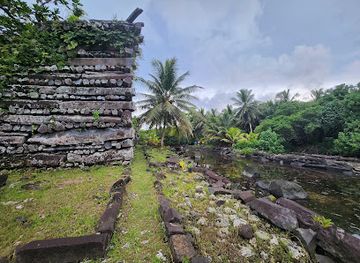
The best-known historic landmark on Kosrae is the Lelu ruins, where enormous basalt blocks form walls, platforms and compounds linked to the island's former chiefly centre. Their scale and arrangement distinguish Lelu from an ordinary abandoned settlement and make the site a key expression of Kosraean political history. Kosrae's natural landmarks are equally important: the steep forested interior and Mount Finkol dominate views from the coastal plain, while the mangrove waterways of Utwe and Walung illustrate the close relationship between land, freshwater and reef. The encircling fringing reef creates a visible boundary between settled coast and open Pacific, with channels and coral formations shaping local travel and livelihoods. Village churches and traditional coastal settlements are part of the island's lived landscape, but they are active community places rather than monuments staged solely for tourism. Access to several landmarks depends on weather, tides, land permissions and local guides.
-
Historical landmark
Nan Madol
Discover Nan Madol, the ancient ruins of Pohnpei, where history and nature intertwine in a breathtaking archipelago of stone and water.
-
 Indoor lodging
Kosrae Nautilus Resort
Experience the serene beauty of Kosrae Nautilus Resort, where comfort meets adventure in the heart of Micronesia's stunning landscapes.
-
Tourist attraction
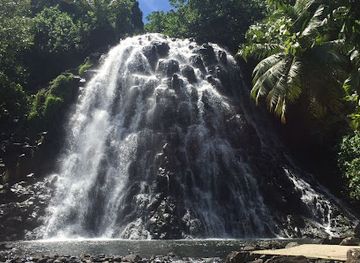
Kepirohi Waterfall
Discover the serene beauty of Kepirohi Waterfall, a hidden gem in Pohnpei perfect for hiking, swimming, and immersing yourself in nature.
-
Hotel
Pacific Treelodge Resort Kosrae
Experience the tranquil beauty and adventure of Kosrae at Pacific Treelodge Resort, your ideal island getaway.

Explore Kosrae Island on the map
Plan your trip on one map. See where the top cities, national parks and sights are, and book hotels and experiences in a few clicks.
Best hotels in Kosrae Island
Best restaurants in Kosrae Island
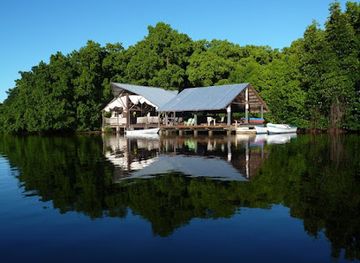
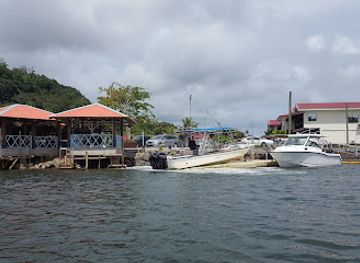
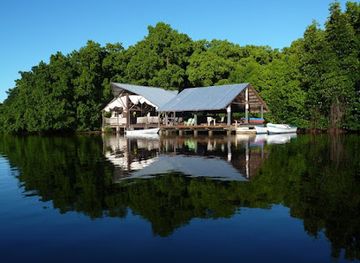
Dining on Kosrae is informal and closely tied to the island's coastal and agricultural resources. Fresh fish, tuna, shellfish where locally available, coconut, breadfruit, taro, pandanus fruit and tropical produce appear in home cooking and in the limited selection of hotel, guesthouse and local eateries. Meals may be simple, with preparation and availability influenced by fishing conditions, supplies and community schedules rather than a fixed restaurant timetable. Visitors can expect American and broader Pacific influences alongside Kosraean food traditions, and should ask accommodation providers about advance meal arrangements, especially outside the main service areas. Small shops stock basic provisions, but they are not a substitute for a full restaurant network. A locally organised meal or market purchase can offer a more direct connection to island produce than imported packaged food. Dietary requirements should be communicated well ahead of time, as choice is naturally narrower than in major cities.
-
Indoor lodging
Kosrae Nautilus Resort
Discover serene accommodations at Kosrae Nautilus Resort—your gateway to adventure and relaxation in paradise.
-
Hotel
7 Stars Inn & Riverside Restaurant
Discover comfort and flavor at 7 Stars Inn & Riverside Restaurant on beautiful Pohnpei Island - a perfect retreat for travelers.
-
Bar
Mangrove Bay Bar
Discover Mangrove Bay Bar: A lively retreat in Kolonia offering delicious food, refreshing drinks, and stunning views amidst Pohnpei's vibrant nightlife.
-
Hotel
Pacific Treelodge Resort Kosrae
Discover tranquility at Pacific Treelodge Resort Kosrae – where nature meets comfort in a breathtaking tropical paradise.
Best bars in Kosrae Island
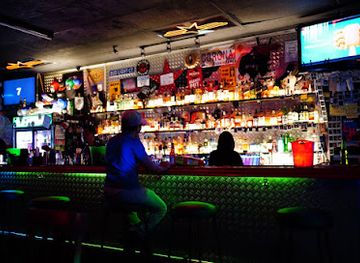
Kosrae has no major nightclub district, and evening life is generally centred on hotel lounges, small bars, casual food venues, community gatherings and occasional music or social events. The atmosphere is low-key rather than late-running, with entertainment shaped by the island's small population and limited commercial infrastructure. Visitors may find locally familiar beers and spirits, but alcohol should not be treated as the focus of the destination; quiet evenings, conversation and the dark Pacific sky are often more characteristic. Sunday is important in the Christian life of many communities, so businesses and social activity may be quieter than on other days. Ask accommodation staff about current local events instead of relying on permanent listings, since venues, gatherings and opening arrangements can change.
-
Movie theater
MM Theatres Guam
Discover the best cinematic experience in Guam at MM Theatres, where every movie is an unforgettable adventure.
-
Historical landmark
Nan Madol
Discover the ancient wonders of Nan Madol, a UNESCO World Heritage site in Micronesia featuring stunning stone structures and rich history.
-
Bar
Livehouse
Dive into the vibrant nightlife at Livehouse, Tumon's premier bar for live music, delicious cocktails, and unforgettable experiences in Guam.
-
Indoor lodging
Kosrae Nautilus Resort
Experience tranquility and adventure at Kosrae Nautilus Resort, your gateway to the untouched beauty of Kosrae Island.
Best nightclubs in Kosrae Island
Kosrae has no major nightclub district, and evening life is generally centred on hotel lounges, small bars, casual food venues, community gatherings and occasional music or social events. The atmosphere is low-key rather than late-running, with entertainment shaped by the island's small population and limited commercial infrastructure. Visitors may find locally familiar beers and spirits, but alcohol should not be treated as the focus of the destination; quiet evenings, conversation and the dark Pacific sky are often more characteristic. Sunday is important in the Christian life of many communities, so businesses and social activity may be quieter than on other days. Ask accommodation staff about current local events instead of relying on permanent listings, since venues, gatherings and opening arrangements can change.
-
Indoor lodging
Kosrae Nautilus Resort
Discover the serene beauty of Kosrae at Kosrae Nautilus Resort, your perfect getaway surrounded by nature and adventure.
-
Historical place
Lelu Ruins Historic Park
Explore the ancient civilization at Lelu Ruins Historic Park, a captivating blend of history and nature in Kosrae.
-
Hotel
Island Hopper Hotel
Discover the serene beauty and rich culture of Kosrae at Island Hopper Hotel, your gateway to an unforgettable tropical escape.
-
International airport
Kosrae International Airport
Kosrae International Airport: Your gateway to an untouched tropical paradise filled with adventure, culture, and natural wonder.

Best shops in Kosrae Island
Shopping on Kosrae is modest and practical rather than centred on large retail complexes. Small stores provide everyday supplies, while locally arranged sales may include fresh produce, fish, coconut products and handmade items. Visitors looking for meaningful purchases can ask hotels, guides or community organisations about locally produced crafts, woven goods, shell or woodwork, and small artworks, remembering that availability varies and not every attractive natural material may be legal or appropriate to collect. The island is better suited to buying regional food products and direct-from-maker souvenirs than to fashion or luxury retail. Carry enough cash in US dollars for small transactions, as card facilities are not universal. Be cautious about buying coral, shells, archaeological fragments or wildlife products: removing material from reefs, protected areas or historic sites damages the environment and may breach local rules.
-
Indoor lodging
Kosrae Nautilus Resort
Discover the serene beauty and cultural richness of Kosrae at the Kosrae Nautilus Resort, your perfect island getaway.
-
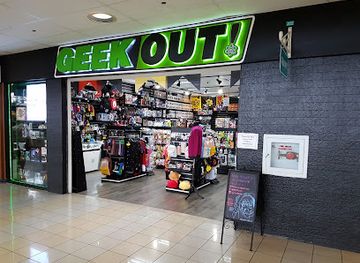
Hobby store
Geek Out
Discover a collector's paradise at Geek Out in Guam's Micronesia Mall, where hobbyists find treasures and unique gifts.
-
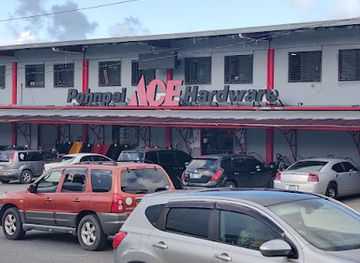
Hardware store
Ace Hardware
Explore Ace Hardware in Kolonia for a wide range of tools, construction supplies, and expert advice for your home improvement projects.
-
Historical place
Lelu Ruins Historic Park
Explore the ancient wonders of Lelu Ruins Historic Park in Kosrae, where history and nature intertwine in a captivating tropical paradise.

Get your free copy of our complete guide to Kosrae Island, delivered straight to you.
Everything on this page, from attractions and restaurants to essentials and local phrases, in one PDF you can read offline, print or share.
Already have an account? Sign in
Your Kosrae Island guide is ready.
We'll send it to · Not you? Sign out

Getting your guide ready…
We are putting together a fresh copy of the Kosrae Island guide. This can take up to a minute.
This can take a few moments. If your browser asks, choose Allow so the download can start. You'll find the guide in your Downloads folder.
Nothing happened? Download it again
Sorry, the guide is taking longer than usual. Please try again in a minute, or get it by email instead.
Kosrae Island essentials
Currency and Payment
Safety
Emergency Situations
Do's and Don'ts
Local Tips
From Eve
Local phrases worth knowing
You don't need to get them perfect. A few words go a long way, and locals appreciate the effort.
Basics
| English | Local | Say it |
|---|---|---|
| Hello | Kaselehlie | [kah-seh-leh-lee-eh] |
| Goodbye | Kaselehlie a se | [kah-seh-leh-lee-eh ah seh] |
| Yes | Ita | [ee-tah] |
| No | Aita | [eye-tah] |
| Please/You're welcome | Ihka | [ee-hkah] |
| Thank you | Kaselehlie | [kah-seh-leh-lee-eh] |
| Excuse me/Sorry | Kaselehlie a se | [kah-seh-leh-lee-eh ah seh] |
| How are you? | Kaselehlie e pwe? | [kah-seh-leh-lee-eh eh pweh] |
| Fine. And you? | E pwe, mo e? | [eh pweh, moh eh] |
| Do you speak English? | Ita pwe kosepani English? | [ee-tah pweh koh-seh-pah-nee English] |
| I don't understand | Aita pwe nane | [eye-tah pweh nah-neh] |
Eating & Drinking
| English | Local | Say it |
|---|---|---|
| I'd like to see the menu, please | Ihka, pwe e pwe ehu menu | [ee-hkah, pweh eh pweh eh-hoo men-oo] |
| I don't eat meat | Aita pwe nane palek | [eye-tah pweh nah-neh pah-lek] |
| Cheers! | Mihn | [meen] |
| I would like to pay, please | Ihka, pwe e pwe ehu chec | [ee-hkah, pweh eh pweh eh-hoo chek] |
Emergencies
| English | Local | Say it |
|---|---|---|
| Help! | Sos! | [sos] |
| Go away! | Ahu pwe kose! | [ah-hoo pweh koh-seh] |
| Call the Police! | Kosepani Police! | [koh-seh-pah-nee poh-lees] |
| Call a doctor! | Kosepani doktor! | [koh-seh-pah-nee dok-tor] |
| I'm lost | Ahu pwe nane pwe | [ah-hoo pweh nah-neh pweh] |
| I'm ill | Ahu pwe nane | [ah-hoo pweh nah-neh] |
Shopping
| English | Local | Say it |
|---|---|---|
| I'd like to buy... | Ihka, pwe e pwe ehu... | [ee-hkah, pweh eh pweh eh-hoo...] |
| I'm just looking | Ahu pwe ehu | [ah-hoo pweh eh-hoo] |
| How much is it? | Pwe ehu a fiti? | [pweh eh-hoo ah fee-tee] |
| That's too expensive | Pwe a fiti pwe a lot | [pweh ah fee-tee pweh ah lot] |
| Can you lower the price? | Pwe ehu a kosi a fiti? | [pweh eh-hoo ah koh-see ah fee-tee] |
Time & Numbers
| English | Local | Say it |
|---|---|---|
| What time is it? | Pwe a fiti? | [pweh ah fee-tee] |
| It's one o'clock | Ahu pwe a fiti | [ah-hoo pweh ah fee-tee] |
| Half past (10) | Pwe a fiti a wahu (10) | [pweh ah fee-tee ah wah-hoo (10)] |
| Morning | Mwar | [mwar] |
| Afternoon | Pwan | [pwan] |
| Evening | Mwar a pwan | [mwar ah pwan] |
| Yesterday | Sak | [sahk] |
| Today | Kuh | [koo] |
| Tomorrow | Kuh a pwan | [koo ah pwan] |
| 1 | Nge | [nge] |
| 2 | Nge a pwan | [nge ah pwan] |
| 3 | Nge a pwan pwan | [nge ah pwan pwan] |
| 4 | Nge a pwan nge | [nge ah pwan nge] |
| 5 | Nge a pwan nge a pwan | [nge ah pwan nge ah pwan] |
| 6 | Nge a pwan nge a pwan pwan | [nge ah pwan nge ah pwan pwan] |
| 7 | Nge a pwan nge a pwan nge | [nge ah pwan nge ah pwan nge] |
| 8 | Nge a pwan nge a pwan nge a pwan | [nge ah pwan nge ah pwan nge ah pwan] |
| 9 | Nge a pwan nge a pwan nge a pwan pwan | [nge ah pwan nge ah pwan nge ah pwan pwan] |
| 10 | Nge a pwan nge a pwan nge a pwan nge | [nge ah pwan nge ah pwan nge ah pwan nge] |
Transport & Directions
| English | Local | Say it |
|---|---|---|
| Where's a/the...? | Pwe ehu a ...? | [pweh eh-hoo ah ...?] |
| What's the address? | Pwe a fiti a address? | [pweh ah fee-tee ah ad-dress] |
| Can you show me (on the map)? | Pwe ehu a kosi ehu (e map)? | [pweh eh-hoo ah koh-see eh-hoo (eh map)] |
| When's the next (bus)? | Pwe a fiti a next (bus)? | [pweh ah fee-tee ah next (bus)] |
| A ticket (to ....) | A ticket (to ...) | [ah ticket (to ...)] |
History of Kosrae Island
Early settlement and island communities
Kosrae was settled by Austronesian-speaking peoples during the wider expansion across the western Pacific, although the exact chronology of settlement and later population changes remains an area of archaeological study. Communities relied on fishing, reef and lagoon resources, cultivated crops such as taro and breadfruit, and developed social systems suited to a narrow coastal plain surrounded by steep forested uplands. Oral traditions, place names and archaeological remains continue to preserve aspects of this earlier island history.
The chiefly centre at Lelu
From approximately the fourteenth century, the settlement now known as Lelu developed into a major political and ceremonial centre. Its monumental walls and platforms were constructed from large basalt blocks, creating compounds associated with high-ranking chiefs and other members of an ordered society. The complex was not simply a residential town but a physical expression of authority, ritual and social distinction. The surviving ruins are among the most important archaeological remains in the Federated States of Micronesia.
European contact and missionary change
European and later American vessels visited Kosrae during the nineteenth century, bringing new commercial connections, diseases and religious influences. Protestant missionaries became influential from the middle of the century, and Christianity reshaped public life, settlement patterns and customary institutions. Mission activity did not erase older traditions, however: local language, kinship, oral history and relationships with land and sea remained central to Kosraean identity.
German and Japanese administration
After Spain's declining Pacific empire was transferred to Germany in 1899, Kosrae formed part of the German administration of the Caroline Islands. Japan took control during the First World War and governed the islands under a League of Nations mandate. Japanese rule brought administrative and economic changes, but the island remained relatively remote. Remnants of this period, including roads and wartime-era traces, form part of the layered historical landscape encountered beyond the older Lelu ruins.
The United States Trust Territory period
The Caroline Islands became part of the United Nations Trust Territory of the Pacific Islands administered by the United States after the Second World War. Kosrae was initially governed within the wider district of the Eastern Caroline Islands and later became part of the political development that produced the Federated States of Micronesia. Schools, public administration, roads and modern health services expanded during this period, while island communities negotiated the relationship between customary authority and new institutions.
Self-government and the Compact era
The Federated States of Micronesia became self-governing in the 1970s and entered into a Compact of Free Association with the United States in 1986. Kosrae became one of the federation's four states, with its own government and municipalities. Contemporary Kosrae combines public institutions and modern communications with subsistence practices, customary relationships and strong connections to the surrounding ocean. The island's conservation initiatives reflect an ongoing effort to protect reefs, mangroves and forests while supporting local livelihoods.
Kosrae Island in Photos
Browse through our photo collection highlighting the charm and character of the destination.
Neighbouring regions of Kosrae Island
The closest regions to Kosrae Island, if you have time for more than one.
-

-
-

-

-


Swipe for more regions
Explore more

Explore more of Micronesia
Discover Micronesia: A Pacific paradise with vibrant coral reefs, rich cultural heritage, and breathtaking landscapes.
Explore Micronesia