

Free Ngulu Atoll Travel Guide & Mobile App
Explore Ngulu Atoll with free travel guides. Discover regional history, expert tips, proposed trips, and audio guides on web or mobile app.


Ngulu Atoll in Micronesia offers remote Pacific reefs, expedition diving and traditional ocean landscapes reached from Yap by boat.
Read more about Ngulu Atoll
When is the best time to visit Ngulu Atoll?
Best: February–April · 29°C| Month | High (°C) | Rainfall (mm) |
|---|---|---|
| January | 29 | 250 |
| February (best) | 29 | 220 |
| March (best) | 29 | 230 |
| April (best) | 29 | 240 |
| May | 29 | 250 |
| June | 29 | 260 |
| July | 29 | 270 |
| August | 29 | 280 |
| September | 29 | 290 |
| October | 29 | 300 |
| November | 29 | 310 |
| December | 29 | 320 |
Getting to and around Ngulu Atoll
How to get there
Transportation
Best attractions in Ngulu Atoll
Ngulu Atoll’s attractions are almost entirely natural and expedition-based. Its outer reefs, lagoon waters and coral islands appeal to experienced divers and snorkellers interested in clear tropical habitats, reef walls, channels and the possibility of pelagic encounters. Conditions are variable, and the quality of any underwater visit depends on tides, visibility, currents, sea state and the skill of the local crew. The atoll also offers opportunities for marine photography, bird observation, fishing where authorised and quiet shoreline exploration, although landings may be limited by surf, conservation concerns or customary permissions. There are no conventional museums, visitor centres, resort facilities or developed family attractions. The wider cultural attraction is Yap State’s living maritime heritage: the knowledge of ocean routes, weather and reef conditions that makes a visit possible. Ngulu should therefore be approached as a guided natural encounter rather than a collection of sightseeing stops, with low-impact practices and complete self-sufficiency expected throughout the trip.
-
 Atoll
AtollNgulu Atoll, Caroline
Explore the untouched beauty of Ngulu Atoll, a serene paradise in the Caroline Islands with stunning beaches and vibrant marine life.
Best landmarks in Ngulu Atoll
Ngulu’s principal landmarks are geographical rather than architectural. The atoll’s low coral islands, encircling reef structures, lagoon passages and exposed ocean margins create a distinctive seascape whose appearance changes with tide, cloud and swell. The outer reef is the most visually and ecologically significant feature, demonstrating the narrow boundary between sheltered lagoon water and the open Pacific. There are no widely developed monuments, cathedrals, civic buildings or preserved colonial complexes on the atoll, and its importance should not be judged by the presence of built structures. Its strongest cultural landmark is the maritime setting itself: a remote island group situated within the ocean routes and customary world of Yap State. Any historic remains, graves, sacred places or local sites that visitors encounter should be treated as protected and private unless a guide explicitly explains otherwise. For travellers, Ngulu’s recognisable identity lies in the combination of scattered reef islands, open-water remoteness and a living relationship between Yapese communities and the surrounding sea.
-
Atoll
Ngulu Atoll, Caroline
Discover the serene beauty and vibrant marine life of Ngulu Atoll, a hidden paradise in the Caroline Islands, perfect for relaxation and adventure.
Explore Ngulu Atoll on the map
Plan your trip on one map. See where the top cities, national parks and sights are, and book hotels and experiences in a few clicks.
Best hotels in Ngulu Atoll
Best restaurants in Ngulu Atoll
Ngulu Atoll has no restaurants, cafés, shops or permanent visitor dining facilities. Food for any visit must be taken from Yap or prepared aboard the expedition vessel, with drinking water, refrigeration, cooking fuel and waste storage arranged in advance. Meals are likely to be practical boat food rather than a formal culinary experience, although locally sourced ingredients may be available through Yap-based arrangements when supply and permissions allow. Visitors can explore Yap’s food culture before or after the voyage, where everyday cooking reflects wider Micronesian and Pacific influences, including fish, rice, root crops, fruit and prepared foods suited to island life. Do not fish, gather shellfish or collect coconuts at Ngulu without explicit authorisation, and never leave organic or plastic waste ashore. Because resupply is impossible at the atoll, dietary requirements and allergies must be communicated to the operator before departure.
-
Atoll
Ngulu Atoll, Caroline
Experience unparalleled tranquility at Ngulu Atoll in Caroline - a paradise for snorkelers and nature lovers alike.
Best bars in Ngulu Atoll
Ngulu Atoll has no bars, nightclubs or organised evening entertainment. After dark, the experience is defined by the sea, weather, low light and the night sky rather than commercial nightlife, and lighting should be kept to the minimum needed for safety and navigation. Visitors normally spend evenings aboard their vessel, maintaining equipment, discussing the next day’s conditions or observing the surrounding environment. Social and evening venues are found on Yap rather than at Ngulu, where nightlife is modest and centred on local communities, restaurants, informal gatherings and occasional entertainment rather than a concentrated club district. Alcohol should never compromise boat safety, diving decisions, watchkeeping or respect for local protocols. Expeditions should follow their own responsible-drinking policies and retain clear procedures for emergencies, weather changes and an early departure.
-
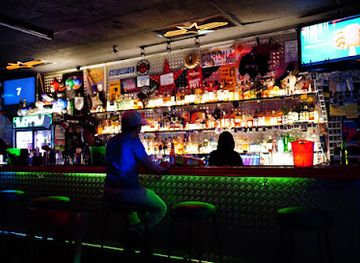
Bar
Livehouse
Discover the lively atmosphere and extensive drink selection at Livehouse, Tumon's top bar for an unforgettable nightlife experience.
-
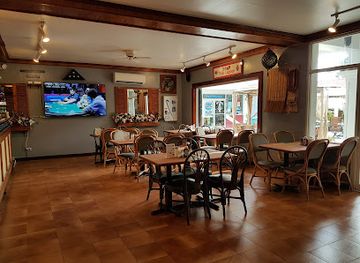
Restaurant
Truk Stop Hotel & Restaurant
Discover the flavors of the Pacific at Truk Stop Hotel & Restaurant, a culinary oasis in the heart of Weno, Chuuk.
-
Bar
7 Stars Inn & Riverside Restaurant
Experience the beauty and flavors of Pohnpei Island at the 7 Stars Inn & Riverside Restaurant, where comfort meets local culture.
-
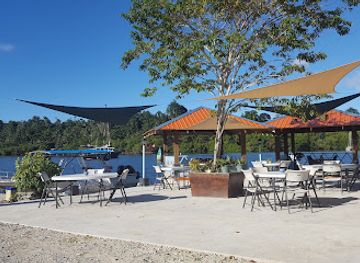
Bar
Mangrove Bay Bar
Experience the vibrant nightlife and breathtaking views at Mangrove Bay Bar in Pohnpei, where relaxation meets entertainment.
Best nightclubs in Ngulu Atoll
Ngulu Atoll has no bars, nightclubs or organised evening entertainment. After dark, the experience is defined by the sea, weather, low light and the night sky rather than commercial nightlife, and lighting should be kept to the minimum needed for safety and navigation. Visitors normally spend evenings aboard their vessel, maintaining equipment, discussing the next day’s conditions or observing the surrounding environment. Social and evening venues are found on Yap rather than at Ngulu, where nightlife is modest and centred on local communities, restaurants, informal gatherings and occasional entertainment rather than a concentrated club district. Alcohol should never compromise boat safety, diving decisions, watchkeeping or respect for local protocols. Expeditions should follow their own responsible-drinking policies and retain clear procedures for emergencies, weather changes and an early departure.
-
Atoll
Ngulu Atoll, Caroline
Explore the enchanting Ngulu Atoll in the Caroline Islands, a secluded paradise for beach lovers and adventure seekers alike.
Best shops in Ngulu Atoll
There is no shopping on Ngulu Atoll. Visitors must purchase fuel, food, drinking water, medicines, batteries, diving supplies and other equipment in Yap or arrange them through their expedition operator before departure. The atoll is not a place to collect shells, coral, wildlife or archaeological objects, and removing natural or cultural material is damaging and may be prohibited. In Yap, visitors can look for locally made crafts and regional products through appropriate community or retail channels, but availability varies and purchases should be made respectfully rather than through bargaining over culturally important objects. Practical souvenirs may include local food products, books or responsibly produced handicrafts, while traditional items should only be bought when their provenance and sale are clear. Plan carefully: once the boat leaves Yap, there are no markets, convenience stores or opportunities to replace forgotten supplies.
-
Atoll
Ngulu Atoll, Caroline
Explore the untouched beauty and serene landscapes of Ngulu Atoll in the Caroline Islands, a true paradise for nature lovers and adventure seekers.
Get your free copy of our complete guide to Ngulu Atoll, delivered straight to you.
Everything on this page, from attractions and restaurants to essentials and local phrases, in one PDF you can read offline, print or share.
Already have an account? Sign in
Your Ngulu Atoll guide is ready.
We'll send it to · Not you? Sign out

Getting your guide ready…
We are putting together a fresh copy of the Ngulu Atoll guide. This can take up to a minute.
This can take a few moments. If your browser asks, choose Allow so the download can start. You'll find the guide in your Downloads folder.
Nothing happened? Download it again
Sorry, the guide is taking longer than usual. Please try again in a minute, or get it by email instead.
Ngulu Atoll essentials
Currency and Payment
Safety
Emergency Situations
Do's and Don'ts
Local Tips
From Eve
Local phrases worth knowing
You don't need to get them perfect. A few words go a long way, and locals appreciate the effort.
Basics
| English | Local | Say it |
|---|---|---|
| Hello | Mwaram | [mwa-ram] |
| Goodbye | Mwaram a naku | [mwa-ram a na-koo] |
| Yes | E | [ay] |
| No | Aie | [ah-ee-eh] |
| Please/You're welcome | Mwaram a ngeni | [mwa-ram a nge-nee] |
| Thank you | Kerech | [ke-rech] |
| Excuse me/Sorry | Mwaram a ngeni | [mwa-ram a nge-nee] |
| How are you? | Naki a mwaram? | [na-ki a mwa-ram] |
| Fine. And you? | Mwaram a, ngeni? | [mwa-ram a, nge-nee] |
| Do you speak English? | E ngeni a English? | [ay nge-nee ah English] |
| I don't understand | Ngeni a ngeni | [nge-nee a nge-nee] |
Eating & Drinking
| English | Local | Say it |
|---|---|---|
| I'd like to see the menu, please | Mwaram a ngeni a menu | [mwa-ram a nge-nee ah men-u] |
| I don't eat meat | Ngani a ngeni a me | [nga-nee a nge-nee ah me] |
| Cheers! | Mwaram | [mwa-ram] |
| I would like to pay, please | Mwaram a ngeni a charu | [mwa-ram a nge-nee ah cha-ru] |
Emergencies
| English | Local | Say it |
|---|---|---|
| Help! | Mwaram! | [mwa-ram] |
| Go away! | Aie a ngeni! | [ah-ee-eh a nge-nee] |
| Call the Police! | Kerech a Police! | [ke-rech ah Po-leece] |
| Call a doctor! | Kerech a doctor! | [ke-rech ah doc-tor] |
| I'm lost | Ngani a ngeni | [nga-nee a nge-nee] |
| I'm ill | Ngani a ngeni a ill | [nga-nee a nge-nee ah ill] |
Shopping
| English | Local | Say it |
|---|---|---|
| I'd like to buy... | Mwaram a ngeni a buy... | [mwa-ram a nge-nee ah buy...] |
| I'm just looking | Mwaram a ngeni a look | [mwa-ram a nge-nee ah look] |
| How much is it? | Naki a churu? | [na-ki a chu-ru] |
| That's too expensive | E a ngeni a churu | [ay a nge-nee ah chu-ru] |
| Can you lower the price? | E a ngeni a churu a ngeni? | [ay a nge-nee ah chu-ru a nge-nee] |
Time & Numbers
| English | Local | Say it |
|---|---|---|
| What time is it? | Naki a naki? | [na-ki a na-ki] |
| It's one o'clock | E a mwaram a naki | [ay a mwa-ram a na-ki] |
| Half past (10) | Naki a half past (10) | [na-ki a half past (10)] |
| Morning | Mwaram a naki | [mwa-ram a na-ki] |
| Afternoon | Mwaram a ngeni | [mwa-ram a nge-nee] |
| Evening | Mwaram a ngeni | [mwa-ram a nge-nee] |
| Yesterday | A ngeni | [ah nge-nee] |
| Today | A ngeni | [ah nge-nee] |
| Tomorrow | A ngeni a tomorrow | [ah nge-nee ah tom-or-row] |
| 1 | Churu | [chu-ru] |
| 2 | Nek | [nek] |
| 3 | Talu | [ta-lu] |
| 4 | Fet | [fet] |
| 5 | Lima | [lee-mah] |
| 6 | Oro | [o-roh] |
| 7 | Fitu | [fee-tu] |
| 8 | Walu | [wah-lu] |
| 9 | Nau | [nau] |
| 10 | Sulu | [soo-loo] |
Transport & Directions
| English | Local | Say it |
|---|---|---|
| Where's a/the...? | Naki a ...? | [na-ki a ...?] |
| What's the address? | Naki a address? | [na-ki a ad-dress?] |
| Can you show me (on the map)? | E a ngeni a show (a map)? | [ay a nge-nee ah show (a map)?] |
| When's the next (bus)? | Naki a next a (bus)? | [na-ki a next ah (bus)?] |
| A ticket (to ....) | A ticket (to ...) | [ah ti-ket (to ...)] |
History of Ngulu Atoll
Carolinian maritime traditions before European rule
Ngulu forms part of the wider cultural and navigational world of the Caroline Islands, where island communities developed detailed knowledge of stars, swells, winds, currents and seasonal weather. Although direct written records for the atoll are limited, its location illustrates the range of ocean routes linking the western Carolines. Traditional voyaging was not simply a means of transport: it connected families, exchanged resources and maintained relationships between populated islands and remote reefs. The continuing importance of customary authority and ocean knowledge in Yap State provides essential context for visiting Ngulu respectfully.
European contact and Spanish administration
European navigators reached the Caroline Islands during the early modern period, but sustained colonial administration came later. Spain claimed the Carolines and incorporated them into its Pacific empire during the nineteenth century, even though remote atolls such as Ngulu remained far removed from colonial centres. Missionary activity, commercial interests and new political systems gradually affected the region, while local communities continued to organise social life through chiefly authority, kinship and customary practice.
German rule in the Caroline Islands
Following Spain’s sale of the Caroline Islands to Germany in 1899, the area became part of German Micronesia. German administration concentrated on larger islands and commercial concerns rather than creating substantial infrastructure on a remote atoll. Ngulu’s historical significance during this period lies chiefly in its place within the maritime geography of Yap State: an outer-island environment connected to broader colonial systems but still governed in everyday terms by local communities and ocean-based practices.
Japanese administration and the Pacific War
Japan took control of the Caroline Islands during the First World War and later administered them under a League of Nations mandate. Japanese rule brought stronger regional administration, commercial activity and transport links in parts of Micronesia, while the Second World War transformed the strategic importance of the Pacific. Ngulu was not a major urban or industrial centre, and visitors should not expect extensive wartime ruins there; its modern historical context is instead tied to the wider wartime disruption of Yap State and the surrounding ocean routes.
Trust Territory administration after 1945
After the Second World War, the Caroline Islands became part of the United Nations Trust Territory of the Pacific Islands, administered by the United States. Yap’s public institutions, education, transport links and relationship with the outside world changed substantially during this era. Remote atolls remained dependent on larger population centres for supplies and services, a pattern that still matters when planning travel to Ngulu. The period also laid foundations for the political arrangements that eventually produced the Federated States of Micronesia.
The Federated States of Micronesia and contemporary Ngulu
The Federated States of Micronesia became self-governing in association with the United States and established its constitutional federation in 1979, with independence in free association following in 1986. Ngulu is administered within Yap State, while customary relationships, local authority and marine stewardship remain important to access and use. Today the atoll’s identity is shaped less by built development than by its remote reefs, traditional ocean connections and the challenge of protecting a fragile environment from unmanaged visitation.
Ngulu Atoll in Photos
Browse through our photo collection highlighting the charm and character of the destination.
Neighbouring regions of Ngulu Atoll
The closest regions to Ngulu Atoll, if you have time for more than one.
-

-

-

-

-


Swipe for more regions
Explore more

Explore more of Micronesia
Discover Micronesia: A Pacific paradise with vibrant coral reefs, rich cultural heritage, and breathtaking landscapes.
Explore Micronesia