

Free Yap Islands Travel Guide & Mobile App
Explore Yap Islands with free travel guides. Discover regional history, expert tips, proposed trips, and audio guides on web or mobile app.


Explore the Yap Islands for stone-money heritage, traditional culture, reef diving, manta rays and a quieter Pacific island landscape.
Read more about Yap Islands
When is the best time to visit Yap Islands?
Best: February–April · 28°C| Month | High (°C) | Rainfall (mm) |
|---|---|---|
| January | 28 | 190 |
| February (best) | 28 | 160 |
| March (best) | 28 | 150 |
| April (best) | 28 | 180 |
| May | 29 | 250 |
| June | 29 | 280 |
| July | 29 | 300 |
| August | 29 | 290 |
| September | 29 | 290 |
| October | 29 | 270 |
| November | 28 | 240 |
| December | 28 | 210 |
Getting to and around Yap Islands
How to get there
Transportation
Top city travel guides in Yap Islands
The cities of Yap Islands, and the easiest places to base yourself.

Swipe for more cities
Best attractions in Yap Islands
The Yap Islands offer a compact but varied range of attractions centred on culture, reefs and rural landscapes. Around Colonia and the main island, visitors can see rai stone money in village settings, learn about Yapese customs and observe traditional meeting houses and canoe traditions with appropriate local permission. The island's network of roads leads through forest, gardens, taro areas and coastal communities rather than through a sequence of formally packaged sights. Offshore, barrier reefs, channels and lagoons provide opportunities for scuba diving, snorkelling, kayaking, fishing and manta-ray excursions; conditions and wildlife sightings are naturally variable. Birdwatching and quiet coastal exploration suit visitors who prefer slower activities, while local guides can explain navigation, village organisation and customary land and sea use. The outer islands of Yap State have their own cultural and environmental character, but reaching them requires careful advance arrangements and should not be confused with a routine excursion from the main island. Small cultural venues, community events and locally arranged demonstrations can be more informative than a conventional museum visit, particularly when they are approached as living traditions rather than displays. There are no large urban entertainment complexes, and the attraction landscape is defined by scale, access and community context.
-
Tourist attraction
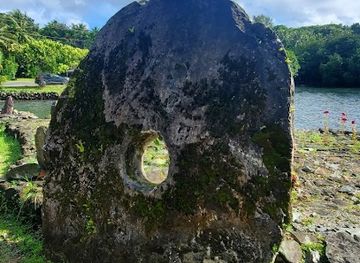
Rai Stones
Explore the Rai Stones of Yap Island, a remarkable cultural treasure reflecting the island's rich heritage and unique history.
Best landmarks in Yap Islands
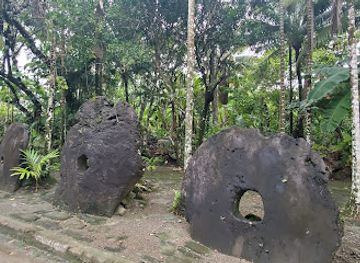
Rai stone money is the defining visual landmark of the Yap Islands, although the discs are dispersed through villages and private or community settings rather than gathered in one monumental plaza. Their physical presence beside paths, houses and meeting places expresses a history of oceanic exchange and continuing social value. Traditional men's meeting houses and canoe houses are equally important architectural and cultural markers, with their significance dependent on their community setting and customary rules of access. Colonia provides the main concentration of administrative buildings, commercial activity and historic traces of the island's period of foreign rule, but Yap's identity is more clearly read in its rural settlement pattern and village roads. The island's reef edge, mangrove shores and sheltered channels form natural landmarks that shape both navigation and daily life; in places, the transition from forest and village land to lagoon is more meaningful than a single viewpoint. Coastal scenery and stone-money sites should be visited with permission, since many are part of active communities rather than public monuments. Together these landmarks show Yap as a living cultural landscape instead of a collection of isolated ruins.
-
 Resort hotel
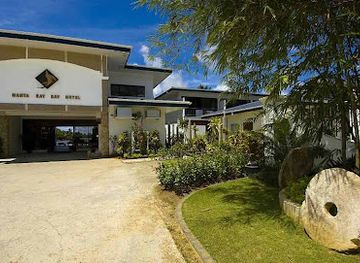
Manta Ray Bay Resort & Yap Divers
Experience the perfect blend of relaxation and adventure at Manta Ray Bay Resort & Yap Divers in enchanting Yap.
-
Tourist attraction
Yap Stone Money Bank
Explore Yap's cultural heritage at the Yap Stone Money Bank, home to the island's iconic stone money and rich traditions.
-
Fortress
Spanish Fort (Yap)
Explore the historical Spanish Fort in Yap, a fortress that offers stunning views and a deep dive into the region's rich cultural heritage.
-
Island
Bi
Explore Yap Island, a hidden paradise in the Pacific, offering stunning beaches, rich cultural heritage, and unforgettable adventures.
Explore Yap Islands on the map
Plan your trip on one map. See where the top cities, national parks and sights are, and book hotels and experiences in a few clicks.
Best hotels in Yap Islands
Best restaurants in Yap Islands
Dining in the Yap Islands is modest in scale and closely tied to what can be landed, grown or brought in by supply shipment. Fish and other seafood, rice, root crops, breadfruit, taro, coconut, bananas and seasonal tropical fruit may appear in local meals, while American and broader Pacific influences are common in hotel and café menus. Colonia has the widest choice of restaurants and casual eating places, but opening arrangements and supplies can vary, so accommodation staff are useful for current guidance. Hotels and guesthouses often provide the most dependable meals for visitors, particularly when excursions leave early or return late. Local food may also be encountered through community gatherings or pre-arranged cultural experiences rather than a permanent restaurant menu. Visitors should distinguish Yapese ingredients and foodways from dishes marketed simply as general Pacific or American cuisine. Vegetarian and specialised diets require advance notice because imported provisions and restaurant capacity are limited. Carrying suitable snacks for boat trips and rural outings is sensible, while local markets and small shops offer a more limited selection than in major regional capitals.
-
Resort hotel
Manta Ray Bay Resort & Yap Divers
Discover unparalleled relaxation and adventure at Manta Ray Bay Resort & Yap Divers – your gateway to Micronesia's underwater treasures.
-
Hotel
Oceania Hotel Restaurant Bar
Experience unparalleled dining at Oceania Hotel Restaurant Bar—where local flavors meet international cuisine in beautiful Yap.
-
Hotel
ESA Bay View Hotel
Experience unparalleled comfort at ESA Bay View Hotel in Yap – your gateway to breathtaking views and vibrant island culture.
-
Hotel
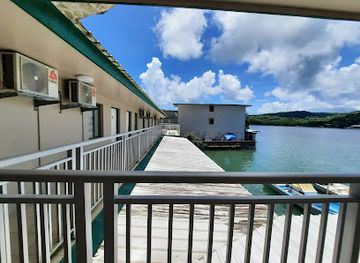
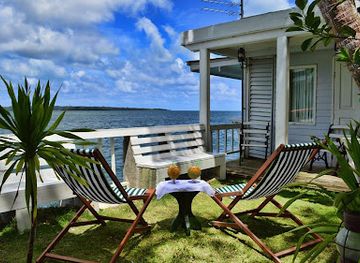
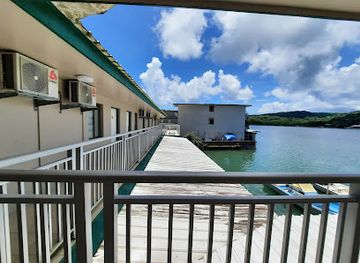
O'keefe's Waterfront Inn
Experience tranquility at O'keefe's Waterfront Inn in Colonia, Yap - your perfect island getaway with stunning ocean views.
Best bars in Yap Islands
Yap's evening life is restrained and community-based rather than centred on nightclubs. Colonia and the larger hotels provide the main opportunities for a drink, informal conversation or an occasional social evening, with restaurants and accommodation bars forming the core of the visitor scene. Traditional-style gatherings, community events and cultural performances may be more significant locally than late-night entertainment, but access should always be arranged respectfully and never assumed. There are no extensive bar districts, and choices outside Colonia are limited. Supply interruptions, weather and community schedules can affect availability, while some venues may serve imported beer, spirits or soft drinks alongside meals. Visitors should avoid treating alcohol as the focus of a cultural encounter and should follow local expectations around dress, noise and behaviour. After dark, transport options are limited, so arrange a return journey rather than relying on an informal taxi service in rural areas.
-
Bar
Manta Ray Bay Resort & Yap Divers
Explore the stunning underwater world and relax in luxury at Manta Ray Bay Resort & Yap Divers, where adventure meets tranquility.
-
Bar
Oceania Hotel Restaurant Bar
Experience the vibrant culinary scene at Oceania Hotel Restaurant Bar, the perfect blend of local flavors and exceptional service in Yap.
-
Hotel
ESA Bay View Hotel
Discover the serene beauty of Yap at ESA Bay View Hotel, where comfort meets breathtaking bay views in the heart of Colonia.
-
Hotel
O'keefe's Waterfront Inn
Discover the serene beauty of O'Keefe's Waterfront Inn in Colonia, Yap—where tranquility meets adventure in the heart of the Pacific.
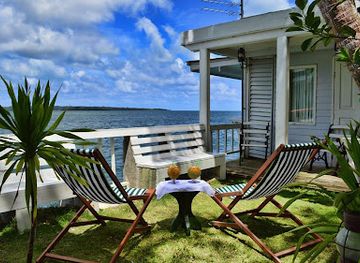
Best nightclubs in Yap Islands
Yap's evening life is restrained and community-based rather than centred on nightclubs. Colonia and the larger hotels provide the main opportunities for a drink, informal conversation or an occasional social evening, with restaurants and accommodation bars forming the core of the visitor scene. Traditional-style gatherings, community events and cultural performances may be more significant locally than late-night entertainment, but access should always be arranged respectfully and never assumed. There are no extensive bar districts, and choices outside Colonia are limited. Supply interruptions, weather and community schedules can affect availability, while some venues may serve imported beer, spirits or soft drinks alongside meals. Visitors should avoid treating alcohol as the focus of a cultural encounter and should follow local expectations around dress, noise and behaviour. After dark, transport options are limited, so arrange a return journey rather than relying on an informal taxi service in rural areas.
-
Resort hotel
Manta Ray Bay Resort & Yap Divers
Experience the magic of Yap at Manta Ray Bay Resort & Yap Divers, where adventure meets tranquility in a tropical paradise.
-
Hotel
Oceania Hotel Restaurant Bar
Discover the culinary delights of Yap at Oceania Hotel Restaurant Bar, where local flavors meet international cuisine in a welcoming atmosphere.
-
Restaurant
Manta Ray SV Mnuw
Discover the culinary delights of Manta Ray SV Mnuw in Colonia, Yap, where local flavors meet international cuisine in an inviting atmosphere.
-
Grill
Pine Bar and Grill
Experience the culinary essence of Yap at Pine Bar and Grill, where local flavors meet a cozy dining atmosphere.

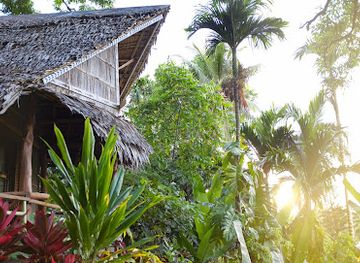
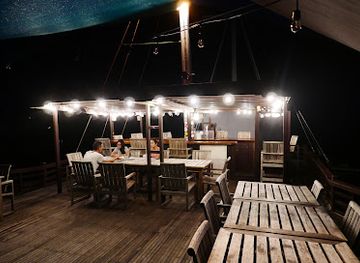
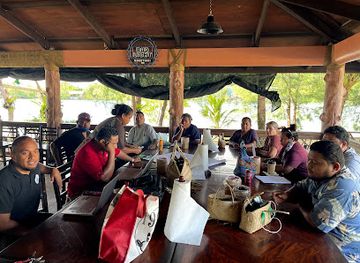
Best shops in Yap Islands
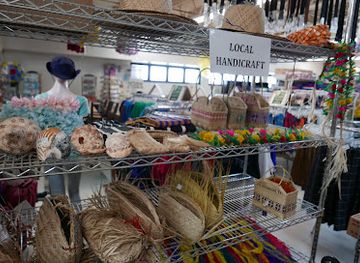
Shopping in the Yap Islands is concentrated in Colonia and is practical rather than extensive. Small shops and hotel outlets may sell snacks, imported necessities, clothing, postcards and locally themed souvenirs, while craft purchases can include woven items, carvings, shell work or other products made through local or regional traditions. Availability varies, and visitors should ask whether an item was made locally and whether its materials can legally be taken through later destinations. Rai stone money is culturally significant and should not be treated as an ordinary souvenir; replicas or photographs are more appropriate for most travellers. Locally produced food, such as coconut-based products or seasonal garden produce, may be available through community contacts or occasional markets, but there is no large, regular retail market comparable with one in a major Pacific city. Independent galleries and craft sellers may operate intermittently, so allow time to enquire locally rather than relying on fixed shopping hours. Bargaining should not be assumed, and respectful payment for handmade work is preferable to treating cultural objects as cheap curiosities.
-
Gift shop
Manta Ray Bay Resort & Yap Divers
Experience unparalleled diving adventures and cultural immersion at Manta Ray Bay Resort & Yap Divers, where the ocean meets hospitality.
-
General store
Yap Cooperative Association General Store
Discover local flavors and unique souvenirs at the Yap Cooperative Association General Store in Colonia, Yap.
-
Grocery store
K.T.Store
Discover authentic local flavors and everyday essentials at K.T. Store in Ngariy, Yap.
-
Fish store
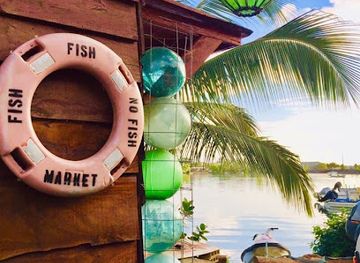
Arthur's Fish Market
Experience the freshest seafood and local culture at Arthur's Fish Market in Colonia, Yap, a must-visit for culinary enthusiasts.
Get your free copy of our complete guide to Yap Islands, delivered straight to you.
Everything on this page, from attractions and restaurants to essentials and local phrases, in one PDF you can read offline, print or share.
Already have an account? Sign in
Your Yap Islands guide is ready.
We'll send it to · Not you? Sign out

Getting your guide ready…
We are putting together a fresh copy of the Yap Islands guide. This can take up to a minute.
This can take a few moments. If your browser asks, choose Allow so the download can start. You'll find the guide in your Downloads folder.
Nothing happened? Download it again
Sorry, the guide is taking longer than usual. Please try again in a minute, or get it by email instead.
Yap Islands essentials
Currency and Payment
Safety
Emergency Situations
Do's and Don'ts
Local Tips
From Eve
Local phrases worth knowing
You don't need to get them perfect. A few words go a long way, and locals appreciate the effort.
Basics
| English | Local | Say it |
|---|---|---|
| Hello | Talofa | [Tah-loh-fah] |
| Goodbye | Tofa | [Toh-fah] |
| Yes | Ae | [Ah-eh] |
| No | Ioe | [Ee-oh-eh] |
| Please/You're welcome | Fa'amolemole | [Fah-ah-moh-leh-moh-leh] |
| Thank you | Fa'afetai | [Fah-ah-feh-tah-ee] |
| Excuse me/Sorry | Fa'amolemole | [Fah-ah-moh-leh-moh-leh] |
| How are you? | Oa mai oe? | [Oh-ah my oh-eh?] |
| Fine. And you? | Mālamalama. O a mai oe? | [Mah-lah-mah-lah-mah. Oh ah my oh-eh?] |
| Do you speak English? | E te le fa'a-Suafa? | [Eh teh leh fah-ah-soo-ah-fah?] |
| I don't understand | O le fa'ava i le fa'avae | [Oh leh fah-ah-vah ee leh fah-ah-veh] |
Eating & Drinking
| English | Local | Say it |
|---|---|---|
| I'd like to see the menu, please | E te le fa'amaonia i le menu, fa'amolemole | [Eh teh leh fah-ah-mah-oh-nee-ah ee leh meh-noo, fah-ah-moh-leh-moh-leh] |
| I don't eat meat | O le fa'ava i le mea'ai | [Oh leh fah-ah-vah ee leh meh-ah-ai] |
| Cheers! | Tā'ū | [Tah-oo] |
| I would like to pay, please | E te le fa'amaonia i le totogi, fa'amolemole | [Eh teh leh fah-ah-mah-oh-nee-ah ee leh toh-toh-gee, fah-ah-moh-leh-moh-leh] |
Emergencies
| English | Local | Say it |
|---|---|---|
| Help! | Tūlaga! | [Too-lah-ngah] |
| Go away! | O le alu! | [Oh leh ah-loo!] |
| Call the Police! | Tūleina i le Ofisa o leoleo! | [Too-lay-nah ee leh Oh-fi-sah oh leh-oh-leh-oh!] |
| Call a doctor! | Tūleina i le foma'i! | [Too-lay-nah ee leh fo-mah-ee!] |
| I'm lost | O le fa'ava | [Oh leh fah-ah-vah] |
| I'm ill | O le ma'i | [Oh leh mah-ee] |
Shopping
| English | Local | Say it |
|---|---|---|
| I'd like to buy... | E te le fa'atau... | [Eh teh leh fah-ah-tau] |
| I'm just looking | O le fa'ata'ita'iga | [Oh leh fah-ah-tah-ee-tah-ee-gah] |
| How much is it? | E fia le tau? | [Eh fee-ah leh tah-oo?] |
| That's too expensive | O le tau e maualuga | [Oh leh tah-oo eh mah-oo-lah-gee-ah] |
| Can you lower the price? | E mafai ona i lalo le tau? | [Eh mah-fai oh-nah ee lah-loh leh tah-oo?] |
Time & Numbers
| English | Local | Say it |
|---|---|---|
| What time is it? | O le a le taimi? | [Oh leh ah leh tah-ee-mee?] |
| It's one o'clock | O le itupa i le tasi | [Oh leh ee-too-pah ee leh tah-see] |
| Half past (10) | O le afa i le (10) | [Oh leh ah-fah ee leh (10)] |
| Morning | Vaveao | [Vah-veh-ah-oh] |
| Afternoon | Afiafi | [Ah-fee-ah-fee] |
| Evening | Po | [Poh] |
| Yesterday | I le aso anamua | [Ee leh ah-so ah-nah-moo-ah] |
| Today | I le aso | [Ee leh ah-so] |
| Tomorrow | I le aso fou | [Ee leh ah-so foh-oo] |
| 1 | Tasi | [Tah-see] |
| 2 | Lua | [Loo-ah] |
| 3 | Tolu | [Toh-loo] |
| 4 | Fa | [Fah] |
| 5 | lima | [Lee-mah] |
| 6 | Ona | [Oh-nah] |
| 7 | Fitu | [Fee-too] |
| 8 | Valu | [Vah-loo] |
| 9 | Iva | [Ee-vah] |
| 10 | Sefulu | [Seh-foo-loo] |
Transport & Directions
| English | Local | Say it |
|---|---|---|
| Where's a/the...? | O fea le...? | [Oh feh-ah leh...?] |
| What's the address? | O le a le fa'ailoga? | [Oh leh ah leh fah-eh-lah-ngah?] |
| Can you show me (on the map)? | E mafai ona fa'aali mai ia te a'u (i le mapa)? | [Eh mah-fai oh-nah fah-ah-lee my ee-ah teh ah-oo (ee leh mah-pah)?] |
| When's the next (bus)? | O le a le taimi e toe tula'i ai (i le bus)? | [Oh leh ah leh tah-ee-mee eh toe too-lah-ee ah-ee (ee leh bus)?] |
| A ticket (to ....) | O se tiket (i ....) | [Oh seh tee-ket (ee ....)] |
History of Yap Islands
Early settlement and Austronesian seafaring
The Yap Islands were settled by Austronesian-speaking peoples whose communities developed through generations of ocean voyaging, fishing, horticulture and exchange. Yap's position in the western Caroline Islands connected it to wider networks reaching Palau and other island groups. Traditional navigation, canoe construction and knowledge of reefs and currents were not simply practical skills but foundations of social identity. Archaeological evidence and surviving cultural practices point to a long history of movement and adaptation across a dispersed Pacific environment.
Traditional Yapese political and social order
Before colonial administration, Yapese society was organised through villages, ranked relationships, land and reef rights, chiefly authority and customary obligations. Different parts of the islands maintained their own communities while participating in formal systems of exchange and ceremony. Meeting houses, village paths, taro lands and designated coastal areas reflected this organisation. Many customs have changed over time, but the importance of community, respectful conduct and inherited relationships remains central to understanding contemporary Yap.
Rai stone money and regional exchange
Rai, the large limestone discs known as stone money, became one of Yap's most distinctive institutions. The stones were quarried primarily in Palau and transported over considerable distances by ocean-going canoes and later other vessels. Their worth related to size, workmanship, provenance and the difficulty or danger of their journey, as well as to the histories of ownership attached to them. Rai is not ordinary currency today; its continuing significance lies in social recognition, ceremony, memory and customary exchange.
Spanish and German colonial rule
European colonial influence reached the Caroline Islands through missionary, commercial and political activity, and Spain asserted control over the archipelago during the late nineteenth century. In 1899 Spain sold its remaining Caroline Islands claims to Germany, which incorporated them into the German New Guinea colonial sphere. Colonial rule introduced new administrative structures and commercial interests while interacting unevenly with established Yapese authority, landholding and religious life. The period forms part of the wider colonial history shared by the western Caroline Islands.
Japanese administration and the Pacific War
Japan took control of the Caroline Islands after the First World War under a League of Nations mandate and developed administrative, commercial and communications facilities in Yap. Japanese rule brought new institutions, migration and economic connections, while also placing the islands within Japan's wartime strategic system. During the Second World War, Yap experienced military construction and disruption, although it was not the scene of a major ground battle comparable with some other Pacific islands. The wartime period left physical and social traces.
Trust Territory administration and self-government
After the Second World War, the islands became part of the United Nations Trust Territory of the Pacific Islands, administered by the United States. Schools, health services, transport links and new political institutions developed during this period, alongside major changes in employment and migration. The Federated States of Micronesia entered free association with the United States in 1986, and Yap became one of its four states. Contemporary Yapese governance therefore combines a modern constitutional framework with enduring customary authority and community practice.
Tourism, conservation and cultural continuity
Since the late twentieth century, Yap has developed a small-scale visitor economy focused on diving, manta rays, cultural heritage and nature rather than high-volume resort construction. Marine conservation and responsible tourism are particularly important because the islands' reefs and lagoons support both livelihoods and visitor activities. The modern challenge is to gain economic benefit from tourism without reducing culture to a performance or placing excessive pressure on fragile environments. Yap's present identity is shaped by this balance between outside connections and local continuity.
Yap Islands in Photos
Browse through our photo collection highlighting the charm and character of the destination.
Neighbouring regions of Yap Islands
The closest regions to Yap Islands, if you have time for more than one.
-

-

-

-

-


Swipe for more regions
Explore more

Explore more of Micronesia
Discover Micronesia: A Pacific paradise with vibrant coral reefs, rich cultural heritage, and breathtaking landscapes.
Explore Micronesia