

Free Western Caroline Islands Travel Guide & Mobile App
Explore Western Caroline Islands with free travel guides. Discover regional history, expert tips, proposed trips, and audio guides on web or mobile app.


Explore the Western Caroline Islands through Yap’s stone money, village traditions, reef diving, manta rays and remote Pacific landscapes.
Read more about Western Caroline Islands
When is the best time to visit Western Caroline Islands?
Best: January–March · 29–30°C| Month | High (°C) | Rainfall (mm) |
|---|---|---|
| January (best) | 29 | 300 |
| February (best) | 29 | 250 |
| March (best) | 30 | 300 |
| April | 30 | 350 |
| May | 31 | 400 |
| June | 31 | 400 |
| July | 31 | 400 |
| August | 31 | 400 |
| September | 31 | 400 |
| October | 30 | 350 |
| November | 30 | 350 |
| December | 30 | 300 |
Getting to and around Western Caroline Islands
How to get there
Transportation
Best attractions in Western Caroline Islands
The Western Caroline Islands offer a small-scale, locally guided attraction landscape centred on Yap State. On Yap proper, visitors can explore village roads, traditional meeting places, stone-money banks and coastal areas where mangroves meet coral reefs. Cultural visits are most rewarding when arranged with local permission and interpretation, since many important places remain part of living community life rather than functioning as formal tourist sites. The sea provides the region’s strongest recreational draw: dive sites and snorkelling areas around reefs, channels and drop-offs support colourful reef fish, turtles and seasonal manta-ray encounters. Above water, birdwatching, kayaking, shoreline walks and visits to taro gardens provide a slower view of the island environment. Yap’s outer islands and atolls offer more remote reefs, beaches and traditional communities, but access is limited and weather-dependent. There are no large theme-park complexes or dense museum districts; the attraction is the relationship between customary culture, tropical ecology and a lightly developed landscape. Visitors should distinguish organised marine activities from independent exploration, as currents, private land, village protocols and changing sea conditions make local guidance important.
-
Nature preserve
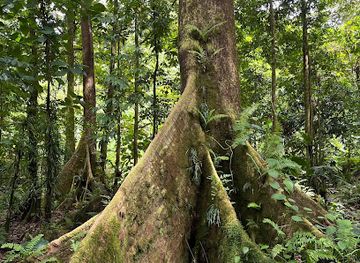
Yela Ka Forest
Discover the serene beauty of Yela Ka Forest in Kosrae, a natural paradise perfect for eco-tourists and nature lovers seeking tranquility.
Best landmarks in Western Caroline Islands
The most recognisable landmarks of the Western Caroline Islands are cultural and environmental rather than monumental. Yap’s rai stone money banks, where large limestone discs stand beside village paths and meeting places, express the island’s history of navigation, exchange and collective memory. Traditional faluw, or men’s houses, are important examples of Yapese communal architecture, although they are community spaces rather than casual public attractions. Yap proper’s mangrove-lined coast and reef channels form a second group of landmarks, revealing how settlement and customary life are tied to the sea. The island’s churches and village buildings reflect later Spanish, Japanese and American influences without erasing local forms of organisation. Offshore, coral reefs and recognised manta-ray areas are natural landmarks for divers, but they are living ecosystems rather than scenery to be handled or approached carelessly. In the wider state, isolated atolls and outer-island communities carry their own identities and histories; their remoteness is part of their significance, and visits should be arranged with local consent rather than undertaken as unplanned sightseeing.
-
Historical landmark
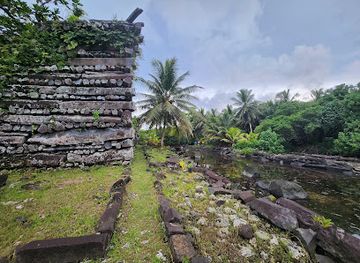
Nan Madol
Explore Nan Madol, a UNESCO World Heritage Site in Pohnpei, featuring ancient ruins, stunning stone structures, and rich cultural history.
-
 Resort hotel
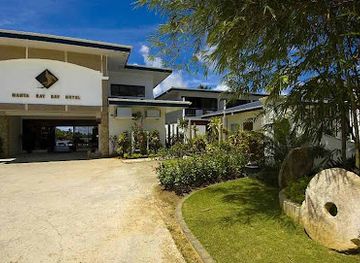
Manta Ray Bay Resort & Yap Divers
Experience the ultimate getaway at Manta Ray Bay Resort & Yap Divers, where adventure meets tranquility in the heart of Yap.
-
Indoor lodging
Kosrae Nautilus Resort
Experience the tranquility and adventure at Kosrae Nautilus Resort, your gateway to the breathtaking beauty of Kosrae in the Federated States of Micronesia.
-
Tourist attraction
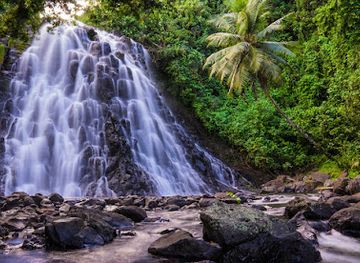
Kepirohi Waterfall
Discover the beauty of Kepirohi Waterfall in Pohnpei, an enchanting spot for hiking, swimming, and immersing yourself in nature's tranquility.
Explore Western Caroline Islands on the map
Plan your trip on one map. See where the top cities, national parks and sights are, and book hotels and experiences in a few clicks.
Best hotels in Western Caroline Islands
Best restaurants in Western Caroline Islands
Dining in Yap State is modest, practical and shaped by island supply lines. Hotels and guesthouses provide the most dependable organised meals, while smaller local eateries and family kitchens may offer rice, noodles, seafood, chicken, pork, vegetables, breadfruit, taro and coconut-based dishes. Fresh fish is an important part of the local food environment, although availability depends on weather, fishing conditions and supply. Imported American, Filipino and broader Pacific influences are also visible in everyday meals. Visitors may encounter local produce such as bananas, papaya, taro and breadfruit, alongside goods brought in from overseas. Colonia has the greatest concentration of places to eat, but choice narrows substantially outside the main settlement and on outer islands. Markets and shops are useful for snacks and provisions rather than a guaranteed daily culinary itinerary. Advance notice is sensible for special dietary requirements, and travellers should not expect extensive late-night dining or a large fine-dining scene. Meals arranged through local hosts can provide more cultural context than relying only on hotel restaurants.
-
Hotel
Joy Hotel & Restaurant
Experience exceptional Japanese cuisine and cozy lodging at Joy Hotel & Restaurant in Kolonia, Pohnpei - your gateway to local flavors.
-
Hotel
Cliff Hotel & Restaurant
Experience comfort and exquisite dining at Cliff Hotel & Restaurant in Kolonia, Pohnpei – where breathtaking views meet local flavors.
-
Hotel
Oceania Hotel Restaurant Bar
Discover exquisite local flavors and vibrant cuisine at Oceania Hotel Restaurant Bar in Yap - a top destination for food lovers.
-
Hotel
Chinastar Hotel & Restaurant
Experience the best of Pohnpei at Chinastar Hotel & Restaurant - your go-to spot for authentic Chinese cuisine and comfortable lodging.
Best bars in Western Caroline Islands
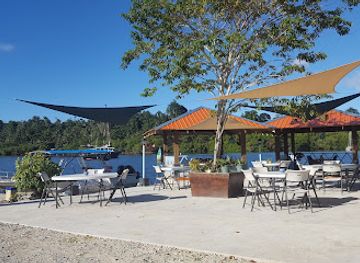
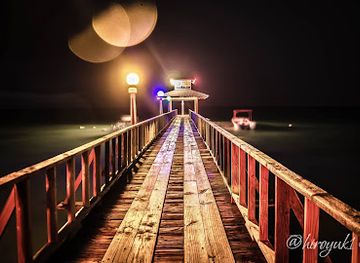
Yap’s evening life is quiet and community-oriented rather than built around nightclubs. Hotels and a few established local venues provide the main places for a drink, conversation or occasional music, while restaurants and guesthouses may close relatively early. The island has no large entertainment district, and nightlife outside Colonia is particularly limited. Evening activities commonly centre on dining, meeting friends, cultural events or enjoying the dark Pacific sky rather than moving between crowded bars. Alcohol is available in some licensed establishments, but visitors should drink discreetly and respect local communities, religious observances and transport limitations. Because taxis, roads and services are limited after dark, arrange a return journey in advance and avoid wandering through villages or private areas. The most distinctive social atmosphere is often found through a locally arranged gathering or event, provided that visitors are invited and follow the host’s guidance.
-
Bar
Mangrove Bay Bar
Discover the vibrant nightlife at Mangrove Bay Bar, where refreshing drinks and live music create an unforgettable experience in Pohnpei.
-
Bar
Mangroove Bar
Discover the lively ambiance and refreshing drinks at Mangroove Bar, the perfect spot to unwind in Weno, Chuuk.
Best nightclubs in Western Caroline Islands
Yap’s evening life is quiet and community-oriented rather than built around nightclubs. Hotels and a few established local venues provide the main places for a drink, conversation or occasional music, while restaurants and guesthouses may close relatively early. The island has no large entertainment district, and nightlife outside Colonia is particularly limited. Evening activities commonly centre on dining, meeting friends, cultural events or enjoying the dark Pacific sky rather than moving between crowded bars. Alcohol is available in some licensed establishments, but visitors should drink discreetly and respect local communities, religious observances and transport limitations. Because taxis, roads and services are limited after dark, arrange a return journey in advance and avoid wandering through villages or private areas. The most distinctive social atmosphere is often found through a locally arranged gathering or event, provided that visitors are invited and follow the host’s guidance.
-
Bar
Manta Ray Bay Resort & Yap Divers
Discover the beauty of the ocean and indulge in tropical luxury at Manta Ray Bay Resort & Yap Divers, your ultimate getaway in Yap.
-
Indoor lodging
Kosrae Nautilus Resort
Discover the serene beauty of Kosrae Nautilus Resort, your peaceful retreat in the heart of the Pacific paradise.
-
Hotel
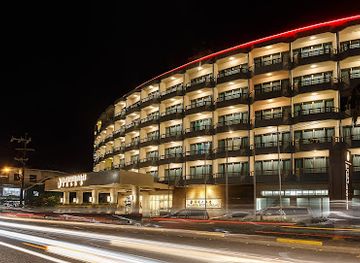
Level 5 Hotel
Discover the charm of Chuuk with a stay at Level 5 Hotel, where comfort meets local hospitality in the heart of Weno.
-
Atoll
Ulithi
Explore the stunning Ulithi Atoll, a hidden paradise in Micronesia with breathtaking beaches, rich history, and vibrant marine life.

Best shops in Western Caroline Islands
Shopping in the Western Caroline Islands is concentrated in Colonia and is primarily practical. Small shops provide food, drinks, toiletries, clothing and basic travel supplies, while the range of imported goods can vary with shipping and air-freight schedules. Visitors may find locally made handicrafts, woven items, shell-based products or artwork through established cultural outlets and personal introductions, but should buy only where provenance and permission are clear. Rai are not tourist souvenirs and should never be treated as objects for casual purchase. Regional food products such as packaged coconut, preserved goods and island-grown produce may be available, although supply is seasonal and limited. There is no large luxury-shopping district or extensive chain-retail centre. Purchases from local makers are best made respectfully, with attention to customary ownership and any restrictions on removing natural materials. Carrying cash is useful for small transactions, particularly beyond the main service area, and travellers should leave time for shops to operate according to local rather than international retail expectations.
-
Hotel
Palau Pacific Resort
Discover the ultimate luxury experience at Palau Pacific Resort, where stunning beaches and world-class amenities create an unforgettable escape.
-
Hotel
Palasia Hotel Palau
Discover luxury at Palasia Hotel Palau, your gateway to exploring the stunning beauty and culture of Palau with world-class amenities.
-
Gift shop
Manta Ray Bay Resort & Yap Divers
Experience the ultimate tropical getaway at Manta Ray Bay Resort & Yap Divers, where adventure meets relaxation in the stunning island of Yap.
-
Restaurant
Truk Stop Hotel & Restaurant
Experience authentic Chuukese cuisine and warm hospitality at Truk Stop Hotel & Restaurant in Weno, the heart of the Pacific.
Get your free copy of our complete guide to Western Caroline Islands, delivered straight to you.
Everything on this page, from attractions and restaurants to essentials and local phrases, in one PDF you can read offline, print or share.
Already have an account? Sign in
Your Western Caroline Islands guide is ready.
We'll send it to · Not you? Sign out

Getting your guide ready…
We are putting together a fresh copy of the Western Caroline Islands guide. This can take up to a minute.
This can take a few moments. If your browser asks, choose Allow so the download can start. You'll find the guide in your Downloads folder.
Nothing happened? Download it again
Sorry, the guide is taking longer than usual. Please try again in a minute, or get it by email instead.
Western Caroline Islands essentials
Currency and Payment
Safety
Emergency Situations
Do's and Don'ts
Local Tips
From Eve
Local phrases worth knowing
You don't need to get them perfect. A few words go a long way, and locals appreciate the effort.
Basics
| English | Local | Say it |
|---|---|---|
| Hello | Maalofa | [Mah-ah-loh-fah] |
| Goodbye | Konnichiwa | [Koh-nee-chee-wah] |
| Yes | Aye | [Eye] |
| No | O | [Oh] |
| Please/You're welcome | Tama | [Tah-mah] |
| Thank you | Kamsahamnida | [Kahm-sah-hahm-nee-dah] |
| Excuse me/Sorry | Malu | [Mah-loo] |
| How are you? | Maalofa e? | [Mah-ah-loh-fah eh?] |
| Fine. And you? | Sikau. Eko? | [See-kah-oo. Eh-koh?] |
| Do you speak English? | O epuu e English? | [Oh eh-poo eh English?] |
| I don't understand | Tukuh e konga | [Too-koh-oo eh kon-gah] |
Eating & Drinking
| English | Local | Say it |
|---|---|---|
| I'd like to see the menu, please | Maalofa, ou e puu e menu | [Mah-ah-loh-fah, oh-oo eh poo eh meh-noo] |
| I don't eat meat | Tukuh e maa | [Too-koh-oo eh mah-ah] |
| Cheers! | Kanpai! | [Kahn-pah-ee] |
| I would like to pay, please | Maalofa, ou e puu e panga | [Mah-ah-loh-fah, oh-oo eh poo eh pahn-gah] |
Emergencies
| English | Local | Say it |
|---|---|---|
| Help! | Tautau! | [Tah-oo-tah-oo] |
| Go away! | Hala! | [Hah-lah] |
| Call the Police! | Hala e Polisia! | [Hah-lah eh Poh-lee-see-ah] |
| Call a doctor! | Hala e Dokita! | [Hah-lah eh Doh-kee-tah] |
| I'm lost | Ou e nakau e | [Oh-oo eh nah-kah-oo eh] |
| I'm ill | Ou e maali | [Oh-oo eh mah-ah-lee] |
Shopping
| English | Local | Say it |
|---|---|---|
| I'd like to buy... | Ou e puu e kaupō | [Oh-oo eh poo eh kah-oo-poh] |
| I'm just looking | Ou e puu e nakau | [Oh-oo eh poo eh nah-kah-oo] |
| How much is it? | Eko e maali? | [Eh-koh eh mah-ah-lee?] |
| That's too expensive | Kokua e panga | [Koh-koo-ah eh pahn-gah] |
| Can you lower the price? | Eko ou e puu e panga? | [Eh-koh oh-oo eh poo eh pahn-gah?] |
Time & Numbers
| English | Local | Say it |
|---|---|---|
| What time is it? | Eko e po? | [Eh-koh eh poh?] |
| It's one o'clock | Eko e tasi | [Eh-koh eh tah-see] |
| Half past (10) | Eko e hapū lā (10) | [Eh-koh eh hah-poo lah (10)] |
| Morning | Maalofa | [Mah-ah-loh-fah] |
| Afternoon | Rai | [Rai] |
| Evening | Tepū | [Teh-poo] |
| Yesterday | Pāna | [Pah-nah] |
| Today | Tāna | [Tah-nah] |
| Tomorrow | Tūna | [Too-nah] |
| 1 | Tasi | [Tah-see] |
| 2 | Rua | [Roo-ah] |
| 3 | Tolu | [Toh-loo] |
| 4 | Fa | [Fah] |
| 5 | Lima | [Lee-mah] |
| 6 | Ono | [Oh-no] |
| 7 | Fitu | [Fee-too] |
| 8 | Valu | [Vah-loo] |
| 9 | Nau | [Nah-oo] |
| 10 | Tasi | [Tah-see] |
Transport & Directions
| English | Local | Say it |
|---|---|---|
| Where's a/the...? | Eko e hā? | [Eh-koh eh hah?] |
| What's the address? | Eko e tuanga? | [Eh-koh eh too-ahng-ah?] |
| Can you show me (on the map)? | Eko ou e puu e hā? | [Eh-koh oh-oo eh poo eh hah?] |
| When's the next (bus)? | Eko e hā hā? | [Eh-koh eh hah hah?] |
| A ticket (to ....) | Eko e tiket (kā ....) | [Eh-koh eh tee-ket (kah ....)] |
History of Western Caroline Islands
Early settlement and ocean navigation
The islands of Yap State were settled by Austronesian-speaking peoples whose societies developed through generations of ocean navigation, horticulture, fishing and exchange. Yap proper became the cultural centre of a wider network that connected communities across the western Caroline region. Traditional voyaging knowledge, clan relationships and obligations between villages shaped access to land and marine resources. Archaeological evidence is less visually monumental than the region’s later stone-money tradition, but the enduring settlement pattern, taro cultivation, canoe use and specialised communal buildings reflect a long history of adaptation to a reef-fringed tropical environment.
The development of rai stone money
Rai, the large stone discs associated with Yap, were quarried mainly in Palau and transported by sea to Yap over many centuries. Their movement required considerable labour, seafaring skill and negotiated relationships between communities. Value was not determined simply by size: the story of a particular stone, the effort involved in moving it and the people connected with the exchange were also important. Some discs remained in place after transport, and ownership could change without physical movement. Rai therefore represents a system of recognised social credit and history as much as a form of money.
Spanish and later colonial influence
European ships reached the Caroline Islands during the early modern period, but sustained colonial administration came later. Spain claimed the archipelago and established Catholic missions and administrative influence during the nineteenth century. In 1899 Spain sold its remaining Caroline possessions to Germany, bringing Yap into the German colonial sphere. Mission buildings, introduced religious practices and new political connections formed part of a broader transformation, although local authority, customary land relationships and village institutions continued to influence everyday life.
Japanese administration and the Pacific War
Japan took control of the Carolines after the First World War under a League of Nations mandate. Japanese administration expanded commercial, educational and communications links, and Yap became strategically important because of its position in the western Pacific. During the Second World War the islands were drawn into military planning, although Yap did not experience the scale of fighting seen on some other Pacific islands. Wartime installations and memories form part of the region’s modern history, while the post-war period brought major political and economic changes.
The Trust Territory era
After the Second World War, the Caroline Islands became part of the United Nations Trust Territory of the Pacific Islands, administered by the United States. Schools, public health services, transport links and government institutions developed in new forms during this period. The arrangement also encouraged political debates about self-government and the future relationships between the island groups. Yap’s distinct customary institutions and cultural identity remained significant as modern state structures emerged, creating a continuing balance between communal traditions and imported administrative systems.
The Federated States of Micronesia
The Federated States of Micronesia became a sovereign country in 1986 under a Compact of Free Association with the United States, and Yap became one of its four states. The state includes Yap proper and widely dispersed outer islands, each with distinct communities and local histories. Contemporary Yap combines elected government, schools, tourism and modern communications with customary leaders, traditional land tenure and village obligations. Its economy remains relatively small, and remittances, public employment, subsistence activities and carefully managed tourism all contribute to life in the Western Caroline Islands.
Western Caroline Islands in Photos
Browse through our photo collection highlighting the charm and character of the destination.
Neighbouring regions of Western Caroline Islands
The closest regions to Western Caroline Islands, if you have time for more than one.
-

-

-

-

-


Swipe for more regions
Explore more

Explore more of Micronesia
Discover Micronesia: A Pacific paradise with vibrant coral reefs, rich cultural heritage, and breathtaking landscapes.
Explore Micronesia