

Free Nukuoro Atoll Travel Guide & Mobile App
Explore Nukuoro Atoll with free travel guides. Discover regional history, expert tips, proposed trips, and audio guides on web or mobile app.


Nukuoro Atoll in the Federated States of Micronesia offers remote lagoon landscapes, Polynesian culture, traditional carving and community-led island experiences.
Read more about Nukuoro Atoll
When is the best time to visit Nukuoro Atoll?
Best: January–March · 29–30°C| Month | High (°C) | Rainfall (mm) |
|---|---|---|
| January (best) | 29 | 250 |
| February (best) | 30 | 230 |
| March (best) | 30 | 260 |
| April | 30 | 270 |
| May | 30 | 290 |
| June | 30 | 300 |
| July | 30 | 320 |
| August | 30 | 310 |
| September | 30 | 290 |
| October | 30 | 280 |
| November | 30 | 270 |
| December | 31 | 260 |
Getting to and around Nukuoro Atoll
How to get there
Transportation
Explore Nukuoro Atoll on the map
Plan your trip on one map. See where the top cities, national parks and sights are, and book hotels and experiences in a few clicks.
Best hotels in Nukuoro Atoll
Best bars in Nukuoro Atoll
Nukuoro has no established bar or nightclub district and should not be visited with expectations of commercial nightlife. Evening life centres on households, community activities, conversation, church-related occasions and the quiet routines of an isolated island. Any alcohol consumption should be approached discreetly and in accordance with local expectations; it should never be treated as the focus of a visit. After dark, the lagoon, reef and unlit paths present practical hazards, while electricity and communications may be limited, so visitors should carry a torch and follow their host’s advice about movement. Clear skies can make night-time observation rewarding, but avoid shining lights towards homes, boats or people and do not enter community areas without permission. Socialising is possible, but it depends on invitation, courtesy and the pace of village life rather than advertised entertainment.
-
Bar
Livehouse
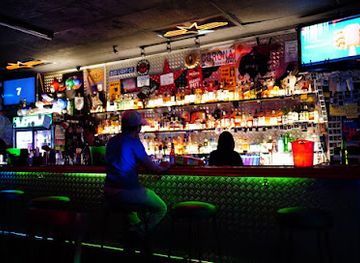
Discover the vibrant nightlife of Guam at Livehouse, where great drinks and live entertainment come together in a lively atmosphere.
-
Restaurant
Truk Stop Hotel & Restaurant
Discover the flavors of Micronesia at Truk Stop Hotel & Restaurant, where local cuisine meets stunning views and warm hospitality.
-
 Bar
Bar7 Stars Inn & Riverside Restaurant
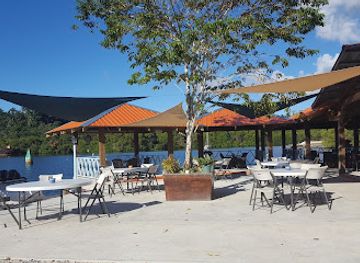
Experience the unique blend of local hospitality and culinary delights at 7 Stars Inn & Riverside Restaurant in Pohnpei.
-
Bar
Mangrove Bay Bar
Experience the vibrant nightlife and stunning views at Mangrove Bay Bar in Pohnpei—your go-to destination for relaxation and fun.

Best shops in Nukuoro Atoll
Nukuoro is not a shopping destination and has no dependable retail district, craft market or souvenir infrastructure. Visitors may occasionally encounter locally made carvings, woven items or other handmade objects, but availability, ownership and cultural significance vary, and purchases should be made only with clear permission from the maker or custodian. Nukuoro woodcarving has an important artistic reputation, so travellers should be especially cautious about buying objects that may be culturally sensitive, old, exported without proper documentation or represented inaccurately. Everyday supplies are limited and are normally obtained through household stocks or infrequent supply shipments rather than through a broad choice of shops. Bring essential toiletries, equipment, medicines and gifts in advance, while avoiding excessive packaging and single-use plastics. If a locally made item is offered for sale, ask about its material, provenance, permitted export and appropriate price, and never remove coral, shells, plants or historical objects as souvenirs.
-
Shopping mall
Micronesia Mall
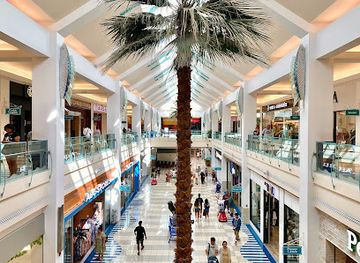
Explore Micronesia Mall in Guam for an unparalleled shopping experience with diverse stores, delicious dining, and vibrant entertainment options.
-
Hobby store
Geek Out
Explore Geek Out in Guam - your ultimate destination for collectibles and trading cards, where every item tells a story.
-
Shopping mall
Island Mart
Discover the vibrant shopping scene at Island Mart in Weno, Chuuk, where local culture meets diverse shopping choices.
-
Island
Nukuoro Island
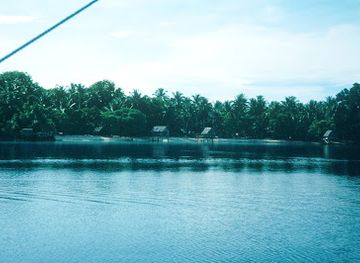
Discover the unspoiled beauty and rich cultural heritage of Nukuoro Island, a serene tropical paradise in the Pacific.


Get your free copy of our complete guide to Nukuoro Atoll, delivered straight to you.
Everything on this page, from attractions and restaurants to essentials and local phrases, in one PDF you can read offline, print or share.
Already have an account? Sign in
Your Nukuoro Atoll guide is ready.
We'll send it to · Not you? Sign out

Getting your guide ready…
We are putting together a fresh copy of the Nukuoro Atoll guide. This can take up to a minute.
This can take a few moments. If your browser asks, choose Allow so the download can start. You'll find the guide in your Downloads folder.
Nothing happened? Download it again
Sorry, the guide is taking longer than usual. Please try again in a minute, or get it by email instead.
Nukuoro Atoll essentials
Currency and Payment
Safety
Emergency Situations
Do's and Don'ts
Local Tips
From Eve
Local phrases worth knowing
You don't need to get them perfect. A few words go a long way, and locals appreciate the effort.
Basics
| English | Local | Say it |
|---|---|---|
| Hello | Mwaru | [mwah-roo] |
| Goodbye | Aroha | [ah-roh-hah] |
| Yes | Iye | [ee-yeh] |
| No | Tua | [too-ah] |
| Please/You're welcome | Fakamalu | [fah-kah-mah-loo] |
| Thank you | Fakamalu | [fah-kah-mah-loo] |
| Excuse me/Sorry | Kekoa | [keh-koh-ah] |
| How are you? | Na ko te? | [nah koh teh?] |
| Fine. And you? | Mwaru. Na ko te? | [mwah-roo. nah koh teh?] |
| Do you speak English? | Ko te mateo e ailing? | [koh teh mah-teh-oh eh ah-ling?] |
| I don't understand | E aonga a tei? | [eh ah-ong-ah ah teh-ee?] |
Eating & Drinking
| English | Local | Say it |
|---|---|---|
| I'd like to see the menu, please | Fakamalu, e aonga te menu? | [fah-kah-mah-loo, eh ah-ong-ah teh meh-noo?] |
| I don't eat meat | E na tei fakamalu? | [eh nah teh-ee fah-kah-mah-loo?] |
| Cheers! | Mwaru! | [mwah-roo!] |
| I would like to pay, please | Fakamalu, e aonga te tuku? | [fah-kah-mah-loo, eh ah-ong-ah teh too-koo?] |
Emergencies
| English | Local | Say it |
|---|---|---|
| Help! | Fakamalu! | [fah-kah-mah-loo!] |
| Go away! | E na tei! | [eh nah teh-ee!] |
| Call the Police! | Fakamalu e Police! | [fah-kah-mah-loo eh poh-leece!] |
| Call a doctor! | Fakamalu e toktok! | [fah-kah-mah-loo eh tohk-tohk!] |
| I'm lost | E na fakamalu. | [eh nah fah-kah-mah-loo.] |
| I'm ill | E na tei. | [eh nah teh-ee.] |
Shopping
| English | Local | Say it |
|---|---|---|
| I'd like to buy... | Fakamalu, e aonga te ... | [fah-kah-mah-loo, eh ah-ong-ah teh ...] |
| I'm just looking | E na tei fakamalu. | [eh nah teh-ee fah-kah-mah-loo.] |
| How much is it? | Na ko te aonga? | [nah koh teh ah-ong-ah?] |
| That's too expensive | E aonga te fakamalu. | [eh ah-ong-ah teh fah-kah-mah-loo.] |
| Can you lower the price? | E na tei fakamalu e aonga? | [eh nah teh-ee fah-kah-mah-loo eh ah-ong-ah?] |
Time & Numbers
| English | Local | Say it |
|---|---|---|
| What time is it? | Na ko te ora? | [nah koh teh oh-rah?] |
| It's one o'clock | E na te ora to. | [eh nah teh oh-rah toh.] |
| Half past (10) | E na te ora to e fakamalu. | [eh nah teh oh-rah toh eh fah-kah-mah-loo.] |
| Morning | Tua | [too-ah] |
| Afternoon | Na ko te aonga. | [nah koh teh ah-ong-ah.] |
| Evening | Na ko te fakamalu. | [nah koh teh fah-kah-mah-loo.] |
| Yesterday | E na tei. | [eh nah teh-ee.] |
| Today | E na te ora. | [eh nah teh oh-rah.] |
| Tomorrow | E na te ora e fakamalu. | [eh nah teh oh-rah eh fah-kah-mah-loo.] |
| 1 | Tahi | [tah-hee] |
| 2 | Lua | [loo-ah] |
| 3 | Tolu | [toh-loo] |
| 4 | Fa | [fah] |
| 5 | Lima | [lee-mah] |
| 6 | Ono | [oh-no] |
| 7 | Fitu | [fee-too] |
| 8 | Valu | [vah-loo] |
| 9 | Iva | [ee-vah] |
| 10 | Tahi | [tah-hee] |
Transport & Directions
| English | Local | Say it |
|---|---|---|
| Where's a/the...? | Na ko te ...? | [nah koh teh ...?] |
| What's the address? | Na ko te aonga? | [nah koh teh ah-ong-ah?] |
| Can you show me (on the map)? | E na tei e fakamalu? | [eh nah teh-ee eh fah-kah-mah-loo?] |
| When's the next (bus)? | Na ko te aonga e fakamalu? | [nah koh teh ah-ong-ah eh fah-kah-mah-loo?] |
| A ticket (to ....) | E na te aonga te ... | [eh nah teh ah-ong-ah teh ...] |
History of Nukuoro Atoll
Settlement by Polynesian Voyagers
Nukuoro is a Polynesian outlier: a Polynesian-speaking community located among the islands of Micronesia. Its traditional culture reflects settlement and continuing connections across the western Pacific, including knowledge of ocean navigation, atoll resource management and social organisation adapted to a narrow coral environment. Oral traditions preserve aspects of ancestry, voyaging and chiefly authority, although interpretations of early settlement remain an area for specialist research. The atoll’s language, customary practices and artistic forms are the clearest evidence of its distinctive place within the wider cultural geography of the Federated States of Micronesia.
Atoll Society and Lagoon Economy
For centuries, Nukuoro life has been organised around the relationship between the inhabited land, the reef and the lagoon. Coconut cultivation, fishing, breadfruit, pandanus and other locally available resources supported households, while canoes enabled movement between islets and access to fishing grounds. Land and marine areas have been governed through customary relationships and community expectations rather than through the planned infrastructure familiar to visitors from larger islands. This environmental knowledge remains important today, particularly because the atoll has limited land, fresh water and protection from changing ocean conditions.
Nukuoro Woodcarving Traditions
Nukuoro’s carved wooden figures and vessels are among the most recognised artistic expressions associated with the atoll. Uli-style figures, often representing ancestral or supernatural beings, became known beyond Nukuoro through collecting and exchange during the nineteenth and early twentieth centuries. Their forms reveal an artistic tradition with its own visual language rather than a generic example of Pacific carving. Many important works are now held in museums outside the Federated States of Micronesia, a legacy that gives contemporary discussions of cultural ownership, representation and respectful collecting particular significance for Nukuoro.
Missionaries, Traders and Colonial Networks
Christian missionaries and foreign traders entered the wider Caroline Islands during the nineteenth century, linking remote communities to new religious, commercial and political networks. Nukuoro’s adoption of Christianity altered ceremonies, social institutions and relationships with neighbouring islands, while trade introduced new materials and goods that were difficult to produce locally. These changes did not erase the atoll’s Polynesian identity, but they added new layers to its cultural history. Later colonial administrations treated the islands as part of broader regional territories, with authority and services often concentrated far from small outer-island communities.
German, Japanese and United States Administration
The Caroline Islands passed through German and then Japanese colonial administration before the Second World War. Japan governed the islands under a League of Nations mandate and developed selected economic and administrative centres, though remote atolls such as Nukuoro remained physically distant from those programmes. After the war, the islands became part of the United Nations Trust Territory of the Pacific Islands administered by the United States. This period introduced new forms of education, public administration, transport and political organisation, while also reinforcing the dependence of outer islands on irregular connections with larger centres.
The Federated States of Micronesia and Outer-Island Life
The Federated States of Micronesia became self-governing in stages before adopting its constitution in 1979 and entering a Compact of Free Association with the United States in 1986. Nukuoro became part of Pohnpei State within this federation, retaining local customary and community structures while depending on state and national systems for many public services. Modern Nukuoro has experienced migration, changing education and employment patterns, imported goods and improved communications, but its distance continues to shape everyday life. The tension between cultural continuity, limited infrastructure and environmental vulnerability remains central to the atoll’s present.
Nukuoro Atoll in Photos
Browse through our photo collection highlighting the charm and character of the destination.
Neighbouring regions of Nukuoro Atoll
The closest regions to Nukuoro Atoll, if you have time for more than one.
-

-

-

-

-


Swipe for more regions
Explore more

Explore more of Micronesia
Discover Micronesia: A Pacific paradise with vibrant coral reefs, rich cultural heritage, and breathtaking landscapes.
Explore Micronesia