

Mississippi River Headwaters Travel Guide - Free Web & App
Your ultimate guide to Mississippi River Headwaters. Discover top landmarks, proposed trips, and local tips. Free on the web or via the Evendo companion app.


Mississippi River Headwaters, Minnesota: explore Lake Itasca, Bemidji, forests, wetlands, northwoods trails and Ojibwe heritage in North America.
Where the Mississippi Begins
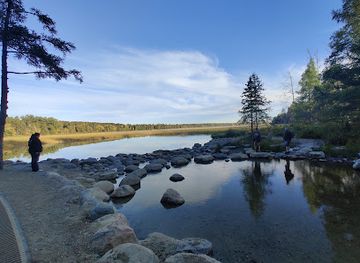
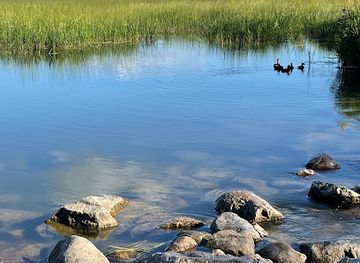
The Mississippi River Headwaters lie in north-central Minnesota, where the river emerges from Lake Itasca within Itasca State Park and begins its long journey towards the Gulf of Mexico. The immediate source area is a landscape of glacial lakes, pine and hardwood forest, wetlands and sandy trails, while the wider headwaters region extends through a sparsely settled part of the state shaped by water, timber and Ojibwe culture. Visitors generally use Itasca State Park as the focal point, with Bemidji, Park Rapids and other northern communities providing gateways to the surrounding lakes and woodlands.Read more about Mississippi River Headwaters
Landscape and Heritage
Exploring the Headwaters
When is the best time to visit Mississippi River Headwaters?
Best: June–August · 24–27°C| Month | High (°C) | Rainfall (mm) |
|---|---|---|
| January | -9 | 25 |
| February | -4 | 20 |
| March | 5 | 30 |
| April | 12 | 40 |
| May | 19 | 60 |
| June (best) | 24 | 75 |
| July (best) | 27 | 80 |
| August (best) | 25 | 70 |
| September | 19 | 60 |
| October | 12 | 50 |
| November | 3 | 35 |
| December | -4 | 30 |
Getting to and around Mississippi River Headwaters
How to get there
Transportation
Best attractions in Mississippi River Headwaters
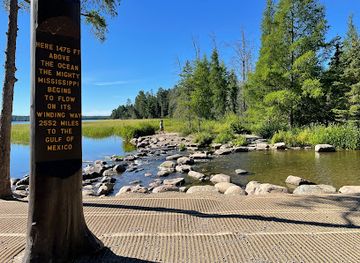
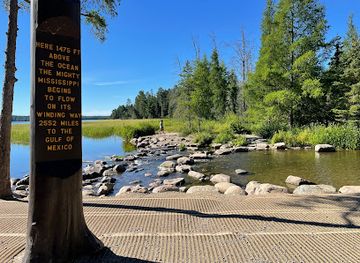
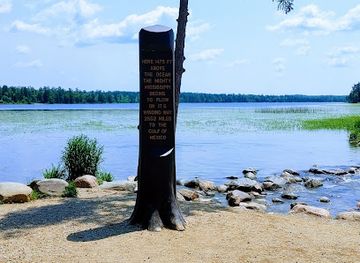
Itasca State Park is the central attraction of the Mississippi River Headwaters, combining the source at Lake Itasca with forest trails, interpretive facilities, historic park landscapes and access to other lakes within the park. The water-crossing point where visitors can step across the young Mississippi is the region's defining experience, while the park's old-growth pine areas provide a wider understanding of northern Minnesota's landscape. Bemidji, north of the park, adds the setting of Lake Bemidji, the Paul Bunyan and Babe statues, and cultural attractions connected with the area's Ojibwe and logging histories. Around the wider headwaters region, visitors encounter numerous glacial lakes, wetlands and woodland roads suited to scenic driving, walking, fishing and paddling where permitted. Regional trails near Bemidji and Park Rapids extend the outdoor possibilities, although the attractions are dispersed and many journeys involve rural roads rather than a single compact visitor district.
-
State park
Itasca State Park
Explore Itasca State Park, where the Mississippi River begins. Discover hiking trails, serene lakes, and rich wildlife in Minnesota's natural wonder.
-
Nature preserve
Itasca Wilderness Sanctuary Scientific and Natural Area (SNA)
Explore the stunning Itasca Wilderness Sanctuary in Minnesota, a nature preserve teeming with wildlife, scenic trails, and breathtaking landscapes.
-
Tourist attraction
Lake Itasca Tours
Experience the breathtaking beauty of Lake Itasca, where the Mississippi River begins its journey through lush forests and serene lakes.
-
 Tourist attraction
Start of the Mississippi River
Explore the serene Start of the Mississippi River in Lake Itasca State Park, a captivating blend of natural beauty and historical significance.
Best landmarks in Mississippi River Headwaters
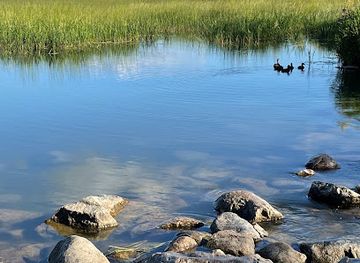
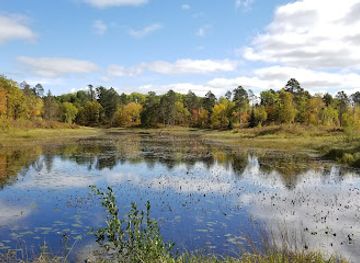
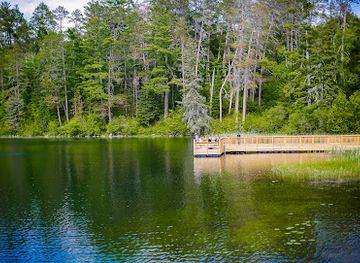
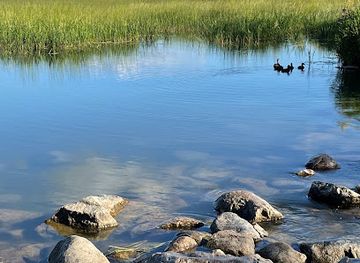
Lake Itasca is the headwaters' principal natural landmark, its small outflow marking the conventional beginning of the Mississippi River. The surrounding Itasca State Park contains mature pine forest, glacial lakes and historic landscapes that express the relationship between conservation and the river's source. In Bemidji, the statues of Paul Bunyan and Babe the Blue Ox form a widely recognised roadside landmark associated with the region's logging-era folklore and civic identity, while Lake Bemidji provides the city's defining geographical setting. The Mississippi Headwaters area is also marked by the river's gradual transformation from a narrow stream into a network of connected lakes and channels. These features are significant less for monumental architecture than for the way geology, water, Indigenous history, timber culture and conservation meet in a relatively concentrated part of northern Minnesota.
-
State park
Itasca State Park
Explore Itasca State Park, where the Mississippi River begins and nature thrives, offering endless adventures for outdoor lovers.
-
Recreation center
Mary Gibbs Mississippi Headwaters Center
Explore the headwaters of the Mississippi River at Mary Gibbs Mississippi Headwaters Center, a serene recreation center in Minnesota offering adventure and education.
Explore Mississippi River Headwaters on the map
Plan your trip on one map. See where the top attractions, landmarks, restaurants and hotels are, and book hotels and experiences in a few clicks.
Best hotels in Mississippi River Headwaters
Best restaurants in Mississippi River Headwaters
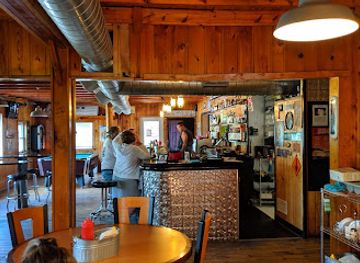
Dining in the headwaters region is concentrated in Bemidji, Park Rapids, smaller gateway communities and the established facilities associated with Itasca State Park rather than along isolated stretches of river. Visitors can expect the informal, practical food culture of northern Minnesota: cafés, family restaurants, bakeries, diners and taverns serving familiar American dishes alongside regional fish, wild rice and locally sourced produce when available. Wild rice is especially significant to Minnesota's Indigenous and regional food traditions, although its harvesting and sale are connected with specific cultural and legal contexts. Lakeside communities may offer seasonal eating opportunities, while farm shops and local producers provide ingredients for self-catering. In remote parts of the destination, distances between food outlets are considerable, so travellers should plan meals and supplies around their route instead of assuming that every park entrance or lakeshore has a restaurant.
-
Grill
SPIKE'S
Experience flavorful grilled dishes and vibrant ambiance at SPIKE'S in Park Rapids – a culinary delight not to be missed!
Best bars in Mississippi River Headwaters
The Mississippi River Headwaters is a quiet, rural destination rather than a nightlife centre. Evening options are mainly found in Bemidji, Park Rapids and other gateway communities, where traditional bars, taverns, restaurants and occasional community events provide a sociable local atmosphere. Itasca State Park and smaller settlements are better suited to an early evening meal, a drink at an established hospitality venue or time outdoors than to clubbing. Live entertainment and seasonal events may occur, but schedules vary and should be checked locally. After dark, the distances between communities, the limited rural lighting and changing weather make advance plans sensible. Visitors staying in cabins, lodges or park accommodation often spend evenings around the lake or woodland setting, observing local quiet hours and avoiding disturbance to neighbouring guests or residents.
-
Scenic spot
Mississippi River Headwaters
Explore the breathtaking Mississippi River Headwaters, where nature and history intertwine in the heart of Minnesota.
-
American
Douglas Lodge Restaurant
Experience the heart of Minnesota's American cuisine at Douglas Lodge Restaurant, where nature meets flavor in a cozy setting.
Best shops in Mississippi River Headwaters
Shopping is modest and locally focused, with the widest choice in Bemidji and Park Rapids and smaller selections in villages serving the park and surrounding lakes. Independent shops, galleries, craft outlets, outdoor retailers and food producers may offer practical equipment, regional art, maple products, wild rice and other northern Minnesota goods, although stock and opening patterns vary by season. Visitors interested in Indigenous arts should buy from reputable Native artists, tribally connected businesses or clearly identified sellers and should treat cultural designs and materials with respect. Itasca State Park and nearby communities provide opportunities for interpretive books, maps and souvenirs linked to the Mississippi's source. Beyond the gateways, retail facilities are sparse, so groceries, fuel and outdoor necessities are best obtained before heading into remote lake and forest areas.
-
State park
Itasca State Park
Explore Itasca State Park: A Natural Gem in Minnesota with Scenic Trails, Historic Landmarks, and the Headwaters of the Mississippi River.
-
Scenic spot
Mississippi River Headwaters
Explore the stunning Mississippi River Headwaters, where nature meets history in the heart of Minnesota's wilderness.
-
Recreation center
Mary Gibbs Mississippi Headwaters Center
Explore the breathtaking Mary Gibbs Mississippi Headwaters Center, where the Mississippi River begins its storied journey through America’s heartland.
-
Tourist attraction
Start of the Mississippi River
Explore the breathtaking Start of the Mississippi River in Lake Itasca, Minnesota - where nature's beauty meets America's historic waterways.
Get your free copy of our complete guide to Mississippi River Headwaters, delivered straight to you.
Everything on this page, from attractions and restaurants to essentials and local phrases, in one PDF you can read offline, print or share.
Already have an account? Sign in
Your Mississippi River Headwaters guide is ready.
We'll send it to · Not you? Sign out

Getting your guide ready…
We are putting together a fresh copy of the Mississippi River Headwaters guide. This can take up to a minute.
This can take a few moments. If your browser asks, choose Allow so the download can start. You'll find the guide in your Downloads folder.
Nothing happened? Download it again
Sorry, the guide is taking longer than usual. Please try again in a minute, or get it by email instead.
Mississippi River Headwaters essentials
Currency and Payment
Safety
Emergency Situations
Do's and Don'ts
Local Tips
From Eve
Local phrases worth knowing
You don't need to get them perfect. A few words go a long way, and locals appreciate the effort.
Basics
| English | Local | Say it |
|---|---|---|
| Hello | Howdy | [haw-dee] |
| Goodbye | See ya later | [see yah lay-ter] |
| Yes | Yup | [yuhp] |
| No | Nah | [nuh] |
| Please/You're welcome | Please and thank ya | [pleez and thank yah] |
| Thank you | Much obliged | [muhch uh-blahy-d] |
| Excuse me/Sorry | Pardon me | [pahr-dn me] |
| How are you? | How y'all doin'? | [haw y'all doo-in] |
| Fine. And you? | Jes fine. How 'bout you? | [jess fine. How 'bout yah] |
| Do you speak English? | Y'all speak English? | [y'all speak ing-glish] |
| I don't understand | I ain't catchin' on | [ahnt kach-in awn] |
Eating & Drinking
| English | Local | Say it |
|---|---|---|
| I'd like to see the menu, please | Kin I see the menu, please | [kin eye see the menu, pleez] |
| I don't eat meat | I don't do meat | [ah doant doh meat] |
| Cheers! | Bottoms up! | [bah-tuhmz up] |
| I would like to pay, please | I'd like to settle up, please | [ahy'd like tuh set-l up, pleez] |
Emergencies
| English | Local | Say it |
|---|---|---|
| Help! | Sos! | [sawz] |
| Go away! | Scat! | [skat] |
| Call the Police! | Call the sheriff! | [call the shair-iff] |
| Call a doctor! | Get the doc! | [get the dahk] |
| I'm lost | I done lost muh way | [ah dohn lost muh way] |
| I'm ill | I ain't feelin' right | [ahnt feel-in ryte] |
Shopping
| English | Local | Say it |
|---|---|---|
| I'd like to buy... | I reckon I'll take... | [ah reck-in ayl take] |
| I'm just looking | Just browsin' | [just browz-in] |
| How much is it? | How much fer that? | [haw much fur that] |
| That's too expensive | That's a mite pricey | [that's uh myt pry-see] |
| Can you lower the price? | Can ya knock sum off? | [can yah nahk sum awf] |
Time & Numbers
| English | Local | Say it |
|---|---|---|
| What time is it? | What's the hour? | [whats the ow-er] |
| It's one o'clock | It's one | [its wuhn] |
| Half past (10) | Ten thirty | [ten thur-tee] |
| Morning | Mornin' | [morn-in] |
| Afternoon | Afternoon | [after-noon] |
| Evening | Evenin' | [even-in] |
| Yesterday | Yest'day | [yest-day] |
| Today | Today | [to-day] |
| Tomorrow | Tomorra | [tom-or-uh] |
| 1 | One | [wuhn] |
| 2 | Two | [too] |
| 3 | Three | [three] |
| 4 | Four | [for] |
| 5 | Five | [fahyv] |
| 6 | Six | [siks] |
| 7 | Seven | [sev-uhn] |
| 8 | Eight | [ayt] |
| 9 | Nine | [nahyn] |
| 10 | Ten | [ten] |
Transport & Directions
| English | Local | Say it |
|---|---|---|
| Where's a/the...? | Where's the... | [wheres the] |
| What's the address? | What's the street? | [whats the street] |
| Can you show me (on the map)? | Can ya point it out (on the map)? | [can yah point it owt (on the map)] |
| When's the next (bus)? | When's the next bus? | [whens the next bus] |
| A ticket (to ....) | A pass (to ....) | [a pass (to)] |
History of Mississippi River Headwaters
Glacial Lakes and the Young River
The headwaters landscape was shaped by the glaciers that covered Minnesota during the last Ice Age. Retreating ice left the region's numerous lakes, sandy ridges, wetlands and irregular drainage patterns, including the linked waters through which the upper Mississippi begins. Lake Itasca is a relatively small lake, but its outflow has long been accepted as the river's conventional source. Its importance is therefore both physical and cultural: it marks the beginning of a watercourse that becomes progressively larger as it crosses the continent.
Ojibwe Homeland and Waterways
Long before modern state boundaries or tourism, the lakes and forests of the headwaters formed part of the homeland of the Ojibwe, also known as Anishinaabe. Waterways supported travel, fishing and seasonal movement, while forests supplied food, materials and places of cultural importance. Treaties and the expansion of the United States transformed patterns of land ownership and access, but Ojibwe communities remain an essential part of northern Minnesota's living cultural landscape. Visitors should understand the headwaters not simply as a natural source, but as a region with continuing Indigenous history and presence.
European Mapping and the Source Question
The upper Mississippi became a subject of geographical enquiry as explorers and mapmakers sought to establish its course and source. In 1832, the expedition led by Henry Rowe Schoolcraft travelled to Lake Itasca and helped publicise the lake as the river's source to a wider American audience. The expedition did not discover an unknown wilderness in the modern sense, since Indigenous people already knew and used the region, but it influenced subsequent maps, scientific accounts and public interest in the headwaters.
Logging, Settlement and Changing Forests
During the nineteenth and early twentieth centuries, northern Minnesota experienced increased settlement, commercial logging and the development of transport routes. Timber harvesting altered parts of the forest landscape, while lakes and rivers remained important for local travel, fishing and recreation. Towns such as Bemidji grew as regional service and trading centres. The resulting landscape is a mixture of managed forest, recovering woodland, settled shorelines and protected areas, rather than an untouched remnant of pre-settlement conditions.
Itasca State Park and Conservation
Itasca State Park was established in 1891 and is Minnesota's oldest state park. Its creation reflected growing concern about the protection of the headwaters landscape, especially its forests and connection with the Mississippi's source. Conservation subsequently shaped public access, trails, interpretation and the management of natural habitats. Today the park provides the clearest setting for learning about the river's beginning, while the wider region continues to balance recreation, forestry, community life and the protection of lakes, wetlands and wildlife.
Mississippi River Headwaters in Photos
Browse through our photo collection highlighting the charm and character of the destination.
Neighbouring destination travel guides
The closest destinations to Mississippi River Headwaters, if you have time for more than one.
-

-

-

-

-


Swipe for more destinations
Explore more

Explore more of Itasca State Park
Itasca State Park in Minnesota combines the Mississippi headwaters with pine forests, glacial lakes, wildlife, historic lodges and year-round outdoor recreation.
Explore Itasca State Park
Explore more of Minnesota
Discover Minnesota: From the bustling Twin Cities and cultural landmarks to the serene lakes and expansive wilderness, experience the diverse beauty and welcoming spirit of the North Star State.
Explore Minnesota