

Free Red River Valley Travel Guide & Mobile App
Explore Red River Valley with free travel guides. Discover regional history, expert tips, proposed trips, and audio guides on web or mobile app.


Explore Minnesota’s Red River Valley for glacial landscapes, river towns, prairie wildlife, agricultural heritage and wide-open northern horizons.
Read more about Red River Valley
Getting to and around Red River Valley
How to get there
Transportation
Destinations in Red River Valley
Resorts, valleys and scenic spots worth a trip of their own.
-

-


Swipe for more destinations
Best attractions in Red River Valley
Attractions in Minnesota’s Red River Valley are spread across a working agricultural landscape rather than concentrated in one resort centre. Moorhead’s Hjemkomst Center explores Scandinavian-American heritage, river travel and regional settlement, while the nearby Comstock House provides a more intimate view of an early prosperous household. Fort Abercrombie State Historic Site near Breckenridge interprets military history at an important river crossing. In East Grand Forks, the Red River State Recreation Area combines floodplain scenery with walking, cycling, camping and access to the riverfront. The Buffalo River State Park area near Glyndon protects prairie and river habitats, offering a contrast to the intensively cultivated plain. Wildlife refuges, wetland complexes and prairie remnants elsewhere in the valley are valuable for birdwatching and seasonal nature study, though facilities can be modest and distances between sites considerable. Local museums, historic courthouses, university collections and community cultural centres add human detail to the broad landscape. Paddling, fishing, cross-country skiing and low-key cycling are seasonal possibilities, subject to water levels, weather and local regulations.
-
Park
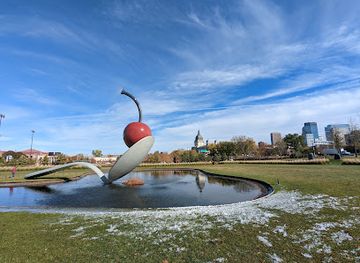
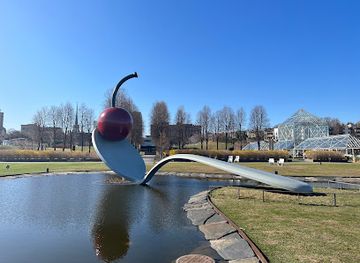
Minneapolis Sculpture Garden
Explore over 40 stunning sculptures amidst lush landscapes at the Minneapolis Sculpture Garden, a perfect blend of art and nature in the heart of Minnesota.
-
National reserve
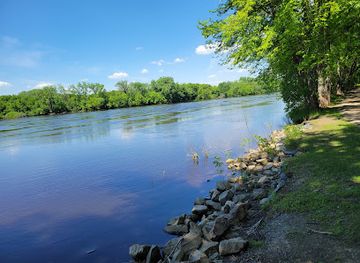
Mississippi National River & Recreation Area
Explore the scenic Mississippi National River & Recreation Area, a blend of natural beauty and rich history perfect for outdoor enthusiasts and families.
-
Art center
Walker Art Center
Discover the Walker Art Center in Minneapolis, where modern art and vibrant performances come together in a stunning cultural landmark.
-
State park
Tettegouche State Park
Explore Tettegouche State Park: A haven for hiking, breathtaking views, and outdoor adventure on Minnesota's North Shore.

Best landmarks in Red River Valley
-
State park
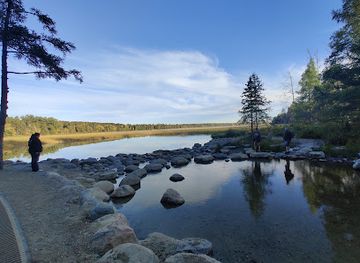
Itasca State Park
Explore Itasca State Park, where the Mississippi River begins and nature thrives, offering endless adventures for outdoor lovers.
-
Recreation center
Mary Gibbs Mississippi Headwaters Center
Explore the headwaters of the Mississippi River at Mary Gibbs Mississippi Headwaters Center, a serene recreation center in Minnesota offering adventure and education.
-
State park
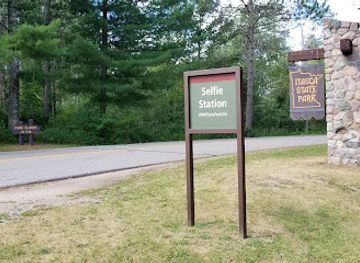
Itasca State Park, East Entrance
Explore the beauty and tranquility of Itasca State Park, where the Mississippi River begins and outdoor adventures await.
Explore Red River Valley on the map
Plan your trip on one map. See where the top cities, national parks and sights are, and book hotels and experiences in a few clicks.
Best hotels in Red River Valley
Best restaurants in Red River Valley
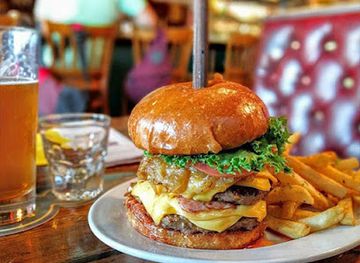
Dining in the Red River Valley reflects its agricultural economy and dispersed market-town geography. Moorhead and East Grand Forks have the broadest choice of cafés, family restaurants, breweries and contemporary dining, while Crookston and smaller communities tend towards locally rooted cafés, bakeries, taverns and traditional American cooking. Grain production is central to the regional story, and menus commonly draw on wheat, corn and other prairie crops, alongside beef, pork, poultry and seasonal vegetables. Farmers’ markets and roadside stands can offer produce, preserves and baked goods when in season, although availability varies considerably by town and month. Scandinavian and northern European influences remain visible in some home-style baking and community food traditions, but the valley’s food culture is not limited to a single cuisine. Visitors can also look for locally brewed beer, coffee roasters and restaurants serving contemporary interpretations of familiar Midwestern dishes. In rural districts, plan meals around opening patterns and distances rather than expecting a continuous choice of dining venues.
-
American
Hell's Kitchen Inc.
Experience the unique flavors of American cuisine at Hell's Kitchen Inc., where vibrant ambiance meets culinary excellence in Minneapolis.
-
Grill
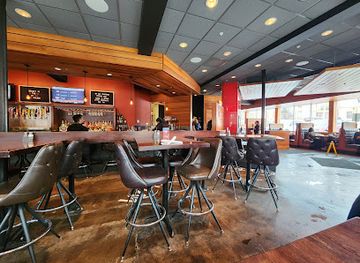
Blue Moose Bar & Grill
Discover flavorful grilled delights and cozy vibes at Blue Moose Bar & Grill in East Grand Forks - A must-visit dining experience!
-
New American
Spoon and Stable
Experience culinary excellence at Spoon and Stable in Minneapolis - where seasonal ingredients meet innovative New American cuisine.
-
Restaurant
The Lowry
Discover local cuisine at The Lowry - a vibrant restaurant in Minneapolis offering fresh ingredients and delightful flavors.


Best bars in Red River Valley
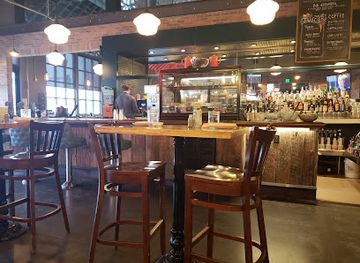
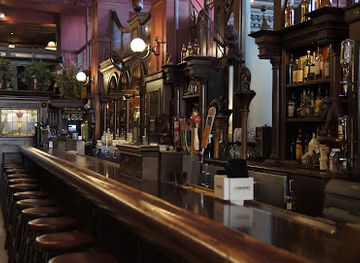
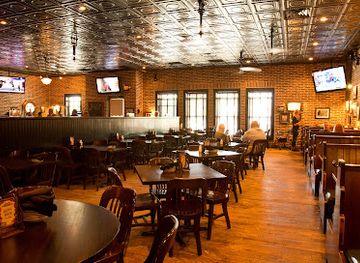
Evening life in the Minnesota Red River Valley is centred on pubs, breweries, restaurants, live music and community events rather than a large nightclub scene. Moorhead benefits from its connection with the larger Fargo-Moorhead metropolitan area, although Fargo is across the river in North Dakota and outside the specified region; Moorhead itself has bars, cafés, music venues and a modest late-evening offering. East Grand Forks has a concentrated selection of restaurants and bars near its riverfront and town centre, while Crookston provides a smaller university-influenced evening scene. In Breckenridge and other rural communities, historic-style taverns, local bars and seasonal events are more typical than dedicated clubs. University calendars, concerts, theatre performances and summer festivals can add energy at particular times, but schedules change. Visitors should arrange transport in advance when staying outside the main towns, since rural distances, winter weather and limited late-night services make driving after drinking especially unwise.
-
Bar
Yard House
Discover the vibrant atmosphere and diverse menu at Yard House in St. Louis Park, a must-visit bar and restaurant for craft beer lovers and food enthusiasts.
-
Bar
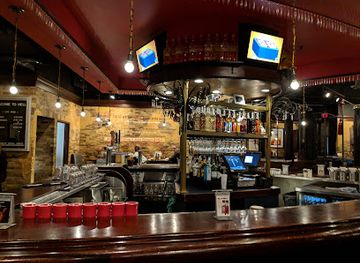
The Local - Minneapolis
Experience the vibrant atmosphere of The Local in Minneapolis, where Irish charm meets American cuisine in a lively bar setting.
-
American
Lucky's 13 Pub
Experience delicious American cuisine and a vibrant atmosphere at Lucky's 13 Pub in Mendota, Minnesota, perfect for meals any time of day.
-
Pub
Merlins Rest Pub
Discover the vibrant atmosphere at Merlins Rest Pub, where British, Irish, and Scottish flavors meet live music and a welcoming ambiance in Minneapolis.
Best nightclubs in Red River Valley
Evening life in the Minnesota Red River Valley is centred on pubs, breweries, restaurants, live music and community events rather than a large nightclub scene. Moorhead benefits from its connection with the larger Fargo-Moorhead metropolitan area, although Fargo is across the river in North Dakota and outside the specified region; Moorhead itself has bars, cafés, music venues and a modest late-evening offering. East Grand Forks has a concentrated selection of restaurants and bars near its riverfront and town centre, while Crookston provides a smaller university-influenced evening scene. In Breckenridge and other rural communities, historic-style taverns, local bars and seasonal events are more typical than dedicated clubs. University calendars, concerts, theatre performances and summer festivals can add energy at particular times, but schedules change. Visitors should arrange transport in advance when staying outside the main towns, since rural distances, winter weather and limited late-night services make driving after drinking especially unwise.
-
Night club
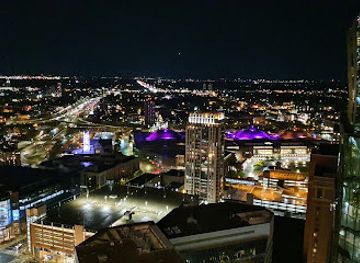
Prohibition Bar
Discover the luxury of Prohibition Bar in Minneapolis, where exquisite cocktails meet stunning skyline views in an elegant speakeasy setting.
-
Night club
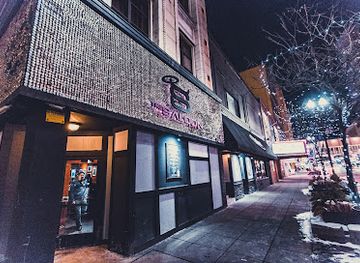
The Saloon
Discover The Saloon: A lively night club in Minneapolis, offering vibrant dance floors, welcoming atmosphere, and unforgettable entertainment.
-
Night club
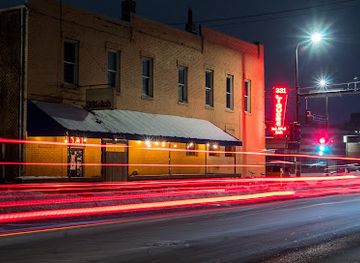
331 Club
Discover the lively nightlife at 331 Club, Minneapolis' go-to spot for affordable drinks, live music, and fun in a vibrant atmosphere.
-
Lounge
Living Room
Experience the charm of The Living Room, Minneapolis' inviting lounge and bar, where craft cocktails meet a cozy atmosphere.

Best shops in Red River Valley
Shopping in the Red River Valley is primarily town-based and practical, with independent retailers, cafés, galleries, antique shops and everyday services concentrated in Moorhead, Crookston, East Grand Forks and smaller county-seat communities. Moorhead offers the widest range within the Minnesota portion of the valley, including books, gifts, arts and crafts, furnishings and locally oriented food shops. Downtown streets in Crookston and East Grand Forks provide a more intimate market-town experience, although individual businesses and opening patterns change over time. Farmers’ markets and seasonal stands are useful for regional produce, baked goods, preserves and other small-scale food products, while craft fairs often feature textiles, woodwork, pottery and artwork from the surrounding area. Good regional gifts may include locally produced foods, prairie-themed art, books on river and agricultural history, and Scandinavian-influenced crafts, provided their origin is clear. The valley is not primarily a luxury-shopping destination, and visitors should combine retail browsing with museums, cafés or historic districts rather than expecting a single large shopping quarter.
-
Candy store
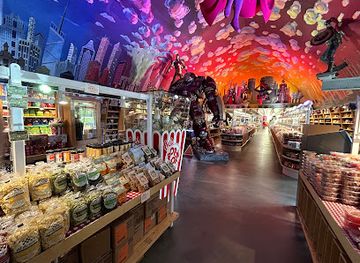
Minnesota's Largest Candy Store
Discover a candy lover's paradise at Minnesota's Largest Candy Store, where whimsical decor meets an expansive selection of sweet treats in Jordan, Minnesota.
-
Toy store
LARK Toys
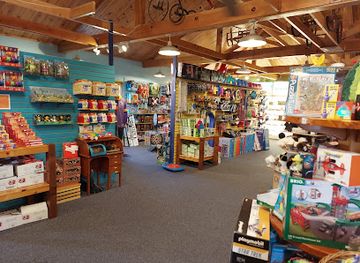
Explore LARK Toys in Kellogg, MN – a unique toy store, amusement center, and museum that inspires creativity and nostalgia for all ages.
-
Sporting goods store
Cabela's
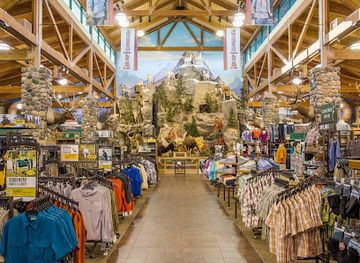
Explore the ultimate outdoor shopping experience at Cabela's in East Grand Forks, your one-stop destination for fishing, hunting, camping, and more.
-
Gift shop
General Store of Minnetonka
Explore unique gifts, boutique clothing, and enjoy a cozy café experience at the General Store of Minnetonka, a hidden gem for tourists.

Get your free copy of our complete guide to Red River Valley, delivered straight to you.
Everything on this page, from attractions and restaurants to essentials and local phrases, in one PDF you can read offline, print or share.
Already have an account? Sign in
Your Red River Valley guide is ready.
We'll send it to · Not you? Sign out

Getting your guide ready…
We are putting together a fresh copy of the Red River Valley guide. This can take up to a minute.
This can take a few moments. If your browser asks, choose Allow so the download can start. You'll find the guide in your Downloads folder.
Nothing happened? Download it again
Sorry, the guide is taking longer than usual. Please try again in a minute, or get it by email instead.
Red River Valley essentials
Currency and Payment
Safety
Emergency Situations
Do's and Don'ts
Local Tips
From Eve
Local phrases worth knowing
You don't need to get them perfect. A few words go a long way, and locals appreciate the effort.
Basics
| English | Local | Say it |
|---|---|---|
| Hello | Howdy | [haʊdi] |
| Goodbye | See ya later | [si jə ˈleɪtər] |
| Yes | Yup | [jʌp] |
| No | Naw | [nɔ] |
| Please/You're welcome | Please/No problem | [pliz/ noʊ ˈprɑbləm] |
| Thank you | Thanks a lot | [θæŋks ə lɑt] |
| Excuse me/Sorry | Pardon me/Sorry | [ˈpɑrdən mi/ˈsɔri] |
| How are you? | How's it going? | [haʊz ɪt ˈgoʊɪŋ] |
| Fine. And you? | Good. And you? | [gʊd. ənd ju] |
| Do you speak English? | Do ya speak English? | [du jə spiːk ˈɪŋɡlɪʃ] |
| I don't understand | I don’t get it | [aɪ doʊnt ɡɛt ɪt] |
Eating & Drinking
| English | Local | Say it |
|---|---|---|
| I'd like to see the menu, please | Can I see the menu, please? | [kæn aɪ si ðə ˈmɛnjuː pliz] |
| I don't eat meat | I don’t eat meat | [aɪ doʊnt it mit] |
| Cheers! | Cheers! | [ʧɪrz] |
| I would like to pay, please | Can I pay, please? | [kæn aɪ peɪ pliz] |
Emergencies
| English | Local | Say it |
|---|---|---|
| Help! | Help! | [hɛlp] |
| Go away! | Get lost! | [ɡɛt lɔst] |
| Call the Police! | Call the cops! | [kɔl ðə kɑps] |
| Call a doctor! | Get a doctor! | [ɡɛt ə ˈdɑktər] |
| I'm lost | I’m lost | [aɪm lɔst] |
| I'm ill | I’m not feeling well | [aɪm nɑt ˈfilɪŋ wɛl] |
Shopping
| English | Local | Say it |
|---|---|---|
| I'd like to buy... | I’d like to buy... | [aɪd laɪk tə baɪ] |
| I'm just looking | Just browsing | [dʒʌst ˈbraʊzɪŋ] |
| How much is it? | How much is this? | [haʊ mʌʧ ɪz ðɪs] |
| That's too expensive | That's a bit pricey | [ðæts ə bɪt ˈpraɪsi] |
| Can you lower the price? | Can ya lower the price? | [kæn jə ˈloʊər ðə praɪs] |
Time & Numbers
| English | Local | Say it |
|---|---|---|
| What time is it? | What time is it? | [wʌt taɪm ɪz ɪt] |
| It's one o'clock | It's one o'clock | [ɪts wʌn əˈklɑk] |
| Half past (10) | Half past (10) | [hæf pæst (10)] |
| Morning | Morning | [ˈmɔrnɪŋ] |
| Afternoon | Afternoon | [ˌæftərˈnun] |
| Evening | Evening | [ˈivnɪŋ] |
| Yesterday | Yesterday | [ˈjɛstərdeɪ] |
| Today | Today | [təˈdeɪ] |
| Tomorrow | Tomorrow | [təˈmɔroʊ] |
| 1 | One | [wʌn] |
| 2 | Two | [tu] |
| 3 | Three | [θri] |
| 4 | Four | [fɔr] |
| 5 | Five | [faɪv] |
| 6 | Six | [sɪks] |
| 7 | Seven | [sɛvən] |
| 8 | Eight | [eɪt] |
| 9 | Nine | [naɪn] |
| 10 | Ten | [tɛn] |
Transport & Directions
| English | Local | Say it |
|---|---|---|
| Where's a/the...? | Where's the...? | [wɛrz ðə] |
| What's the address? | What's the address? | [wʌts ðə əˈdrɛs] |
| Can you show me (on the map)? | Can you show me on the map? | [kæn jə ʃoʊ mi ɑn ðə mæp] |
| When's the next (bus)? | When's the next bus? | [wɛnʔs ðə nɛkst bʌs] |
| A ticket (to ....) | A ticket to... | [ə ˈtɪkɪt tə] |
History of Red River Valley
Glacial Lake Agassiz and the Valley Landscape
At the end of the last Ice Age, retreating glaciers left behind glacial Lake Agassiz, an enormous lake that covered much of present-day north-western Minnesota and adjoining North Dakota and Manitoba. Its fine sediments settled across the lakebed, creating the exceptionally flat, fertile plain that defines the Red River Valley. The river now follows part of this former lake basin northwards. Wetlands, old shorelines and subtle changes in elevation remain important clues to this geological past, while the deep, productive soils underpin the region’s modern farming economy.
Dakota and Anishinaabe Homelands
The valley is part of the longstanding homelands and travel landscape of Indigenous peoples, including Dakota and Anishinaabe communities. Rivers, prairie, woodland and wetlands supported seasonal movement, hunting, fishing and trade, while relationships with the land continued through periods of profound change. Nineteenth-century treaties, the expansion of United States settlement and the reservation system reshaped Indigenous access to territory and resources. Contemporary visitors should understand the valley’s settler history alongside these older and continuing Indigenous histories rather than treating the prairie as an empty landscape.
Red River Cart Routes and Cross-Border Trade
Before railways, the Red River cart was a practical, two-wheeled vehicle used to move furs, agricultural goods and other supplies across the northern plains. Métis traders and other travellers used routes linking the Red River settlements with communities to the south and north. Although many paths have disappeared beneath roads and fields, the river corridor and the borderland relationship between Minnesota, North Dakota and Manitoba preserve the memory of this mobile trading culture. The valley’s later towns grew partly from these earlier networks of movement and exchange.
Fort Abercrombie and the Nineteenth-Century Frontier
Fort Abercrombie, near Breckenridge at the southern end of the Minnesota valley, was established by the United States Army in 1858. It guarded a strategic crossing and overland route during a period when military posts, traders, surveyors and settlers were extending United States authority across the northern plains. The fort was involved in the events surrounding the U.S.–Dakota War of 1862, when Dakota people were held there during the conflict. The historic site’s reconstructed buildings and interpretive material place local military history within the wider story of displacement and federal expansion.
Railways, Homesteading and Bonanza Agriculture
From the late nineteenth century, railways and federal land policies accelerated settlement in the Red River Valley. Towns developed around rail depots, grain elevators, mills, banks and agricultural suppliers, while immigrant families and established farming communities worked the newly surveyed countryside. Large-scale ‘bonanza’ farms demonstrated the commercial potential of mechanised grain production, even as smaller family farms became the enduring pattern across much of the valley. The broad fields, elevator silhouettes and market towns visible today are direct results of this transformation.
Floods and the Management of a Flat River Basin
Because the Red River flows north and the valley rises only gradually towards Canada, spring ice jams and snowmelt can produce severe flooding. Communities on both sides of the international border have repeatedly faced inundation, with the floods of 1997 among the most consequential in recent memory. East Grand Forks and Grand Forks were heavily affected, leading to extensive rebuilding, flood protection and the creation of public riverfront space. Flood history remains part of everyday planning, shaping settlement, infrastructure, farming practice and recreation along the river.
Modern Agricultural and Cultural Communities
The modern valley combines intensive agriculture with universities, regional healthcare, manufacturing, public institutions and a growing interest in environmental restoration. Moorhead, Crookston and East Grand Forks serve as cultural and service centres for surrounding rural communities, while museums and historic sites preserve accounts of migration, craft, farming and river life. Efforts to protect prairie, wetlands and floodplain habitat acknowledge that the valley is both a highly managed agricultural system and an ecological landscape with remnants of its pre-settlement character.
Red River Valley in Photos
Browse through our photo collection highlighting the charm and character of the destination.
Neighbouring regions of Red River Valley
The closest regions to Red River Valley, if you have time for more than one.
-

-

-

-

-


Swipe for more regions
Explore more

Explore more of Minnesota
Discover Minnesota: From the bustling Twin Cities and cultural landmarks to the serene lakes and expansive wilderness, experience the diverse beauty and welcoming spirit of the North Star State.
Explore Minnesota