

Free White Earth Indian Reservation Travel Guide & Mobile App
Explore White Earth Indian Reservation with free travel guides. Discover regional history, expert tips, proposed trips, and audio guides on web or mobile app.


Explore White Earth Reservation in Minnesota for Ojibwe culture, forested lakes, wild rice traditions and quiet north-western landscapes.
Read more about White Earth Indian Reservation
Getting to and around White Earth Indian Reservation
How to get there
Transportation
Destinations in White Earth Indian Reservation
Resorts, valleys and scenic spots worth a trip of their own.
-

-


Swipe for more destinations
Best attractions in White Earth Indian Reservation
-
State park
Itasca State Park
Explore the stunning landscapes and rich history of Itasca State Park, the birthplace of the Mississippi River in Minnesota's wilderness.
-
Amusement center
Evergreen Fun Park
Experience the thrill of adventure at Evergreen Fun Park in Park Rapids, MN - a family-friendly amusement center filled with fun attractions.
-
Tourist attraction
Lake Itasca Region Pioneer Farmers (LIRPF)
Explore the Lake Itasca Region Pioneer Farmers and dive into Minnesota's agricultural history through engaging exhibits and picturesque surroundings.
-
Visitor center
Jacob V. Brower Visitor Center
Uncover the beauty of Minnesota's Itasca State Park at the Jacob V. Brower Visitor Center, your hub for adventure and exploration.



Best landmarks in White Earth Indian Reservation
-
State park
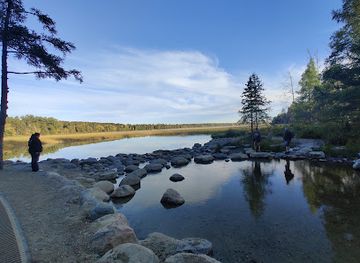
Itasca State Park
Explore Itasca State Park, where the Mississippi River begins and nature thrives, offering endless adventures for outdoor lovers.
-
Recreation center
Mary Gibbs Mississippi Headwaters Center
Explore the headwaters of the Mississippi River at Mary Gibbs Mississippi Headwaters Center, a serene recreation center in Minnesota offering adventure and education.
-
State park
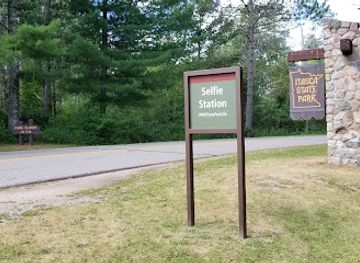
Itasca State Park, East Entrance
Explore the beauty and tranquility of Itasca State Park, where the Mississippi River begins and outdoor adventures await.
Explore White Earth Indian Reservation on the map
Plan your trip on one map. See where the top cities, national parks and sights are, and book hotels and experiences in a few clicks.
Best hotels in White Earth Indian Reservation
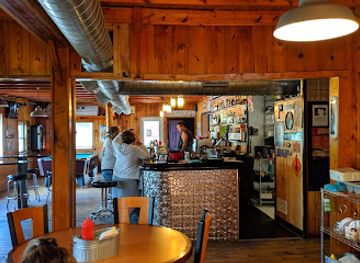
Best restaurants in White Earth Indian Reservation
-
Grill
SPIKE'S
Experience flavorful grilled dishes and vibrant ambiance at SPIKE'S in Park Rapids – a culinary delight not to be missed!
-
Bar
Lobo's bar&grill
Discover the best local flavors at Lobo's Bar & Grill in Shevlin, MN—where great food meets vibrant atmosphere.
-
American
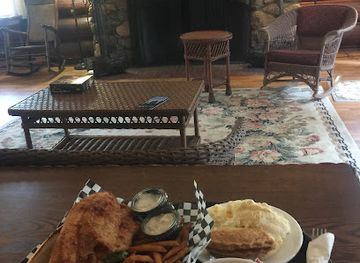
Douglas Lodge Restaurant
Discover delectable American cuisine at Douglas Lodge Restaurant amidst Minnesota's breathtaking scenery.

Best bars in White Earth Indian Reservation
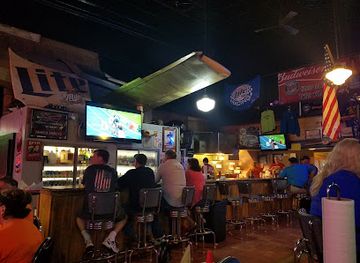
White Earth Reservation does not have a large urban nightclub scene. Evening life is more likely to centre on community gatherings, restaurants, local social venues and the casino in Mahnomen, where White Earth Nation has an established entertainment and gaming presence. Traditional bars and casual venues in nearby towns may provide a place for food, conversation and televised sport, while cultural events and powwows create a different kind of social activity when they are scheduled. Distances between communities and limited late-night transport make advance planning important, particularly for visitors staying outside the main service centres. Alcohol is not necessary to engage with the region's evening culture, and visitors should respect community rules, event guidance and local sensitivities.
-
Grill
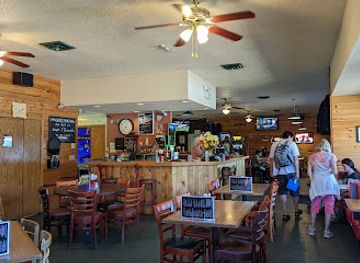
Iron Horse Bar & Grill
Experience the best of Nevis dining at Iron Horse Bar & Grill, featuring delicious grilled dishes and a vibrant atmosphere.
-
Bar
Royal Bar
Discover the Royal Bar in Park Rapids, where friendly service meets a lively atmosphere perfect for unwinding after a day of adventure.
-
Restaurant
Knob & Kettle Restaurant And Lounge
Experience the best of Minnesota dining at Knob & Kettle Restaurant And Lounge, where local flavors and a welcoming atmosphere come together.
-
Bar
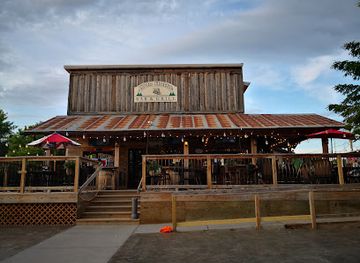
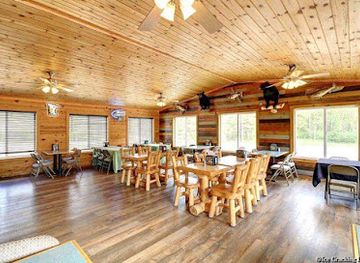
Ice Cracking Lodge
Experience the charm of Ice Cracking Lodge, where cozy dining meets vibrant bar culture in the heart of Minnesota's natural beauty.
Best nightclubs in White Earth Indian Reservation
-
Gay bar
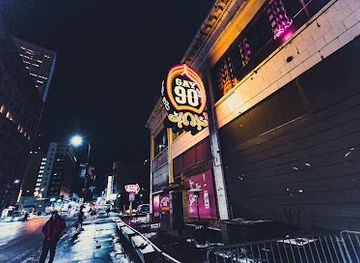
Gay 90's Minneapolis
Experience the lively atmosphere of Gay 90's, a premier gay nightclub in Minneapolis known for its drag shows, themed nights, and vibrant nightlife.
Best shops in White Earth Indian Reservation
Shopping on White Earth Reservation is small-scale and locally focused. Visitors may find wild rice, maple products, preserves, artwork, beadwork, clothing and other items connected with Ojibwe creativity and land-based traditions through tribal enterprises, community events and reputable local sellers. Availability varies by season and location, so a specific market or shop should be confirmed before making a special journey. Nearby Mahnomen and other regional towns provide ordinary groceries, fuel and practical supplies, but they are not specialist craft destinations. When buying Native-made work, ask about the maker and origin rather than assuming that an item sold in a rural area is locally produced. Food products should be packaged and labelled appropriately for travel, and visitors should avoid removing plants, archaeological material or objects from the landscape as souvenirs.
-
Gift shop
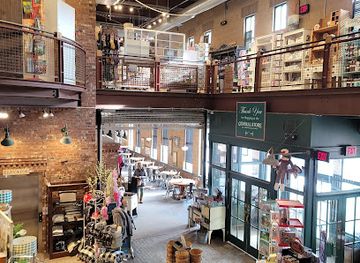
General Store of Minnetonka
Explore the General Store of Minnetonka for unique gifts, local artisan treasures, and a cozy café experience in the heart of Minnesota.
-
Gift shop
THE NINES
Explore The Nines in Detroit Lakes for unique gifts and trendy clothing, embodying the spirit of Minnesota in every piece.
-
Grocery store
BRUGGEMAN'S SUPERVALU
Explore Bruggeman's Supervalu in Mahnomen for a delightful grocery shopping experience with local charm and friendly service.
-
Gift shop
Cedar Sense
Discover unique gifts and local artistry at Cedar Sense, Waubun's charming gift shop offering handcrafted treasures and custom signs.

Get your free copy of our complete guide to White Earth Indian Reservation, delivered straight to you.
Everything on this page, from attractions and restaurants to essentials and local phrases, in one PDF you can read offline, print or share.
Already have an account? Sign in
Your White Earth Indian Reservation guide is ready.
We'll send it to · Not you? Sign out

Getting your guide ready…
We are putting together a fresh copy of the White Earth Indian Reservation guide. This can take up to a minute.
This can take a few moments. If your browser asks, choose Allow so the download can start. You'll find the guide in your Downloads folder.
Nothing happened? Download it again
Sorry, the guide is taking longer than usual. Please try again in a minute, or get it by email instead.
White Earth Indian Reservation essentials
Currency and Payment
Safety
Emergency Situations
Do's and Don'ts
Local Tips
From Eve
Local phrases worth knowing
You don't need to get them perfect. A few words go a long way, and locals appreciate the effort.
Basics
| English | Local | Say it |
|---|---|---|
| Hello | Boozhoo | [boo-zhoo] |
| Goodbye | Giga waabamin | [gee-gah wah-bah-min] |
| Yes | Aaniin | [ah-nee] |
| No | Aaniin | [ah-nee] |
| Please/You're welcome | Miigwech | [mee-gwehch] |
| Thank you | Miigwech | [mee-gwehch] |
| Excuse me/Sorry | Niminwendam | [nee-min-wen-dahm] |
| How are you? | Aaniin ezhi-nwendam? | [ah-nee-in eh-zhi-nwen-dahm] |
| Fine. And you? | Niminwendam. Gego? | [nee-min-wen-dahm. geh-go] |
| Do you speak English? | Nin gii-zhawenimindwaa English? | [neen gee-zha-wen-im-in-dwah English] |
| I don't understand | Niminwendam na. | [nee-min-wen-dahm nah] |
Eating & Drinking
| English | Local | Say it |
|---|---|---|
| I'd like to see the menu, please | Nin gii-nisidotam menu, miigwech | [neen gee-nee-see-do-tahm menu, mee-gwehch] |
| I don't eat meat | Nin gii-nisidotam nibiishens, na. | [neen gee-nee-see-do-tahm nee-bee-shehns nah] |
| Cheers! | Niin gii-zhawenimindwaa! | [neen gee-zha-wen-im-in-dwah] |
| I would like to pay, please | Nin gii-nisidotam bimaadiziwin, miigwech | [neen gee-nee-see-do-tahm bee-mah-di-zi-win, mee-gwehch] |
Emergencies
| English | Local | Say it |
|---|---|---|
| Help! | Nikki! | [nee-kee] |
| Go away! | Gego gii-bagijigan! | [geh-go gee-bi-gih-gan] |
| Call the Police! | Gii-bagijigan Akiing! | [gee-bi-gih-gan ah-kee-ing] |
| Call a doctor! | Gii-bagijigan nibiishens! | [gee-bi-gih-gan nee-bee-shehns] |
| I'm lost | Nin gii-bagijigan nibiishens | [neen gee-bi-gih-gan nee-bee-shehns] |
| I'm ill | Nin gii-nisidotam gaagige | [neen gee-nee-see-do-tahm gah-gee-geh] |
Shopping
| English | Local | Say it |
|---|---|---|
| I'd like to buy... | Nin gii-nisidotam ... | [neen gee-nee-see-do-tahm ...] |
| I'm just looking | Nin gii-bimaadiziwin | [neen gee-bee-mah-di-zi-win] |
| How much is it? | Aaniin gii-zhawenim? | [ah-nee-in gee-zha-wen-im] |
| That's too expensive | Ishkode na gii-zhawenim | [eesh-koh-dee nah gee-zha-wen-im] |
| Can you lower the price? | Gego gii-zhawenim na? | [geh-go gee-zha-wen-im nah] |
Time & Numbers
| English | Local | Say it |
|---|---|---|
| What time is it? | Aaniin gii-bimaadiziwin? | [ah-nee-in gee-bee-mah-di-zi-win] |
| It's one o'clock | Nin gii-bimaadiziwin bezhig | [neen gee-bee-mah-di-zi-win beh-zheeg] |
| Half past (10) | Nin gii-bimaadiziwin na. | [neen gee-bee-mah-di-zi-win nah] |
| Morning | Bimaadiziwin | [bee-mah-di-zi-win] |
| Afternoon | Miwidokod | [mee-wid-oh-kod] |
| Evening | Aabita | [ah-bee-tah] |
| Yesterday | Gii-wiikond | [gee-wi-kon] |
| Today | Bimaadiziwin | [bee-mah-di-zi-win] |
| Tomorrow | Aabitoon | [ah-bee-toon] |
| 1 | Bezhig | [beh-zheeg] |
| 2 | Niswi | [nee-swee] |
| 3 | Niswi | [nee-swee] |
| 4 | Niiwin | [nee-ee-win] |
| 5 | Naanan | [nah-nahn] |
| 6 | Ninga | [neen-gah] |
| 7 | Ninog | [nee-nog] |
| 8 | Ninood | [nee-nood] |
| 9 | Ninog | [nee-nog] |
| 10 | Niswi | [nee-swee] |
Transport & Directions
| English | Local | Say it |
|---|---|---|
| Where's a/the...? | Aaniin gii-zhawenim ...? | [ah-nee-in gee-zha-wen-im ...] |
| What's the address? | Aaniin gii-zhawenim nibiishens? | [ah-nee-in gee-zha-wen-im nee-bee-shehns] |
| Can you show me (on the map)? | Gego gii-zhiwenim (nibiishens)? | [geh-go gee-zhi-weh-nim (nee-bee-shehns)] |
| When's the next (bus)? | Aaniin gii-zhiwenim ...? | [ah-nee-in gee-zhi-wen-im ...] |
| A ticket (to ....) | Nin gii-piijik ... | [neen gee-pee-jeek ...] |
History of White Earth Indian Reservation
Anishinaabe Homelands Before the Reservation
The White Earth area forms part of the wider homeland of Anishinaabe peoples, including Ojibwe communities whose movements, kinship networks, hunting grounds and trade routes extended across the lakes and forests of the upper Great Lakes. Manoomin, or wild rice, was particularly important as food, seasonal work and a cultural relation. Long before a reservation boundary was imposed, families used the region's wetlands, rivers and forests through systems governed by knowledge, responsibility and customary law.
Treaty and the Creation of White Earth Reservation, 1867
The White Earth Reservation was established through an 1867 treaty between the United States and the Mississippi, Pillager and Lake Winnibigoshish bands of Ojibwe. Federal policy sought to concentrate Anishinaabe people on a reservation and to encourage farming and Christian mission activity. The new reservation became a major centre for Ojibwe communities in Minnesota, although its boundaries and administration reflected United States policy rather than the full extent of Indigenous relationships with the land.
Missions, Schools and Federal Administration
During the late nineteenth and early twentieth centuries, missionaries, government officials and educators established institutions on and around White Earth. Churches and schools attempted to replace Ojibwe language, religion and social practices with outside systems, while federal agents regulated land, work and community affairs. The consequences included cultural pressure and the disruption of family life, yet Ojibwe people continued to maintain kinship, language, ceremony and knowledge, adapting them within difficult political circumstances.
Allotment and Land Loss
The Nelson Act of 1889 and subsequent allotment policies divided reservation land into individual parcels and opened so-called surplus areas to non-Native settlement. Complicated legal arrangements, taxation, fraud and coercive administration contributed to extensive loss of land from Ojibwe ownership. White Earth is therefore central to the history of federal dispossession in Minnesota. The reservation's fragmented land pattern and the continuing importance of land recovery are visible legacies of this period.
Self-Government and the White Earth Band
The Indian Reorganization Act of 1934 supported renewed tribal governance after decades of allotment-era control. White Earth became part of the Minnesota Chippewa Tribe, established in the 1930s as a political organisation linking six Ojibwe bands, while the White Earth Band retained its own local identity and governmental responsibilities. Later decades brought stronger efforts in education, health, economic development, language revitalisation and protection of treaty-related interests.
Land Recovery and Cultural Renewal
From the late twentieth century onwards, White Earth has been associated with land recovery, food sovereignty and the revitalisation of Ojibwe ecological knowledge. The White Earth Land Recovery Project, founded in 1989, helped draw wider attention to returning land to tribal ownership and strengthening local food systems. Manoomin, maple products, native plants, language education and youth programmes remain part of a contemporary movement that links cultural continuity with environmental stewardship and tribal self-determination.
White Earth Indian Reservation in Photos
Browse through our photo collection highlighting the charm and character of the destination.
Neighbouring regions of White Earth Indian Reservation
The closest regions to White Earth Indian Reservation, if you have time for more than one.
-

-

-

-

-


Swipe for more regions
Explore more

Explore more of Minnesota
Discover Minnesota: From the bustling Twin Cities and cultural landmarks to the serene lakes and expansive wilderness, experience the diverse beauty and welcoming spirit of the North Star State.
Explore Minnesota