

Free Southwestern Minnesota Travel Guide & Mobile App
Explore Southwestern Minnesota with free travel guides. Discover regional history, expert tips, proposed trips, and audio guides on web or mobile app.


Explore Southwestern Minnesota for Indigenous heritage, prairie parks, small-town museums, farm country and expansive driving landscapes.
Read more about Southwestern Minnesota
When is the best time to visit Southwestern Minnesota?
Best: June, August–September · 21–27°C| Month | High (°C) | Rainfall (mm) |
|---|---|---|
| January | -6 | 20 |
| February | -3 | 18 |
| March | 6 | 32 |
| April | 14 | 51 |
| May | 21 | 76 |
| June (best) | 26 | 89 |
| July | 28 | 91 |
| August (best) | 27 | 81 |
| September (best) | 21 | 71 |
| October | 14 | 56 |
| November | 6 | 36 |
| December | -1 | 28 |
Getting to and around Southwestern Minnesota
How to get there
Transportation
Top city travel guides in Southwestern Minnesota
The cities of Southwestern Minnesota, and the easiest places to base yourself.

Swipe for more cities
Best attractions in Southwestern Minnesota
Southwestern Minnesota's attractions are defined by the relationship between prairie, people and transport. Pipestone National Monument combines tall-grass prairie, geology, Indigenous interpretation and the active catlinite quarries, while Jeffers Petroglyphs offers a more concentrated encounter with ancient rock art on a Sioux quartzite outcrop. Blue Mounds State Park near Luverne protects prairie and supports a bison herd, with trails and broad views, and Camden State Park provides a contrasting wooded setting along the Redwood River. Other nature experiences include birdwatching, prairie walks, fishing, camping and scenic drives through an intensely cultivated landscape. History is represented by the Laura Ingalls Wilder Museum and related sites at Walnut Grove, the End-O-Line Railroad Park and Museum in Currie, local museums, historic courthouses and small-town collections. Marshall serves as a regional cultural and educational centre, while Worthington and Pipestone provide useful bases for exploring the western and central parts of the region. The appeal is less about a dense collection of headline attractions than about assembling a varied itinerary from protected grasslands, Indigenous heritage, literary history, agriculture and quiet community museums.
-
Shopping mall
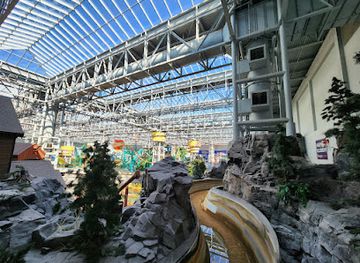
Mall of America®
Discover the ultimate shopping and entertainment experience at Mall of America®, featuring over 500 stores, dining, and thrilling attractions.
-
Park
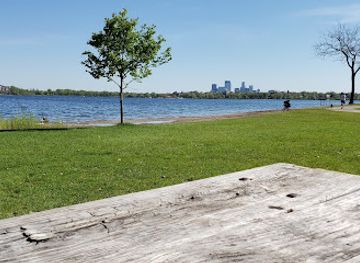
Bde Maka Ska
Explore Bde Maka Ska in Minneapolis, a beautiful urban park perfect for outdoor activities, picnics, and enjoying nature's tranquility.
-
State park
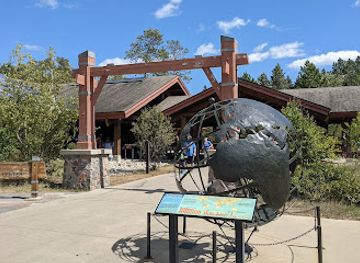
Itasca State Park
Explore Itasca State Park: A Natural Wonderland with Scenic Trails, Historic Landmarks, and the Headwaters of the Mississippi River.
-
State park
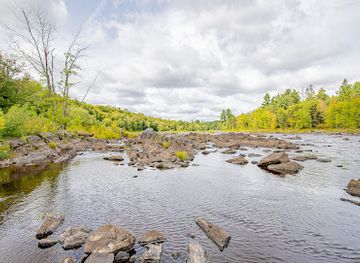
Jay Cooke State Park
Discover the breathtaking landscapes and outdoor adventures at Jay Cooke State Park, a must-visit destination in Minnesota for nature enthusiasts.
Best landmarks in Southwestern Minnesota
Pipestone National Monument is one of southwestern Minnesota's most important landmarks: its red catlinite quarries and quartzite landscape connect geology with continuing American Indian ceremonial practice. Jeffers Petroglyphs is another defining site, where carved images on exposed rock preserve a long record of Indigenous presence on the prairie. Blue Mounds State Park is recognisable for its pink Sioux quartzite ridges and open grassland, a marked contrast to the cultivated fields surrounding it. In Walnut Grove, the Laura Ingalls Wilder Museum and associated historic places represent the region's literary association with nineteenth-century settlement. The Redwood River valley at Camden State Park provides a natural landmark of wooded slopes and watercourses amid broad agricultural country. In the towns, historic courthouses, brick commercial blocks, railway remnants and civic buildings express the importance of county government, trade and transport. These landmarks are significant because they reveal the region's different layers—Indigenous, geological, environmental, agricultural, literary and civic—rather than presenting a single simplified prairie identity.
-
State park
Blue Mounds State Park
Explore the scenic vistas and diverse wildlife of Blue Mounds State Park, a natural haven in Minnesota perfect for outdoor adventures and relaxation.
-
State park
Lake Shetek State Park
Discover the natural beauty and recreational offerings of Lake Shetek State Park, a serene escape in southwestern Minnesota perfect for outdoor enthusiasts.
-
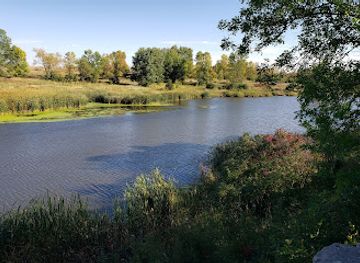
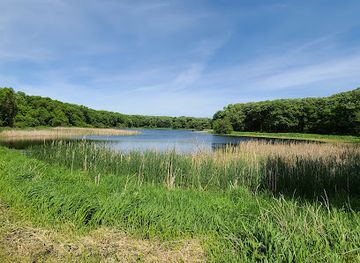
 Lake
LakeWood Lake
Discover the serene beauty of Wood Lake in Coon Creek Township, Minnesota, a perfect getaway for nature lovers and outdoor enthusiasts.
Explore Southwestern Minnesota on the map
Plan your trip on one map. See where the top cities, national parks and sights are, and book hotels and experiences in a few clicks.
Best hotels in Southwestern Minnesota
Best restaurants in Southwestern Minnesota
Dining in southwestern Minnesota reflects its agricultural setting and the practical rhythms of small-town life. Marshall, Worthington, Luverne, Pipestone and other larger communities provide the broadest choice of cafés, family restaurants, bakeries, grills and international cuisines, while rural towns are more likely to centre on a café, diner, tavern or community-oriented restaurant. Regional farm production is visible through ingredients such as beef, pork, poultry, grains, sweet corn and seasonal vegetables, although these are part of the wider Midwestern food tradition rather than a single exclusive local cuisine. Farmers' markets and food stands can provide produce, baked goods and locally made products when operating seasonally. Visitors should expect hearty breakfasts, sandwiches, burgers, soups, pies and other familiar American fare, alongside Mexican, Asian and other cuisines reflecting the area's changing communities. In the countryside, plan meals around opening days and driving distances, since evening options can be limited outside the principal towns.
-
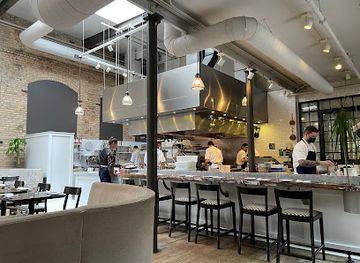
New American
Spoon and Stable
Experience innovative New American cuisine at Spoon and Stable in Minneapolis' Warehouse District—where local ingredients meet culinary artistry.
-
Southern
Handsome Hog
Discover the authentic taste of Southern cuisine at Handsome Hog, where comfort food meets vibrant atmosphere in St. Paul.
-
Pub
George and the Dragon
Discover organic dining at George and the Dragon – a cozy pub in Minneapolis offering fresh flavors and craft beverages in an inviting atmosphere.
-
Southern
Southern Social
Experience authentic Southern flavors at Southern Social in Eagan, MN – where every bite tells a story.
Best bars in Southwestern Minnesota
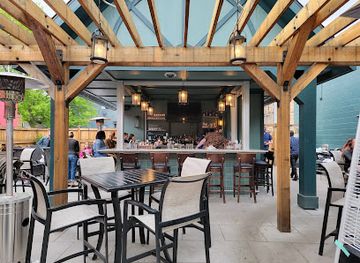
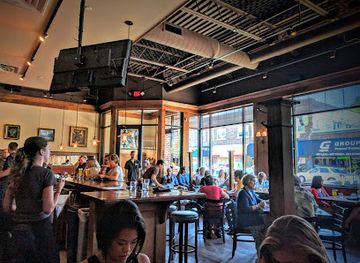
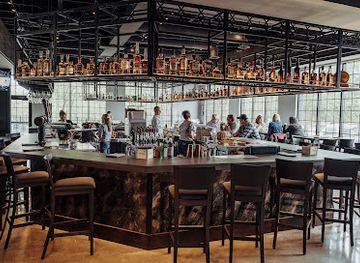
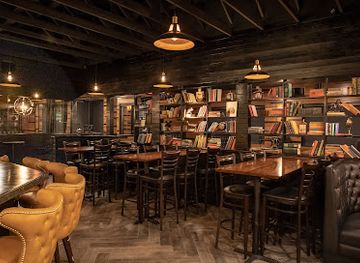
Evening life in southwestern Minnesota is concentrated in small-town main streets rather than large entertainment districts. Marshall and Worthington offer the widest selection of pubs, sports bars, restaurants, breweries or live-music settings, while places such as Luverne, Pipestone and Windom generally have a quieter mix of taverns, lounges and community venues. In rural areas, a traditional bar or restaurant may be the principal evening gathering place, and local events can create busier nights during summer. Nightclubs are limited compared with Minneapolis or larger regional cities, so visitors should not expect a late-running club scene across the countryside. Theatre, school and community performances may provide alternatives to drinking-focused nightlife, and some historic downtowns are pleasant for an early evening meal or walk. Check current arrangements locally, particularly outside the larger centres and during the winter season.
-
Restaurant
Tom's Watch Bar - Minneapolis
Tom's Watch Bar in Minneapolis: A premier sports bar offering delicious food, extensive drinks, and an electrifying atmosphere for every game.
-
Pub
Brit's Pub
Discover the charm of Brit's Pub in Minneapolis, where delicious British cuisine meets a lively atmosphere and an extensive drink selection.
-
Grill
Pub 819
Discover the lively atmosphere of Pub 819, a premier grill and bar in Hopkins, MN, known for its delicious food and extensive drink selection.
-
Bar
Whiskey Inferno Meat House & Craft Bar
Experience a culinary delight at Whiskey Inferno Meat House & Craft Bar, where exceptional meats and craft cocktails create unforgettable moments.

Best nightclubs in Southwestern Minnesota
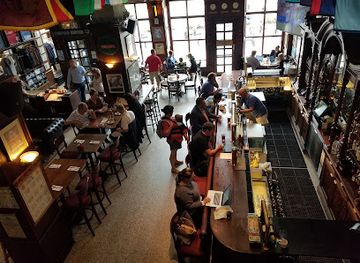
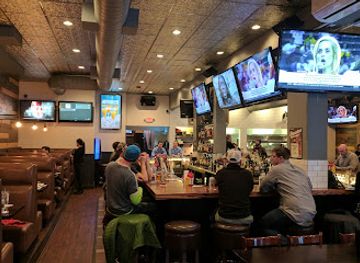
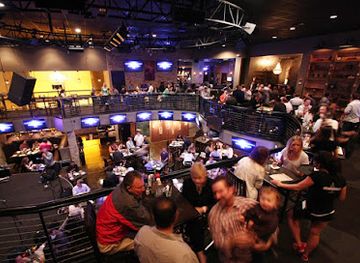
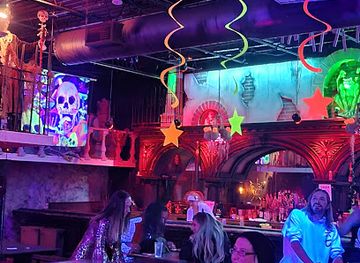
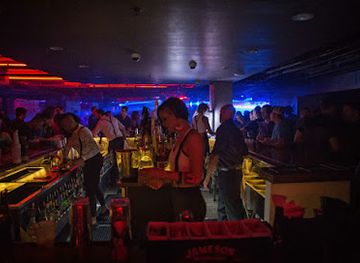
Evening life in southwestern Minnesota is concentrated in small-town main streets rather than large entertainment districts. Marshall and Worthington offer the widest selection of pubs, sports bars, restaurants, breweries or live-music settings, while places such as Luverne, Pipestone and Windom generally have a quieter mix of taverns, lounges and community venues. In rural areas, a traditional bar or restaurant may be the principal evening gathering place, and local events can create busier nights during summer. Nightclubs are limited compared with Minneapolis or larger regional cities, so visitors should not expect a late-running club scene across the countryside. Theatre, school and community performances may provide alternatives to drinking-focused nightlife, and some historic downtowns are pleasant for an early evening meal or walk. Check current arrangements locally, particularly outside the larger centres and during the winter season.
-
Night club
The Pourhouse
Experience the vibrant nightlife at The Pourhouse in Minneapolis, where live music, delicious American food, and a lively atmosphere come together.
-
Gay bar
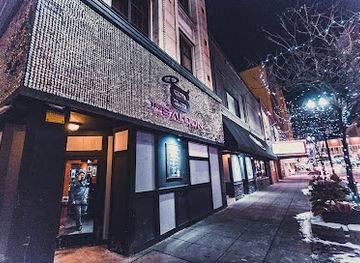
The Saloon
Experience the lively nightlife of Minneapolis at The Saloon, a premier gay bar offering dance, drinks, and an inclusive atmosphere.
-
Night club
Ground Zero Nightclub
Experience the vibrant nightlife at Ground Zero Nightclub, Minneapolis' premier destination for dancing, cocktails, and unforgettable nights out.
-
Night club
The Exchange & Alibi Lounge
Immerse yourself in the vibrant nightlife of Minneapolis at The Exchange & Alibi Lounge, where music and dance create unforgettable experiences.
Best shops in Southwestern Minnesota
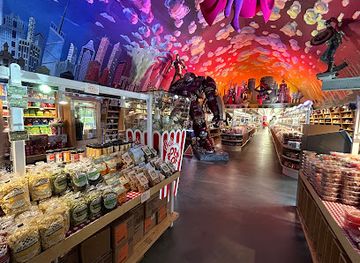
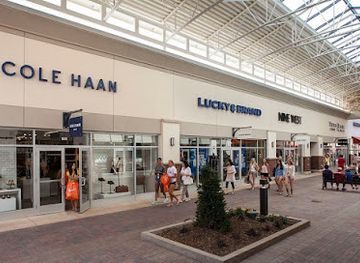
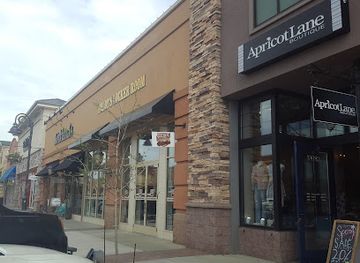
Shopping in southwestern Minnesota is centred on practical town services, independent main-street businesses and locally produced goods rather than major retail districts. Marshall and Worthington have the broadest selection of supermarkets, clothing, outdoor equipment, galleries, gifts and everyday shopping, while Luverne, Pipestone, Windom, Walnut Grove and other communities offer smaller groups of independent shops and cafés. Farmers' markets and seasonal events are useful places to look for vegetables, baked goods, preserves, crafts and products from nearby farms, although dates vary by community and season. Pipestone is the most distinctive place to learn about and purchase work connected with the region's famous red stone, but visitors should distinguish authorised artistic products from cultural objects that should not be treated as ordinary souvenirs. Other useful purchases include regional food products, prairie-themed books, locally made crafts, artwork and gifts linked to railway or literary history. Carrying supplies from larger towns is sensible before visiting remote parks or heritage sites.
-
Candy store
Minnesota's Largest Candy Store
Discover a candy lover's paradise at Minnesota's Largest Candy Store, featuring an astonishing selection of sweets and nostalgic treats.
-
Outlet mall
Twin Cities Premium Outlets
Discover unbeatable deals and a diverse shopping experience at Twin Cities Premium Outlets, the ultimate retail destination in Eagan, Minnesota.
-
Shopping mall
The Shoppes at Arbor Lakes
Explore The Shoppes at Arbor Lakes in Maple Grove for a unique shopping experience featuring diverse retailers, delightful dining, and seasonal entertainment.
-
Outlet mall
Albertville Premium Outlets
Explore endless shopping opportunities at Albertville Premium Outlets in Minnesota, where discounts on top brands await every visitor.
Get your free copy of our complete guide to Southwestern Minnesota, delivered straight to you.
Everything on this page, from attractions and restaurants to essentials and local phrases, in one PDF you can read offline, print or share.
Already have an account? Sign in
Your Southwestern Minnesota guide is ready.
We'll send it to · Not you? Sign out

Getting your guide ready…
We are putting together a fresh copy of the Southwestern Minnesota guide. This can take up to a minute.
This can take a few moments. If your browser asks, choose Allow so the download can start. You'll find the guide in your Downloads folder.
Nothing happened? Download it again
Sorry, the guide is taking longer than usual. Please try again in a minute, or get it by email instead.
Southwestern Minnesota essentials
Currency and Payment
Safety
Emergency Situations
Do's and Don'ts
Local Tips
From Eve
Local phrases worth knowing
You don't need to get them perfect. A few words go a long way, and locals appreciate the effort.
Basics
| English | Local | Say it |
|---|---|---|
| Hello | Hi there | [Hahy thair] |
| Goodbye | See ya later | [See yah lay-ter] |
| Yes | Yup | [Yuhp] |
| No | Nah | [Nah] |
| Please/You're welcome | Sure thing | [Shoor thing] |
| Thank you | Thanks a lot | [Thanks a laht] |
| Excuse me/Sorry | Pardon me | [Pahr-don mee] |
| How are you? | How are ya? | [How are yah?] |
| Fine. And you? | Good. And you? | [Good. And yah?] |
| Do you speak English? | You speak English? | [Yah speak English?] |
| I don't understand | I don’t get it | [I dont get it] |
Eating & Drinking
| English | Local | Say it |
|---|---|---|
| I'd like to see the menu, please | Can I see the menu? | [Can I see thuh men-yoo?] |
| I don't eat meat | I don’t eat meat | [I dont eet meet] |
| Cheers! | Cheers! | [Cheers!] |
| I would like to pay, please | I’d like to settle up | [I’d like to set-l up] |
Emergencies
| English | Local | Say it |
|---|---|---|
| Help! | Help! | [Help!] |
| Go away! | Get outta here! | [Get outta here!] |
| Call the Police! | Call the cops! | [Call thuh cops!] |
| Call a doctor! | Get a doctor! | [Get a doc-ter!] |
| I'm lost | I’m lost | [I’m lost] |
| I'm ill | I don’t feel good | [I dont feel good] |
Shopping
| English | Local | Say it |
|---|---|---|
| I'd like to buy... | I wanna buy... | [I wanna buy...] |
| I'm just looking | Just looking around | [Juhst looking around] |
| How much is it? | What’s the price? | [What’s thuh price?] |
| That's too expensive | That’s pricy | [That’s pry-see] |
| Can you lower the price? | Can ya bring it down? | [Can yah bring it down?] |
Time & Numbers
| English | Local | Say it |
|---|---|---|
| What time is it? | What time ya got? | [What time yah got?] |
| It's one o'clock | It’s one | [It’s wun] |
| Half past (10) | Half past ten | [Half past ten] |
| Morning | Morning | [Morn-ing] |
| Afternoon | Afternoon | [Af-ternoon] |
| Evening | Evening | [Eve-ning] |
| Yesterday | Yesterday | [Yes-ter-day] |
| Today | Today | [To-day] |
| Tomorrow | Tomorrow | [To-mor-row] |
| 1 | One | [Wun] |
| 2 | Two | [Too] |
| 3 | Three | [Three] |
| 4 | Four | [Four] |
| 5 | Five | [Five] |
| 6 | Six | [Six] |
| 7 | Seven | [Seven] |
| 8 | Eight | [Eight] |
| 9 | Nine | [Nine] |
| 10 | Ten | [Ten] |
Transport & Directions
| English | Local | Say it |
|---|---|---|
| Where's a/the...? | Where’s the...? | [Where’s thuh...?] |
| What's the address? | What’s the address? | [What’s thuh ad-dress?] |
| Can you show me (on the map)? | Can ya show me on the map? | [Can yah show me on thuh map?] |
| When's the next (bus)? | When’s the next bus? | [When’s thuh next bus?] |
| A ticket (to ....) | A ticket to... | [A tick-it to...] |
History of Southwestern Minnesota
Indigenous Prairie Cultures and Catlinite
Long before Euro-American settlement, Dakota and other Indigenous peoples travelled, hunted and maintained cultural relationships across the prairie and Minnesota River country. The catlinite quarries at what is now Pipestone National Monument were, and remain, a place of ceremonial importance for many American Indian nations. The red stone was fashioned into pipes and other sacred objects. Quarrying traditions continue under federal protection, making the site an important example of living Indigenous heritage rather than only an archaeological remnant.
Ancient Rock Art at Jeffers
The exposed Sioux quartzite at Jeffers Petroglyphs bears thousands of carvings made by Indigenous people over a long period, with images including animals, human figures and symbols. The site provides evidence of repeated activity on the prairie and reflects changing cultural traditions rather than a single historical episode. Its importance lies both in the age of the carvings and in the way the surrounding landscape helps visitors understand why this prominent outcrop became a place of meaning.
The Dakota–United States Conflict of 1862
The US–Dakota War of 1862 profoundly affected southwestern Minnesota. Conflict, forced removal and the disruption of Dakota communities followed years of treaty violations, land loss and mounting hardship. The Lower Sioux Agency area lies to the east of the region commonly described as southwestern Minnesota, but the consequences extended across the southwest and remain part of its historical landscape. Visitors should approach related museums, memorials and interpretive sites with attention to Dakota perspectives as well as state and national narratives.
Settlement, Treaties and Prairie Agriculture
During the nineteenth century, US government policy and treaties opened large areas of prairie to non-Indigenous settlement. Surveying, land sales and immigration transformed grasslands into farms and established communities such as Marshall, Worthington, Pipestone and Luverne. Wheat, corn, livestock and other agricultural products became the economic foundation of the area. Much of the region's present-day appearance, including its straight roads, shelterbelts, grain facilities and compact town centres, reflects this period of rapid agricultural change.
Railways and the Growth of Towns
Railway construction connected southwestern Minnesota farms with regional and national markets during the late nineteenth and early twentieth centuries. Tracks encouraged the growth of service towns, grain elevators, depots, hotels and commercial streets, while making it easier for settlers and goods to move across the prairie. The End-O-Line Railroad Park and Museum in Currie preserves part of this story through railway equipment, historic structures and interpretation of the region's former rail network.
Laura Ingalls Wilder and the Prairie Imagination
Laura Ingalls Wilder lived with her family near Walnut Grove during part of her childhood, an experience later represented in her Little House writings. The local museum and related historical interpretation preserve connections between the literary narrative and the working farm landscape of nineteenth-century southwestern Minnesota. Her books helped shape international ideas about the American prairie, although visitors should also place that personal story alongside the region's much longer Dakota history and the complex realities of settlement.
Twentieth-Century Agriculture and Regional Change
Mechanisation, improved roads, changing markets and farm consolidation reshaped southwestern Minnesota during the twentieth century. Small towns remained important centres for schools, healthcare, retail, food processing and agricultural services, but many rural communities experienced population decline and the loss of railway connections. At the same time, conservation efforts protected fragments of native prairie and restored habitats. The modern region therefore combines highly productive farmland with carefully managed remnants of the grassland ecosystem that once covered much of the landscape.
Southwestern Minnesota in Photos
Browse through our photo collection highlighting the charm and character of the destination.
Neighbouring regions of Southwestern Minnesota
The closest regions to Southwestern Minnesota, if you have time for more than one.
-

-

-

-

-


Swipe for more regions
Explore more

Explore more of Minnesota
Discover Minnesota: From the bustling Twin Cities and cultural landmarks to the serene lakes and expansive wilderness, experience the diverse beauty and welcoming spirit of the North Star State.
Explore Minnesota