

Free Winona Travel Guide & Mobile App
Plan your Winona trip with Evendo. Get free guides to top attractions, restaurants, hotels, and bars. Web access or download the mobile app.


Winona, Minnesota, pairs Mississippi River scenery with Polish heritage, art museums, historic architecture, outdoor adventures and distinctive small-city culture.
River, Bluffs and Island-City Character
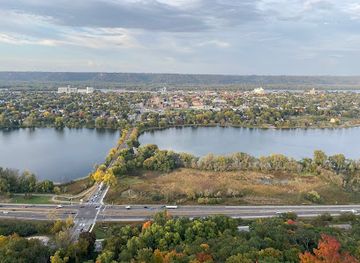
Winona occupies a striking bend of the Mississippi River in south-eastern Minnesota, where wooded limestone bluffs rise behind a compact historic city centre. Water, railways and steep natural landmarks have shaped its identity: the riverfront opens towards Wisconsin, while Sugar Loaf and Garvin Heights provide distinctive perspectives over the valley. Winona is sometimes called the Island City because the Mississippi and its backwaters surround parts of the community, giving the landscape an unmistakable water-bound character.Read more about Winona
Art, Heritage and Community Life
Outdoor Perspectives
When is the best time to visit Winona?
Best: May–June, September · 22–27°C| Month | High (°C) | Rainfall (mm) |
|---|---|---|
| January | -3 | 23 |
| February | 0 | 19 |
| March | 7 | 29 |
| April | 17 | 61 |
| May (best) | 22 | 91 |
| June (best) | 27 | 112 |
| July | 29 | 112 |
| August | 29 | 109 |
| September (best) | 23 | 84 |
| October | 16 | 66 |
| November | 7 | 40 |
| December | 1 | 30 |
Getting to and around Winona
How to get there
Transportation
Best attractions in Winona
Winona's attractions bring together river ecology, fine art, local history and bluff-country scenery. The Minnesota Marine Art Museum presents paintings and other works connected with water, from maritime subjects to wider explorations of rivers and coasts. At the National Eagle Center, visitors learn about bald eagles and the Mississippi flyway through interpretive displays and educational programmes. The Watkins Heritage Museum, operated by the Winona County Historical Society, offers local context through collections and exhibitions, while the Great River Shakespeare Festival adds live theatre to the summer cultural calendar. Downtown's historic commercial streets reward a slow walk between galleries, cafés and civic buildings, and the riverfront provides open views towards Wisconsin. Lake Winona is a popular setting for walking and cycling, while Garvin Heights gives a higher perspective across the valley. Sugar Loaf, a distinctive bluff and city symbol, completes Winona's landscape of natural viewpoints.
-
Tourist attraction
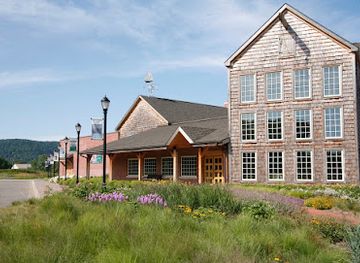
Minnesota Marine Art Museum
Discover the captivating world of maritime art at the Minnesota Marine Art Museum, a unique gem in Winona, Minnesota, blending culture and natural beauty.
16 min walk · 1.3 km from city centre
-
Tourist attraction
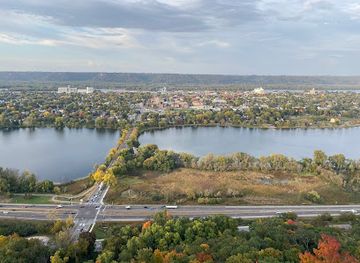
Garvin Heights City Park
Experience breathtaking views and serene nature at Garvin Heights City Park in Winona, Minnesota, a perfect retreat for all nature lovers.
7 min drive · 2.2 km from city centre
-
Tourist attraction
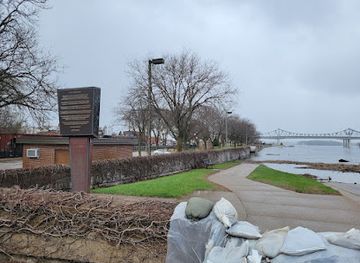
Levee Park
Explore the natural beauty of Levee Park in Winona, MN, where lush landscapes meet the serene banks of the Mississippi River.
8 min drive · 2.7 km from city centre
-
Antique store
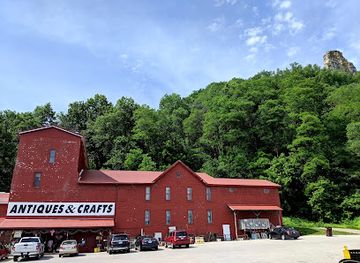
Treasures Under Sugar Loaf
Explore Treasures Under Sugar Loaf in Winona, MN for unique antiques, collectibles, and crafts that capture the essence of local heritage.
13 min drive · 4.3 km from city centre
Best landmarks in Winona
Winona's landmarks express the city's river commerce, immigrant history and late-nineteenth-century civic confidence. The Basilica of St. Stanislaus Kostka, with its prominent twin-towered profile, is a powerful symbol of the Polish Catholic community that helped shape local life. The Winona County Courthouse anchors the civic landscape, while the Merchants Bank building and the Watkins Building contribute distinctive historic commercial architecture to downtown. Sugar Loaf is the city's most recognisable natural landmark, a steep bluff rising above the Mississippi valley and appearing in local views from roads, trails and the riverfront. Garvin Heights is valued less as a built monument than as a landscape landmark, offering a broad outlook over the river and surrounding bluffs. Together, these places show how Winona's identity was formed by public institutions, churches, commerce, geology and its position beside the Mississippi.
-
Cafe
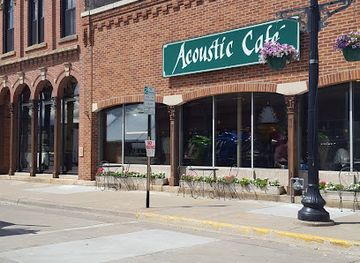
Acoustic Cafe
Discover the perfect blend of coffee, fresh bakery delights, and live music at Acoustic Cafe in Winona, Minnesota.
8 min drive · 2.7 km from city centre
-
Art museum
Minnesota Marine Art Museum
Explore the Minnesota Marine Art Museum, where art meets the beauty of the water. A perfect destination for art enthusiasts and curious travelers.
16 min walk · 1.3 km from city centre
-
Cafe
Blooming Grounds Coffee House
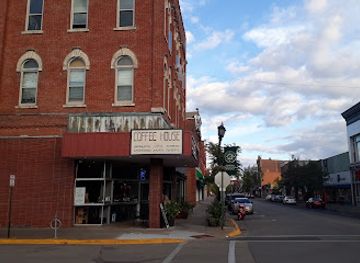
Discover the heart of Winona at Blooming Grounds Coffee House, where exceptional coffee meets a welcoming atmosphere and delicious food.
8 min drive · 2.5 km from city centre
-
Park
Garvin Heights City Park
Discover the natural beauty and panoramic views of Garvin Heights City Park, a serene getaway in Winona, Minnesota, perfect for outdoor enthusiasts.
7 min drive · 2.2 km from city centre
Explore Winona on the map
Plan your Winona trip on one map. See where the top attractions, landmarks, restaurants, bars and hotels are, find what's near where you're staying, and book hotels and experiences in a few clicks.
Best hotels in Winona
Best restaurants in Winona
Winona's dining scene reflects its south-eastern Minnesota setting, with Midwestern comfort food, American café cooking, sandwiches, burgers and locally minded contemporary dishes alongside familiar international cuisines. Historic downtown is the main concentration for independent restaurants, coffee shops, bakeries and casual evening dining, while the university population supports an informal range of affordable places. The city's Polish heritage is especially visible through the Basilica of St. Stanislaus Kostka and community traditions, although visitors should distinguish local heritage from claims that every restaurant serves Polish food. Seasonal farmers' markets and regional producers add fresh fruit, vegetables, baked goods and prepared foods to the culinary landscape. Mississippi River culture also shapes the area's appetite for fish, outdoor gatherings and relaxed riverside meals, while nearby farms supply many kitchens with familiar Upper Midwestern ingredients.
-
Mexican
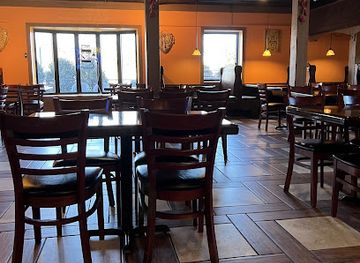
El Patron Mexican Grill & Cantina
Discover authentic Mexican flavors at El Patron Mexican Grill & Cantina in Winona - where every bite tells a story.
10 min walk · 0.8 km from city centre
-
Family-friendly
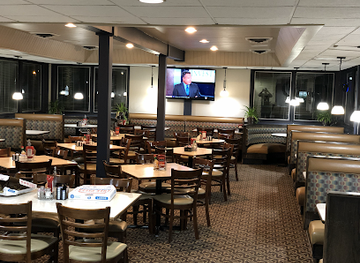
Winona's Family Restaurant
Discover heartwarming family dining at Winona's Family Restaurant with delicious breakfasts and friendly service in beautiful Winona, Minnesota.
13 min walk · 1.0 km from city centre
-
Mexican
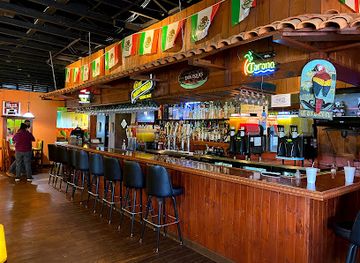
Mango's Mexican & American Grill
Experience the best of Mexican cuisine fused with American favorites at Mango's Mexican & American Grill in Winona.
5 min drive · 1.8 km from city centre
-
Cafe
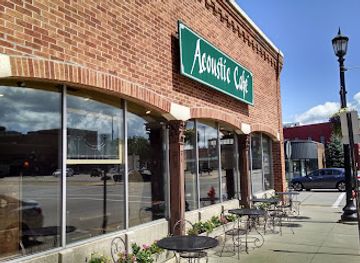
Acoustic Cafe
Experience the heart of Winona at Acoustic Cafe—where fresh coffee meets live music in a cozy atmosphere.
8 min drive · 2.7 km from city centre
Best bars in Winona
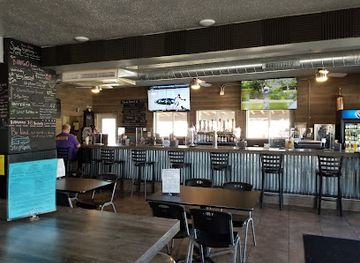
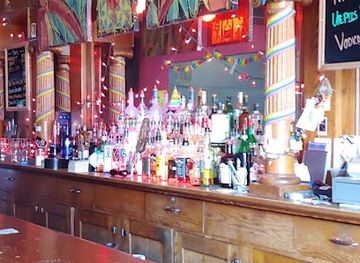
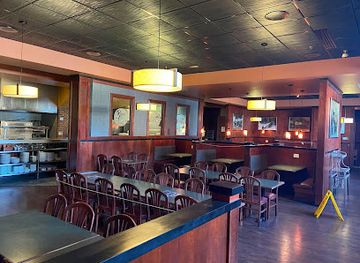
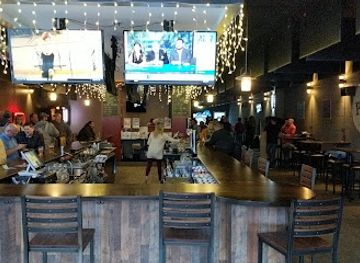
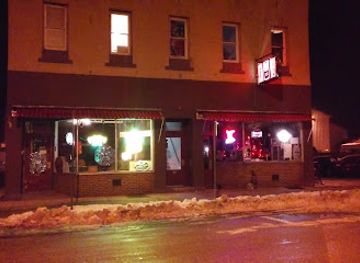
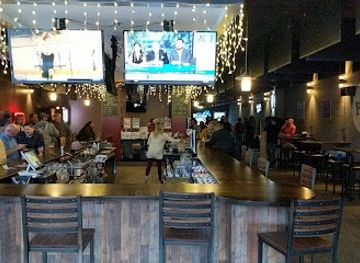
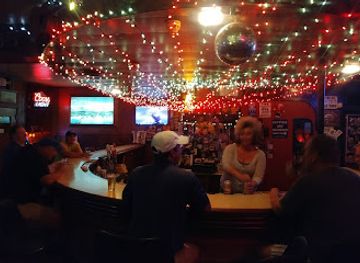
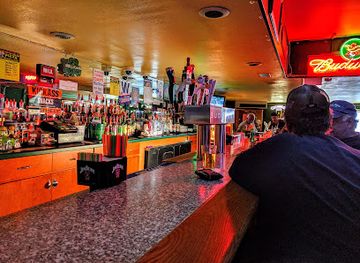
Winona's evening scene is modest and sociable rather than club-centred. Historic downtown contains neighbourhood bars, breweries, cafés and restaurants where students, residents and visitors gather, with live music and community events appearing at selected venues and during seasonal festivals. Island City Brewing Company is a recognised local meeting place for craft beer and conversation, while the city's theatres and arts organisations provide alternatives to drinking. The Great River Shakespeare Festival can bring performances and post-show activity to summer evenings, and university programming adds concerts, lectures and cultural events during the academic year. Nightlife is generally concentrated around the centre and follows the pace of a small river city, so late-night options and transport may be more limited than in Minneapolis or larger regional centres. Current event listings are useful because performances and music nights are often seasonal.
-
Grill
929 Beer House & Grill
Discover the heart of Winona at 929 Beer House & Grill, where delicious grilled dishes and a vibrant bar atmosphere await.
13 min drive · 4.4 km from city centre
-
Live music bar
No Name Bar
Experience the vibrant live music scene at No Name Bar in Winona, where every night promises unforgettable performances and great vibes.
9 min drive · 3.0 km from city centre
-
Bar
River City Grill
Discover the vibrant atmosphere and delicious offerings of River City Grill, the perfect destination for food lovers and sports fans in Winona.
14 min drive · 4.7 km from city centre
-
Bar
Port 507
Discover Port 507 in Winona, MN, a charming bar featuring local brews, signature cocktails, and a friendly atmosphere perfect for unwinding.
7 min drive · 2.4 km from city centre
Best nightclubs in Winona
Winona's evening scene is modest and sociable rather than club-centred. Historic downtown contains neighbourhood bars, breweries, cafés and restaurants where students, residents and visitors gather, with live music and community events appearing at selected venues and during seasonal festivals. Island City Brewing Company is a recognised local meeting place for craft beer and conversation, while the city's theatres and arts organisations provide alternatives to drinking. The Great River Shakespeare Festival can bring performances and post-show activity to summer evenings, and university programming adds concerts, lectures and cultural events during the academic year. Nightlife is generally concentrated around the centre and follows the pace of a small river city, so late-night options and transport may be more limited than in Minneapolis or larger regional centres. Current event listings are useful because performances and music nights are often seasonal.
-
Live music bar
No Name Bar
Discover No Name Bar in Winona, where live music, artistic vibes, and great drinks create an unforgettable nightlife experience.
9 min drive · 3.0 km from city centre
-
Bar
Port 507
Experience the local nightlife at Port 507, Winona's favorite bar for delightful drinks and a vibrant atmosphere.
7 min drive · 2.4 km from city centre
-
Bar
Mankato Bar
Experience the cozy charm of Mankato Bar in Winona, Minnesota, where great drinks and good times await in a friendly atmosphere.
12 min drive · 4.0 km from city centre
-
Bar
Mulligan's Pub
Mulligan's Pub: A local favorite in Winona, MN, offering a lively atmosphere, extensive drink selection, and friendly service for a memorable night out.
9 min drive · 2.9 km from city centre
Best shops in Winona
Shopping in Winona is centred on historic downtown streets, where independent retailers, galleries, gift shops, cafés and specialist businesses occupy older commercial buildings. The retail experience is more local and walkable than mall-based, with shops reflecting the city's arts community, university presence and river-valley setting. Visitors may find locally made artwork, books, clothing, decorative goods and practical outdoor items, while seasonal farmers' markets provide regional produce, baked goods and prepared foods. The Winona Farmers Market is a useful place to look for products from nearby growers and makers when operating. Downtown's historic setting is part of the appeal: the shopfronts and civic architecture provide context for browsing rather than functioning merely as a retail strip. Availability varies by season and business, particularly for market stalls and independent galleries.
-
Department store
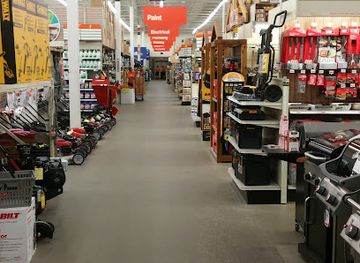
Fleet Farm
Explore Winona's Fleet Farm: A unique shopping experience for outdoor gear, clothing, and more in a welcoming atmosphere.
14 min drive · 4.6 km from city centre
-
Shopping mall
Westgate Shopping Center
Explore the Westgate Shopping Center in Winona for a delightful shopping experience with diverse stores and tasty dining options.
11 min walk · 0.9 km from city centre
-
Antique store
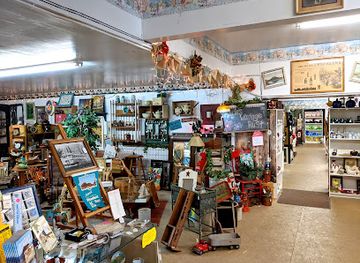
Treasures Under Sugar Loaf
Explore Treasures Under Sugar Loaf, a charming antique and craft store in Winona, MN, filled with unique collectibles and handmade goods.
13 min drive · 4.3 km from city centre
-
Shopping mall
Winona Mall
Explore Winona Mall: A vibrant shopping destination in Minnesota offering unique stores, dining options, and a family-friendly atmosphere.
7 min walk · 0.6 km from city centre
Get your free copy of our complete guide to Winona, delivered straight to you.
Everything on this page, from attractions and restaurants to essentials and local phrases, in one PDF you can read offline, print or share.
Already have an account? Sign in
Your Winona guide is ready.
We'll send it to · Not you? Sign out

Getting your guide ready…
We are putting together a fresh copy of the Winona guide. This can take up to a minute.
This can take a few moments. If your browser asks, choose Allow so the download can start. You'll find the guide in your Downloads folder.
Nothing happened? Download it again
Sorry, the guide is taking longer than usual. Please try again in a minute, or get it by email instead.
Winona essentials
Currency and Payment
Safety
Emergency Situations
Do's and Don'ts
Local Tips
From Eve
Local phrases worth knowing
You don't need to get them perfect. A few words go a long way, and locals appreciate the effort.
Basics
| English | Local | Say it |
|---|---|---|
| Hello | Howdy | [haw-dee] |
| Goodbye | See ya | [see yah] |
| Yes | Yep | [yep] |
| No | Nah | [nah] |
| Please/You're welcome | Please/No problem | [pleez / no prob-lem] |
| Thank you | Thanks | [thanks] |
| Excuse me/Sorry | Pardon me/My bad | [par-dun me / my bad] |
| How are you? | Howdy partner? | [haw-dee par-tner?] |
| Fine. And you? | Just peachy. You? | [just pee-chee. yoo?] |
| Do you speak English? | Ya speak English? | [yah speak ing-lish?] |
| I don't understand | I'm clueless | [I'm kloo-less] |
Eating & Drinking
| English | Local | Say it |
|---|---|---|
| I'd like to see the menu, please | Menu, please | [men-yoo, please] |
| I don't eat meat | No meat for me | [no meet for mee] |
| Cheers! | Cheers! | [cheers!] |
| I would like to pay, please | Check, please | [chek, please] |
Emergencies
| English | Local | Say it |
|---|---|---|
| Help! | Help! | [help!] |
| Go away! | Get lost! | [get lost!] |
| Call the Police! | Cops! | [cops!] |
| Call a doctor! | Doctor! | [doc-tor!] |
| I'm lost | Lost | [lost] |
| I'm ill | Sick | [sick] |
Shopping
| English | Local | Say it |
|---|---|---|
| I'd like to buy... | I wanna buy... | [I wanna buy...] |
| I'm just looking | Just browsing | [just brows-ing] |
| How much is it? | How much? | [how much?] |
| That's too expensive | Too pricey | [too pry-see] |
| Can you lower the price? | Can ya do better? | [can yah do bet-ter?] |
Time & Numbers
| English | Local | Say it |
|---|---|---|
| What time is it? | Whatcha got? | [watch-uh got?] |
| It's one o'clock | It's one | [it's one] |
| Half past (10) | Half ten | [half ten] |
| Morning | Mornin' | [morn-in'] |
| Afternoon | Afternoon | [after-noon] |
| Evening | Evenin' | [even-in'] |
| Yesterday | Yesterday | [yes-ter-day] |
| Today | Today | [to-day] |
| Tomorrow | Tomorrow | [to-mor-row] |
| 1 | One | [wun] |
| 2 | Two | [too] |
| 3 | Three | [three] |
| 4 | Four | [four] |
| 5 | Five | [five] |
| 6 | Six | [six] |
| 7 | Seven | [seven] |
| 8 | Eight | [ate] |
| 9 | Nine | [nine] |
| 10 | Ten | [ten] |
Transport & Directions
| English | Local | Say it |
|---|---|---|
| Where's a/the...? | Where's the...? | [where's the...?] |
| What's the address? | Address? | [address?] |
| Can you show me (on the map)? | Show me | [show me] |
| When's the next (bus)? | Next bus? | [next bus?] |
| A ticket (to ....) | Ticket (to ...) | [ticket (to ...)] |
History of Winona
Dakota Homeland and River Trade
The Mississippi valley around present-day Winona is part of the homeland of Dakota people, whose knowledge of the river, islands, bluffs and seasonal resources long preceded the arrival of American settlers. European and American traders later used the Mississippi as a commercial route, and the area became linked to the fur trade and river transport. Winona's position beside navigable water, with fertile lowlands and access to the interior, helped make it attractive for settlement during the nineteenth-century expansion of the United States.
Settlement and the Name Winona
Euro-American settlement expanded in the early 1850s, when commercial town-building gathered around the river landing. The name Winona was adopted from a Dakota-associated legend concerning Winona, although interpretations of the story and its transmission have varied. The settlement was incorporated as a city in 1857, as Minnesota approached statehood. Its location on the Mississippi ensured that transport, warehousing and river commerce remained central to the community's early development.
Lumber, Railways and Immigration
During the second half of the nineteenth century, Winona grew as a river port, lumber centre and railway town. Timber from the upper Mississippi region moved through the city, while rail connections strengthened its links with Minneapolis, Chicago and other Midwestern markets. German, Polish and other immigrant communities contributed to the city's religious, civic and commercial life; the Basilica of St. Stanislaus Kostka remains a prominent expression of Winona's Polish Catholic heritage. Prosperity from trade and industry also produced substantial commercial and residential architecture.
Education and Civic Ambition
Winona's institutions expanded alongside its commercial life. Winona State University traces its origins to 1858, when the Minnesota State Normal School was established to prepare teachers; it became an important part of the state's educational history and the city's cultural identity. The courthouse, banks, churches and downtown business buildings visible today reflect the civic confidence of the late nineteenth and early twentieth centuries, when river commerce and regional manufacturing supported ambitious public construction.
A Changing River Economy
The twentieth century brought changes to the industries that had made Winona prosperous. Railways and highways altered the movement of people and goods, while shifts in timber, manufacturing and river transport required the city to adapt. Flood control and changing patterns of settlement also reshaped the Mississippi waterfront. Despite these changes, Winona retained a recognisable historic core and continued to draw identity from its river, bluff landscape, churches, schools and longstanding civic organisations.
Heritage and Cultural Renewal
In recent decades, preservation, arts institutions and environmental interpretation have become important parts of Winona's public life. The Minnesota Marine Art Museum, National Eagle Center and Great River Shakespeare Festival broaden the city's cultural reach, while restored downtown buildings and historic religious landmarks connect contemporary visitors with earlier eras. The city now presents its history through several complementary narratives: Dakota homeland, river commerce, immigration, education, industry and the continuing ecological significance of the Mississippi valley.
Winona in Photos
Browse through our photo collection highlighting the charm and character of the destination.
Cities near Winona
The closest cities to Winona, if you have time for more than one stop.
-
-

-
-

-


Swipe for more cities
Explore more

Explore more of Minnesota
Discover Minnesota: From the bustling Twin Cities and cultural landmarks to the serene lakes and expansive wilderness, experience the diverse beauty and welcoming spirit of the North Star State.
Explore Minnesota