

Free Northeast Mississippi Travel Guide & Mobile App
Explore Northeast Mississippi with free travel guides. Discover regional history, expert tips, proposed trips, and audio guides on web or mobile app.


Explore Northeast Mississippi for Tupelo heritage, Oxford’s literary culture, Civil War history, wooded trails, Southern food and scenic drives.
Read more about Northeast Mississippi
When is the best time to visit Northeast Mississippi?
Best: April, September–October · 23–29°C| Month | High (°C) | Rainfall (mm) |
|---|---|---|
| January | 11 | 114 |
| February | 13 | 109 |
| March | 18 | 130 |
| April (best) | 23 | 127 |
| May | 27 | 132 |
| June | 31 | 122 |
| July | 33 | 122 |
| August | 32 | 114 |
| September (best) | 29 | 109 |
| October (best) | 23 | 97 |
| November | 17 | 119 |
| December | 12 | 122 |
Getting to and around Northeast Mississippi
How to get there
Transportation
Top city travel guides in Northeast Mississippi
The cities of Northeast Mississippi, and the easiest places to base yourself.

Swipe for more cities
Destinations in Northeast Mississippi
Resorts, valleys and scenic spots worth a trip of their own.
-
-
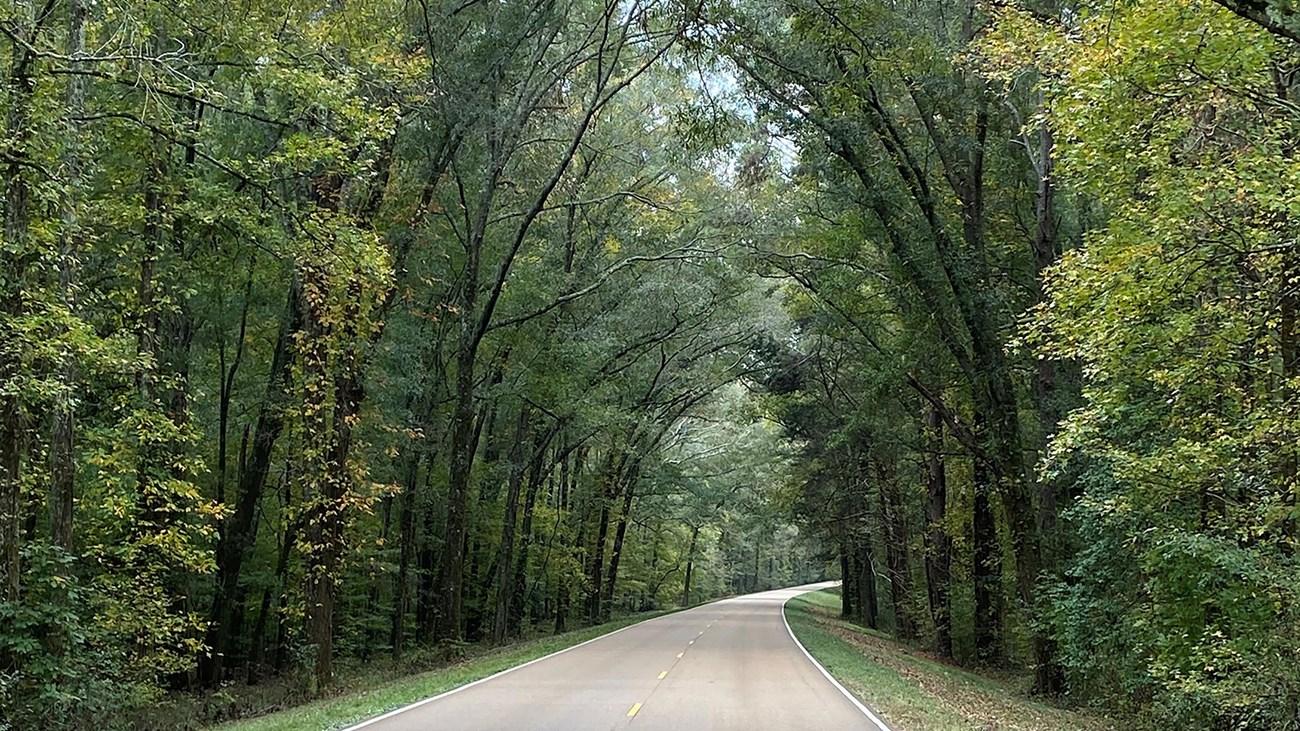 Natchez Trace Parkway
Explore the scenic, historic, and cultural wonders of the Natchez Trace Parkway, a 444-mile journey through the heart of the American South.
-

-


Swipe for more destinations
Best attractions in Northeast Mississippi
Northeast Mississippi’s attractions combine cultural sites with accessible countryside. Tupelo’s Elvis Presley Birthplace presents the singer’s early life through his childhood home, museum interpretation and related grounds, while the city also provides museums, parks and a useful base for exploring the northern part of the state. Oxford centres on the University of Mississippi, the literary heritage of Rowan Oak and the galleries, bookshops and restaurants around its historic square. Corinth offers Civil War interpretation and railway history, and nearby Brices Cross Roads National Battlefield Site preserves a rural landscape associated with the 1864 battle. The Natchez Trace Parkway brings together forest scenery, historic routes, archaeological interpretation and quiet viewpoints. At Tishomingo State Park, sandstone formations, wooded trails, Bear Creek and opportunities for paddling create one of the region’s most distinctive outdoor settings. Smaller communities add historic courthouses, local museums, galleries and seasonal events, while lakes, streams and managed woodland support fishing, boating, walking and birdwatching. Because the region is spread across several counties and rural districts, attractions are best approached as parts of a driving itinerary rather than as one concentrated sightseeing zone.
-
Historical place museum
Elvis Presley Birthplace
Discover the humble beginnings of Elvis Presley at his birthplace in Tupelo, Mississippi, where the King of Rock 'n' Roll's legacy began.
-
National reserve
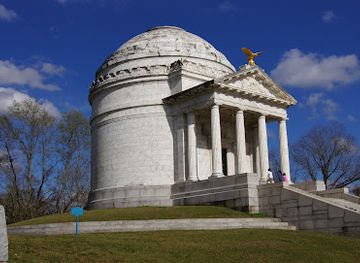
Vicksburg National Military Park
Discover the history and beauty of Vicksburg National Military Park, a key battlefield of the American Civil War, offering educational experiences and scenic views.
-
Science museum
INFINITY Science Center
Discover the captivating world of science at INFINITY Science Center, a premier destination for curious minds and families in Mississippi.
-
History museum
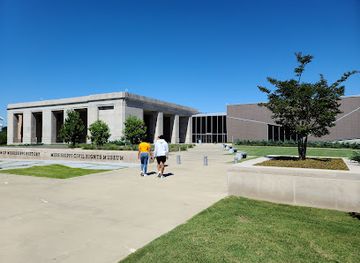
Mississippi Civil Rights Museum
Delve into the history of the Civil Rights Movement at the Mississippi Civil Rights Museum, where stories of struggle and triumph come to life.

Best landmarks in Northeast Mississippi
-
Historical place museum
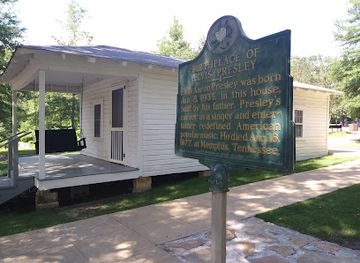
Elvis Presley Birthplace
Discover the humble beginnings of the King of Rock & Roll at his birthplace in Tupelo, Mississippi, a landmark of music history.
-
Arena
Cadence Bank Arena
Tupelo's premier entertainment destination, hosting concerts, sports, and family fun for unforgettable experiences at Cadence Bank Arena.
-
Bar
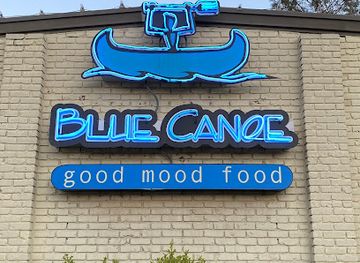
Blue Canoe
Tupelo's funky home for live music, award-winning food, and the best craft beer selection, offering a unique taste of Mississippi culture.
-
Park
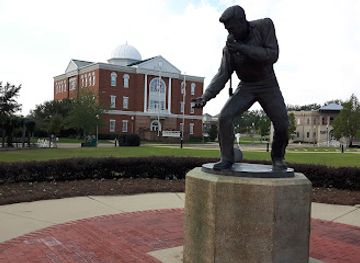
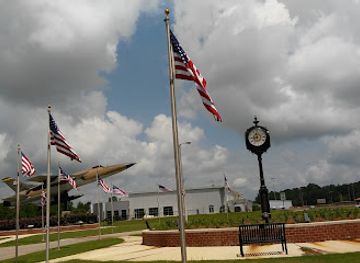
Veterans Park
A serene Tupelo park honoring veterans with a Vietnam War Memorial replica, trails, splash pad, and recreational facilities.
Explore Northeast Mississippi on the map
Plan your trip on one map. See where the top cities, national parks and sights are, and book hotels and experiences in a few clicks.
Best hotels in Northeast Mississippi
Best restaurants in Northeast Mississippi
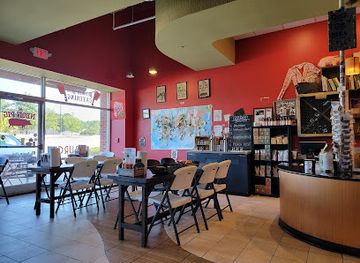
Dining in Northeast Mississippi reflects the wider foodways of the American South while retaining strong local variation. Barbecue, fried or grilled catfish, burgers, biscuits, cornbread, greens and other country dishes appear in family restaurants, cafés and informal eateries. Tupelo and Oxford have the broadest range, from contemporary Southern cooking and independent coffee shops to international food and restaurants serving locally influenced menus. Oxford’s university population supports a particularly active restaurant scene around the courthouse square and adjacent streets, while smaller towns favour diners, barbecue restaurants, cafés and traditional meat-and-three plates, where a main dish is served with a choice of side vegetables. Seasonal produce, jam, baked goods and prepared foods can be found through farmers’ markets and community events, although schedules vary. Regional drinks include sweet tea, locally produced beer and American wines or spirits from beyond Mississippi; visitors should distinguish local products from those associated with the state as a whole. Reservations may be useful for popular restaurants during university events and busy weekends.
-
American
Neon Pig Tupelo
Discover Neon Pig Tupelo: A culinary haven showcasing Mississippi's freshest ingredients and authentic Southern flavors.
-
Italian
Nautical Whimsey Italian
Experience authentic Italian cuisine at Nautical Whimsey in Tupelo - where flavor meets charm in every bite.
Best bars in Northeast Mississippi
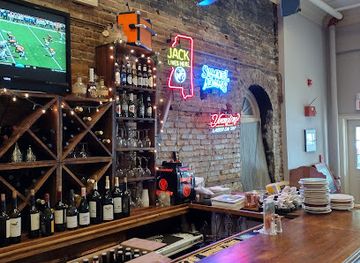
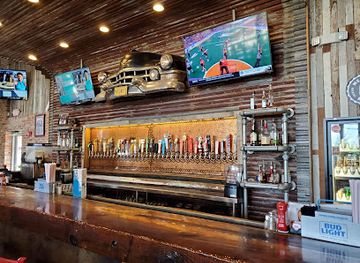
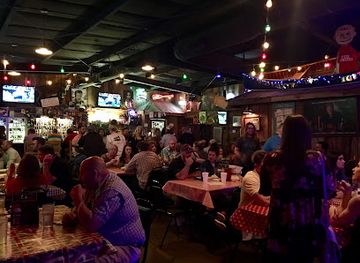
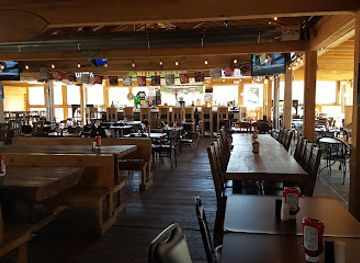
Evening life varies sharply between the region’s university towns and its smaller communities. Oxford has the most concentrated nightlife, with bars, restaurants, live music and late-evening venues around the courthouse square and university district; the character changes with the academic calendar and major sporting weekends. Tupelo offers a broader selection of pubs, casual bars, breweries, restaurants with music and venues catering to touring or local performers. Corinth and other smaller towns tend to centre on traditional pubs, diners, live entertainment and community events rather than a large club scene. In rural areas, evenings are often built around a meal, conversation, music or an event rather than late-night entertainment. Alcohol licensing, closing arrangements and age requirements follow Mississippi law and can vary by locality, so visitors should check current arrangements. Designated-driving options are limited outside the larger centres, making a planned journey especially important.
-
Family-friendly
Mugshots Grill and Bar - Tupelo, MS
Discover the vibrant flavor of American cuisine at Mugshots Grill and Bar in Tupelo, where family-friendly dining meets a lively sports atmosphere.
-
Bar
Blue Canoe
Discover the vibrant Blue Canoe in Tupelo, Mississippi - a bar and restaurant offering unique flavors and a lively atmosphere.
-
Bar
Steele's Dive
Experience the vibrant atmosphere and delicious cuisine at Steele's Dive, Tupelo's beloved bar and restaurant for locals and tourists alike.
-
American
Neon Pig Tupelo
Experience the vibrant flavors of Neon Pig Tupelo, where American cuisine meets local charm in a delightful dining atmosphere.
Best nightclubs in Northeast Mississippi
Evening life varies sharply between the region’s university towns and its smaller communities. Oxford has the most concentrated nightlife, with bars, restaurants, live music and late-evening venues around the courthouse square and university district; the character changes with the academic calendar and major sporting weekends. Tupelo offers a broader selection of pubs, casual bars, breweries, restaurants with music and venues catering to touring or local performers. Corinth and other smaller towns tend to centre on traditional pubs, diners, live entertainment and community events rather than a large club scene. In rural areas, evenings are often built around a meal, conversation, music or an event rather than late-night entertainment. Alcohol licensing, closing arrangements and age requirements follow Mississippi law and can vary by locality, so visitors should check current arrangements. Designated-driving options are limited outside the larger centres, making a planned journey especially important.
-
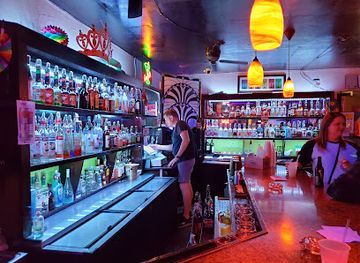
Bar
Just Us Lounge
Experience the vibrant nightlife at Just Us Lounge in Biloxi, where live music, dancing, and inclusivity come together for an unforgettable evening.
-
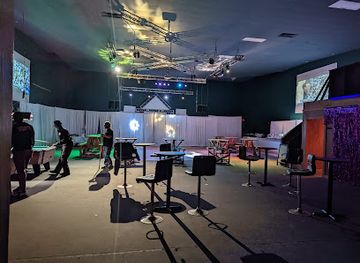
Night club
HIDEAWAY
Discover the vibrant nightlife at The Hideaway in Jackson, MS, where music, dance, and unforgettable experiences await.
-
Night club
Club Thirty IV
Discover the vibrant nightlife at Club Thirty IV in Gulfport, MS—where great music, dancing, and affordable drinks come together for an unforgettable night.
-
Night club
Couples
Experience the vibrant nightlife at Couples Night Club in Jackson, Mississippi, where music and romance unite for unforgettable evenings.


Best shops in Northeast Mississippi
Shopping in Northeast Mississippi is concentrated in the main towns, with Oxford offering the most recognisable mix of independent bookshops, clothing stores, galleries, homeware shops and boutiques around its historic square and university district. Tupelo provides larger retail areas as well as locally oriented shops connected with music, regional food and Mississippi crafts. Corinth, New Albany, Booneville and other market towns are useful for antiques, independent retailers, cafés and practical supplies, although their shopping hours and range can be more limited. Farmers’ markets and seasonal community markets offer produce, baked goods, preserves, plants and handmade items when operating; dates vary throughout the year. Literary books, locally produced foods, music-related souvenirs, pottery, art and Mississippi-made crafts are more meaningful purchases than generic roadside merchandise. Visitors travelling the Natchez Trace should not expect a continuous shopping corridor, and rural attractions generally have limited retail facilities. Sales taxes apply in shops, and stock, market days and opening arrangements can change, so check locally before making a special journey.
-
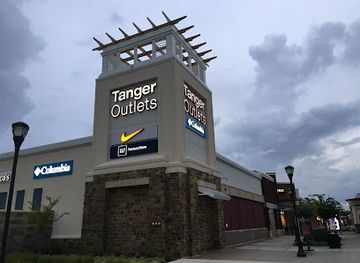
Outlet mall
Tanger Outlets Southaven
Explore Tanger Outlets Southaven for unbeatable shopping deals on top brands in a vibrant outdoor setting.
-
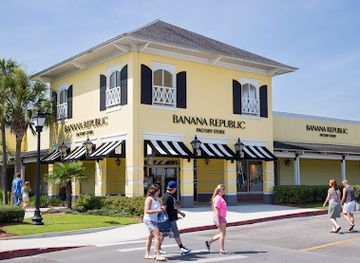
Outlet mall
Gulfport Premium Outlets
Discover unbeatable deals and a wide selection of designer brands at Gulfport Premium Outlets, the ultimate shopping destination in Mississippi.
-
Department store
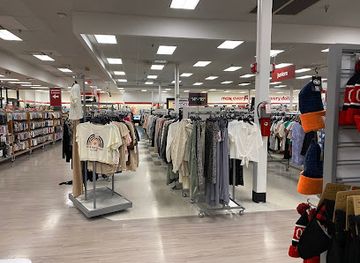
T.J. Maxx
Explore T.J. Maxx in Tupelo for unbeatable deals on fashion, accessories, and home goods, perfect for the savvy shopper.
-
Department store
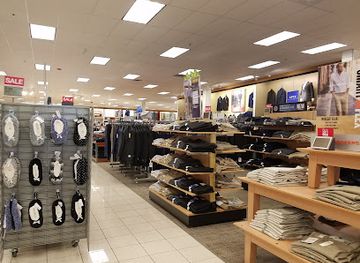
Kohl's
Experience shopping at Kohl's in Tupelo, where affordability meets variety for all your clothing and home needs.
Get your free copy of our complete guide to Northeast Mississippi, delivered straight to you.
Everything on this page, from attractions and restaurants to essentials and local phrases, in one PDF you can read offline, print or share.
Already have an account? Sign in
Your Northeast Mississippi guide is ready.
We'll send it to · Not you? Sign out

Getting your guide ready…
We are putting together a fresh copy of the Northeast Mississippi guide. This can take up to a minute.
This can take a few moments. If your browser asks, choose Allow so the download can start. You'll find the guide in your Downloads folder.
Nothing happened? Download it again
Sorry, the guide is taking longer than usual. Please try again in a minute, or get it by email instead.
Northeast Mississippi essentials
Currency and Payment
Safety
Emergency Situations
Do's and Don'ts
Local Tips
From Eve
Local phrases worth knowing
You don't need to get them perfect. A few words go a long way, and locals appreciate the effort.
Basics
| English | Local | Say it |
|---|---|---|
| Hello | Howdy | [haʊdi] |
| Goodbye | See ya | [si jə] |
| Yes | Yep | [jɛp] |
| No | Nope | [noʊp] |
| Please/You're welcome | Please / No problem | [pliz / noʊ ˈprɑbləm] |
| Thank you | Thank ya | [θæŋk jə] |
| Excuse me/Sorry | Excuse me / Sorry | [ɪkˈskjuːz mi / ˈsɔri] |
| How are you? | How ya doin'? | [haʊ jə ˈduːɪn] |
| Fine. And you? | I’m good. And you? | [aɪm gʊd. ənd jə] |
| Do you speak English? | You speakin' English? | [jə ˈspikɪn ˈɪŋɡlɪʃ] |
| I don't understand | I ain't followin' | [aɪ eɪnt ˈfɑloʊɪn] |
Eating & Drinking
| English | Local | Say it |
|---|---|---|
| I'd like to see the menu, please | Can I see the menu, please? | [kæn aɪ si ðə ˈmɛnjuː pliz] |
| I don't eat meat | I don’t eat meat | [aɪ doʊnt it miːt] |
| Cheers! | Cheers! | [ʧɪrz] |
| I would like to pay, please | Can I pay, please? | [kæn aɪ peɪ pliz] |
Emergencies
| English | Local | Say it |
|---|---|---|
| Help! | Help! | [hɛlp] |
| Go away! | Get away! | [ɡɛt əˈweɪ] |
| Call the Police! | Call the cops! | [kɔl ðə kɑps] |
| Call a doctor! | Get a doc! | [ɡɛt ə dɑk] |
| I'm lost | I’m lost | [aɪm lɔst] |
| I'm ill | I ain't feelin' good | [aɪ eɪnt ˈfiːlɪn ɡʊd] |
Shopping
| English | Local | Say it |
|---|---|---|
| I'd like to buy... | I wanna buy... | [aɪ ˈwɑnə baɪ] |
| I'm just looking | I’m just browsing | [aɪm dʒʌst ˈbraʊzɪŋ] |
| How much is it? | How much's it gonna cost? | [haʊ mʌʧz ɪt ˈɡənə kɔst] |
| That's too expensive | That's too rich for my blood | [ðæts tu rɪʧ fɔr maɪ blʌd] |
| Can you lower the price? | Can ya bring down the price? | [kæn jə brɪŋ daʊn ðə praɪs] |
Time & Numbers
| English | Local | Say it |
|---|---|---|
| What time is it? | What time is it? | [wʌt taɪm ɪt] |
| It's one o'clock | It’s one o’clock | [ɪts wʌn əˈklɑk] |
| Half past (10) | Half past ten | [hæf pæst tɛn] |
| Morning | Mornin' | [ˈmɔrnɪn] |
| Afternoon | Afternoon | [ˌæftərˈnun] |
| Evening | Evenin' | [ˈivnɪn] |
| Yesterday | Yesterday | [ˈjɛstərdeɪ] |
| Today | Today | [təˈdeɪ] |
| Tomorrow | Tomorrow | [təˈmɑroʊ] |
| 1 | One | [wʌn] |
| 2 | Two | [tu] |
| 3 | Three | [θri] |
| 4 | Four | [fɔr] |
| 5 | Five | [faɪv] |
| 6 | Six | [sɪks] |
| 7 | Seven | [ˈsɛvən] |
| 8 | Eight | [eɪt] |
| 9 | Nine | [naɪn] |
| 10 | Ten | [tɛn] |
Transport & Directions
| English | Local | Say it |
|---|---|---|
| Where's a/the...? | Where’s the...? | [wɛrz ðə] |
| What's the address? | What’s the address? | [wʌts ði əˈdrɛs] |
| Can you show me (on the map)? | Can ya show me (on the map)? | [kæn jə ʃoʊ mi (ɒn ðə mæp)] |
| When's the next (bus)? | When’s the next (bus)? | [wɛn z ðə nɛkst (bʌs)] |
| A ticket (to ....) | A ticket (to ....) | [ə ˈtɪkɪt (tu ....)] |
History of Northeast Mississippi
Indigenous Peoples and the Natchez Trace
Long before European settlement, Chickasaw communities occupied much of northern Mississippi, while earlier Indigenous societies built and used earthworks, settlements and trading routes across the wider region. The Natchez Trace developed from a network of Indigenous paths linking the Mississippi River country with the eastern Southeast. Later, it became a route used by traders, boatmen and travellers returning overland from river ports. Today, the Natchez Trace Parkway follows portions of this historic corridor and interprets the landscape’s Native American and early American layers.
Chickasaw Removal and American Settlement
The Chickasaw homeland in northern Mississippi was transformed during the early nineteenth century as the United States expanded its control over the Southeast. Treaties, land cessions and the forced removal of Chickasaw people opened territory to white settlement, although Chickasaw cultural and political identity continued and remains important. New farms, roads, churches and commercial communities developed along older routes. The consequences of removal are essential to understanding the region’s landscape and should not be reduced to a simple story of frontier progress.
Railways and the Growth of Corinth
Rail connections made Corinth one of the most strategically important communities in northern Mississippi before the Civil War. Its position at the junction of major east-west and north-south routes turned the town into a military objective in 1862. Railways also supported later timber, agricultural and commercial development throughout the region, helping towns such as Tupelo and Booneville grow. The continued presence of historic rail corridors and museums reflects the importance of transport infrastructure to Northeast Mississippi’s economic history.
The Civil War in Northern Mississippi
The region was a major theatre of the American Civil War. The Battle of Shiloh took place just across the Tennessee border, while the sieges and fighting around Corinth reflected the town’s rail junction and strategic position. The 1864 Battle of Tupelo, sometimes called the Battle of Harrisburg, was fought during Union efforts to protect supply lines and prevent Confederate attacks on the route to Atlanta. Corinth’s interpretive sites and the Brices Cross Roads National Battlefield Site preserve different aspects of this violent period.
Agriculture, Timber and Industrial Change
After the Civil War, Northeast Mississippi combined cotton agriculture with timber extraction, livestock farming and small-scale manufacturing. Railways enabled agricultural products and timber to reach wider markets, while the clearing of forests reshaped the countryside. In the twentieth century, mechanisation and industrial investment changed employment patterns and encouraged population growth around larger centres such as Tupelo. Today, pasture, row crops, managed woodland and manufacturing facilities coexist, showing how the regional economy has moved beyond its earlier dependence on cotton and timber.
Elvis Presley and Modern Popular Culture
Elvis Presley was born in Tupelo in 1935 and spent his early childhood there before his family moved to Memphis. The modest birthplace site and associated museum interpret the poverty, religious influences and musical environment that shaped his formative years. His later career connected country, gospel, rhythm and blues and rock and roll, making Tupelo part of an international cultural map. The city’s Elvis heritage is one element of a wider northern Mississippi musical tradition that also includes gospel, blues and regional country styles.
William Faulkner and the Oxford Literary Tradition
William Faulkner spent much of his life in Oxford, where the landscapes and social structures of Lafayette County informed his fiction, including the imagined Yoknapatawpha County setting. Rowan Oak, his former home, is preserved near the University of Mississippi and provides context for his writing and working life. Oxford’s literary influence has continued through the university, independent publishing, bookstores, festivals and creative communities. Faulkner’s legacy is significant but should be understood alongside the African American, Indigenous and working-class histories that also shaped the region.
Northeast Mississippi in Photos
Browse through our photo collection highlighting the charm and character of the destination.
Neighbouring regions of Northeast Mississippi
The closest regions to Northeast Mississippi, if you have time for more than one.
-
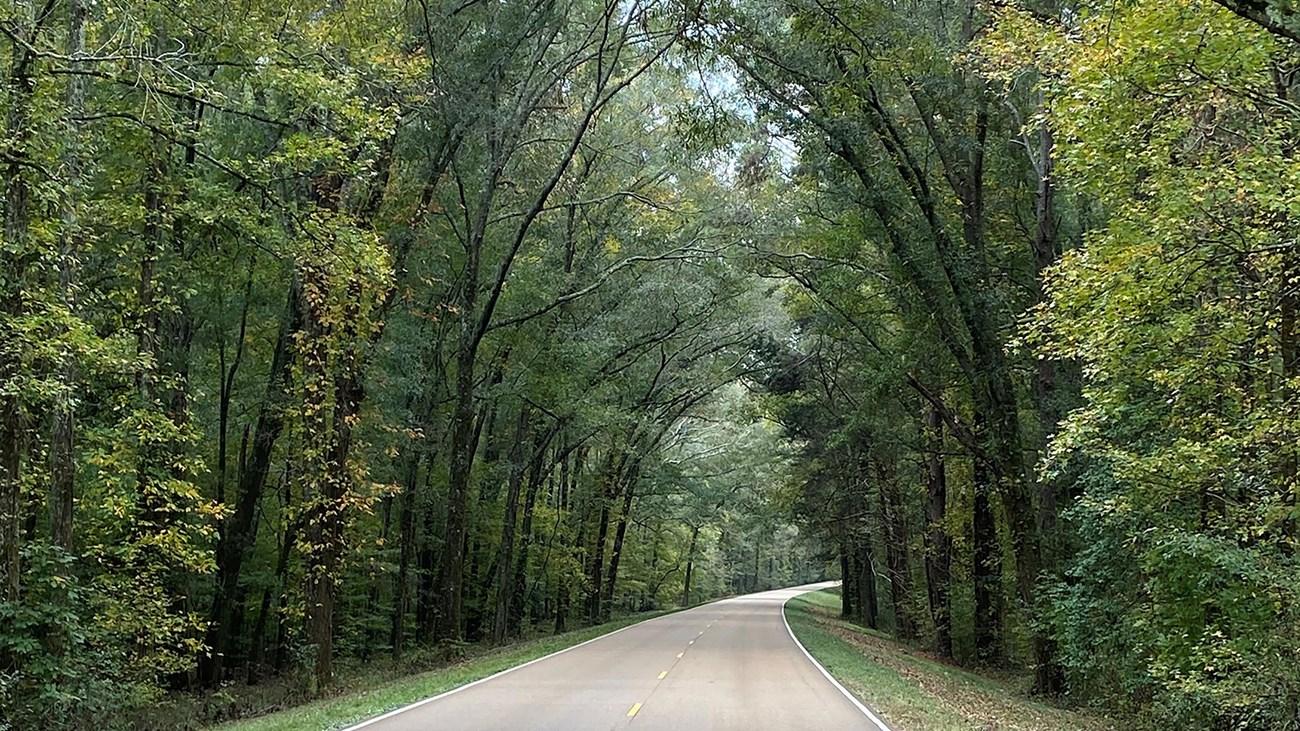 The Pontotoc Ridge
Explore the Pontotoc Ridge in Mississippi for Chickasaw history, rolling countryside, small-town heritage, rail trails and southern food.
-

-
-

-


Swipe for more regions
Explore more

Explore more of Mississippi
Discover Mississippi: A treasure trove of Southern culture, blues music heritage, and stunning natural landscapes perfect for every kind of traveler.
Explore Mississippi