

Free The Tennessee-Tombigbee Hills Travel Guide & Mobile App
Explore The Tennessee-Tombigbee Hills with free travel guides. Discover regional history, expert tips, proposed trips, and audio guides on web or mobile app.


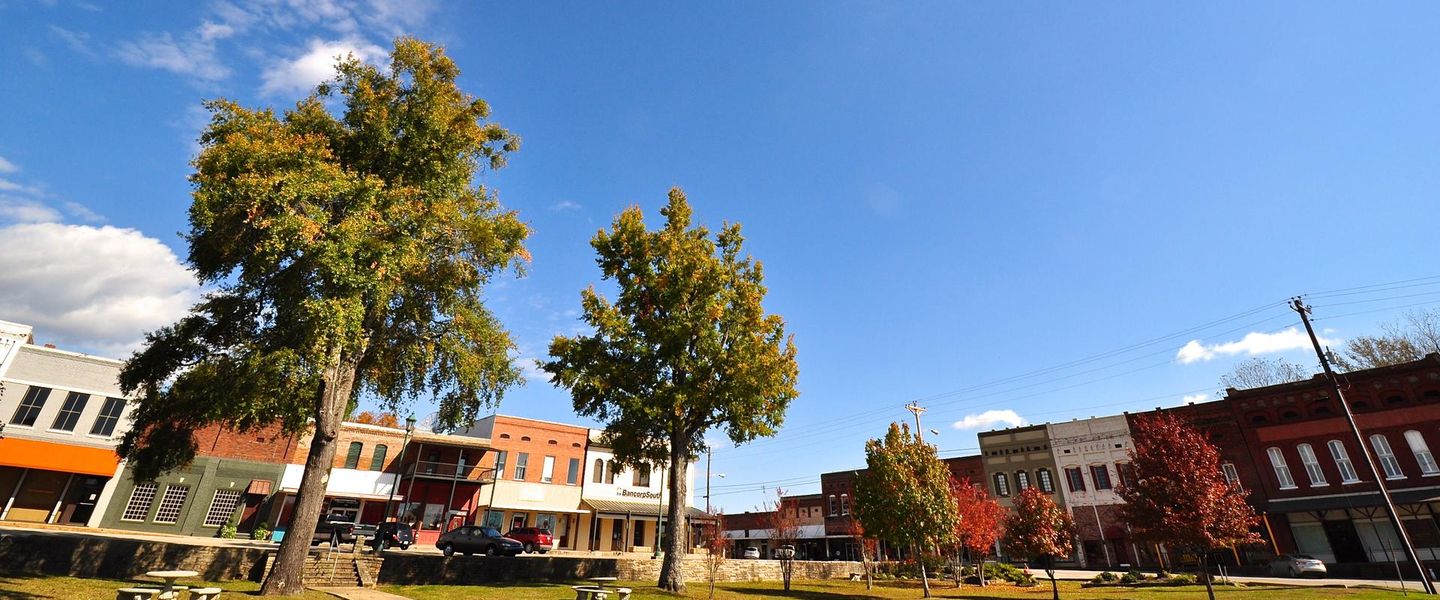


Explore the Tennessee-Tombigbee Hills of Mississippi for Tupelo music heritage, Civil War history, forested parks and distinctive inland waterways.
Read more about The Tennessee-Tombigbee Hills
Getting to and around The Tennessee-Tombigbee Hills
How to get there
Transportation
Top city travel guides in The Tennessee-Tombigbee Hills
The cities of The Tennessee-Tombigbee Hills, and the easiest places to base yourself.

Swipe for more cities
Destinations in The Tennessee-Tombigbee Hills
Resorts, valleys and scenic spots worth a trip of their own.
-
-
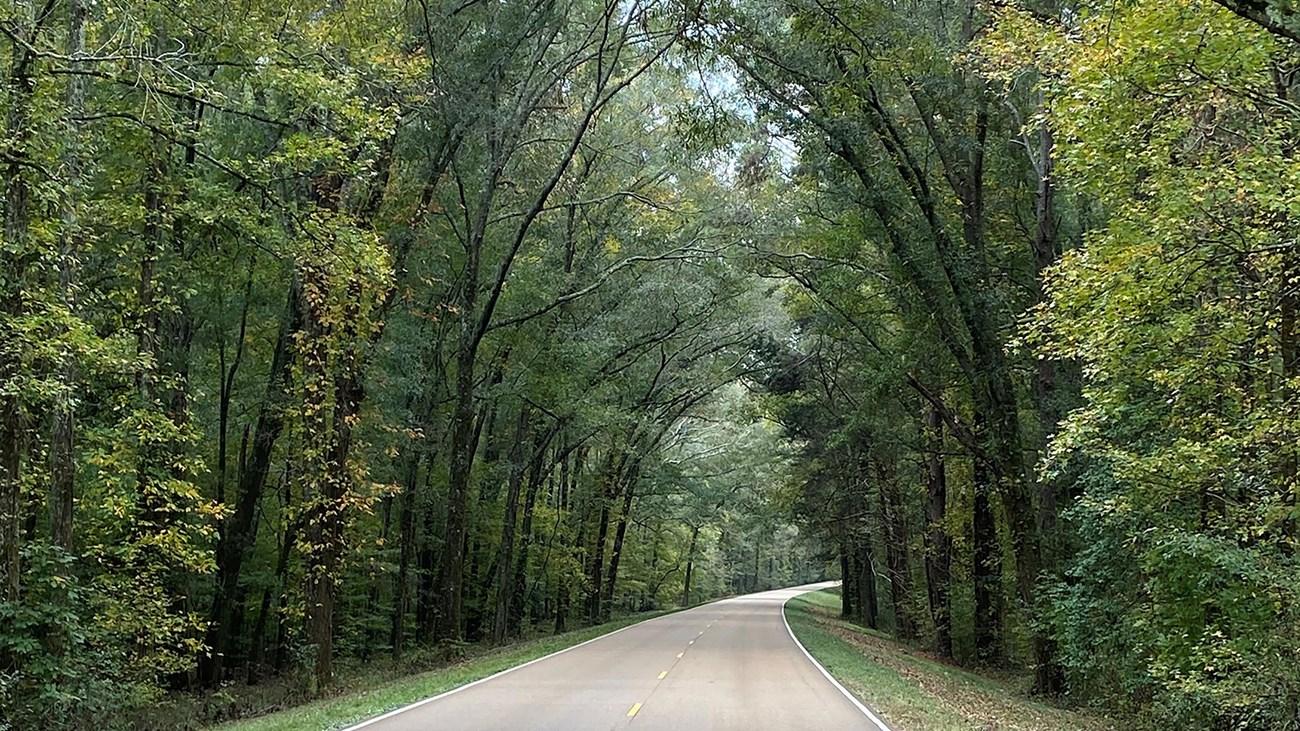
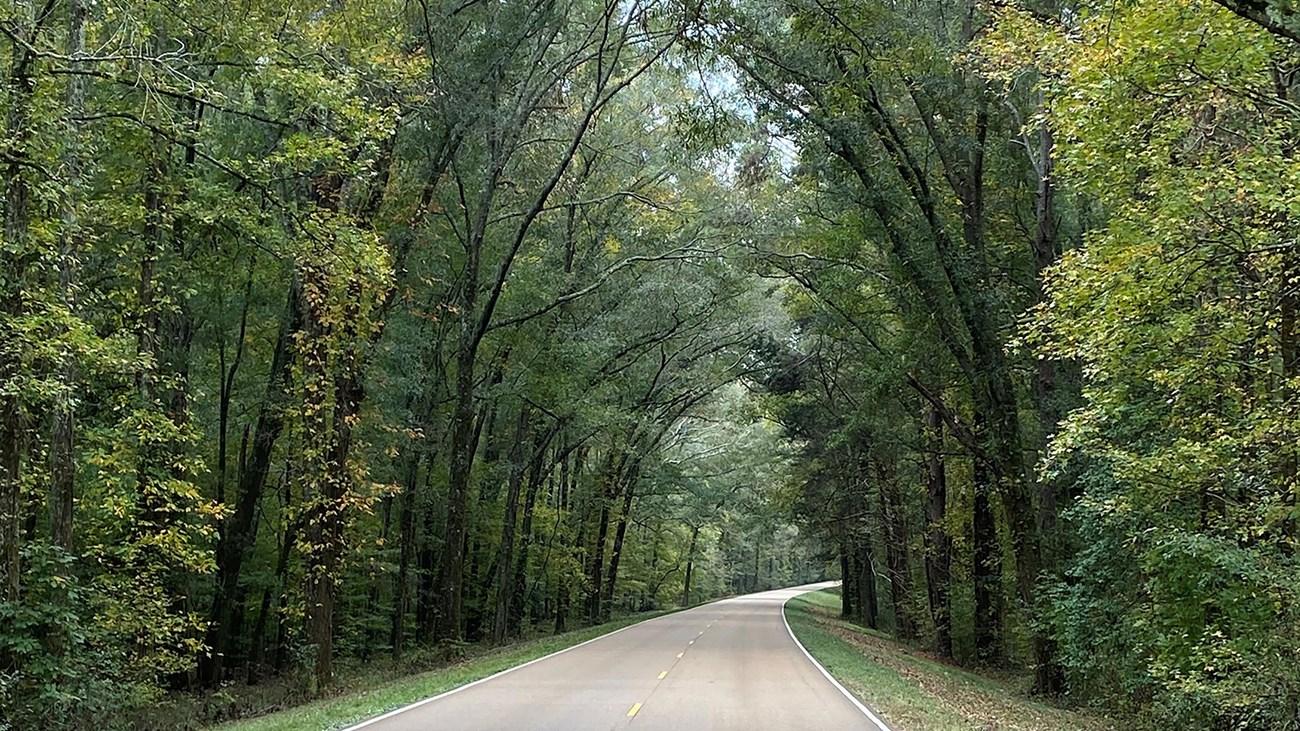 Natchez Trace Parkway
Explore the scenic, historic, and cultural wonders of the Natchez Trace Parkway, a 444-mile journey through the heart of the American South.
-


Swipe for more destinations
Best attractions in The Tennessee-Tombigbee Hills
The Tennessee-Tombigbee Hills offer a varied collection of history, music heritage, water-based recreation and wooded landscapes. In Tupelo, the Elvis Presley Birthplace and Museum interprets the singer's early life and the family circumstances that shaped his career, while nearby museums and cultural venues broaden the story of northeast Mississippi. Corinth is the region's principal Civil War destination, with the Corinth Civil War Interpretive Center and other sites explaining the town's strategic railway position and the campaigns of 1862. The Natchez Trace Parkway provides a scenic route through forest and historic country, with interpretive stops and walking opportunities. Tishomingo State Park brings visitors to rocky terrain, Bear Creek, wooded trails and distinctive geological formations in the eastern hills. The Tennessee-Tombigbee Waterway and its connected reservoirs support boating, fishing, paddling and birdwatching, with areas around Bay Springs and Fulton particularly associated with water recreation. Smaller towns contribute courthouse squares, local museums, galleries, historic buildings and seasonal community events, while the countryside offers opportunities for hiking, wildlife observation and slower scenic driving rather than a concentration of large commercial attractions.
-
Tourist attraction
Elvis Presley Birthplace
Explore the Elvis Presley Birthplace in Tupelo, Mississippi – a historical site celebrating the King of Rock 'n' Roll's incredible legacy.
-
Ballard Park
Experience the tranquil beauty of Ballard Park, a must-visit oasis in Tupelo, Mississippi, ideal for outdoor activities and relaxation.
-
State park
Tishomingo State Park
Discover the breathtaking beauty of Tishomingo State Park, a haven for nature lovers and outdoor enthusiasts in Mississippi's stunning landscapes.
-
State park
Tombigbee Lake State Park
Experience the natural beauty and recreational delights of Tombigbee Lake State Park in Tupelo, Mississippi.


Best landmarks in The Tennessee-Tombigbee Hills
The most recognisable landmarks of the Tennessee-Tombigbee Hills combine cultural memory, military history, engineering and natural form. Tupelo's Elvis Presley Birthplace is the region's best-known cultural landmark, marking the modest early setting associated with one of the world's most influential popular musicians. Corinth's historic significance is expressed through the Corinth Civil War Interpretive Center and the surviving railway context that explains why the town mattered militarily in 1862. The Natchez Trace Parkway is a linear historic landmark as well as a scenic road, following an old travel corridor through Mississippi's wooded interior. Tishomingo State Park's rocky outcrops, boulders and Bear Creek provide the region's most distinctive natural scenery. The Tennessee-Tombigbee Waterway itself is an engineering landmark, with locks, dams, reservoirs and navigation channels demonstrating the scale of the twentieth-century project. Around Dennis, Bay Springs Lake and Jamie Whitten Lock are especially useful places to understand the waterway's recreational and commercial roles, while courthouse squares and historic commercial buildings in towns such as Pontotoc, Booneville and Amory preserve the civic architecture of northeast Mississippi.
-
Historical place museum
Elvis Presley Birthplace
Discover the humble beginnings of the King of Rock 'n' Roll at his birthplace in Tupelo, Mississippi. A must-see for music enthusiasts.
-
Beach
Old Bridge Beach
Discover a serene escape at Old Bridge Beach in Mississippi, with clear waters, soft sands, and family-friendly amenities on Bay Springs Lake.


Explore The Tennessee-Tombigbee Hills on the map
Plan your trip on one map. See where the top cities, national parks and sights are, and book hotels and experiences in a few clicks.
Best hotels in The Tennessee-Tombigbee Hills
Best restaurants in The Tennessee-Tombigbee Hills
Dining across the Tennessee-Tombigbee Hills reflects northeast Mississippi's agricultural setting and Southern culinary traditions. Barbecue, fried or grilled catfish, chicken, biscuits, cornbread, greens, beans and seasonal vegetables appear widely, while locally owned cafés and family restaurants often provide the most direct introduction to everyday regional food. Tupelo has the broadest choice, ranging from breakfast cafés and casual eateries to contemporary restaurants, breweries and restaurants drawing on Southern ingredients. Corinth and the smaller market towns offer traditional diners, barbecue restaurants, locally oriented cafés and places serving food suited to road trips and working communities. Around the reservoirs and waterway, fish dishes and relaxed casual dining are natural choices, although venues and operating arrangements can be seasonal. Farmers' markets and roadside stands, where operating, may offer tomatoes, peaches, baked goods and other produce. The region is part of the wider Mississippi food culture, so dishes should not always be treated as exclusive local inventions; its distinctive character lies in the combination of hill-country produce, river and reservoir fisheries, family recipes and contemporary interpretations of Southern cooking.
-
American
Cracker Barrel Old Country Store
Savor the flavors of Southern cuisine at Cracker Barrel Old Country Store in Saltillo - where great food meets delightful shopping.
-
Restaurant
ForkLift Restaurant
Experience the flavors of America at ForkLift Restaurant in Tupelo - where fresh ingredients meet warm hospitality.
-
Steak
Woody's Tupelo
Experience top-tier steaks and lively karaoke at Woody's Tupelo – where great food meets unforgettable entertainment.
-
Barbecue
C.H.O.P. Clay's House Of Pig
Experience authentic Southern barbecue at C.H.O.P. Clay's House Of Pig - where every bite is a taste of tradition.


Best bars in The Tennessee-Tombigbee Hills
Evening life in the Tennessee-Tombigbee Hills is concentrated in Tupelo and the larger towns rather than spread through rural areas. Tupelo provides the widest selection of brewpubs, cocktail bars, informal lounges, live-music venues and restaurants where evenings continue after dinner. Corinth, Booneville, Pontotoc and Amory have a smaller-scale scene centred on traditional pubs, restaurants, locally organised music and community events, with fewer late-night options. In waterway communities, evenings may focus on marina areas, casual restaurants and seasonal gatherings rather than nightclubs. Music is an important cultural presence, but visitors should not assume that a live performance is available every night or that venues operate on a fixed schedule. Check current arrangements locally, particularly outside weekends and during quieter seasons. Respectful, relaxed conversation and dining are generally more characteristic of the region's nightlife than a concentrated club district.
-
Bar
Rattlesnake Saloon
Experience Southern hospitality at Rattlesnake Saloon, where delicious hamburgers meet a lively bar atmosphere in the heart of Alabama.
-
Bar
Blue Canoe
Discover Blue Canoe in Tupelo, a lively bar and restaurant offering delicious local cuisine and a vibrant atmosphere perfect for socializing.
-
Bar
Steele's Dive
Discover Steele's Dive in Tupelo: A vibrant bar and restaurant offering delicious food, refreshing drinks, and a taste of local culture.
-
American
Sparks Restaurant
Discover the flavors of America at Sparks Restaurant in Belmont, where buffet dining meets exceptional quality and warm hospitality.


Best nightclubs in The Tennessee-Tombigbee Hills
Evening life in the Tennessee-Tombigbee Hills is concentrated in Tupelo and the larger towns rather than spread through rural areas. Tupelo provides the widest selection of brewpubs, cocktail bars, informal lounges, live-music venues and restaurants where evenings continue after dinner. Corinth, Booneville, Pontotoc and Amory have a smaller-scale scene centred on traditional pubs, restaurants, locally organised music and community events, with fewer late-night options. In waterway communities, evenings may focus on marina areas, casual restaurants and seasonal gatherings rather than nightclubs. Music is an important cultural presence, but visitors should not assume that a live performance is available every night or that venues operate on a fixed schedule. Check current arrangements locally, particularly outside weekends and during quieter seasons. Respectful, relaxed conversation and dining are generally more characteristic of the region's nightlife than a concentrated club district.
-
Restaurant
Blu Majik Restaurant & Lounge
Experience culinary excellence and vibrant nightlife at Blu Majik Restaurant & Lounge in Tupelo, Mississippi, where every meal is a celebration.
-
River
Tennessee-Tombigbee Waterway
Discover the breathtaking Tennessee-Tombigbee Waterway, a perfect blend of adventure, nature, and tranquility in Mississippi.
-
Night club
Bottomline ll
Discover the vibrant nightlife of Tupelo at Bottomline ll, where the music is loud and the fun never stops.



Best shops in The Tennessee-Tombigbee Hills
Shopping in the Tennessee-Tombigbee Hills is centred on Tupelo's established retail areas, independent boutiques, antique shops, galleries and locally owned food businesses, with additional town-centre shopping in Corinth, Pontotoc, Booneville and Amory. Tupelo is the region's main retail hub and offers the broadest choice of everyday goods, clothing, homeware and specialist shops, while smaller communities are better suited to browsing antiques, books, crafts and local gifts. Courthouse-square districts and historic commercial streets may contain independent retailers with a more personal character than large shopping centres. Farmers' markets and seasonal produce stands can provide Mississippi-grown fruit and vegetables, baked goods, preserves and other food gifts, although dates and locations vary. Regional souvenirs often draw on music history, Civil War interpretation, outdoor recreation and Southern food culture. Visitors seeking crafts or artwork should look in galleries, museum shops and community events, and should distinguish durable local work from generic items associated with the wider state.
-
Motorcycle dealer
Main Street Cycle
Explore the great outdoors with Main Street Cycle, your go-to destination for motorcycles, ATVs, and outdoor sports gear in Tishomingo, Mississippi.
-
Department store
Walmart
Explore Walmart Iuka: A comprehensive shopping hub with groceries, clothing, electronics, and home goods, all at budget-friendly prices.
-
Ice Cream
Southern Sweets Old Fashioned Ice Cream Parlor
Discover the nostalgic charm and delightful flavors of Southern Sweets Old Fashioned Ice Cream Parlor in Columbus, MS, a perfect treat for all ages.
-
Kiosk
Pharr Mounds Display Kiosk
Explore the ancient burial mounds at Pharr Mounds Display Kiosk, a historical gem in Mississippi's serene landscape, rich in Native American heritage.



Get your free copy of our complete guide to The Tennessee-Tombigbee Hills, delivered straight to you.
Everything on this page, from attractions and restaurants to essentials and local phrases, in one PDF you can read offline, print or share.
Already have an account? Sign in
Your The Tennessee-Tombigbee Hills guide is ready.
We'll send it to · Not you? Sign out

Getting your guide ready…
We are putting together a fresh copy of the The Tennessee-Tombigbee Hills guide. This can take up to a minute.
This can take a few moments. If your browser asks, choose Allow so the download can start. You'll find the guide in your Downloads folder.
Nothing happened? Download it again
Sorry, the guide is taking longer than usual. Please try again in a minute, or get it by email instead.
The Tennessee-Tombigbee Hills essentials
Currency and Payment
Safety
Emergency Situations
Do's and Don'ts
Local Tips
From Eve
Local phrases worth knowing
You don't need to get them perfect. A few words go a long way, and locals appreciate the effort.
Basics
| English | Local | Say it |
|---|---|---|
| Hello | Howdy | [haʊdi] |
| Goodbye | See ya | [si jə] |
| Yes | Yep | [jɛp] |
| No | Nah | [nɑ] |
| Please/You’re welcome | Thank you kindly | [θæŋk ju ˈkaɪndli] |
| Thank you | Thanks a lot | [θæŋks ə lɑt] |
| Excuse me/Sorry | Pardon me | [ˈpɑrdən mi] |
| How are you? | How y'all doin'? | [haʊ jɔl ˈduɪn] |
| Fine. And you? | I’m doin’ good, how 'bout you? | [aɪm ˈduɪn gʊd, haʊ baʊt ju] |
| Do you speak English? | Y'all speakin’ English? | [jɔl ˈspikin ˈɪŋɡlɪʃ] |
| I don't understand | I ain't followin' | [aɪ eɪnt ˈfɑloʊɪn] |
Eating & Drinking
| English | Local | Say it |
|---|---|---|
| I'd like to see the menu, please | Can I see the menu, please? | [kæn aɪ si ðə ˈmɛnju, pliz] |
| I don't eat meat | I don’t eat no meat | [aɪ doʊnt it noʊ miːt] |
| Cheers! | Bottoms up! | [ˈbɑtəmz ʌp] |
| I would like to pay, please | Can I settle up, please? | [kæn aɪ ˈsɛtəl ʌp, pliz] |
Emergencies
| English | Local | Say it |
|---|---|---|
| Help! | Help me! | [hɛlp mi] |
| Go away! | Get away from me! | [ɡɛt əˈweɪ frʌm mi] |
| Call the Police! | Call the cops! | [kɔl ðə kɑps] |
| Call a doctor! | Get a doctor here! | [ɡɛt ə ˈdɑktər hɪr] |
| I'm lost | I’m lost as a goose | [aɪm lɔst æz ə ɡus] |
| I'm ill | I’m feelin’ poorly | [aɪm ˈfilɪn ˈpʊrli] |
Shopping
| English | Local | Say it |
|---|---|---|
| I'd like to buy... | I wanna buy... | [aɪ ˈwɑnə baɪ] |
| I'm just looking | I’m just browsin' | [aɪm dʒʌst ˈbraʊzɪn] |
| How much is it? | How much’s it gonna cost? | [haʊ mʌʧs ɪt ˈɡənə kɔst] |
| That's too expensive | That’s a bit pricey | [ðæts ə bɪt ˈpraɪsi] |
| Can you lower the price? | Can ya knock down the price? | [kæn jə nɑk daʊn ðə praɪs] |
Time & Numbers
| English | Local | Say it |
|---|---|---|
| What time is it? | What time y'all got? | [wʌt taɪm jɔl ɡɑt] |
| It's one o'clock | It’s one o’clock | [ɪts wʌn əˈklɑk] |
| Half past (10) | Half past ten | [hæf pæst tɛn] |
| Morning | Mornin' | [ˈmɔrnɪn] |
| Afternoon | Afternoon | [ˌæftərˈnun] |
| Evening | Evenin' | [ˈivnɪn] |
| Yesterday | Yestiddy | [jɛsˈtɪdi] |
| Today | Today | [təˈdeɪ] |
| Tomorrow | Tomorra' | [təˈmɔrə] |
| 1 | One | [wʌn] |
| 2 | Two | [tu] |
| 3 | Three | [θri] |
| 4 | Four | [fɔr] |
| 5 | Five | [faɪv] |
| 6 | Six | [sɪks] |
| 7 | Seven | [ˈsɛvən] |
| 8 | Eight | [eɪt] |
| 9 | Nine | [naɪn] |
| 10 | Ten | [tɛn] |
Transport & Directions
| English | Local | Say it |
|---|---|---|
| Where's a/the...? | Where's the...? | [wɛrz ðə] |
| What's the address? | What’s the address? | [wʌts ðə əˈdrɛs] |
| Can you show me (on the map)? | Can you point it out on the map? | [kæn jə pɔɪnt ɪt aʊt ɑn ðə mæp] |
| When's the next (bus)? | When's the next bus comin'? | [wɛnʔs ðə nɛkst bʌs ˈkʌmɪn] |
| A ticket (to ....) | A ticket to... | [ə ˈtɪkɪt tə] |
History of The Tennessee-Tombigbee Hills
Chickasaw Country Before European Settlement
For centuries before Mississippi became a US state, the hills and river corridors of northeast Mississippi formed part of the homeland of the Chickasaw people. Villages, hunting grounds and trading routes were connected to the wider Southeast, while the area's rivers and uplands shaped movement and settlement. European-American expansion brought warfare, treaties and intense pressure on Chickasaw lands. The Chickasaw were forcibly removed west during the 1830s, including through the wider era of the Trail of Tears. Their history remains essential to understanding the region, even though many physical traces of earlier settlement are not prominent in the modern landscape.
The Natchez Trace and Early American Movement
The Natchez Trace was an important overland route linking the Mississippi country with the Tennessee Valley. Its origins lay in older Indigenous paths, later used by traders, boatmen returning from the Mississippi River and settlers travelling between frontier communities. The present Natchez Trace Parkway follows only portions of the historic corridor, but archaeological sites, old stands of woodland and interpretive stops convey its significance. In the Tennessee-Tombigbee Hills, the route helped connect inland settlements with wider commercial networks before railways, paved roads and modern waterways altered the pattern of travel.
Settlement, Railways and the Growth of Market Towns
During the nineteenth century, American settlement expanded through the region as farms, churches, mills and towns developed along roads and later railway lines. Tupelo, Corinth, Booneville, Pontotoc and other communities became service and trading centres for surrounding agricultural districts. Railways connected northeast Mississippi with markets beyond the state and encouraged the growth of cotton, timber and related commerce. Much of the region's later townscape, including courthouse squares, commercial blocks and railway-era buildings, reflects this period of expansion and the gradual transformation from dispersed frontier settlement to organised market communities.
Corinth and the American Civil War
Corinth was strategically important during the Civil War because several railway lines met there, making control of the town vital to movement through the western theatre. The nearby battles of Shiloh and Corinth in 1862 brought large armies and severe disruption to north Mississippi and southwest Tennessee. The Corinth Civil War Interpretive Center and related historic locations explain the campaigns, the town's strategic railway role and the experiences of soldiers and civilians. The conflict left a lasting historical imprint across the area and remains one of the principal reasons visitors come to Corinth.
Agriculture, Timber and Regional Industry
After the Civil War, agriculture remained central to the economy, with cotton joined by corn, livestock and other crops suited to the upland and riverine environments. Timber became increasingly important as forests were harvested and processed, while small factories and workshops supported local employment. The twentieth century brought more industrial production to towns such as Tupelo and communities along the major transport routes. These economic shifts changed the relationship between farms, forests and towns, helping create the mixed commercial and rural character visible across the Tennessee-Tombigbee Hills today.
Music, Faith and Community Culture
Northeast Mississippi contributed to the state's broader musical history through gospel, country, blues and rock-and-roll traditions, often shaped by churches, radio, local performance spaces and family networks. Tupelo's association with Elvis Presley gives the region an internationally recognised musical point of reference, but its culture is broader than one figure. Community festivals, courthouse-square events, regional museums and religious institutions continue to connect contemporary life with older Southern traditions. Foodways, storytelling and music remain important forms of local expression throughout the hills and nearby river towns.
The Tennessee-Tombigbee Waterway
The Tennessee-Tombigbee Waterway was completed in the 1980s after decades of planning and construction. By linking the Tennessee River near Pickwick with the Tombigbee system, it created a navigable inland route towards the Black Warrior River and the Gulf Coast. The project altered local waterways and landscapes but also brought commercial navigation, marinas, recreation and new reservoirs to northeast Mississippi. Locks, dams and lakes are now defining infrastructural landmarks, illustrating how modern engineering reshaped the region's relationship with water and regional trade.
The Tennessee-Tombigbee Hills in Photos
Browse through our photo collection highlighting the charm and character of the destination.
Neighbouring regions of The Tennessee-Tombigbee Hills
The closest regions to The Tennessee-Tombigbee Hills, if you have time for more than one.
-

-

-
 The Pontotoc Ridge
Explore the Pontotoc Ridge in Mississippi for Chickasaw history, rolling countryside, small-town heritage, rail trails and southern food.
-

-


Swipe for more regions
Explore more

Explore more of Mississippi
Discover Mississippi: A treasure trove of Southern culture, blues music heritage, and stunning natural landscapes perfect for every kind of traveler.
Explore Mississippi