

Free Tupelo Travel Guide & Mobile App
Plan your Tupelo trip with Evendo. Get free guides to top attractions, restaurants, hotels, and bars. Web access or download the mobile app.


Tupelo, Mississippi pairs Elvis Presley heritage with Civil War history, local museums, Southern food and easy access to the Natchez Trace Parkway.
Music and Memory
Tupelo lies in north-eastern Mississippi, in the rolling landscape of the Tennessee Valley and within easy reach of the Natchez Trace Parkway. The city is best known internationally as the birthplace of Elvis Presley, whose early life is interpreted at the Elvis Presley Birthplace complex. The modest two-room house where he was born, the surrounding memorial grounds and the adjacent museum place his global career in the context of a poor Southern childhood shaped by family, church and music.Read more about Tupelo
A Regional Mississippi Centre
Landscapes and Local Life
When is the best time to visit Tupelo?
Best: May, September–October · 22–27°C| Month | High (°C) | Rainfall (mm) |
|---|---|---|
| January | 11 | 119 |
| February | 13 | 122 |
| March | 18 | 137 |
| April | 23 | 123 |
| May (best) | 27 | 122 |
| June | 31 | 101 |
| July | 32 | 103 |
| August | 31 | 95 |
| September (best) | 27 | 98 |
| October (best) | 22 | 99 |
| November | 16 | 128 |
| December | 12 | 142 |
Getting to and around Tupelo
How to get there
Transportation
Best attractions in Tupelo
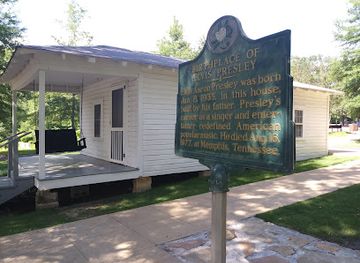
Tupelo’s principal attractions tell several different stories. At the Elvis Presley Birthplace, visitors can see the small house where Elvis was born, explore museum displays about his early life and walk through the memorial grounds and chapel. Tupelo National Battlefield presents the landscape and military context of the 1864 Civil War engagement through interpretation and a short walking route. The Oren Dunn City Museum adds local history, while the Lyric Theatre provides a venue for performances and community culture in the downtown area. Families often include Tupelo Buffalo Park and Zoo, where open outdoor space and animal exhibits create a change of pace from heritage sites. The Natchez Trace Parkway, accessible from the wider Tupelo area, extends the sightseeing beyond the city with wooded scenery, historic traces and opportunities for walking. Downtown murals, public art, independent shops and seasonal events offer a more contemporary view of a regional Mississippi centre.
-
Historical place museum
Elvis Presley Birthplace
Experience the early life of Elvis Presley at his birthplace in Tupelo, Mississippi – a historical site rich in music history and culture.
15 min drive · 5.0 km from city centre
-
Historical place museum
Elvis Presley Birthplace
Explore the birthplace of Elvis Presley in Tupelo, Mississippi, and discover the roots of the King of Rock 'n' Roll in this historic museum.
15 min drive · 5.0 km from city centre
-
Park
Ballard Park
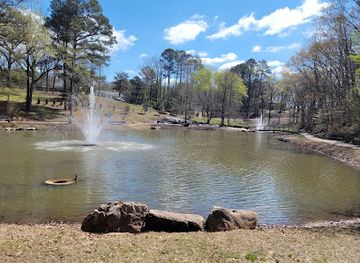
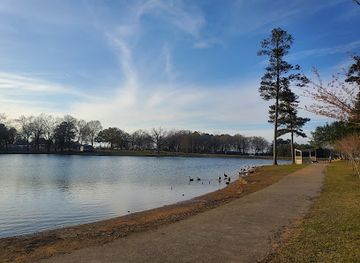
Explore Ballard Park in Tupelo, Mississippi – a tranquil park brimming with recreational activities, scenic landscapes, and community events.
12 min drive · 4.1 km from city centre
-
Park
Ballard Park
Experience the natural beauty and recreational charm of Ballard Park, a serene destination for relaxation and outdoor fun in Tupelo, Mississippi.
12 min drive · 4.1 km from city centre


Best landmarks in Tupelo
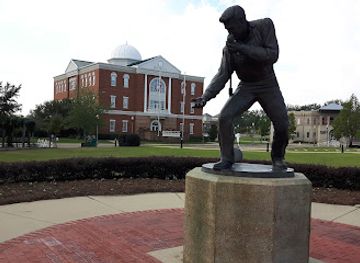
The Elvis Presley Birthplace is Tupelo’s defining cultural landmark: the preserved two-room house, memorial chapel and landscaped grounds connect an internationally recognised performer with the modest Mississippi setting of his childhood. Tupelo National Battlefield marks the site of the July 1864 Civil War battle and represents the strategic importance of rail corridors in the region. In the city centre, the Lyric Theatre reflects Tupelo’s continuing performance culture, while the Oren Dunn City Museum occupies a former Fair Park building associated with local civic history. The Natchez Trace Parkway is a wider landscape landmark rather than a single monument, carrying a historic route through the wooded country around Tupelo. Public murals and civic artworks add modern markers to the urban environment. Together, these places express Tupelo through biography, military history, local institutions, landscape and contemporary community identity.
-
Historical place museum
Elvis Presley Birthplace
Discover the humble beginnings of the King of Rock & Roll at his birthplace in Tupelo, Mississippi, a landmark of music history.
15 min drive · 5.0 km from city centre
-
Arena
Cadence Bank Arena
Tupelo's premier entertainment destination, hosting concerts, sports, and family fun for unforgettable experiences at Cadence Bank Arena.
10 min drive · 3.3 km from city centre
-
Bar
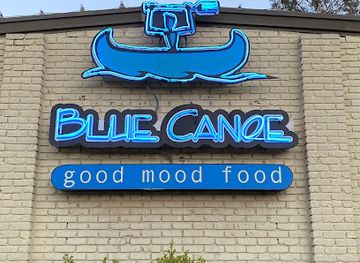
Blue Canoe
Tupelo's funky home for live music, award-winning food, and the best craft beer selection, offering a unique taste of Mississippi culture.
8 min drive · 2.7 km from city centre
-
Park
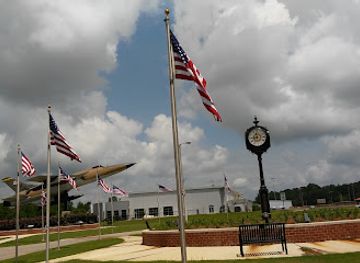
Veterans Park
A serene Tupelo park honoring veterans with a Vietnam War Memorial replica, trails, splash pad, and recreational facilities.
15 min drive · 4.9 km from city centre
Explore Tupelo on the map
Plan your Tupelo trip on one map. See where the top attractions, landmarks, restaurants, bars and hotels are, find what's near where you're staying, and book hotels and experiences in a few clicks.
Best hotels in Tupelo
Best restaurants in Tupelo
Tupelo’s dining scene reflects north Mississippi’s position within the broader food culture of the American South. Barbecue, fried catfish, chicken, biscuits, cornbread, greens and sweet tea appear alongside burgers, casual cafés and family-run restaurants, while local cooks draw on the region’s agricultural traditions and Southern home-style repertoire. Downtown and the surrounding commercial districts provide the broadest choice, ranging from relaxed breakfasts and bakeries to contemporary restaurants and informal evening dining. The city’s proximity to the Tennessee Valley also brings familiar cross-border influences, while African American culinary traditions remain an important part of Mississippi’s food history. Visitors should expect generous portions and a generally informal atmosphere, with table-service restaurants commonly adding gratuity expectations to the bill. Food events and seasonal community gatherings can offer a more temporary but revealing taste of local cooking than the permanent restaurant scene.
-
Steak
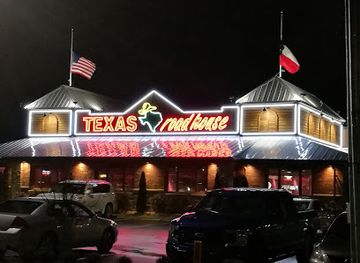
Texas Roadhouse
Experience authentic American dining at Texas Roadhouse in Tupelo with delicious steaks and vibrant atmosphere perfect for all ages.
6 min drive · 2.0 km from city centre
-
Steak
Outback Steakhouse
Discover delicious steak and Australian-inspired dishes at Outback Steakhouse in Tupelo – perfect for families and travelers alike.
6 min drive · 2.1 km from city centre
-
Family-friendly
Mugshots Grill and Bar - Tupelo, MS
Experience family-friendly dining at Mugshots Grill and Bar in Tupelo, MS—where delicious American cuisine meets a vibrant sports bar atmosphere.
10 min drive · 3.4 km from city centre
-
American
Harveys
Experience exquisite American cuisine at Harveys in Tupelo—where every meal is crafted with care and served with hospitality.
8 min drive · 2.7 km from city centre
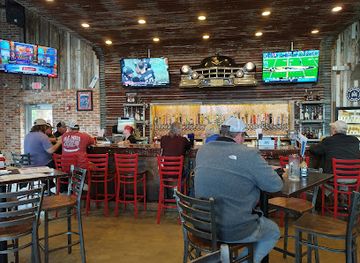
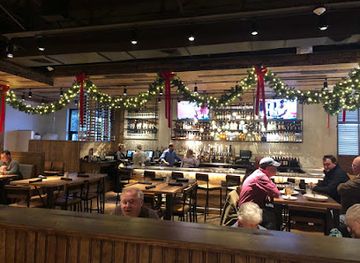
Best bars in Tupelo
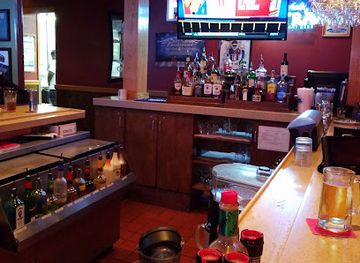
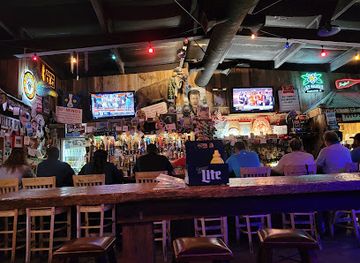
Tupelo’s evening life is modest and locally oriented rather than dominated by large nightclubs. Downtown and the main commercial areas contain bars, casual pubs and restaurants where residents gather after work, while live music and seasonal performances appear at theatres, event spaces and community venues. The city’s musical identity is broader than Elvis Presley alone, drawing on gospel, blues, country and Southern rock traditions, so concerts and cultural events can be more representative of local life than a conventional club night. Some venues combine food, drinks and music, but opening patterns and entertainment schedules vary, particularly outside major events. Evening drives between districts are common, and visitors should arrange a designated driver or other safe transport if drinking. The Natchez Trace and outlying rural roads are not nightlife districts and should be approached as dark, lightly serviced routes after sunset.
-
Family-friendly
Mugshots Grill and Bar - Tupelo, MS
Experience the best of American cuisine at Mugshots Grill and Bar in Tupelo, MS—perfect for families and sports enthusiasts alike.
10 min drive · 3.4 km from city centre
-
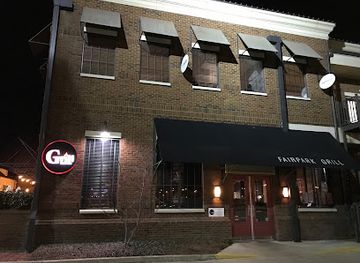
Grill
Fairpark Grill
Discover a culinary gem in Tupelo, Mississippi at Fairpark Grill, where American classics meet a lively sports bar ambiance.
10 min drive · 3.2 km from city centre
-
Restaurant
Applebee's Grill + Bar
Experience the best of American dining at Applebee's Grill + Bar in Tupelo, MS, offering delicious food and drinks in a family-friendly atmosphere.
17 min drive · 5.6 km from city centre
-
Bar
Blue Canoe
Discover the vibrant atmosphere of Blue Canoe in Tupelo, where delicious food meets live music and craft drinks in a welcoming setting.
8 min drive · 2.7 km from city centre
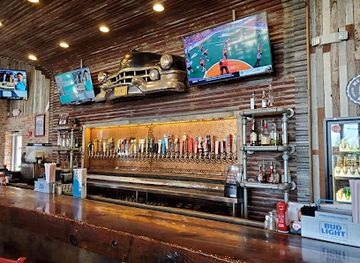
Best nightclubs in Tupelo
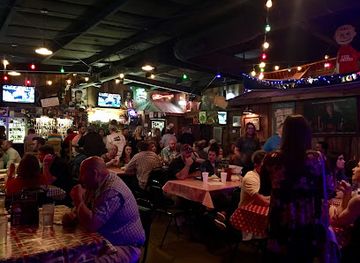
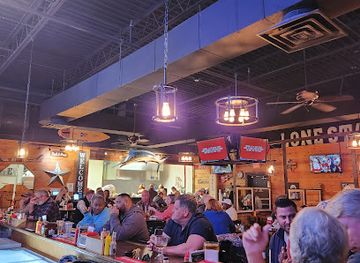
Tupelo’s evening life is modest and locally oriented rather than dominated by large nightclubs. Downtown and the main commercial areas contain bars, casual pubs and restaurants where residents gather after work, while live music and seasonal performances appear at theatres, event spaces and community venues. The city’s musical identity is broader than Elvis Presley alone, drawing on gospel, blues, country and Southern rock traditions, so concerts and cultural events can be more representative of local life than a conventional club night. Some venues combine food, drinks and music, but opening patterns and entertainment schedules vary, particularly outside major events. Evening drives between districts are common, and visitors should arrange a designated driver or other safe transport if drinking. The Natchez Trace and outlying rural roads are not nightlife districts and should be approached as dark, lightly serviced routes after sunset.
-
Bar
Blue Canoe
Discover the lively blend of dining and nightlife at Blue Canoe in Tupelo, MS – a must-visit destination for food and music lovers.
8 min drive · 2.7 km from city centre
-
Grill
Lone Star Schooner Bar & Grill
Discover the taste of Southern hospitality at Lone Star Schooner Bar & Grill, where delicious food and live music create an unforgettable dining experience.
15 min drive · 5.1 km from city centre
-
Bar
Mike's Bar and Grill
Experience the vibrant atmosphere of Mike's Bar and Grill in Tupelo, where delicious meals and refreshing drinks create unforgettable moments.
16 min drive · 5.2 km from city centre
-
Cocktail bar
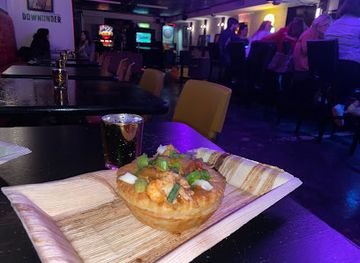
Downunder
Discover the vibrant nightlife of Tupelo at Downunder, the ultimate cocktail bar and restaurant for an unforgettable evening experience.
9 min drive · 2.9 km from city centre
Best shops in Tupelo
Shopping in Tupelo combines a regional commercial centre with smaller downtown businesses and seasonal markets. The central area is the best place to look for independent boutiques, locally oriented gifts, antiques, books and restaurants within a walkable cluster, while larger retail areas and shopping centres lie along the city’s main roads. Visitors interested in Elvis-related memorabilia will find themed gifts connected with the city’s musical heritage, though locally made food products, Mississippi crafts, art and practical Southern goods can provide a less predictable souvenir. Antique and vintage shopping has a presence in the wider north Mississippi region, and community events may bring temporary craft stalls or farmers’ produce into public spaces. Retail is generally car-oriented outside downtown, so allow for distances between districts and check current opening arrangements for independent shops and markets rather than assuming uniform hours.
-
Shopping mall
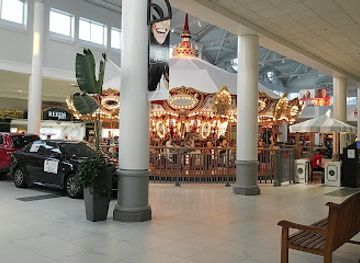
The Mall at Barnes Crossing
Discover a shopper's haven at The Mall at Barnes Crossing in Tupelo, Mississippi, where diverse stores and delicious dining await.
15 min drive · 5.1 km from city centre
-
Shopping mall
Thompson Square Shopping Center
Explore Thompson Square Shopping Center in Tupelo, Mississippi, a vibrant shopping hub with diverse stores and delightful dining options for every visitor.
17 min drive · 5.8 km from city centre
-
Department store
Belk
Discover style and savings at Belk in Tupelo, your go-to department store for fashion, home goods, and accessories.
15 min drive · 4.9 km from city centre
-
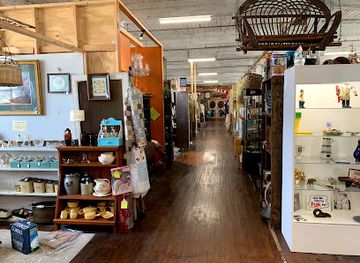
Antique store
Relics Antique Marketplace
Explore Relics Antique Marketplace in Tupelo, MS - a vast array of vintage treasures and unique finds await you in this charming antique store.
9 min drive · 3.0 km from city centre

Get your free copy of our complete guide to Tupelo, delivered straight to you.
Everything on this page, from attractions and restaurants to essentials and local phrases, in one PDF you can read offline, print or share.
Already have an account? Sign in
Your Tupelo guide is ready.
We'll send it to · Not you? Sign out

Getting your guide ready…
We are putting together a fresh copy of the Tupelo guide. This can take up to a minute.
This can take a few moments. If your browser asks, choose Allow so the download can start. You'll find the guide in your Downloads folder.
Nothing happened? Download it again
Sorry, the guide is taking longer than usual. Please try again in a minute, or get it by email instead.
Tupelo essentials
Currency and Payment
Safety
Emergency Situations
Do's and Don'ts
Local Tips
From Eve
Local phrases worth knowing
You don't need to get them perfect. A few words go a long way, and locals appreciate the effort.
Basics
| English | Local | Say it |
|---|---|---|
| Hello | Howdy | [hah-dee] |
| Goodbye | See ya | [see yah] |
| Yes | Yup | [yuhp] |
| No | Nah | [nah] |
| Please/You're welcome | Please/You're welcome | [pleez/yer welcome] |
| Thank you | Thanks | [thanks] |
| Excuse me/Sorry | Pardon me | [par-dun me] |
| How are you? | How y'all doin'? | [how y'all doin'] |
| Fine. And you? | Fine. And you? | [fine. and y'all?] |
| Do you speak English? | Ya speak English? | [yah speak ing-lish?] |
| I don't understand | I don't get it | [eye dun get it] |
Eating & Drinking
| English | Local | Say it |
|---|---|---|
| I'd like to see the menu, please | Can I see the menu? | [ken eye see the menu?] |
| I don't eat meat | I don't eat meat | [eye dun eat meat] |
| Cheers! | Cheers! | [cheers] |
| I would like to pay, please | Can I pay now? | [ken eye pay now?] |
Emergencies
| English | Local | Say it |
|---|---|---|
| Help! | Help! | [help!] |
| Go away! | Git! | [git!] |
| Call the Police! | Call the Po-leece! | [call the po-leece!] |
| Call a doctor! | Call a doc! | [call a doc!] |
| I'm lost | I'm lost | [eye'm lost] |
| I'm ill | I'm sick | [eye'm sick] |
Shopping
| English | Local | Say it |
|---|---|---|
| I'd like to buy... | I wanna buy... | [eye wanna buy...] |
| I'm just looking | I'm just lookin' | [eye'm just lookin'] |
| How much is it? | How much does it cost? | [how much duz it cost?] |
| That's too expensive | That's too high | [that's too high] |
| Can you lower the price? | Can ya lower the price? | [ken yuh lower the price?] |
Time & Numbers
| English | Local | Say it |
|---|---|---|
| What time is it? | What time is it? | [what time is it?] |
| It's one o'clock | It's one o'clock | [it's one o'clock] |
| Half past (10) | Half past ten | [half past ten] |
| Morning | Mornin' | [mornin'] |
| Afternoon | Afternoon | [afternoon] |
| Evening | Evenin' | [evenin'] |
| Yesterday | Yestiddy | [yestiddy] |
| Today | Today | [today] |
| Tomorrow | Tomorra | [tomorra] |
| 1 | One | [wun] |
| 2 | Two | [too] |
| 3 | Three | [three] |
| 4 | Four | [four] |
| 5 | Five | [five] |
| 6 | Six | [six] |
| 7 | Seven | [seven] |
| 8 | Eight | [eight] |
| 9 | Nine | [nine] |
| 10 | Ten | [ten] |
Transport & Directions
| English | Local | Say it |
|---|---|---|
| Where's a/the...? | Where's the...? | [where's the...?] |
| What's the address? | What's the address? | [what's the address?] |
| Can you show me (on the map)? | Can ya show me (on the map)? | [ken yuh show me (on the map)?] |
| When's the next (bus)? | When's the next (bus)? | [when's the next (bus)?] |
| A ticket (to ....) | A ticket (to ....) | [a ticket (to ....)] |
History of Tupelo
Chickasaw Country Before Tupelo
The Tupelo area lies within the traditional homeland of the Chickasaw people, whose communities occupied parts of present-day north Mississippi, west Tennessee and Alabama before United States expansion. Chickasaw society was connected to farming, hunting, trade and a network of paths through the wooded uplands. During the nineteenth century, federal removal policies forced most Chickasaw people west to Indian Territory, now in Oklahoma, although Chickasaw history remains central to understanding the region. The landscape that later supported Tupelo was therefore not an empty frontier but part of an established Indigenous world. Modern local interpretation, including the name Tupelo itself, reflects layers of Native, colonial and American history.
Railways and the Town’s Emergence
Tupelo developed as a town during the nineteenth-century expansion of rail transport across north Mississippi. Its position between Memphis and Birmingham helped it become a commercial and distribution centre for surrounding farms and communities. The railway connected local cotton, timber and agricultural trade with larger markets, while roads and businesses gradually consolidated the settlement’s regional importance. Tupelo was incorporated in 1870, and its growth followed the characteristic pattern of many Southern towns: a central business district, churches and civic buildings supported by expanding residential areas. The name is associated with the tupelo tree, which grows in parts of the American Southeast and appears in the wider region’s natural vocabulary.
Civil War in North Mississippi
The area became strategically important during the American Civil War because railways and roads across north Mississippi supported military movement and supply. On 14–15 July 1864, Union and Confederate forces fought the Battle of Tupelo, also known as the Battle of Harrisburg, a Union victory intended to protect the railway corridor feeding General William T. Sherman’s campaign in Georgia. The battlefield southwest of present-day Tupelo preserves part of this history through trails, markers and interpretation. The engagement was not the war’s largest battle, but its outcome helped secure Union supply lines and illustrates how rail infrastructure made north Mississippi strategically significant.
Reconstruction and Commercial Growth
After the Civil War, Tupelo rebuilt within a changing Southern economy. Rail connections, cotton farming, timber and small-scale manufacturing supported renewed commercial growth, while civic institutions and churches helped shape the expanding town. Like other Mississippi communities, Tupelo experienced the social and political consequences of Reconstruction, segregation and the entrenchment of Jim Crow laws. Its central business district became a regional marketplace, serving rural populations as well as local residents. The twentieth century brought better roads, electrical infrastructure and industrial development, gradually reducing the railway’s dominance while reinforcing Tupelo’s role as a service and employment centre for north-eastern Mississippi.
Elvis Presley’s Early Tupelo
Elvis Presley was born in Tupelo on 8 January 1935 in a small two-room house built by his father, Vernon Presley. The family’s modest circumstances, church life and movement between rural and urban settings formed part of the background to his later musical identity. Presley left Tupelo as a child, but the city remained central to the story of his origins, particularly through the gospel traditions and African American musical culture of the wider South. The Elvis Presley Birthplace complex now preserves the house and interprets his early years. Its significance lies not simply in celebrity, but in showing how a local Mississippi upbringing entered the history of popular music.
Modern Tupelo and Regional Identity
During the later twentieth century, Tupelo strengthened its position as a regional centre through manufacturing, retail, healthcare, education and transport links. The growing prominence of Elvis Presley’s legacy brought visitors to the city, while museums and historic sites broadened the public story beyond one musician. Civil Rights-era change also formed part of Tupelo’s modern history, as it did across Mississippi, reshaping public institutions and community life. Today, the city combines a working commercial role with heritage tourism, local arts and access to the landscapes of north Mississippi. Its identity rests on several overlapping histories: Chickasaw country, railway development, Civil War strategy, Southern community life and the early years of a global performer.
Tupelo in Photos
Browse through our photo collection highlighting the charm and character of the destination.
Cities near Tupelo
The closest cities to Tupelo, if you have time for more than one stop.
-

-

-

-

-


Swipe for more cities
Explore more

Explore more of Mississippi
Discover Mississippi: A treasure trove of Southern culture, blues music heritage, and stunning natural landscapes perfect for every kind of traveler.
Explore Mississippi