

Free The Black Prairie Travel Guide & Mobile App
Explore The Black Prairie with free travel guides. Discover regional history, expert tips, proposed trips, and audio guides on web or mobile app.


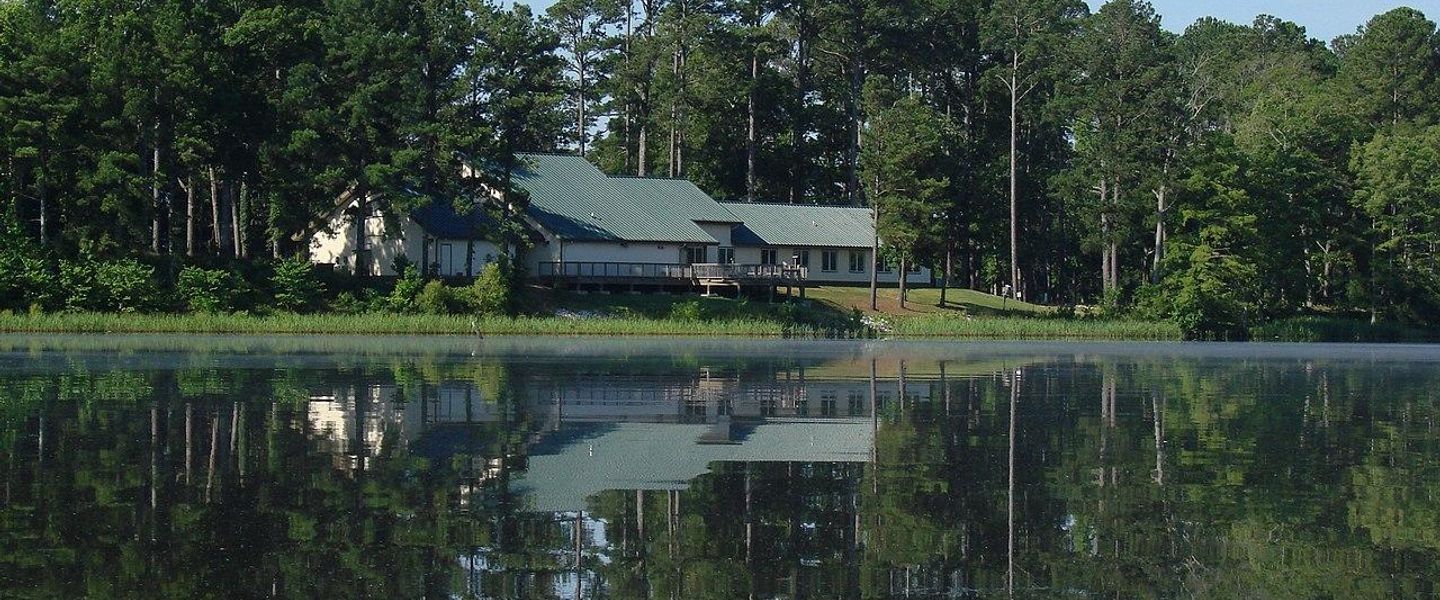


Explore Mississippi’s Black Prairie for historic Columbus, university culture in Starkville, fertile farmland, wildlife refuges and distinctive Southern food.
Read more about The Black Prairie
When is the best time to visit The Black Prairie?
Best: April–May, October · 24–28°C| Month | High (°C) | Rainfall (mm) |
|---|---|---|
| January | 12 | 114 |
| February | 16 | 112 |
| March | 19 | 127 |
| April (best) | 24 | 119 |
| May (best) | 28 | 108 |
| June | 31 | 104 |
| July | 33 | 111 |
| August | 33 | 105 |
| September | 30 | 96 |
| October (best) | 24 | 83 |
| November | 18 | 99 |
| December | 13 | 108 |
Getting to and around The Black Prairie
How to get there
Transportation
Top city travel guides in The Black Prairie
The cities of The Black Prairie, and the easiest places to base yourself.
-

-

-


Swipe for more cities
Destinations in The Black Prairie
Resorts, valleys and scenic spots worth a trip of their own.
-
-
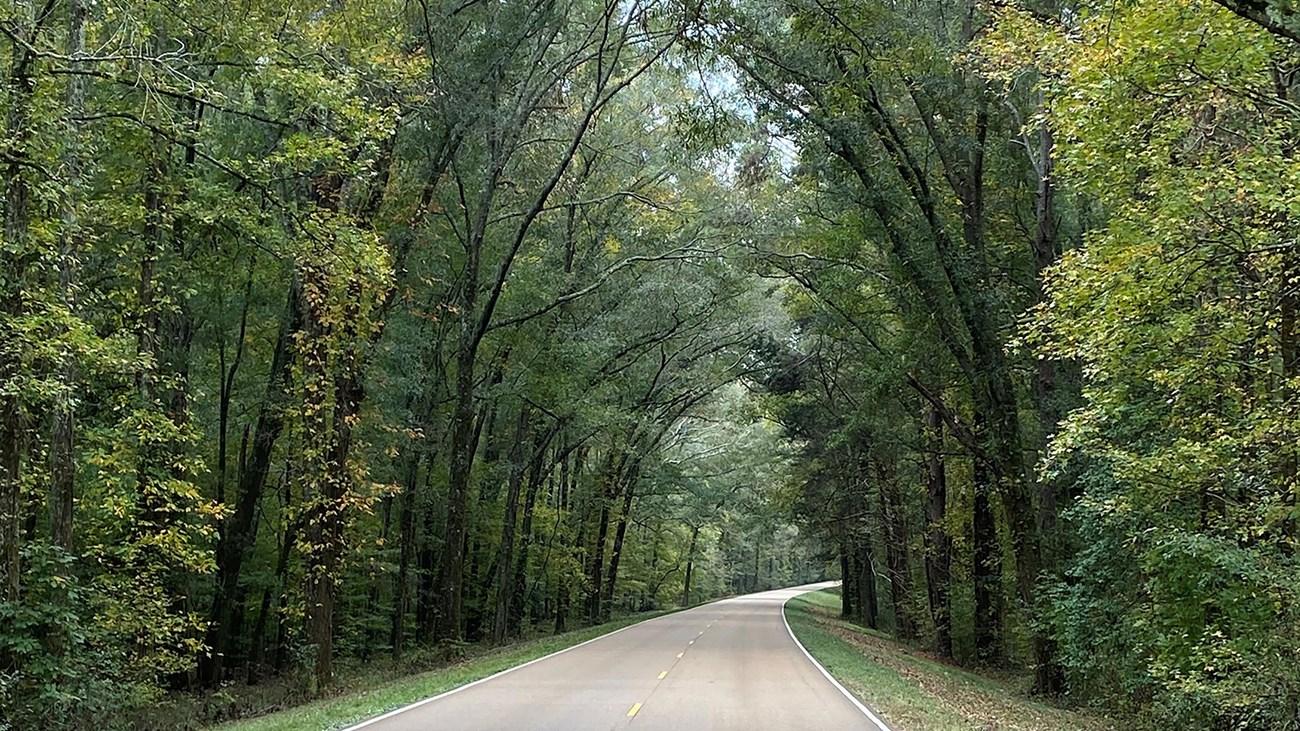 Natchez Trace Parkway
Explore the scenic, historic, and cultural wonders of the Natchez Trace Parkway, a 444-mile journey through the heart of the American South.
-

-


Swipe for more destinations
Best attractions in The Black Prairie
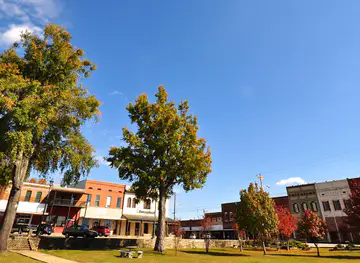
The Black Prairie’s attractions combine historic towns, university culture, wildlife and an agricultural landscape rather than a single concentrated collection of sights. Columbus offers walking routes through substantial residential and commercial architecture, the Tennessee Williams Home and Welcome Center, museums and the riverfront. Starkville adds Mississippi State University’s cultural and sporting institutions, while West Point provides a traditional town centre and access to the countryside of Clay County. The Sam D. Hamilton Noxubee National Wildlife Refuge is the region’s principal outdoor destination, with lakes, wetlands, forests, observation points and trails supporting birdwatching and wildlife observation. Around the three main towns, visitors will find historic churches, cemeteries, galleries, seasonal events and locally focused cultural programmes. The wider prairie is best explored by car, with farm roads, pasture and small communities revealing the region’s changing relationship with agriculture. Summer heat and weather can affect outdoor plans, while spring migration and autumn conditions are often favourable for walking and nature observation.
-
Historical place museum
Elvis Presley Birthplace
Visit Elvis Presley Birthplace in Tupelo, MS to explore the early life of the King of Rock 'n' Roll and experience a piece of music history.
-
Zoo
Hattiesburg Zoo
Explore Hattiesburg Zoo, a family-friendly destination in Mississippi with diverse wildlife and engaging exhibits for all ages.
-
National forest
De Soto National Forest
Explore the expansive De Soto National Forest, where lush landscapes, diverse wildlife, and outdoor adventures await in Mississippi's stunning natural retreat.
-
Zoo
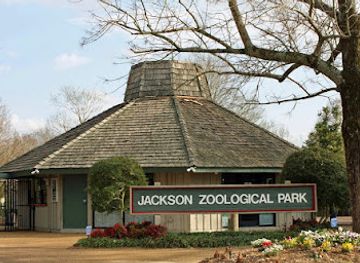
The Jackson Zoo
Discover The Jackson Zoo, a family-friendly destination in Jackson, Mississippi, showcasing diverse wildlife and educational experiences in a beautiful park setting.


Best landmarks in The Black Prairie
The Black Prairie’s most recognisable landmarks are concentrated in Columbus and its surrounding landscape. Waverley Mansion, near West Point, is a prominent antebellum house known for its unusual architectural form and preserved interiors, offering a direct connection with the plantation-era history of the region. Columbus’s historic districts contain rows of nineteenth-century houses, churches and civic buildings that reflect the town’s development on the Tombigbee River; Temple Heights and the Tennessee Williams Home are particularly associated with the city’s architectural and literary identity. Friendship Cemetery in Columbus is both a landscaped historic burial ground and a place connected with the city’s Civil War-era memory. Starkville’s Mississippi State University campus provides a contrasting landmark ensemble of educational buildings, public spaces and sporting facilities. Beyond built heritage, the open prairie, wooded creeks and wetlands of the Sam D. Hamilton Noxubee National Wildlife Refuge are defining geographical features, showing the environmental variety that gives the region its name and character.
-
Park
Witch Dance
Explore the mysterious Witch Dance on the Natchez Trace: folklore, camping, and trails await in this historic Mississippi site.
-
Historical landmark
Chickasaw Council House
Explore the historical Chickasaw Council House along the Natchez Trace Parkway, a significant landmark of the Chickasaw Nation's past.


Explore The Black Prairie on the map
Plan your trip on one map. See where the top cities, national parks and sights are, and book hotels and experiences in a few clicks.
Best hotels in The Black Prairie
Best restaurants in The Black Prairie
Dining in the Black Prairie reflects the wider cooking traditions of Mississippi while drawing on the region’s farms, rivers and university communities. Catfish, barbecue, fried chicken, greens, cornbread, biscuits and seasonal vegetables appear in traditional restaurants, cafés and informal eateries, with locally produced ingredients often more visible at farmers’ markets and farm shops than on formal menus. Columbus and West Point retain a strong Southern and regional character, while Starkville’s student and academic population supports a broader mix of American and international food. Independent restaurants, bakeries, diners and coffee shops are generally more useful for understanding everyday local tastes than a search for a single signature dish. Visitors should distinguish between foods associated with Mississippi as a whole and genuinely local specialities; the Black Prairie is particularly defined by its agricultural setting and hospitality traditions rather than by one exclusive recipe. Dining options become less frequent outside the principal towns, so plan rural excursions around available services.
-
American
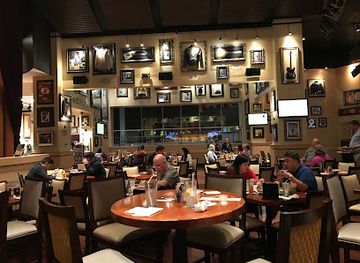
Hard Rock Cafe
Discover American cuisine infused with rock 'n' roll spirit at Hard Rock Cafe Biloxi—where great food meets iconic music memorabilia.
-
Seafood
Half Shell Oyster House
Discover delicious seafood at Half Shell Oyster House in Flowood - your go-to destination for fresh oysters and Southern cuisine.
-
Southern
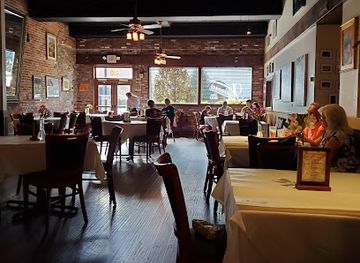
Weidmann's
Discover authentic Southern flavors at Weidmann's in Meridian - a historic restaurant offering delightful dishes and warm hospitality.
-
Sandwich
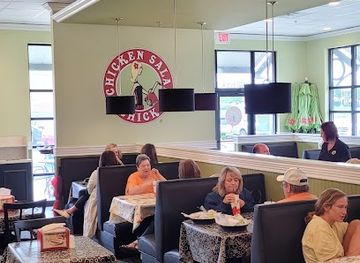
Chicken Salad Chick
Discover the freshest chicken salad creations at Chicken Salad Chick in Flowood – where flavor meets comfort.
Best bars in The Black Prairie
Evening life is concentrated in Columbus, Starkville and West Point, with traditional pubs and bars, casual restaurants, live music and occasional entertainment providing more of the region’s nightlife than large clubs. Starkville has the most pronounced late-evening scene because of Mississippi State University, although activity varies with the academic calendar and university events. Columbus combines restaurants, bars and cultural programming in and around its historic centre, while West Point’s social life is more local and community-oriented. Rural areas generally become quiet after dinner, and visitors staying outside the main towns should check transport arrangements rather than assume that taxis or ride-hailing will be readily available late at night. Breweries, cocktail menus and live performances may be found in the larger centres, but opening arrangements and individual venues change. Alcohol is one part of the evening economy, not a requirement for experiencing the region’s music, food and cultural life.
-
Seafood
Shaggy's Biloxi Beach
Experience the best of Gulf Coast seafood at Shaggy's Biloxi Beach, where fresh flavors meet stunning ocean views.
-
Sports bar
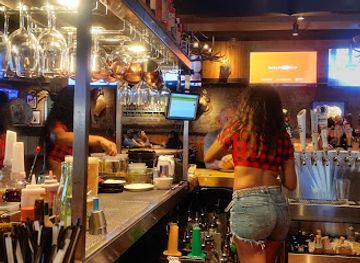
Twin Peaks
Experience the thrill of sports and savor delicious American cuisine at Twin Peaks in Grand Prairie, Texas.
-
Family-friendly
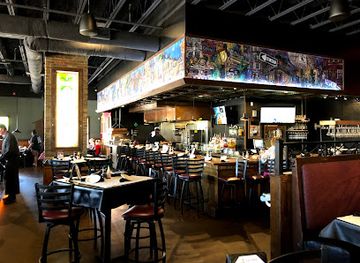
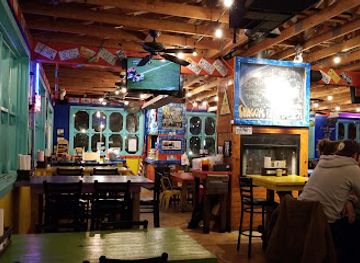
Mugshots Grill and Bar - Flowood, MS
Experience the perfect blend of southern hospitality and delicious American cuisine at Mugshots Grill and Bar in Flowood, MS.
-
Bar
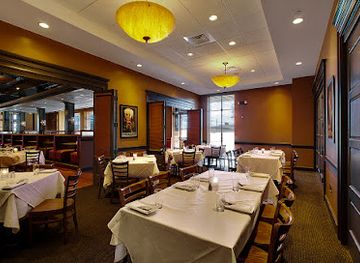
Table 100
Discover the culinary delights of Table 100 in Flowood, Mississippi, where Southern hospitality meets fine dining in a vibrant atmosphere.

Best nightclubs in The Black Prairie
Evening life is concentrated in Columbus, Starkville and West Point, with traditional pubs and bars, casual restaurants, live music and occasional entertainment providing more of the region’s nightlife than large clubs. Starkville has the most pronounced late-evening scene because of Mississippi State University, although activity varies with the academic calendar and university events. Columbus combines restaurants, bars and cultural programming in and around its historic centre, while West Point’s social life is more local and community-oriented. Rural areas generally become quiet after dinner, and visitors staying outside the main towns should check transport arrangements rather than assume that taxis or ride-hailing will be readily available late at night. Breweries, cocktail menus and live performances may be found in the larger centres, but opening arrangements and individual venues change. Alcohol is one part of the evening economy, not a requirement for experiencing the region’s music, food and cultural life.
-
Bar
Sipps Bar Gulfport
Experience the vibrant nightlife at Sipps Bar in Gulfport, where music, dance, and community come together for unforgettable evenings.
-
Bar
Just Us Lounge
Experience the vibrant nightlife at Just Us Lounge, Biloxi's premier gay bar and entertainment venue featuring karaoke, live music, and a welcoming atmosphere.
-
Lounge
Chill Ultra Lounge
Experience the vibrant nightlife and relaxed vibes at Chill Ultra Lounge in Biloxi, where signature cocktails and live entertainment await.
-
Live Music
Neon Moon
Experience the electrifying nightlife at Neon Moon, Ocean Springs' premier live music venue, bar, and nightclub, where every night is a celebration.



Best shops in The Black Prairie
Shopping in the Black Prairie is centred on the historic main streets, commercial districts and independent businesses of Columbus, Starkville and West Point rather than on a large luxury-retail concentration. Columbus is known for antiques, galleries, books, gifts and locally oriented shops in and around its historic areas, while Starkville offers a broader selection shaped by university life, including clothing, sporting goods, art and independent cafés. West Point serves as a practical market town with locally owned retailers and everyday services. Seasonal farmers’ markets are useful places to look for Mississippi produce, baked goods, preserves and handmade items, although dates and vendors vary. Regional souvenirs may include food products, pottery, artwork, books about Mississippi history and university merchandise. Visitors should buy crafts and antiques from established sellers and ask about provenance when an item is described as historic. Outside the main towns, retail services are sparse, making it sensible to combine countryside trips with planned stops for fuel, food and supplies.
-
Gift shop
Sharkheads
Sharkheads: Your go-to gift shop in Biloxi for unique souvenirs, delicious chocolates, and custom airbrushing services.
-
Sporting goods store
Bass Pro Shops
Explore Bass Pro Shops in Leeds, Alabama: Your Ultimate Destination for Outdoor Adventures and Sporting Goods.
-
Shopping mall
Southaven Towne Center
Experience the best shopping and dining at Southaven Towne Center, a premier destination in Mississippi for visitors and locals alike.
-
Shopping mall
Renaissance at Colony Park
Explore Renaissance at Colony Park: a premier shopping mall in Ridgeland, MS, offering dining, entertainment, and a unique shopping experience.

Get your free copy of our complete guide to The Black Prairie, delivered straight to you.
Everything on this page, from attractions and restaurants to essentials and local phrases, in one PDF you can read offline, print or share.
Already have an account? Sign in
Your The Black Prairie guide is ready.
We'll send it to · Not you? Sign out

Getting your guide ready…
We are putting together a fresh copy of the The Black Prairie guide. This can take up to a minute.
This can take a few moments. If your browser asks, choose Allow so the download can start. You'll find the guide in your Downloads folder.
Nothing happened? Download it again
Sorry, the guide is taking longer than usual. Please try again in a minute, or get it by email instead.
The Black Prairie essentials
Currency and Payment
Safety
Emergency Situations
Do's and Don'ts
Local Tips
From Eve
Local phrases worth knowing
You don't need to get them perfect. A few words go a long way, and locals appreciate the effort.
Basics
| English | Local | Say it |
|---|---|---|
| Hello | Howdy | [Hau-dee] |
| Goodbye | See ya later | [See ya lay-ter] |
| Yes | Yessir | [Yes-er] |
| No | Naw | [Naw] |
| Please/You're welcome | No problem | [No prob-lem] |
| Thank you | Thank ya | [Thank ya] |
| Excuse me/Sorry | Excuse me | [Excuse me] |
| How are you? | How ya doin'? | [How ya do-in?] |
| Fine. And you? | I’m good. And you? | [I’m good. And you?] |
| Do you speak English? | You speakin' English? | [You speak-in English?] |
| I don't understand | I ain't followin' | [I ain't fol-low-in'] |
Eating & Drinking
| English | Local | Say it |
|---|---|---|
| I'd like to see the menu, please | Can I see the menu? | [Can I see the men-u?] |
| I don't eat meat | I don’t eat no meat | [I don’t eat no meat] |
| Cheers! | Cheers! | [Cheers!] |
| I would like to pay, please | Can I pay, please? | [Can I pay, please?] |
Emergencies
| English | Local | Say it |
|---|---|---|
| Help! | Help! | [Help!] |
| Go away! | Get on outta here! | [Get on outta here!] |
| Call the Police! | Call the cops! | [Call the cops!] |
| Call a doctor! | Get a doctor! | [Get a doc-tor!] |
| I'm lost | I’m lost | [I’m lost] |
| I'm ill | I’m sick | [I’m sick] |
Shopping
| English | Local | Say it |
|---|---|---|
| I'd like to buy... | I wanna buy... | [I wanna buy...] |
| I'm just looking | Just lookin' | [Just look-in'] |
| How much is it? | How much fer that? | [How much fer that?] |
| That's too expensive | That’s too high | [That’s too high] |
| Can you lower the price? | Can ya bring it down? | [Can ya bring it down?] |
Time & Numbers
| English | Local | Say it |
|---|---|---|
| What time is it? | What time it be? | [What time it be?] |
| It's one o'clock | It's one o'clock | [It's one o'clock] |
| Half past (10) | Half past ten | [Half past ten] |
| Morning | Mornin' | [Morn-in'] |
| Afternoon | Afternoon | [Af-ter-noon] |
| Evening | Evenin' | [Even-in'] |
| Yesterday | Yesterday | [Yes-ter-day] |
| Today | Today | [To-day] |
| Tomorrow | Tomorrow | [To-mor-row] |
| 1 | One | [One] |
| 2 | Two | [Two] |
| 3 | Three | [Three] |
| 4 | Four | [Four] |
| 5 | Five | [Five] |
| 6 | Six | [Six] |
| 7 | Seven | [Seven] |
| 8 | Eight | [Eight] |
| 9 | Nine | [Nine] |
| 10 | Ten | [Ten] |
Transport & Directions
| English | Local | Say it |
|---|---|---|
| Where's a/the...? | Where's the...? | [Where's the...?] |
| What's the address? | What’s the address? | [What’s the ad-dress?] |
| Can you show me (on the map)? | Can ya show me on the map? | [Can ya show me on the map?] |
| When's the next (bus)? | When's the next bus? | [When's the next bus?] |
| A ticket (to ....) | A ticket to ... | [A ticket to ...] |
History of The Black Prairie
Choctaw Homeland and the Prairie Environment
Before European-American settlement, the Black Prairie formed part of the homeland of the Choctaw, whose communities farmed, hunted and travelled through the interconnected prairie, woodland and river environments of what is now east-central Mississippi. The region’s fertile soils supported agriculture, while waterways provided routes through the landscape. Indigenous place-names and surviving cultural traditions remain part of Mississippi’s wider Choctaw heritage. The prairie was not an empty frontier awaiting settlement: it was a lived-in environment with established communities, political relationships and knowledge of local plants, animals and seasonal conditions.
Removal and American Settlement in the Early Nineteenth Century
The Treaty of Dancing Rabbit Creek in 1830 and the subsequent forced removal of most Choctaw people from Mississippi opened the way for intensified American settlement, although Choctaw communities remained in the state and continue to do so. New roads, land claims and commercial centres developed across the prairie during the nineteenth century. Columbus, founded in 1821 on the Tombigbee River, became an important river and later rail town. The disruption of Indigenous life and the expansion of plantation agriculture established patterns of land ownership and racial inequality that shaped the region for generations.
Cotton, Enslavement and the Antebellum Prairie
The Black Prairie’s productive soils encouraged the growth of cotton agriculture before the American Civil War. Large and small farms depended on the labour of enslaved African Americans, whose work sustained the region’s wealth while denying them freedom and economic security. Columbus, West Point and other communities developed commercial institutions, churches and houses during this period, and several surviving buildings reflect the prosperity of white planters and merchants. The architectural legacy of the antebellum era must therefore be read alongside the history of enslavement, resistance and the family and community networks created by Black Mississippians.
Civil War, Reconstruction and the Reorganisation of the Region
East-central Mississippi was affected by the Civil War through military movement, disruption of agriculture and the destruction or adaptation of transport and commercial networks. Columbus became associated with wartime supply and hospital activity, while the wider prairie experienced the instability that followed emancipation. After 1865, Reconstruction brought new political possibilities for formerly enslaved people, but also violent opposition and the eventual restoration of white conservative control. Sharecropping, tenant farming and dependence on cotton became widespread, leaving many rural families vulnerable to fluctuating prices, debt and poor harvests.
Railways, Agriculture and the Growth of Towns
Rail connections and improved roads changed the Black Prairie’s economy during the late nineteenth and early twentieth centuries. They strengthened Columbus, West Point and Starkville as centres for trade, education and public administration, allowing agricultural goods and manufactured products to reach wider markets. Cotton remained important, but farming gradually diversified into livestock, soybeans, corn and other crops. The region’s towns acquired courthouses, schools, banks and commercial buildings, while rural communities developed churches, cemeteries and social institutions that remain significant markers of local history.
Education, Civil Rights and Changing Public Life
The twentieth century brought both entrenched segregation and sustained challenges to it. Black Mississippians built schools, churches, businesses and civic organisations despite exclusion from many public institutions, while the civil-rights movement confronted disfranchisement and racial separation across the state. Starkville’s development as the home of Mississippi State University gave the western Black Prairie a growing educational and research presence. Over time, desegregation, migration, mechanised agriculture and industrial recruitment altered community life, although the region’s historic inequalities and the contributions of African-American residents remain central to understanding its present character.
The Black Prairie in Photos
Browse through our photo collection highlighting the charm and character of the destination.
Neighbouring regions of The Black Prairie
The closest regions to The Black Prairie, if you have time for more than one.
-

-

-
-

-
 The Pontotoc Ridge
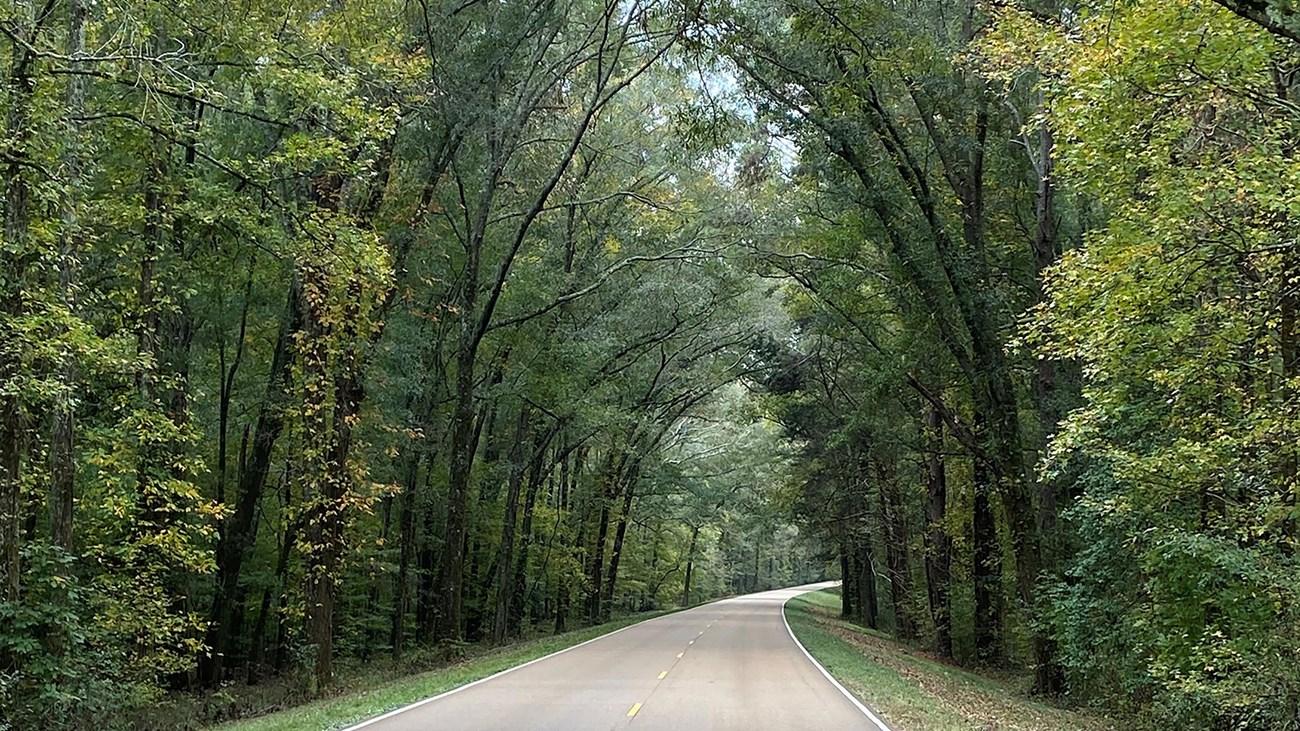
Explore the Pontotoc Ridge in Mississippi for Chickasaw history, rolling countryside, small-town heritage, rail trails and southern food.


Swipe for more regions
Explore more

Explore more of Mississippi
Discover Mississippi: A treasure trove of Southern culture, blues music heritage, and stunning natural landscapes perfect for every kind of traveler.
Explore Mississippi