

Free The Gulf Coast Travel Guide & Mobile App
Explore The Gulf Coast with free travel guides. Discover regional history, expert tips, proposed trips, and audio guides on web or mobile app.


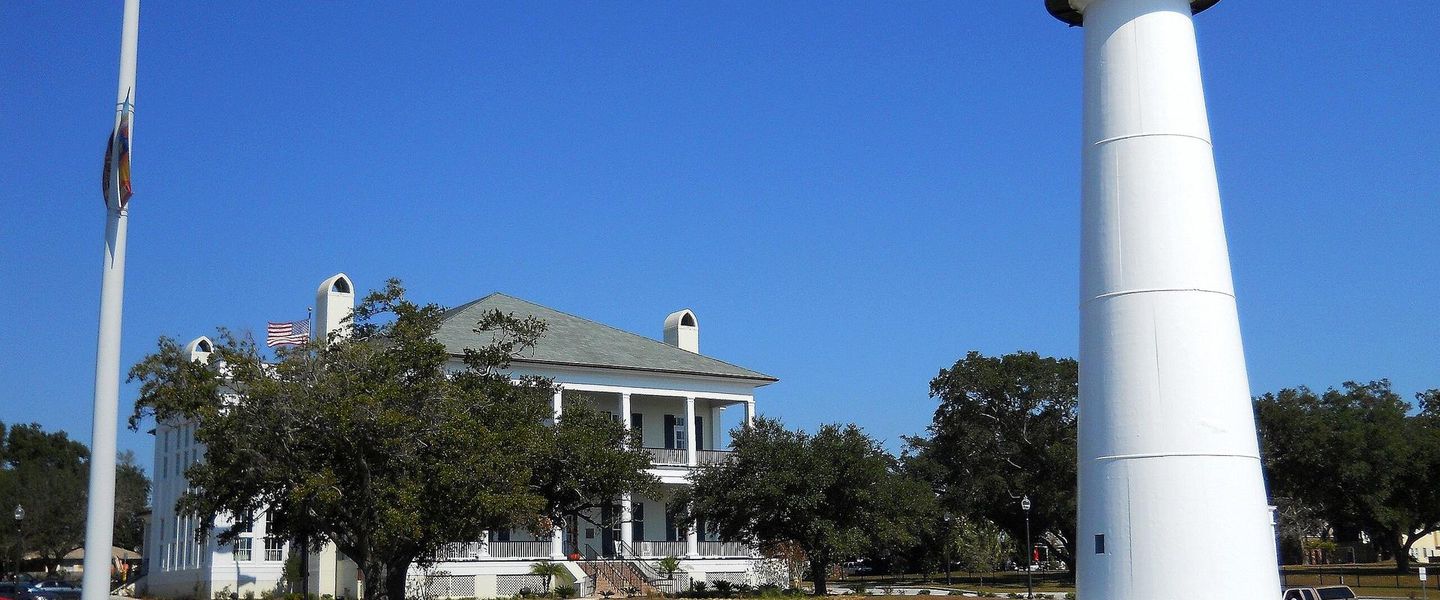


Explore Mississippi’s Gulf Coast for seafood towns, barrier-island beaches, maritime history, live-oak streets and relaxed Southern coastal culture.
Read more about The Gulf Coast
When is the best time to visit The Gulf Coast?
Best: April–May, October · 24–28°C| Month | High (°C) | Rainfall (mm) |
|---|---|---|
| January | 15 | 127 |
| February | 17 | 127 |
| March | 21 | 142 |
| April (best) | 24 | 137 |
| May (best) | 28 | 132 |
| June | 32 | 158 |
| July | 33 | 173 |
| August | 33 | 173 |
| September | 31 | 158 |
| October (best) | 25 | 132 |
| November | 19 | 127 |
| December | 16 | 137 |
Getting to and around The Gulf Coast
How to get there
Transportation
Top city travel guides in The Gulf Coast
The cities of The Gulf Coast, and the easiest places to base yourself.
-

-


Swipe for more cities
Destinations in The Gulf Coast
Resorts, valleys and scenic spots worth a trip of their own.
-

-


Swipe for more destinations
Best attractions in The Gulf Coast
The Mississippi Gulf Coast’s attractions reflect its position between mainland wetlands and the open Gulf. Gulf Islands National Seashore is the region’s major natural draw, protecting beaches, maritime habitats and historic Fort Massachusetts on West Ship Island; ferry access is generally seasonal and weather-sensitive. Mainland beaches along Biloxi, Gulfport, Long Beach, Pass Christian and Bay St Louis offer swimming, fishing and sunset walks, although many are broad, developed and shaped by coastal engineering rather than wilderness. Maritime history is explored through institutions such as the Maritime and Seafood Industry Museum in Biloxi and the Mississippi Aquarium in Gulfport. The INFINITY Science Center near the western end of the region introduces space science and Gulf Coast environmental themes. Ocean Springs provides galleries, the Walter Anderson Museum of Art and access to the Mississippi Sandhill Crane National Wildlife Refuge nearby in Jackson County. Historic districts, oak-shaded streets, fishing harbours, kayak routes through marshes and casino entertainment add variety, while boat charters and birdwatching reveal a coast that extends well beyond its beaches.
-
Tour operator
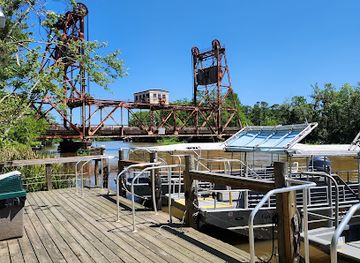
Cajun Encounters Tour Company
Discover the heart of Louisiana with Cajun Encounters, where thrilling boat tours and rich cultural experiences await every traveler.
-
Casino
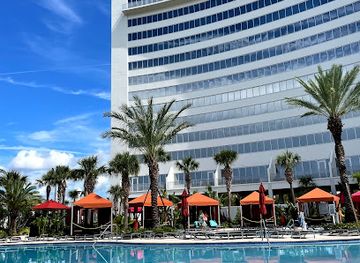
Hard Rock Hotel & Casino Biloxi
Experience the ultimate entertainment destination at Hard Rock Hotel & Casino Biloxi, where gaming, luxury, and live performances await.
-
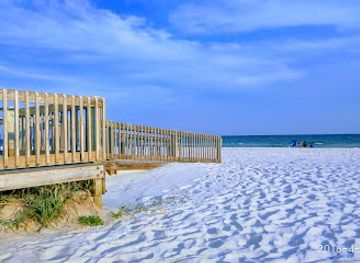
Public beach
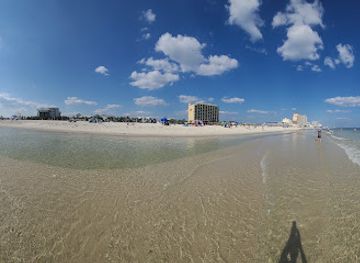
Gulf Shores Public Beach
Discover the stunning Gulf Shores Public Beach, a coastal paradise offering pristine sands, clear waters, and vibrant activities for all visitors.
-
Escape room center
Breakout Games
Experience the ultimate adventure at Breakout Games Orange Beach, where puzzles and teamwork create unforgettable memories in a vibrant setting.

Best landmarks in The Gulf Coast
The Biloxi Lighthouse is the Mississippi coast’s most recognisable navigational landmark, standing beside US 90 as a reminder of the city’s maritime history and its exposure to major hurricanes. In nearby Biloxi, the distinctive buildings of the Ohr-O’Keefe Museum of Art reflect both contemporary architecture and the legacy of ceramic artist George Ohr, while historic churches and seafood-related waterfront structures give the city further cultural depth. Fort Massachusetts, built on West Ship Island during the Civil War, is a substantial brick military landmark reached by water within Gulf Islands National Seashore. The coastal road itself forms a memorable sequence of bridges, live-oak avenues, beach frontage and views across the Mississippi Sound. In Ocean Springs, the Walter Anderson Museum of Art preserves the work and imaginative coastal vision of one of Mississippi’s important twentieth-century artists. The long beaches and maritime horizon around Bay St Louis and Pass Christian are natural landmarks in their own right, while Pascagoula’s extensive shipyards symbolise the industrial scale of the eastern coast.
-
Nature preserve
Davis Bayou Area Gulf Islands National Seashore
Discover Mississippi's coastal beauty at Davis Bayou Area, Gulf Islands National Seashore: hiking, wildlife, camping, and serene bayou views await!
-
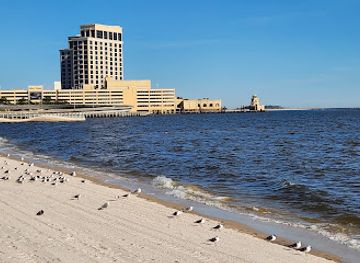
Tourist attraction
Biloxi Beach
Experience the sun, sand, and history of Biloxi Beach, a stunning destination on the Mississippi Gulf Coast offering relaxation and recreation for all.
-
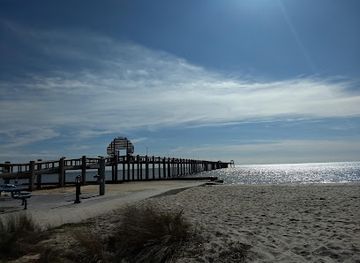
Park
Pascagoula Beach Park
Relax on the shores of Pascagoula Beach Park, offering a fishing pier, splash pad, and scenic views of the Mississippi Sound.
-
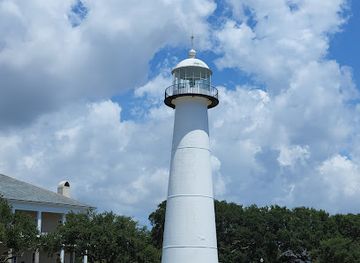
Historical landmark
Biloxi Lighthouse
Explore the historic Biloxi Lighthouse, a stunning symbol of maritime heritage on the Mississippi Gulf Coast, offering breathtaking views and rich history.
Explore The Gulf Coast on the map
Plan your trip on one map. See where the top cities, national parks and sights are, and book hotels and experiences in a few clicks.
Best hotels in The Gulf Coast
Best restaurants in The Gulf Coast
Seafood defines the region’s dining culture, with Gulf shrimp, oysters, blue crab, redfish and other fish appearing in fried platters, po’boys, stews, grilled dishes and contemporary menus. Biloxi’s long seafood-processing tradition, Gulfport’s port connections and the smaller harbours around Bay St Louis and Pascagoula give the coast a strong relationship with working waters, although catches and sourcing vary by season and weather. Creole and Cajun influences meet Southern cooking in dishes such as gumbo, seafood-stuffed preparations and richly seasoned rice dishes, while oysters may be served raw, chargrilled or baked. Waterfront restaurants, oyster bars, family seafood houses, cafés, hotel dining rooms and relaxed bars cover most budgets. Ocean Springs and Bay St Louis are particularly useful for independent restaurants and cafés, while local markets can provide shrimp, smoked seafood and regional products for self-catering. Menus also commonly include barbecue, fried chicken and other wider Southern staples, so the region’s food identity is coastal rather than based on a single signature dish.
-
Seafood
Shaggy's Biloxi Beach
Experience fresh Gulf Coast seafood at Shaggy's Biloxi Beach - where every meal comes with breathtaking views and vibrant atmosphere.
-
Seafood
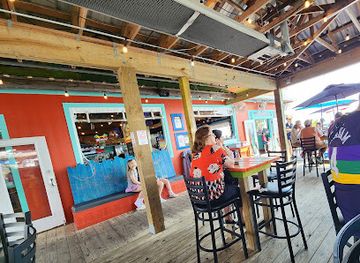
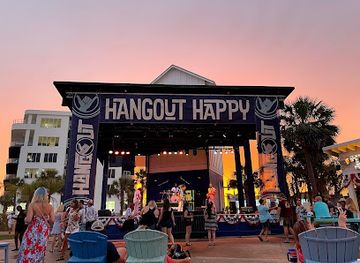
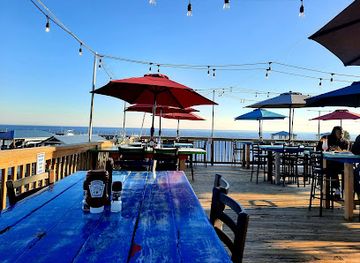
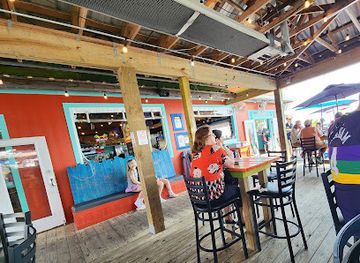
The Hangout Gulf Shores
Experience vibrant seafood dining at The Hangout Gulf Shores—where delicious food meets live music and family fun by the beach.
-
Seafood
Shaggy's Gulfport Beach
Discover culinary delights at Shaggy's Gulfport Beach – where fresh seafood meets breathtaking ocean views.
-
Seafood
Shaggy's Pass Harbor
Experience coastal dining at Shaggy's Pass Harbor, where fresh seafood meets breathtaking Gulf views in a vibrant beach atmosphere.

Best bars in The Gulf Coast
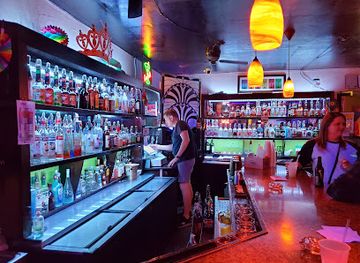
Evening life is concentrated in Biloxi, Gulfport, Ocean Springs and Bay St Louis, with casino resorts supplying the largest concentration of late entertainment, live performances, bars and restaurants. Outside the casino scene, the coast favours relaxed evenings in seafood restaurants, traditional pubs, breweries, cocktail bars and venues offering live music. Ocean Springs has a walkable cluster of bars and restaurants around its historic commercial streets, while Bay St Louis combines small bars, galleries and restaurants with a quieter waterfront atmosphere. Gulfport’s larger population supports a broader selection, though nightlife remains dispersed rather than arranged around one major club district. Pascagoula’s evening scene is more locally oriented and tied to restaurants, bars and community events. Summer weekends and festivals can be busier, but opening arrangements vary, particularly for smaller businesses, so late-night transport should be planned in advance rather than assumed.
-
Seafood
Shaggy's Biloxi Beach
Experience the best of Biloxi's seafood at Shaggy's Biloxi Beach, where fresh flavors meet stunning ocean views.
-
Seafood
Shaggy's Gulfport Beach
Discover Shaggy's Gulfport Beach, where fresh seafood meets stunning coastal views in a family-friendly atmosphere.
-
Seafood
Shaggy's Pass Harbor
Experience the best of coastal dining at Shaggy's Pass Harbor, where fresh seafood meets family-friendly fun in Pass Christian, Mississippi.
-
 Bar
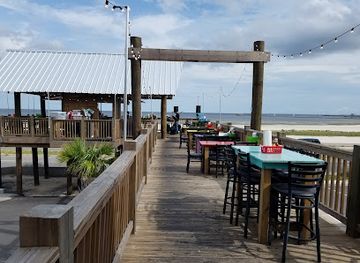
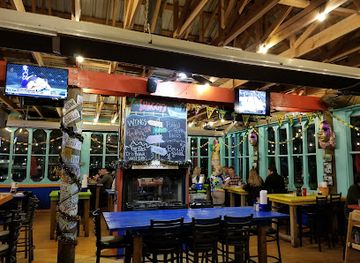
BarMargaritaville Resort Biloxi
Experience the ultimate beachfront escape at Margaritaville Resort Biloxi, where relaxation meets adventure in a tropical paradise.
Best nightclubs in The Gulf Coast
Evening life is concentrated in Biloxi, Gulfport, Ocean Springs and Bay St Louis, with casino resorts supplying the largest concentration of late entertainment, live performances, bars and restaurants. Outside the casino scene, the coast favours relaxed evenings in seafood restaurants, traditional pubs, breweries, cocktail bars and venues offering live music. Ocean Springs has a walkable cluster of bars and restaurants around its historic commercial streets, while Bay St Louis combines small bars, galleries and restaurants with a quieter waterfront atmosphere. Gulfport’s larger population supports a broader selection, though nightlife remains dispersed rather than arranged around one major club district. Pascagoula’s evening scene is more locally oriented and tied to restaurants, bars and community events. Summer weekends and festivals can be busier, but opening arrangements vary, particularly for smaller businesses, so late-night transport should be planned in advance rather than assumed.
-
Grill
The Juke Joint
Experience the vibrant blend of live music and Southern cuisine at The Juke Joint, Ocean Springs' favorite grill and entertainment venue.
-
Night club
Sipps Bar Gulfport
Discover the vibrant nightlife of Gulfport at Sipps Bar, where entertainment, inclusivity, and unforgettable memories await.
-
Night club
Just Us Lounge
Experience the vibrant nightlife at Just Us Lounge, Biloxi's premier destination for dancing, karaoke, and live music in an inclusive atmosphere.
-
Lounge
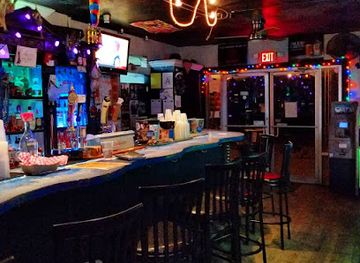
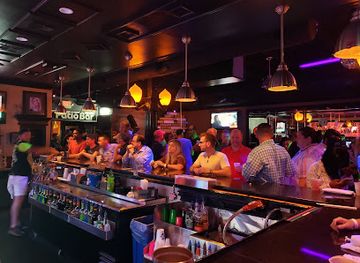
Chill Ultra Lounge
Experience the vibrant nightlife of Biloxi at Chill Ultra Lounge, where relaxation meets entertainment in a stylish setting.

Best shops in The Gulf Coast
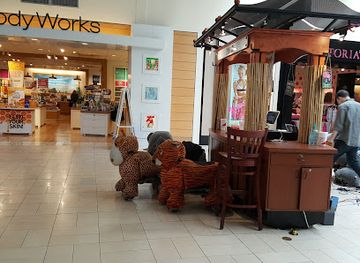
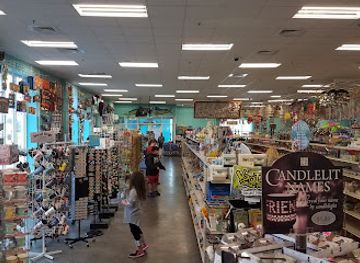
Shopping on the Mississippi Gulf Coast is strongest in historic town centres, independent commercial streets, specialist food shops and arts districts rather than in a single dominant retail quarter. Bay St Louis is known for galleries, antiques, independent boutiques and locally made gifts around its old-town streets, while Ocean Springs has a particularly strong concentration of art galleries, craft shops, books, clothing and design-led stores. Biloxi offers maritime souvenirs, casino-related retail and shops connected with seafood and coastal life, and Gulfport provides larger everyday retail areas alongside specialist businesses. Look for pottery, paintings, jewellery, woodwork, coastal photography and products reflecting the region’s fishing heritage. Seafood markets may sell fresh or prepared Gulf products, subject to availability and transport rules, while farmers’ markets and seasonal events can provide local produce. The most meaningful purchases are often small-scale artworks, ceramics, regional food products or maritime crafts rather than generic beach merchandise.
-
Shopping mall
Edgewater Mall
Experience shopping, dining, and entertainment at Edgewater Mall – Biloxi's premier retail destination with a variety of options for every taste.
-
Outlet mall
Gulfport Premium Outlets
Discover unbeatable deals and a fantastic shopping experience at Gulfport Premium Outlets, Mississippi's premier outlet destination.
-
Gift shop
Sharkheads
Explore Sharkheads in Biloxi for unique souvenirs, custom airbrushing, and delicious chocolates that capture the spirit of the Gulf Coast.
-
Department store
Walmart Supercenter
Explore Walmart Supercenter in Biloxi - your ultimate shopping destination for groceries, electronics, and more at unbeatable prices.


Get your free copy of our complete guide to The Gulf Coast, delivered straight to you.
Everything on this page, from attractions and restaurants to essentials and local phrases, in one PDF you can read offline, print or share.
Already have an account? Sign in
Your The Gulf Coast guide is ready.
We'll send it to · Not you? Sign out

Getting your guide ready…
We are putting together a fresh copy of the The Gulf Coast guide. This can take up to a minute.
This can take a few moments. If your browser asks, choose Allow so the download can start. You'll find the guide in your Downloads folder.
Nothing happened? Download it again
Sorry, the guide is taking longer than usual. Please try again in a minute, or get it by email instead.
The Gulf Coast essentials
Currency and Payment
Safety
Emergency Situations
Do's and Don'ts
Local Tips
From Eve
Local phrases worth knowing
You don't need to get them perfect. A few words go a long way, and locals appreciate the effort.
Basics
| English | Local | Say it |
|---|---|---|
| Hello | Howdy | [haʊdi] |
| Goodbye | See ya | [siː jə] |
| Yes | Yep | [jɛp] |
| No | Nah | [nɑː] |
| Please/You're welcome | No problem | [noʊ ˈprɒbləm] |
| Thank you | Thanks | [θæŋks] |
| Excuse me/Sorry | Excuse me | [ɪkˈskjuz mi] |
| How are you? | How ya doin'? | [haʊ jə ˈduːɪn] |
| Fine. And you? | I’m good. And you? | [aɪm ɡʊd. ənd ju] |
| Do you speak English? | You speakin' English? | [ju ˈspiːkɪn ˈɪŋɡlɪʃ] |
| I don't understand | I don’t get it | [aɪ doʊnt ɡɛt ɪt] |
Eating & Drinking
| English | Local | Say it |
|---|---|---|
| I'd like to see the menu, please | Can I see the menu, please? | [kæn aɪ si ðə ˈmɛnjuː pliz] |
| I don't eat meat | I ain't eatin' meat | [aɪ eɪnt ˈiːtɪn miːt] |
| Cheers! | Cheers! | [tʃɪrz] |
| I would like to pay, please | Can I pay, please? | [kæn aɪ peɪ pliz] |
Emergencies
| English | Local | Say it |
|---|---|---|
| Help! | Help! | [hɛlp] |
| Go away! | Leave me alone! | [liv mi əˈloʊn] |
| Call the Police! | Call the cops! | [kɔl ðə kɑps] |
| Call a doctor! | Get a doctor! | [ɡɛt ə ˈdɒktər] |
| I'm lost | I’m lost | [aɪm lɔst] |
| I'm ill | I ain't feelin' good | [aɪ eɪnt ˈfiːlɪn ɡʊd] |
Shopping
| English | Local | Say it |
|---|---|---|
| I'd like to buy... | I want to buy... | [aɪ wɑnt tu baɪ] |
| I'm just looking | Just lookin' | [dʒʌst ˈlʊkɪn] |
| How much is it? | How much it cost? | [haʊ mʌtʃ ɪt kɔst] |
| That's too expensive | That's too high | [ðæts tu haɪ] |
| Can you lower the price? | Can you bring down the price? | [kæn ju brɪŋ daʊn ðə praɪs] |
Time & Numbers
| English | Local | Say it |
|---|---|---|
| What time is it? | What time it be? | [wʌt taɪm ɪt bi] |
| It's one o'clock | It’s one o’clock | [ɪts wʌn əˈklɒk] |
| Half past (10) | Half past ten | [hæf pæst tɛn] |
| Morning | Mornin' | [ˈmɔrnɪn] |
| Afternoon | Afternoon | [ˌɑːftərˈnuːn] |
| Evening | Evenin' | [ˈiːvnɪn] |
| Yesterday | Yesterday | [ˈjɛstərˌdeɪ] |
| Today | Today | [təˈdeɪ] |
| Tomorrow | Tomorrow | [təˈmɔroʊ] |
| 1 | One | [wʌn] |
| 2 | Two | [tu] |
| 3 | Three | [θri] |
| 4 | Four | [fɔr] |
| 5 | Five | [faɪv] |
| 6 | Six | [sɪks] |
| 7 | Seven | [ˈsɛvən] |
| 8 | Eight | [eɪt] |
| 9 | Nine | [naɪn] |
| 10 | Ten | [tɛn] |
Transport & Directions
| English | Local | Say it |
|---|---|---|
| Where's a/the...? | Where's the...? | [wɛrz ðə] |
| What's the address? | What’s the address? | [wʌts ði əˈdrɛs] |
| Can you show me (on the map)? | Can you point it out? | [kæn ju pɔɪnt ɪt aʊt] |
| When's the next (bus)? | When's the next bus? | [wɛnʔs ðə nɛkst bʌs] |
| A ticket (to ....) | A ticket to... | [ə ˈtɪkɪt tu] |
History of The Gulf Coast
Native Peoples and the First Coastal Settlements
The Mississippi coast has long been inhabited by Native peoples, including communities associated with the Biloxi, Pascagoula and other Gulf Coast groups. Their lives were shaped by fishing, shellfish gathering, hunting, trade and movement between mainland wetlands and the offshore islands. Coastal shell middens and other archaeological evidence record a much older human presence than the European settlements that later gave Biloxi its name. Native knowledge of waterways, tides and seasonal resources remained important as French, Spanish and later American settlers developed ports and plantations around the Mississippi Sound.
French and Spanish Gulf Coast, 1699–1817
French exploration under Pierre Le Moyne d’Iberville reached the Mississippi coast in 1699, and Old Biloxi became one of the earliest European settlements in the lower Mississippi region. The French used the coast as a base for exploring and administering their Gulf possessions, while the Spanish later held the area during periods of imperial rivalry. Trade, military competition and relations with Native communities shaped the settlements around Biloxi Bay and the sound. The region eventually became part of the United States through the transfer of West Florida and the formation of Mississippi Territory.
The Maritime Economy Takes Shape
During the nineteenth century, the coast developed around fishing, oystering, shipbuilding, timber, trade and small-scale agriculture. Biloxi became particularly noted for its seafood industry, with canneries processing oysters, shrimp and other catches for markets beyond the region. Bay St Louis, Pass Christian, Gulfport and Pascagoula developed distinct port and resort functions, while rail connections strengthened links with New Orleans and inland Mississippi. The maritime economy brought together European American, African American, Native and immigrant communities and established the working traditions still visible in coastal boatyards and seafood businesses.
Civil War and Reconstruction
The Mississippi coast was strategically important during the American Civil War because of its position on the Gulf and its proximity to New Orleans and the lower Mississippi. Union forces occupied Ship Island in 1861, using it as a naval and military base; Fort Massachusetts was built there during the war. Coastal towns experienced military disruption, blockade conditions and economic uncertainty. After the war, reconstruction altered political and labour relationships across Mississippi, while the coast gradually rebuilt its fishing, shipping and resort economy within a state undergoing profound social change.
Railways, Resorts and Seafood Canning
Late nineteenth- and early twentieth-century transport improvements helped turn the coast into both a working maritime belt and a leisure destination. Railways brought visitors from New Orleans and inland cities to coastal resorts, while hotels and bathing beaches expanded around Pass Christian, Bay St Louis and Biloxi. At the same time, seafood canneries and fishing fleets grew, particularly in Biloxi. The seafood industry depended heavily on African American labour and on immigrant communities, including Croatians and others who contributed to boatbuilding, fishing and processing traditions.
Shipbuilding and Port Industrialisation
Pascagoula became one of the most important shipbuilding centres on the Gulf of Mexico, with large-scale yards producing commercial and naval vessels. Gulfport developed as a major deep-water port and transportation centre, while smaller coastal harbours continued to support shrimping, oystering and recreational boating. Twentieth-century industrial growth brought new employment and infrastructure but also increased pressure on wetlands, fisheries and coastal habitats. The contrast between industrial ports, resort beaches and historic town centres remains one of the region’s defining characteristics.
Hurricane Camille and Coastal Resilience
Hurricane Camille struck the Mississippi coast in August 1969 as one of the most powerful hurricanes ever recorded in the United States. The storm caused catastrophic loss of life and destroyed or severely damaged homes, businesses, infrastructure and coastal landscapes, particularly in Harrison and Hancock counties. Its aftermath transformed building practices, emergency planning and public understanding of Gulf Coast risk. Subsequent hurricanes, including Katrina in 2005, reinforced the importance of evacuation planning, resilient construction, wetland protection and careful attention to storm-surge forecasts.
Casinos, Katrina and the Contemporary Coast
Legal casino gaming arrived on the Mississippi coast in the 1990s and became a major part of the regional economy, especially in Biloxi, Gulfport and nearby Harrison County communities. Casino resorts added hotels, entertainment and convention facilities to an economy already based on tourism, ports and seafood. Hurricane Katrina devastated sections of the coast in 2005, damaging casinos, historic buildings, fishing fleets and neighbourhoods. Reconstruction reshaped the waterfront while preserving important museums, churches, lighthouses and cultural institutions, leaving the modern coast both economically diverse and conscious of its environmental vulnerability.
The Gulf Coast in Photos
Browse through our photo collection highlighting the charm and character of the destination.
Neighbouring regions of The Gulf Coast
The closest regions to The Gulf Coast, if you have time for more than one.
-

-

-

-

-
 The River Region
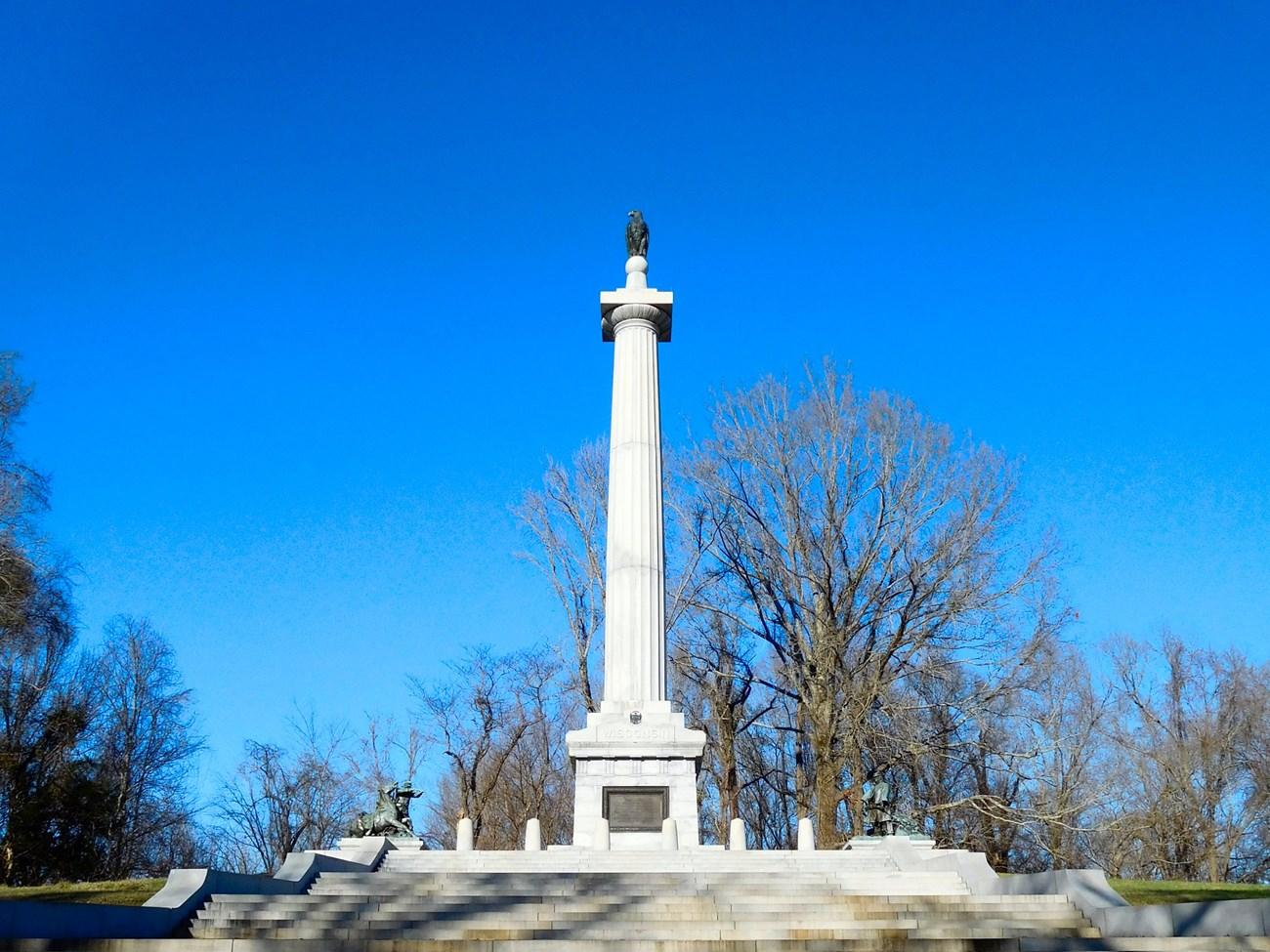
Discover the River Region in Mississippi: a scenic blend of natural beauty, rich history, and Southern charm along the majestic Mississippi River.
The River Region
Discover the River Region in Mississippi: a scenic blend of natural beauty, rich history, and Southern charm along the majestic Mississippi River.


Swipe for more regions
Explore more

Explore more of Mississippi
Discover Mississippi: A treasure trove of Southern culture, blues music heritage, and stunning natural landscapes perfect for every kind of traveler.
Explore Mississippi