

Free South Mississippi Travel Guide & Mobile App
Explore South Mississippi with free travel guides. Discover regional history, expert tips, proposed trips, and audio guides on web or mobile app.


South Mississippi combines Gulf Coast seafood, barrier-island beaches, Pine Belt forests, civil-rights history and distinctive coastal arts.
Read more about South Mississippi
When is the best time to visit South Mississippi?
Best: March–April, October · 23–26°C| Month | High (°C) | Rainfall (mm) |
|---|---|---|
| January | 16 | 114 |
| February | 19 | 117 |
| March (best) | 23 | 142 |
| April (best) | 26 | 122 |
| May | 31 | 119 |
| June | 34 | 143 |
| July | 34 | 160 |
| August | 34 | 157 |
| September | 31 | 128 |
| October (best) | 26 | 114 |
| November | 20 | 115 |
| December | 16 | 125 |
Getting to and around South Mississippi
How to get there
Transportation
Top city travel guides in South Mississippi
The cities of South Mississippi, and the easiest places to base yourself.
-

-

-

-


Swipe for more cities
Destinations in South Mississippi
Resorts, valleys and scenic spots worth a trip of their own.
-

-


Swipe for more destinations
Best attractions in South Mississippi
South Mississippi's attractions fall into several connected groups. Along the Gulf Coast, visitors can explore seafood and maritime museums in Biloxi, the Mississippi Aquarium in Gulfport, arts institutions in Ocean Springs and historic coastal districts in Bay St Louis and Pass Christian. Gulf Islands National Seashore provides access to beaches, marshes and wildlife habitats, including the Davis Bayou area near Ocean Springs and the offshore islands reached by boat when services and weather permit. Inland, Hattiesburg combines museums, cultural venues and civil-rights interpretation with the Longleaf Trace, a multi-use rail trail passing through Pine Belt landscapes. Laurel offers restored historic streets and design-focused independent businesses, while smaller communities reveal the region's timber and agricultural heritage. Outdoor activities include birdwatching, paddling, fishing, beach walking, cycling and nature photography. Gulf Coast casinos are another established attraction category, although they sit within a broader destination whose identity also depends on working ports, wetlands, historic buildings and longleaf-pine country.
-
Historical place museum
Elvis Presley Birthplace
Explore the Elvis Presley Birthplace in Tupelo, MS, and experience the origins of the King of Rock 'n' Roll amidst history and music.
-
National reserve
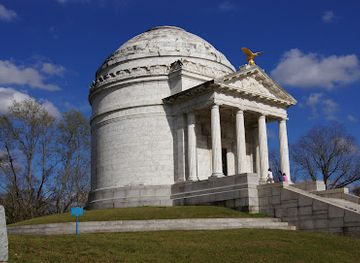
Vicksburg National Military Park
Discover the historical significance and natural beauty of Vicksburg National Military Park, a treasured site of America's Civil War heritage.
-
Science museum
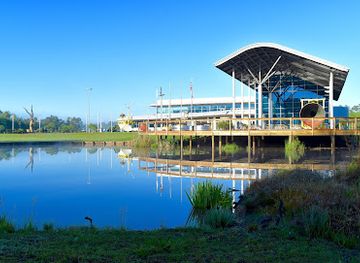
INFINITY Science Center
Uncover the secrets of science and space at INFINITY Science Center, an interactive hub of discovery for visitors of all ages.
-
History museum
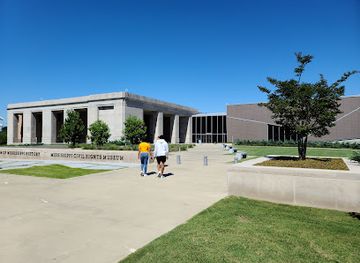
Mississippi Civil Rights Museum
Discover the powerful history of the civil rights movement at the Mississippi Civil Rights Museum, where stories of struggle and triumph come to life.

Best landmarks in South Mississippi
The Biloxi Lighthouse, built in 1848, is one of the Mississippi coast's most recognisable structures and a reminder of the navigation infrastructure required by a shallow, busy shoreline. In Biloxi, Beauvoir preserves the last home of former Confederate president Jefferson Davis and is also significant as a nineteenth-century Gulf Coast estate, though its interpretation belongs within the wider and contested history of the Civil War and its aftermath. The Cathedral of the Nativity of the Blessed Virgin Mary provides an important architectural and religious landmark in the city. Ocean Springs is associated with the Walter Anderson Museum of Art and the surviving traces of the artist's relationship with the coast and its natural forms. The Friendship Oak in Long Beach, a large live oak with a long local history, represents the region's living landscape. Offshore, Fort Massachusetts on Ship Island is a substantial nineteenth-century masonry fort within Gulf Islands National Seashore and can be visited only when transport and conditions allow. In the Pine Belt, Hattiesburg's historic downtown and civil-rights markers, together with surviving railway and timber-era buildings, express the inland side of South Mississippi's history.
-
History museum
Mississippi Armed Forces Museum
Explore Mississippi's military history at Camp Shelby, honoring the state's brave servicemen and women from all branches of the armed forces.
-
Hiking area
Lake Thoreau Environmental Center
Discover hiking, fishing, and natural beauty at USM's Lake Thoreau Environmental Center, a sanctuary for longleaf pine forests and outdoor exploration.


Explore South Mississippi on the map
Plan your trip on one map. See where the top cities, national parks and sights are, and book hotels and experiences in a few clicks.
Best hotels in South Mississippi
Best restaurants in South Mississippi
South Mississippi dining is anchored by the Gulf of Mexico, with shrimp, oysters, blue crab and locally caught fish appearing in casual seafood houses, markets and more polished restaurants. Biloxi and neighbouring coastal towns have long associations with commercial fishing and seafood processing, while menus across the coast also reflect Creole, Cajun, Southern and broader American influences. Fried seafood platters are common, but visitors will also find grilled fish, oyster preparations, gumbo, po'boys and seasonal shellfish. Inland Hattiesburg and the Pine Belt offer a wider mix of Southern cooking, barbecue, international food, cafés and contemporary restaurants, with local produce appearing alongside national culinary styles. Farmers' markets and food shops can be useful for regional fruit, baked goods and prepared foods, while coastal festivals and specialist seafood retailers provide a glimpse of the working food economy. Restaurant availability varies outside the main towns, so rural itineraries benefit from planning meals ahead rather than assuming that every small community has late service.
-
Seafood
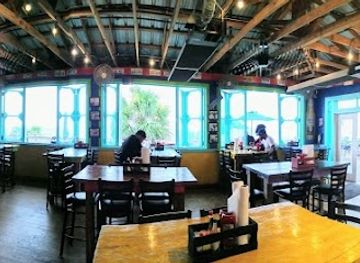
Shaggy's Biloxi Beach
Discover fresh seafood delights at Shaggy's Biloxi Beach, where stunning ocean views meet vibrant coastal cuisine.
-
Restaurant
Shaggy's on the Rez
Experience southern coastal cuisine at Shaggy's on the Rez – where every meal comes with breathtaking views and a vibrant atmosphere.
-
Seafood
The Reef
Experience fresh seafood and breathtaking views at The Reef in Biloxi, where every meal is a celebration of coastal flavors.
-
Seafood
Half Shell Oyster House
Discover the best seafood dining experience at Half Shell Oyster House in Biloxi - fresh oysters and Southern charm await you.

Best bars in South Mississippi
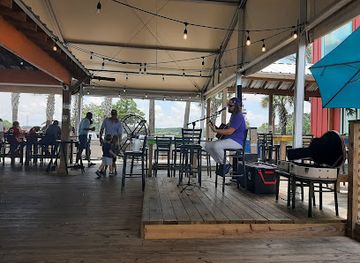
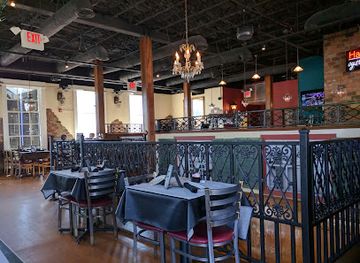
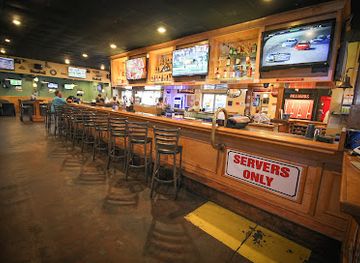
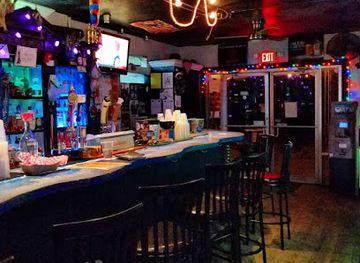
Nightlife in South Mississippi is concentrated in the Gulf Coast towns and Hattiesburg rather than spread evenly across the region. Biloxi and Gulfport offer casino entertainment, hotel bars, restaurants and live performances, while Ocean Springs and Bay St Louis are known for a more compact evening scene of pubs, cocktail bars, casual music venues and restaurants. Hattiesburg's university population supports a broader selection of bars, live music and late-evening food than most smaller Pine Belt communities. Elsewhere, evenings generally centre on neighbourhood pubs, historic inns, seafood restaurants and seasonal waterfront events rather than large nightclubs. Craft breweries and taprooms form part of the contemporary drinking scene, but they are commercial venues rather than a defining regional tradition. Check current arrangements before travelling for a specific performance or late-night venue, particularly outside the main coastal and university towns.
-
Barbecue
Murky Waters BBQ - Gulfport
Discover the authentic taste of Southern barbecue and live blues at Murky Waters BBQ in Gulfport, a culinary haven for food lovers.
-
Grill
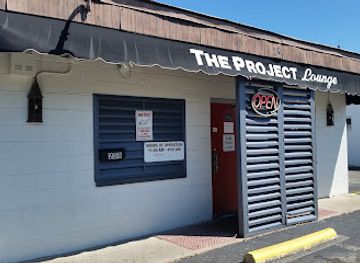
The Project Lounge
Experience the vibrant flavors of Biloxi at The Project Lounge, where delicious grilled dishes and a friendly atmosphere await you.
-
Grill
Susie Cue's
Experience the lively atmosphere of Susie Cue's in Gulfport, MS, where delicious grilled food meets exciting pool hall action.
-
Grill
The Juke Joint
Discover Southern flavors and live music at The Juke Joint in Ocean Springs, a must-visit spot for tourists seeking authentic experiences.

Best nightclubs in South Mississippi
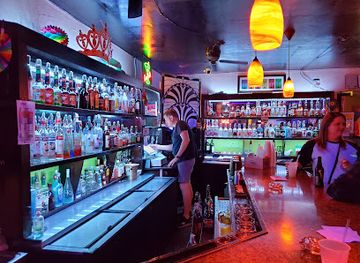
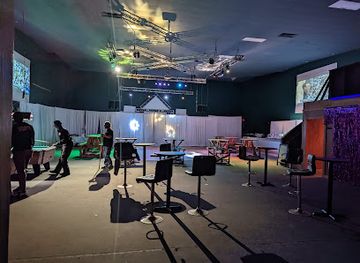
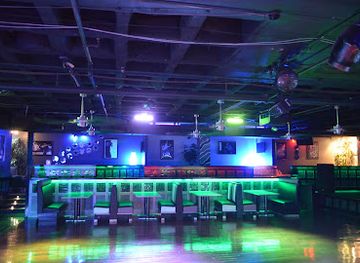
Nightlife in South Mississippi is concentrated in the Gulf Coast towns and Hattiesburg rather than spread evenly across the region. Biloxi and Gulfport offer casino entertainment, hotel bars, restaurants and live performances, while Ocean Springs and Bay St Louis are known for a more compact evening scene of pubs, cocktail bars, casual music venues and restaurants. Hattiesburg's university population supports a broader selection of bars, live music and late-evening food than most smaller Pine Belt communities. Elsewhere, evenings generally centre on neighbourhood pubs, historic inns, seafood restaurants and seasonal waterfront events rather than large nightclubs. Craft breweries and taprooms form part of the contemporary drinking scene, but they are commercial venues rather than a defining regional tradition. Check current arrangements before travelling for a specific performance or late-night venue, particularly outside the main coastal and university towns.
-
Bar
Just Us Lounge
Discover the lively nightlife at Just Us Lounge in Biloxi, where live music, karaoke, and a welcoming atmosphere await you.
-
Night club
HIDEAWAY
Discover Jackson's nightlife at Hideaway, a vibrant club offering electrifying dance experiences and unforgettable events in the heart of Mississippi.
-
Night club
Club Thirty IV
Dive into the energetic nightlife at Club Thirty IV, Gulfport's premier night club, where dancing and fun await every weekend.
-
Night club
Couples
Discover romance and excitement at Jackson's top night club, perfect for couples seeking a vibrant night out filled with music and great vibes.

Best shops in South Mississippi
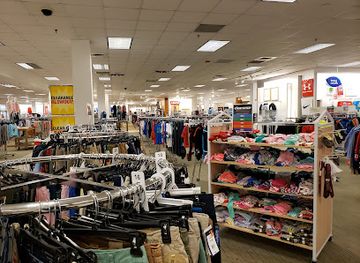
Shopping varies sharply between the Gulf Coast and the Pine Belt. Ocean Springs has independent galleries, studios, gift shops, booksellers and craft-oriented businesses, reflecting its long association with visual art. Bay St Louis and Pass Christian offer walkable historic districts with antiques, furnishings, galleries, clothing and locally made gifts, while Biloxi and Gulfport provide larger retail areas alongside seafood markets and tourist shops. Hattiesburg combines a conventional commercial centre with independent businesses, galleries and locally distinctive food retailers, and Laurel's restored downtown is particularly associated with design, antiques, home furnishings and small creative enterprises. Farmers' markets, when operating, are useful places to look for seasonal produce, baked goods, preserves and prepared foods. Good regional purchases include locally made art, coastal photography, Mississippi food products, books on Gulf history and practical beach goods. Retail opening patterns can be limited in smaller towns, especially on Sundays, so visitors should not expect metropolitan shopping hours throughout the region.
-
Shopping mall
Edgewater Mall
Experience shopping, dining, and entertainment at Edgewater Mall, Biloxi's premier destination for all your retail needs.
-
Outlet mall
Gulfport Premium Outlets
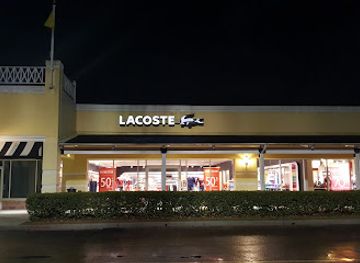
Discover unbeatable deals and a fun shopping atmosphere at Gulfport Premium Outlets in Mississippi.
-
Shopping mall
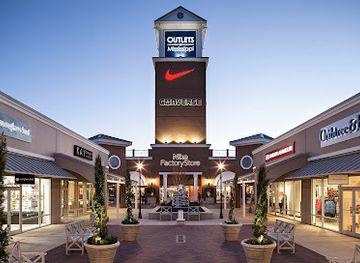
Outlets of Mississippi
Explore incredible savings and a variety of brand-name outlets at the Outlets of Mississippi, a shopping haven for every fashion enthusiast.
-
Gift shop
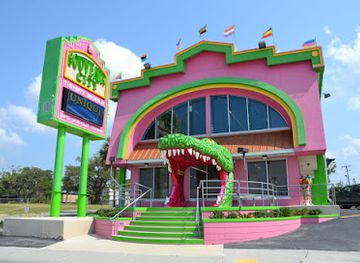
Souvenir City
Discover unique souvenirs and coastal treasures at Souvenir City, the ultimate gift shop in Biloxi, Mississippi.
Get your free copy of our complete guide to South Mississippi, delivered straight to you.
Everything on this page, from attractions and restaurants to essentials and local phrases, in one PDF you can read offline, print or share.
Already have an account? Sign in
Your South Mississippi guide is ready.
We'll send it to · Not you? Sign out

Getting your guide ready…
We are putting together a fresh copy of the South Mississippi guide. This can take up to a minute.
This can take a few moments. If your browser asks, choose Allow so the download can start. You'll find the guide in your Downloads folder.
Nothing happened? Download it again
Sorry, the guide is taking longer than usual. Please try again in a minute, or get it by email instead.
South Mississippi essentials
Currency and Payment
Safety
Emergency Situations
Do's and Don'ts
Local Tips
From Eve
Local phrases worth knowing
You don't need to get them perfect. A few words go a long way, and locals appreciate the effort.
Basics
| English | Local | Say it |
|---|---|---|
| Hello | Hey | [Hey] |
| Goodbye | See ya | [See ya] |
| Yes | Uh-huh | [Uh-huh] |
| No | Nope | [Nope] |
| Please/You're welcome | No problem | [No problem] |
| Thank you | Thanks | [Thanks] |
| Excuse me/Sorry | Sorry 'bout that | [Sorry 'bout that] |
| How are you? | How ya doin'? | [How ya doin'?] |
| Fine. And you? | Good. You? | [Good. You?] |
| Do you speak English? | You speakin' English? | [You speakin' English?] |
| I don't understand | I ain't followin' | [I ain't followin'] |
Eating & Drinking
| English | Local | Say it |
|---|---|---|
| I'd like to see the menu, please | Can I see the menu? | [Can I see the menu?] |
| I don't eat meat | I don't do meat | [I don't do meat] |
| Cheers! | Cheers! | [Cheers!] |
| I would like to pay, please | Can I get the check? | [Can I get the check?] |
Emergencies
| English | Local | Say it |
|---|---|---|
| Help! | Help! | [Help!] |
| Go away! | Leave me alone! | [Leave me alone!] |
| Call the Police! | Call 911! | [Call 911!] |
| Call a doctor! | Get a doctor! | [Get a doctor!] |
| I'm lost | I’m turned around | [I’m turned around] |
| I'm ill | I ain't feelin' good | [I ain't feelin' good] |
Shopping
| English | Local | Say it |
|---|---|---|
| I'd like to buy... | I wanna buy... | [I wanna buy...] |
| I'm just looking | Just lookin' | [Just lookin'] |
| How much is it? | What’s the price? | [What’s the price?] |
| That's too expensive | That’s too high | [That’s too high] |
| Can you lower the price? | Can ya bring it down? | [Can ya bring it down?] |
Time & Numbers
| English | Local | Say it |
|---|---|---|
| What time is it? | What time ya got? | [What time ya got?] |
| It's one o'clock | It’s one | [It’s one] |
| Half past (10) | Half past ten | [Half past ten] |
| Morning | Mornin' | [Mornin'] |
| Afternoon | Afternoon | [Afternoon] |
| Evening | Evenin' | [Evenin'] |
| Yesterday | Yesterday | [Yesterday] |
| Today | Today | [Today] |
| Tomorrow | Tomorrow | [Tomorrow] |
| 1 | One | [One] |
| 2 | Two | [Two] |
| 3 | Three | [Three] |
| 4 | Four | [Four] |
| 5 | Five | [Five] |
| 6 | Six | [Six] |
| 7 | Seven | [Seven] |
| 8 | Eight | [Eight] |
| 9 | Nine | [Nine] |
| 10 | Ten | [Ten] |
Transport & Directions
| English | Local | Say it |
|---|---|---|
| Where's a/the...? | Where’s a...? | [Where’s a...?] |
| What's the address? | What’s the address? | [What’s the address?] |
| Can you show me (on the map)? | Can you point it out? | [Can you point it out?] |
| When's the next (bus)? | When’s the next bus? | [When’s the next bus?] |
| A ticket (to ....) | A ticket to... | [A ticket to...] |
History of South Mississippi
Indigenous Peoples and Coastal Exchange
Long before European settlement, the Gulf Coast and Pine Belt were inhabited and used by Indigenous peoples, including communities associated with the Choctaw and Biloxi traditions. Rivers, bays, forests and seasonal food resources supported travel and exchange across what is now southern Mississippi. Shell middens, archaeological evidence and surviving place names reflect a much older human presence than the colonial towns visible today. European arrival did not replace this history; it introduced new political control, disease, trade relationships and land pressures that reshaped Indigenous life across the region.
French and Spanish Colonial Coast
The Mississippi Gulf Coast became part of competing French and Spanish colonial worlds during the eighteenth century. Biloxi was established as an early French colonial settlement in 1699, and the coast served as a strategic base connected to the wider Gulf of Mexico and lower Mississippi Valley. Control later passed to Britain, Spain and the United States through changing imperial arrangements. The region's coastal geography, place names and Catholic heritage retain traces of these layered colonial influences, although later American expansion transformed its political and economic character.
Settlement, Slavery and the Civil War
During the nineteenth century, American settlement expanded through the southern counties, bringing plantations, farms, timber operations and port activity. Enslaved African Americans formed a central part of the region's agricultural and domestic economy, while free and enslaved Black communities helped shape its cultural life. The Civil War disrupted coastal trade and inland communities, and the conflict and Reconstruction left lasting political and social consequences. Historic churches, cemeteries, town plans and family histories provide some of the clearest surviving evidence of this period.
Railways, Timber and the Pine Belt Economy
Rail connections helped transform inland South Mississippi during the late nineteenth and early twentieth centuries. Hattiesburg grew at a strategic meeting point of railway lines and became a major centre for the timber trade, while sawmills and related businesses operated across the Pine Belt. Extensive longleaf-pine forests were heavily harvested, altering the landscape and supporting rapid commercial growth before the industry declined or changed form. Modern trails, museums, restored downtowns and managed forests reveal different aspects of this lumber-era legacy.
Ports, Seafood and Industrial Development
The coast developed around fishing, shrimping, oyster harvesting, shipbuilding and port commerce. Biloxi became strongly associated with seafood processing and commercial fishing, while Pascagoula developed major shipbuilding and industrial facilities. These activities brought employment and migration and connected coastal Mississippi to national and international markets. The working waterfront remains important even where tourism has expanded, and maritime museums, seafood businesses and port landscapes help explain why the coast cannot be understood solely as a beach resort.
Civil Rights in the Pine Belt
South Mississippi was an important setting for the civil-rights movement. In Hattiesburg, activists and local residents challenged voter-registration barriers and segregation during the early 1960s, including the 1964 Freedom Summer campaign and the Mississippi Freedom Democratic Party's challenge to political exclusion. These efforts involved considerable personal risk and resistance, but they helped expose discriminatory systems nationally and contributed to later federal protections. Civil-rights markers, museums, oral histories and historic sites in the Pine Belt preserve a regional story that is central to understanding modern Mississippi.
Hurricanes and Coastal Reconstruction
The low-lying Gulf Coast has repeatedly been reshaped by hurricanes, storm surge and flooding. Hurricane Camille in 1969 and Hurricane Katrina in 2005 caused particularly severe destruction, affecting homes, businesses, churches, wetlands, transport and historic buildings. Reconstruction changed sections of the coastline while also renewing attention to resilient design, evacuation planning and the protection of natural barriers. The region's present-day appearance is therefore partly a record of rebuilding, with surviving structures and memorials standing alongside newer development.
South Mississippi in Photos
Browse through our photo collection highlighting the charm and character of the destination.
Neighbouring regions of South Mississippi
The closest regions to South Mississippi, if you have time for more than one.
-

-

-

-

-


Swipe for more regions
Explore more

Explore more of Mississippi
Discover Mississippi: A treasure trove of Southern culture, blues music heritage, and stunning natural landscapes perfect for every kind of traveler.
Explore Mississippi