

Ross Barnett Reservoir Travel Guide - Free Web & App
Your ultimate guide to Ross Barnett Reservoir. Discover top landmarks, proposed trips, and local tips. Free on the web or via the Evendo companion app.


Ross Barnett Reservoir in Mississippi combines boating, fishing, wildlife, shoreline parks and easy access to Jackson, Ridgeland and the Natchez Trace.
Water, Woodland and Open Skies
Ross Barnett Reservoir stretches across the Pearl River north-east of Jackson, forming a broad freshwater landscape shared by Madison and Rankin counties. Created as a working reservoir rather than a natural lake, it has become one of central Mississippi’s principal settings for boating, fishing, paddling, birdwatching and waterside recreation. Its extensive shoreline shifts between open water, wooded edges, coves, islands and marshy margins, while the Pearl River Spillway marks the southern end of the impoundment.Read more about Ross Barnett Reservoir
Exploring the Reservoir
A Gateway to Central Mississippi
When is the best time to visit Ross Barnett Reservoir?
Best: April–May, October · 24–28°C| Month | High (°C) | Rainfall (mm) |
|---|---|---|
| January | 14 | 112 |
| February | 16 | 105 |
| March | 20 | 128 |
| April (best) | 24 | 117 |
| May (best) | 28 | 121 |
| June | 32 | 116 |
| July | 34 | 134 |
| August | 33 | 123 |
| September | 30 | 108 |
| October (best) | 25 | 94 |
| November | 18 | 124 |
| December | 14 | 120 |
Getting to and around Ross Barnett Reservoir
How to get there
Transportation
Best attractions in Ross Barnett Reservoir
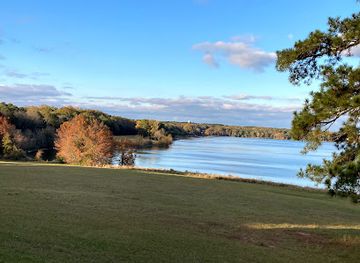
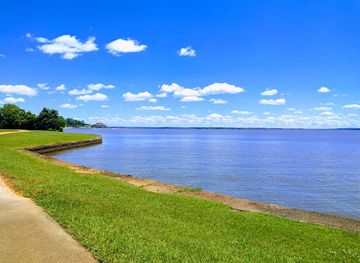
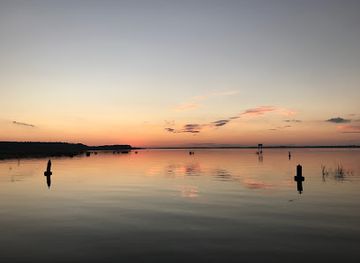
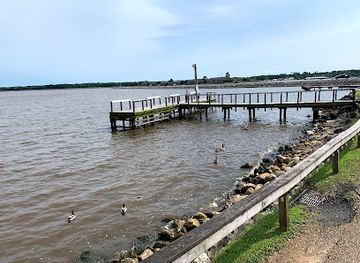
Ross Barnett Reservoir’s principal attraction is the broad Pearl River impoundment itself, where boating, fishing, kayaking and wildlife observation take place against a changing shoreline of coves, wooded margins and open water. Old Trace Park on the western side provides a popular waterside setting near Ridgeland, with opportunities for picnicking, launching and viewing the lake, while other public parks and access points reveal different sections of the reservoir. The Pearl River Spillway at the southern end is an important water-management feature and a recognised fishing and viewing area, although visitors should remain within permitted zones. The reservoir’s northern reaches feel more spacious and less urban, while the southern shore lies close to Jackson and Flowood. The neighbouring Natchez Trace Parkway, which follows a historic corridor through Mississippi, is not part of the reservoir but makes a natural companion excursion, as do the restaurants, parks and cultural attractions of Ridgeland, Madison and Jackson.
-
Scenic spot
Reservoir Overlook
Discover the serene beauty of Reservoir Overlook, a scenic gem along the Natchez Trace Parkway, perfect for nature lovers and photographers.
-
Lodge
McClain Resort
Experience the perfect blend of luxury, adventure, and culinary delights at McClain Resort in Brandon, Mississippi, a unique destination for all travelers.
-
Tourist attraction
Winners Circle Park
Explore Winners Circle Park in Flowood, Mississippi - a beautiful retreat featuring lush green spaces, walking trails, and community events for all ages.
-
Tourist attraction
Old Trace Park
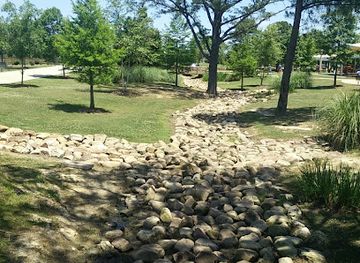
Explore Old Trace Park in Ridgeland, Mississippi: A scenic retreat with walking trails, picnic areas, and Frisbee golf for outdoor enthusiasts.
Best landmarks in Ross Barnett Reservoir
The most important landmark is the reservoir itself, an extensive artificial lake created on the Pearl River and now closely linked with the water supply and recreational identity of central Mississippi. The dam and Pearl River Spillway at its southern end are significant pieces of regional water infrastructure, where the engineered edge of the impoundment meets the continuing river system; safety barriers and restricted areas should be respected. Old Trace Park is a recognised public-facing point on the western shore, offering a clear relationship between the lake, the surrounding metropolitan landscape and the nearby Natchez Trace corridor. The Natchez Trace Parkway is a separate historic landmark rather than part of Ross Barnett Reservoir, but its proximity adds depth to the area’s interpretation of travel, settlement and landscape. Wooded coves, open water and changing shorelines are themselves defining natural features.
-
Lake
Ross R Barnett Reservoir
Explore the scenic beauty and recreational wonders of the Ross R Barnett Reservoir in Mississippi, a perfect getaway for nature lovers and outdoor enthusiasts.
Explore Ross Barnett Reservoir on the map
Plan your trip on one map. See where the top attractions, landmarks, restaurants and hotels are, and book hotels and experiences in a few clicks.
Best hotels in Ross Barnett Reservoir
Best restaurants in Ross Barnett Reservoir
Ross Barnett Reservoir itself has a dispersed dining scene, so most substantial meals are found in the surrounding communities rather than beside every access point. Ridgeland, Madison, Flowood and Jackson provide the broadest choice, from casual cafés and family restaurants to Mississippi-style barbecue, Southern comfort food, seafood and contemporary dining. The region’s culinary identity reflects the state’s combination of river and agricultural landscapes, with catfish, seasonal produce, cornbread, greens and other Southern staples appearing in local cooking, though menus vary by establishment. Visitors spending a day on the water should plan provisions in advance, particularly when using a less developed shoreline. Village-style restaurants, takeaway outlets, supermarkets and food shops around the reservoir’s gateway communities are often more practical than expecting a full-service restaurant at a park or boat ramp.
-
Seafood
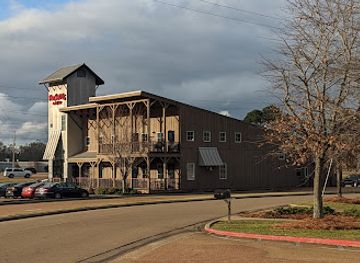
Cock of the Walk
Experience Southern hospitality at Cock of the Walk in Ridgeland, MS - where fresh seafood meets vibrant atmosphere.
-
Seafood
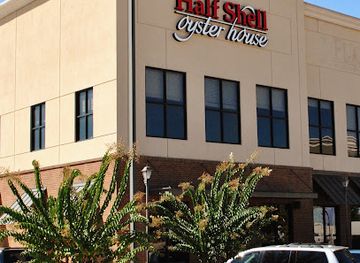
Half Shell Oyster House
Discover Half Shell Oyster House in Flowood: A must-visit destination for seafood lovers craving fresh oysters and Southern hospitality.
-
Fast Food
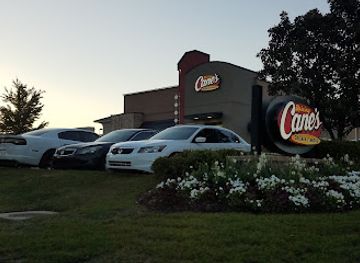
Raising Cane's Chicken Fingers
Savor the taste of Southern comfort food at Raising Cane's Chicken Fingers in Ridgeland – where every bite is finger-licking good!
-
American
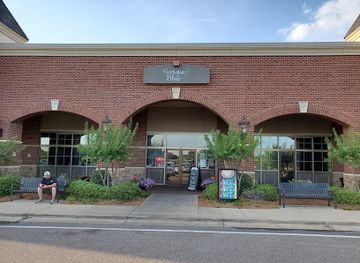
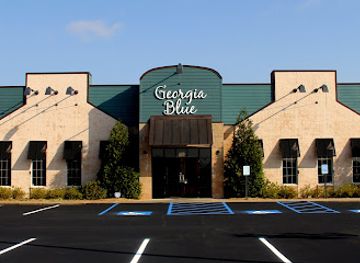
Georgia Blue
Discover the heart of Southern cuisine at Georgia Blue - a vibrant American restaurant serving delicious comfort food in Madison.
Best bars in Ross Barnett Reservoir
Evenings around Ross Barnett Reservoir are generally relaxed rather than centred on a dedicated nightlife district. Restaurants, pubs and casual bars in Ridgeland, Madison, Flowood and Jackson provide the main opportunities for a drink or late meal, while waterfront areas are more associated with fishing, boating, sunsets and quiet time outdoors than with nightclubs. The Jackson metropolitan area offers a wider choice of live music, bars and evening entertainment, but those venues are outside the reservoir landscape and require a drive. In smaller shoreline communities, hospitality can be seasonal or limited, so visitors should not assume that a park, marina or boat ramp has evening facilities. Local event calendars may include community gatherings or outdoor programmes, although their timing and availability change.
-
Bar
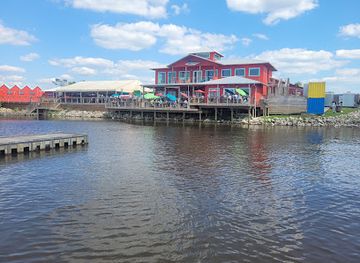
Shaggy's on the Rez
Experience a delightful fusion of food, drinks, and stunning lakeside views at Shaggy's on the Rez in Brandon, Mississippi.
-
Seafood
Cock of the Walk
Discover the flavors of the South at Cock of the Walk - a seafood haven in Ridgeland, Mississippi, where every meal is a celebration.
-
Family-friendly
Mugshots Grill and Bar - Flowood, MS
Experience delicious American cuisine in a vibrant, family-friendly atmosphere at Mugshots Grill and Bar in Flowood, MS.
-
American
Georgia Blue
Indulge in the rich flavors of Southern cuisine at Georgia Blue, where American classics meet a vibrant atmosphere in Flowood, Mississippi.
Best nightclubs in Ross Barnett Reservoir
Evenings around Ross Barnett Reservoir are generally relaxed rather than centred on a dedicated nightlife district. Restaurants, pubs and casual bars in Ridgeland, Madison, Flowood and Jackson provide the main opportunities for a drink or late meal, while waterfront areas are more associated with fishing, boating, sunsets and quiet time outdoors than with nightclubs. The Jackson metropolitan area offers a wider choice of live music, bars and evening entertainment, but those venues are outside the reservoir landscape and require a drive. In smaller shoreline communities, hospitality can be seasonal or limited, so visitors should not assume that a park, marina or boat ramp has evening facilities. Local event calendars may include community gatherings or outdoor programmes, although their timing and availability change.
-
Night club
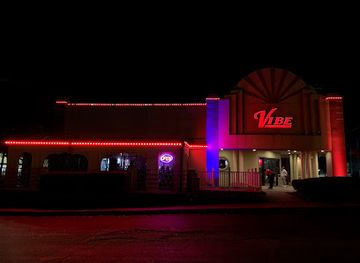
VIBE
Discover the electrifying nightlife at VIBE in Jackson, Mississippi, where music meets sports and unforgettable memories are made.
-
Night club
HIDEAWAY
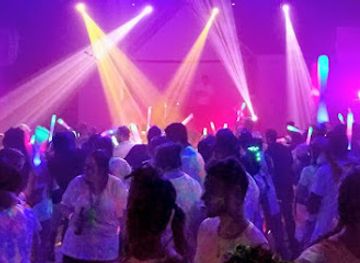
Experience the vibrant nightlife at Hideaway, Jackson’s premier night club and bar, featuring electrifying music, dance, and unforgettable events.
Best shops in Ross Barnett Reservoir
Shopping is concentrated in Ridgeland, Madison, Flowood and Jackson rather than at the reservoir’s more natural shoreline areas. Visitors can find supermarkets, outdoor and fishing supplies, cafés, independent businesses and larger retail centres in these gateway communities, making them useful places to obtain food, fuel, boating necessities and weather-appropriate clothing. Regional products may include Mississippi-made foods, crafts, artwork and locally produced gifts, while Jackson and the surrounding suburbs offer the widest selection of specialist and everyday retail. Small facilities near parks or ramps should not be assumed to provide extensive supplies, and a fishing or boating outing is best provisioned before leaving the main commercial areas. The shopping experience reflects the reservoir’s metropolitan setting: practical outdoor retail and everyday services are more prominent than a concentrated traditional market or historic shopping quarter.
-
Hardware store
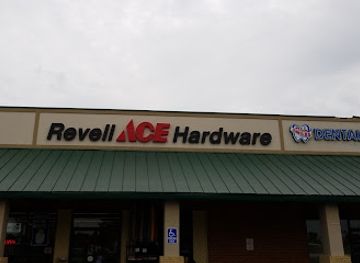
Revell Ace Hardware - Reservoir
Discover everything you need for your home improvement projects at Revell Ace Hardware - a local favorite in Brandon, Mississippi.
-
Bait shop
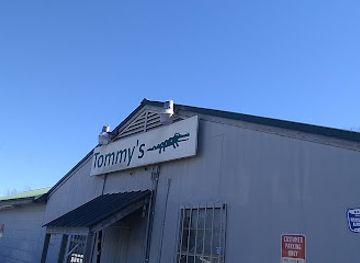
Tommy's Trading Post
Experience the heart of Mississippi's fishing culture at Tommy's Trading Post, your one-stop shop for all fishing gear and live bait.
-
Dollar store
Dollar General
Discover incredible deals at Dollar General in Brandon, MS, your one-stop shop for budget-friendly groceries, beauty supplies, and seasonal goods.
-
Gift shop
Oleta's Gifts Greeks & Baskets
Discover unique gifts and local crafts at Oleta's Gifts, a charming gift shop in Ridgeland, Mississippi, perfect for memorable souvenirs.
Get your free copy of our complete guide to Ross Barnett Reservoir, delivered straight to you.
Everything on this page, from attractions and restaurants to essentials and local phrases, in one PDF you can read offline, print or share.
Already have an account? Sign in
Your Ross Barnett Reservoir guide is ready.
We'll send it to · Not you? Sign out

Getting your guide ready…
We are putting together a fresh copy of the Ross Barnett Reservoir guide. This can take up to a minute.
This can take a few moments. If your browser asks, choose Allow so the download can start. You'll find the guide in your Downloads folder.
Nothing happened? Download it again
Sorry, the guide is taking longer than usual. Please try again in a minute, or get it by email instead.
Ross Barnett Reservoir essentials
Currency and Payment
Safety
Emergency Situations
Do's and Don'ts
Local Tips
From Eve
Local phrases worth knowing
You don't need to get them perfect. A few words go a long way, and locals appreciate the effort.
Basics
| English | Local | Say it |
|---|---|---|
| Hello | Howdy | [h-ow-dee] |
| Goodbye | See ya | [see yah] |
| Yes | Yep | [yep] |
| No | Nah | [nah] |
| Please/You're welcome | Please/No problem | [pleez / no problem] |
| Thank you | Thanks | [thanks] |
| Excuse me/Sorry | Pardon me/My bad | [par-dun me / my bad] |
| How are you? | How y'all doin'? | [how yawl doin] |
| Fine. And you? | Fine. How 'bout you? | [fine. how bout yah] |
| Do you speak English? | Y'all speak English? | [yawl speak english] |
| I don't understand | I ain't catchin' on | [I aint catchin on] |
Eating & Drinking
| English | Local | Say it |
|---|---|---|
| I'd like to see the menu, please | Could I check out the menu, please | [could I check out the menu please] |
| I don't eat meat | I don't do meat | [I don't do meat] |
| Cheers! | Cheers! | [cheers] |
| I would like to pay, please | I need to settle up, please | [I need to settle up please] |
Emergencies
| English | Local | Say it |
|---|---|---|
| Help! | Help! | [help] |
| Go away! | Git! | [git] |
| Call the Police! | Ring the Law! | [ring the law] |
| Call a doctor! | Fetch a doc! | [fetch a doc] |
| I'm lost | I'm turned around | [I'm turned around] |
| I'm ill | I'm feelin' poorly | [I'm feelin poorly] |
Shopping
| English | Local | Say it |
|---|---|---|
| I'd like to buy... | I'm fixin' to purchase... | [I'm fixin to purchase] |
| I'm just looking | I'm just browsin' | [I'm just browsin] |
| How much is it? | How much does that run? | [how much does that run] |
| That's too expensive | That's a bit steep | [that's a bit steep] |
| Can you lower the price? | Can you do me a deal? | [can you do me a deal] |
Time & Numbers
| English | Local | Say it |
|---|---|---|
| What time is it? | What's the time? | [whats the time] |
| It's one o'clock | It's one | [It's one] |
| Half past (10) | Ten-thirty | [ten-thur-tee] |
| Morning | Mornin' | [mornin] |
| Afternoon | Afternoon | [afternoon] |
| Evening | Evenin' | [evenin] |
| Yesterday | Yest'day | [yest-day] |
| Today | Today | [today] |
| Tomorrow | Tomorrah | [tomorrah] |
| 1 | One | [wun] |
| 2 | Two | [too] |
| 3 | Three | [three] |
| 4 | Four | [four] |
| 5 | Five | [five] |
| 6 | Six | [six] |
| 7 | Seven | [seven] |
| 8 | Eight | [eight] |
| 9 | Nine | [nine] |
| 10 | Ten | [ten] |
Transport & Directions
| English | Local | Say it |
|---|---|---|
| Where's a/the...? | Where's the...? | [wheres the] |
| What's the address? | What's the address? | [whats the address] |
| Can you show me (on the map)? | Can you point it out (on the map)? | [can you point it out on the map] |
| When's the next (bus)? | When's the next (bus)? | [whens the next bus] |
| A ticket (to ....) | A ticket (to ....) | [a ticket to] |
History of Ross Barnett Reservoir
The Pearl River Landscape
Before the modern reservoir existed, the Pearl River shaped a low, seasonally variable landscape of wooded floodplain, wetlands and river channels across central Mississippi. The river was part of the wider environment used and travelled through by Indigenous peoples long before the arrival of European-American settlement. Its flood-prone character later influenced the development of Jackson and surrounding communities, making water management an important regional concern. The river remains the reservoir’s defining physical feature, entering and leaving the impoundment while continuing downstream towards the Gulf Coast.
Creation of the Reservoir
Ross Barnett Reservoir was created in the 1960s through the construction of a dam on the Pearl River by the Pearl River Valley Water Supply District. The project was intended to support a dependable municipal water supply for the Jackson metropolitan area, while also helping manage regional water resources. The resulting impoundment transformed the former river corridor into a large artificial lake, altering local habitats, transport patterns and land use. Its name honours Ross Barnett, who served as governor of Mississippi from 1960 to 1964.
Water Supply and Regional Growth
As Jackson and neighbouring communities expanded, the reservoir became increasingly important to central Mississippi’s public infrastructure. Its role is broader than recreation: the Pearl River Valley Water Supply District manages the water resource for public use, while the surrounding shoreline has accommodated roads, parks, residential development and commercial growth. Communities such as Ridgeland, Madison and Flowood developed stronger connections with the reservoir as the metropolitan area spread around it. The contrast between engineered water management and continuing wetland and woodland processes remains central to the area’s character.
Recreation and Conservation
Boating, sport fishing, picnicking and other outdoor activities grew alongside the reservoir’s practical functions, making it a familiar recreational landscape for residents of the Jackson area. Fishing tournaments and informal angling have helped establish its reputation as a major freshwater destination, while shoreline parks provide public access to parts of an otherwise extensive and developed perimeter. Today, management must balance water supply, flood considerations, recreation, shoreline development and habitat protection. Visitors encounter a working reservoir whose public value depends on responsible use as well as scenic enjoyment.
Ross Barnett Reservoir in Photos
Browse through our photo collection highlighting the charm and character of the destination.
Neighbouring destination travel guides
The closest destinations to Ross Barnett Reservoir, if you have time for more than one.
-

-

-
-

-


Swipe for more destinations
Explore more

Explore more of The Jackson Prairie
Explore the Jackson Prairie in Mississippi for pine forests, fertile farmland, small-town heritage, state-park recreation and quiet rural roads.
Explore The Jackson Prairie
Explore more of Mississippi
Discover Mississippi: A treasure trove of Southern culture, blues music heritage, and stunning natural landscapes perfect for every kind of traveler.
Explore Mississippi