

Free Greenwood Travel Guide & Mobile App
Plan your Greenwood trip with Evendo. Get free guides to top attractions, restaurants, hotels, and bars. Web access or download the mobile app.


Greenwood, Mississippi blends Delta blues, cotton history, civil rights stories, river landscapes and acclaimed Southern food in a walkable historic centre.
A Mississippi Delta Town
Greenwood lies in the heart of the Mississippi Delta, where the Yazoo and Tallahatchie rivers meet amid wide, intensely cultivated cotton fields. Its identity is shaped by the geography of water and soil: river commerce, agricultural wealth, flood control and the long cultural history of African American communities all remain visible in the city’s streets and institutions. The historic centre is compact enough to explore on foot, with early twentieth-century commercial buildings, locally owned businesses and public spaces gathered around Howard Street.Read more about Greenwood
History, Music and Food
Exploring the City
When is the best time to visit Greenwood?
Best: April–May, October · 24–29°C| Month | High (°C) | Rainfall (mm) |
|---|---|---|
| January | 13 | 102 |
| February | 15 | 97 |
| March | 20 | 114 |
| April (best) | 24 | 109 |
| May (best) | 29 | 119 |
| June | 32 | 94 |
| July | 34 | 109 |
| August | 33 | 109 |
| September | 30 | 109 |
| October (best) | 25 | 89 |
| November | 18 | 104 |
| December | 14 | 112 |
Getting to and around Greenwood
How to get there
Transportation
Best attractions in Greenwood
Greenwood’s principal attractions are concentrated around its history, music and relationship with the Mississippi Delta. The Museum of Mississippi Delta presents regional archaeology, natural history, agriculture and cultural life, providing context for the landscapes outside town. At the Blues Heritage Museum and Gallery, displays and music history connect Greenwood with the African American artists and traditions that shaped Delta blues. Downtown Greenwood rewards a slow walk through historic commercial blocks, where restored façades, independent businesses and public art reveal the city’s changing fortunes. The Viking Cooking School and the Alluvian offer a different perspective, interpreting Southern ingredients and culinary technique through demonstrations and hands-on learning. Visitors interested in civil rights history can explore Greenwood’s role in voter-registration campaigns and seek local interpretation of the people and places involved. Beyond the centre, levees, farm roads and river country show the scale of the Delta, though these are working landscapes rather than conventional landscaped attractions.
-
Book store
Turnrow Books
Experience the literary charm of Turnrow Books, a unique book store in Greenwood, Mississippi, offering a diverse collection and community events.
6 min walk · 0.4 km from city centre
-
Tourist attraction
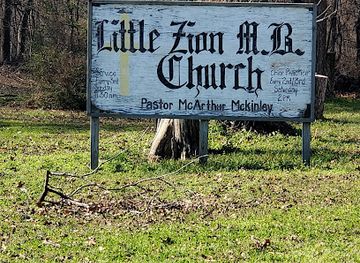
Mississippi Blues Trail – Robert Johnson Gravesite
Explore the Robert Johnson Gravesite, a pivotal landmark in the Mississippi Blues Trail celebrating the legendary musician's extraordinary legacy.
19 min drive · 6.3 km from city centre
-
Tourist attraction
Museum of the Mississippi Delta
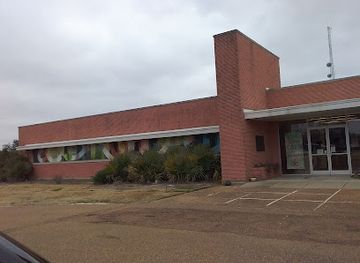
Discover the essence of Mississippi culture and history at the Museum of the Mississippi Delta, a captivating destination for all visitors.
9 min drive · 3.2 km from city centre
-
Culinary school
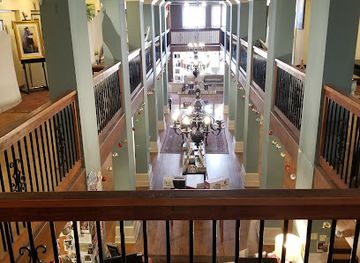
Viking Cooking School
Discover the joy of cooking at Viking Cooking School in Greenwood, Mississippi, where culinary skills meet Southern charm in an unforgettable experience.
4 min walk · 0.4 km from city centre
Best landmarks in Greenwood
Greenwood’s landmarks express the city’s connections with cotton commerce, civic government and the cultural history of the Delta. The Leflore County Courthouse represents the administrative importance Greenwood acquired as the surrounding agricultural region developed, while the historic downtown commercial buildings around Howard Street preserve the scale and architectural language of its early twentieth-century trading centre. The Yazoo and Tallahatchie rivers are geographical landmarks as well as working waterways, explaining the city’s location and its long relationship with transport, flooding and agriculture. The Museum of Mississippi Delta and the Blues Heritage Museum and Gallery function as cultural landmarks, preserving stories that are not fully conveyed by architecture alone. The Alluvian and Viking Cooking School reflect a more recent phase of downtown renewal, linking Greenwood’s public identity with Southern food, hospitality and the reinterpretation of historic Delta culture.
-
Restaurant
Drake's BBQ
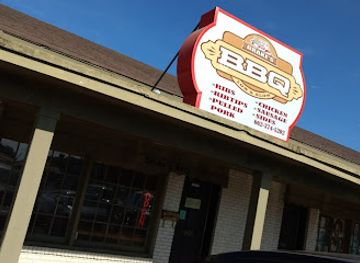
Authentic Delta barbecue in Greenwood, MS, featuring slow-smoked meats, homemade sides, and a welcoming Southern atmosphere. A must-try!
7 min drive · 2.3 km from city centre
-
Mexican
No Way Jose
Experience the vibrant flavors of Tex-Mex cuisine at No Way Jose in Greenwood, MS, where fresh ingredients meet a welcoming atmosphere.
7 min drive · 2.3 km from city centre
-
Shopping mall
Greenwood Mall Shopping Center
Your go-to destination for shopping, dining, and community connections in the heart of Greenwood, Mississippi.
7 min drive · 2.4 km from city centre
-
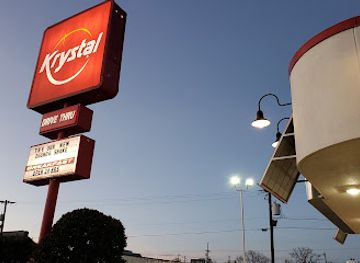
Fast Food
Krystal
Greenwood's go-to for classic Krystals, crispy fries, and quick, convenient meals on the go.
7 min drive · 2.2 km from city centre
Explore Greenwood on the map
Plan your Greenwood trip on one map. See where the top attractions, landmarks, restaurants, bars and hotels are, find what's near where you're staying, and book hotels and experiences in a few clicks.
Best hotels in Greenwood
Best restaurants in Greenwood
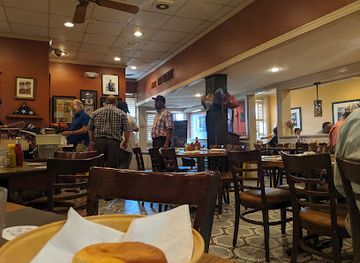
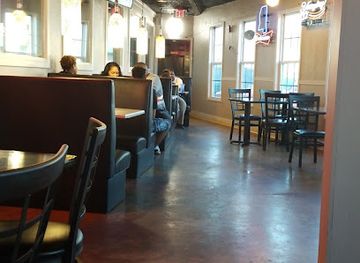
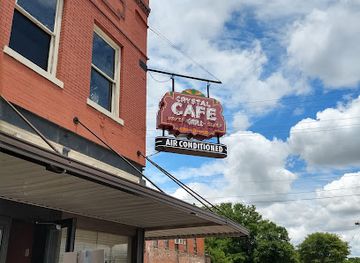
Greenwood’s dining identity is rooted in Delta and wider Mississippi cooking, where African American culinary traditions, agricultural abundance and Southern hospitality meet. Menus commonly draw on catfish, fried chicken, barbecue, greens, cornbread, rice, seasonal vegetables and rich sauces, while locally known institutions such as the Crystal Grill represent the city’s long-running restaurant culture. The downtown area offers the most concentrated choice of sit-down dining, cafés and places associated with the culinary revival around the Alluvian and Viking Cooking School. Food is also part of the city’s history: cotton wealth, river trade, Black domestic and entrepreneurial traditions, and the availability of farm produce all shaped what people cooked and sold. Visitors should expect a mixture of classic comfort food and more polished Southern cuisine rather than a single defined local dish, with menus and opening arrangements varying between establishments.
-
American
The Crystal Grill
Discover The Crystal Grill in Greenwood: A celebrated American restaurant offering grilled delights and warm hospitality.
4 min walk · 0.3 km from city centre
-
Restaurant
Drake's BBQ
Experience authentic Southern barbecue at Drake's BBQ in Greenwood - where every bite tells a story.
7 min drive · 2.3 km from city centre
-
Fast Food
McDonald's
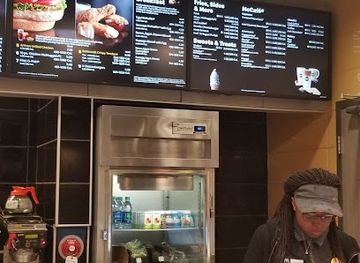
Experience classic fast food at McDonald's in Greenwood – perfect for travelers craving comfort meals any time of day.
6 min drive · 2.0 km from city centre
-
Mexican
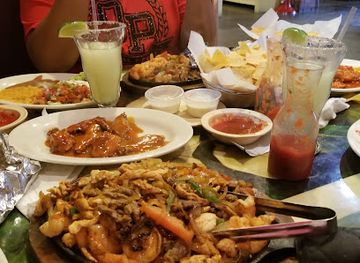
No Way Jose
Experience authentic Mexican flavors at No Way Jose in Greenwood – where vibrant dishes meet warm hospitality.
7 min drive · 2.3 km from city centre
Best bars in Greenwood
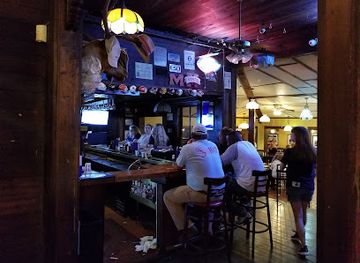
Greenwood’s evening life is modest and social rather than built around a large nightclub district. Downtown restaurants and bars provide the main settings for drinks after dinner, conversation and occasional live entertainment, while blues remains the most culturally distinctive way to understand the city after dark. Music events, seasonal festivals and performances connected with the wider Delta may take place in changing venues, so current local listings are more reliable than assuming a fixed concert schedule. The city’s historic centre can feel quiet on weeknights, with activity concentrated around dining and community events rather than late-night clubbing. Visitors should respect local licensing rules and remember that venues may have limited hours or programmes, particularly outside major festivals. Evening drives beyond Greenwood require care on dark rural roads, where distances and services can be considerable.
-
American
The Crystal Grill
Experience the heart of Southern hospitality at The Crystal Grill, where mouthwatering American cuisine meets a warm and inviting atmosphere.
4 min walk · 0.3 km from city centre
-
Fast Food
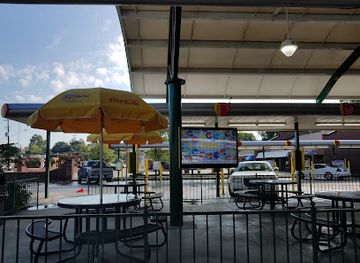
Sonic Drive-In
Experience classic American fast food at Sonic Drive-In in Greenwood, Mississippi, serving delicious burgers, shakes, and more in a nostalgic drive-in style.
6 min drive · 2.1 km from city centre
-
Mexican
Los Cabritos Mexican Grill
Experience authentic Mexican dining at Los Cabritos Mexican Grill in Greenwood, MS, where vibrant flavors and a lively atmosphere await.
7 min drive · 2.5 km from city centre
-
American
Webster's
Experience the vibrant culinary scene of Greenwood, Mississippi, at Webster's, where classic American dishes and Southern hospitality await.
13 min walk · 1.0 km from city centre
Best nightclubs in Greenwood
Greenwood’s evening life is modest and social rather than built around a large nightclub district. Downtown restaurants and bars provide the main settings for drinks after dinner, conversation and occasional live entertainment, while blues remains the most culturally distinctive way to understand the city after dark. Music events, seasonal festivals and performances connected with the wider Delta may take place in changing venues, so current local listings are more reliable than assuming a fixed concert schedule. The city’s historic centre can feel quiet on weeknights, with activity concentrated around dining and community events rather than late-night clubbing. Visitors should respect local licensing rules and remember that venues may have limited hours or programmes, particularly outside major festivals. Evening drives beyond Greenwood require care on dark rural roads, where distances and services can be considerable.
-
Night club
Orlando Club
Dive into the lively nightlife at Orlando Club, Greenwood's ultimate destination for music, dancing, and unforgettable memories.
8 min walk · 0.7 km from city centre
-
Grill
Kush Cocktails & Social Lounge, LLC
Discover the vibrant nightlife and culinary delights at Kush Cocktails & Social Lounge in Greenwood, Mississippi, where every night is a celebration.
3 min walk · 0.3 km from city centre
-
Night club
Archie Hale liquor store
Discover the lively atmosphere of Archie Hale Liquor Store in Greenwood, MS, where great music and dancing create unforgettable nightlife experiences.
6 min drive · 1.9 km from city centre

Best shops in Greenwood
Shopping in Greenwood is centred on independent businesses and the historic downtown rather than a large luxury-retail scene. Howard Street and nearby commercial blocks offer locally oriented shops, galleries, gifts, books, clothing and home goods, with the character of the area shaped by restored façades and small-scale ownership. Turnrow Book Co. is associated with Greenwood’s literary and cultural life, while shops connected with the Alluvian and Viking culinary tradition provide opportunities to browse Southern cookbooks, kitchenware and food-related gifts. Visitors may also find Delta-themed artwork, blues memorabilia, regional crafts and packaged Mississippi foods, although stock varies by season and shop. The most meaningful purchases tend to be items with a clear connection to the region’s music, cooking, agriculture or storytelling rather than generic souvenirs. Confirm opening days when planning a dedicated shopping visit, particularly outside the busiest periods.
-
Department store
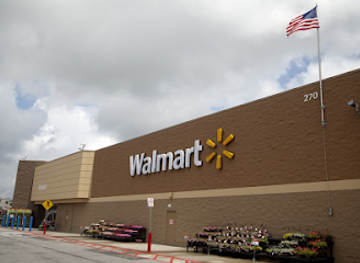
Walmart Supercenter
Explore Walmart Supercenter in Greenwood, MS for budget-friendly shopping, fresh groceries, clothing, and much more—all in one convenient location.
13 min drive · 4.2 km from city centre
-
Shopping mall
Greenwood Mall Shopping Center
Experience shopping and dining in the heart of Greenwood, MS, at the vibrant Greenwood Mall Shopping Center, where fun meets Southern charm.
7 min drive · 2.4 km from city centre
-
Discount store
Dirt Cheap
Discover unbeatable savings and a treasure trove of unique finds at Dirt Cheap in Greenwood, Mississippi, your go-to discount store for budget-friendly shopping.
13 min drive · 4.4 km from city centre
-
Beauty supply store
Bath & Body Works
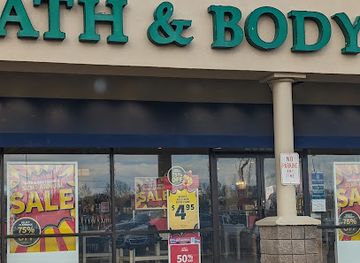
Explore Bath & Body Works in Greenwood, MS – your go-to destination for luxurious beauty products, fragrant candles, and exquisite gift baskets.
13 min drive · 4.5 km from city centre

Get your free copy of our complete guide to Greenwood, delivered straight to you.
Everything on this page, from attractions and restaurants to essentials and local phrases, in one PDF you can read offline, print or share.
Already have an account? Sign in
Your Greenwood guide is ready.
We'll send it to · Not you? Sign out

Getting your guide ready…
We are putting together a fresh copy of the Greenwood guide. This can take up to a minute.
This can take a few moments. If your browser asks, choose Allow so the download can start. You'll find the guide in your Downloads folder.
Nothing happened? Download it again
Sorry, the guide is taking longer than usual. Please try again in a minute, or get it by email instead.
Greenwood essentials
Currency and Payment
Safety
Emergency Situations
Do's and Don'ts
Local Tips
From Eve
Local phrases worth knowing
You don't need to get them perfect. A few words go a long way, and locals appreciate the effort.
Basics
| English | Local | Say it |
|---|---|---|
| Hello | Howdy | [hah-dee] |
| Goodbye | See ya | [see yuh] |
| Yes | Yup | [yuhp] |
| No | Nah | [nah] |
| Please/You're welcome | Please/Thank ya | [pleez/thank yuh] |
| Thank you | Much obliged | [muhch uh-blahy-jed] |
| Excuse me/Sorry | Pardon me | [par-dn mee] |
| How are you? | How y'all doin'? | [haw y'all doin'] |
| Fine. And you? | Fine. How 'bout y'all? | [fahyn. how 'bout y'all] |
| Do you speak English? | Y'all speak English? | [y'all speak ing-glish] |
| I don't understand | I ain't catchin' on | [ahynt kach-in awn] |
Eating & Drinking
| English | Local | Say it |
|---|---|---|
| I'd like to see the menu, please | Can I see the menu, please | [kan ahy see the men-yoo, pleez] |
| I don't eat meat | I don't eat no meat | [ahy dohnt eet noh meet] |
| Cheers! | Bottoms up! | [baht-uhmz up] |
| I would like to pay, please | I need to settle up, please | [ahy need too set-ul uhp, pleez] |
Emergencies
| English | Local | Say it |
|---|---|---|
| Help! | SOS! | [ess-oh-ess] |
| Go away! | Git outta here! | [git out-uh here] |
| Call the Police! | Ring up the 5-0! | [ring uhp the fahyv-oh] |
| Call a doctor! | Holler for the doc! | [hah-ler fawr thuh dawk] |
| I'm lost | I done got turned around | [ahy duhn gawt turnd uh-round] |
| I'm ill | I'm feelin' poorly | [ahym feel-in pawr-lee] |
Shopping
| English | Local | Say it |
|---|---|---|
| I'd like to buy... | I wanna purchase... | [ahy wanna pur-chuss] |
| I'm just looking | I'm jest browsin' | [ahym jehst brow-zin] |
| How much is it? | How much fer that? | [haw much fur that] |
| That's too expensive | That's mighty pricey | [thats my-tee prahy-see] |
| Can you lower the price? | Can ya come down on the price? | [kan yuh kum down awn thuh prahyce] |
Time & Numbers
| English | Local | Say it |
|---|---|---|
| What time is it? | How late is it? | [haw layt iz it] |
| It's one o'clock | It's one | [its wuhn] |
| Half past (10) | Ten-thirty | [ten-thur-tee] |
| Morning | Mornin' | [mawr-nin] |
| Afternoon | Afternoon | [af-ter-noon] |
| Evening | Evenin' | [ee-ven-in] |
| Yesterday | Yestiddy | [yest-i-dee] |
| Today | Today | [toh-day] |
| Tomorrow | Tomorra | [tuh-mawr-uh] |
| 1 | One | [wuhn] |
| 2 | Two | [too] |
| 3 | Three | [three] |
| 4 | Four | [fawr] |
| 5 | Five | [fahyv] |
| 6 | Six | [siks] |
| 7 | Seven | [sev-uhn] |
| 8 | Eight | [ayt] |
| 9 | Nine | [nahyn] |
| 10 | Ten | [ten] |
Transport & Directions
| English | Local | Say it |
|---|---|---|
| Where's a/the...? | Where's the... | [wheres thuh] |
| What's the address? | What's the street? | [whuts thuh street] |
| Can you show me (on the map)? | Can ya point it out? | [kan yuh point it out] |
| When's the next (bus)? | When's the next (bus)? | [whens thuh nekst bus] |
| A ticket (to ....) | A pass (to ....) | [uh pass (too)] |
History of Greenwood
Greenwood LeFlore and the Founding
Greenwood emerged in the early nineteenth century in the Mississippi Delta, a region shaped by waterways, bottomland forests and the expansion of cotton agriculture. The town was named for Greenwood LeFlore, a prominent Choctaw leader and planter who maintained land and political influence in the area after the Treaty of Dancing Rabbit Creek and the removal of many Choctaw people from Mississippi. Greenwood was incorporated in 1844 and developed near the confluence of the Yazoo and Tallahatchie rivers, a location that made river transport central to its early growth. Its origins therefore combine Indigenous history, the pressures of American expansion and the commercial ambitions of cotton settlers.
Cotton, Rivers and Enslaved Labour
During the nineteenth century, Greenwood became part of the plantation economy that transformed the Delta. Cotton production depended heavily on the labour of enslaved African Americans, whose work, knowledge and resistance shaped the region even though the wealth generated by the crop flowed primarily to white landowners and merchants. The Yazoo and Tallahatchie rivers connected plantations and town businesses with wider markets, while warehouses, banks and cotton offices gave Greenwood an increasingly commercial character. The Civil War disrupted this system and brought military pressure to the Delta, but cotton agriculture remained the foundation of the local economy after emancipation, increasingly relying on sharecropping and tenant farming.
Reconstruction and Commercial Growth
After the Civil War, Greenwood rebuilt its commercial life around cotton, river transport and the expanding rail network. Emancipation changed the legal order but did not remove the racial and economic inequalities that structured agricultural work; many Black families remained tied to plantations through debt, tenancy and restricted access to land. By the late nineteenth and early twentieth centuries, merchants, banks, cotton gins and civic buildings gave the town a more substantial urban presence. The historic commercial architecture visible in central Greenwood reflects this period of growth, when the city served as a trading and administrative centre for surrounding plantations and rural communities.
Floods, Roads and a Changing Delta
Greenwood’s prosperity has always been balanced against the risks of living in a river plain. Floods periodically damaged farmland, homes and transport links, reinforcing the importance of levees, drainage and federal flood-control programmes across the Delta. During the twentieth century, roads and motor vehicles gradually displaced river traffic and altered the relationship between town and countryside. Mechanisation then reduced the demand for agricultural labour, contributing to the wider Delta’s population loss and migration, particularly among African Americans seeking work and greater freedom elsewhere. Greenwood retained its role as a regional service centre while adapting to these profound changes in the cotton economy.
Civil Rights in Greenwood
Greenwood became a significant setting in the civil rights movement during the early 1960s. Student Nonviolent Coordinating Committee organisers and local activists worked to register Black voters in Leflore County, confronting intimidation, economic retaliation and discriminatory registration practices. Demonstrations and mass arrests in Greenwood drew national attention in 1963 and helped expose the barriers used to exclude African Americans from political participation. The campaigns formed part of a broader movement across Mississippi that contributed to federal civil rights legislation and the Voting Rights Act of 1965. Today, Greenwood’s museums, commemorations and public history connect the city’s civil rights story with the wider struggle for citizenship and democratic representation.
Cultural Renewal in the Modern City
Contemporary Greenwood carries the marks of agricultural decline while drawing new energy from heritage, food and cultural tourism. Downtown restoration has preserved commercial façades and created space for restaurants, galleries, independent retailers and culinary programmes. The Museum of Mississippi Delta interprets regional history, while blues collections and performances place Greenwood within the musical geography of the Delta. The city’s modern identity is consequently layered rather than nostalgic: cotton remains central to its history, but African American cultural achievement, civil rights memory, Southern cooking and local entrepreneurship are equally important to understanding Greenwood today.
Greenwood in Photos
Browse through our photo collection highlighting the charm and character of the destination.
Cities near Greenwood
The closest cities to Greenwood, if you have time for more than one stop.
-

-

-

-

-


Swipe for more cities
Explore more

Explore more of Mississippi
Discover Mississippi: A treasure trove of Southern culture, blues music heritage, and stunning natural landscapes perfect for every kind of traveler.
Explore Mississippi