

Bootheel, Missouri Travel Guide
Discover the Bootheel of Missouri: A blend of rich history, natural beauty, and southern charm, offering a unique glimpse into America's agricultural heartland.
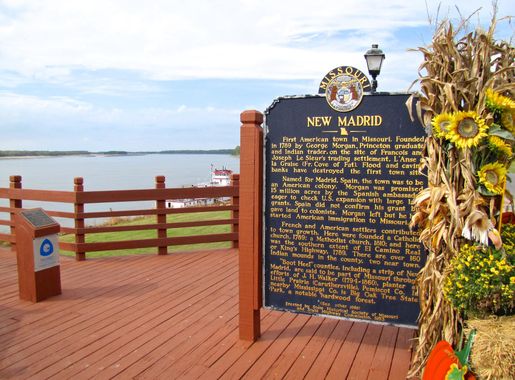
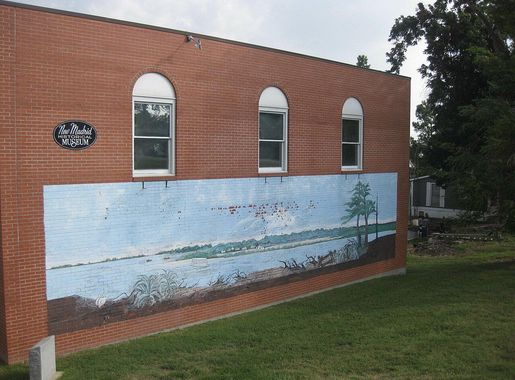
The Bootheel of Missouri is a unique region that offers a blend of rich history, natural beauty, and southern charm. This area, shaped like a boot, is known for its flat farmlands and is a leading producer of crops such as cotton and soybeans. Visitors can experience the agricultural heart of America while enjoying the small-town hospitality that defines this region. In addition to its agricultural significance, the Bootheel is home to several historical landmarks and natural attractions. The Big Oak Tree State Park, for example, boasts some of the largest trees in the state and offers a peaceful retreat for nature lovers. The park's boardwalks and trails provide an excellent opportunity for bird-watching and wildlife spotting. For history enthusiasts, the Bootheel offers a glimpse into the past with its museums and historic sites. The Hunter-Dawson State Historic Site in New Madrid is a well-preserved antebellum mansion that gives insight into the lifestyle of the 19th century. Additionally, the region's connection to the New Madrid Seismic Zone, known for its significant earthquakes in the early 1800s, adds an intriguing geological aspect to your visit.

Know before you go
Hi, I'm Eve. Here are a few practical things to know before exploring Bootheel.
- Visit in the spring or fall for the best weather and to see the crops in full bloom.
- Bring binoculars for bird-watching at Big Oak Tree State Park.
- Wear comfortable walking shoes as many attractions involve outdoor exploration.
- Check local schedules for farm tours to learn more about the agricultural practices.
- Don't miss the local cuisine; try dishes featuring fresh, locally-grown produce.
Top City Travel Guides in Bootheel
The cities of Bootheel, and the easiest places to base yourself.


Explore Bootheel: Things to Do, Places to Eat, Hotels & More
Handpicked recommendations for top attractions, local dining, accommodations, and more

Top Attractions & Sightseeing in Bootheel
Top-rated picks
Best Attractions

TITANIC Museum Attraction
Explore the Titanic Museum Attraction in Branson, where history and storytelling come alive through immersive exhibits and authentic artifacts.

Fantastic Caverns
Discover the breathtaking underground beauty of Fantastic Caverns, a unique ride-through cave experience in Springfield, Missouri, perfect for all ages.

Ha Ha Tonka State Park
Explore the breathtaking landscapes and unique geological features of Ha Ha Tonka State Park in Missouri, a haven for nature lovers and adventure seekers.

Elephant Rocks State Park
Explore the unique granite formations and scenic trails of Elephant Rocks State Park, a natural gem in Missouri perfect for outdoor enthusiasts.

Best restaurants in Bootheel
Top-rated picks
Best Restaurants
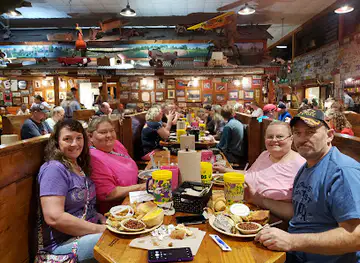
Lambert's Café
Discover the charm of Lambert's Café in Sikeston—where every meal comes with freshly thrown rolls and authentic Southern flavors.

Broussard's Cajun Cuisine
Experience authentic Cajun flavors at Broussard's Cajun Cuisine in Cape Girardeau—where every bite tells a story.

Third Street Social
Savor delicious American cuisine and handcrafted cocktails at Third Street Social in Lee's Summit – where every meal is a celebration!

Twisted Tree Steakhouse
Experience fine dining at Twisted Tree Steakhouse in St. Louis – where exceptional steaks meet fresh seafood in an inviting atmosphere.

Best bars in Bootheel
Top-rated picks
Best Bars

Franky & Louie's Beachfront Bar & Grill
Discover the perfect beach getaway at Franky & Louie's Beachfront Bar & Grill, where great food meets thrilling activities in a stunning lakeside setting.

O'Malley's Pub
Experience the charm of Ireland at O'Malley's Pub in Weston, where hearty meals and a vibrant atmosphere come together in perfect harmony.

Town Square Pub N Grub
Discover the lively Town Square Pub N Grub in Dardenne Prairie, MO – the perfect spot for food, drinks, and sports fan excitement.

Fitters 5th Street Pub
Discover the vibrant energy of Fitters 5th Street Pub, a top sports bar in Sedalia, MO, where great food, drinks, and live sports come together.

Best nightclubs in Bootheel
Top-rated picks
Best Nightclubs

Aura
Experience Kansas City's vibrant nightlife at Aura, a premier night club known for its top DJs and electrifying atmosphere.

Club Rodeo
Discover the energetic nightlife at Club Rodeo, Springfield's premier night club, where unforgettable moments and lively entertainment await you!

Virtue Night Club
Experience the electrifying nightlife at Virtue Night Club, Grandview's hotspot for dancing, drinks, and unforgettable memories.

Club One
Discover the vibrant nightlife at Club One, Kirksville's favorite nightclub with great music, dancing, and an electrifying atmosphere.

Best shops in Bootheel
Top-rated picks
Best Shops

Branson Landing
Experience the charm of Branson Landing, a delightful shopping mall featuring unique shops, dining options, and captivating waterfront views in Branson, Missouri.

Tanger Outlets Branson
Discover unbeatable deals at Tanger Outlets Branson, your ultimate shopping destination in the heart of Missouri's entertainment hub.

Dick's 5 & 10
Discover a treasure trove of unique gifts, toys, and local souvenirs at Dick's 5 & 10 in Branson, MO.

Grand Village Shops
Explore the enchanting Grand Village Shops in Branson, MO - a shopping haven featuring unique boutiques, delightful dining, and festive charm.

Explore Bootheel on the Map
A handpicked selection of must-see spots in Bootheel, mapped for you.
Bootheel Essentials
-
Bootheel, Missouri, is accessible primarily by car. If you're flying in from out of state, the closest major airports are Memphis International Airport (MEM) in Tennessee and St. Louis Lambert International Airport (STL) in Missouri. From Memphis, it's about a two-hour drive north, while from St. Louis, it's roughly a three-hour drive south. Alternatively, you can take a Greyhound bus to nearby cities like Sikeston or Cape Girardeau and then rent a car or take a taxi to reach Bootheel.
-
The Bootheel region is best explored by car, as public transportation options are limited. Car rental services are available in major nearby cities. For local travel within Bootheel, taxis and ride-sharing services like Uber and Lyft are available but may not be as frequent. Biking is also an option for short distances or scenic routes. Always check local traffic laws and parking regulations.
-
The official currency is the United States Dollar (USD). Credit and debit cards are widely accepted in most restaurants, hotels, and stores. However, it is advisable to carry some cash, especially when visiting smaller towns or rural areas where card payments may not be accepted. ATMs are available in most towns within the Bootheel region.
-
Bootheel is generally safe for tourists, but it's advisable to take standard precautions. Avoid walking alone at night in unfamiliar areas and keep an eye on your belongings in crowded places. Some areas in larger towns like Sikeston may have higher crime rates; always be aware of your surroundings and avoid poorly lit areas after dark. If you feel unsafe, seek help from local authorities or businesses.
-
In case of emergency, dial 911 for immediate assistance. Local police stations and medical facilities are available throughout the Bootheel region. It is recommended to have travel insurance that covers medical emergencies. Pharmacies are accessible in most towns for minor health issues. For more serious medical needs, hospitals are located in larger towns like Cape Girardeau and Sikeston.
-
Fashion: Do dress comfortably and according to the weather. Casual attire is generally acceptable. Avoid overly revealing clothing, especially in rural areas. Religion: Do respect local customs and traditions when visiting religious sites. Public Transport: Do be respectful and courteous to drivers and other passengers. Don't expect public transport to be as frequent as in major cities. Greetings: Do greet people with a friendly 'Hello' or 'Hi.' A handshake is also common. Eating & Drinking: Do try local delicacies and BBQ. Don't refuse food or drink offerings, as it may be considered impolite.
-
To experience Bootheel like a local, visit the small-town diners and BBQ joints for authentic Missouri cuisine. Engage with locals, who are generally friendly and love to share stories about their hometown. Explore the region's natural beauty, including the Mingo National Wildlife Refuge and Big Oak Tree State Park. For a unique experience, attend a local fair or festival, which are often held throughout the year.
When is the best time to visit Bootheel?
Useful Local Phrases for Bootheel
You don't need to speak the language perfectly. Even learning a few simple words can make conversations warmer—and locals usually appreciate the effort.
— Eve

Here are the phrases I use most often in Bootheel. Try a few—you'll be surprised how far they go! 😊
❤️
-
- HelloHowdy
[Hau-dee] - GoodbyeSee ya later
[See ya lay-ter] - YesYep
[Yep] - NoNope
[Nope] - Please/You’re welcomeNo problem
[No prob-lem] - Thank youThanks a bunch
[Thanks a bunch] - Excuse me/SorryPardon me
[Par-don me] - How are you?How ya doin’?
[How ya doin'?] - Fine. And you?Good. And you?
[Good. An' you?] - Do you speak English?You know English?
[Ya know English?] - I don't understandI ain't gettin' it
[I ain't gettin' it]
- HelloHowdy
-
- I’d like to see the menu, pleaseCan I see the menu?
[Can I see the menu?] - I don't eat meatI don’t eat meat
[I don’t eat meat] - Cheers!Cheers!
[Cheers!] - I would like to pay, pleaseCan I get the check?
[Can I get the check?]
- I’d like to see the menu, pleaseCan I see the menu?
-
- Help!Help!
[Help!] - Go away!Get outta here!
[Get outta here!] - Call the Police!Call the cops!
[Call the cops!] - Call a doctor!Get a doctor!
[Get a doctor!] - I’m lostI can't find my way
[I can't find my way] - I’m illI ain't feelin' good
[I ain't feelin' good]
- Help!Help!
-
- I’d like to buy...I wanna buy...
[I wanna buy...] - I’m just lookingJust lookin’
[Just lookin'] - How much is it?What’s the price?
[What’s the price?] - That’s too expensiveThat costs too much
[That costs too much] - Can you lower the price?Can ya cut the price?
[Can ya cut the price?]
- I’d like to buy...I wanna buy...
-
- What time is it?What time ya got?
[What time ya got?] - It’s one o’clockIt's one o'clock
[It's one o'clock] - Half past (10)Half past ten
[Half past ten] - MorningMornin'
[Mornin'] - AfternoonAfternoon
[Afternoon] - EveningEvenin'
[Evenin'] - YesterdayYesterday
[Yesterday] - TodayToday
[Today] - TomorrowTomorrow
[Tomorrow] - 1One
[One] - 2Two
[Two] - 3Three
[Three] - 4Four
[Four] - 5Five
[Five] - 6Six
[Six] - 7Seven
[Seven] - 8Eight
[Eight] - 9Nine
[Nine] - 10Ten
[Ten]
- What time is it?What time ya got?
-
- Where's a/the...?Where's the...?
[Where's the...?] - What's the address?What’s the address?
[What’s the address?] - Can you show me (on the map)?Can ya show me on the map?
[Can ya show me on the map?] - When's the next (bus)?When’s the next bus?
[When’s the next bus?] - A ticket (to ....)A ticket to ...
[A ticket to ...]
- Where's a/the...?Where's the...?
History of Bootheel
-
The Bootheel is a unique geographic region in southeastern Missouri, characterized by its distinctive shape. This area was originally part of an ancient river delta. The formation of the Bootheel can be traced back to the New Madrid earthquakes of 1811-1812, which drastically altered the landscape. The earthquakes created the sunken lands, which filled with water to form new lakes and swampy areas, forever changing the topography of this region.
-
In the winter of 1811-1812, a series of powerful earthquakes struck the central United States, with the epicenter near New Madrid, Missouri. These earthquakes are among the most powerful in U.S. history, estimated to have had magnitudes between 7.0 and 8.0. The quakes caused significant ground deformation, including the formation of Reelfoot Lake in Tennessee, and were felt as far away as the East Coast. The Bootheel region was significantly impacted by these seismic events, which reshaped the land and influenced settlement patterns.
-
Before European settlers arrived, the Bootheel region was home to various Native American tribes, including the Osage and the Quapaw. These tribes lived off the rich natural resources of the area, engaging in hunting, fishing, and agriculture. Mound-building cultures also left their mark on the landscape, with several archaeological sites revealing the presence of ancient earthworks. The legacy of these indigenous peoples is still evident in the region’s place names and cultural heritage.
-
The Bootheel became part of the United States as a result of the Louisiana Purchase in 1803. This monumental land deal between the United States and France doubled the size of the young nation and opened up vast territories for exploration and settlement. The Bootheel, with its fertile soil and strategic location along the Mississippi River, was a prized acquisition that would play a key role in the westward expansion of the United States.
-
During the Civil War, the Bootheel region was a contested area due to its strategic importance along the Mississippi River. Both Union and Confederate forces sought control of the river and its adjacent territories. The region saw several skirmishes and military actions, including the Battle of Island No. 10, which took place in the Mississippi River near New Madrid. The Union victory at this battle was crucial in their efforts to control the Mississippi and split the Confederacy.
-
The Bootheel's rich alluvial soil and favorable climate have made it one of Missouri’s most productive agricultural regions. In the late 19th and early 20th centuries, the introduction of modern farming techniques and the construction of drainage systems transformed the swamplands into fertile farmland. The region became known for its production of cotton, soybeans, rice, and other crops. Agriculture remains a cornerstone of the Bootheel’s economy and cultural identity.
-
The Bootheel is a melting pot of cultures, shaped by waves of migration and settlement. European settlers, particularly from Germany and Ireland, arrived in the 19th century, bringing their customs and traditions. African Americans, who moved to the region during the Great Migration, have significantly influenced the cultural landscape, particularly in music and cuisine. The Bootheel's cultural diversity is celebrated through various festivals, community events, and local traditions.
Neighbouring Regions of Bootheel
The closest regions to Bootheel, if you have time for more than one.


Your all‑in‑one travel companion app
Explore expert travel guides, compare and book tours, experiences, hotels, and more—all from the palm of your hand. Download now for seamless trip planning wherever your wanderlust takes you.


Explore More of Missouri

Looking beyond Bootheel? Discover Missouri for broader travel guides, local hot-spots, and regional highlights.
Explore MissouriBootheel in Photos
Browse through our photo collection highlighting the charm and character of the destination.

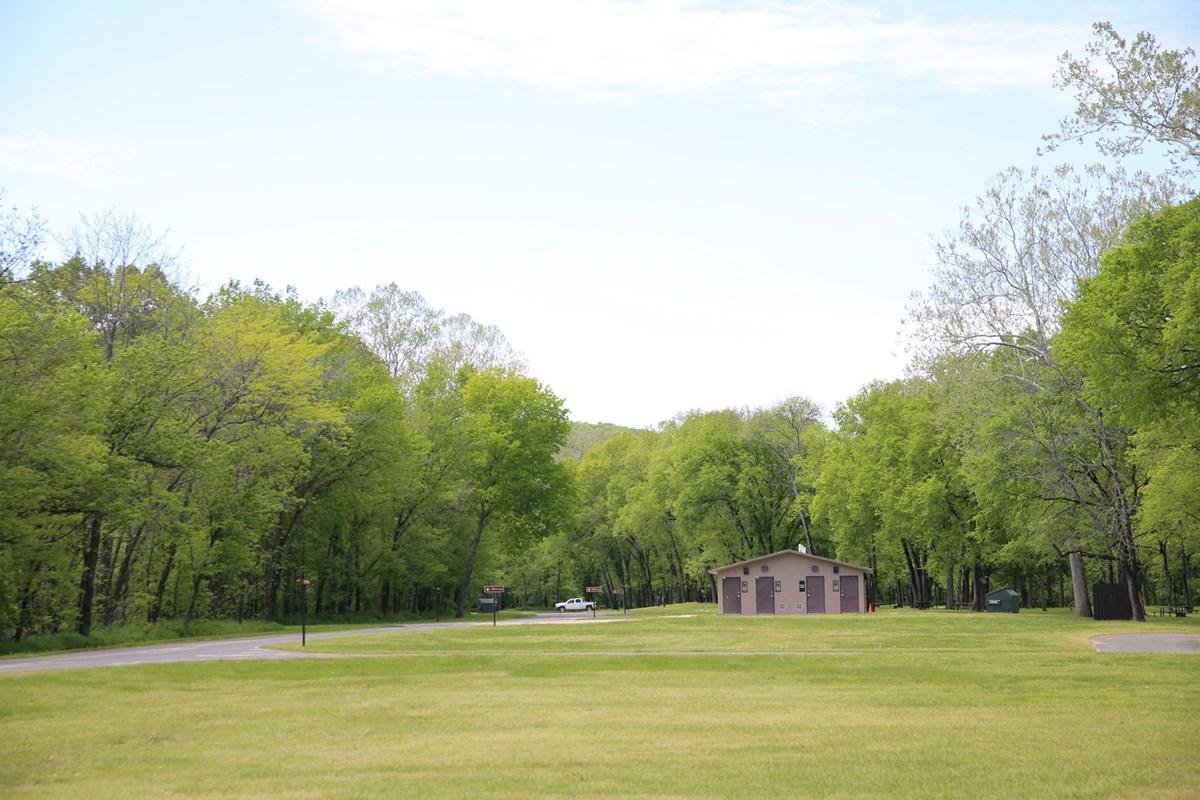
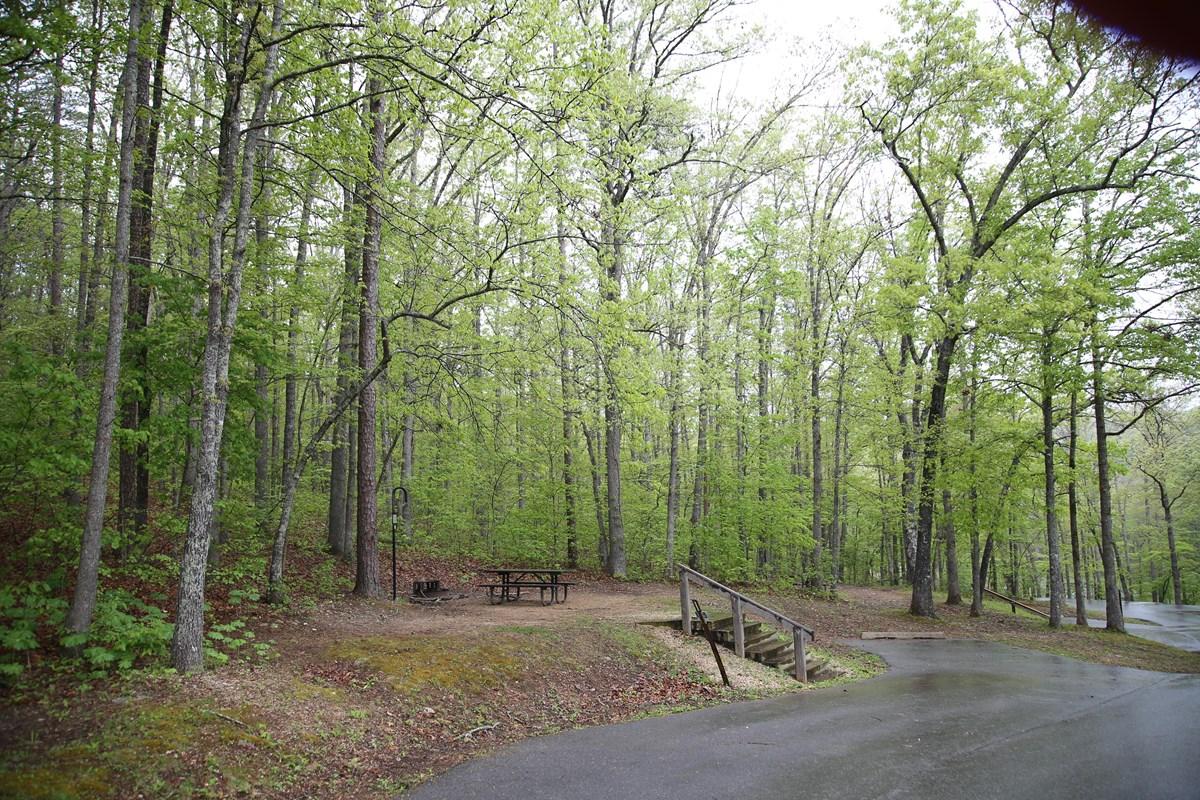
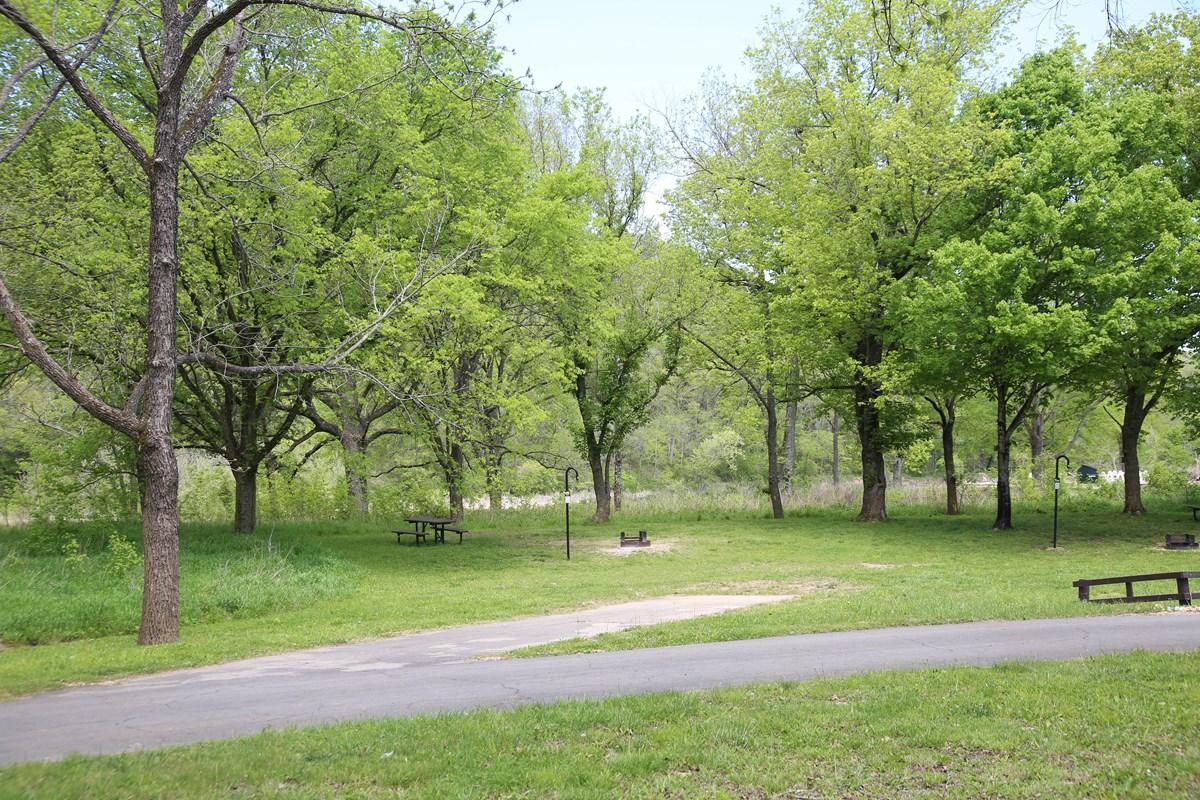



Exploring the Bootheel: Missouri's Hidden Gem
The Bootheel of Missouri is a unique region that offers a blend of rich history, natural beauty, and southern charm. This area, shaped like a boot, is known for its flat farmlands and is a leading producer of crops such as cotton and soybeans. Visitors can experience the agricultural heart of America while enjoying the small-town hospitality that defines this region. In addition to its agricultural significance, the Bootheel is home to several historical landmarks and natural attractions. The Big Oak Tree State Park, for example, boasts some of the largest trees in the state and offers a peaceful retreat for nature lovers. The park's boardwalks and trails provide an excellent opportunity for bird-watching and wildlife spotting. For history enthusiasts, the Bootheel offers a glimpse into the past with its museums and historic sites. The Hunter-Dawson State Historic Site in New Madrid is a well-preserved antebellum mansion that gives insight into the lifestyle of the 19th century. Additionally, the region's connection to the New Madrid Seismic Zone, known for its significant earthquakes in the early 1800s, adds an intriguing geological aspect to your visit.