

Big Sugar Creek State Park, Missouri Travel Guide
Discover the serene beauty of Big Sugar Creek State Park in Missouri, offering pristine waters, lush forests, and a variety of outdoor activities in the heart of the Ozarks.
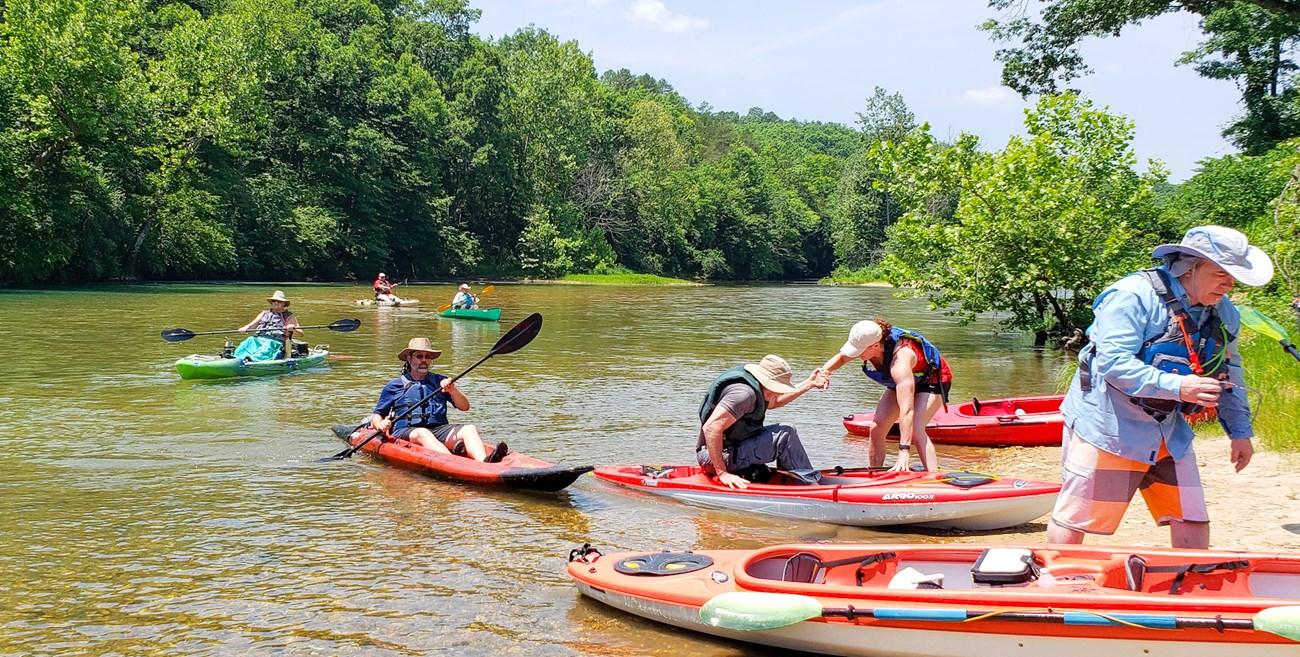
Big Sugar Creek State Park is a hidden gem nestled in the southwestern corner of Missouri. Known for its pristine waters, lush greenery, and diverse wildlife, this park offers a serene escape from the hustle and bustle of city life. The park spans over 2,000 acres and provides a perfect blend of recreational activities and natural beauty, making it an ideal destination for nature lovers and outdoor enthusiasts alike. One of the main attractions of Big Sugar Creek State Park is its namesake, Big Sugar Creek. The creek is crystal clear and flows gently through the park, offering excellent opportunities for canoeing, kayaking, and fishing. The surrounding forest is home to a variety of flora and fauna, including several rare and endangered species. Visitors can explore the park's numerous hiking trails, which range from easy walks to more challenging treks, all while enjoying stunning views of the Ozark Mountains. In addition to its natural attractions, Big Sugar Creek State Park also boasts several picnic areas and campgrounds, making it a great spot for family outings. The park's facilities are well-maintained, and the friendly staff are always on hand to provide information and assistance. Whether you're looking to relax by the water, embark on an adventure, or simply enjoy the tranquility of the great outdoors, Big Sugar Creek State Park has something for everyone.

Know before you go
Hi, I'm Eve. Here are a few practical things to know before exploring Big Sugar Creek State Park.
- Bring water shoes for wading in the creek as the rocky bed can be slippery.
- Visit during the fall to witness the vibrant autumn foliage.
- Check the weather forecast before planning any water activities to ensure safe conditions.
- Arrive early to secure a good spot at the picnic areas, especially on weekends.
- Pack insect repellent to protect against ticks and mosquitoes, particularly in the warmer months.
Explore Big Sugar Creek State Park: Things to Do, Places to Eat, Hotels & More
Handpicked recommendations for top attractions, local dining, accommodations, and more

Best attractions in Big Sugar Creek State Park
Top-rated picks
Best Attractions

Old Spanish Treasure Cave
Explore the enchanting Old Spanish Treasure Cave, a captivating natural wonder in Arkansas filled with stunning formations and rich history.

Elk River Floats & Trestle Park
Discover adventure and tranquility at Elk River Floats & Trestle Park, Missouri's premier destination for kayaking, camping, and serene river escapes.

Big Rock Camp Grounds
Experience the serene beauty of Big Rock Camp Grounds in Pineville, Missouri, where nature meets adventure for an unforgettable camping experience.

Huckleberry Ridge Conservation Area
Explore Huckleberry Ridge Conservation Area, a haven for hikers and nature lovers in Missouri, offering stunning views and diverse wildlife experiences.

Best restaurants in Big Sugar Creek State Park


Explore Big Sugar Creek State Park on the Map
A handpicked selection of must-see spots in Big Sugar Creek State Park, mapped for you.
Big Sugar Creek State Park Essentials
-
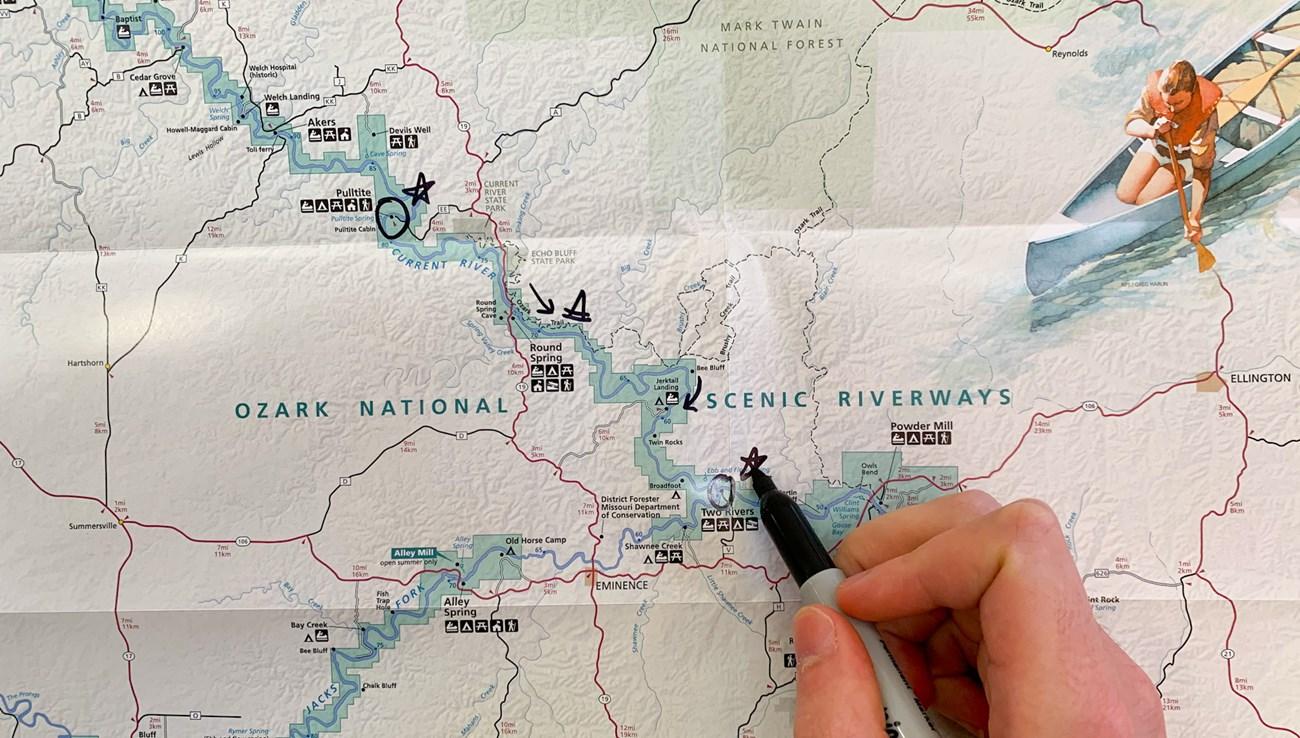
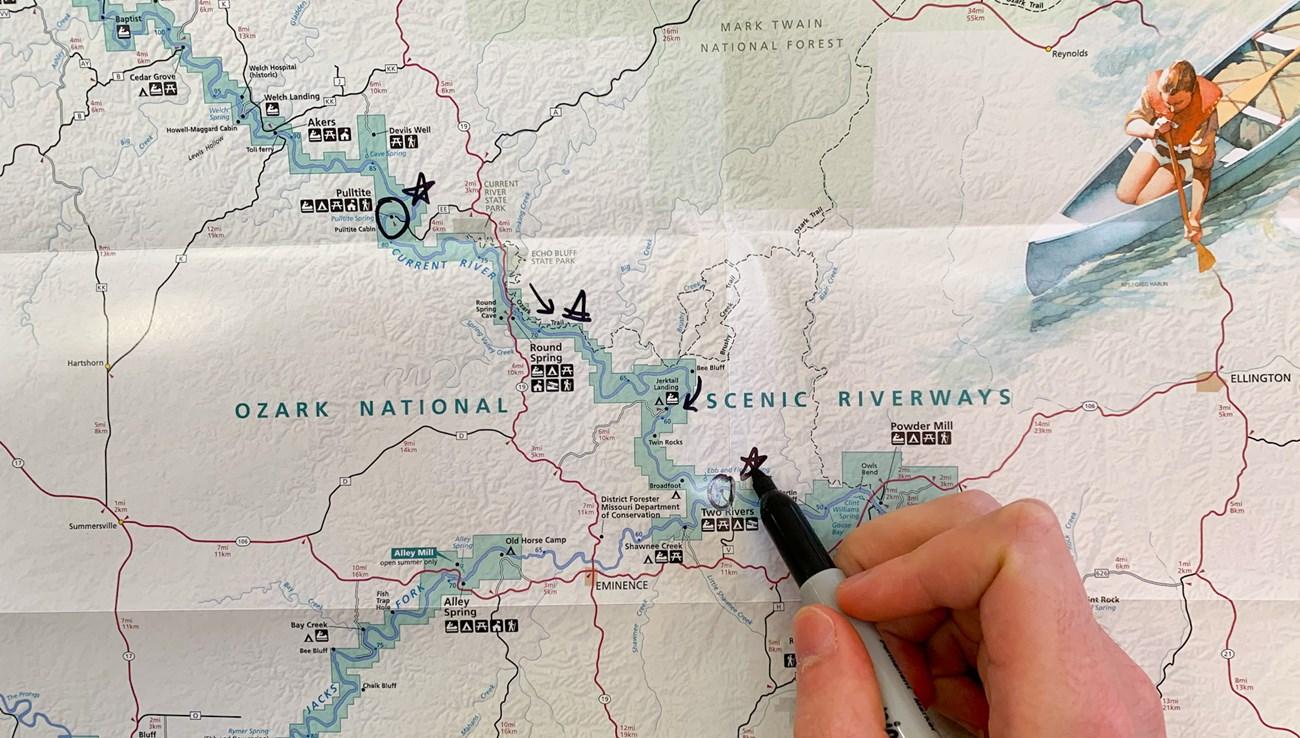
Big Sugar Creek State Park is located in the southwestern part of Missouri, near the town of Pineville. The nearest major city is Joplin, which is approximately 50 miles away. From Joplin, take I-49 South to the US-71 South exit and follow the signs to Pineville. For those flying in, the nearest airport is Northwest Arkansas Regional Airport (XNA) in Bentonville, Arkansas, about 45 miles from the park. From the airport, you can rent a car and drive northeast via US-71 to reach the park.
-
While there is no public transportation directly to Big Sugar Creek State Park, car rentals are widely available at nearby cities and airports. Once at the park, most attractions are accessible by foot or bike. There are well-marked trails for hiking and biking. For those looking to explore the surrounding areas, having a car is convenient.
-
The official currency is the United States Dollar (USD). Credit and debit cards are widely accepted, but it is advisable to carry some cash for smaller transactions, especially in more remote areas. There are ATMs available in nearby Pineville and other nearby towns.
-
Big Sugar Creek State Park is generally safe, but standard precautions should be taken. Keep an eye on your belongings, especially in parking areas. Avoid hiking alone, especially after dark. Be aware of local wildlife and follow park guidelines to avoid encounters. There are no specific high-crime areas targeting tourists, but it's always best to stay vigilant.
-
In case of an emergency, dial 911 for immediate assistance. Park rangers are also on duty and can provide help. The nearest hospital is McDonald County Medical Center in Pineville, about 10 miles from the park. It is recommended to carry a first aid kit and have travel insurance that covers medical emergencies.
-
Fashion: Do wear comfortable and weather-appropriate clothing, including sturdy hiking boots. Avoid wearing overly flashy or revealing clothing. Religion: There are no specific religious customs to follow, but always be respectful of others. Public Transport: There is no public transport within the park, but if using local transport in nearby towns, be respectful and courteous. Greetings: A simple handshake and a friendly 'hello' are standard. Eating & Drinking: Do try local foods and be mindful of 'Leave No Trace' principles—carry out all trash and recyclables.
-
To experience Big Sugar Creek State Park like a local, visit during weekdays to avoid the weekend crowds. Engage with park rangers to learn about the best hidden spots and the park's history. Don't miss the opportunity to canoe or kayak down Big Sugar Creek for a unique view of the park's natural beauty. Pack a picnic and enjoy it at one of the scenic overlooks. If you're into fishing, bring your gear as the park's waters are rich with fish.
When is the best time to visit Big Sugar Creek State Park?
Useful Local Phrases for Big Sugar Creek State Park
You don't need to speak the language perfectly. Even learning a few simple words can make conversations warmer—and locals usually appreciate the effort.
— Eve

Here are the phrases I use most often in Big Sugar Creek State Park. Try a few—you'll be surprised how far they go! 😊
❤️
-
- HelloHowdy
[haw-dee] - GoodbyeSee ya
[see yuh] - YesYep
[yep] - NoNah
[nah] - Please/You're welcomePlease/No problem
[pleez/no prob-lem] - Thank youThanks a bunch
[thanks uh bunch] - Excuse me/SorryPardon me/My bad
[par-dun me/my bad] - How are you?Howdy, how ya doin'?
[haw-dee, how yuh doin'] - Fine. And you?Just dandy. How 'bout you?
[just dan-dee. how 'bout yuh] - Do you speak English?Ya speak English?
[yah speak english?] - I don't understandI ain't gettin' ya
[I ain't get-tin' yuh]
- HelloHowdy
-
- I'd like to see the menu, pleaseCan I take a peek at the menu, please
[can I take uh peek at the menu, please] - I don't eat meatI ain't a meat-eater
[I ain't uh meat-eater] - Cheers!Cheers!
[cheers!] - I would like to pay, pleaseCan I settle up, please
[can I set-tul up, please]
- I'd like to see the menu, pleaseCan I take a peek at the menu, please
-
- Help!Help!
[help!] - Go away!Get lost!
[get lost!] - Call the Police!Ring up the Sheriff!
[ring up the sheriff!] - Call a doctor!Get a doc over here!
[get uh doc over here!] - I'm lostI'm turned around
[I'm turned around] - I'm illI ain't feelin' right
[I ain't feel-in' right]
- Help!Help!
-
- I'd like to buy...I'm fixin' to buy...
[I'm fix-in' to buy...] - I'm just lookingJust browsin'
[just brow-sin'] - How much is it?What's the damage?
[what's the dam-age?] - That's too expensiveThat's a bit steep
[that's uh bit steep] - Can you lower the price?Can ya knock a few bucks off?
[can yuh knock uh few bucks off?]
- I'd like to buy...I'm fixin' to buy...
-
- What time is it?What's the time?
[what's the time?] - It's one o'clockIt's one
[it's one] - Half past (10)Ten-thirty
[ten-thur-tee] - MorningMornin'
[morn-in'] - AfternoonAfternoon
[after-noon] - EveningEvenin'
[even-in'] - YesterdayYesterday
[yes-ter-day] - TodayToday
[to-day] - TomorrowTomorrow
[to-mor-row] - 1One
[wun] - 2Two
[too] - 3Three
[three] - 4Four
[four] - 5Five
[five] - 6Six
[six] - 7Seven
[seven] - 8Eight
[eight] - 9Nine
[nine] - 10Ten
[ten]
- What time is it?What's the time?
-
- Where's a/the...?Where's the...?
[where's the...?] - What's the address?What's the addy?
[what's the addy?] - Can you show me (on the map)?Can you point it out (on the map)?
[can you point it out (on the map)?] - When's the next (bus)?When's the next (bus) rollin' by?
[when's the next (bus) roll-in' by?] - A ticket (to ....)A pass (to ....)
[uh pass (to ....)]
- Where's a/the...?Where's the...?
History of Big Sugar Creek State Park
-
Long before European settlers arrived, Big Sugar Creek State Park was home to Native American tribes, including the Osage and Delaware. The area was rich in resources, providing abundant wildlife, fresh water, and fertile land for agriculture. Artifacts such as arrowheads, pottery, and tools have been discovered in the park, offering a glimpse into the lives of its original inhabitants.
-
In the early 18th century, European explorers and fur trappers began traversing the region. French trappers and traders were among the first Europeans to explore the Big Sugar Creek area, establishing trade routes and relationships with the Native American tribes. The French influence is still evident in some of the place names and cultural remnants in the region.
-
By the early 19th century, European settlers began to establish homesteads in the Big Sugar Creek area. They were drawn by the fertile soil and abundant natural resources. These settlers built log cabins, cleared land for farming, and utilized the creek for water and transportation. The region became known for its agricultural productivity, particularly in corn and livestock farming.
-
During the Civil War, Missouri was a border state with divided loyalties. The Big Sugar Creek area saw its share of skirmishes and guerrilla warfare as both Union and Confederate forces vied for control. The natural landscape of the park provided cover for troops and guerrilla fighters, and several small battles and encampments were recorded in the vicinity.
-
In the early 20th century, the conservation movement gained momentum, leading to the establishment of state parks to preserve natural landscapes and wildlife. Big Sugar Creek State Park was officially designated in 1980, protecting its unique ecosystem and historical sites. Efforts have been made to restore native plant species and maintain the natural beauty of the park for future generations.
-
Big Sugar Creek State Park holds cultural significance for the local communities and visitors alike. It serves as a place for recreation, education, and reflection. Annual events, educational programs, and guided tours are held to celebrate the park's rich history and natural beauty, fostering a deeper appreciation for the region's heritage.
Neighbouring destination travel guides
Browse our curated selection of top destinations, scenic points, and must-visit spots in the area.




Your all‑in‑one travel companion app
Explore expert travel guides, compare and book tours, experiences, hotels, and more—all from the palm of your hand. Download now for seamless trip planning wherever your wanderlust takes you.


Explore More of Southwest Missouri

Looking beyond Big Sugar Creek State Park? Discover Southwest Missouri for broader travel guides, local hot-spots, and regional highlights.
Explore Southwest MissouriExplore More of Missouri

Looking beyond Big Sugar Creek State Park? Discover Missouri for broader travel guides, local hot-spots, and regional highlights.
Explore MissouriBig Sugar Creek State Park in Photos
Browse through our photo collection highlighting the charm and character of the destination.




Big Sugar Creek State Park: A Natural Haven in the Ozarks
Big Sugar Creek State Park is a hidden gem nestled in the southwestern corner of Missouri. Known for its pristine waters, lush greenery, and diverse wildlife, this park offers a serene escape from the hustle and bustle of city life. The park spans over 2,000 acres and provides a perfect blend of recreational activities and natural beauty, making it an ideal destination for nature lovers and outdoor enthusiasts alike. One of the main attractions of Big Sugar Creek State Park is its namesake, Big Sugar Creek. The creek is crystal clear and flows gently through the park, offering excellent opportunities for canoeing, kayaking, and fishing. The surrounding forest is home to a variety of flora and fauna, including several rare and endangered species. Visitors can explore the park's numerous hiking trails, which range from easy walks to more challenging treks, all while enjoying stunning views of the Ozark Mountains. In addition to its natural attractions, Big Sugar Creek State Park also boasts several picnic areas and campgrounds, making it a great spot for family outings. The park's facilities are well-maintained, and the friendly staff are always on hand to provide information and assistance. Whether you're looking to relax by the water, embark on an adventure, or simply enjoy the tranquility of the great outdoors, Big Sugar Creek State Park has something for everyone.