

Saharna Monastery Travel Guide - Free Web & App
Your ultimate guide to Saharna Monastery. Discover top landmarks, proposed trips, and local tips. Free on the web or via the Evendo companion app.


Discover the serene beauty and spiritual essence of Saharna Monastery, a historic gem nestled in Moldova's picturesque landscapes.
Read more about Saharna Monastery
When is the best time to visit Saharna Monastery?
Best: May–June, September · 24–30°C| Month | High (°C) | Rainfall (mm) |
|---|---|---|
| January | 3 | 25 |
| February | 4 | 20 |
| March | 12 | 20 |
| April | 19 | 15 |
| May (best) | 24 | 15 |
| June (best) | 30 | 15 |
| July | 34 | 15 |
| August | 32 | 15 |
| September (best) | 25 | 15 |
| October | 19 | 20 |
| November | 11 | 25 |
| December | 4 | 25 |
Getting to and around Saharna Monastery
How to get there
Transportation
Best attractions in Saharna Monastery
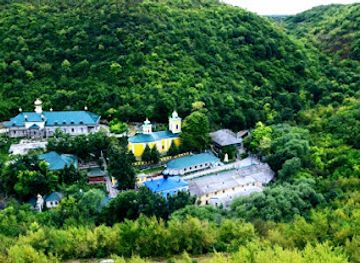
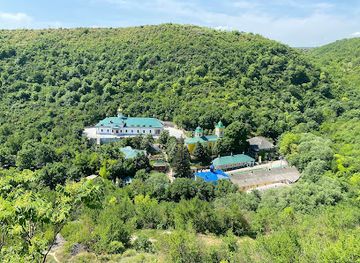
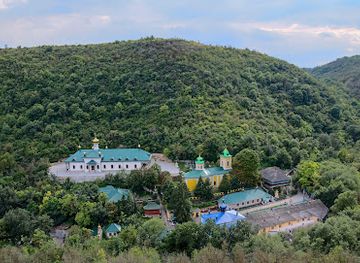
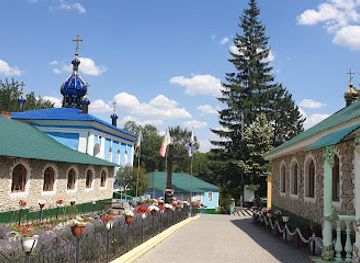
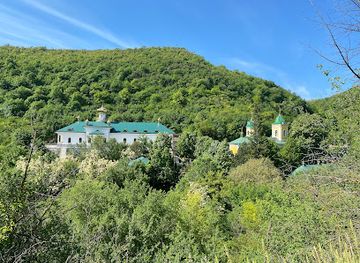
Saharna Monastery in Moldova offers visitors a unique blend of natural beauty and religious history. Nestled among picturesque cliffs and lush greenery, this hidden gem boasts stunning views and a peaceful atmosphere perfect for spiritual reflection. Visitors can explore the monastery's ancient caves, adorned with colorful frescoes and steeped in centuries of tradition. The monastery's tranquil surroundings make it an ideal spot for nature lovers and history enthusiasts alike, offering a serene escape from the hustle and bustle of modern life.
-
Tourist attraction
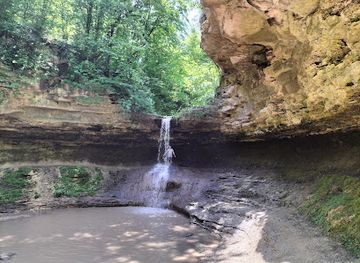
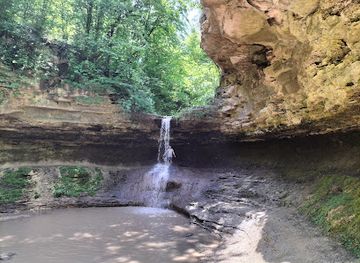
Saharna Waterfall
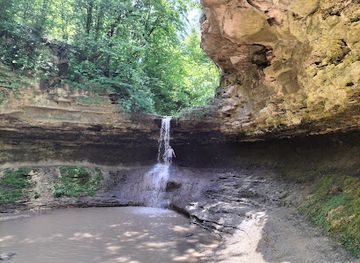
Discover the stunning Saharna Waterfall in Moldova, where nature's beauty meets cultural heritage in a serene escape.
-
Nature preserve
Rezervaţia peisagistică Saharna
Explore the captivating landscapes and rich biodiversity of Rezervația Peisagistică Saharna, a true natural treasure in Moldova.
Best landmarks in Saharna Monastery
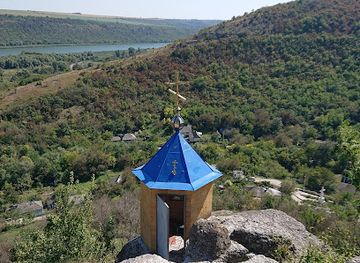
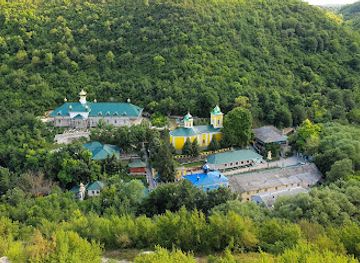
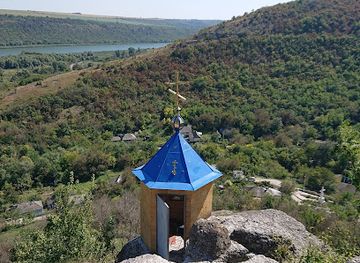
Saharna Monastery offers visitors a unique blend of natural beauty and spiritual significance. Nestled in a picturesque valley, the monastery is surrounded by lush greenery and cascading waterfalls, creating a serene and tranquil atmosphere. Visitors can explore the ancient cave monastery, carved into the cliffs, and marvel at the stunning views of the surrounding countryside. The monastery also houses a collection of religious artifacts and icons, providing insight into Moldova's rich cultural heritage. Whether you are a history enthusiast, a nature lover, or simply seeking a peaceful retreat, Saharna Monastery has something to offer for everyone.
-
Tourist attraction
Saharna Waterfall
Discover the serene beauty of Saharna Waterfall in Moldova, a natural oasis offering picturesque views, tranquil hikes, and a touch of local folklore.
-
Nature preserve
Rezervaţia peisagistică Saharna
Discover Moldova's natural and spiritual heartland at Saharna Landscape Reserve: waterfalls, ancient monasteries, and stunning scenery await.
Explore Saharna Monastery on the map
Plan your trip on one map. See where the top attractions, landmarks, restaurants and hotels are, and book hotels and experiences in a few clicks.
Best hotels in Saharna Monastery
Best restaurants in Saharna Monastery
Visitors to Saharna Monastery can expect a unique dining experience that combines traditional Moldovan cuisine with a touch of monastery hospitality. The local restaurants offer a variety of dishes made with fresh, locally sourced ingredients, including delicious soups, hearty stews, and homemade bread. Guests can dine in a serene atmosphere surrounded by stunning views of the monastery and the picturesque countryside, making it a truly memorable meal.
Best bars in Saharna Monastery
While Saharna Monastery may be known for its serene and spiritual atmosphere during the day, as the sun sets, the area transforms into a vibrant nightlife scene offering visitors a unique blend of traditional Moldovan music, dance, and cuisine. From cozy wine bars serving local vintages to lively nightclubs pulsating with modern beats, there is something for every taste. Join locals and fellow travellers alike in celebrating the rich culture and heritage of Moldova under the starlit sky of Saharna Monastery.
-
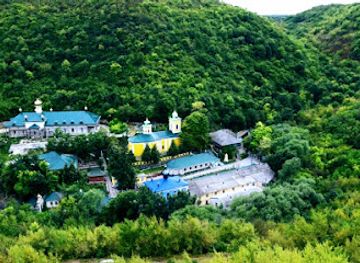
Monastery
Saharna Monastery
Discover the tranquil beauty of Saharna Monastery, a spiritual haven surrounded by nature in Moldova's serene countryside.
-
Tourist attraction
Saharna Waterfall
Explore the breathtaking Saharna Waterfall in Moldova, a stunning natural attraction perfect for nature lovers and adventure seekers.
-
Nature preserve
Rezervaţia peisagistică Saharna
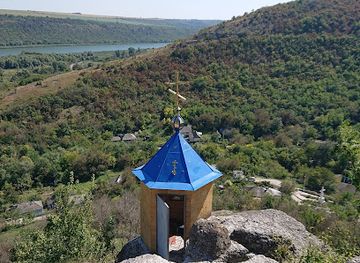
Discover the stunning landscapes and rich biodiversity of Saharna Landscape Reserve, a nature lover's paradise in Moldova.
Best nightclubs in Saharna Monastery
While Saharna Monastery may be known for its serene and spiritual atmosphere during the day, as the sun sets, the area transforms into a vibrant nightlife scene offering visitors a unique blend of traditional Moldovan music, dance, and cuisine. From cozy wine bars serving local vintages to lively nightclubs pulsating with modern beats, there is something for every taste. Join locals and fellow travellers alike in celebrating the rich culture and heritage of Moldova under the starlit sky of Saharna Monastery.
-
Monastery
Saharna Monastery
Discover the serene beauty and spiritual significance of Saharna Monastery, a must-visit pilgrimage site in Moldova's stunning Saharna Valley.
-
Tourist attraction
Saharna Waterfall
Explore the enchanting Saharna Waterfall, a breathtaking natural wonder in Moldova surrounded by lush landscapes and rich cultural heritage.
-
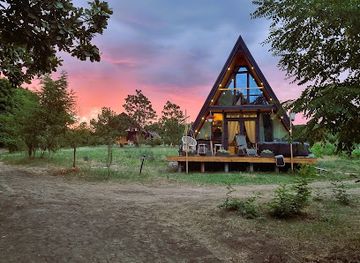
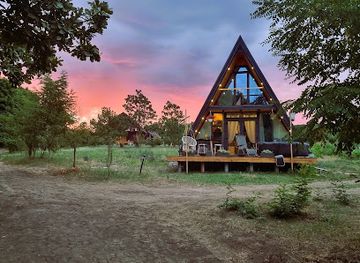
Camping cabin
Statiunea Saharna-Ţiglău
Experience the tranquility and natural beauty of Statiunea Saharna-Ţiglău, a perfect camping getaway in Moldova's lush landscapes.
-
Nature preserve
Rezervaţia peisagistică Saharna
Discover the serene landscapes and rich biodiversity of Rezervaţia peisagistică Saharna, Moldova's natural treasure.
Best shops in Saharna Monastery
Visitors to Saharna Monastery can expect a unique shopping experience, with local artisans selling handcrafted souvenirs such as traditional pottery, wood carvings, and embroidered textiles. The market stalls are filled with colorful items that reflect the rich cultural heritage of Moldova, making it the perfect place to pick up a one-of-a-kind memento of your trip. Don't forget to browse the selection of delicious local treats, including honey, wine, and homemade jams, for a taste of authentic Moldovan flavors to take home with you.
-
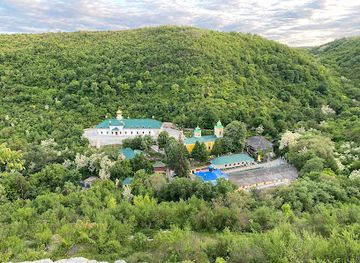
Monastery
Saharna Monastery
Experience tranquility and spirituality at Saharna Monastery, a national reserve and nature preserve in Moldova, perfect for pilgrims and nature lovers alike.
-
Tourist attraction
Saharna Waterfall
Discover the enchanting beauty of Saharna Waterfall, a must-visit natural attraction in Moldova, perfect for nature lovers and adventurers.
-
Camping cabin
Statiunea Saharna-Ţiglău
Experience the tranquility of nature at Statiunea Saharna-Ţiglău, a perfect retreat for camping enthusiasts in the heart of Moldova.
-
Nature preserve
Rezervaţia peisagistică Saharna
Explore the serene landscapes of Saharna Nature Preserve, a hidden gem in Moldova offering stunning views and diverse wildlife.
Get your free copy of our complete guide to Saharna Monastery, delivered straight to you.
Everything on this page, from attractions and restaurants to essentials and local phrases, in one PDF you can read offline, print or share.
Already have an account? Sign in
Your Saharna Monastery guide is ready.
We'll send it to · Not you? Sign out

Getting your guide ready…
We are putting together a fresh copy of the Saharna Monastery guide. This can take up to a minute.
This can take a few moments. If your browser asks, choose Allow so the download can start. You'll find the guide in your Downloads folder.
Nothing happened? Download it again
Sorry, the guide is taking longer than usual. Please try again in a minute, or get it by email instead.
Saharna Monastery essentials
Currency and Payment
Safety
Emergency Situations
Do's and Don'ts
Local Tips
From Eve
Local phrases worth knowing
You don't need to get them perfect. A few words go a long way, and locals appreciate the effort.
Basics
| English | Local | Say it |
|---|---|---|
| Hello | Salut | [sah-LOOT] |
| Goodbye | La revedere | [lah reh-veh-DEH-reh] |
| Yes | Da | [dah] |
| No | Nu | [noo] |
| Please/You're welcome | Te rog/Cu plăcere | [teh rohg/koo PLAH-cheh-reh] |
| Thank you | Mulțumesc | [mool-tsoo-MESK] |
| Excuse me/Sorry | Scuzați-mă/Îmi pare rău | [skoo-ZA-tsi mah/uhm pee-REH ruh] |
| How are you? | Ce mai faci? | [cheh my fahch?] |
| Fine. And you? | Bine. Și tu? | [BEE-neh. shee too?] |
| Do you speak English? | Vorbiți engleză? | [vohr-BEE-tsi ehn-GLEH-zuh?] |
| I don't understand | Nu înțeleg | [noo uhn-tseh-lehg] |
Eating & Drinking
| English | Local | Say it |
|---|---|---|
| I'd like to see the menu, please | Aș dori să văd meniul, vă rog | [ush doh-REE suh vad meh-NYOOHL, vuh rohg] |
| I don't eat meat | Nu mănânc carne | [noo muh-NAHNC KAHR-neh] |
| Cheers! | Noroc! | [NOH-rohk] |
| I would like to pay, please | Aș dori să plătesc, vă rog | [ush doh-REE suh PLAH-tesk, vuh rohg] |
Emergencies
| English | Local | Say it |
|---|---|---|
| Help! | Ajutor! | [ah-zhoo-TOR] |
| Go away! | Du-te! | [doo-teh] |
| Call the Police! | Sunați Poliția! | [soo-NAHTS poh-LEE-tsee-ah] |
| Call a doctor! | Sunați un doctor! | [soo-NAHTS oon DOHK-tohr] |
| I'm lost | M-am rătăcit | [mahm ruh-tuh-CHEET] |
| I'm ill | Sunt bolnav | [soont BOHL-nav] |
Shopping
| English | Local | Say it |
|---|---|---|
| I'd like to buy... | Aș dori să cumpăr... | [ush doh-REE suh KOOM-puhr] |
| I'm just looking | Doar mă uit | [dwahr muh ooit] |
| How much is it? | Cât costă? | [kaht KOHS-tuh?] |
| That's too expensive | E prea scump | [eh preh skoomp] |
| Can you lower the price? | Puteți scădea prețul? | [poo-TEHTS skuh-DEH-ah PREHTS-ool] |
Time & Numbers
| English | Local | Say it |
|---|---|---|
| What time is it? | Cât este ora? | [kaht YES-teh OH-rah] |
| It's one o'clock | Este ora unu | [YES-teh OH-rah oo-NOO] |
| Half past (10) | Jumătate (10) | [zhoo-MAH-tah-teh (doh-YEH-tseh)] |
| Morning | Dimineață | [dee-mee-NEHTS-uh] |
| Afternoon | După-amiază | [doo-PAH ah-MYAH-zuh] |
| Evening | Seara | [seh-AH-rah] |
| Yesterday | Ieri | [YEHR] |
| Today | Astăzi | [ahs-TUHZ] |
| Tomorrow | Mâine | [muh-YNEH] |
| 1 | Unu | [OO-noo] |
| 2 | Doi | [doy] |
| 3 | Trei | [treh] |
| 4 | Patru | [PAH-troo] |
| 5 | Cinci | [CHEEN-chee] |
| 6 | Șase | [shah-seh] |
| 7 | Șapte | [SHAHP-teh] |
| 8 | Opt | [ohpt] |
| 9 | Nouă | [noo-WAH] |
| 10 | Zece | [ZEH-cheh] |
Transport & Directions
| English | Local | Say it |
|---|---|---|
| Where's a/the...? | Unde este unul/...? | [oon-deh YES-teh OON-ool] |
| What's the address? | Care este adresa? | [KA-reh YES-teh ah-DREH-sah] |
| Can you show me (on the map)? | Puteți să-mi arătați (pe hartă)? | [poo-TEHTS suh-mee ah-RAH-tahts (peh hahr-TUH)] |
| When's the next (bus)? | Când vine următorul (autobuz)? | [kahnd VEE-neh oor-MAH-toh-rool (ow-TOH-booz)] |
| A ticket (to ....) | Un bilet (către ....) | [oon bee-LET (kuh-TREH ....)] |
History of Saharna Monastery
Origins and Early History
Saharna Monastery, located in the picturesque Saharna village in Moldova, traces its origins back to the 15th century. The initial structure was a small wooden church, established by a group of monks seeking solitude and spiritual enlightenment. This humble beginning laid the foundation for what would become one of Moldova's most revered monastic complexes.
Founding of the Monastery
The official founding of Saharna Monastery is credited to the 18th century, specifically in 1776, under the guidance of the monk Bartholomew Ciungu. Recognizing the spiritual significance of the area, Bartholomew Ciungu and his fellow monks constructed a stone church dedicated to the Holy Trinity. This marked the transformation of Saharna from a secluded hermitage to an established monastic community.
The Legend of the Footprint
According to local legend, Saharna Monastery became a site of pilgrimage due to a miraculous event. It is said that a monk, while praying on a cliff, witnessed a divine apparition of the Virgin Mary. In her honor, he left behind a footprint on the rock, which remains visible to this day. This sacred footprint has been a focal point of devotion and pilgrimage, attracting visitors seeking blessings and miracles.
Architectural Evolution
Over the centuries, Saharna Monastery underwent several architectural transformations. The initial stone church was expanded, and additional structures were built, including cells for monks, a bell tower, and a refectory. The complex features a blend of Byzantine and local Moldovan architectural styles, reflected in its ornate icons, frescoes, and intricate woodwork, which add to the site's spiritual ambiance.
Soviet Era Challenges
The 20th century brought significant challenges for Saharna Monastery, particularly during the Soviet era. In the 1940s, the monastery was closed, and its assets were confiscated by the state. Monks were expelled, and the site was repurposed for secular use, including as a warehouse and military barracks. Despite these adversities, the spiritual significance of Saharna endured in the hearts of the local community.
Revival and Restoration
With the fall of the Soviet Union in the early 1990s, Saharna Monastery experienced a revival. The Moldovan Orthodox Church reclaimed the site, and efforts to restore the monastery began in earnest. Restoration projects focused on repairing damaged structures, reviving monastic life, and reinstating religious services. Today, Saharna Monastery stands as a beacon of Moldova's spiritual heritage and resilience.
Cultural and Spiritual Significance
Saharna Monastery is not only a religious site but also a cultural landmark. It serves as a center for Orthodox Christian worship, attracting pilgrims and tourists alike. The monastery's serene natural surroundings, including the nearby Saharna River and waterfalls, enhance its spiritual appeal. Visitors can explore the historical relics, participate in religious ceremonies, and experience the tranquility that has defined Saharna for centuries.
Saharna Monastery in Photos
Browse through our photo collection highlighting the charm and character of the destination.
Neighbouring destination travel guides
The closest destinations to Saharna Monastery, if you have time for more than one.
-
 Saharna Monastery Complex
Discover the serene beauty and spiritual heritage of Moldova at the Saharna Monastery Complex, where history, nature, and tranquility converge.
Saharna Monastery Complex
Discover the serene beauty and spiritual heritage of Moldova at the Saharna Monastery Complex, where history, nature, and tranquility converge.
-
 Tipova Monastery Complex
Discover the mystical Tipova Monastery Complex in Moldova, a stunning blend of ancient history, spiritual serenity, and natural beauty along the Dniester River.
Tipova Monastery Complex
Discover the mystical Tipova Monastery Complex in Moldova, a stunning blend of ancient history, spiritual serenity, and natural beauty along the Dniester River.
-
 Nistru River
Discover the serene beauty and cultural richness of the Nistru River in Moldova – a perfect blend of nature, history, and tradition.
Nistru River
Discover the serene beauty and cultural richness of the Nistru River in Moldova – a perfect blend of nature, history, and tradition.
-
 Orheiul Vechi Natural Cultural Reserve
Discover the ancient cave monasteries, stunning landscapes, and rich history of Orheiul Vechi Natural Cultural Reserve in Moldova.
Orheiul Vechi Natural Cultural Reserve
Discover the ancient cave monasteries, stunning landscapes, and rich history of Orheiul Vechi Natural Cultural Reserve in Moldova.
-
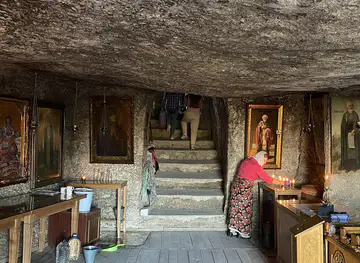 Cave Monastery in Old Orhei
Discover the Cave Monastery of Old Orhei in Moldova, an ancient sanctuary nestled in limestone cliffs, offering a serene retreat and a glimpse into medieval monastic life.
Cave Monastery in Old Orhei
Discover the Cave Monastery of Old Orhei in Moldova, an ancient sanctuary nestled in limestone cliffs, offering a serene retreat and a glimpse into medieval monastic life.
Swipe for more destinations
Explore more
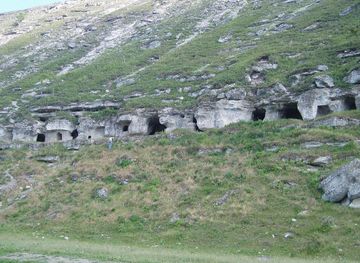
Explore more of Orhei County
Discover the rich history, stunning landscapes, and warm hospitality of Orhei County, Moldova's hidden gem.
Explore Orhei County
Explore more of Moldova
Discover Moldova: A tranquil haven of rich history, stunning vineyards, and captivating natural landscapes, perfect for an off-the-beaten-path European adventure.
Explore Moldova