

Free Orhei County Travel Guide & Mobile App
Explore Orhei County with free travel guides. Discover regional history, expert tips, proposed trips, and audio guides on web or mobile app.


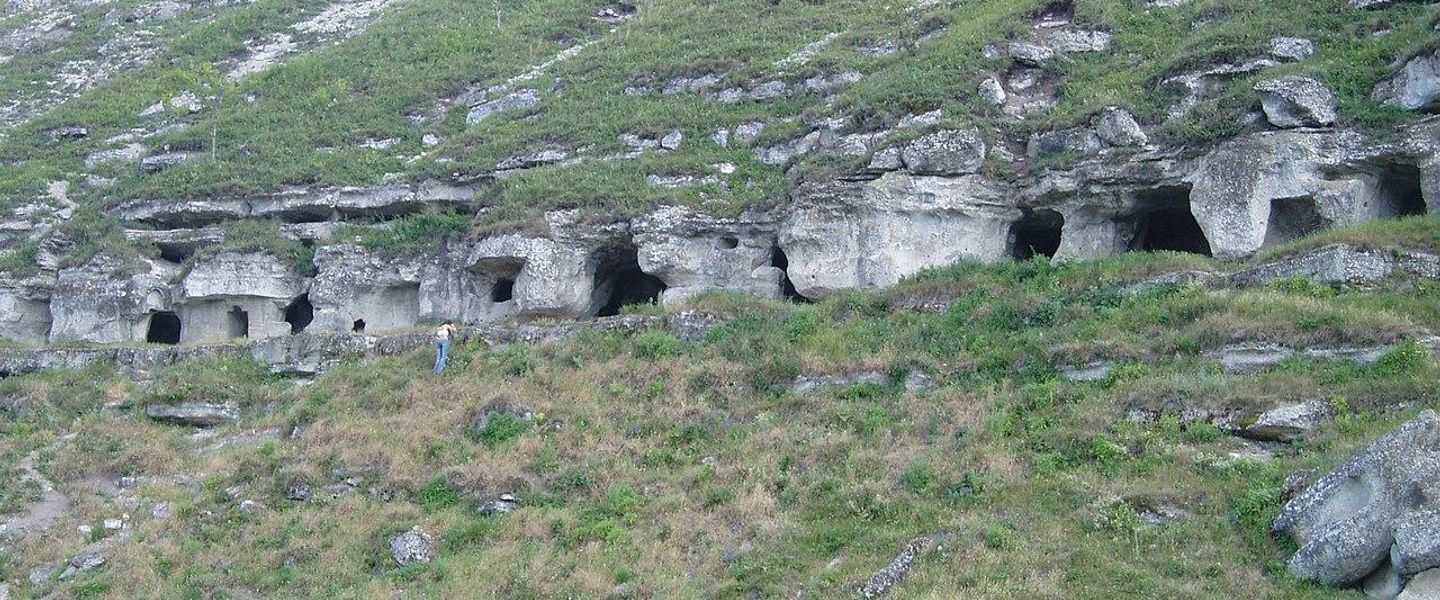


Explore Orhei County in Moldova for Orheiul Vechi, limestone valleys, monasteries, vineyards and quiet rural landscapes near Chişinău.
Read more about Orhei County
When is the best time to visit Orhei County?
Best: June–August · 25–27°C| Month | High (°C) | Rainfall (mm) |
|---|---|---|
| January | 1 | 25 |
| February | 3 | 23 |
| March | 9 | 30 |
| April | 15 | 35 |
| May | 21 | 40 |
| June (best) | 25 | 45 |
| July (best) | 27 | 45 |
| August (best) | 26 | 40 |
| September | 21 | 35 |
| October | 15 | 30 |
| November | 8 | 25 |
| December | 2 | 25 |
Getting to and around Orhei County
How to get there
Transportation
Top city travel guides in Orhei County
The cities of Orhei County, and the easiest places to base yourself.
-

-


Swipe for more cities
Destinations in Orhei County
Resorts, valleys and scenic spots worth a trip of their own.
-

-

-

-
-

-


Swipe for more destinations
Best attractions in Orhei County
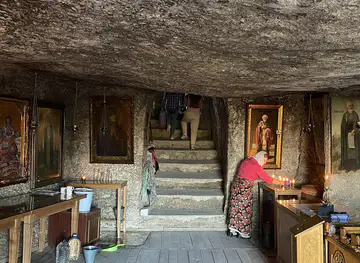
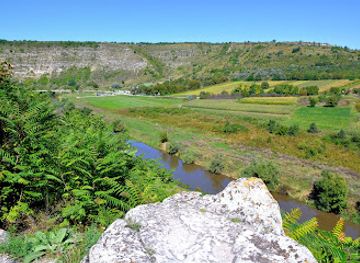
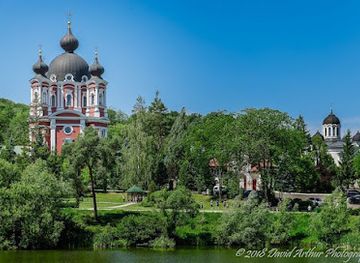
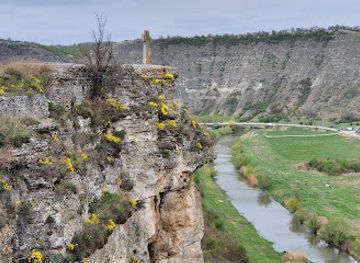
Orhei County's attractions are concentrated around the meeting of archaeology, landscape and living rural culture. Orheiul Vechi is the principal experience: trails around Trebujeni and Butuceni reveal limestone terraces, caves, rock-cut religious spaces and the remains of medieval settlement beside the Răut. The surrounding villages add traditional architecture, gardens and opportunities for locally prepared food. Curchi Monastery provides a contrasting experience in a wooded setting, with an Orthodox ensemble whose architecture and religious history reward a slower visit. Orhei town offers museums, services and a useful introduction to the county, while nearby vineyards and cellars connect the countryside to Moldova's wine tradition. Visitors interested in walking can explore valley paths and open agricultural landscapes, although routes are often informal rather than fully signposted. The region is better suited to cultural touring, gentle hiking, village encounters and wine experiences than to a dense programme of conventional urban attractions.
-
Nature preserve
Orheiul Vechi Cultural and Natural Reserve
Explore the breathtaking Orheiul Vechi Cultural and Natural Reserve, where nature meets history in Moldova's stunning landscapes.
-
Monument
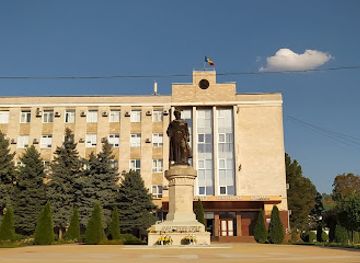
Vasile Lupu monument
Explore the Vasile Lupu Monument in Orhei, a stunning tribute to Moldova's rich history and cultural heritage.
-
City park
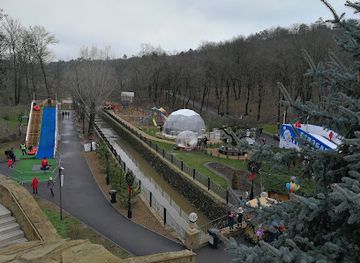
Parcul Ivanos
Experience the natural beauty and serene atmosphere of Parcul Ivanos, a perfect escape in Orhei, Moldova, ideal for relaxation and leisurely strolls.
-
Winery
Chateau Vartely
Discover the exquisite flavors of Moldovan wine at Chateau Vartely, a premier winery offering gourmet dining and stunning vineyard views.
Best landmarks in Orhei County
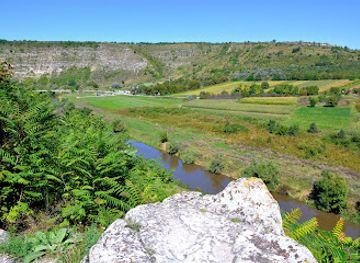
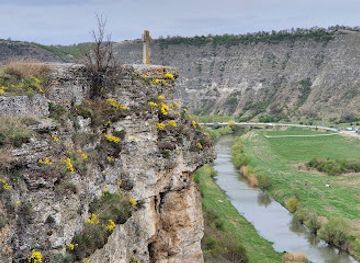
The defining landmark of Orhei County is the limestone landscape of Orheiul Vechi, where the Răut curves between high terraces and exposes the geological setting of the archaeological complex. The caves and rock-cut monastic spaces around the valley give the site a distinctive visual and spiritual character, while the remains of the medieval settlement demonstrate its former strategic and commercial importance. In the village of Butuceni, traditional houses and the surrounding cliffs form an unusually coherent cultural landscape rather than a single isolated monument. Curchi Monastery is the county's most prominent architectural landmark, recognised for its wooded setting, domed churches and long Orthodox history. Orhei's townscape provides a more recent counterpoint, with civic and residential structures shaped by the imperial, Romanian, Soviet and independent-Moldovan periods. Across the county, village churches, wells and limestone farm buildings are modest landmarks, but they help explain how religious and agricultural life has been embedded in the terrain.
-
Amusement park
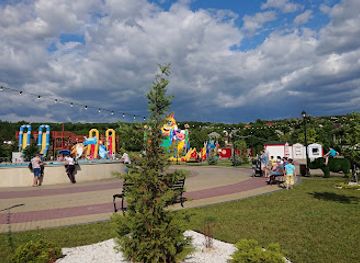
OrheiLand
Experience thrilling rides, family fun, and cultural events at OrheiLand, Moldova's largest amusement park, nestled in the scenic city of Orhei.
-
Monastery
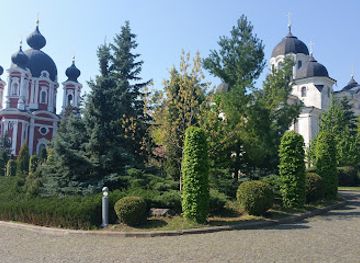
Curchi Monastery
Discover Curchi Monastery, a stunning Moldovan architectural gem with a rich spiritual history, nestled in a serene valley.
-
Nature preserve
Orheiul Vechi Cultural and Natural Reserve
Discover Moldova's ancient roots at Orheiul Vechi, a stunning cultural and natural reserve with cave monasteries and dramatic landscapes.
-
Monument
Vasile Lupu monument
Discover the Vasile Lupu Monument in Orhei, Moldova: a tribute to a 17th-century prince and a symbol of Moldovan heritage.
Explore Orhei County on the map
Plan your trip on one map. See where the top cities, national parks and sights are, and book hotels and experiences in a few clicks.
Best hotels in Orhei County
Best restaurants in Orhei County
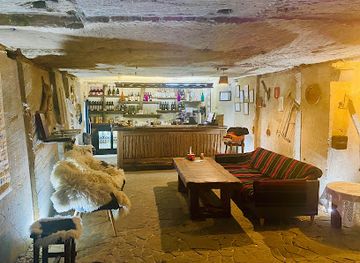
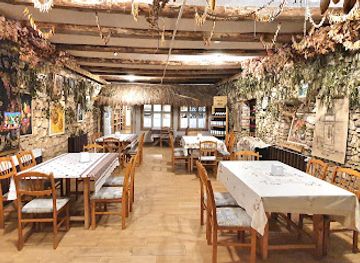
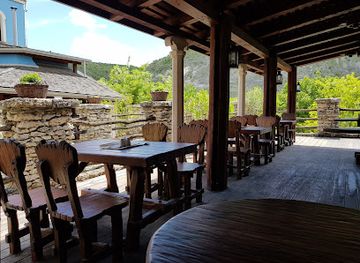
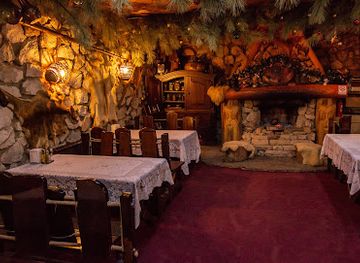
Dining in Orhei County reflects Moldova's agricultural landscape and the cooking of its villages. Look for dishes such as mămăligă served with cheese, sour cream or meat, sarmale, soups, grilled meats, placinte and seasonal vegetable preparations; recipes and accompaniments vary between households rather than following a single county style. Orhei town has the broadest choice of cafés and restaurants, while rural guesthouses around Orheiul Vechi may offer pre-arranged meals featuring garden produce, dairy products, preserves and homemade baking. Wineries and cellar visits can add local wine to a meal, including indigenous varieties found across Moldova, but tastings normally benefit from advance booking. Markets and small food shops are useful for fruit, honey, cheese and bread, although selection and payment options are more limited in villages. Dining is often unhurried and family-oriented, with menus more dependable in town than in the countryside.
-
Restaurant
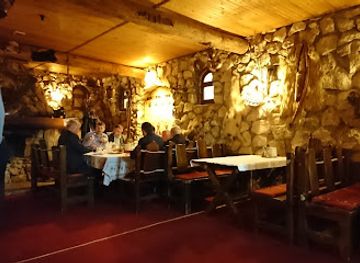
Epoca de Piatră
Explore Epoca de Piatră: Where Authentic Moldovan Cuisine Meets Warm Hospitality in Brăneşti.
-
Restaurant
Eco-Resort Butuceni
Experience nature's tranquility at Eco-Resort Butuceni, where Moldovan culture meets stunning landscapes for an unforgettable getaway.
-
Restaurant
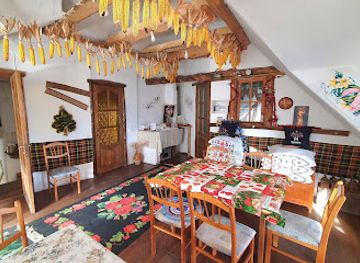
Villa Etnica
Experience authentic Moldovan cuisine amidst breathtaking landscapes at Villa Etnica in Butuceni.
-
Family-friendly
Doi Haiduci
Discover Doi Haiduci: A family-friendly haven in Moldova offering delightful Romanian cuisine and cozy accommodations amidst stunning landscapes.
Best bars in Orhei County
Orhei County has a modest evening scene rather than a concentrated nightclub culture. In Orhei town, cafés, restaurants and bars provide the main places for an evening drink, conversation or televised sport, while some venues may offer music without operating as late-night clubs. Around Orheiul Vechi, evenings are quieter and usually centre on guesthouse meals, rural hospitality and clear views across the valley rather than organised nightlife. Wine cellars and tasting rooms can be an important part of an evening itinerary when visits have been arranged in advance. The county's villages generally close early, and transport options after dark can be limited, so visitors staying outside Orhei should organise their return or accommodation beforehand. For a larger choice of clubs and late-night entertainment, Chișinău, outside the county, is the country's principal destination.
-
Amusement park
OrheiLand
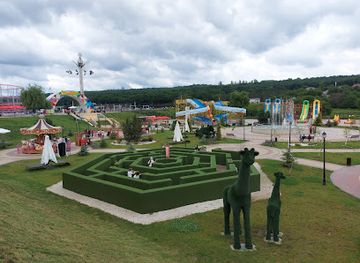
Experience the magic of OrheiLand, Moldova's top amusement park, where adventure and fun await for the whole family!
-
Nature preserve
Orheiul Vechi Cultural and Natural Reserve
Explore the breathtaking Orheiul Vechi Reserve, a stunning blend of nature, history, and culture nestled in the heart of Moldova.
-
Restaurant
Eco-Resort Butuceni
Experience the tranquility of Eco-Resort Butuceni, where nature meets culture in the heart of Moldova.
-
Family-friendly
Doi Haiduci
Explore the charm of Doi Haiduci, a family-friendly hotel and restaurant in Ivancea, offering traditional Romanian cuisine and relaxing sauna facilities.
Best nightclubs in Orhei County
Orhei County has a modest evening scene rather than a concentrated nightclub culture. In Orhei town, cafés, restaurants and bars provide the main places for an evening drink, conversation or televised sport, while some venues may offer music without operating as late-night clubs. Around Orheiul Vechi, evenings are quieter and usually centre on guesthouse meals, rural hospitality and clear views across the valley rather than organised nightlife. Wine cellars and tasting rooms can be an important part of an evening itinerary when visits have been arranged in advance. The county's villages generally close early, and transport options after dark can be limited, so visitors staying outside Orhei should organise their return or accommodation beforehand. For a larger choice of clubs and late-night entertainment, Chișinău, outside the county, is the country's principal destination.
-
Winery
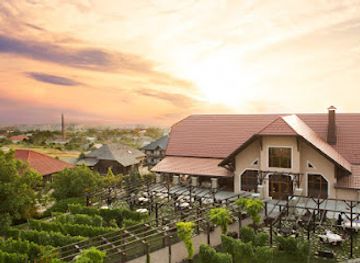
Chateau Vartely
Discover the charm of Chateau Vartely, a premier winery in Moldova, offering exquisite wines, luxurious accommodations, and breathtaking views.
-
Night club
Edgo Night Club
Discover the vibrant nightlife at Edgo Night Club in Chișinău, where music, dance, and unforgettable moments await you.
-
Adult entertainment club
Up & Down Club
Discover the electrifying atmosphere of Up & Down Club, Chișinău's premier nightlife destination for unforgettable entertainment and dancing.
-
Night club
Bora Bora Night Club
Discover the pulsating nightlife of Bora Bora Night Club in Chișinău, where vibrant music and exciting atmosphere create unforgettable memories.



Best shops in Orhei County
Shopping in Orhei County is primarily local and practical, with the widest choice found in Orhei town's market areas, food shops and high-street businesses. Visitors can look for Moldovan wine, honey, preserves, cheese, dried fruit, seasonal produce and baked goods, although packaging and availability vary by seller. Markets are useful for observing everyday commerce as well as buying supplies for rural excursions. Around Orheiul Vechi, guesthouses and cultural tourism projects may offer small quantities of handmade textiles, ceramics or other locally produced items, but the range is not comparable with a major city craft market. Wine purchased from a cellar or producer can be a meaningful regional souvenir; check transport and customs allowances before buying several bottles. For broader selections of books, design goods, specialist crafts and branded products, Chișinău, outside Orhei County, is the more suitable shopping destination.
-
Amusement park
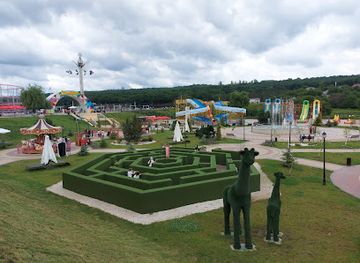
OrheiLand
OrheiLand: An enchanting amusement park in Moldova offering thrilling rides and family-friendly attractions for a perfect day out.
-
Monastery
Curchi Monastery
Discover the spiritual and architectural beauty of Curchi Monastery, a serene sanctuary nestled in the hills of Moldova, perfect for reflection and exploration.
-
Nature preserve
Orheiul Vechi Cultural and Natural Reserve
Explore the beauty of Orheiul Vechi Cultural and Natural Reserve, where Moldova's rich history meets stunning natural landscapes.
-
City park
Parcul Ivanos
Explore the serene green landscapes of Parcul Ivanos, a peaceful city park in the heart of Orhei, Moldova, perfect for relaxation and recreation.
Get your free copy of our complete guide to Orhei County, delivered straight to you.
Everything on this page, from attractions and restaurants to essentials and local phrases, in one PDF you can read offline, print or share.
Already have an account? Sign in
Your Orhei County guide is ready.
We'll send it to · Not you? Sign out

Getting your guide ready…
We are putting together a fresh copy of the Orhei County guide. This can take up to a minute.
This can take a few moments. If your browser asks, choose Allow so the download can start. You'll find the guide in your Downloads folder.
Nothing happened? Download it again
Sorry, the guide is taking longer than usual. Please try again in a minute, or get it by email instead.
Orhei County essentials
Currency and Payment
Safety
Emergency Situations
Do's and Don'ts
Local Tips
From Eve
Local phrases worth knowing
You don't need to get them perfect. A few words go a long way, and locals appreciate the effort.
Basics
| English | Local | Say it |
|---|---|---|
| Hello | Bună | [Boo-nuh] |
| Goodbye | La revedere | [Lah reh-veh-deh-reh] |
| Yes | Da | [Dah] |
| No | Nu | [Noo] |
| Please/You're welcome | Te rog/ Cu plăcere | [Teh rog/ Koo plah-cheh-reh] |
| Thank you | Mulțumesc | [Mool-tsoo-mesk] |
| Excuse me/Sorry | Scuză-mă/Îmi pare rău | [Skoo-zuh-muh/ Im pah-reh rah-oo] |
| How are you? | Ce mai faci? | [Cheh my fahch?] |
| Fine. And you? | Bine. Dar tu? | [Bee-neh. Dar too?] |
| Do you speak English? | Vorbești engleză? | [Vor-besht eng-leh-zuh?] |
| I don't understand | Nu înțeleg | [Noo uhn-tseh-lehg] |
Eating & Drinking
| English | Local | Say it |
|---|---|---|
| I'd like to see the menu, please | Aș dori să văd meniul, vă rog | [Ash doh-ree suh vehd meh-nee-ul, vah rog] |
| I don't eat meat | Nu mănânc carne | [Noo mah-nahnk kar-neh] |
| Cheers! | Noroc! | [No-rok!] |
| I would like to pay, please | Aș dori să plătesc, vă rog | [Ash doh-ree suh plah-tesk, vah rog] |
Emergencies
| English | Local | Say it |
|---|---|---|
| Help! | Ajutor! | [Ah-joo-tor!] |
| Go away! | Du-te! | [Doo-teh!] |
| Call the Police! | Sună poliția! | [Soo-nah poh-lee-tsee-ah!] |
| Call a doctor! | Sună un doctor! | [Soo-nah oon dok-tor!] |
| I'm lost | M-am pierdut | [M-am pee-er-doot] |
| I'm ill | Sunt bolnav | [Soont bol-nahv] |
Shopping
| English | Local | Say it |
|---|---|---|
| I'd like to buy... | Aș dori să cumpăr... | [Ash doh-ree suh koom-pair...] |
| I'm just looking | Mă uit doar | [Muh oo-eet do-ar] |
| How much is it? | Cât costă? | [Koot koh-stah?] |
| That's too expensive | Asta e prea scump | [Ah-stah eh preh-ah skoomp] |
| Can you lower the price? | Poți să scazi prețul? | [Poh-tsee suh skahz preh-tzul?] |
Time & Numbers
| English | Local | Say it |
|---|---|---|
| What time is it? | Cât e ceasul? | [Koot eh chah-sool?] |
| It's one o'clock | E o oră | [Eh o oh-rah] |
| Half past (10) | Jumătate după (10) | [Joo-muh-tah-teh doo-pah (10)] |
| Morning | Dimineața | [Dee-mee-neh-ah-tsah] |
| Afternoon | După-amiază | [Doo-pah ah-mee-ah-zah] |
| Evening | Seara | [Sah-rah] |
| Yesterday | Ieri | [Yeh-ree] |
| Today | Astăzi | [Ah-stahz] |
| Tomorrow | Mâine | [Moo-ee-neh] |
| 1 | Unu | [Oo-noo] |
| 2 | Doi | [Doy] |
| 3 | Trei | [Tray] |
| 4 | Patru | [Pah-troo] |
| 5 | Cinci | [Cheench] |
| 6 | Șase | [Shah-seh] |
| 7 | Șapte | [Shahp-teh] |
| 8 | Opt | [Oopt] |
| 9 | Nouă | [Noh-uh] |
| 10 | Zece | [Zeh-cheh] |
Transport & Directions
| English | Local | Say it |
|---|---|---|
| Where's a/the...? | Unde este...? | [Oon-deh yeh-steh...?] |
| What's the address? | Care este adresa? | [Kah-reh yeh-steh ah-dreh-sah?] |
| Can you show me (on the map)? | Îmi poți arăta (pe hartă)? | [Im pohts ah-rah-tah (peh har-tuh)?] |
| When's the next (bus)? | Când e următorul (autobuz)? | [Kund eh oor-mah-toh-rool (ow-toh-booz)?] |
| A ticket (to ....) | Un bilet (către ...) | [Oon bee-let (kă-treh ...)] |
History of Orhei County
Prehistoric and Ancient Settlement in the Răut Valley
The Răut valley has attracted settlement for thousands of years because its water, fertile soils, defensible limestone heights and transport routes supported both farming and movement. Archaeological work around Orheiul Vechi has identified remains from several prehistoric and ancient periods, demonstrating that the landscape was repeatedly occupied and reshaped. These early communities left fragments of settlement, pottery and defensive works rather than a single continuous city. Their legacy helps explain why the valley is treated as a cultural landscape: its importance lies in the accumulation of human occupation across the same distinctive hills and river terraces.
The Medieval Town of Orheiul Vechi
During the medieval period, the Răut valley became a strategically important settlement zone. The site now known as Orheiul Vechi contains remains associated with the medieval town of Orhei, including fortifications, religious structures, dwellings and evidence of craft and trade. Its position connected routes across the Moldavian lands with the wider steppe world. The archaeological record reflects changing political control, including the influence of the Golden Horde and later the Principality of Moldavia. The surviving ruins and caves make the valley one of the clearest places in Moldova to read the relationship between landscape, power and commerce.
Moldavia and the Growth of Monastic Communities
As the Principality of Moldavia developed in the late medieval and early modern periods, churches and monasteries became important religious, cultural and landholding institutions. The Orhei area acquired a network of village churches and monastic foundations, many using local limestone and adapting to the wooded valleys and high river terraces. Curchi Monastery, traditionally associated with an eighteenth-century foundation, grew into one of the region's most significant Orthodox complexes. Its buildings and later restorations record the changing fortunes of religious institutions through periods of prosperity, political upheaval and state suppression.
Imperial Rule and Rural Transformation
After the annexation of Bessarabia by the Russian Empire in 1812, the Orhei area was administered within the imperial province and became part of wider changes in law, landholding, education and administration. Rural society remained predominantly agricultural, with villages, estates and religious institutions continuing to shape local life. Russian imperial influence appeared in official structures and cultural policy, while Moldavian language and traditions remained important in everyday communities. The period also strengthened links between local production and regional markets, patterns that continued through later political transformations.
The Interwar Romanian Period
Following the union of Bessarabia with Romania in 1918, the Orhei area was incorporated into the Romanian state and administered as part of its interwar territorial system. Institutions such as schools, courts and local government were reorganised, and roads and public services developed unevenly across the countryside. Romanian cultural and administrative influence became more pronounced, although village life continued to reflect the region's Moldavian traditions and Orthodox heritage. The interwar legacy is visible less through one monumental event than through surviving civic buildings, documentary records and the layered identity of local communities.
Soviet Collectivisation and Modern Moldova
The Soviet period brought profound changes to Orhei's villages and agricultural economy. Land was collectivised, private farming was replaced by state-directed production, and religious institutions faced restrictions or closure. Industrial and administrative planning altered Orhei town, while rural communities experienced migration, mechanised agriculture and new state services. Since Moldova became independent in 1991, the region has combined inherited agricultural structures with private vineyards, small enterprises, cultural tourism and renewed religious life. The restoration of monasteries and promotion of Orheiul Vechi illustrate the continuing effort to interpret and preserve this complex past.
Orhei County in Photos
Browse through our photo collection highlighting the charm and character of the destination.
Neighbouring regions of Orhei County
The closest regions to Orhei County, if you have time for more than one.
-

-

-

-

-


Swipe for more regions
Explore more

Explore more of Moldova
Discover Moldova: A tranquil haven of rich history, stunning vineyards, and captivating natural landscapes, perfect for an off-the-beaten-path European adventure.
Explore Moldova