

La Turbie Travel Guide - Free Web & App
Your ultimate guide to La Turbie. Discover top landmarks, proposed trips, and local tips. Free on the web or via the Evendo companion app.


La Turbie, France, above Monaco, combines the Trophée des Alpes, medieval lanes, Roman history and mountain views over the Riviera coast and sea.
A Mountain Village Above Monaco
La Turbie is a historic hilltop commune in the Alpes-Maritimes department of southeastern France, immediately above the Principality of Monaco. Although it is often visited in combination with Monaco, La Turbie is not part of Monaco: its identity belongs to the French Riviera hinterland, where winding roads and steep slopes rise towards the Alpes-Maritimes. The village occupies a dramatic position between the Mediterranean coast and the limestone heights of the Tête de Chien and Mont de la Bataille.Read more about La Turbie
The Trophée des Alpes
Village Life and Mountain Landscapes
When is the best time to visit La Turbie?
Best: May–June, September · 23–28°C| Month | High (°C) | Rainfall (mm) |
|---|---|---|
| January | 13 | 90 |
| February | 14 | 80 |
| March | 16 | 70 |
| April | 19 | 60 |
| May (best) | 23 | 50 |
| June (best) | 28 | 40 |
| July | 33 | 30 |
| August | 33 | 30 |
| September (best) | 28 | 40 |
| October | 23 | 60 |
| November | 18 | 70 |
| December | 15 | 80 |
Getting to and around La Turbie
How to get there
Transportation
Best attractions in La Turbie
The Trophée des Alpes is La Turbie's defining attraction, standing above the village as a monumental Roman trophy with an archaeological site and interpretation that illuminate the history of the ancient Alpine route. The old village itself rewards slow exploration through narrow lanes, small squares and the Church of Saint Michael, whose position reflects the settlement's long religious and civic history. Around the commune, the limestone ridge provides elevated views towards Monaco, Cap d'Ail, Cap Ferrat and the wider Mediterranean coast, although visibility depends on weather and haze. The Tête de Chien and Mont de la Bataille introduce a more rugged landscape of rocky slopes and Mediterranean vegetation, with walking opportunities subject to route conditions and local restrictions. Visitors interested in broader regional heritage can use La Turbie as a base for nearby Monaco, Menton or the Nice hinterland, but those places are adjacent destinations rather than attractions within the commune itself.
-
Tourist information center
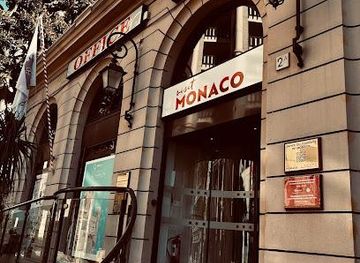
Monaco Tourism Office
Explore Monaco's hidden gems and iconic attractions at the Monaco Tourism Office, your essential resource for an unforgettable Riviera experience.
-
Live Music
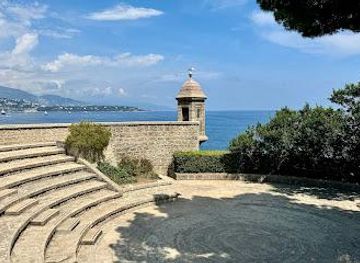
Théâtre du Fort Antoine
Discover the magic of live performances at Monaco's Théâtre du Fort Antoine, where history meets art in a breathtaking setting.
-
Tourist attraction
New National Museum of Monaco - Villa Paloma
Explore the captivating fusion of contemporary art and breathtaking gardens at the New National Museum of Monaco - Villa Paloma.
-
Swimming facility
Piscine Municipale Princesse Charlène de Monaco
Experience the ultimate relaxation at Piscine Municipale Princesse Charlène de Monaco, offering stunning views and excellent swimming facilities in La Turbie.
Best landmarks in La Turbie
The Trophée des Alpes is La Turbie's principal landmark, a Roman monument raised under Augustus in 6 or 7 BC to commemorate Rome's submission of Alpine peoples and to assert imperial control over the route between Italy and Gaul. Its elevated position gives the structure both archaeological importance and a powerful relationship with the Mediterranean landscape below. The Roman site also preserves the memory of the Via Julia Augusta, the road system that made the ridge strategically significant. Within the village, the Church of Saint Michael and the surrounding historic streets represent La Turbie's later religious and communal history. The Tête de Chien and the limestone heights towards Mont de la Bataille are important natural landmarks, distinguished by steep terrain and broad coastal outlooks. Military installations on the heights are part of the area's modern strategic landscape, but restricted zones should not be entered.
-
Observation deck
The Dog's Head
Experience the stunning vistas of the French Riviera from The Dog's Head Observation Deck, a top tourist attraction in La Turbie, France.
-
Cultural landmark
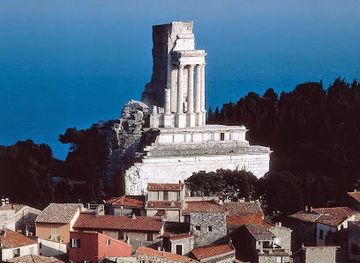
Trophy of Augustus
Discover the Trophy of Augustus in La Turbie, a stunning Roman monument offering breathtaking views of the French Riviera and a glimpse into ancient history.
-
Tourist attraction
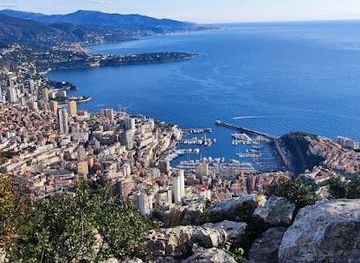
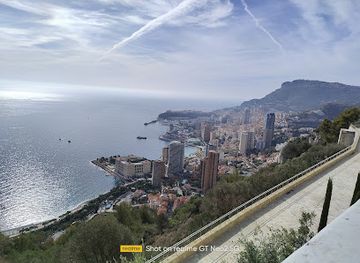
Point View Monaco
Experience the stunning vistas of the French Riviera at Point View Monaco, a must-visit attraction for breathtaking coastal views and serene escapes.
-
Observation deck
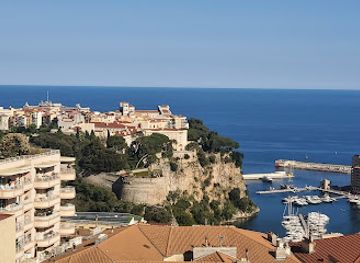
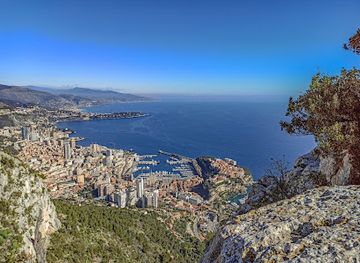
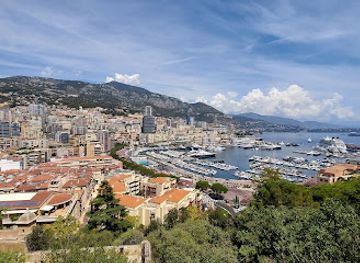
Panoramic view of Monaco
Discover breathtaking panoramic views of Monaco from the observation deck, where stunning coastal vistas meet luxury and charm.
Explore La Turbie on the map
Plan your trip on one map. See where the top attractions, landmarks, restaurants and hotels are, and book hotels and experiences in a few clicks.
Best hotels in La Turbie
Best restaurants in La Turbie
Dining in La Turbie is concentrated in the village and is more intimate than the extensive restaurant scene found in Monaco or Nice. Local cafés and restaurants provide opportunities to eat before or after visiting the Trophée des Alpes, with menus generally reflecting the culinary traditions of the French Riviera and the wider Provençal region: seasonal vegetables, olive oil, herbs, breads, cheeses and Mediterranean-influenced dishes are more characteristic than a single food associated exclusively with La Turbie. The nearby coast also shapes regional dining, although seafood specialities are more readily encountered in coastal towns than on the hilltop itself. Visitors staying in the commune should check current opening arrangements, particularly outside the busiest periods. Monaco and the surrounding French Riviera settlements offer a much broader choice of dining, but should be treated as separate destinations reached from La Turbie.
-
Brasserie
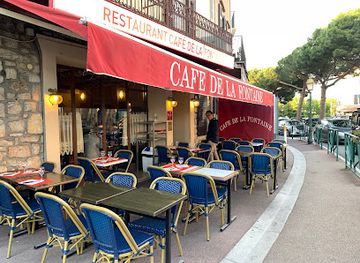
Le Café de la Fontaine
Discover authentic French cuisine at Le Café de la Fontaine in La Turbie - where culinary excellence meets stunning views.
-
Italian
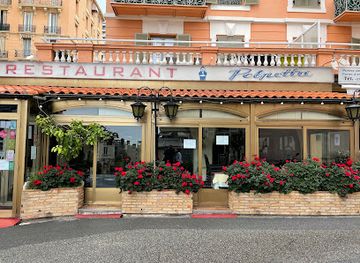
Polpetta
Experience authentic Italian cuisine at Polpetta in Monaco—where every meal is a taste adventure filled with rich flavors and delightful ambiance.
-
Pizza
Les Santons
Experience authentic Italian cuisine at Les Santons in La Turbie - where each pizza is crafted with passion and tradition.
-
Restaurant
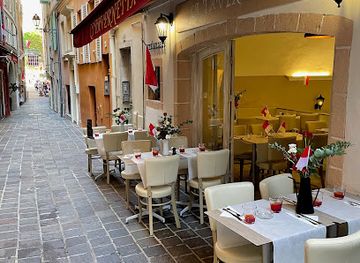
La Tavernetta
Discover La Tavernetta in Monaco - where authentic Italian flavors meet warm hospitality in an inviting atmosphere.
Best bars in La Turbie
La Turbie has a quiet village evening atmosphere rather than a dedicated nightlife district. After dark, the most characteristic options are a meal, a drink in an established local café or restaurant, or a peaceful walk through the historic centre, with activity shaped by the needs of a small residential community. Visitors seeking late-night bars, clubs, concerts or a larger choice of entertainment normally travel downhill to Monaco, or along the coast towards Menton and Nice; those venues lie outside La Turbie and return transport should be considered in advance. Evening conditions on the surrounding hills can be dark and uneven, so routes beyond the lit village require care. Seasonal community events may add local character, but should not be assumed to operate on a fixed timetable.
-
Cocktail bar
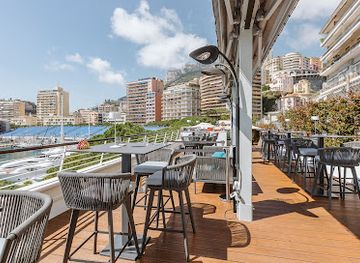
Équivoque Exclusive Rooftop Bar - Principauté de Monaco
Experience unparalleled luxury at Équivoque Exclusive Rooftop Bar, where breathtaking views and exquisite cocktails redefine Monaco nightlife.
-
Brasserie
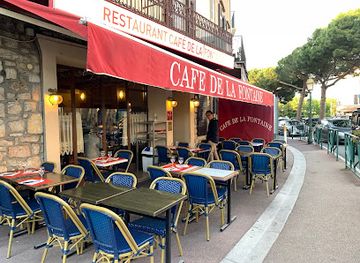
Le Café de la Fontaine
Experience the essence of French cuisine at Le Café de la Fontaine in La Turbie, where delicious meals and stunning views await.
-
Pizza
Les Santons
Experience the best of Italian and Mediterranean cuisine at Les Santons, where every dish tells a story of culinary passion and tradition.
-
Brewery
Brasserie Pampérigouste
Experience the best of La Turbie with craft beers and local cuisine at Brasserie Pampérigouste, a must-visit brewery and restaurant.
Best nightclubs in La Turbie
La Turbie has a quiet village evening atmosphere rather than a dedicated nightlife district. After dark, the most characteristic options are a meal, a drink in an established local café or restaurant, or a peaceful walk through the historic centre, with activity shaped by the needs of a small residential community. Visitors seeking late-night bars, clubs, concerts or a larger choice of entertainment normally travel downhill to Monaco, or along the coast towards Menton and Nice; those venues lie outside La Turbie and return transport should be considered in advance. Evening conditions on the surrounding hills can be dark and uneven, so routes beyond the lit village require care. Seasonal community events may add local character, but should not be assumed to operate on a fixed timetable.
-
Bar
La Rascasse
Experience the vibrant nightlife of Monaco at La Rascasse, where dining meets dancing in a stunning harbor setting.
-
Restaurant
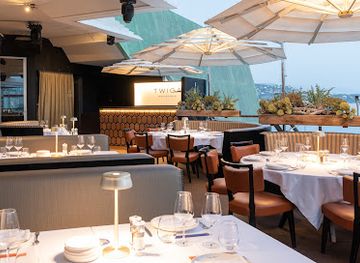
Twiga Monte Carlo
Indulge in gourmet cuisine and vibrant nightlife at Twiga Monte Carlo, a luxury restaurant and club in the heart of Monaco.
-
Night club
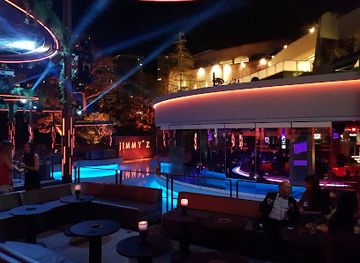
Jimmy’z Monte-Carlo
Discover the ultimate nightlife experience at Jimmy’z Monte-Carlo, where luxury meets excitement in the heart of Monaco.
-
Lounge
AMBER LOUNGE
Experience the ultimate nightlife at Amber Lounge, Monaco’s premier lounge and nightclub, where luxury meets vibrant entertainment.

Best shops in La Turbie
Shopping in La Turbie is modest and centred on practical village services rather than a large retail district. Small local businesses may provide food, everyday provisions and gifts connected with the commune's Roman heritage or the wider Provençal and Riviera identity, while a greater range of shops is available in Monaco, Menton, Nice and other nearby settlements. Visitors looking for regional products can explore French Riviera specialities such as olive-oil-based foods, herbs, soaps, preserved goods and locally made crafts, but the precise selection varies between businesses and seasons. The Trophée des Alpes and village history provide the most distinctive themes for souvenirs, whereas specialist fashion, luxury goods and extensive retail are associated with neighbouring Monaco rather than La Turbie. Stock up on walking essentials before heading into the surrounding hills, where commercial facilities are limited.
-
Clothing store
ZARA
Explore ZARA in Monaco - where trendy fashion meets affordability in a glamorous shopping experience.
-
Leather goods store
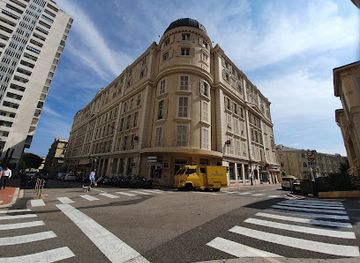
Louis Vuitton Monaco
Discover luxury shopping at Louis Vuitton Monaco, where exquisite leather goods and fashion accessories meet the elegance of the French Riviera.
-
Cheese shop
Le Coin du Fromager La Turbie
Discover the authentic flavors of French cheeses at Le Coin du Fromager La Turbie, a must-visit destination for cheese lovers.
-
Fashion accessories store
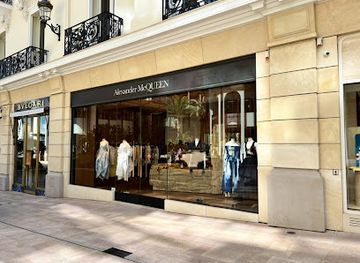
Alexander McQueen
Explore the luxurious Alexander McQueen in Monaco, where high fashion meets exquisite craftsmanship in a stunning retail experience.
Get your free copy of our complete guide to La Turbie, delivered straight to you.
Everything on this page, from attractions and restaurants to essentials and local phrases, in one PDF you can read offline, print or share.
Already have an account? Sign in
Your La Turbie guide is ready.
We'll send it to · Not you? Sign out

Getting your guide ready…
We are putting together a fresh copy of the La Turbie guide. This can take up to a minute.
This can take a few moments. If your browser asks, choose Allow so the download can start. You'll find the guide in your Downloads folder.
Nothing happened? Download it again
Sorry, the guide is taking longer than usual. Please try again in a minute, or get it by email instead.
La Turbie essentials
Currency and Payment
Safety
Emergency Situations
Do's and Don'ts
Local Tips
From Eve
Local phrases worth knowing
You don't need to get them perfect. A few words go a long way, and locals appreciate the effort.
Basics
| English | Local | Say it |
|---|---|---|
| Hello | Bonjour | [bon-zhour] |
| Goodbye | Au revoir | [oh rev-wahr] |
| Yes | Oui | [wee] |
| No | Non | [non] |
| Please/You're welcome | S'il vous plaît/De rien | [seel voo pleh/duh ryen] |
| Thank you | Merci | [mer-see] |
| Excuse me/Sorry | Excusez-moi/Désolé | [ex-kyoo-zay mwah/day-zo-lay] |
| How are you? | Comment ça va? | [kom-mohn sah vah] |
| Fine. And you? | Bien. Et vous? | [byen. ay voo] |
| Do you speak English? | Parlez-vous anglais? | [par-lay voo on-glay] |
| I don't understand | Je ne comprends pas | [zhuh nuh cawm-prahnd pah] |
Eating & Drinking
| English | Local | Say it |
|---|---|---|
| I'd like to see the menu, please | Je voudrais voir le menu, s'il vous plaît | [zhuh voo-dray vwahr luh men-yoo, seel voo pleh] |
| I don't eat meat | Je ne mange pas de viande | [zhuh nuh mahnj pah duh vee-and] |
| Cheers! | Santé! | [sahn-tay] |
| I would like to pay, please | Je voudrais payer, s'il vous plaît | [zhuh voo-dray pay-ay, seel voo pleh] |
Emergencies
| English | Local | Say it |
|---|---|---|
| Help! | Au secours! | [oh suh-koor] |
| Go away! | Allez-vous en! | [ah-lay vooz on] |
| Call the Police! | Appelez la police! | [ah-play lah pleece] |
| Call a doctor! | Appelez un médecin! | [ah-play uh may-deh-sahn] |
| I'm lost | Je suis perdu | [zhuh swee pair-doo] |
| I'm ill | Je suis malade | [zhuh swee mah-lahd] |
Shopping
| English | Local | Say it |
|---|---|---|
| I'd like to buy... | Je voudrais acheter... | [zhuh voo-dray zash-tay...] |
| I'm just looking | Je regarde juste | [zhuh ruh-gard zhoost] |
| How much is it? | Combien ça coûte? | [kom-byen sah koot] |
| That's too expensive | C'est trop cher | [say troh shair] |
| Can you lower the price? | Pouvez-vous baisser le prix? | [poo-vez voo bay-say luh pree] |
Time & Numbers
| English | Local | Say it |
|---|---|---|
| What time is it? | Quelle heure est-il? | [kel uhr ay-teel] |
| It's one o'clock | Il est une heure | [eel ay oon uhr] |
| Half past (10) | Dix et demie | [dees ay duh-mee] |
| Morning | Matin | [mah-tahn] |
| Afternoon | Après-midi | [ah-pray mee-dee] |
| Evening | Soir | [swahr] |
| Yesterday | Hier | [yehr] |
| Today | Aujourd'hui | [oh-zhoor-dwee] |
| Tomorrow | Demain | [duh-mahn] |
| 1 | Un | [uhn] |
| 2 | Deux | [duh] |
| 3 | Trois | [twah] |
| 4 | Quatre | [kat] |
| 5 | Cinq | [sank] |
| 6 | Six | [sees] |
| 7 | Sept | [set] |
| 8 | Huit | [wheet] |
| 9 | Neuf | [nuff] |
| 10 | Dix | [dees] |
Transport & Directions
| English | Local | Say it |
|---|---|---|
| Where's a/the...? | Où est le/la...? | [oo ay luh/lah] |
| What's the address? | Quelle est l'adresse? | [kel ay lad-res] |
| Can you show me (on the map)? | Pouvez-vous me montrer (sur la carte)? | [poo-vez voo muh mohn-tray (soor lah kart)] |
| When's the next (bus)? | Quand est le prochain (bus)? | [kahn ay luh proh-shahn (boos)] |
| A ticket (to ....) | Un billet (pour ....) | [uhn bee-yay (poor)] |
History of La Turbie
An Alpine Landscape Above the Sea
La Turbie occupies a limestone ridge shaped by the complex geological history of the Maritime Alps, where steep uplands descend rapidly towards the Mediterranean. The village's elevated position made the ridge important for movement and observation long before modern roads were built. Its landscape remains defined by exposed rock, Mediterranean vegetation and dramatic changes in altitude over a short distance, explaining both the settlement's defensive value and its enduring visual relationship with the coast.
The Roman Via Julia Augusta
Roman control of the coastal route brought La Turbie into a wider imperial system linking Italy with southern Gaul. The Via Julia Augusta crossed the region, and the elevated site became known as Albintimilium's western mountain passage in the broader Roman road network. In 6 or 7 BC, the Trophée des Alpes was erected under Augustus to commemorate Rome's victory over and submission of Alpine peoples. The monument expressed imperial authority as well as marking the strategic route through the mountains.
Medieval La Turbie
After the Roman period, the hilltop settlement developed within the shifting political landscape of Provence and the County of Nice. La Turbie's position above the coast continued to give it strategic importance, while the village itself became an agricultural and religious community. Medieval streets and the Church of Saint Michael preserve elements of this long continuity, even though the settlement has changed substantially through rebuilding, road construction and modern tourism.
From County of Nice to France
For centuries La Turbie belonged to the political orbit of the County of Nice and the House of Savoy, rather than to Monaco, despite its close proximity to the principality. The annexation of the County of Nice to France in 1860 altered the area's national identity and administrative connections. Monaco remained an adjacent state across the border, creating the distinctive relationship that still shapes travel to La Turbie: a French mountain village serving visitors who also explore the Monegasque coast.
Archaeology, Roads and Modern Tourism
Interest in the Trophée des Alpes helped establish La Turbie as an important historical stop on the Riviera, while improved roads connected the high village with Monaco, Menton and Nice. Archaeological study and conservation have made the Roman monument more intelligible to visitors, and the surrounding landscape now supports walking and cultural tourism. Modern development has not erased the village's elevated character, although nearby military infrastructure and dense coastal urbanisation demonstrate the continuing strategic importance of the ridge.
La Turbie in Photos
Browse through our photo collection highlighting the charm and character of the destination.
Cities in La Turbie
The towns and cities of La Turbie, and the easiest places to base yourself.
-

-

-

-

-
-


Swipe for more cities
Neighbouring destination travel guides
The closest destinations to La Turbie, if you have time for more than one.
-

-

-

-

-


Swipe for more destinations
Explore more

Explore more of Monaco
Explore Monaco: A glamorous principality on the French Riviera, known for its luxury casinos, stunning Mediterranean views, cultural landmarks, and vibrant nightlife.
Explore Monaco