

Free Altai Mountains Travel Guide & Mobile App
Explore Altai Mountains with free travel guides. Discover regional history, expert tips, proposed trips, and audio guides on web or mobile app.


Explore Mongolia’s Altai Mountains for glacial peaks, remote valleys, ancient petroglyphs and the living Kazakh eagle-hunting culture of Bayan-Ölgii.
Read more about Altai Mountains
When is the best time to visit Altai Mountains?
Best: June–August · 20–23°C| Month | High (°C) | Rainfall (mm) |
|---|---|---|
| January | -15 | 4 |
| February | -13 | 4 |
| March | -1 | 6 |
| April | 9 | 10 |
| May | 15 | 20 |
| June (best) | 20 | 30 |
| July (best) | 23 | 40 |
| August (best) | 22 | 30 |
| September | 17 | 20 |
| October | 7 | 10 |
| November | -5 | 6 |
| December | -12 | 4 |
Getting to and around Altai Mountains
How to get there
Transportation
Destinations in Altai Mountains
Resorts, valleys and scenic spots worth a trip of their own.

Swipe for more destinations
Best attractions in Altai Mountains
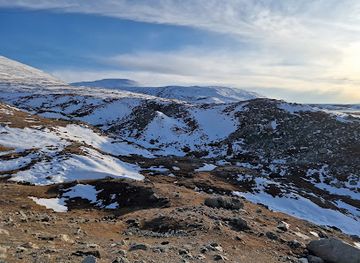
The Mongolian Altai’s attractions are primarily landscape-based and dispersed across a vast area. Altai Tavan Bogd National Park is the region’s best-known destination, combining the snow-covered Tavan Bogd massif, Khüiten Peak, glaciers, high valleys and lakes with trekking, horse riding, camping and mountaineering opportunities. Its upper Tsagaan Gol valley also contains important petroglyphs and archaeological landscapes. Tsambagarav National Park offers another high-mountain setting, with broad views, wildlife habitat and routes through valleys beneath glaciated summits. Around Ölgii, visitors can learn about Kazakh heritage, attend eagle-hunting events and arrange journeys into surrounding pastoral country. The wider Altai includes dry steppe, rocky gorges, river valleys and seasonal nomadic camps rather than a chain of conventional sightseeing venues. Access is often part of the attraction, but local guides, four-wheel-drive transport and careful weather planning are essential.
-
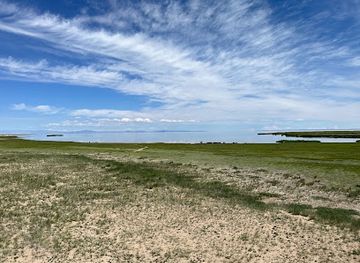
Khar us nuur bird watch tower
Explore the Khar Us Nuur Bird Watch Tower in Khovd, a serene haven for bird watchers and nature lovers amidst Mongolia's stunning landscapes.
-
 Lake
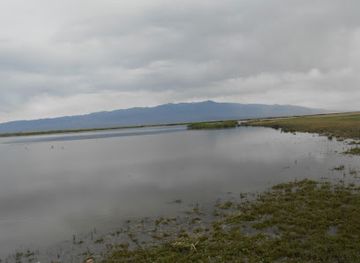
Khar nuur
Explore the stunning Khar Nuur Lake in Bayan-Ölgii, Mongolia, where breathtaking landscapes and tranquility await every traveler.
-
Tourist attraction
Ишгэн толгой
Explore the breathtaking landscapes and rich culture of Išgėn Tolgoi, a hidden gem in Khovd, Mongolia, perfect for adventure seekers.
Best landmarks in Altai Mountains
The Tavan Bogd massif is the Mongolian Altai’s defining natural landmark, a broad wall of high peaks near the western border that includes Khüiten Peak, Mongolia’s highest summit. Its glaciers and snowfields dominate the upper valleys and give the national park its visual identity. The turquoise lakes of Khurgan and Khoton, linked by rivers and surrounded by open mountain terrain, are among the region’s most recognisable landscapes. In the upper Tsagaan Gol valley, groups of ancient petroglyphs preserve images of animals, hunting and herding on exposed rock surfaces, providing a cultural landmark as well as an archaeological one. Around Ölgii, mosques, Kazakh cemeteries and family gers reflect the area’s distinctive cultural history, although their significance is best understood with local guidance. Tsambagarav’s snowy summits form another major geographical marker farther east, contrasting with the dry valleys and steppe that surround them.
-
Bird watching area
Khar us nuur bird watch tower
Experience the enchanting beauty of Khar Us Nuur Bird Watch Tower in Khovd, Mongolia – a paradise for bird watchers and nature lovers alike.
Explore Altai Mountains on the map
Plan your trip on one map. See where the top cities, national parks and sights are, and book hotels and experiences in a few clicks.
Best hotels in Altai Mountains
Best restaurants in Altai Mountains
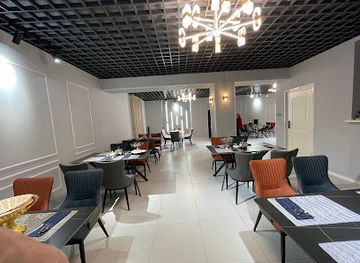
Dining in the Mongolian Altai is closely connected with pastoral life and the region’s Kazakh heritage. In Ölgii and Khovd, visitors can find simple restaurants serving Mongolian staples such as buuz dumplings, khuushuur fried pastries, noodle soups and dishes based on mutton or beef. Bayan-Ölgii adds Kazakh-influenced foods, including dairy products, horse-meat dishes and communal specialities prepared for family or festival occasions; recipes and availability vary between households and restaurants. Rural journeys commonly involve meals in gers or camps, where tea with milk, dried curds and freshly prepared meat may be more representative than a formal menu. Local markets are useful for bread, dairy foods, packaged provisions and seasonal produce, although the range is limited outside the provincial centres. Travellers with dietary requirements should carry suitable supplies and explain them clearly in advance.
-
Restaurant
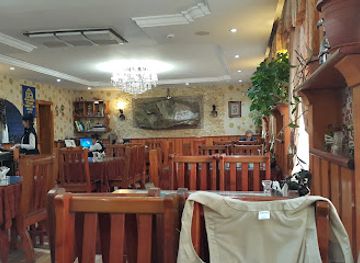
PAMUKKALE RESTERUANT
Experience the fusion of Turkish and Pan-Asian cuisine at Pamukkale Restaurant in Ölgii - perfect for families and food lovers.
-
Restaurant
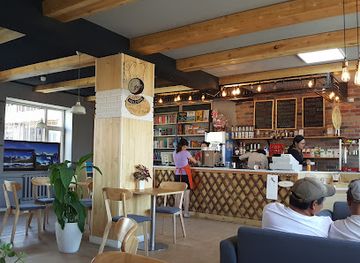
Arvin Restaurant and Coffee shop
Discover the flavors of Mongolia at Arvin Restaurant and Coffee Shop in Ölgii—where tradition meets taste.
-
Restaurant
Golden Eagle Restaurant&Coffee shop
Discover delightful flavors at Golden Eagle Restaurant & Coffee Shop in Ölgii - where local cuisine meets warm hospitality.
-
Restaurant
Juldyz Uzbek Restaurant
Experience authentic Uzbek cuisine at Juldyz Restaurant in Ölgii - where every dish tells a story!
Best bars in Altai Mountains
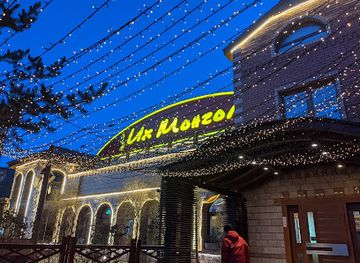
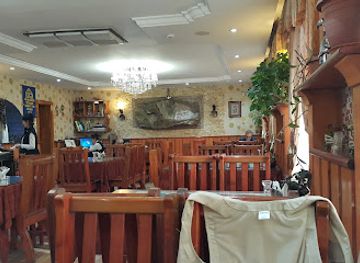
Nightlife in the Mongolian Altai is modest and concentrated in Ölgii, Khovd and other larger settlements. Evening life is more likely to centre on cafés, hotel restaurants, karaoke rooms and informal gatherings than on a substantial club scene. In Ölgii, music, Kazakh cultural performances and festival events may provide a more meaningful evening than conventional nightlife, while Khovd has a somewhat broader choice of cafés and social venues because it serves as a regional administrative and commercial centre. Outside towns, evenings are usually spent at a ger camp, guesthouse or family home, with conversation and shared food rather than late-night entertainment. Alcohol is available in urban areas, but remote travel requires moderation because distances, cold conditions and limited emergency support make impaired judgement particularly risky.
-
Restaurant
Grand Khaan Irish Pub
Discover the lively ambiance of Grand Khaan Irish Pub in Ulaanbaatar, where great drinks and traditional Irish fare come together.
-
Restaurant
Great Mongol Restaurant & Pub
Immerse yourself in authentic Mongolian cuisine and vibrant culture at Great Mongol Restaurant & Pub in Ulaanbaatar.
-
Bar
Naadam Bar & Restaurant, Shangri-La Ulaanbaatar
Experience the best of global cuisine at Naadam Bar & Restaurant in Ulaanbaatar, where every dish tells a story.
-
Restaurant
PAMUKKALE RESTERUANT
Experience the rich flavors of Turkish and Pan-Asian cuisine at Pamukkale Restaurant in Ölgii, perfect for family dining and cultural exploration.


Best nightclubs in Altai Mountains
-
Lake
Khar nuur
Discover the breathtaking beauty of Khar Nuur, a serene lake in Bayan-Ölgii, perfect for nature lovers and adventure seekers alike.
Best shops in Altai Mountains
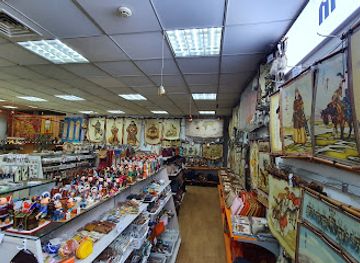
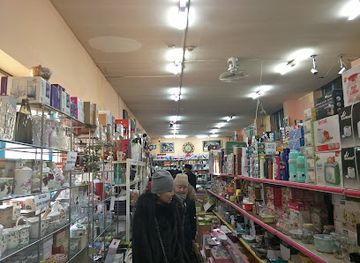
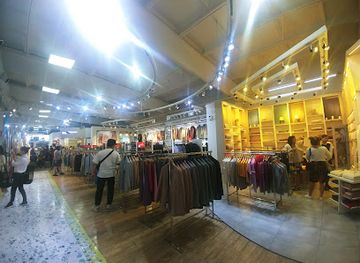
Shopping in the Mongolian Altai is centred on practical markets, locally made textiles and regional food products rather than large retail centres. Ölgii is the principal place to buy supplies, warm clothing, felt goods, small craft items and packaged provisions before travelling into the mountains. Kazakh-influenced handiwork may include embroidered textiles, felt decoration, woven household items and small souvenirs associated with eagle-hunting culture, while designs, quality and availability vary between makers. Markets and small shops in Khovd serve a wider regional population and are useful for food, fuel-related supplies and travel necessities. Dried curds, locally produced dairy foods and other durable provisions can make distinctive purchases, but check packaging and transport requirements before carrying food internationally. Buy archaeological objects nowhere: petroglyphs, fossils, stones and ancient artefacts should remain in the landscape, and removing them is both damaging and potentially unlawful.
-
Department store
State Department Store
Discover the State Department Store, a vibrant shopping hub in Ulaanbaatar offering a unique blend of Mongolian culture, cuisine, and retail therapy.
-
Shopping mall
Ulaanbaatar Department Store
Discover the vibrant shopping experience at Ulaanbaatar Department Store, where local culture meets modern retail in the heart of Mongolia.
-
Shopping mall
Shangri-La Centre
Discover luxury shopping and local delights at Shangri-La Centre, Ulaanbaatar’s premier retail destination with diverse dining options.
-
Fashion accessories store
Gobi Cashmere Factory store
Explore the luxurious world of Mongolian cashmere at Gobi Cashmere Factory Store in Ulaanbaatar, where tradition meets modern elegance in every piece.

Get your free copy of our complete guide to Altai Mountains, delivered straight to you.
Everything on this page, from attractions and restaurants to essentials and local phrases, in one PDF you can read offline, print or share.
Already have an account? Sign in
Your Altai Mountains guide is ready.
We'll send it to · Not you? Sign out

Getting your guide ready…
We are putting together a fresh copy of the Altai Mountains guide. This can take up to a minute.
This can take a few moments. If your browser asks, choose Allow so the download can start. You'll find the guide in your Downloads folder.
Nothing happened? Download it again
Sorry, the guide is taking longer than usual. Please try again in a minute, or get it by email instead.
Altai Mountains essentials
Currency and Payment
Safety
Emergency Situations
Do's and Don'ts
Local Tips
From Eve
Local phrases worth knowing
You don't need to get them perfect. A few words go a long way, and locals appreciate the effort.
Basics
| English | Local | Say it |
|---|---|---|
| Hello | Сайн уу | [Sain uu] |
| Goodbye | Баяртай | [Bayartai] |
| Yes | Тийм | [Tiim] |
| No | Үгүй | [Ügüi] |
| Please/You're welcome | Гуйя | [Guiya] |
| Thank you | Баярлалаа | [Bayarlalaa] |
| Excuse me/Sorry | Уучлаарай | [Uuchlaarai] |
| How are you? | Та хэр байна вэ? | [Ta kher baina ve?] |
| Fine. And you? | Сайн. Та? | [Sain. Ta?] |
| Do you speak English? | Та Англиар ярьдаг уу? | [Ta Angliar yaryadag uu?] |
| I don't understand | Би ойлгохгүй байна | [Bi oilgokhgüi baina] |
Eating & Drinking
| English | Local | Say it |
|---|---|---|
| I'd like to see the menu, please | Та надад цэсийг харуулах уу? | [Ta nadad tsesig kharuulakh uu?] |
| I don't eat meat | Би мах идэхгүй | [Bi makh idekhgüi] |
| Cheers! | Сайн сайхан | [Sain saikhan] |
| I would like to pay, please | Би төлбөрөө хийхийг хүсч байна | [Bi tölbörüü kheekhiig khüsch baina] |
Emergencies
| English | Local | Say it |
|---|---|---|
| Help! | Туслаач! | [Tuslaach!] |
| Go away! | Яваач! | [Yavaach!] |
| Call the Police! | Цагдааг дууд! | [Tsagdaag duud!] |
| Call a doctor! | Эмч дууд! | [Emch duud!] |
| I'm lost | Би алга болсон | [Bi alga bolson] |
| I'm ill | Би өвчтэй байна | [Bi övchtei baina] |
Shopping
| English | Local | Say it |
|---|---|---|
| I'd like to buy... | Би ... авахыг хүсч байна | [Bi ... avakhig khüsch baina] |
| I'm just looking | Би зүгээр харж байна | [Bi zügere kharj baina] |
| How much is it? | Энэ хэд вэ? | [Ene khed ve?] |
| That's too expensive | Энэ хэт үнэтэй байна | [Ene khet ünetei baina] |
| Can you lower the price? | Үнэ буулгаж чадах уу? | [Üne buulgaj chadakh uu?] |
Time & Numbers
| English | Local | Say it |
|---|---|---|
| What time is it? | Одоо хэдэн цаг болж байна вэ? | [Odoo kheden tsag bolzh baina ve?] |
| It's one o'clock | Нэг цаг байна | [Neg tsag baina] |
| Half past (10) | 10 цаг хагас | [10 tsag khagas] |
| Morning | Өглөө | [Öglöö] |
| Afternoon | Орой | [Oroy] |
| Evening | Орой | [Oroy] |
| Yesterday | Өчигдөр | [Öchigdör] |
| Today | Өнөөдөр | [Önöödör] |
| Tomorrow | Маргааш | [Margaash] |
| 1 | Нэг | [Neg] |
| 2 | Хоёр | [Khoir] |
| 3 | Гурван | [Gurvan] |
| 4 | Дөрөв | [Döröv] |
| 5 | Тав | [Tav] |
| 6 | Зургаа | [Zurgaa] |
| 7 | Долоо | [Dolog] |
| 8 | Найм | [Naim] |
| 9 | Ес | [Yes] |
| 10 | Арав | [Arav] |
Transport & Directions
| English | Local | Say it |
|---|---|---|
| Where's a/the...? | ... хаана байна вэ? | [... khaana baina ve?] |
| What's the address? | Хаяг нь юу вэ? | [Khayag ni yuu ve?] |
| Can you show me (on the map)? | Та надад (газрын зурагт) үзүүлж чадах уу? | [Ta nadad (gazryn zurag) üzüülzh chadakh uu?] |
| When's the next (bus)? | Дараагийн (автобус) хэзээ вэ? | [Daraagiin (avtobus) khezee ve?] |
| A ticket (to ....) | ... -д билет | [... -d bilet] |
History of Altai Mountains
Prehistoric Hunters and Rock Art
The Mongolian Altai preserves evidence of human occupation stretching back thousands of years. Cave and open-air sites, together with petroglyphs on exposed rock faces, record hunting scenes, wild animals, herding life and changing artistic traditions. The petroglyph complexes around the upper Tsagaan Gol valley in Altai Tavan Bogd National Park are especially important, with images created over long periods rather than by a single community at one moment. These remains show that the mountains were not an empty wilderness: valleys and passes formed routes through which people, animals and ideas moved across Inner Asia.
Early Nomadic Confederations and the Xiongnu
From the first millennium BC, the wider Mongolian plateau was shaped by mobile pastoral societies and powerful confederations, including the Xiongnu. The Altai’s valleys connected the steppe with Central Asian routes, allowing movement of livestock, metals, technologies and political influence. Archaeological remains in western Mongolia include burial traditions and objects associated with successive nomadic cultures. The mountains later became a meeting zone between the steppe world, Siberia and the oases to the south, rather than a peripheral landscape isolated from major historical change.
Turkic and Medieval Mountain Heritage
Turkic-speaking peoples and later medieval nomadic powers used the Altai as a strategic and cultural region. Memorial stones, burial sites and inscriptions found across the broader Altai testify to the importance of horses, clan authority and warrior traditions. During the era of the Mongol Empire, western Mongolia formed part of a much wider political world linking China, Central Asia, Iran and eastern Europe. The region’s mountain corridors continued to support seasonal pastoralism and long-distance movement, while local communities adapted imperial political structures to the practical realities of the highlands.
The Dzungar Era and Qing Expansion
In the seventeenth and early eighteenth centuries, the Dzungar Khanate controlled much of the western Mongolian and Central Asian steppe. Conflict between the Dzungars and the Qing Empire transformed the Altai, bringing military campaigns, population displacement and changes in political control. The defeat of the Dzungars in the 1750s enabled Qing authority to expand across the region, although local pastoral communities continued to organise their lives around seasonal grazing. The present-day borderlands of Mongolia, Russia and China reflect later imperial and national divisions imposed across an older network of movement.
Kazakh Migration into Western Mongolia
Kazakh communities became established in the Mongolian Altai during the nineteenth and early twentieth centuries, with migration from areas to the west shaped by political pressure, changing borders and the search for pasture. Their presence became particularly prominent in what is now Bayan-Ölgii. Kazakh language, Islamic practice, felt-making, music, cuisine and eagle hunting remain central to the province’s cultural identity. This heritage is not separate from Mongolia’s wider history: it forms one of the country’s important regional cultures and reflects the cross-border character of Altai society.
Socialism, Collectivisation and New Provincial Structures
The Mongolian People’s Republic brought administrative reorganisation, collectivisation and new state services to the western mountains during the twentieth century. Bayan-Ölgii Province was established in 1940 as a distinct administrative area with a predominantly Kazakh population. Collectivised livestock production altered seasonal patterns, while schools, clinics and transport links tied remote communities more closely to the national government. Later political and economic changes after 1990 returned greater control over herds and livelihoods to households, although the region continued to face difficult access, limited infrastructure and dependence on pastoral economies.
Protected Landscapes and Cultural Tourism
Since the late twentieth century, parts of the Mongolian Altai have gained national and international recognition for their glaciers, wildlife and archaeological heritage. Altai Tavan Bogd National Park and Tsambagarav National Park protect high mountain ecosystems, while the petroglyphs of the upper Tsagaan Gol valley are recognised within the UNESCO-listed Petroglyphic Complexes of the Mongolian Altai. Tourism has grown around trekking, mountaineering, eagle festivals and cultural journeys, creating new income but also making careful management important in fragile landscapes and communities with limited services.
Altai Mountains in Photos
Browse through our photo collection highlighting the charm and character of the destination.
Neighbouring regions of Altai Mountains
The closest regions to Altai Mountains, if you have time for more than one.
-
-

-

-
-


Swipe for more regions
Explore more

Explore more of Mongolia
Discover Mongolia: From the vast steppes and towering mountains to the rich nomadic culture and ancient traditions, experience the land of eternal blue sky.
Explore Mongolia