

Free Zavkhan River Valley Travel Guide & Mobile App
Explore Zavkhan River Valley with free travel guides. Discover regional history, expert tips, proposed trips, and audio guides on web or mobile app.


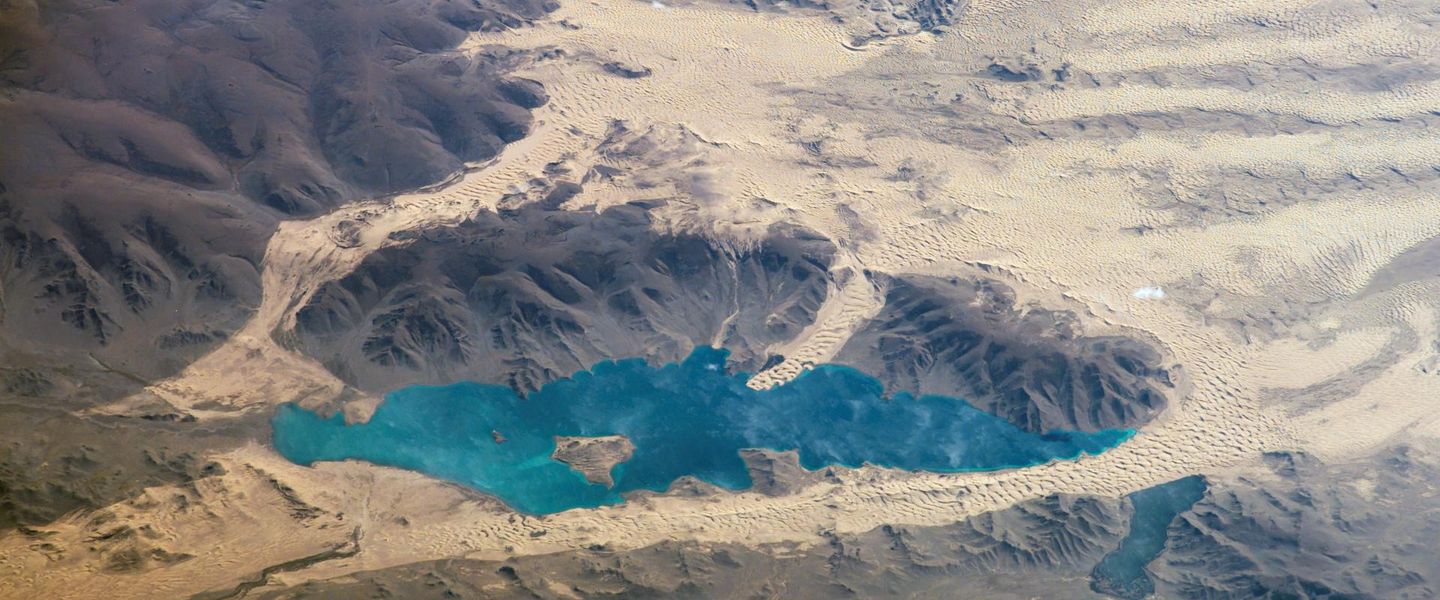


Explore Mongolia’s Zavkhan River Valley for remote steppe landscapes, pastoral culture, Uliastai heritage and overland journeys across western Mongolia.
Read more about Zavkhan River Valley
When is the best time to visit Zavkhan River Valley?
Best: May–June, September · 20–30°C| Month | High (°C) | Rainfall (mm) |
|---|---|---|
| January | -10 | 1 |
| February | -8 | 1 |
| March | 0 | 2 |
| April | 10 | 3 |
| May (best) | 20 | 5 |
| June (best) | 30 | 7 |
| July | 35 | 15 |
| August | 32 | 15 |
| September (best) | 28 | 7 |
| October | 12 | 3 |
| November | 5 | 2 |
| December | -5 | 1 |
Getting to and around Zavkhan River Valley
How to get there
Transportation
Best attractions in Zavkhan River Valley
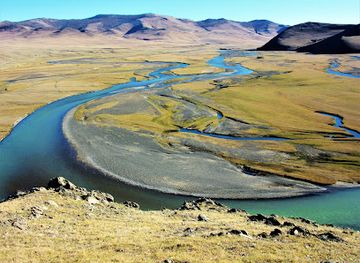
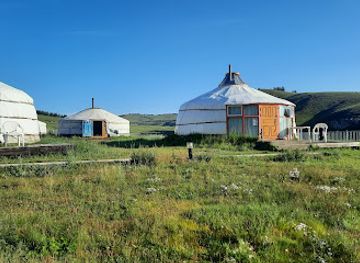
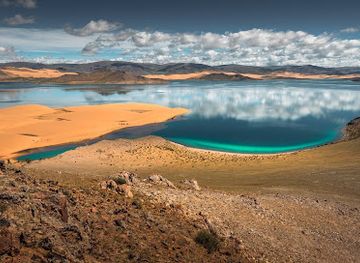
The Zavkhan River Valley’s attractions are primarily natural, cultural and experiential rather than concentrated in formal visitor sites. Uliastai provides the clearest introduction, with remnants and streets associated with its former Qing administrative role, provincial museums and access to local guides. Beyond town, the river corridor opens into broad pasture, dry hills and mountain-backed country suited to scenic drives, horse riding, birdwatching and photography. The upper valley approaches the greener Khangai environment, while routes towards western Zavkhan become more arid and spacious. Ulaagchiny Khar Lake, in the wider Zavkhan landscape, adds a contrasting setting of water, shore and open country, though reaching it requires careful route planning. Ger camps and visits with herding families can offer insight into seasonal pastoral life when arranged respectfully. The region is not a place for a dense itinerary of ticketed attractions: its appeal lies in distance, silence, changing terrain and the practical realities of travelling through a working pastoral landscape.
-
Tourist attraction
Red Waterfall
Experience the breathtaking beauty of Mongolia's Red Waterfall, a stunning natural attraction in the heart of Orkhon Valley.
-
Tourist attraction
Orkhon Valley Natural and Historical Reserve
Explore the breathtaking landscapes and rich history of Orkhon Valley Natural and Historical Reserve, a UNESCO World Heritage site in Mongolia.
-
Hotel
Tsenkher hot springs
Discover the healing waters and serene beauty of Tsenkher Hot Springs in Mongolia's Arkhangai region, a perfect getaway for relaxation and rejuvenation.
-
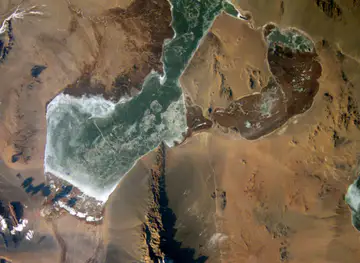
Ulaagchiin Khar Lake
Discover the serene beauty of Ulaagchiin Khar Lake in Zavkhan, Mongolia, a perfect escape for nature lovers and adventurers alike.

Best landmarks in Zavkhan River Valley
The most important built landmark in the valley is Uliastai’s historic administrative landscape, associated with the town’s former role as a Qing military and governmental centre in Outer Mongolia. Surviving traces and museum displays help explain how an apparently remote settlement became a strategic point for governing western and central territories. The wider valley’s principal landmarks are geographical rather than monumental: the winding Zavkhan River, dry escarpments, open grazing basins and the mountain approaches that connect the Khangai with western Mongolia. Ulaagchiny Khar Lake provides a notable natural contrast in the broader Zavkhan region, its water and shore standing out against extensive steppe and semi-arid terrain. Ovoos on hills and passes are also important cultural markers, but they are sacred places rather than decorative viewpoints; visitors should observe quietly and avoid disturbing offerings. The valley’s significance lies in this combination of river, pasture, administrative history and sacred landscape rather than in a single monumental attraction.
-
Tourist attraction
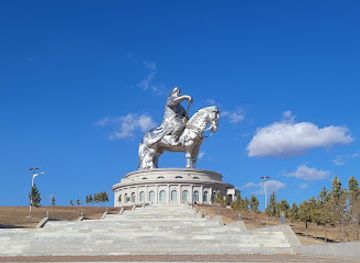
Chinggis Khaan Statue Complex
Experience the grandeur of the Chinggis Khaan Statue Complex in Mongolia, where history, culture, and breathtaking landscapes converge.
-
Monument
Zaisan Monument
Discover the rich history and stunning views from Zaisan Monument, a must-visit landmark in Ulaanbaatar that honors the heroes of the past.
-
National park
Bogd Khan Uul
Explore the breathtaking beauty and rich cultural heritage of Bogd Khan Uul National Park, a sacred natural retreat near Ulaanbaatar, Mongolia.
-
Monastery
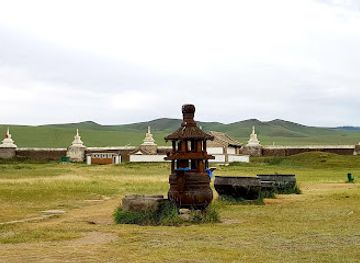
Erdene Zuu Monastery
Explore the serene Erdene Zuu Monastery in Kharkhorin, Mongolia's oldest Buddhist site, rich in history and cultural significance.

Explore Zavkhan River Valley on the map
Plan your trip on one map. See where the top cities, national parks and sights are, and book hotels and experiences in a few clicks.
Best hotels in Zavkhan River Valley
Best restaurants in Zavkhan River Valley
Dining in the Zavkhan River Valley is closely tied to Mongolian household cooking, travel logistics and the availability of local produce. In Uliastai, visitors can find simple restaurants and cafés serving familiar Mongolian meals such as buuz, khuushuur, soups, noodles and rice dishes, alongside Chinese and broader international influences. Outside the provincial centre, food is more likely to come from guesthouses, ger camps or herding families. Mutton, beef, dairy products and flour-based dishes are central to daily cooking, while airag or fermented mare’s milk is a seasonal pastoral drink rather than a restaurant novelty. Suutei tsai, salty milk tea, is commonly offered in domestic settings. Travellers on long road journeys should carry supplies, as shops and stocked eateries are widely spaced. Local dairy products and meat may be available through household hospitality, but dietary restrictions should be explained clearly in advance and visitors should accept rural food customs with courtesy.
-
Italian
DeQuattro by Rosewood
Experience authentic Italian cuisine at DeQuattro by Rosewood, where every dish tells a story and every meal is a celebration.
-
Indian
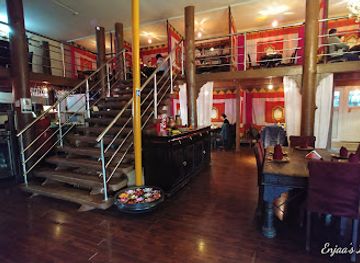
Hazara Indian Restaurant
Experience authentic Indian cuisine at Hazara Indian Restaurant in Ulaanbaatar—where tradition meets flavor.
-
Restaurant
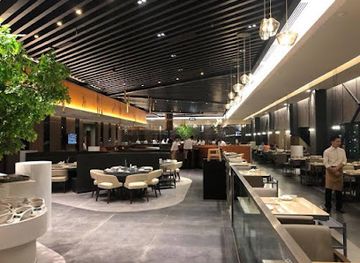
The Bull Hot Pot Restaurant
Discover Ulaanbaatar's culinary gem at The Bull Hot Pot Restaurant - where flavor meets tradition in every bowl.
-
Hot Pot
Little Sheep Hot Pot Restaurant, Galleria Ulaanbaatar
Discover authentic Mongolian hot pot at Little Sheep Restaurant in Ulaanbaatar – where every meal is a shared experience filled with flavor.

Best bars in Zavkhan River Valley
Nightlife in the Zavkhan River Valley is modest and concentrated in Uliastai. The evening scene is more likely to consist of casual restaurants, small cafés, local bars and social gatherings than a dedicated club district. Outside town, ger camps and guesthouses may offer tea, conversation and views of the dark sky, but rarely provide late-night entertainment in the urban sense. Alcohol is available in some licensed establishments and shops, yet it is neither necessary nor advisable to treat drinking as the focus of a remote journey. Live cultural performances or community events may occur occasionally, although schedules are not dependable enough to plan an itinerary around them. In rural areas, quiet evenings, early starts and hospitality in a family ger are more characteristic than commercial nightlife. Visitors should follow local guidance, avoid public disorder and remember that emergency assistance is limited once they leave Uliastai.
-
Restaurant
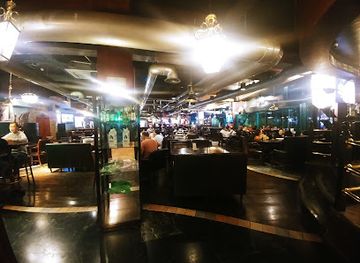
Grand Khaan Irish Pub
Discover the lively spirit of Ulaanbaatar at Grand Khaan Irish Pub, where Irish charm meets Mongolian warmth in a vibrant atmosphere.
-
Indian
Hazara Indian Restaurant
Discover the authentic flavors of India at Hazara Indian Restaurant in Ulaanbaatar, where every dish tells a story.
-
Hotel
Best Western Premier Tuushin Hotel
Experience unparalleled luxury and comfort at Best Western Premier Tuushin Hotel in the heart of Ulaanbaatar, Mongolia's vibrant capital.
-
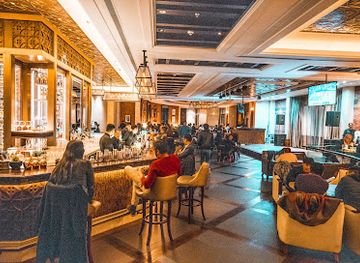
Bar
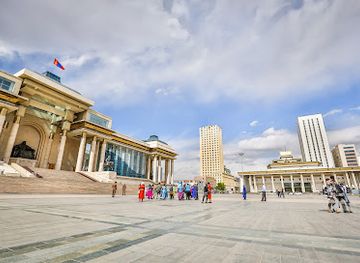
Naadam Bar & Restaurant, Shangri-La Ulaanbaatar
A culinary delight in Ulaanbaatar, Naadam Bar & Restaurant offers a fusion of American, Asian, and European cuisines in a sophisticated setting.

Best nightclubs in Zavkhan River Valley
Nightlife in the Zavkhan River Valley is modest and concentrated in Uliastai. The evening scene is more likely to consist of casual restaurants, small cafés, local bars and social gatherings than a dedicated club district. Outside town, ger camps and guesthouses may offer tea, conversation and views of the dark sky, but rarely provide late-night entertainment in the urban sense. Alcohol is available in some licensed establishments and shops, yet it is neither necessary nor advisable to treat drinking as the focus of a remote journey. Live cultural performances or community events may occur occasionally, although schedules are not dependable enough to plan an itinerary around them. In rural areas, quiet evenings, early starts and hospitality in a family ger are more characteristic than commercial nightlife. Visitors should follow local guidance, avoid public disorder and remember that emergency assistance is limited once they leave Uliastai.
-
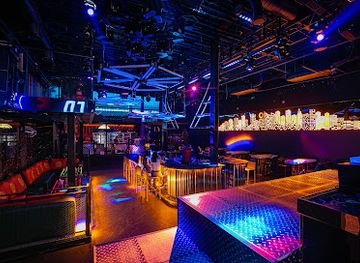
Night club
CHOCO CLUB ULAANBAATAR
Discover the electric atmosphere of Choco Club Ulaanbaatar, where vibrant music meets stylish nightlife in Mongolia's capital.
-
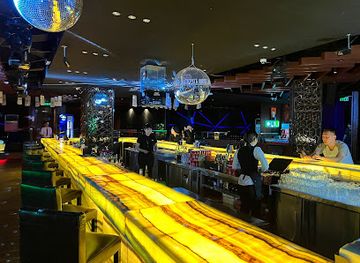
Disco club
The ILoft Function House
Discover the heartbeat of Ulaanbaatar's nightlife at The ILoft Function House, where music, dancing, and vibrant energy unite.
-
Night club
River Sounds Live Music Club
Discover Ulaanbaatar's nightlife at River Sounds Live Music Club, a vibrant hub for live music, delicious cuisine, and an unforgettable atmosphere.
-
Night club
MINT Club
Discover Ulaanbaatar's nightlife at MINT Club, where vibrant music and lively ambiance create the ultimate party experience.


Best shops in Zavkhan River Valley
Shopping is practical and locally focused, with Uliastai offering the widest choice of food, fuel, clothing, household goods and travel supplies in the valley. Small shops and open markets in the provincial centre may stock basic dairy products, dried foods, cashmere goods and everyday items, though selection and opening arrangements can vary. Outside Uliastai, retail options are limited and travellers should buy essential provisions before setting out. Useful regional purchases include packaged aaruul or other durable dairy products, locally made felt goods, woollen items and small handicrafts, provided their origin and materials are clear. Purchases made directly from herding families or craft workers should be negotiated politely and paid in tögrög where possible. The valley is not a luxury-shopping destination, and imported branded goods are not its defining feature; its most meaningful souvenirs are modest, practical objects connected with Mongolian pastoral and craft traditions.
-
Department store
State Department Store
Explore the State Department Store in Ulaanbaatar for a unique shopping experience filled with local crafts, fashion, and Mongolian delights.
-
Tourist attraction
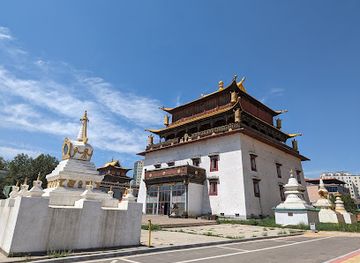
Gandantegchinlen Monastery
Explore the spiritual heart of Mongolia at Gandantegchinlen Monastery, a historic Buddhist temple in Ulaanbaatar that showcases exquisite architecture and rich culture.
-
Hotel
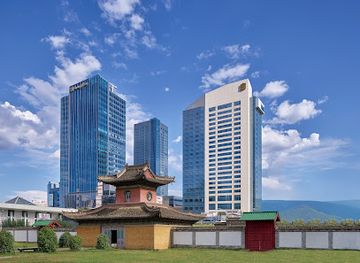
Shangri-La Ulaanbaatar
Experience the epitome of luxury at Shangri-La Ulaanbaatar, where modern elegance meets traditional Mongolian hospitality.
-
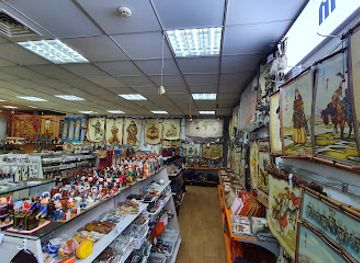
Market
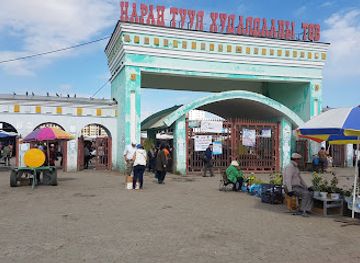
Narantuul Market
Explore Narantuul Market, a vibrant marketplace in Ulaanbaatar offering a rich tapestry of local culture, food, and unique souvenirs.
Get your free copy of our complete guide to Zavkhan River Valley, delivered straight to you.
Everything on this page, from attractions and restaurants to essentials and local phrases, in one PDF you can read offline, print or share.
Already have an account? Sign in
Your Zavkhan River Valley guide is ready.
We'll send it to · Not you? Sign out

Getting your guide ready…
We are putting together a fresh copy of the Zavkhan River Valley guide. This can take up to a minute.
This can take a few moments. If your browser asks, choose Allow so the download can start. You'll find the guide in your Downloads folder.
Nothing happened? Download it again
Sorry, the guide is taking longer than usual. Please try again in a minute, or get it by email instead.
Zavkhan River Valley essentials
Currency and Payment
Safety
Emergency Situations
Do's and Don'ts
Local Tips
From Eve
Local phrases worth knowing
You don't need to get them perfect. A few words go a long way, and locals appreciate the effort.
Basics
| English | Local | Say it |
|---|---|---|
| Hello | Сайн уу | [Sain uu] |
| Goodbye | Баяртай | [Bayartai] |
| Yes | Тийм | [Tiim] |
| No | Үгүй | [Ügüi] |
| Please/You're welcome | Наадмын | [Naadmyyn] |
| Thank you | Баярлалаа | [Bayarlalaa] |
| Excuse me/Sorry | Уучлаарай | [Uuchlaarai] |
| How are you? | Та сайн уу? | [Ta sain uu?] |
| Fine. And you? | Сайн. Та яаж байгаа вэ? | [Sain. Ta yaaj baigaa ve?] |
| Do you speak English? | Та англиар ярьдаг уу? | [Ta angliar yáridag uu?] |
| I don't understand | Би ойлгохгүй байна | [Bi oilgokhgui baina] |
Eating & Drinking
| English | Local | Say it |
|---|---|---|
| I'd like to see the menu, please | Таны хоолны жагсаалтыг харахыг хүсч байна | [Tany khoolny jagsaaltyg kharakhyg khüsch baina] |
| I don't eat meat | Би мах иддэггүй | [Bi makh iddeggui] |
| Cheers! | Сайн сайхны төлөө! | [Sain saikhny tülöö!] |
| I would like to pay, please | Төлбөр төлөхийг хүсч байна | [Tölbör tölökhig khüsch baina] |
Emergencies
| English | Local | Say it |
|---|---|---|
| Help! | Туслаач! | [Tuslaach!] |
| Go away! | Яваад өг! | [Yavaad ög!] |
| Call the Police! | Цагдаа дууд! | [Tsagdaa duud!] |
| Call a doctor! | Эмч дууд! | [Emch duud!] |
| I'm lost | Би алга болжээ | [Bi alga boljee] |
| I'm ill | Би өвдөж байна | [Bi övdözh baina] |
Shopping
| English | Local | Say it |
|---|---|---|
| I'd like to buy... | Би ... худалдаж авахыг хүсч байна | [Bi ... khudaldaj avakhyg khüsch baina] |
| I'm just looking | Би зөвхөн хараад байна | [Bi zövhön kharaad baina] |
| How much is it? | Энэ хэд вэ? | [Ene khed ve?] |
| That's too expensive | Энэ үнэтэй байна | [Ene üneteii baina] |
| Can you lower the price? | Урамшуулал өгөх боломжтой юу? | [Uramshulal ögöh bolomjtoi yy?] |
Time & Numbers
| English | Local | Say it |
|---|---|---|
| What time is it? | Цаг хэд болж байна вэ? | [Tsag khed bolj baina ve?] |
| It's one o'clock | Нэг цаг болж байна | [Neg tsag bolj baina] |
| Half past (10) | Арван цаг хагас | [Arvan tsag khagas] |
| Morning | Өглөө | [Öglöö] |
| Afternoon | Өдрийн хооронд | [Ödrin khorond] |
| Evening | Орой | [Oroï] |
| Yesterday | Өчигдөр | [Öchigdör] |
| Today | Өнөөдөр | [Önöödör] |
| Tomorrow | Маргааш | [Margaash] |
| 1 | 1 | [1] |
| 2 | 2 | [2] |
| 3 | 3 | [3] |
| 4 | 4 | [4] |
| 5 | 5 | [5] |
| 6 | 6 | [6] |
| 7 | 7 | [7] |
| 8 | 8 | [8] |
| 9 | 9 | [9] |
| 10 | 10 | [10] |
Transport & Directions
| English | Local | Say it |
|---|---|---|
| Where's a/the...? | Хаана ... байна вэ? | [Khaana ... baina ve?] |
| What's the address? | Хаяг нь юу вэ? | [Khayag nyu ve?] |
| Can you show me (on the map)? | Нарийн зураг дээр надад харуулж өгөх үү? | [Nariin zurag deer nadad kharuulj ögökh üü?] |
| When's the next (bus)? | Дараагийн (автобус) хэзээ вэ? | [Daraagiin (avtobus) khedze ve?] |
| A ticket (to ....) | Билет (.... руу) | [Bilet (.... ruu)] |
History of Zavkhan River Valley
Early pastoral and archaeological landscapes
The Zavkhan Valley belongs to the wider archaeological landscape of western and central Mongolia, where successive pastoral communities used river margins, mountain foothills and open steppe. Stone tools, burial traditions, rock art and monumental remains elsewhere in the region demonstrate a long history of movement between ecological zones. Much of this heritage is dispersed and difficult to interpret without local knowledge, and not every visible mound or stone feature has been formally identified. The enduring pattern is clear, however: watercourses such as the Zavkhan supported seasonal mobility long before modern provincial boundaries existed.
Xiongnu and Turkic-era western Mongolia
From the late first millennium BC into the first millennium AD, western Mongolia formed part of a zone influenced by powerful steppe confederations, including the Xiongnu and later Turkic polities. Their authority was expressed through mobile political networks rather than dense cities, with routes following pasture, river systems and mountain passes. Burial monuments, memorial stones and scattered archaeological remains across Mongolia reflect these periods, although individual sites require specialist identification. The Zavkhan corridor’s importance lay in its position between the Khangai and the western basins, connecting ecological and cultural regions.
The Mongol imperial period
In the thirteenth century, the region became part of the political world unified under Chinggis Khaan and his successors. The Mongol Empire did not replace pastoral mobility with permanent settlement; instead, it organised long-distance movement, tribute, military service and communication across the steppe. The Zavkhan basin was connected to this wider system through routes across western and central Mongolia, though it is not best understood as a single imperial city or battlefield. The period’s legacy survives most strongly in Mongolia’s political traditions, oral histories and the continued importance of seasonal pastoral landscapes.
Oirat influence and Qing administration
Western Mongolia was shaped by Oirat political power before Qing expansion altered the region’s administration in the eighteenth century. Under Qing rule, Uliastai became a major military and administrative centre, serving as the seat of the governor of a large area of Outer Mongolia. Its location made it significant for managing communications, taxation and relations with surrounding banner territories. The administrative role of Uliastai helps explain why this otherwise remote valley town has a historical importance greater than its present size suggests.
Revolution, collectivisation and the modern province
Mongolia’s 1921 revolution and the establishment of a socialist state brought major changes to the Zavkhan region. Religious institutions were restricted, administrative structures were reorganised and pastoral production was increasingly managed through collective systems. New schools, clinics, roads and provincial services strengthened settlements such as Uliastai, while many families experienced profound disruption to religious and economic life. The post-socialist transition from the 1990s brought the return of private herding alongside new pressures, including harsh winters, market uncertainty and continued out-migration from remote areas.
Contemporary pastoral and overland frontier
Today the Zavkhan River Valley remains predominantly rural, with pastoral households, provincial services and small settlements linked by long road journeys. Uliastai functions as the main administrative and commercial centre, while the wider valley retains a low population density and extensive open land. Tourism is still limited compared with Mongolia’s most visited routes, and its development depends on responsible driving, waste management and respect for local communities. The modern valley therefore combines an ancient mobile economy with contemporary vehicles, communications and provincial infrastructure.
Zavkhan River Valley in Photos
Browse through our photo collection highlighting the charm and character of the destination.
Neighbouring regions of Zavkhan River Valley
The closest regions to Zavkhan River Valley, if you have time for more than one.
-

-

-

-

-


Swipe for more regions
Explore more

Explore more of Mongolia
Discover Mongolia: From the vast steppes and towering mountains to the rich nomadic culture and ancient traditions, experience the land of eternal blue sky.
Explore Mongolia