
Ikh Nuur Basin, Mongolia Travel Guide
Explore the Ikh Nuur Basin in Mongolia, a captivating blend of pristine nature, abundant wildlife, and rich cultural heritage. A true paradise for adventurers and nature lovers.
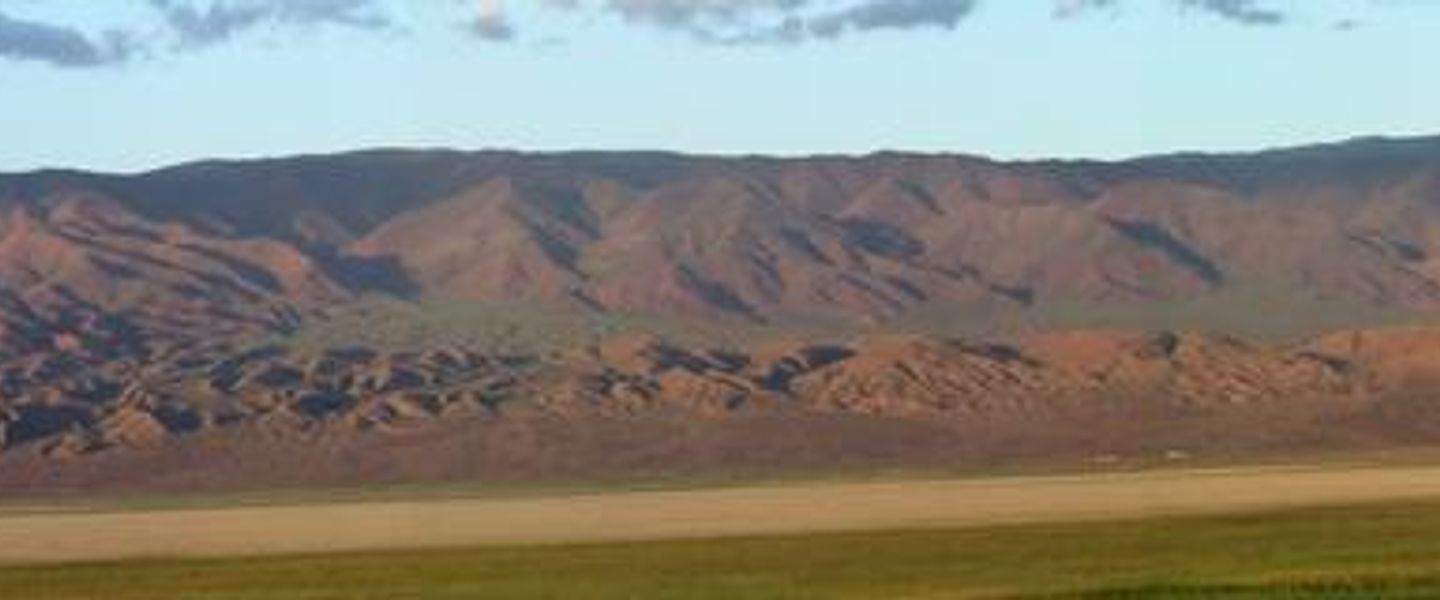
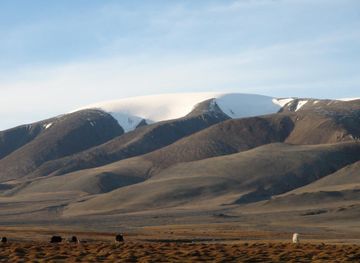
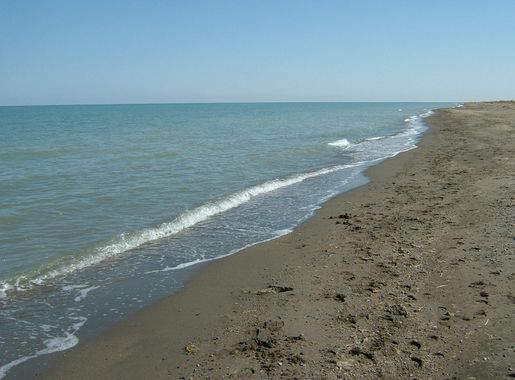
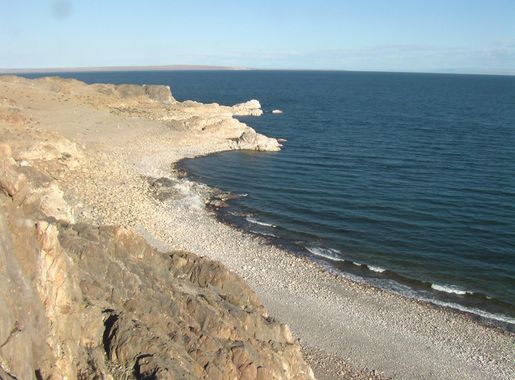
Nestled in the heart of Mongolia, the Ikh Nuur Basin is a haven of pristine natural beauty. This expansive region is known for its breathtaking landscapes, featuring vast grasslands, serene lakes, and rolling hills. It offers a unique glimpse into Mongolia's rich natural heritage, making it a must-visit for nature enthusiasts and adventure seekers alike. The Ikh Nuur Basin is home to a diverse array of wildlife, including rare and endangered species. Bird watchers will be delighted by the variety of birds that flock to its lakes, while those interested in flora will find a treasure trove of indigenous plants. The area is also steeped in history, with ancient rock carvings and historic sites scattered throughout the basin, providing a fascinating look into Mongolia's past. Visitors can engage in a range of outdoor activities, from hiking and horseback riding to camping under the stars. The local nomadic culture adds another layer of depth to the experience, with opportunities to stay in traditional gers (yurts) and learn about the lifestyle of Mongolia's herders. Whether you are looking for tranquility, adventure, or a cultural immersion, the Ikh Nuur Basin offers an unforgettable journey into one of Mongolia's most enchanting regions.

Know before you go
Hi, I'm Eve. Here are a few practical things to know before exploring Ikh Nuur Basin.
- Spring and autumn are the best times to visit for mild weather and fewer tourists.
- Bring binoculars for bird watching as the basin is a popular spot for migratory birds.
- Pack warm clothing, as temperatures can drop significantly at night, even in summer.
- Consider hiring a local guide to explore the historical sites and understand their significance.
- Stay in a traditional ger to fully experience the nomadic lifestyle and hospitality.
Top City Travel Guides in Ikh Nuur Basin
The cities of Ikh Nuur Basin, and the easiest places to base yourself.


Destinations in Ikh Nuur Basin
Resorts, valleys and scenic spots worth a trip of their own.


Explore Ikh Nuur Basin: Things to Do, Places to Eat, Hotels & More
Handpicked recommendations for top attractions, local dining, accommodations, and more

Top Attractions & Sightseeing in Ikh Nuur Basin
Top-rated picks
Best Attractions

Chinggis Khaan Statue Complex
Discover the grandeur of the Chinggis Khaan Statue Complex, a monumental tribute to Mongolia's iconic leader and rich heritage.

Gorkhi Terelj National Park
Discover the breathtaking beauty of Gorkhi Terelj National Park, where stunning landscapes and rich nomadic culture await adventurous travelers in Mongolia.

Bogd Khaan Palace Museum
Discover Mongolia’s cultural heritage at Bogd Khaan Palace Museum, a historical gem in Ulaanbaatar showcasing the life of its last king.

Choijin Lama Temple Museum
Explore the Choijin Lama Temple Museum in Ulaanbaatar, a treasure trove of Buddhist art and culture that reveals Mongolia's rich spiritual heritage.

Best landmarks in Ikh Nuur Basin
Top-rated picks
Best Landmarks

Chinggis Khaan Statue Complex
Discover the legacy of Genghis Khan at the Chinggis Khaan Statue Complex, a monumental tribute that blends history, culture, and breathtaking landscapes in Ulaanbaatar.

Gorkhi Terelj National Park
Explore Gorkhi Terelj National Park: A stunning natural paradise just outside Ulaanbaatar, rich in culture, adventure, and breathtaking landscapes.

Zaisan Monument
Explore the Zaisan Monument, a remarkable tribute to history offering stunning views of Ulaanbaatar, steeped in cultural significance and beauty.

Bogd Khan Uul
Discover Bogd Khan Uul National Park, a stunning blend of natural beauty and cultural heritage just outside Ulaanbaatar, Mongolia.

Best restaurants in Ikh Nuur Basin
Top-rated picks
Best Restaurants
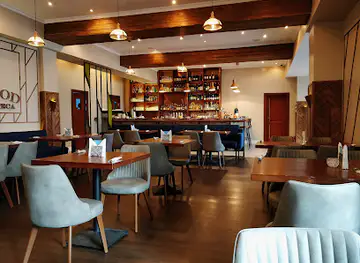
DeQuattro by Rosewood
Experience authentic Italian cuisine at DeQuattro by Rosewood in Ulaanbaatar – where tradition meets taste.

Hazara Indian Restaurant
Discover authentic Indian flavors at Hazara Indian Restaurant in Ulaanbaatar – where every bite tells a story.

The Bull Hot Pot Restaurant
Experience the authentic taste of Mongolia at The Bull Hot Pot Restaurant – where every meal is a flavorful adventure.

Little Sheep Hot Pot Restaurant, Galleria Ulaanbaatar
Experience authentic Mongolian hot pot at Little Sheep Hot Pot Restaurant in Ulaanbaatar – where flavors come alive in every bite!

Best bars in Ikh Nuur Basin
Top-rated picks
Best Bars

DeQuattro by Rosewood
Experience the rich flavors of Italy at DeQuattro by Rosewood, a charming bistro in Ulaanbaatar offering authentic Italian cuisine in a cozy setting.
The Blue Sky Hotel and Tower
Discover unparalleled luxury and stunning views at The Blue Sky Hotel and Tower, Ulaanbaatar's premier destination for travelers seeking comfort and elegance.

Grand Khaan Irish Pub
Experience the vibrant atmosphere and taste the rich flavors at Grand Khaan Irish Pub, a beloved gathering spot in Ulaanbaatar.

The Bull Hot Pot Restaurant
Discover the rich flavors of Mongolian hot pot at The Bull Hot Pot Restaurant in Ulaanbaatar, where every meal is a unique culinary adventure.

Best nightclubs in Ikh Nuur Basin
Top-rated picks
Best Nightclubs

Fat Cat Jazz Club Ulaanbaatar
Discover Ulaanbaatar's vibrant nightlife at Fat Cat Jazz Club, where live music and great cocktails create an unforgettable experience.

CHOCO CLUB ULAANBAATAR
Discover Ulaanbaatar's nightlife at Choco Club, where electrifying music and vibrant atmosphere create unforgettable nights.

River Sounds Live Music Club
Discover the rhythm of Ulaanbaatar at River Sounds Live Music Club, where live music, great food, and vibrant nightlife come together.

MINT Club
Discover the electrifying nightlife of Ulaanbaatar at MINT Club, where music, dancing, and a vibrant atmosphere await every night.

Best shops in Ikh Nuur Basin
Top-rated picks
Best Shops

State Department Store
Explore the vibrant State Department Store in Ulaanbaatar, where local culture meets modern shopping in a unique Mongolian experience.

Narantuul Market
Explore the vibrant Narantuul Market in Ulaanbaatar, a treasure trove of local culture, crafts, and culinary delights.

Ulaanbaatar Department Store
Discover Ulaanbaatar Department Store: your ultimate shopping destination in Mongolia's capital, blending modern retail with local culture.

Hunnu Mall
Discover Hunnu Mall, Ulaanbaatar's premier shopping destination, blending local charm with global brands for an unforgettable experience.

Explore Ikh Nuur Basin on the Map
A handpicked selection of must-see spots in Ikh Nuur Basin, mapped for you.
Ikh Nuur Basin Essentials
-
The Ikh Nuur Basin is located in central Mongolia. The nearest international airport is Chinggis Khaan International Airport in Ulaanbaatar, approximately 500 kilometers away. From Ulaanbaatar, you can take a domestic flight to the nearest local airport in Kharkhorin, followed by a taxi or rented vehicle to reach Ikh Nuur Basin. Alternatively, you can take a long-distance bus or hire a private vehicle for the journey from Ulaanbaatar, which typically takes around 8 to 10 hours by road.
-
Within the Ikh Nuur Basin, transportation options are limited. Renting a car or hiring a local guide with a vehicle is highly recommended for exploring the area. Some parts of the basin are accessible only by 4x4 vehicles due to rough terrain. Local buses and shared taxis operate between larger towns, but schedules can be irregular. For a more immersive experience, consider renting horses or camels to traverse the scenic landscapes.
-
The official currency in Mongolia is the Mongolian Tugrik (MNT). Credit cards are accepted in some hotels and larger establishments, but it is advisable to carry cash, especially in rural areas like the Ikh Nuur Basin. ATMs are scarce, so ensure you withdraw sufficient cash in Ulaanbaatar or another major town before traveling. It is also helpful to carry small denominations for easier transactions.
-
The Ikh Nuur Basin is generally a safe destination for tourists. However, it is important to take standard precautions. Avoid walking alone at night in unfamiliar areas and keep an eye on your belongings in crowded places. There are no specific high-crime areas targeting tourists, but it is always best to stay vigilant and aware of your surroundings. The local police are generally helpful, but communication might be a challenge due to language barriers.
-
In case of emergency, dial 102 for police assistance and 103 for medical emergencies. It is recommended to have travel insurance that covers medical emergencies. The nearest medical facilities are located in larger towns like Kharkhorin, so it is advisable to carry a basic first aid kit for minor health issues. Pharmacies are available in larger towns where you can purchase over-the-counter medications.
-
Fashion: Do dress modestly, especially when visiting local communities and religious sites. Layers are recommended due to variable weather. Religion: Do respect local customs and traditions. Remove your shoes and cover your head when entering religious sites. Public Transport: Do be respectful and give up your seat to elderly passengers. Don’t expect public transportation to be punctual. Greetings: Do greet people with a smile and a slight bow. A handshake is also acceptable, especially with men. Eating & Drinking: Do try local delicacies such as airag (fermented mare’s milk) and buuz (dumplings). Don’t refuse food offerings, as it is considered impolite.
-
To experience Ikh Nuur Basin like a local, engage with the nomadic herders, who are often willing to share their way of life. Participate in traditional activities such as horseback riding and herding livestock. Visit local markets to purchase handmade crafts and traditional clothing. Don’t miss the opportunity to stay in a ger (traditional Mongolian yurt) for an authentic experience. Always ask for permission before taking photographs of people or their homes.
When is the best time to visit Ikh Nuur Basin?
Useful Local Phrases for Ikh Nuur Basin
You don't need to speak the language perfectly. Even learning a few simple words can make conversations warmer—and locals usually appreciate the effort.
— Eve

Here are the phrases I use most often in Ikh Nuur Basin. Try a few—you'll be surprised how far they go! 😊
❤️
-
- HelloСайн уу
[Sain uu] - GoodbyeБаяртай
[Bayartai] - YesТийм
[Tiim] - NoҮгүй
[Ügüi] - Please/You're welcomeГуйя
[Guiya] - Thank youБаярлалаа
[Bayarlalaa] - Excuse me/SorryУучлаарай
[Uuchlaarai] - How are you?Та хэр байна?
[Ta kher baina?] - Fine. And you?Сайн. Та?
[Sain. Ta?] - Do you speak English?Та англиар ярьдаг уу?
[Ta angliar yaryadag uu?] - I don't understandБи ойлгохгүй байна
[Bi oilgokhgui baina]
- HelloСайн уу
-
- I'd like to see the menu, pleaseТандайгоор менюг харах боломжтой юу?
[Tandai gor menuug kharah bolomjtoi uu?] - I don't eat meatБи мах идэхгүй
[Bi makh idekhgui] - Cheers!Сайхан уухад!
[Saikhan uukhad!] - I would like to pay, pleaseБи төлбөр төлмөөр байна
[Bi tülbör tülmöör baina]
- I'd like to see the menu, pleaseТандайгоор менюг харах боломжтой юу?
-
- Help!Туслаач!
[Tuslaach!] - Go away!Яваад өг!
[Yavaad ög!] - Call the Police!Цагдааг дууд!
[Tsagdaag duud!] - Call a doctor!Эмчийг дууд!
[Emchiig duud!] - I'm lostБи алга болсон
[Bi alga bolson] - I'm illБи өвчтэй
[Bi övchtei]
- Help!Туслаач!
-
- I'd like to buy...Би ... худалдаж авахыг хүсч байна
[Bi ... khudaldaj avakhyg khüsch baina] - I'm just lookingБи зүгээр л хараад байна
[Bi zügreer l kharaad baina] - How much is it?Энэ хэд вэ?
[Ene khed ve?] - That's too expensiveЭнэ хэт үнэтэй байна
[Ene khet ünetei baina] - Can you lower the price?Та үнэ бууруулж чадах уу?
[Ta üne buurulj chadah uu?]
- I'd like to buy...Би ... худалдаж авахыг хүсч байна
-
- What time is it?Одоо хэдэн цаг болж байна вэ?
[Odoo kheden tsag bolzh baina ve?] - It's one o'clockНэг цаг болж байна
[Neg tsag bolzh baina] - Half past (10)10 цаг 30 минут
[10 tsag 30 minut] - MorningҮүр
[Üür] - AfternoonӨдрийн хоол
[Ödrin khool] - EveningОрой
[Oroy] - YesterdayӨчигдөр
[Öchigdör] - TodayӨнөөдөр
[Önöödör] - TomorrowМаргааш
[Margaash] - 1Нэг
[Neg] - 2Хоёр
[Khoir] - 3Гурван
[Gurvan] - 4Дөрөв
[Döröv] - 5Тав
[Tav] - 6Зургаа
[Zurgaa] - 7Долоо
[Doloo] - 8Найм
[Naim] - 9Ес
[Yes] - 10Арав
[Arav]
- What time is it?Одоо хэдэн цаг болж байна вэ?
-
- Where's a/the...?Гэж юунд байна вэ?
[Géj yuund baina ve?] - What's the address?Хаяг нь юу вэ?
[Khayag ni yuu ve?] - Can you show me (on the map)?Та надад (газрын зурагт) харуулж чадах уу?
[Ta nadad (gazryn zuragt) kharuulj chadah uu?] - When's the next (bus)?Дараагийн (автобус) хэзээ ирэх вэ?
[Daraagiin (avtobus) khezee irekh ve?] - A ticket (to ....)Билет (....) руу
[Bilet (....) ruu]
- Where's a/the...?Гэж юунд байна вэ?
History of Ikh Nuur Basin
-
Long before recorded history, the Ikh Nuur Basin was home to a variety of nomadic tribes. These early inhabitants roamed the vast steppes, relying on the fertile land and abundant water sources for survival. Archaeological evidence suggests that these tribes engaged in herding, hunting, and rudimentary forms of agriculture, laying the foundational culture that would influence later civilizations in the region.
-
During the 3rd century BCE, the Ikh Nuur Basin became part of the vast Xiongnu Empire. Known for their fierce cavalry, the Xiongnu were a formidable force in Central Asia. The basin served as a strategic location for the Xiongnu, providing resources and a natural defensive barrier. Historical texts and artifacts indicate that the Xiongnu utilized the basin for both military campaigns and as a settlement area.
-
In the 13th century, the Ikh Nuur Basin found itself under the sway of the Mongol Empire, led by the legendary Genghis Khan. The basin's strategic importance was not lost on the Mongols, who used the area for staging military campaigns and as a resting place for their troops. The fertile lands and ample water supply made it an ideal location for supporting large numbers of horses and livestock, critical to the Mongol way of life.
-
Following the decline of the Mongol Empire, the Ikh Nuur Basin became a significant area for the Khalkha Mongols. During the 16th and 17th centuries, the Khalkha Mongols established a series of tribal confederations in the region. These groups continued the nomadic lifestyle, relying heavily on the basin's resources. Historical records from this period highlight the basin as a center of trade and cultural exchange between different Mongol tribes.
-
In the 17th century, the Qing Dynasty of China extended its influence into Mongolia, including the Ikh Nuur Basin. The Qing administration brought changes to the region's governance and imposed new economic policies. Despite these changes, the local Mongolian culture and traditions remained resilient. The basin during this period saw a blend of Chinese and Mongolian influences, reflected in the art, architecture, and daily life of its inhabitants.
-
The 20th century brought significant changes to the Ikh Nuur Basin with the establishment of the Mongolian People's Republic in 1924. Under Soviet influence, the region underwent modernization efforts, including the development of infrastructure and collective farming. Despite these transformations, many of the traditional nomadic practices persisted, creating a unique blend of old and new ways of life in the basin.
-
Today, the Ikh Nuur Basin is recognized for its rich cultural heritage and historical significance. Efforts have been made to preserve the region's archaeological sites and traditional practices. The basin remains a living testament to the resilience and adaptability of its people, offering visitors a glimpse into the historical tapestry that has shaped Mongolia's identity.
Neighbouring Regions of Ikh Nuur Basin
The closest regions to Ikh Nuur Basin, if you have time for more than one.



Your all‑in‑one travel companion app
Explore expert travel guides, compare and book tours, experiences, hotels, and more—all from the palm of your hand. Download now for seamless trip planning wherever your wanderlust takes you.


Explore More of Mongolia

Looking beyond Ikh Nuur Basin? Discover Mongolia for broader travel guides, local hot-spots, and regional highlights.
Explore MongoliaIkh Nuur Basin in Photos
Browse through our photo collection highlighting the charm and character of the destination.




The Untamed Beauty of Ikh Nuur Basin
Nestled in the heart of Mongolia, the Ikh Nuur Basin is a haven of pristine natural beauty. This expansive region is known for its breathtaking landscapes, featuring vast grasslands, serene lakes, and rolling hills. It offers a unique glimpse into Mongolia's rich natural heritage, making it a must-visit for nature enthusiasts and adventure seekers alike. The Ikh Nuur Basin is home to a diverse array of wildlife, including rare and endangered species. Bird watchers will be delighted by the variety of birds that flock to its lakes, while those interested in flora will find a treasure trove of indigenous plants. The area is also steeped in history, with ancient rock carvings and historic sites scattered throughout the basin, providing a fascinating look into Mongolia's past. Visitors can engage in a range of outdoor activities, from hiking and horseback riding to camping under the stars. The local nomadic culture adds another layer of depth to the experience, with opportunities to stay in traditional gers (yurts) and learn about the lifestyle of Mongolia's herders. Whether you are looking for tranquility, adventure, or a cultural immersion, the Ikh Nuur Basin offers an unforgettable journey into one of Mongolia's most enchanting regions.