

Free Uvs Lake Basin Travel Guide & Mobile App
Explore Uvs Lake Basin with free travel guides. Discover regional history, expert tips, proposed trips, and audio guides on web or mobile app.


Explore Mongolia’s Uvs Lake Basin for saline wetlands, remote steppe, mountain scenery, wildlife and living nomadic landscapes in the far west.
Read more about Uvs Lake Basin
When is the best time to visit Uvs Lake Basin?
Best: May–June, August · 22–27°C| Month | High (°C) | Rainfall (mm) |
|---|---|---|
| January | -18 | 1 |
| February | -13 | 1 |
| March | -2 | 2 |
| April | 10 | 3 |
| May (best) | 22 | 5 |
| June (best) | 27 | 6 |
| July | 30 | 7 |
| August (best) | 27 | 6 |
| September | 18 | 4 |
| October | 7 | 3 |
| November | -3 | 2 |
| December | -12 | 1 |
Getting to and around Uvs Lake Basin
How to get there
Transportation
Best landmarks in Uvs Lake Basin
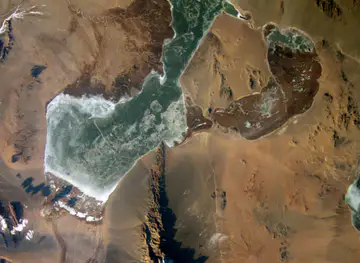
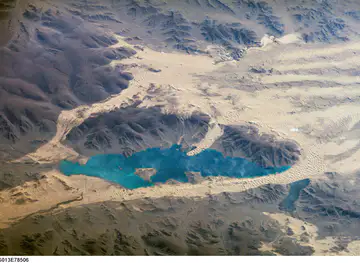
Uvs Lake is the defining geographical landmark, its broad, saline surface occupying a closed depression beneath the surrounding mountains and desert plains. The lake’s shallow shores and reed-fringed wetlands are as important scientifically as they are visually, forming part of the transboundary Uvs Nuur Basin World Heritage property. The Kharkhiraa and Turgen mountain ranges provide the basin’s most imposing natural skyline, with high summits, alpine terrain and glacially influenced landscapes contrasting sharply with the dry lowlands. The Tes River is another significant feature, bringing a thread of green vegetation and pastoral settlement through an otherwise open environment. Ulaangom’s Buddhist institutions and civic centre represent the region’s main built landmarks, linking contemporary provincial life with western Mongolia’s religious and administrative history. Across the wider basin, ovoos, ancient burial mounds and stone monuments mark older relationships between people, routes and the landscape; their significance is cultural and archaeological, so visitors should not climb on, move or collect anything from them.
-
Tourist attraction
Chinggis Khaan Statue Complex
Explore the grandeur of Mongolia at the Chinggis Khaan Statue Complex, a monumental tribute to the legendary leader, rich in history and culture.
-
Monument
Zaisan Monument
Discover the Zaisan Monument, a significant symbol of Soviet-Mongolian friendship with breathtaking city views and rich cultural history.
-
National park
Altai Tavan Bogd National Park
Explore the stunning Altai Tavan Bogd National Park, where majestic peaks and diverse wildlife await in the heart of Mongolia's breathtaking landscapes.
-
Buddhist temple
Aryapala Temple Meditation Center
Experience tranquility and spiritual growth at Aryapala Temple Meditation Center, a serene Buddhist sanctuary near Ulaanbaatar, Mongolia.


Explore Uvs Lake Basin on the map
Plan your trip on one map. See where the top cities, national parks and sights are, and book hotels and experiences in a few clicks.
Best hotels in Uvs Lake Basin
Best restaurants in Uvs Lake Basin
Dining in the Uvs Lake Basin is shaped by the practical food culture of western Mongolia rather than by a restaurant district. Ulaangom has the broadest choice of simple cafés, canteens and restaurants serving Mongolian staples such as buuz, khuushuur, noodle dishes, soups and meat with rice or vegetables. Dairy foods, including aaruul and other dried curds, are important to pastoral households, while milk tea is a customary offering in many homes and ger camps. In the countryside, meals arranged through a host family, lodge or tour operator may feature mutton, beef, goat or locally produced dairy, often accompanied by bread, rice or pasta. Fresh produce is more limited outside the town, so expedition-style food should be expected on longer drives. Visitors with dietary restrictions should explain them in advance and carry suitable supplies, particularly when travelling towards the lake. Alcohol availability and restaurant choice are more limited in remote areas than in Ulaangom.
-
 Italian
DeQuattro by Rosewood
Experience authentic Italian flavors at DeQuattro by Rosewood in Ulaanbaatar—where tradition meets modern elegance.
-
Indian
Hazara Indian Restaurant
Experience the authentic taste of India at Hazara Indian Restaurant in Ulaanbaatar – where every dish tells a story.
-
Restaurant
The Bull Hot Pot Restaurant
Discover the best hot pot experience at The Bull Hot Pot Restaurant in Ulaanbaatar, where flavors come alive and dining becomes an adventure.
-
Hot Pot
Little Sheep Hot Pot Restaurant, Galleria Ulaanbaatar
Savor authentic Mongolian flavors at Little Sheep Hot Pot Restaurant in Ulaanbaatar - an unforgettable dining experience awaits!


Best bars in Uvs Lake Basin
Uvs Lake Basin is not a nightlife destination in the conventional urban sense. Ulaangom has a modest evening scene of cafés, hotel bars and small local venues, with activity concentrated in the provincial centre rather than around the lake. In rural areas, evenings are usually spent at a ger camp, guesthouse or family home, where conversation, tea and locally familiar music are more typical than late-night entertainment. Some accommodation providers may serve beer or spirits, but availability varies and should not be assumed in remote settlements. Travellers should drink responsibly, particularly before long drives or in cold conditions, and respect household and camp routines. The region’s most memorable evening activity is often watching the light fade across Uvs Lake or the surrounding ranges, followed by a quiet night under exceptionally dark skies.
-
Hotel
Shangri-La Ulaanbaatar
Discover luxury and comfort at Shangri-La Ulaanbaatar, where modern elegance meets Mongolian hospitality in the heart of the capital.
-
Hotel
Kempinski Hotel Khan Palace Ulaanbaatar
Experience unparalleled luxury and comfort at Kempinski Hotel Khan Palace, a premier hotel in the heart of Ulaanbaatar, Mongolia.
-
Restaurant
Grand Khaan Irish Pub
Discover the vibrant atmosphere of Grand Khaan Irish Pub in Ulaanbaatar, where Irish hospitality meets local flavors in a lively setting.
-
Indian
Hazara Indian Restaurant
Discover authentic Indian cuisine in Ulaanbaatar at Hazara Indian Restaurant, where culinary tradition meets modern dining.


Best nightclubs in Uvs Lake Basin
Uvs Lake Basin is not a nightlife destination in the conventional urban sense. Ulaangom has a modest evening scene of cafés, hotel bars and small local venues, with activity concentrated in the provincial centre rather than around the lake. In rural areas, evenings are usually spent at a ger camp, guesthouse or family home, where conversation, tea and locally familiar music are more typical than late-night entertainment. Some accommodation providers may serve beer or spirits, but availability varies and should not be assumed in remote settlements. Travellers should drink responsibly, particularly before long drives or in cold conditions, and respect household and camp routines. The region’s most memorable evening activity is often watching the light fade across Uvs Lake or the surrounding ranges, followed by a quiet night under exceptionally dark skies.
-
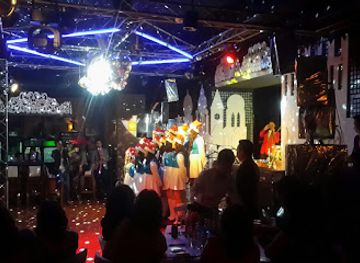
Night club
CHOCO CLUB ULAANBAATAR
Discover Ulaanbaatar's nightlife at Choco Club, a vibrant nightclub offering music, dancing, and a lively atmosphere for an unforgettable experience.
-
Live Music
River Sounds Live Music Club
Discover the heart of Ulaanbaatar's nightlife at River Sounds Live Music Club, where live performances and delicious food create unforgettable memories.
-
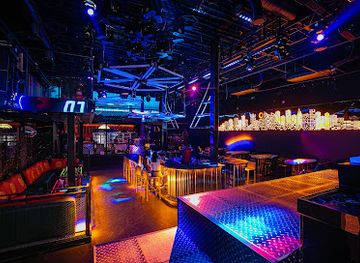
Night club
MINT Club
Discover the vibrant nightlife at MINT Club, Ulaanbaatar's top destination for dancing, socializing, and enjoying local drinks in an electric atmosphere.
-
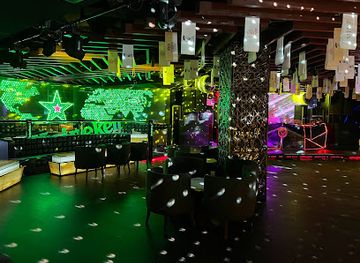
Night club
ZU CLUB
Experience the electrifying nightlife at ZU CLUB, Ulaanbaatar's premier destination for dancing, music, and unforgettable moments.

Best shops in Uvs Lake Basin
Shopping is concentrated in Ulaangom, where markets and small shops supply residents with food, clothing, household goods and equipment for pastoral life. Travellers may find practical souvenirs such as felt goods, woollen items, leather products, locally made dairy foods and small handicrafts, although choice and stock vary considerably. The best purchases are often made through reputable cooperatives, craft sellers or established shops rather than by removing objects from archaeological areas or buying wildlife products. Local food markets can offer dried curds, sweets and other durable provisions for the road, but remote camps generally have little retail activity. There is no large-scale luxury shopping scene in the basin; its commercial character is provincial, functional and closely connected to herding communities. Carry cash in tögrög and pack purchases securely, especially if continuing over rough roads.
-
Department store
State Department Store
Discover the State Department Store in Ulaanbaatar – a shopping paradise blending tradition and modernity with local flavors and unique finds.
-
Shopping mall
Ulaanbaatar Department Store
Discover the Ulaanbaatar Department Store, a vibrant shopping haven in Mongolia, offering a mix of local crafts, fashion, and global brands.
-
Shopping mall
Hunnu Mall
Explore Hunnu Mall: A Unique Shopping Experience in Ulaanbaatar with Local and International Flavors.
-
Shopping mall
UB Mart Shopping Center
Explore UB Mart Shopping Center in Ulaanbaatar for a blend of shopping, dining, and Mongolian culture in a vibrant atmosphere.


Get your free copy of our complete guide to Uvs Lake Basin, delivered straight to you.
Everything on this page, from attractions and restaurants to essentials and local phrases, in one PDF you can read offline, print or share.
Already have an account? Sign in
Your Uvs Lake Basin guide is ready.
We'll send it to · Not you? Sign out

Getting your guide ready…
We are putting together a fresh copy of the Uvs Lake Basin guide. This can take up to a minute.
This can take a few moments. If your browser asks, choose Allow so the download can start. You'll find the guide in your Downloads folder.
Nothing happened? Download it again
Sorry, the guide is taking longer than usual. Please try again in a minute, or get it by email instead.
Uvs Lake Basin essentials
Currency and Payment
Safety
Emergency Situations
Do's and Don'ts
Local Tips
From Eve
Local phrases worth knowing
You don't need to get them perfect. A few words go a long way, and locals appreciate the effort.
Basics
| English | Local | Say it |
|---|---|---|
| Hello | Сайн уу | [Sain uu] |
| Goodbye | Баяртай | [Bayartai] |
| Yes | Тийм | [Tiim] |
| No | Үгүй | [Ügüi] |
| Please/You're welcome | Гуйя | [Guiya] |
| Thank you | Баярлалаа | [Bayarlalaa] |
| Excuse me/Sorry | Уучлаарай | [Uuchlaarai] |
| How are you? | Та хэр байна вэ? | [Ta kher baina ve?] |
| Fine. And you? | Сайн. Та хэр байна? | [Sain. Ta kher baina?] |
| Do you speak English? | Та англиар ярьдаг уу? | [Ta angliar yartag uu?] |
| I don't understand | Би ойлгохгүй байна | [Bi oilgokhgui baina] |
Eating & Drinking
| English | Local | Say it |
|---|---|---|
| I'd like to see the menu, please | Тахиад, менют үзүүлээрэй | [Tahiad, menyut üzüüleerai] |
| I don't eat meat | Би мах иддэггүй | [Bi makh iddegüi] |
| Cheers! | Санжир! | [Sanjir!] |
| I would like to pay, please | Тахиад, төлбөрөө төлмөөр байна | [Tahiad, tölböröö tölmöör baina] |
Emergencies
| English | Local | Say it |
|---|---|---|
| Help! | Туслаач! | [Tuslaach!] |
| Go away! | Яваарай! | [Yavaarai!] |
| Call the Police! | Цагдаа дуудаарай! | [Tsagdaa duudaarai!] |
| Call a doctor! | Эмч дуудаарай! | [Emch duudaarai!] |
| I'm lost | Би алга болсон | [Bi alga bolson] |
| I'm ill | Би өвдсөн | [Bi övdson] |
Shopping
| English | Local | Say it |
|---|---|---|
| I'd like to buy... | Би ... худалдаж авахыг хүсч байна | [Bi ... khudaldaj avakhyg khüsch baina] |
| I'm just looking | Би зүгээр л хараад байна | [Bi züger l kharaad baina] |
| How much is it? | Энэ хэдэн төгрөг вэ? | [Ene kheden tögrög ve?] |
| That's too expensive | Энэ хэт үнэтэй | [Ene khet ünettei] |
| Can you lower the price? | Үнэ буулгаж болох уу? | [Üne buulgaaj bolokh uu?] |
Time & Numbers
| English | Local | Say it |
|---|---|---|
| What time is it? | Одоо хэдэн цаг вэ? | [Odoo kheden tsag ve?] |
| It's one o'clock | Нэг цаг болж байна | [Neg tsag bolj baina] |
| Half past (10) | Арван хагас | [Arvan khagas] |
| Morning | Өглөө | [Öglöö] |
| Afternoon | Үд | [Üd] |
| Evening | Орой | [Oroi] |
| Yesterday | Өчигдөр | [Öchigdör] |
| Today | Өнөөдөр | [Önöödör] |
| Tomorrow | Маргааш | [Margaash] |
| 1 | 1 | [1] |
| 2 | 2 | [2] |
| 3 | 3 | [3] |
| 4 | 4 | [4] |
| 5 | 5 | [5] |
| 6 | 6 | [6] |
| 7 | 7 | [7] |
| 8 | 8 | [8] |
| 9 | 9 | [9] |
| 10 | 10 | [10] |
Transport & Directions
| English | Local | Say it |
|---|---|---|
| Where's a/the...? | Хаана ... байна вэ? | [Khaana ... baina ve?] |
| What's the address? | Хаяг нь юу вэ? | [Khayaag ni yuu ve?] |
| Can you show me (on the map)? | Н карт дээр надад харуулах уу? | [N kart deer nadad kharuulakh uu?] |
| When's the next (bus)? | Дараагийн (автобус) хэзээ вэ? | [Daraagiin (avtobus) khezëe ve?] |
| A ticket (to ....) | Би (....) тийз захиалж авна уу? | [Bi (....) tiiz zakhialj avna uu?] |
History of Uvs Lake Basin
Ancient peoples of the Altai and steppe
The wider Uvs Lake Basin has long been a corridor between the Altai, Siberian forests and Central Asian steppe. Archaeological landscapes in and around western Mongolia preserve burial mounds, stone monuments and traces of communities that moved between pastoral, hunting and trading economies. Finds associated with Bronze Age and Iron Age cultures show that the region was connected to wider technological and artistic traditions rather than isolated from them. Much of this heritage is encountered as a dispersed cultural landscape, and many sites require specialist interpretation and careful protection rather than casual excavation or handling.
Turkic and early medieval legacies
From late antiquity into the early medieval period, the valleys and passes of western Mongolia formed part of a shifting political world influenced by Turkic-speaking khaganates and other steppe confederations. Imperial power was expressed through seasonal movement, military alliances, trade routes and commemorative monuments rather than dense urban settlement. The basin’s rivers and mountain approaches helped connect northern forest regions with the Altai and the wider Mongolian plateau. The archaeological and linguistic legacy of these centuries remains part of western Mongolia’s broader historical setting.
The Mongol Empire and later steppe polities
The formation of the Mongol Empire in the thirteenth century reorganised political and commercial connections across Inner Asia. Western Mongolian lands became part of imperial and post-imperial networks in which pasture, horses, military service and movement between seasonal camps were fundamental. After the empire fragmented, authority shifted among competing Mongol and regional powers. The basin’s importance lay less in permanent cities than in its strategic position, grazing resources and routes linking the Altai, the northern steppe and the central Mongolian heartland.
Oirat and Dzungar influence
Western Mongolia was strongly associated with Oirat Mongol groups, including the Dzungars, whose political power expanded across much of Inner Asia during the seventeenth and early eighteenth centuries. Conflict with the Qing Empire culminated in the destruction of the Dzungar polity in the 1750s, followed by major demographic and political changes across the region. Uvs and neighbouring territories were subsequently drawn into Qing frontier administration. The period left a complex legacy of migration, political realignment and changing relations between pastoral communities and imperial authorities.
Qing frontier rule and local administration
Under the Qing Empire, western Mongolia was governed through a system that combined imperial oversight with the authority of Mongolian nobles and local administrative units. Regulation of pasture, movement and tribute affected the organisation of herding communities, while monasteries became important religious and economic institutions. The frontier was porous in practice, with kinship, trade and seasonal movement crossing areas that later became international borders. This history helps explain why the Uvs basin belongs to a wider Inner Asian cultural zone rather than to a single isolated national story.
Revolution, the modern border and Uvs Province
After Mongolia’s 1911 independence and the 1921 revolution, the political geography of the west was reshaped by the emergence of modern state borders and closer Soviet influence. The frontier with the Soviet Union divided communities and routes that had previously operated across a broad northern steppe. Administrative reforms eventually established Uvs Province, with Ulaangom developing as its principal centre. During the socialist period, monasteries were suppressed, herding was reorganised through collectivisation and public services expanded, while the region remained economically remote.
Protected landscapes and contemporary pastoral life
The late twentieth and early twenty-first centuries brought growing recognition of the basin’s ecological importance. Uvs Nuur and surrounding habitats protect an unusual sequence of desert, steppe, wetland, forest and high mountain environments, and the transboundary Uvs Nuur Basin was inscribed on the UNESCO World Heritage List in 2003. Today, pastoralism remains central to the local economy, alongside provincial administration, trade and small-scale tourism. Conservation increasingly has to balance wildlife protection, visitor access, livestock grazing and the practical needs of remote communities.
Uvs Lake Basin in Photos
Browse through our photo collection highlighting the charm and character of the destination.
Neighbouring regions of Uvs Lake Basin
The closest regions to Uvs Lake Basin, if you have time for more than one.
-

-
-
-

-


Swipe for more regions
Explore more

Explore more of Mongolia
Discover Mongolia: From the vast steppes and towering mountains to the rich nomadic culture and ancient traditions, experience the land of eternal blue sky.
Explore Mongolia