

Bogd Khan Mountain Travel Guide - Free Web & App
Your ultimate guide to Bogd Khan Mountain. Discover top landmarks, proposed trips, and local tips. Free on the web or via the Evendo companion app.


Bogd Khan Mountain near Ulaanbaatar offers forested trails, sacred heritage, wildlife, panoramic viewpoints and access to Manzushir Monastery in Mongolia.
Mountain and Protected Landscape
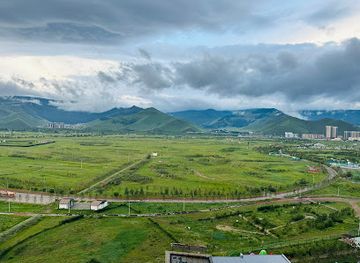
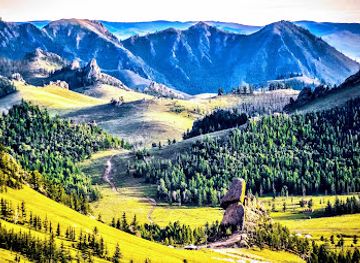
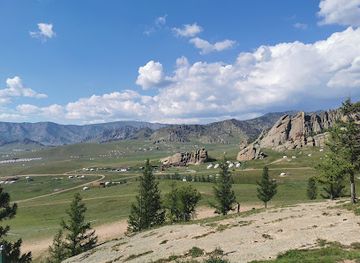
Rising immediately south of Ulaanbaatar, Bogd Khan Mountain is a forested granite massif whose slopes form a striking natural counterpoint to Mongolia’s capital. The mountain is commonly known as Bogd Khan Uul, and its highest summit, Tsetsee Gun, reaches approximately 2,256 metres. Larch, birch and conifer woodland cover parts of the northern slopes, while open grassland, rocky ridges and broad views towards the capital create a changing landscape for walkers. The mountain lies within a strictly protected area and is also recognised as a UNESCO Biosphere Reserve, reflecting its ecological importance and proximity to a rapidly growing city.Read more about Bogd Khan Mountain
Sacred History and Access
Walking, Wildlife and the Capital
When is the best time to visit Bogd Khan Mountain?
Best: June–August · 25–29°C| Month | High (°C) | Rainfall (mm) |
|---|---|---|
| January | -7 | 0 |
| February | -4 | 0 |
| March | 5 | 0 |
| April | 12 | 0 |
| May | 19 | 0 |
| June (best) | 27 | 0 |
| July (best) | 29 | 0 |
| August (best) | 25 | 0 |
| September | 18 | 0 |
| October | 8 | 0 |
| November | 2 | 0 |
| December | -3 | 0 |
Getting to and around Bogd Khan Mountain
How to get there
Transportation
Best attractions in Bogd Khan Mountain
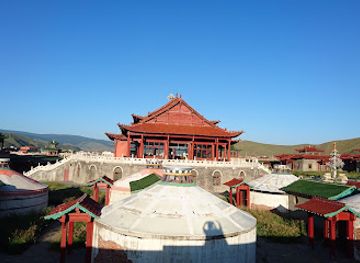
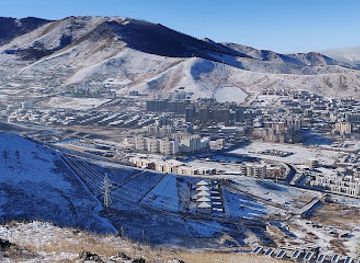
Bogd Khan Mountain’s principal attraction is the contrast between its forested slopes and the dense urban landscape of Ulaanbaatar below. On the northern side, the Zaisan area provides access to the mountain’s city-facing foothills and broad outlooks across the capital and Tuul River valley. Longer walks lead into woodland and towards the higher ridges, including the Tsetsee Gun summit area, although routes require preparation and local checking. On the southern side, Manzushir Monastery stands in a wooded valley near Zuunmod, combining Buddhist heritage with access to the mountain environment. The monastery’s surviving and restored elements, nearby forest and open valley make this one of the most rewarding cultural approaches. The protected slopes themselves are the main natural attraction, with larch woodland, rocky ground, seasonal streams and opportunities for quiet bird and wildlife observation rather than formal visitor infrastructure.
-
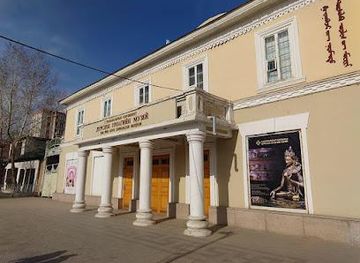
National museum
Монголын Үндэсний Музей
Explore Mongolia's history and culture at the Mongolian National Museum, a must-visit destination in Ulaanbaatar for travelers seeking to understand the nation's rich heritage.
-
Clothing store
GOBI Flagship Store
Experience the allure of Mongolian cashmere at GOBI Flagship Store in Ulaanbaatar, where quality meets affordability in a culturally rich shopping environment.
-
Museum
Choijin Lama Temple Museum
Explore the Choijin Lama Temple Museum, a serene haven showcasing Mongolia's Buddhist heritage through exquisite art and architecture.
-
Art museum
The Fine Arts Zanabazar Museum
Explore the artistic legacy of Mongolia at The Fine Arts Zanabazar Museum, showcasing traditional and contemporary masterpieces in Ulaanbaatar.


Best landmarks in Bogd Khan Mountain
Tsetsee Gun, at approximately 2,256 metres, is the highest summit of Bogd Khan Mountain and the principal high point for walkers seeking views across the surrounding steppe and Ulaanbaatar. The mountain’s forested ridges are themselves a landmark, unusual in their immediate contrast with the open grasslands and heavily settled capital below. On the southern side, Manzushir Monastery is the most significant human landmark, occupying a wooded valley near Zuunmod and preserving the memory of an important Buddhist centre despite the destruction suffered by Mongolian monasteries in the twentieth century. Zaisan, on the northern foothills, is associated with a prominent memorial and extensive views over Ulaanbaatar, although the urban viewpoint should not be confused with the mountain’s protected interior. Ovoos and other sacred features add cultural meaning to routes through the landscape.
-
National park
National Park
Explore Ulaanbaatar's National Park, a serene escape into nature with breathtaking views, diverse wildlife, and lush gardens in the heart of Mongolia's capital.
-
Buddhist temple
Gandantegchinlen Monastery
Explore the serene beauty and spiritual significance of Gandantegchinlen Monastery, a key Buddhist site in Ulaanbaatar, Mongolia.
-
Amusement park
National Amusement Park
Discover endless fun and adventure at Ulaanbaatar's National Amusement Park, where thrilling rides and delightful attractions await every visitor.
-
Monument
Zaisan Monument
Experience the rich history and stunning views at Zaisan Monument, a significant landmark in Ulaanbaatar commemorating Mongolia's role in WWII.
Explore Bogd Khan Mountain on the map
Plan your trip on one map. See where the top attractions, landmarks, restaurants and hotels are, and book hotels and experiences in a few clicks.
Best hotels in Bogd Khan Mountain
Best restaurants in Bogd Khan Mountain
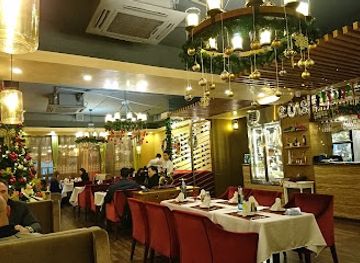
Bogd Khan Mountain has no substantial independent dining scene, so most visitors eat in Ulaanbaatar or, when approaching from the south, in Zuunmod. The capital offers the broadest choice, from modern restaurants to cafés and canteens serving Mongolian staples such as buuz, khuushuur, tsuivan and soups with mutton or beef. Dairy products, airag and other traditional foods are part of the wider regional food culture, although availability varies by establishment and season. Zuunmod provides more modest everyday options for travellers visiting Manzushir Monastery, while food beside mountain paths should not be assumed. For a walk from either approach, carrying water and a packed meal is sensible. Farm shops, markets and supermarkets in the nearby towns are useful for provisions, but visitors should distinguish these ordinary local outlets from attractions within the protected mountain itself.
-
Mediterranean
Choijin Temple Restaurant
Experience authentic Mediterranean flavors at Choijin Temple Restaurant in Ulaanbaatar - where every dish tells a story.
-
Restaurant
Great Mongol Restaurant & Pub
Discover the rich flavors of Mongolia at Great Mongol Restaurant & Pub - where tradition meets modern dining in Ulaanbaatar.
-
Restaurant
Naadam Bar & Restaurant, Shangri-La Ulaanbaatar
Experience diverse culinary delights at Naadam Bar & Restaurant in Shangri-La Ulaanbaatar – where local charm meets global flavors.
-
Mexican
MexiKhan
Discover authentic Mexican cuisine at MexiKhan in Ulaanbaatar – where vibrant flavors meet upscale dining in an inviting atmosphere.

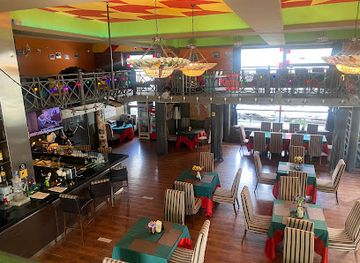
Best bars in Bogd Khan Mountain
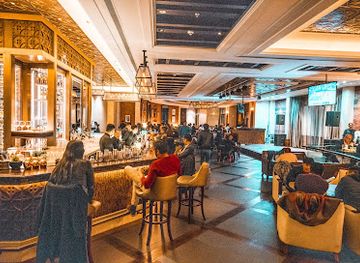
Bogd Khan Mountain is not a nightlife destination, and there are no established bars or nightclubs on its forested slopes. Evening options are concentrated in Ulaanbaatar, where visitors can find hotel bars, international-style venues, live music and late-opening restaurants, particularly in the central areas beyond the mountain’s immediate foothills. Zaisan has urban cafés and dining venues associated with the expanding southern side of the capital, but its atmosphere is suburban rather than a distinct mountain nightlife scene. Zuunmod offers a quieter provincial-town evening when using the Manzushir approach, with local restaurants and ordinary taverns rather than a broad entertainment district. Around the mountain itself, evenings are better suited to resting at accommodation, observing the changing light over the valley or preparing for an early walk.
-
Grill
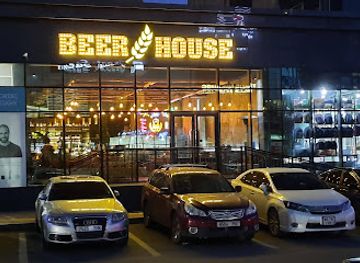
Beer House
Discover the flavors of Mongolia at Beer House, a lively bar and grill in Ulaanbaatar offering delicious grilled dishes and a vibrant atmosphere.
-
Cocktail bar
Bitsy & Co.
Discover Bitsy & Co., Ulaanbaatar's premier cocktail bar, where every drink tells a story and every visit becomes a cherished memory.
-
Grill
Dépôt - Grill Restaurant
Experience the flavors of Mongolia at Dépôt Grill Restaurant, where every dish is a celebration of local ingredients and culinary tradition.
-
Cocktail bar
Bacco Mongolia
Experience the best of Ulaanbaatar's nightlife at Bacco Mongolia, where exceptional cocktails meet a vibrant atmosphere.
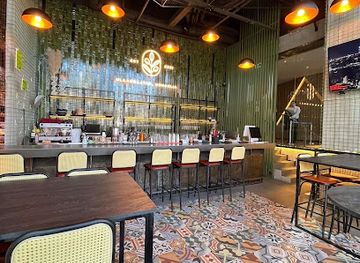
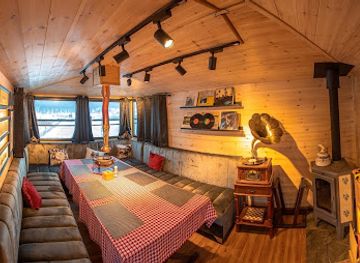
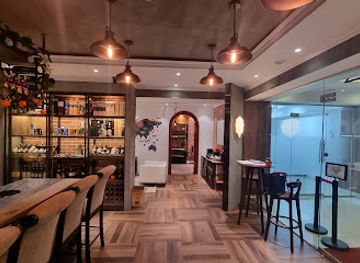
Best nightclubs in Bogd Khan Mountain
Bogd Khan Mountain is not a nightlife destination, and there are no established bars or nightclubs on its forested slopes. Evening options are concentrated in Ulaanbaatar, where visitors can find hotel bars, international-style venues, live music and late-opening restaurants, particularly in the central areas beyond the mountain’s immediate foothills. Zaisan has urban cafés and dining venues associated with the expanding southern side of the capital, but its atmosphere is suburban rather than a distinct mountain nightlife scene. Zuunmod offers a quieter provincial-town evening when using the Manzushir approach, with local restaurants and ordinary taverns rather than a broad entertainment district. Around the mountain itself, evenings are better suited to resting at accommodation, observing the changing light over the valley or preparing for an early walk.
-
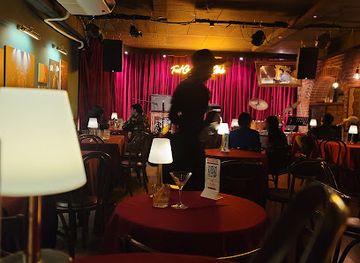
Jazz
Fat Cat Jazz Club Ulaanbaatar
Discover the enchanting world of jazz at Fat Cat Jazz Club in Ulaanbaatar, where live music and a vibrant atmosphere come together.
-
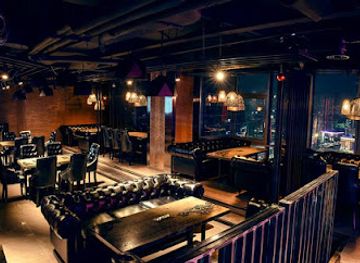
Restaurant
LAVA Club & Lounge
Discover Ulaanbaatar’s vibrant nightlife at LAVA Club & Lounge, where exquisite dining meets an electrifying disco atmosphere.
-
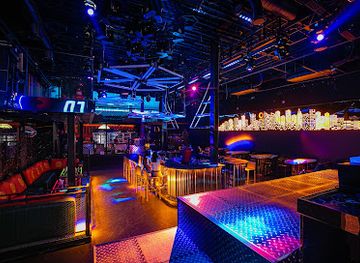
Night club
CHOCO CLUB ULAANBAATAR
Discover the electrifying nightlife at Choco Club Ulaanbaatar, where music, dance, and vibrant energy come together for an unforgettable evening.
-
Night club
River Sounds Live Music Club
Discover the heart of Ulaanbaatar's nightlife at River Sounds Live Music Club, where live music, delicious food, and vibrant atmosphere await.

Best shops in Bogd Khan Mountain
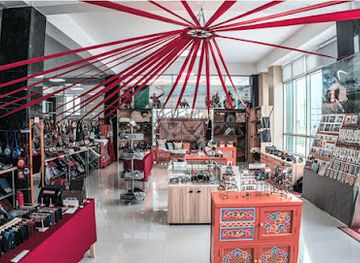
Shopping directly on Bogd Khan Mountain is limited, with no extensive retail area inside the protected landscape. Ulaanbaatar is the principal place to buy food, walking supplies, maps, clothing and locally made goods before a mountain outing. Visitors interested in Mongolian products can look in the capital for cashmere, felt work, leather goods, handmade souvenirs and packaged regional foods, assessing quality and provenance carefully. Zuunmod provides everyday shops and provisions for those approaching Manzushir, but it is a provincial centre rather than a specialist craft destination. Small informal sellers may appear near popular visitor sites at certain times, although their presence and stock should not be assumed. Carrying reusable water containers and taking rubbish back to town reduces dependence on single-use purchases in a sensitive environment.
-
Gift shop
Mary & Martha Mongolia
Explore the exquisite craftsmanship of Mongolia at Mary & Martha Mongolia, your destination for unique gifts and fair trade treasures.
-
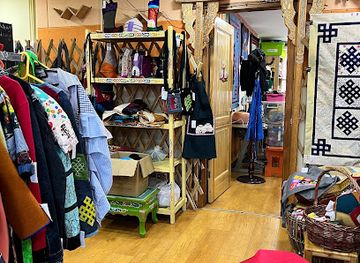
Souvenir store
Mongolian Quilting, Upcycled clothe, local Souvenir (Non profit organization) МОНГОЛЫН ЗҮЙМЭЛ УРЛАЛЫН ТӨВ Mongolia Ulan Bator
Explore the Mongolian Quilting Center for unique upcycled clothing, exquisite quilts, and local souvenirs, celebrating sustainability and craftsmanship.
-
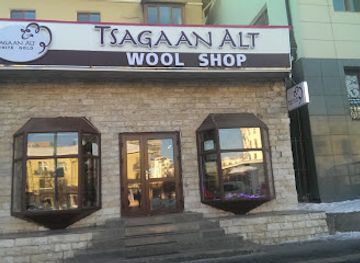
Clothing store
Tsagaan Alt Wool Shop
Explore Tsagaan Alt Wool Shop in Ulaanbaatar for authentic Mongolian wool products, rich craftsmanship, and unique cultural souvenirs.
-
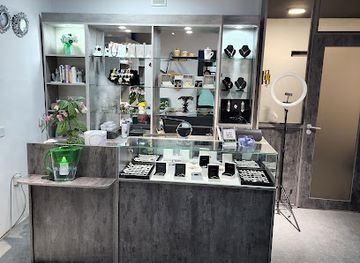
Gift shop
Төгс Сонголт
Explore Төгс Сонголт, Ulaanbaatar's hidden gem for unique gifts and authentic Mongolian souvenirs, perfect for capturing memories of your visit.
Get your free copy of our complete guide to Bogd Khan Mountain, delivered straight to you.
Everything on this page, from attractions and restaurants to essentials and local phrases, in one PDF you can read offline, print or share.
Already have an account? Sign in
Your Bogd Khan Mountain guide is ready.
We'll send it to · Not you? Sign out

Getting your guide ready…
We are putting together a fresh copy of the Bogd Khan Mountain guide. This can take up to a minute.
This can take a few moments. If your browser asks, choose Allow so the download can start. You'll find the guide in your Downloads folder.
Nothing happened? Download it again
Sorry, the guide is taking longer than usual. Please try again in a minute, or get it by email instead.
Bogd Khan Mountain essentials
Currency and Payment
Safety
Emergency Situations
Do's and Don'ts
Local Tips
From Eve
Local phrases worth knowing
You don't need to get them perfect. A few words go a long way, and locals appreciate the effort.
Basics
| English | Local | Say it |
|---|---|---|
| Hello | Сайн байна уу | [Sain baina uu] |
| Goodbye | Баяртай | [Bayartai] |
| Yes | Тийм | [Tiim] |
| No | Үгүй | [Ugui] |
| Please/You're welcome | Амар байна уу | [Amar baina uu] |
| Thank you | Баярлалаа | [Bayarlalaa] |
| Excuse me/Sorry | Уучлаарай | [Uuchlaarai] |
| How are you? | Та яаж байна уу? | [Ta yaaj baina uu?] |
| Fine. And you? | Сайхан. Та надад? | [Saikhan. Ta nadad?] |
| Do you speak English? | Та англи хэл сурч байна уу? | [Ta angli khel surch baina uu?] |
| I don't understand | Би ойлгоцгүй | [Bi oilgotsgui] |
Eating & Drinking
| English | Local | Say it |
|---|---|---|
| I'd like to see the menu, please | Менюг харахыг хүсч байна | [Menyug kharakhig khüsch baina] |
| I don't eat meat | Би мах идэхгүй | [Bi makh idekhgui] |
| Cheers! | Төсөөлөрөө! | [Tösoölöroo!] |
| I would like to pay, please | Төлбөрөө хийхийг хүсч байна | [Tölböröö khikhiig khüsch baina] |
Emergencies
| English | Local | Say it |
|---|---|---|
| Help! | Туслаач! | [Tuslaach!] |
| Go away! | Зайлс | [Zails] |
| Call the Police! | Полиц дуудаа | [Polits duudaa] |
| Call a doctor! | Эмч дуудаа | [Emch duudaa] |
| I'm lost | Би гарсан байна | [Bi garsan baina] |
| I'm ill | Би эмнэлэгтэй | [Bi emnelegtei] |
Shopping
| English | Local | Say it |
|---|---|---|
| I'd like to buy... | Би ... авахыг хүсч байна | [Bi ... avakhig khüsch baina] |
| I'm just looking | Би зөвхөн хардаг | [Bi zövkhn khardag] |
| How much is it? | Энэ нь хэд байна вэ? | [Ene n khed baina ve?] |
| That's too expensive | Тэр нэхэмжлэх | [Ter nekhemzhlekh] |
| Can you lower the price? | Үнээ бууруулж болно уу? | [Ünee buuruulzh bolno uu?] |
Time & Numbers
| English | Local | Say it |
|---|---|---|
| What time is it? | Одоогоор хэдэн цаг вэ? | [Odoogoor kheden tsag ve?] |
| It's one o'clock | Нэг цаг байна | [Neg tsag baina] |
| Half past (10) | Арван хоёр цаг | [Arvan khoyor tsag] |
| Morning | Үдээ | [Üdee] |
| Afternoon | Орой | [Oroi] |
| Evening | Орой | [Oroi] |
| Yesterday | Өчигдөр | [Öchigdör] |
| Today | Өнөөдөр | [Önöödör] |
| Tomorrow | Маргааш | [Margash] |
| 1 | Нэг | [Neg] |
| 2 | Хоёр | [Khoyor] |
| 3 | Гурван | [Gurvan] |
| 4 | Дөрөв | [Döröv] |
| 5 | Тав | [Tav] |
| 6 | Зургаа | [Zurgaa] |
| 7 | Долоо | [Doloo] |
| 8 | Найм | [Naim] |
| 9 | Ес | [Es] |
| 10 | Арав | [Arav] |
Transport & Directions
| English | Local | Say it |
|---|---|---|
| Where's a/the...? | ... хаана байна вэ? | [... khana baina ve?] |
| What's the address? | Хаяг хаана байна вэ? | [Khayag khana baina ve?] |
| Can you show me (on the map)? | Би (газар) харуулж болно уу? | [Bi (gazar) kharuulzh bolno uu?] |
| When's the next (bus)? | Дараагийн (автобус) хэн байна вэ? | [Daraagiin (avtobus) khen baina ve?] |
| A ticket (to ....) | Тасалбар (....-руу) | [Tasalbar (....-ruu)] |
History of Bogd Khan Mountain
A Sacred Mountain Landscape
Bogd Khan Mountain occupied an important place in the spiritual geography of the Mongolian steppe before modern conservation terminology existed. Mountains, springs and prominent natural features were associated with local ritual traditions, and the wooded massif south of today’s Ulaanbaatar was treated with particular reverence. Its sacred status helped limit hunting and tree cutting, distinguishing the mountain from many surrounding grazing landscapes. Religious esteem was not separate from environmental practice: respect for the mountain supported the preservation of its forests, wildlife and water sources.
Formal Protection in 1778
In 1778, during the Qing administration of Mongolia, official protection was granted to Bogd Khan Uul. Restrictions on hunting and timber use were imposed around the mountain, often cited as placing it among the world’s earliest legally protected natural landscapes. The measure reflected both the mountain’s religious significance and the importance of maintaining its forested environment near the administrative centre of Urga, the settlement that later became Ulaanbaatar. Although the form and enforcement of protection changed over time, the principle of safeguarding the mountain remained part of its historical identity.
Urga, Religion and the Mountain
Bogd Khan Mountain developed alongside Urga, the mobile monastic and political centre that gradually became the modern capital. Its northern slopes were visible from the city’s changing locations, while monasteries, pilgrimage routes and aristocratic estates connected the mountain with Mongolia’s religious and political life. On the southern side, Manzushir Monastery became an important Buddhist site in the mountain’s forested setting. The monastery complex suffered severe destruction during the political religious purges of the 1930s, but surviving structures and restored elements continue to express the area’s Buddhist heritage.
Modern Conservation and the Capital
During the twentieth century, Bogd Khan Mountain became increasingly important as both a protected landscape and a recreational refuge for Ulaanbaatar. Urban growth has brought roads, housing and tourism pressure close to its northern foothills, making woodland conservation and responsible access significant contemporary concerns. The mountain’s recognition as a UNESCO Biosphere Reserve reflects its value as a place where ecological protection, scientific interest and human use overlap. Today, its history is visible not only in monuments and religious sites but also in the survival of a wooded mountain immediately beside Mongolia’s largest city.
Bogd Khan Mountain in Photos
Browse through our photo collection highlighting the charm and character of the destination.
Cities in Bogd Khan Mountain
The towns and cities of Bogd Khan Mountain, and the easiest places to base yourself.
-

-


Swipe for more cities
Neighbouring destination travel guides
The closest destinations to Bogd Khan Mountain, if you have time for more than one.
-

-

-

-

-


Swipe for more destinations
Explore more

Explore more of Tuul River Valley
Explore Mongolia’s Tuul River Valley for Ulaanbaatar’s culture, sacred mountains, Buddhist heritage, ger camps and open steppe.
Explore Tuul River Valley
Explore more of Mongolia
Discover Mongolia: From the vast steppes and towering mountains to the rich nomadic culture and ancient traditions, experience the land of eternal blue sky.
Explore Mongolia