

Terelj National Park Travel Guide - Free Web & App
Your ultimate guide to Terelj National Park. Discover top landmarks, proposed trips, and local tips. Free on the web or via the Evendo companion app.


Terelj National Park in Mongolia pairs granite valleys, forested hills, nomadic traditions, ger camps, hiking and the Tuul River near Ulaanbaatar.
Granite Landscapes and Open Steppe
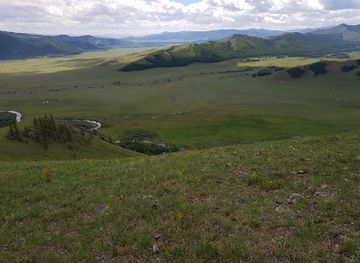
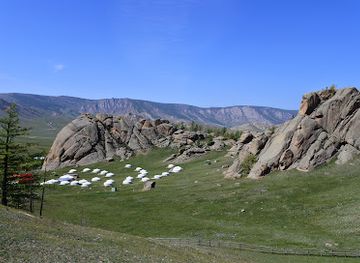
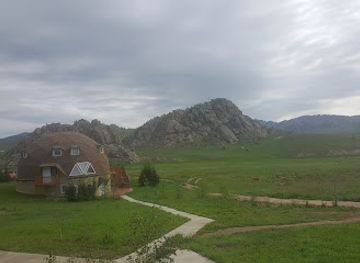
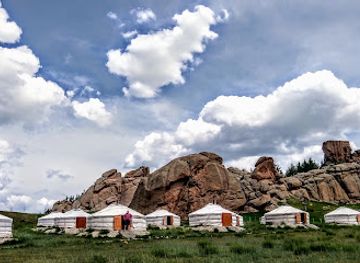
Terelj National Park lies about 55 kilometres east of Ulaanbaatar, where the northern edge of Mongolia’s broad steppe rises into forested Khentii mountains. The park is known for weathered granite outcrops, rounded hills, larch and birch woodland, open grassland and the clear-flowing Tuul River. Distances are substantial beyond the main visitor areas, and the landscape changes from accessible river valleys to quieter mountain country with few facilities.Read more about Terelj National Park
Nomadic Character and Natural Heritage
Exploring Terelj
When is the best time to visit Terelj National Park?
Best: June–August · 24–27°C| Month | High (°C) | Rainfall (mm) |
|---|---|---|
| January | -10 | 0 |
| February | -9 | 0 |
| March | 1 | 0 |
| April | 11 | 1 |
| May | 18 | 2 |
| June (best) | 25 | 8 |
| July (best) | 27 | 20 |
| August (best) | 24 | 15 |
| September | 16 | 8 |
| October | 8 | 2 |
| November | 0 | 1 |
| December | -9 | 0 |
Getting to and around Terelj National Park
How to get there
Transportation
Best attractions in Terelj National Park
Turtle Rock is Terelj National Park’s emblematic sight, a large granite formation whose profile resembles a tortoise and which rises beside one of the park’s principal access routes. Nearby, the Aryabal Meditation Temple stands above the valley at the end of a hillside trail and stairway, offering a cultural destination as well as elevated views over the surrounding rocks and woodland. The Tuul River corridor provides a gentler setting for walking, while the wider valleys open into larch-covered slopes, grazing land and isolated granite outcrops. Ger camps are attractions in their own right for visitors interested in Mongolian hospitality and pastoral culture, although their facilities and activities vary. Horse-riding, hiking and wildlife observation are generally arranged around these visitor areas rather than through a dense network of formal attractions. The park’s less-developed northern and eastern landscapes are best experienced with suitable transport, local guidance and respect for protected terrain.
-
National park
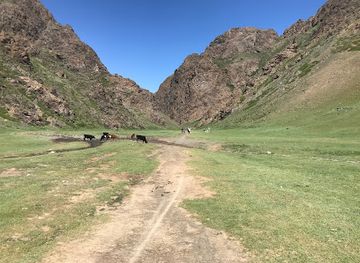
Gobi Gurvan Saikhan National Park
Discover the breathtaking landscapes and rich wildlife of Gobi Gurvan Saikhan National Park in Mongolia's stunning South Gobi region.
-
Museum
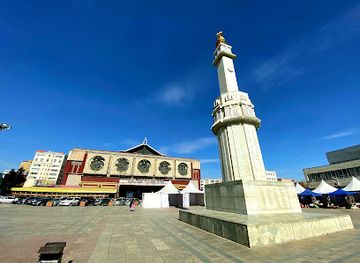
The Natural History Museum of Mongolia
Explore Mongolia's natural history and diverse wildlife at the Natural History Museum, a captivating destination for curious travelers.
-
Tourist attraction
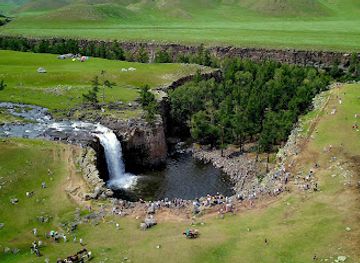
Red Waterfall
Discover the breathtaking beauty of Red Waterfall in Ovorkhangai, Mongolia—an unforgettable natural wonder and perfect escape for nature lovers.
-
National park
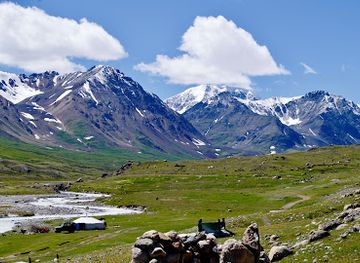
Altai Tavan Bogd National Park
Explore the breathtaking landscapes and rich cultural heritage of Altai Tavan Bogd National Park, Mongolia's hidden gem for nature lovers and adventurers.
Best landmarks in Terelj National Park
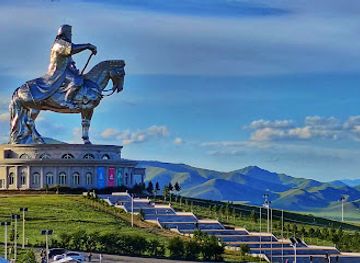
Turtle Rock is Terelj’s defining natural landmark, an isolated granite mass shaped by long-term weathering and recognised by its tortoise-like outline. The surrounding granite tors and rounded outcrops give the park its visual identity, contrasting with wooded mountain slopes and open steppe. Aryabal Meditation Temple is the principal cultural landmark within the main visitor area; its hillside position and Buddhist setting connect the park’s natural scenery with Mongolia’s religious traditions. The Tuul River is another important geographical feature, running through valleys that have long supported seasonal grazing and now accommodate many visitor camps. The park’s forests, meadows and mountain ridges are landmarks at a broader scale, illustrating the transition between central Mongolian grassland and the forest-steppe environment. The enormous equestrian statue of Chinggis Khaan at Tsonjin Boldog is a major nearby attraction on the approach from Ulaanbaatar, but it lies outside Terelj National Park.
-
Tourist attraction
Chinggis Khaan Statue Complex
Explore the Chinggis Khaan Statue Complex, a monumental tribute to Mongolia's heritage and history, offering breathtaking views and cultural insights.
-
National park
National Park
Immerse yourself in the stunning landscapes and vibrant wildlife of Ulaanbaatar's National Park, a perfect destination for nature and adventure enthusiasts.
-
National park
Gorkhi Terelj National Park
Explore the stunning landscapes of Gorkhi Terelj National Park, a breathtaking natural wonder near Ulaanbaatar, Mongolia, rich in wildlife and adventure.
-
Amusement park
National Amusement Park
Experience thrilling rides and family-friendly fun at Ulaanbaatar's National Amusement Park, a must-visit destination for tourists seeking adventure.
Explore Terelj National Park on the map
Plan your trip on one map. See where the top attractions, landmarks, restaurants and hotels are, and book hotels and experiences in a few clicks.
Best hotels in Terelj National Park
Best restaurants in Terelj National Park
Terelj is not a restaurant destination in the urban sense, and dining is concentrated in ger camps, tourist camps and the small cluster of services around the park’s main visitor areas. Meals commonly draw on Mongolian staples such as mutton, beef, noodles, rice, dumplings and dairy products, with buuz and khuushuur often encountered in travel-oriented catering. Suutei tsai, a salted milk tea, is a characteristic drink, while airag and other fermented dairy products may be offered according to season and host tradition. Menus can be simpler and less predictable than in Ulaanbaatar, so visitors with dietary requirements should communicate them in advance and carry suitable supplies for longer outings. More varied restaurants, cafés and supermarkets are found in the capital, rather than deep inside the national park.
-
Restaurant
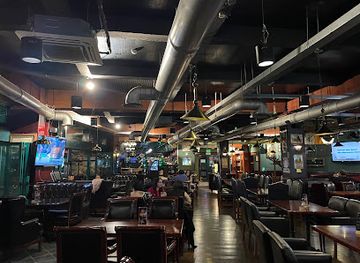
Grand Khaan Irish Pub
Discover the unique fusion of Irish charm and Mongolian flavors at Grand Khaan Irish Pub in Ulaanbaatar.
-
Italian
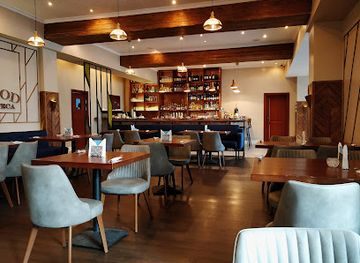
Rosewood Kitchen + Enoteca
Discover authentic Italian cuisine at Rosewood Kitchen + Enoteca in Ulaanbaatar—where tradition meets modern elegance in every delicious dish.
-
Indian
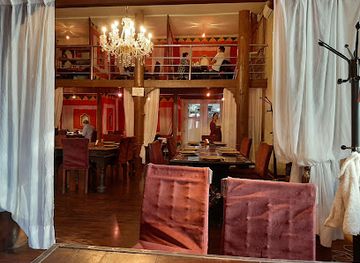
Hazara Indian Restaurant
Discover authentic Indian flavors at Hazara Indian Restaurant in Ulaanbaatar – a perfect blend of tradition and taste.
-
American
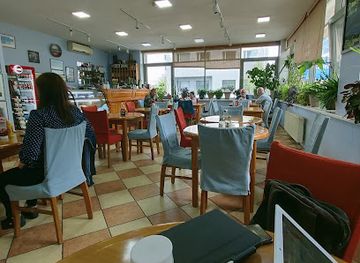
Millie's Espresso
Discover the flavors of Cuba and America at Millie's Espresso - Ulaanbaatar's cozy café offering delightful baked goods and rich coffee.
Best nightclubs in Terelj National Park
Terelj National Park has little conventional nightlife. Evenings are generally spent at a ger camp or lodge, where visitors may share food, conversation and local hospitality rather than move between bars or clubs. Some camps organise cultural performances or informal music during the tourist season, but such arrangements are seasonal and should not be assumed. There are no established nightclub districts within the park, and lighting, transport and mobile coverage can be limited after dark. Ulaanbaatar provides Mongolia’s broadest choice of bars, live music venues and late-night entertainment for visitors who want a more active evening before or after their time in Terelj. In the park, the most characteristic evening atmosphere comes from the quiet valleys, dark skies and communal setting of camp accommodation.
-
Restaurant
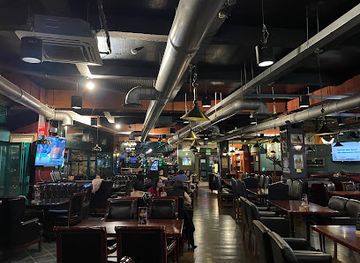
Grand Khaan Irish Pub
Discover the vibrant atmosphere of the Grand Khaan Irish Pub in Ulaanbaatar, where authentic Irish cuisine meets lively entertainment.
-
Jazz
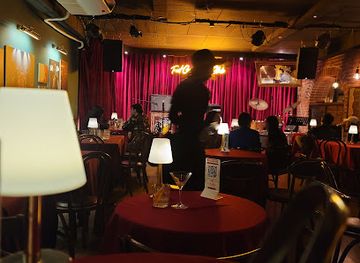
Fat Cat Jazz Club Ulaanbaatar
Discover the lively rhythms of jazz at Fat Cat Jazz Club, Ulaanbaatar's premier music venue, where local and international talents take the stage.
-
Restaurant
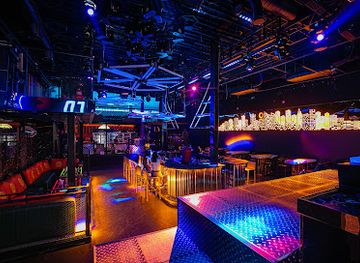
LAVA Club & Lounge
Experience the vibrant nightlife of Ulaanbaatar at LAVA Club & Lounge, a stylish venue with stunning views, electrifying music, and a dynamic atmosphere.
-
Night club
CHOCO CLUB ULAANBAATAR
Discover Ulaanbaatar's nightlife at CHOCO CLUB, where vibrant music, stylish ambiance, and exceptional cocktails create unforgettable memories.

Best shops in Terelj National Park
Shopping inside Terelj National Park is limited to practical supplies and goods sold through some ger camps or small local outlets. Visitors may encounter locally made dairy products, simple souvenirs, felt items, woollen goods or small handicrafts, but selection and availability vary by season and location. The park is not a dependable destination for specialist retail, so medicines, snacks, outdoor equipment and foreign-currency exchange should be arranged in Ulaanbaatar. The capital offers a much wider selection of cashmere, felt, leatherwork, paintings, books and Mongolian food products, including items associated with pastoral culture. When buying from local makers or camp communities, ask about materials and provenance rather than assuming that every souvenir is traditionally produced or locally made.
-
Department store
State Department Store
Discover the vibrant shopping experience at the State Department Store in Ulaanbaatar, where tradition meets modernity in a cultural hub.
-
National park
Gorkhi Terelj National Park
Explore the breathtaking beauty and cultural heritage of Gorkhi Terelj National Park, a paradise for nature lovers and adventure seekers in Mongolia.
-
Market
Narantuul Market
Explore the vibrant Narantuul Market in Ulaanbaatar, a treasure trove of Mongolian culture, crafts, and delicious street food.
-
Shopping mall
Ulaanbaatar Department Store
Experience the essence of Mongolian shopping at Ulaanbaatar Department Store, where modern trends meet traditional crafts.

Get your free copy of our complete guide to Terelj National Park, delivered straight to you.
Everything on this page, from attractions and restaurants to essentials and local phrases, in one PDF you can read offline, print or share.
Already have an account? Sign in
Your Terelj National Park guide is ready.
We'll send it to · Not you? Sign out

Getting your guide ready…
We are putting together a fresh copy of the Terelj National Park guide. This can take up to a minute.
This can take a few moments. If your browser asks, choose Allow so the download can start. You'll find the guide in your Downloads folder.
Nothing happened? Download it again
Sorry, the guide is taking longer than usual. Please try again in a minute, or get it by email instead.
Terelj National Park essentials
Currency and Payment
Safety
Emergency Situations
Do's and Don'ts
Local Tips
From Eve
Local phrases worth knowing
You don't need to get them perfect. A few words go a long way, and locals appreciate the effort.
Basics
| English | Local | Say it |
|---|---|---|
| Hello | Сайн уу | [Sain uu] |
| Goodbye | Баяртай | [Bayartai] |
| Yes | Тийм | [Tiim] |
| No | Үгүй | [Ugui] |
| Please/You're welcome | Гүйцэтгэх баяртай | [Güjetsgeh bairtai] |
| Thank you | Баярлалаа | [Bayarlalaa] |
| Excuse me/Sorry | Уучлаарай | [Uuchlaarai] |
| How are you? | Та яаж байна уу? | [Ta yaaj baina uu?] |
| Fine. And you? | Сайн байна. Чамайгаа? | [Sain baina. Chamaigaa?] |
| Do you speak English? | Та англи хэл дарах уу? | [Ta angli khel darakh uu?] |
| I don't understand | Би ойлгож чадаагүй | [Bi oilgozh chadaagui] |
Eating & Drinking
| English | Local | Say it |
|---|---|---|
| I'd like to see the menu, please | Менюг харахыг хүсч байна | [Menyug kharakhig khüsch baina] |
| I don't eat meat | Би мах идэхгүй | [Bi makh idekhgui] |
| Cheers! | Эрүүл мэндийн төлөө | [Eruul mendiyin tölöö] |
| I would like to pay, please | Төлбөрөө хийх эрхийг бүү дээшүүлнэ үү | [Tölböroo khikh erkhig büü deeshüüne uu] |
Emergencies
| English | Local | Say it |
|---|---|---|
| Help! | Туслах! | [Tuslakh!] |
| Go away! | Хайртай! | [Khairtai!] |
| Call the Police! | Полицыг дууда! | [Policsyg duda!] |
| Call a doctor! | Эмчийг дууда! | [Emchiig duda!] |
| I'm lost | Би амьдрахад байна | [Bi amdrakhad baina] |
| I'm ill | Би эмчилгээгүй | [Bi emchilgeegui] |
Shopping
| English | Local | Say it |
|---|---|---|
| I'd like to buy... | Би ... авахыг хүсч байна | [Bi ... avakhig khüsch baina] |
| I'm just looking | Би зөвхөн харах юм | [Bi zövhön kharakh yüm] |
| How much is it? | Энэ нь хэдэн вэ? | [Ene n kheden ve?] |
| That's too expensive | Энэ нь хэт их үнэтэй | [Ene n khet ikh ünetei] |
| Can you lower the price? | Та үнээ хасах боломжтой байна уу? | [Ta ünee khasakh bolomzh toi baina uu?] |
Time & Numbers
| English | Local | Say it |
|---|---|---|
| What time is it? | Одоогоор хэдэн цаг вэ? | [Odoogoor kheden tsag ve?] |
| It's one o'clock | Нэг цагтай | [Neg tsagtai] |
| Half past (10) | Арван хойно | [Arvan khoino] |
| Morning | Өглөө | [Öglöö] |
| Afternoon | Орой | [Oroi] |
| Evening | Оройн | [Oroin] |
| Yesterday | Өчигдөр | [Öchigdör] |
| Today | Өнөөдөр | [Önöödör] |
| Tomorrow | Маргааш | [Margaash] |
| 1 | Нэг | [Neg] |
| 2 | Хоёр | [Khoyor] |
| 3 | Гурван | [Gurvan] |
| 4 | Дөрвөн | [Dörvön] |
| 5 | Таван | [Tavan] |
| 6 | Зургаан | [Zurgaann] |
| 7 | Долоон | [Doloon] |
| 8 | Найман | [Naiman] |
| 9 | Есөн | [Eson] |
| 10 | Арван | [Arvan] |
Transport & Directions
| English | Local | Say it |
|---|---|---|
| Where's a/the...? | ... хаана байгаа вэ? | [... khaana baigaa ve?] |
| What's the address? | Хаяг хэн байна вэ? | [Khayag khen baigaa ve?] |
| Can you show me (on the map)? | Та байршлыг (газрын зураг дээр) харуулж болно уу? | [Ta bairshlig (gazrin zurag deer) kharuulj bolno uu?] |
| When's the next (bus)? | Дараагийн (автобус) хэдэн цагт ирэх вэ? | [Daraagiin (avtobus) kheden tsagt irekh ve?] |
| A ticket (to ....) | Тасалгаа (.... руу) | [Tasalga (.... ruu)] |
History of Terelj National Park
Granite Mountains and the Tuul Valley
Terelj’s distinctive landscape was shaped by ancient geological processes and later erosion, which exposed and rounded the granite formations scattered through the Khentii uplands. Forested slopes, open grassland and the Tuul River form a transition between Mongolia’s central steppe and the more wooded mountain environments to the north. These physical contrasts explain the area’s enduring importance for pastoral life, seasonal travel and, more recently, nature-based tourism.
A Landscape of Pastoral Use
For centuries, the valleys and upland pastures around Terelj have formed part of the wider grazing landscape used by Mongolian herders. Seasonal movement between pasture areas, rather than permanent urban settlement, has shaped the region’s cultural character. Gers, livestock routes and customary relationships with water and pasture remain visible aspects of the living landscape, although visitor development now shares some valleys with traditional land use.
Protection and the National Park
Gorkhi-Terelj was designated a national park in 1993 as Mongolia expanded protection of important mountain, forest and steppe environments. The designation recognises the area’s scenery and ecological value while placing limits on how land and natural resources are managed. Visitor facilities are concentrated in selected parts of the park, whereas other areas remain comparatively remote and are better suited to low-impact exploration under local regulations.
Tourism from Ulaanbaatar
Terelj became one of the most accessible natural destinations for visitors to Ulaanbaatar as roads and tourist ger camps developed along the Tuul valley. Day trips, horse-riding excursions and overnight stays introduced more travellers to Mongolian pastoral culture, while the park’s proximity to the capital also brought pressures associated with waste, traffic and concentrated development. Responsible tourism now depends on respecting protected landscapes, local communities and the limits of seasonal infrastructure.
Terelj National Park in Photos
Browse through our photo collection highlighting the charm and character of the destination.
Cities in Terelj National Park
The towns and cities of Terelj National Park, and the easiest places to base yourself.
-

-


Swipe for more cities
Neighbouring destination travel guides
The closest destinations to Terelj National Park, if you have time for more than one.
-

-

-

-

-


Swipe for more destinations
Explore more
Explore more of Khentii Mountains
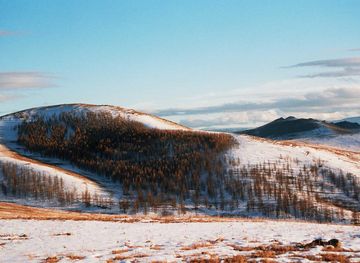
Explore Mongolia’s Khentii Mountains for sacred peaks, forested valleys, horse trails, wildlife and the historical landscapes associated with Chinggis Khaan.
Explore Khentii Mountains
Explore more of Mongolia
Discover Mongolia: From the vast steppes and towering mountains to the rich nomadic culture and ancient traditions, experience the land of eternal blue sky.
Explore Mongolia