

Free Darkhad Valley Travel Guide & Mobile App
Explore Darkhad Valley with free travel guides. Discover regional history, expert tips, proposed trips, and audio guides on web or mobile app.


Explore Mongolia’s remote Darkhad Valley for taiga landscapes, nomadic culture, river journeys, highland wildlife and demanding northern adventures.
Read more about Darkhad Valley
When is the best time to visit Darkhad Valley?
Best: June–August · 21–23°C| Month | High (°C) | Rainfall (mm) |
|---|---|---|
| January | -19 | 4 |
| February | -14 | 3 |
| March | -2 | 5 |
| April | 8 | 8 |
| May | 16 | 12 |
| June (best) | 21 | 15 |
| July (best) | 23 | 22 |
| August (best) | 21 | 21 |
| September | 14 | 18 |
| October | 5 | 12 |
| November | -5 | 7 |
| December | -14 | 5 |
Getting to and around Darkhad Valley
How to get there
Transportation
Destinations in Darkhad Valley
Resorts, valleys and scenic spots worth a trip of their own.

Swipe for more destinations
Best attractions in Darkhad Valley
-
Tourist attraction
Хөвсгөл Хатгал
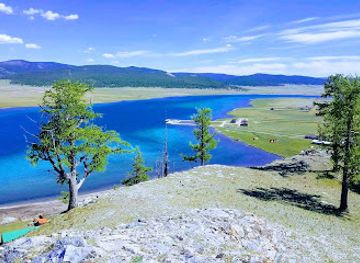
Discover the tranquil beauty of Khovsgol Hatgal, where pristine waters and majestic mountains await your exploration in Mongolia's northern wilderness.
-
Hiking area
Turbaza Legenda Khubsugula
Explore the breathtaking hiking trails of Turbaza Legenda Khubsugula in Mongolia's Khovsgol region, a paradise for adventure seekers and nature lovers.
-
 Resort hotel
Khuvsgul dalai tourist camp
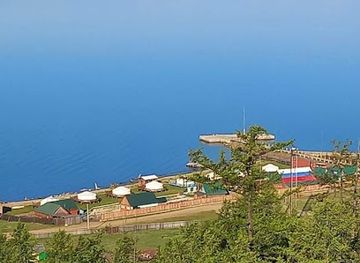
Discover the tranquil beauty of Khuvsgul Lake at Khuvsgul Dalai Tourist Camp, where nature meets adventure in Mongolia's stunning landscapes.
-
Campground
Dalainchimeg tourist camp
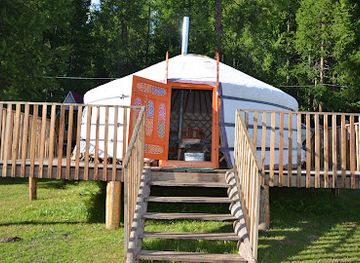
Explore the serene beauty of Khovsgol at Dalainchimeg Tourist Camp, where nature and adventure come together for an unforgettable experience.
Best landmarks in Darkhad Valley
-
Guest house
MS Guesthouse
Immerse yourself in the beauty of Khovsgol at MS Guesthouse, where traditional Mongolian hospitality meets modern comfort.
-
Serviced accommodation
Toilogt tourist camp
Discover the serene beauty of Khovsgol at Toilogt Tourist Camp – a perfect blend of comfort and nature in Mongolia's stunning wilderness.
-
Resort hotel
Leona resort
Experience the tranquility of Leona Resort, nestled by the stunning Khuvsgul Lake, where adventure meets relaxation in Mongolia's breathtaking landscapes.
-
Beach
Хөвсгөл Эко тур жуулчны бааз Khuvsgul Eco Tour Tourist Camp
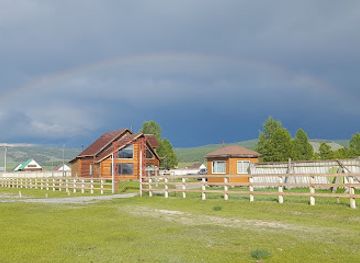
Experience the serene beauty of Khuvsgul Eco Tour Tourist Camp, a unique beachside retreat in Mongolia offering adventure and tranquility amidst nature's wonders.
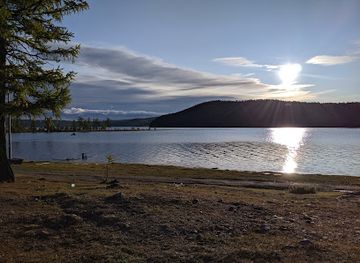
Explore Darkhad Valley on the map
Plan your trip on one map. See where the top cities, national parks and sights are, and book hotels and experiences in a few clicks.
Best hotels in Darkhad Valley
Best restaurants in Darkhad Valley
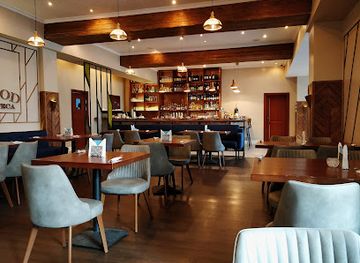
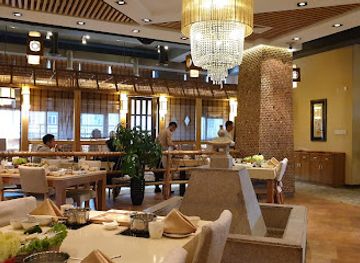
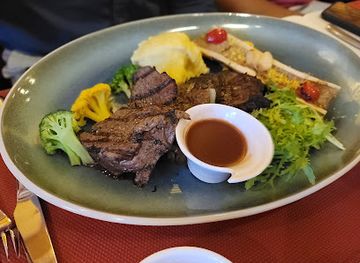
Dining in Darkhad Valley is simple, seasonal and closely tied to pastoral life. Soum centres may have small canteens or basic guesthouse meals, while ger camps and homestays commonly serve food prepared from locally available meat, flour and dairy products. Expect Mongolian staples such as mutton, buuz dumplings, khuushuur, noodle dishes, rice and milk tea, with supplies becoming more limited as journeys move deeper into the valley. Dried curds and other dairy products may appear alongside meals, while fresh vegetables and speciality foods are less dependable than in Murun. Visitors staying with families should be prepared for generous hospitality and should carry snacks suited to long road journeys. There is little conventional restaurant culture, so dietary requirements need to be explained in advance and backed up with personal provisions. Food purchased in Murun is useful for remote camps, delayed crossings and days spent away from settlements.
-
Italian
DeQuattro by Rosewood
Experience authentic Italian cuisine at DeQuattro by Rosewood in Ulaanbaatar, where every dish tells a story of flavor and tradition.
-
Restaurant
The Bull Hot Pot Restaurant
Discover the authentic taste of Mongolia at The Bull Hot Pot Restaurant - where flavors meet tradition in Ulaanbaatar.
-
Mediterranean
Choijin Temple Restaurant
Experience exquisite Mediterranean flavors at Choijin Temple Restaurant in Ulaanbaatar—where culinary tradition meets modern elegance.
-
Restaurant
Modern Nomads 2
Savor the taste of Mongolia at Modern Nomads 2 - where traditional cuisine meets warm hospitality in Ulaanbaatar.

Best bars in Darkhad Valley
Darkhad Valley has no developed bar or nightclub scene. Evening social life centres on ger camps, family homes, small guesthouses and the modest public facilities of soum centres, where conversation, tea, music and shared meals are more characteristic than late-night entertainment. A few lodges or camps may offer beer or spirits, but availability is variable and should not be assumed. Alcohol is not an essential part of local hospitality, and visitors should drink cautiously in a remote environment where weather, roads and medical support are limiting factors. The valley’s most distinctive evening activity is outdoor rather than commercial: watching the changing light over the pasture, listening to the river or observing a highly visible night sky away from settlement lighting. Bring a torch and warm clothing, as temperatures fall quickly after sunset.
-
Restaurant
Grand Khaan Irish Pub
Experience the vibrant atmosphere of Grand Khaan Irish Pub, where Irish cuisine meets Mongolian culture in the heart of Ulaanbaatar.
-
Restaurant
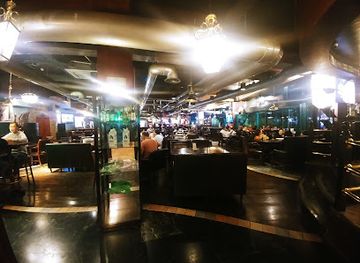
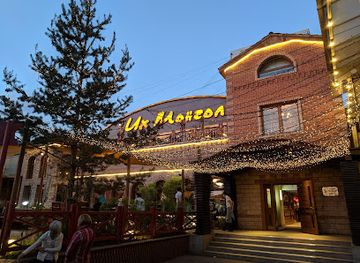
Great Mongol Restaurant & Pub
Experience authentic Mongolian cuisine and vibrant nightlife at Great Mongol Restaurant & Pub in Ulaanbaatar.
-
Jazz
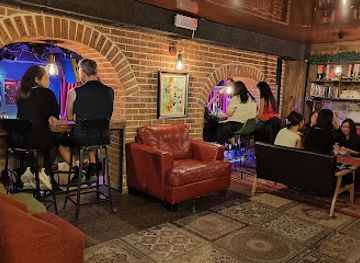
Fat Cat Jazz Club Ulaanbaatar
Discover the soulful sounds of jazz at Fat Cat Jazz Club, Ulaanbaatar's premier destination for live music and vibrant nightlife.
-
Restaurant
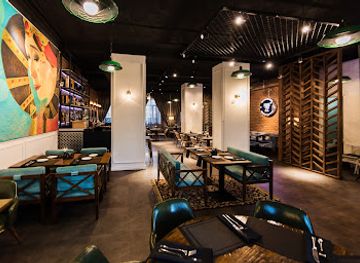
Route 22 Restaurant & Wine Lounge
Experience a unique blend of Mongolian and international cuisine at Route 22 Restaurant & Wine Lounge, a culinary gem in Ulaanbaatar.
Best nightclubs in Darkhad Valley
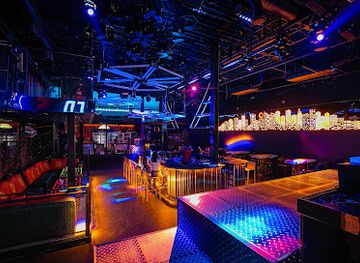
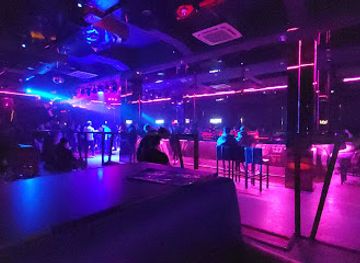
Darkhad Valley has no developed bar or nightclub scene. Evening social life centres on ger camps, family homes, small guesthouses and the modest public facilities of soum centres, where conversation, tea, music and shared meals are more characteristic than late-night entertainment. A few lodges or camps may offer beer or spirits, but availability is variable and should not be assumed. Alcohol is not an essential part of local hospitality, and visitors should drink cautiously in a remote environment where weather, roads and medical support are limiting factors. The valley’s most distinctive evening activity is outdoor rather than commercial: watching the changing light over the pasture, listening to the river or observing a highly visible night sky away from settlement lighting. Bring a torch and warm clothing, as temperatures fall quickly after sunset.
-
Night club
CHOCO CLUB ULAANBAATAR
Discover the electric nightlife of Ulaanbaatar at Choco Club, where vibrant music and exquisite cocktails create unforgettable experiences.
-
Disco club
The ILoft Function House
Experience the vibrant nightlife of Ulaanbaatar at The ILoft Function House, a premier disco club featuring top DJs and electrifying dance parties.
-
Live Music
River Sounds Live Music Club
Discover the vibrant nightlife of Ulaanbaatar at River Sounds Live Music Club, where live music, delicious cuisine, and an energetic atmosphere await.
-
Night club
MINT Club
Discover the electrifying vibe at MINT Club, Ulaanbaatar's top nightlife destination for an unforgettable party experience.


Best shops in Darkhad Valley
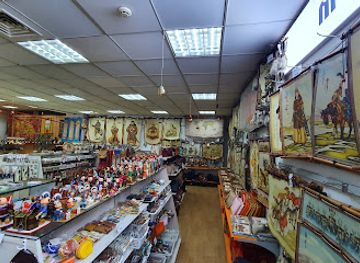
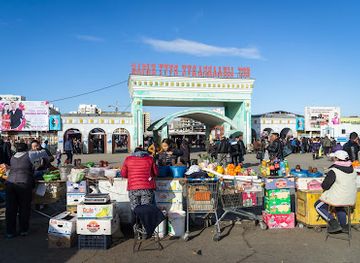
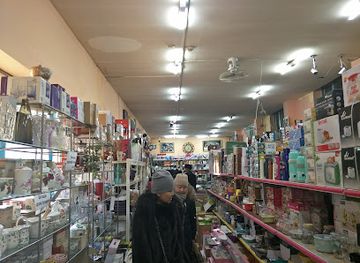
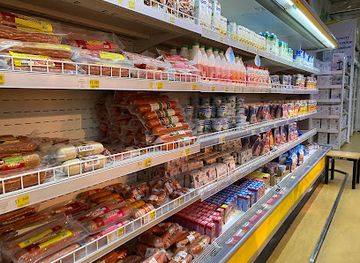
Shopping in Darkhad Valley is limited to practical supplies in soum centres and small local shops rather than dedicated retail districts. Visitors should buy fuel, medicines, batteries, snacks, cashmere or other specialist provisions in Ulaanbaatar or Murun before travelling north. Local households and ger camps may offer dairy products, felt items, small handicrafts or locally made souvenirs, but availability and quality vary and purchases should be made directly and respectfully. Traditional clothing, saddlery, felt work and small craft objects may reflect northern Mongolian pastoral culture, while products associated with reindeer-herding communities should be obtained through fair, locally organised channels rather than informal souvenir collecting. Do not buy archaeological objects, animal parts or sacred items. The most appropriate purchases are useful locally made goods, packaged regional foods and crafts whose origin and price have been clearly explained.
-
Department store
State Department Store
Discover the heart of Ulaanbaatar at the State Department Store, where shopping meets Mongolian culture in a vibrant setting.
-
Market
Narantuul Market
Explore Narantuul Market in Ulaanbaatar for an authentic Mongolian shopping experience filled with unique crafts, delicious food, and vibrant local culture.
-
Shopping mall
Ulaanbaatar Department Store
Discover the vibrant Ulaanbaatar Department Store, a premier shopping destination offering local culture, fashion, and cuisine in Mongolia's capital city.
-
Shopping mall
Hunnu Mall
Explore Hunnu Mall: Ulaanbaatar's vibrant shopping center with diverse retail, dining, and entertainment options for all visitors.
Get your free copy of our complete guide to Darkhad Valley, delivered straight to you.
Everything on this page, from attractions and restaurants to essentials and local phrases, in one PDF you can read offline, print or share.
Already have an account? Sign in
Your Darkhad Valley guide is ready.
We'll send it to · Not you? Sign out

Getting your guide ready…
We are putting together a fresh copy of the Darkhad Valley guide. This can take up to a minute.
This can take a few moments. If your browser asks, choose Allow so the download can start. You'll find the guide in your Downloads folder.
Nothing happened? Download it again
Sorry, the guide is taking longer than usual. Please try again in a minute, or get it by email instead.
Darkhad Valley essentials
Currency and Payment
Safety
Emergency Situations
Do's and Don'ts
Local Tips
From Eve
Local phrases worth knowing
You don't need to get them perfect. A few words go a long way, and locals appreciate the effort.
Basics
| English | Local | Say it |
|---|---|---|
| Hello | Сайн уу | [Sain uu] |
| Goodbye | Баяртай | [Bayartai] |
| Yes | Тийм | [Tiim] |
| No | Үгүй | [Ügüi] |
| Please/You're welcome | Гуйя | [Guiya] |
| Thank you | Баярлалаа | [Bayarlalaa] |
| Excuse me/Sorry | Уучлаарай | [Uuchlaarai] |
| How are you? | Та хэр байна? | [Ta kher baina?] |
| Fine. And you? | Сайн. Та? | [Sain. Ta?] |
| Do you speak English? | Та англиар ярьдаг уу? | [Ta angliar yaridag uu?] |
| I don't understand | Би ойлгохгүй байна | [Bi oilgokhgui baina] |
Eating & Drinking
| English | Local | Say it |
|---|---|---|
| I'd like to see the menu, please | Би цэсийг үзэж болох уу? | [Bi tsetsiig uzj bolokh uu?] |
| I don't eat meat | Би мах иддэггүй | [Bi makh iddeggui] |
| Cheers! | Сайн сайхан байна! | [Sain saikhan baina!] |
| I would like to pay, please | Би төлбөрөө хийхийг хүсч байна | [Bi tulburuu hiikhii khusch baina] |
Emergencies
| English | Local | Say it |
|---|---|---|
| Help! | Туслаач! | [Tuslaach!] |
| Go away! | Зайлав! | [Zailav!] |
| Call the Police! | Полицыг дууд! | [Politsyg duud!] |
| Call a doctor! | Эмчийг дууд! | [Emchiig duud!] |
| I'm lost | Би алга болсон | [Bi alga bolson] |
| I'm ill | Би өвдөж байна | [Bi övdözh baina] |
Shopping
| English | Local | Say it |
|---|---|---|
| I'd like to buy... | Би ... худалдаж авахыг хүсч байна | [Bi ... khudaldaj avakhii khusch baina] |
| I'm just looking | Би зүгээр л харж байна | [Bi zügereer l kharj baina] |
| How much is it? | Энэ хэд вэ? | [Ene khed ve?] |
| That's too expensive | Энэ үнэтэй байна | [Ene üntei baina] |
| Can you lower the price? | Та үнийг бууруулж чадах уу? | [Ta üning buuruulzh chadakh uu?] |
Time & Numbers
| English | Local | Say it |
|---|---|---|
| What time is it? | Одоо хэдэн цаг болж байна? | [Odoo kheden tsag bolzh baina?] |
| It's one o'clock | Нэг цаг боллоо | [Neg tsag bolloo] |
| Half past (10) | 10-аас хагас | [10-aas khagas] |
| Morning | Өглөө | [Öglöö] |
| Afternoon | Үдээс хойш | [Üdees khoish] |
| Evening | Орой | [Oroi] |
| Yesterday | Өчигдөр | [Öchigdör] |
| Today | Өнөөдөр | [Önöödr] |
| Tomorrow | Маргааш | [Margaash] |
| 1 | 1 | [1] |
| 2 | 2 | [2] |
| 3 | 3 | [3] |
| 4 | 4 | [4] |
| 5 | 5 | [5] |
| 6 | 6 | [6] |
| 7 | 7 | [7] |
| 8 | 8 | [8] |
| 9 | 9 | [9] |
| 10 | 10 | [10] |
Transport & Directions
| English | Local | Say it |
|---|---|---|
| Where's a/the...? | Хаана ... байна вэ? | [Khaana ... baina ve?] |
| What's the address? | Хаяг юу вэ? | [Khayg yuu ve?] |
| Can you show me (on the map)? | Та надад (газрын зураг дээр) харуулах уу? | [Ta nadad (gazryn zurag deer) kharuulakh uu?] |
| When's the next (bus)? | Дараагийн (автобус) хэзээ вэ? | [Daraagiin (avtobus) khed ve?] |
| A ticket (to ....) | Билет (....) авах | [Bilet (....) avakh] |
History of Darkhad Valley
Ancient Northern Steppe Cultures
The wider Darkhad and Khövsgöl region has long been occupied by mobile communities whose lives were adapted to forest-steppe, mountain pasture and river systems. Archaeological remains across northern Mongolia include burial monuments, stone features and deer stones associated with Bronze Age cultures, although individual sites should not be casually attributed to the modern valley without local archaeological confirmation. Later nomadic confederations used the northern routes linking the Mongolian steppe with Siberia. The region’s history was therefore shaped less by permanent urban settlement than by seasonal movement, pastoral economies and connections across a broad borderland.
Mongol and Qing-era Frontier Society
Darkhad Valley developed within the political world of northern Khalkha Mongolia, where authority was exercised through aristocratic lineages, monastic institutions and mobile pastoral communities. After the Qing conquest of the Khalkha territories in the late seventeenth century, northern Mongolia was incorporated into the Qing imperial administrative system while retaining considerable local mobility. The valley’s distance from major centres encouraged a distinctive frontier society, and groups identified as Darkhad formed through the interaction of local populations, pastoral migration and religious networks rather than through a single, simple origin story.
Buddhism, Shamanic Traditions and Local Identity
Tibetan Buddhism became influential in northern Mongolia from the early modern period, with monasteries and religious estates shaping education, ritual life and regional authority. In Darkhad communities, Buddhist practice existed alongside older relationships with mountains, rivers, ancestors and local spirits. Shamanic traditions remained particularly significant in the northern forest-steppe environment and continue to inform the cultural identity of some families. This religious history is visible today in the coexistence of Buddhist traces, ovoos, household devotions and customary respect for particular landscapes.
The Bogd Khan Period and Mongolian Independence
Mongolia’s declaration of independence from the Qing empire in 1911 altered the political framework of the northern borderlands. The new Mongolian state sought to consolidate authority over distant territories while negotiating relations with Russia and managing highly mobile pastoral populations. Darkhad Valley remained remote from the country’s political centres, but its location near the Russian frontier gave it strategic importance. Administrative reorganisation, changing border controls and the growth of state institutions gradually connected the valley more closely to the modern Mongolian state.
Socialist Collectivisation and Borderland Administration
During the Mongolian People’s Republic, the government expanded administration, schooling, healthcare and collective economic structures into remote areas. Collectivisation disrupted older systems of private herd ownership and changed patterns of seasonal pastoral life, while restrictions on religion weakened monastic institutions and public religious practice. The northern border was also managed more tightly during the socialist period. Although the valley retained its sparse settlement pattern, Soviet-influenced planning and state services left a lasting mark on soum centres and on the relationship between local communities and the wider national economy.
Post-1990 Pastoral Renewal and Conservation
The democratic transition of 1990 brought the return of private livestock ownership and greater religious freedom. Families adapted to a market economy while continuing to rely on herding, seasonal movement and local exchange. At the same time, conservation became increasingly important in the forests and mountains around the valley, including the Ulaan Taiga protected area. Tourism has grown slowly because access remains difficult, but its development raises questions about environmental pressure, waste, cultural representation and the benefits reaching local households. Contemporary Darkhad Valley is consequently shaped by both pastoral continuity and cautious engagement with outside visitors.
Darkhad Valley in Photos
Browse through our photo collection highlighting the charm and character of the destination.
Neighbouring regions of Darkhad Valley
The closest regions to Darkhad Valley, if you have time for more than one.
-

-

-

-

-


Swipe for more regions
Explore more

Explore more of Mongolia
Discover Mongolia: From the vast steppes and towering mountains to the rich nomadic culture and ancient traditions, experience the land of eternal blue sky.
Explore Mongolia