

Free Selenge River Basin Travel Guide & Mobile App
Explore Selenge River Basin with free travel guides. Discover regional history, expert tips, proposed trips, and audio guides on web or mobile app.


Explore Mongolia’s Selenge River Basin for forest-steppe scenery, Orkhon heritage, Buddhist monasteries, river towns and long overland journeys.
Read more about Selenge River Basin
When is the best time to visit Selenge River Basin?
Best: May–July · 17–24°C| Month | High (°C) | Rainfall (mm) |
|---|---|---|
| January | -16 | 2 |
| February | -10 | 2 |
| March | -1 | 3 |
| April | 10 | 6 |
| May (best) | 17 | 14 |
| June (best) | 22 | 34 |
| July (best) | 24 | 80 |
| August | 22 | 83 |
| September | 15 | 32 |
| October | 7 | 7 |
| November | -1 | 4 |
| December | -12 | 2 |
Getting to and around Selenge River Basin
How to get there
Transportation
Top city travel guides in Selenge River Basin
The cities of Selenge River Basin, and the easiest places to base yourself.
-

-


Swipe for more cities
Destinations in Selenge River Basin
Resorts, valleys and scenic spots worth a trip of their own.
-

-

-

-


Swipe for more destinations
Best attractions in Selenge River Basin
The Selenge River Basin offers a varied collection of archaeological, religious, rural and outdoor attractions spread across a large northern Mongolian landscape. The Orkhon Valley is the historical centrepiece, with the remains of Karakorum, medieval capital of the Mongol Empire, and Erdene Zuu Monastery, whose walls and temples preserve layers of Mongolian Buddhist history. The valley also contains ancient Turkic and Uighur monuments, making it valuable for visitors interested in Inner Asian civilisation rather than only medieval Mongol history. In Selenge Province, Amarbayasgalant Monastery provides a more secluded encounter with eighteenth-century Buddhist architecture. Around Darkhan, Sükhbaatar and Erdenet, industrial heritage, museums and planned urban districts illustrate modern Mongolia’s transformation. Beyond the towns, the attractions are largely landscape-based: broad river valleys, forest-steppe hills, volcanic formations, bird-rich wetlands and open pasture. Horse riding, hiking, fishing where permitted, photography and visits to pastoral households are possible with local arrangements. The region rewards prepared travellers who can accept long transfers and changing conditions in return for a deeper sense of Mongolia’s northern geography.
-
Tourist attraction
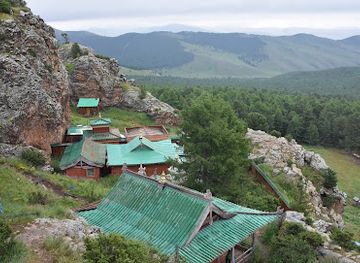
Tövhön Hiid
Explore Tövhön Hiid, a serene monastery in Ovorkhangai, Mongolia, where spiritual heritage meets breathtaking natural beauty for an unforgettable experience.
-
Tourist attraction
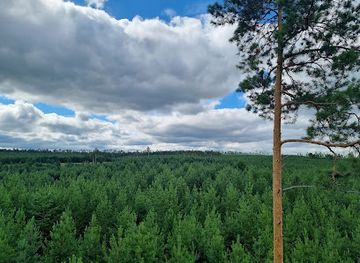
Тужийн нарс Цамхаг Tujiin nars tsamhag
Discover the serene beauty of Tujiin Nars in Selenge, a stunning tourist attraction that showcases Mongolia's natural wonders.
-
Lake
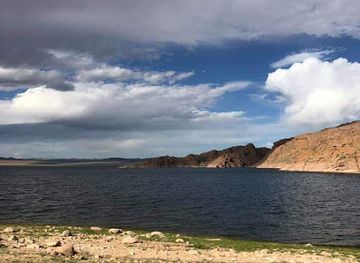
Gegeen Lake
Discover the serene beauty of Gegeen Lake in Govi-Altai, Mongolia, where nature and tranquility meet in a breathtaking landscape.
-
Water
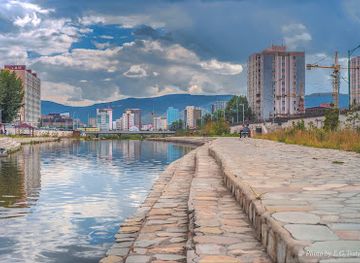
Selbe Gol River
Experience the tranquil beauty of Selbe Gol River in Ulaanbaatar, Mongolia, a perfect escape into nature's serenity.
Best landmarks in Selenge River Basin
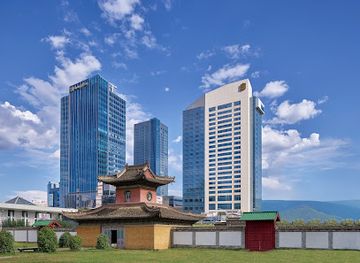
The most important landmark in the basin is the archaeological landscape of Karakorum in the Orkhon Valley, where the Mongol Empire established its thirteenth-century capital. Nearby Erdene Zuu Monastery is distinguished by its long defensive wall and surviving temples, which occupy the site of an earlier imperial centre and remain among Mongolia’s best-known religious monuments. The Orkhon Valley also contains the Orkhon inscriptions and other early Turkic and Uighur monuments, marking the area as a record of several successive steppe states. Amarbayasgalant Monastery, set in a valley in Selenge Province, is notable for its ordered eighteenth-century architecture and association with Zanabazar. In the northern part of the basin, the broad Selenge and Orkhon rivers are geographical landmarks as well as ecological corridors, while Darkhan’s planned apartment districts, public buildings and industrial setting represent the socialist-era transformation of the region. Erdenet’s large-scale copper-mining landscape provides another visible symbol of modern economic history, although it is an active urban-industrial environment rather than a preserved historic monument.
-
Tourist attraction
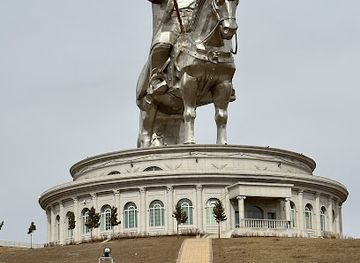
Chinggis Khaan Statue Complex
Explore the grandeur of the Chinggis Khaan Statue Complex, a cultural gem and historical monument that embodies Mongolia’s rich heritage.
-
National park
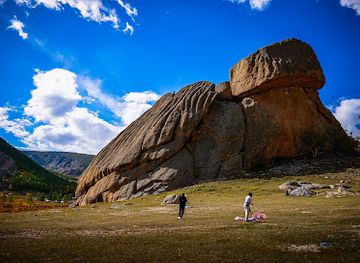
Gorkhi Terelj National Park
Explore the stunning landscapes and rich culture of Gorkhi Terelj National Park, a natural wonder just outside Ulaanbaatar, Mongolia.
-
Monument
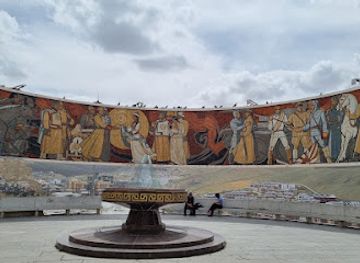
Zaisan Monument
Explore the Zaisan Monument in Ulaanbaatar, a historical landmark offering stunning views and rich cultural insights into Mongolia's heritage.
-
Monastery
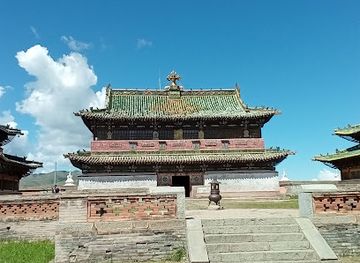
Erdene Zuu Monastery
Experience the serene beauty and rich history of Erdene Zuu Monastery, Mongolia's oldest Buddhist site located in the ancient capital of Kharkhorin.
Explore Selenge River Basin on the map
Plan your trip on one map. See where the top cities, national parks and sights are, and book hotels and experiences in a few clicks.
Best hotels in Selenge River Basin
Best restaurants in Selenge River Basin
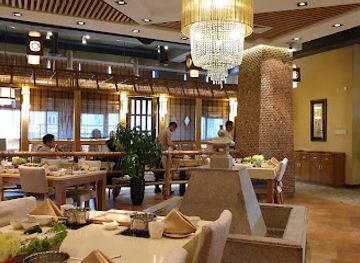
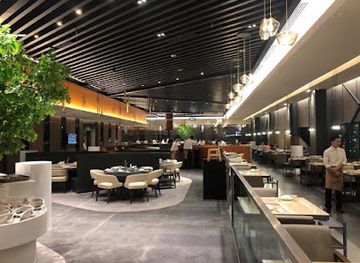
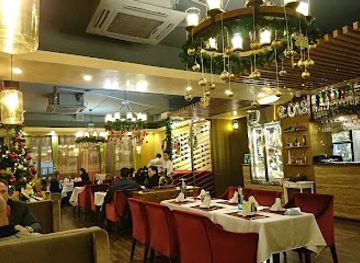
Dining in the basin is shaped by Mongolia’s pastoral economy and by the practical food culture of provincial towns. Mutton and beef appear in buuz dumplings, khuushuur, noodle soups and simple grilled or boiled dishes, while dairy products such as aaruul, fresh cream and fermented drinks are associated with herding households. In Darkhan, Erdenet and Sükhbaatar, restaurants and cafés offer Mongolian meals alongside Russian-influenced dishes, Chinese food and familiar international options. Roadside eateries are useful for warming meals during long journeys, although choice may be limited outside towns. Visitors staying in ger camps or with rural families may be served homemade breads, milk tea and seasonal meat dishes, with menus depending on supplies and household custom. Northern agricultural districts also contribute flour, vegetables and berries to local markets. Carrying snacks is sensible on overland routes, and travellers should make dietary requirements clear in advance, particularly when staying in remote accommodation.
-
 Italian
DeQuattro by Rosewood
Experience authentic Italian cuisine at DeQuattro by Rosewood in Ulaanbaatar – where every dish tells a story.
-
Restaurant
The Bull Hot Pot Restaurant
Discover authentic Mongolian flavors at The Bull Hot Pot Restaurant - where fresh ingredients meet interactive dining experiences.
-
Hot Pot
Little Sheep Hot Pot Restaurant, Galleria Ulaanbaatar
Experience authentic Mongolian flavors at Little Sheep Hot Pot Restaurant in Ulaanbaatar—where communal dining meets delicious cuisine.
-
Mediterranean
Choijin Temple Restaurant
Experience the rich flavors of Mediterranean cuisine in an elegant setting at Choijin Temple Restaurant in Ulaanbaatar.
Best bars in Selenge River Basin
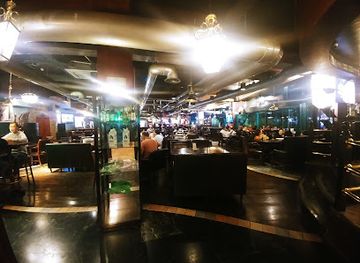
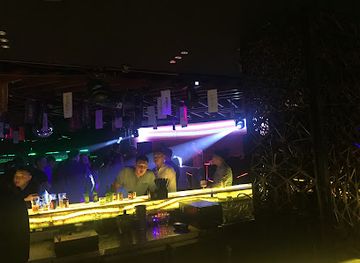
Nightlife in the Selenge River Basin is concentrated in Darkhan, Erdenet and Sükhbaatar rather than spread through the countryside. These towns have ordinary pubs, cafés, karaoke rooms and hotel bars where residents meet after work, while evening entertainment in smaller settlements is more likely to centre on restaurants, community events or private gatherings. Traditional Mongolian milk tea and fermented dairy drinks form part of the wider food culture, but alcohol is not necessary to engage with local life. In rural areas, darkness, distance and limited transport mean that evenings are generally quiet, with travellers spending time at ger camps, guesthouses or family homes. Seasonal festivals and public celebrations may bring temporary music and social activity, but arrangements change from year to year. Check local advice for current opening arrangements rather than expecting a fixed club scene.
-
Restaurant
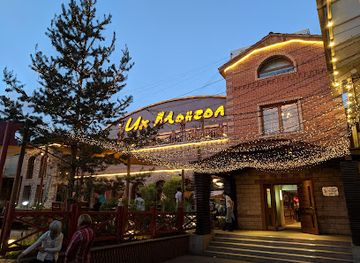
Grand Khaan Irish Pub
Experience the heart of Ulaanbaatar's nightlife at Grand Khaan Irish Pub with delicious food, vibrant atmosphere, and a wide selection of drinks.
-
Restaurant
Great Mongol Restaurant & Pub
Discover the essence of Mongolian culture through its authentic cuisine at Great Mongol Restaurant & Pub in Ulaanbaatar.
-
Restaurant
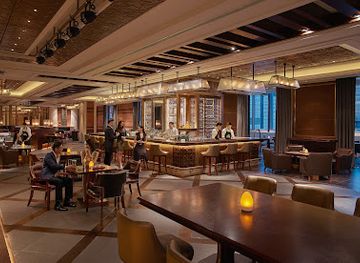
Naadam Bar & Restaurant, Shangri-La Ulaanbaatar
Experience the rich flavors of American, Asian, and European cuisine at Naadam Bar & Restaurant, a culinary gem in Ulaanbaatar.
-
Jazz
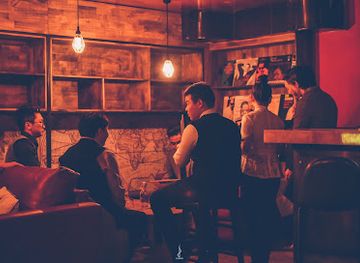
Fat Cat Jazz Club Ulaanbaatar
Discover the vibrant jazz scene at Fat Cat Jazz Club in Ulaanbaatar, where live music and a lively atmosphere create unforgettable nights.
Best nightclubs in Selenge River Basin
Nightlife in the Selenge River Basin is concentrated in Darkhan, Erdenet and Sükhbaatar rather than spread through the countryside. These towns have ordinary pubs, cafés, karaoke rooms and hotel bars where residents meet after work, while evening entertainment in smaller settlements is more likely to centre on restaurants, community events or private gatherings. Traditional Mongolian milk tea and fermented dairy drinks form part of the wider food culture, but alcohol is not necessary to engage with local life. In rural areas, darkness, distance and limited transport mean that evenings are generally quiet, with travellers spending time at ger camps, guesthouses or family homes. Seasonal festivals and public celebrations may bring temporary music and social activity, but arrangements change from year to year. Check local advice for current opening arrangements rather than expecting a fixed club scene.
-
Night club
CHOCO CLUB ULAANBAATAR
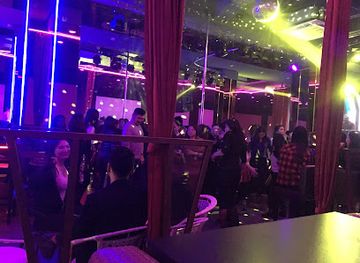
Choco Club Ulaanbaatar: Dive into the heart of Mongolia's nightlife with an exhilarating ambiance, vibrant music, and unforgettable moments.
-
Disco club
The ILoft Function House
Discover the heartbeat of Ulaanbaatar nightlife at The ILoft Function House, where dancing and music create unforgettable moments.
-
Night club
River Sounds Live Music Club
Discover Ulaanbaatar's nightlife at River Sounds Live Music Club, where live music meets vibrant energy in an unforgettable setting.
-
Night club
MINT Club
Discover the vibrant nightlife at MINT Club in Ulaanbaatar, where music, dance, and unforgettable memories await.


Best shops in Selenge River Basin
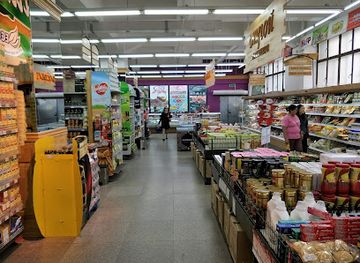
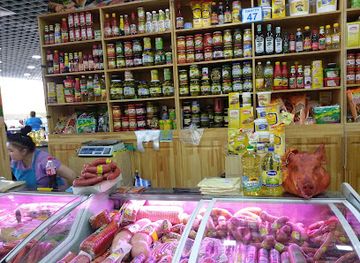
Shopping in the basin is practical and locally focused, with the widest choice found in Darkhan, Erdenet and Sükhbaatar. Town markets and supermarkets sell everyday provisions, clothing, household goods and locally produced dairy foods, while smaller settlements offer a more limited selection. Useful regional purchases include cashmere garments, felt goods, leather products, woollen items and traditional Mongolian handicrafts, although quality and authenticity vary, so inspect materials and ask about provenance. Farmers’ and open-air markets may carry flour, potatoes, berries and other produce from the northern agricultural districts, depending on season. Monastery areas sometimes have religious images, handmade souvenirs and small craft stalls, but visitors should distinguish devotional objects from mass-produced mementoes. Remote ger camps are not reliable shopping centres; buy fuel, medicines, snacks and specialist equipment in a major town before setting out. Bargaining may be possible in informal markets, while fixed-price shops and supermarkets generally operate as elsewhere in Mongolia.
-
Department store
State Department Store
Explore the State Department Store in Ulaanbaatar, a vibrant shopping hub offering local crafts, international brands, and a taste of Mongolian culture.
-
Hotel
Shangri-La Ulaanbaatar
Discover unparalleled luxury and comfort at Shangri-La Ulaanbaatar, your gateway to Mongolia's vibrant capital.
-
Market
Narantuul Market
Explore Narantuul Market in Ulaanbaatar for an authentic Mongolian shopping experience filled with local crafts, street food, and vibrant culture.
-
Shopping mall
Ulaanbaatar Department Store
Discover a blend of tradition and modernity at Ulaanbaatar Department Store, the ultimate shopping destination in Mongolia's bustling capital.

Get your free copy of our complete guide to Selenge River Basin, delivered straight to you.
Everything on this page, from attractions and restaurants to essentials and local phrases, in one PDF you can read offline, print or share.
Already have an account? Sign in
Your Selenge River Basin guide is ready.
We'll send it to · Not you? Sign out

Getting your guide ready…
We are putting together a fresh copy of the Selenge River Basin guide. This can take up to a minute.
This can take a few moments. If your browser asks, choose Allow so the download can start. You'll find the guide in your Downloads folder.
Nothing happened? Download it again
Sorry, the guide is taking longer than usual. Please try again in a minute, or get it by email instead.
Selenge River Basin essentials
Currency and Payment
Safety
Emergency Situations
Do's and Don'ts
Local Tips
From Eve
Local phrases worth knowing
You don't need to get them perfect. A few words go a long way, and locals appreciate the effort.
Basics
| English | Local | Say it |
|---|---|---|
| Hello | Сайн уу | [Sain uu] |
| Goodbye | Баяртай | [Bayartai] |
| Yes | Тийм | [Tiim] |
| No | Үгүй | [Ügüi] |
| Please/You're welcome | Гуйя | [Guiya] |
| Thank you | Баярлалаа | [Bayarlalaa] |
| Excuse me/Sorry | Уучлаарай | [Uuchlaarai] |
| How are you? | Та хэр байна вэ? | [Ta kher baina ve?] |
| Fine. And you? | Сайн. Та? | [Sain. Ta?] |
| Do you speak English? | Та англиар ярьдаг уу? | [Ta angliar yarydag uu?] |
| I don't understand | Би ойлгохгүй байна | [Bi oilgokhgui baina] |
Eating & Drinking
| English | Local | Say it |
|---|---|---|
| I'd like to see the menu, please | Та надад менюг үзүүлэх үү? | [Ta nadad menyug üzüülekh ü?] |
| I don't eat meat | Би мах иддэггүй | [Bi makh iddegüi] |
| Cheers! | Сайхан уух! | [Saikhan uukh!] |
| I would like to pay, please | Би төлбөр хийхийг хүсч байна | [Bi tölbör khiikhig khüsch baina] |
Emergencies
| English | Local | Say it |
|---|---|---|
| Help! | Туслаач! | [Tuslaach!] |
| Go away! | Зайлаач! | [Zailaach!] |
| Call the Police! | Цагдааг дуудаач! | [Tsagdaag duudaa!] |
| Call a doctor! | Эмч дуудаач! | [Emch duudaa!] |
| I'm lost | Би алга болсон | [Bi alga bolson] |
| I'm ill | Би өвчтэй | [Bi övchtei] |
Shopping
| English | Local | Say it |
|---|---|---|
| I'd like to buy... | Би ... худалдаж авахыг хүсч байна | [Bi ... khudaldaj avakhig khüsch baina] |
| I'm just looking | Би зүгээр хараад байна | [Bi zügreer kharaad baina] |
| How much is it? | Энэ хэд вэ? | [Ene khed ve?] |
| That's too expensive | Энэ хэт үнэтэй | [Ene khet ünetei] |
| Can you lower the price? | Та үнэ бууруулах боломжтой юу? | [Ta üne buuruulakh bolomjtoi uu?] |
Time & Numbers
| English | Local | Say it |
|---|---|---|
| What time is it? | Одоо хэдэн цаг вэ? | [Odoo kheden tsag ve?] |
| It's one o'clock | Нэг цаг болж байна | [Neg tsag bolzh baina] |
| Half past (10) | 10 цаг 30 минут | [10 tsag 30 minut] |
| Morning | Өглөө | [Öglöö] |
| Afternoon | Орой | [Oroy] |
| Evening | Орой | [Oroy] |
| Yesterday | Өчигдөр | [Öchigdör] |
| Today | Өнөөдөр | [Önöödör] |
| Tomorrow | Маргааш | [Margaash] |
| 1 | 1 | [1] |
| 2 | 2 | [2] |
| 3 | 3 | [3] |
| 4 | 4 | [4] |
| 5 | 5 | [5] |
| 6 | 6 | [6] |
| 7 | 7 | [7] |
| 8 | 8 | [8] |
| 9 | 9 | [9] |
| 10 | 10 | [10] |
Transport & Directions
| English | Local | Say it |
|---|---|---|
| Where's a/the...? | Хаана ... вэ? | [Khaana ... ve?] |
| What's the address? | Хаяг нь юу вэ? | [Khayag ni yuu ve?] |
| Can you show me (on the map)? | Та надад (газрын зураг дээр) үзүүлж өгч болох уу? | [Ta nadad (gazryn zurag deer) üzüülj ögch bolokh uu?] |
| When's the next (bus)? | Дараагийн (автобус) хэзээ ирэх вэ? | [Daraagiin (avtobus) khezhe irkh ve?] |
| A ticket (to ....) | Билет (.... руу) | [Bilet (.... ruu)] |
History of Selenge River Basin
Early Steppe Cultures and the Xiongnu Era
The river valleys of northern and central Mongolia have supported pastoral societies, burial cultures and long-distance movement since prehistoric times. By the late first millennium BC, the Xiongnu had established a powerful confederation across the eastern steppe, using river corridors and pasturelands that included parts of the Selenge and Orkhon drainage. Archaeological remains such as elite burials, settlements and imported objects show connections extending far beyond Mongolia. The basin’s water, grazing and transport routes helped make it a strategic zone between the forest regions to the north and the open steppe to the south.
Turkic and Uighur States in the Orkhon Landscape
From the sixth to the ninth centuries, successive Turkic powers made the Orkhon region a centre of steppe politics. The Orkhon inscriptions, erected in the early eighth century for prominent Turkic leaders, are among the most important surviving records of early Turkic language and statecraft. Later, the Uighur Khaganate established its capital at Ordu-Baliq in the Orkhon Valley during the eighth and ninth centuries. These states demonstrate how the Selenge-Orkhon system connected military power, pastoral economies, diplomacy and trade across Inner Asia.
Karakorum and the Mongol Empire
Ögedei Khan founded Karakorum in the Orkhon Valley in 1235, making it the administrative centre of the expanding Mongol Empire. The city accommodated artisans, officials, religious communities and envoys from across Eurasia, reflecting the empire’s international reach. Although the capital was later moved to Khanbaliq in China, Karakorum remained an important political and cultural site. Its archaeological remains, together with the nearby Erdene Zuu Monastery, make the Orkhon Valley one of the clearest places to understand the institutional and religious history of medieval Mongolia.
Buddhist Revival and Amarbayasgalant Monastery
Tibetan Buddhism became a major force in Mongolia from the sixteenth century onwards, transforming the religious landscape of the river valleys and steppe. Amarbayasgalant Monastery, founded in the eighteenth century in what is now Selenge Province, was built in memory of the influential Buddhist and political figure Zanabazar. Its surviving temples and formal layout reflect Qing-period patronage and Mongolian religious architecture. The monastery later suffered during the anti-religious campaigns of the 1930s, when many monasteries were destroyed, but it survived sufficiently to remain an important centre of heritage and pilgrimage.
Railways, Mining and Socialist Transformation
The twentieth century brought large-scale changes to the basin through Soviet influence, planned settlement, rail construction and industrial development. The Trans-Mongolian Railway connected northern Mongolia with Russia and China, helping towns such as Sükhbaatar and Darkhan become transport and administrative centres. State farms expanded cultivation in the more fertile northern valleys, while industrial projects altered urban life and employment patterns. Erdenet subsequently developed around a major copper operation, becoming one of the country’s principal industrial cities. These changes remain visible in railway facilities, apartment districts, factories and broad planned avenues.
Post-Socialist Mobility and Environmental Pressures
Since the democratic transition of the 1990s, the Selenge Basin has combined pastoral livelihoods with private enterprise, mining, agriculture, transport and growing domestic tourism. The region’s rivers remain economically and ecologically important, but water quality, mining impacts, pasture pressure, extreme weather and changing river flows have increased public concern. Protected landscapes and heritage conservation now share the basin with expanding towns and transport corridors. The modern history of the region is therefore not only one of economic change, but also of balancing development with the protection of river systems, archaeological sites and pastoral environments.
Selenge River Basin in Photos
Browse through our photo collection highlighting the charm and character of the destination.
Neighbouring regions of Selenge River Basin
The closest regions to Selenge River Basin, if you have time for more than one.
-

-

-

-

-


Swipe for more regions
Explore more

Explore more of Mongolia
Discover Mongolia: From the vast steppes and towering mountains to the rich nomadic culture and ancient traditions, experience the land of eternal blue sky.
Explore Mongolia