

Free Orkhon Valley Travel Guide & Mobile App
Explore Orkhon Valley with free travel guides. Discover regional history, expert tips, proposed trips, and audio guides on web or mobile app.


Explore Mongolia’s Orkhon Valley for ancient capitals, Buddhist heritage, open steppe, waterfalls and living nomadic culture around Kharkhorin.
Read more about Orkhon Valley
When is the best time to visit Orkhon Valley?
Best: June–August · 24–27°C| Month | High (°C) | Rainfall (mm) |
|---|---|---|
| January | -11 | 2 |
| February | -8 | 2 |
| March | 2 | 3 |
| April | 13 | 6 |
| May | 19 | 12 |
| June (best) | 24 | 24 |
| July (best) | 27 | 35 |
| August (best) | 25 | 30 |
| September | 17 | 18 |
| October | 9 | 12 |
| November | -2 | 6 |
| December | -8 | 3 |
Getting to and around Orkhon Valley
How to get there
Transportation
Destinations in Orkhon Valley
Resorts, valleys and scenic spots worth a trip of their own.

Swipe for more destinations
Best attractions in Orkhon Valley
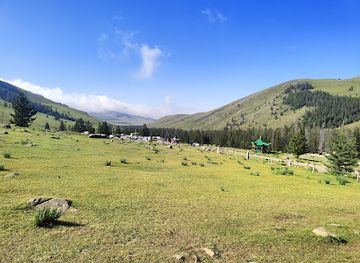
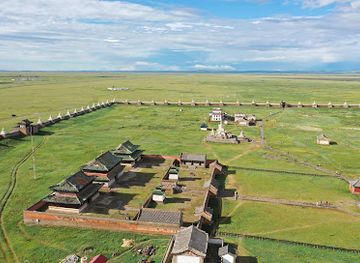
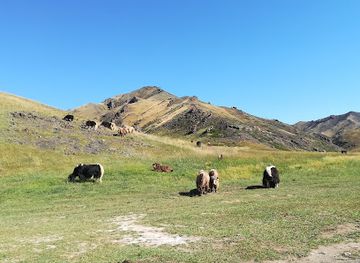
The Orkhon Valley’s attractions combine archaeology, Buddhist heritage and open-air travel. Near Kharkhorin, the Karakorum archaeological site introduces the capital of the Mongol Empire, while the adjacent museum complex helps place excavated objects and city remains in context. Erdene Zuu Monastery offers a later architectural and religious layer, with its enclosing walls, surviving temples and stupa-lined perimeter. Elsewhere in the wider cultural landscape, the remains of Khar Balgas reveal the scale of the Uyghur Khaganate’s former capital, and Turkic memorials connect the valley with earlier Inner Asian states. The Orkhon Waterfall is the principal natural attraction, reached by rough tracks through broad pasture and volcanic terrain. Ger camps and nomadic households provide opportunities for meals, cultural exchange and learning about seasonal herding, while horse riding, walking, birdwatching and landscape photography make good use of the valley’s open spaces. Distances are substantial, and the experience depends as much on weather, road conditions and local guidance as on the individual sites.
-
Museum
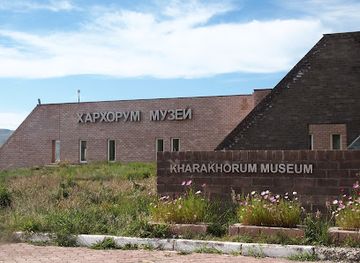
Kharakhorum Museum
Explore Mongolia's rich history at Kharakhorum Museum, home to breathtaking artifacts from the ancient capital, offering a unique cultural journey.
-
Tourist attraction
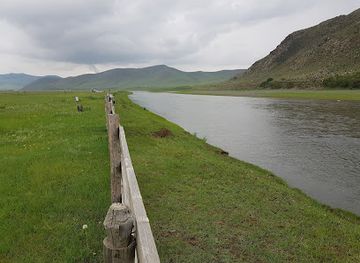
Orkhon Valley Natural and Historical Reserve
Explore the breathtaking landscapes and rich history of Mongolia at the Orkhon Valley Natural and Historical Reserve, a UNESCO World Heritage site.
-
Archaeological museum
Gokhturk Museum at Khoshoo Tsaidam
Explore the Gokhturk Museum at Khoshoo Tsaidam and uncover Mongolia's ancient history through fascinating artifacts and serene landscapes.
-
Monastery
Shankh Monastery
Immerse yourself in the serene beauty and rich spiritual heritage of Shankh Monastery in Ovorkhangai, Mongolia.
Best landmarks in Orkhon Valley
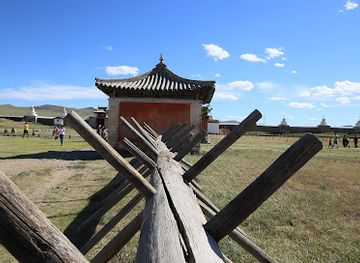
The defining historic landmark of the Orkhon Valley is the site of Karakorum, the thirteenth-century capital founded under Ögedei Khan. Its low archaeological remains and surrounding open landscape convey the former city’s position within an imperial network rather than presenting a reconstructed medieval town. Nearby Erdene Zuu Monastery is more visually complete: its fortified walls, stupas and surviving temples form one of central Mongolia’s most recognisable religious ensembles. Khar Balgas, the remains of the Uyghur capital, is a more austere landmark of earthen ramparts and archaeological traces, while the Orkhon Valley’s Turkic memorials preserve the political memory of earlier khaganates. The Orkhon Waterfall provides the region’s principal natural landmark, where the river drops over a volcanic formation amid rolling grassland. Taken together, these places show why the valley is significant: imperial capitals, sacred architecture, early inscriptions and a working pastoral landscape occupy the same broad geographical corridor.
-
National park
Bogd Khan Uul
Discover the breathtaking landscapes and rich cultural heritage of Bogd Khan Uul National Park near Ulaanbaatar, a top destination for nature and history enthusiasts.
-
Monastery
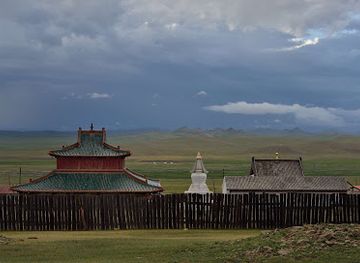
Erdene Zuu Monastery
Experience the serene beauty and rich history of Erdene Zuu Monastery, Mongolia's first Buddhist monastery, in the heart of Kharkhorin.
-
National park
Gobi Gurvan Saikhan National Park
Discover the unparalleled beauty of Gobi Gurvan Saikhan National Park, where stunning landscapes and diverse wildlife create an unforgettable adventure.
-
Museum
Kharakhorum Museum
Discover the Kharakhorum Museum, where Mongolia's ancient history comes alive through captivating exhibits and rich cultural narratives.
Explore Orkhon Valley on the map
Plan your trip on one map. See where the top cities, national parks and sights are, and book hotels and experiences in a few clicks.
Best hotels in Orkhon Valley
Best restaurants in Orkhon Valley
Dining in the Orkhon Valley is closely tied to pastoral life and the practical limits of a remote region. Kharkhorin has the widest choice of restaurants, cafés and simple guesthouse meals, while ger camps commonly serve set meals to residents. Expect mutton, beef, dairy products, rice, noodles, soups and buuz, the steamed dumplings found across Mongolia, alongside tea made with milk and salt. A traditional meal in a family ger may include airag, fermented mare’s milk, during the summer season, although availability and taste vary. Local dairy foods such as yoghurt, dried curds and clotted cream reflect the importance of livestock rather than a highly specialised valley cuisine. Vegetarian visitors should explain their requirements in advance, particularly when staying at rural camps. Bring snacks for long excursions, since roadside food is limited and meal times may follow camp arrangements rather than a city timetable.
-
Italian
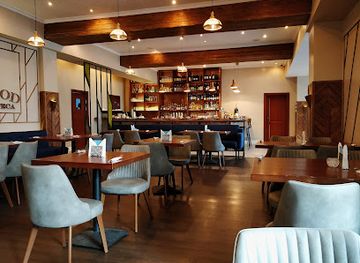
DeQuattro by Rosewood
Experience the essence of Italy with exquisite dishes at DeQuattro by Rosewood in Ulaanbaatar's vibrant dining scene.
-
Indian
Hazara Indian Restaurant
Discover authentic Indian cuisine at Hazara Indian Restaurant in Ulaanbaatar - a must-visit for spice lovers!
-
Restaurant
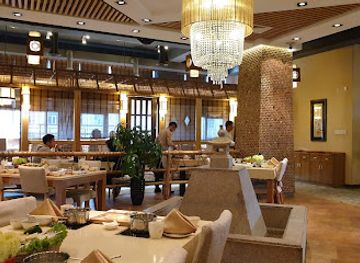
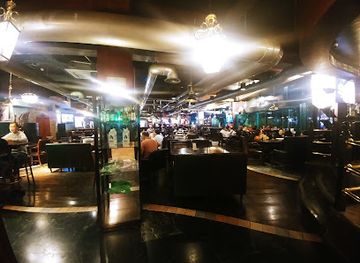
The Bull Hot Pot Restaurant
Experience authentic hot pot dining at The Bull Hot Pot Restaurant in Ulaanbaatar—where fresh ingredients meet rich flavors for a memorable meal.
-
Hot Pot
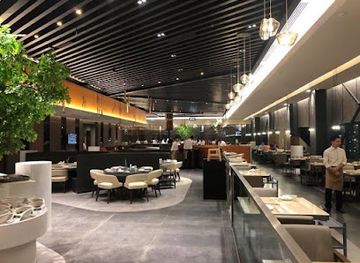
Little Sheep Hot Pot Restaurant, Galleria Ulaanbaatar
Discover the authentic flavors of Mongolia with fresh ingredients and vibrant dining at Little Sheep Hot Pot Restaurant in Ulaanbaatar.

Best bars in Orkhon Valley
The Orkhon Valley does not have a substantial nightclub scene. Evening life is centred on the restaurants, cafés and modest bars of Kharkhorin, together with the communal dining areas of ger camps. In rural settings, visitors are more likely to spend the evening drinking tea, sharing a meal, listening to conversation or looking at the night sky than seeking organised entertainment. Some camps may offer fermented mare’s milk or locally available beer, but alcohol should never be assumed to be part of a cultural visit, and moderation is particularly important in remote surroundings. Entertainment can include informal songs, storytelling or traditional music when arranged by hosts, though these experiences are not guaranteed. Bring a torch, warm clothing and offline reading or music for evenings away from town, when electricity and mobile reception may be limited.
-
Hotel
Shangri-La Ulaanbaatar
Experience unmatched luxury and comfort at Shangri-La Ulaanbaatar, your gateway to the heart of Mongolia's captivating capital.
-
Hotel
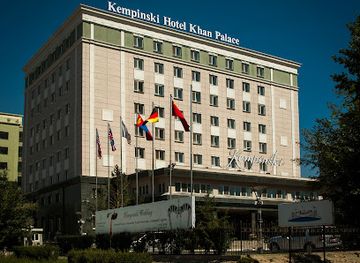
Kempinski Hotel Khan Palace Ulaanbaatar
Discover the luxurious Kempinski Hotel Khan Palace, a perfect blend of elegance and comfort in the heart of Ulaanbaatar.
-
Restaurant
Grand Khaan Irish Pub
Discover the vibrant atmosphere and authentic Irish cuisine at Grand Khaan Irish Pub in Ulaanbaatar, a perfect retreat for food lovers and travelers alike.
-
Restaurant
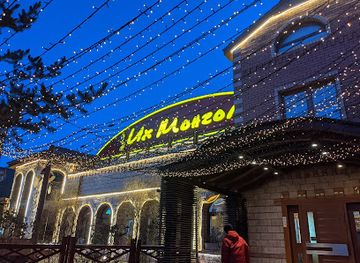
Great Mongol Restaurant & Pub
Experience authentic Mongolian cuisine and a vibrant atmosphere at Great Mongol Restaurant & Pub in Ulaanbaatar.

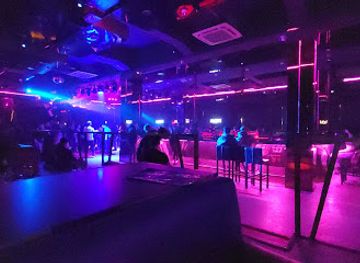
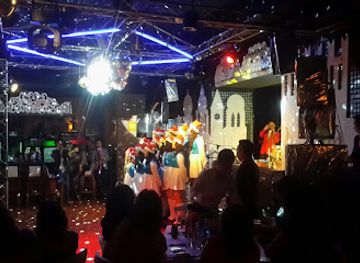
Best nightclubs in Orkhon Valley
The Orkhon Valley does not have a substantial nightclub scene. Evening life is centred on the restaurants, cafés and modest bars of Kharkhorin, together with the communal dining areas of ger camps. In rural settings, visitors are more likely to spend the evening drinking tea, sharing a meal, listening to conversation or looking at the night sky than seeking organised entertainment. Some camps may offer fermented mare’s milk or locally available beer, but alcohol should never be assumed to be part of a cultural visit, and moderation is particularly important in remote surroundings. Entertainment can include informal songs, storytelling or traditional music when arranged by hosts, though these experiences are not guaranteed. Bring a torch, warm clothing and offline reading or music for evenings away from town, when electricity and mobile reception may be limited.
-
Jazz
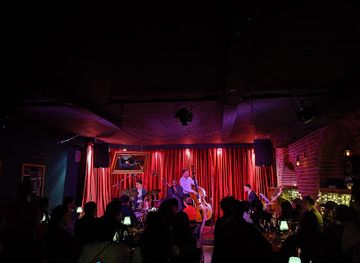
Fat Cat Jazz Club Ulaanbaatar
Discover the vibrant nightlife of Ulaanbaatar at Fat Cat Jazz Club, where live music and delicious food create unforgettable evenings.
-
Night club
CHOCO CLUB ULAANBAATAR
Experience the electrifying nightlife of Ulaanbaatar at Choco Club, where music, dance, and unforgettable moments await.
-
Disco club
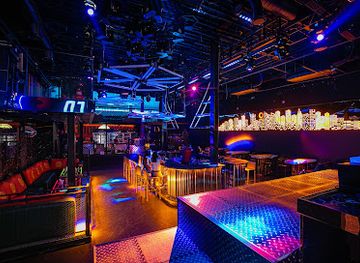
The ILoft Function House
Experience the electrifying nightlife of Ulaanbaatar at The ILoft Function House, a premier disco club with vibrant atmosphere and unforgettable moments.
-
Live Music
River Sounds Live Music Club
Discover the rhythm of Ulaanbaatar at River Sounds Live Music Club, where captivating performances and delightful cuisine create unforgettable nights.
Best shops in Orkhon Valley
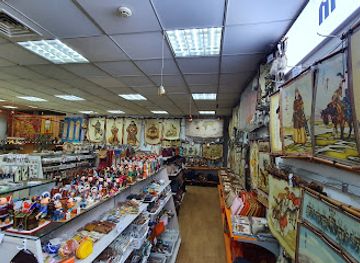
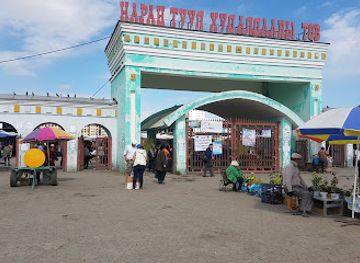
Shopping in the Orkhon Valley is modest and practical rather than extensive. Kharkhorin has small shops and stalls for food, drinks, household supplies and basic travel needs, while ger camps may sell or display locally made felt goods, small souvenirs and craft items. Potential purchases include felt slippers, wallets, dairy products, woollen articles, carved objects and horse-related souvenirs, but quality and provenance vary, so ask whether an item was made locally and negotiate courteously where appropriate. The area is not a specialist luxury-shopping destination, and visitors should not expect a permanent craft market with a fixed range of goods. Regional products may include dried curds and other preserved dairy foods, though these should be packed and transported in accordance with customs and airline rules. Carry cash in Mongolian tögrög for rural purchases, as card payment is unreliable outside larger accommodation businesses in Kharkhorin.
-
Department store
State Department Store
Explore the State Department Store in Ulaanbaatar for a unique shopping experience featuring local handicrafts, modern fashion, and delicious cuisine.
-
Market
Narantuul Market
Explore Narantuul Market, Ulaanbaatar's vibrant hub of culture, crafts, and cuisine - a unique shopping experience for every traveler.
-
Shopping mall
Ulaanbaatar Department Store
Explore the Ulaanbaatar Department Store for a unique shopping experience filled with local crafts, international brands, and delightful dining options.
-
Shopping mall
Hunnu Mall
Experience the vibrant shopping scene at Hunnu Mall, where modernity meets Mongolian culture in the heart of Ulaanbaatar.

Get your free copy of our complete guide to Orkhon Valley, delivered straight to you.
Everything on this page, from attractions and restaurants to essentials and local phrases, in one PDF you can read offline, print or share.
Already have an account? Sign in
Your Orkhon Valley guide is ready.
We'll send it to · Not you? Sign out

Getting your guide ready…
We are putting together a fresh copy of the Orkhon Valley guide. This can take up to a minute.
This can take a few moments. If your browser asks, choose Allow so the download can start. You'll find the guide in your Downloads folder.
Nothing happened? Download it again
Sorry, the guide is taking longer than usual. Please try again in a minute, or get it by email instead.
Orkhon Valley essentials
Currency and Payment
Safety
Emergency Situations
Do's and Don'ts
Local Tips
From Eve
Local phrases worth knowing
You don't need to get them perfect. A few words go a long way, and locals appreciate the effort.
Basics
| English | Local | Say it |
|---|---|---|
| Hello | Сайн уу | [Sain uu] |
| Goodbye | Баяртай | [Bayartai] |
| Yes | Тийм | [Tiim] |
| No | Үгүй | [Ügüi] |
| Please/You're welcome | Гуйя | [Guiya] |
| Thank you | Баярлалаа | [Bayarlalaa] |
| Excuse me/Sorry | Уучлаарай | [Uuchlaarai] |
| How are you? | Та хэр байна? | [Ta kher baina?] |
| Fine. And you? | Сайн. Та? | [Sain. Ta?] |
| Do you speak English? | Та англиар ярьдаг уу? | [Ta angliar yaryadag uu?] |
| I don't understand | Би ойлгохгүй байна | [Bi oilgokhgui baina] |
Eating & Drinking
| English | Local | Say it |
|---|---|---|
| I'd like to see the menu, please | Та надад менюг үзүүлэх үү? | [Ta nadad menyug üzülkhüü?] |
| I don't eat meat | Би мах иддэггүй | [Bi makh iddegüi] |
| Cheers! | Сайн сайхан байцгаая! | [Sain saikhan baidgai!] |
| I would like to pay, please | Би төлбөр хийхийг хүсч байна | [Bi tölbör khiikhig khüsch baina] |
Emergencies
| English | Local | Say it |
|---|---|---|
| Help! | Туслаач! | [Tuslaach!] |
| Go away! | Яваарай! | [Yavaarai!] |
| Call the Police! | Цагдаа дуудаач! | [Tsagdaa duudaach!] |
| Call a doctor! | Эмч дуудаач! | [Emch duudaach!] |
| I'm lost | Би алга болсон | [Bi alga bolson] |
| I'm ill | Би өвдсөн | [Bi övdson] |
Shopping
| English | Local | Say it |
|---|---|---|
| I'd like to buy... | Би ... худалдаж авахыг хүсч байна | [Bi ... khudaldazh avakhig khüsch baina] |
| I'm just looking | Би зөвхөн харж байна | [Bi zövkhön kharj baina] |
| How much is it? | Энэ хэд вэ? | [Ene khed ve?] |
| That's too expensive | Энэ үнэтэй байна | [Ene üntei baina] |
| Can you lower the price? | Та үнийг бууруулж чадах уу? | [Ta üning buuruulj chadah uu?] |
Time & Numbers
| English | Local | Say it |
|---|---|---|
| What time is it? | Одоо хэд болж байна? | [Odoo khed bolzh baina?] |
| It's one o'clock | Нэг цаг болж байна | [Neg tsag bolzh baina] |
| Half past (10) | Хагас (10) болж байна | [Khaagas (10) bolzh baina] |
| Morning | Өглөө | [Öglöö] |
| Afternoon | Өдрийн хоол | [Ödrin khool] |
| Evening | Орой | [Oroy] |
| Yesterday | Өчигдөр | [Öchigdör] |
| Today | Өнөөдөр | [Önöödör] |
| Tomorrow | Маргааш | [Margaash] |
| 1 | 1 | [1] |
| 2 | 2 | [2] |
| 3 | 3 | [3] |
| 4 | 4 | [4] |
| 5 | 5 | [5] |
| 6 | 6 | [6] |
| 7 | 7 | [7] |
| 8 | 8 | [8] |
| 9 | 9 | [9] |
| 10 | 10 | [10] |
Transport & Directions
| English | Local | Say it |
|---|---|---|
| Where's a/the...? | Хаана ... байна вэ? | [Khaana ... baina ve?] |
| What's the address? | Хаяг нь юу вэ? | [Khayag ni yuu ve?] |
| Can you show me (on the map)? | Та надад (газрын зураг дээр) үзүүлж чадах уу? | [Ta nadad (gazryn zürag deer) üzüülzh chadah uu?] |
| When's the next (bus)? | Дараагийн (автобус) хэзээ ирэх вэ? | [Daraagiin (avtobus) khezeer irekh ve?] |
| A ticket (to ....) | Билет (.... руу) | [Bilet (.... ruu)] |
History of Orkhon Valley
Early Orkhon Settlement and Bronze Age Landscapes
The Orkhon corridor has supported human settlement, movement and pastoral activity for thousands of years. Bronze Age burial monuments, deer stones and related archaeological remains across central Mongolia indicate societies that combined herding with long-distance cultural connections. The valley’s reliable river, pasture and route through the central steppe helped make it attractive to successive communities. Much of the archaeological record is dispersed rather than concentrated in a single museum site, and some remains are difficult to interpret without a specialist guide. Their importance lies in showing that the political history of the valley began long before the rise of the Mongol Empire.
The Turkic Memorials of the Orkhon Region
During the sixth to eighth centuries, Turkic states used the Orkhon region as a centre of power and commemoration. Monumental inscriptions associated with rulers such as Kül Tigin and Bilge Khagan recorded political achievements and ideas of legitimate rule in an early Turkic written tradition. The surviving memorials are especially important for the history of Turkic languages and Inner Asian statecraft. Although individual monuments lie in remote locations and are not all equally easy to visit, they form part of the wider cultural landscape that established the Orkhon Valley as a place of imperial memory.
Khar Balgas and the Uyghur Khaganate
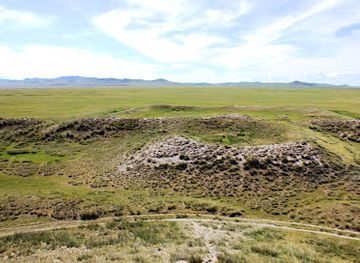
Khar Balgas, also known as Ordu-Baliq, was the capital of the Uyghur Khaganate from the eighth to the ninth century. Its remains include earthen walls, defensive structures and traces of an urban settlement, offering evidence of a more permanent city within a region often imagined only as nomadic pasture. The capital connected the Orkhon Valley to the wider political and commercial networks of Inner Asia. Its destruction in the ninth century did not end the valley’s importance; later rulers continued to use the same corridor for administration, ceremony and movement.
Karakorum and the Mongol Empire
Ögedei Khan established Karakorum as the Mongol Empire’s principal capital in the thirteenth century, around 1235. The city occupied a strategic position near the Orkhon River and became a meeting place for merchants, envoys, craftsmen and religious communities from across Eurasia. It was not simply a military camp: archaeological work has revealed evidence of planned activity, craft production and international connections. When the imperial court shifted to Khanbaliq, present-day Beijing, Karakorum lost its central political role, but its memory remains fundamental to Mongolia’s national history.
Erdene Zuu and the Revival of Buddhism
Erdene Zuu Monastery was founded in 1586 by Abtai Sain Khan, a prominent Mongol ruler, near the ruins of Karakorum. Constructed with materials associated with the old capital and enclosed by a wall marked by stupas, it became one of Mongolia’s most important Buddhist institutions. Its history reflects the growth of Tibetan Buddhism among Mongol communities and the political importance of religious centres. The monastery suffered severe disruption during the twentieth-century anti-religious campaigns, but surviving buildings and later restoration preserve an important layer of the Orkhon Valley’s cultural history.
The Qing Period and Pastoral Continuity
From the seventeenth century until the early twentieth century, Mongolia was incorporated into the Qing imperial order. The Orkhon region remained shaped by pastoral land use, aristocratic authority and Buddhist institutions rather than developing as a densely settled agricultural area. Administrative and religious relationships changed, while seasonal herding continued to organise daily life across the grasslands. This period helps explain why the valley contains both political monuments and a landscape still dominated by livestock movement, open pasture and dispersed settlement.
The Twentieth Century and Cultural Preservation
Mongolia’s socialist period brought major political and economic change, including collectivisation, new state institutions and the suppression of religious practice. Erdene Zuu was among the monasteries affected, and many religious buildings and artefacts were lost or damaged. Since the democratic transition of the 1990s, religious practice has revived and archaeological research has expanded. The Orkhon Valley was inscribed as a UNESCO World Heritage cultural landscape in 2004, recognising both its exceptional historical remains and the continuing relationship between pastoral communities and the riverine environment.
Orkhon Valley in Photos
Browse through our photo collection highlighting the charm and character of the destination.
Neighbouring regions of Orkhon Valley
The closest regions to Orkhon Valley, if you have time for more than one.
-

-

-

-

-


Swipe for more regions
Explore more

Explore more of Mongolia
Discover Mongolia: From the vast steppes and towering mountains to the rich nomadic culture and ancient traditions, experience the land of eternal blue sky.
Explore Mongolia